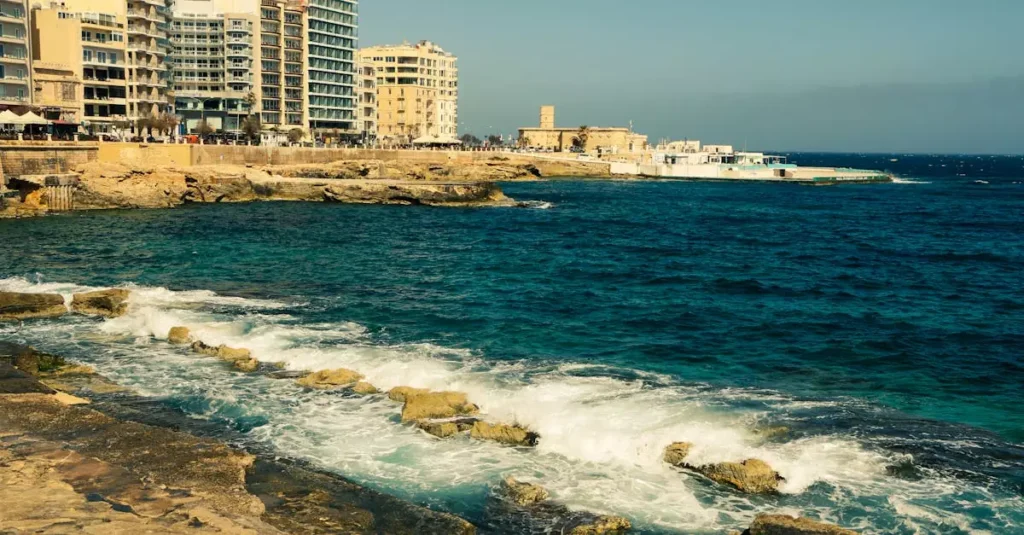
Europe’s coastlines offer an unmatched variety of seaside experiences, from the dramatic cliffs of the Atlantic to the sun-soaked islands of the Mediterranean. If you’re envisioning a vacation filled with sea breezes, breathtaking landscapes, and rich culture, exploring the best coastal destinations in Europe is an ideal choice. This guide will help you navigate the continent’s stunning shores, revealing options tailored to every traveler. You’ll uncover not only iconic hotspots but also hidden gems that promise a more serene escape. We’ll explore what makes each region unique, including activities, local flavors, and practical tips for planning your perfect seaside getaway, ensuring your next trip is truly unforgettable.
Why Choose Europe’s Coastlines for Your Next Vacation?
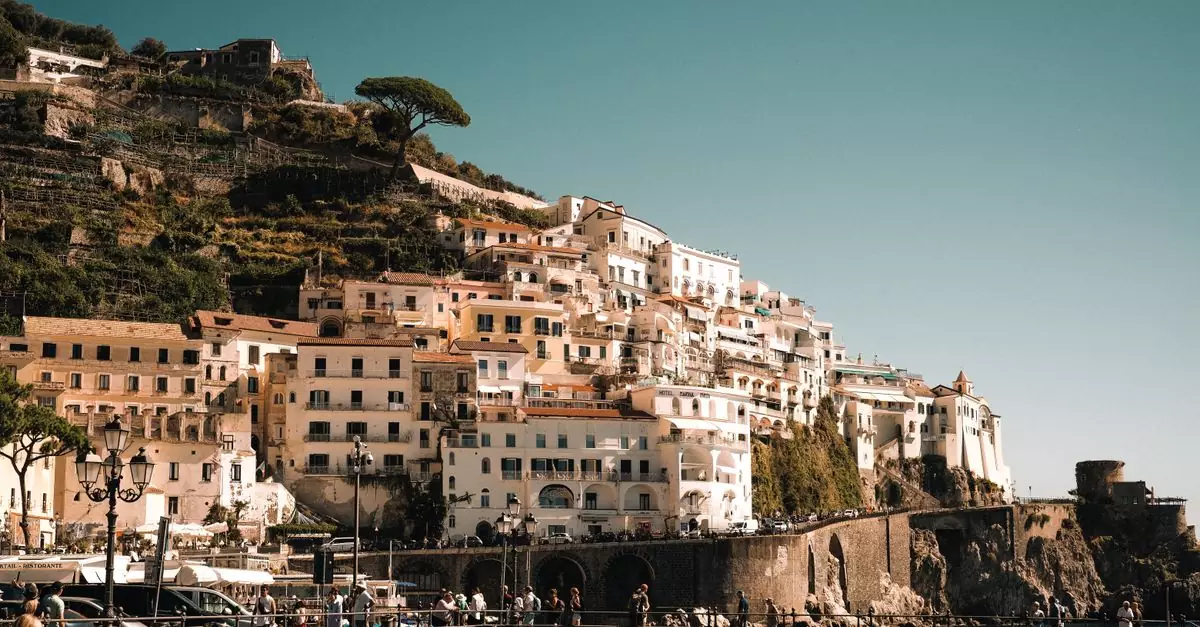
Europe’s coastlines present a remarkable array of seaside experiences, making them a top choice for travelers seeking sun, sea, and culture. From Norway’s dramatic fjords to the sun-drenched beaches of the Mediterranean, the continent’s shores offer a rich tapestry of landscapes and atmospheres. A trip along these varied coastlines guarantees an adventure that caters to all types of travelers, whether you seek vibrant city life, tranquil natural beauty, or historical exploration.
The Allure of Diverse European Shores
The charm of Europe’s coastal regions lies in their incredible variety. You’ll find rugged, windswept cliffs in Ireland and Portugal, providing breathtaking views and challenging hiking trails. Further south, the turquoise waters and golden sands of the Greek Islands or the Spanish Costas invite swimming, sunbathing, and water sports. Even within a single country, coastal scenery can change dramatically, from the pine-fringed coves of the French Riviera to the stark volcanic landscapes of Iceland’s coast. This geographical diversity allows you to tailor your seaside escape to your preferences.
When considering a European coastal getaway, reflect on the type of experience you desire. Are you drawn to the lively atmosphere of popular beach resorts with plenty of amenities, or do you prefer secluded coves and a more natural setting? The best coastal destinations in Europe can fulfill both desires. For example, the Amalfi Coast in Italy offers dramatic cliffside villages and glamorous seaside towns, while the Algarve in Portugal boasts extensive sandy beaches and charming fishing villages. Understanding these distinctions aids in selecting a location that aligns with your ideal vacation.
Finding Your Perfect European Coastal Vibe: From Rugged Cliffs to Sandy Beaches
The European coastline presents a range of environments, each offering a distinct vacation experience. For those who love dramatic vistas and invigorating walks, the western coasts of Ireland and Scotland provide spectacular scenery with sea stacks and sheer drops. These areas are often less crowded, offering a more rugged encounter with the sea.
Conversely, if your vision of a seaside escape involves warm waters, soft sand, and a relaxed pace, the Mediterranean is your best bet. Destinations like the Balearic Islands in Spain, the Dalmatian Coast of Croatia, or the southern shores of Italy and Greece are renowned for their inviting beaches and calm seas. These regions are particularly popular during summer, offering a vibrant atmosphere with ample opportunities for swimming, snorkeling, and enjoying fresh seafood at beachfront tavernas.
| Destination Type | Scenery | Activities | Best Time to Visit |
|---|---|---|---|
| Rugged Coastlines | Cliffs, sea stacks, vistas | Hiking, wildlife watching, photography | Spring, Autumn |
| Sandy Beach Resorts | Long sandy beaches, clear waters | Swimming, sunbathing, water sports, relaxation | Summer |
| Island Escapes | Coves, villages, clear seas | Sailing, exploring, dining, cultural immersion | Late Spring, Autumn |
When planning, consider the logistics of reaching these varied locations. Major coastal cities often have international airports, facilitating easier access. However, getting to more remote or island destinations might involve ferries or smaller regional flights, which can add to travel time and cost. Researching transportation options in advance is essential for a smooth journey. For instance, exploring the numerous islands off the coast of Greece typically requires a combination of flights and ferry services.
Top Picks for the Best Coastal Destinations in Europe
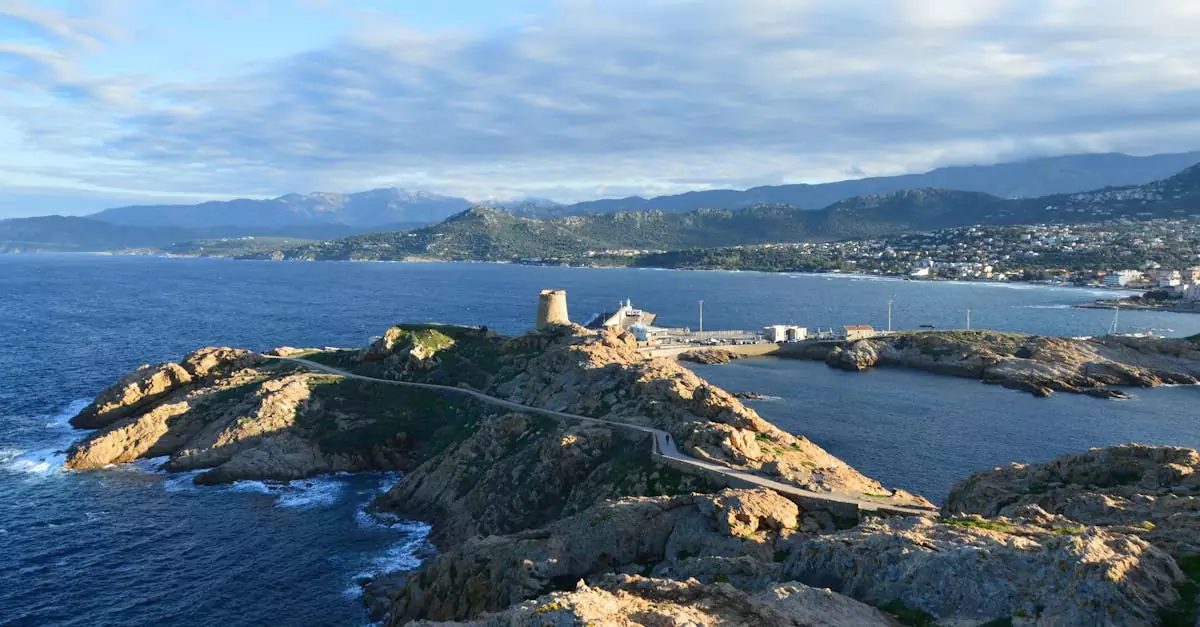
Europe’s coastline offers a diverse array of landscapes, making it a prime destination for seaside escapes. Choosing the best coastal destinations involves considering a mix of natural beauty, cultural richness, and traveler experience. These select locations consistently rank among the continent’s most sought-after seaside getaways.
The Algarve, Portugal: Golden Sands and Dramatic Cliffs
The Algarve region in southern Portugal is famous for its expansive golden beaches, dramatic sandstone cliffs, and numerous sea caves. It caters to various travelers, from families seeking safe swimming spots to adventurers exploring hidden coves by boat. The climate remains mild year-round, though summer months see the most visitors.
Accessing the Algarve is convenient, with Faro Airport (FAO) serving as the main gateway. Renting a car is highly recommended for flexibility in reaching various beaches and towns like Lagos, Albufeira, and Tavira. Accommodation options range from luxury resorts to charming guesthouses.
Cinque Terre, Italy: Pastel Villages Clinging to Ligurian Cliffs
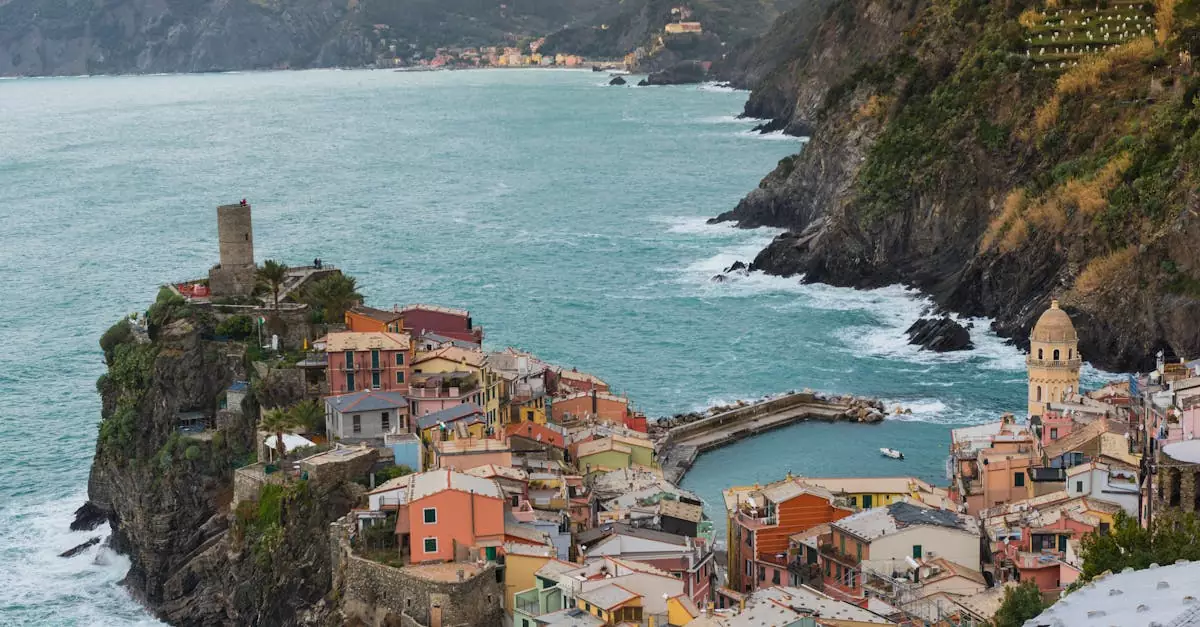
Cinque Terre, a string of five fishing villages on the Italian Riviera, offers a unique blend of colorful architecture, steep hiking trails, and sparkling Ligurian Sea views. The villages—Monterosso al Mare, Vernazza, Corniglia, Manarola, and Riomaggiore—are interconnected by scenic walking paths and a local train line. This car-free environment adds to its charm but requires a certain level of mobility for exploration.
Spring and fall are ideal for visiting Cinque Terre, providing pleasant weather for hiking and fewer crowds than the peak summer season. Traveling between villages by train is efficient and offers stunning coastal vistas. Be prepared for uneven terrain and many stairs, especially in villages like Corniglia.
The Dalmatian Coast, Croatia: Island Hopping and Ancient Ports
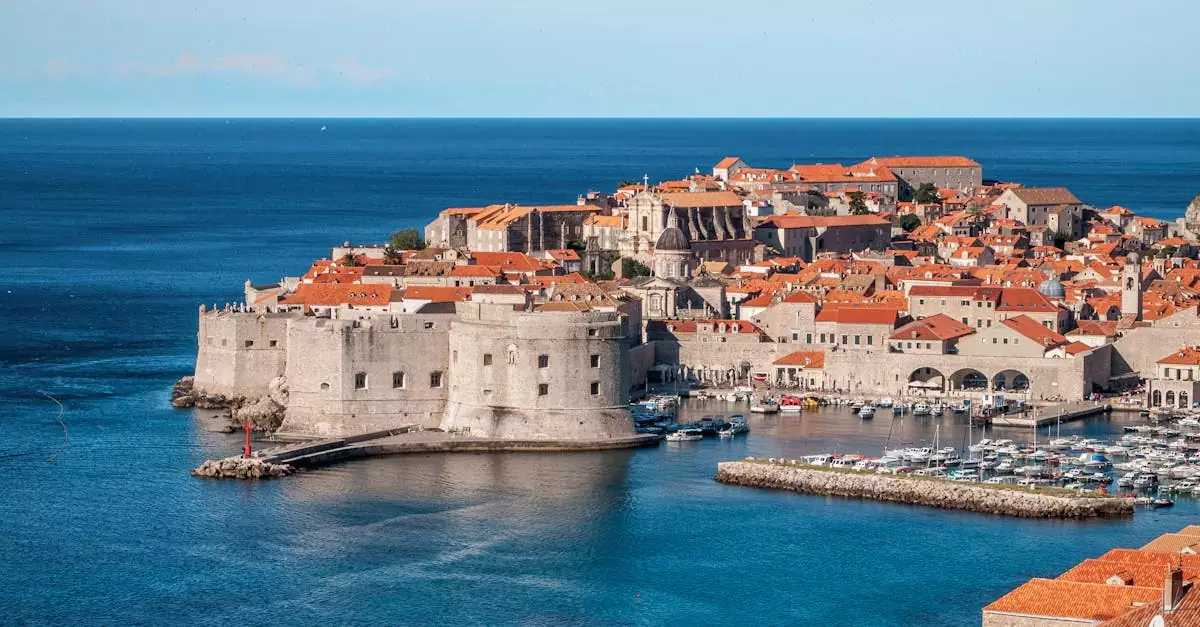
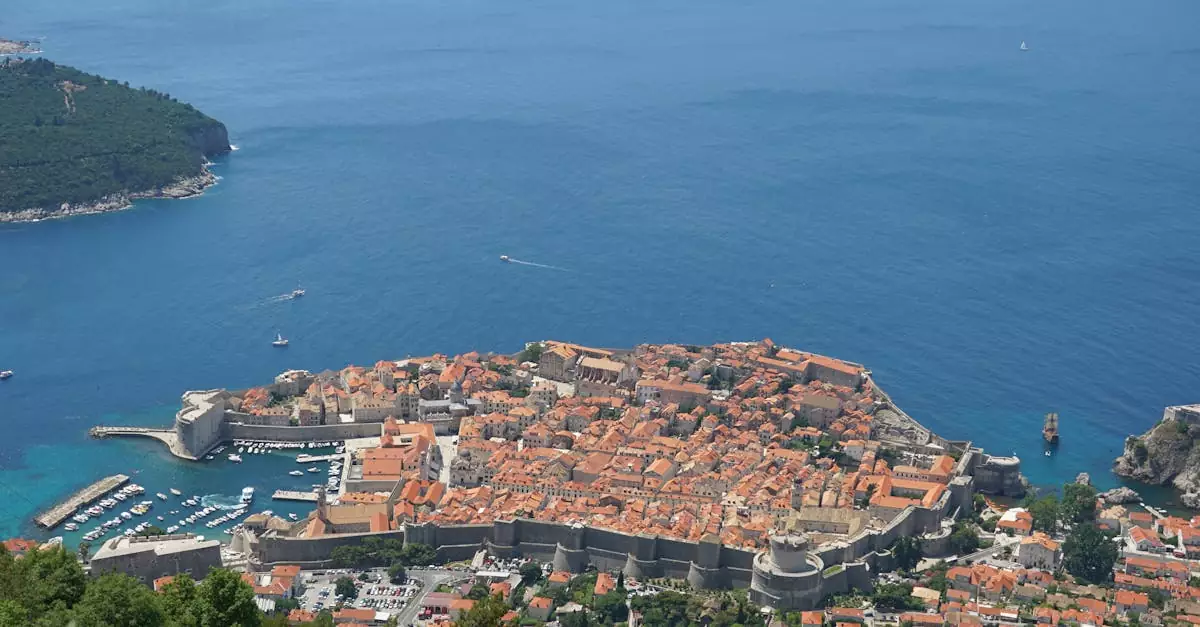
Croatia’s Dalmatian Coast is a Mediterranean gem, characterized by crystal-clear Adriatic waters, numerous islands, and historic port cities like Dubrovnik and Split. Island hopping is a quintessential experience here, with ferries connecting popular islands such as Hvar, Korčula, and Brač. The region’s rich history is evident in its Roman ruins and Venetian architecture.
The best time to visit the Dalmatian Coast is from late spring to early autumn. Flights typically arrive at Split Airport (SPU) or Dubrovnik Airport (DBV). A combination of ferries and catamarans makes inter-island travel feasible, though schedules can vary by season. Budget-conscious travelers might find more affordable options on less-visited islands.
The Amalfi Coast, Italy: Glamour and Scenic Drives
The Amalfi Coast, a UNESCO World Heritage site, is celebrated for its dramatic cliffs plunging into the turquoise sea, vibrant bougainvillea, and glamorous towns like Positano, Amalfi, and Ravello. This stretch of coastline is famous for its winding, scenic drives, offering breathtaking panoramas at every turn. It evokes classic Italian romance and luxury.
Visiting during the shoulder seasons (April-May and September-October) provides a good balance of pleasant weather and manageable crowds. Driving the narrow coastal road requires confidence, and parking can be challenging and expensive. Many visitors opt for ferries or local buses to navigate between towns.
Santorini, Greece: Iconic Sunsets and Volcanic Beaches
Santorini, part of the Cyclades island group in Greece, is renowned for its whitewashed villages perched on volcanic cliffs overlooking the Aegean Sea, particularly in Oia and Fira. The island’s unique volcanic geology has created striking beaches with black, red, and white sand. Its sunsets are legendary, drawing visitors from around the globe.
Santorini is accessible via flights to Santorini (Thira) National Airport (JTR) or by ferry from Athens and other islands. The island is relatively small, and while renting an ATV or scooter offers freedom, the main towns are well-connected by bus. Caldera-view accommodations are highly sought after and tend to be pricier.
Hidden Gems Along Europe’s Undiscovered Coastlines
While Europe’s famous coastlines attract crowds, venturing off the beaten path reveals equally stunning seaside destinations with fewer tourists and unique local charm. These less-trafficked areas offer a chance to experience authentic coastal life, dramatic natural beauty, and rich history without the usual bustle.
Portugal’s Costa Vicentina: Wild Beaches and Surfing Havens
Stretching along Portugal’s southwestern Alentejo and Algarve regions, the Costa Vicentina features a rugged, undeveloped coastline that feels worlds away from the resort towns further east. This protected natural park boasts dramatic cliffs, expansive sandy beaches, and powerful Atlantic waves that attract surfers of all levels.
The best time to visit is during the shoulder seasons, from April to June and September to October, when the weather is pleasant and the crowds are thinner. Summer (July-August) is warmer but busier. Getting around requires a car, as public transport is limited. Towns like Vila Nova de Milfontes and Zambujeira do Mar offer charming accommodations and local seafood restaurants. Safety on the beaches is paramount; always be aware of strong currents and rip tides, and never swim alone.
This stretch of coast is a true escape for nature lovers and active travelers. Hiking trails crisscross the cliffs, offering breathtaking views, while the consistent surf makes it a premier destination for learning to surf.
The Black Forest Coast, Germany: Baltic Sea Charm and Hanseatic History
Germany’s Baltic Sea coast, often overshadowed by its Mediterranean counterparts, offers a unique blend of sandy beaches, charming seaside resorts, and a rich Hanseatic history. The region known as the “Black Forest Coast” (Schwarzwaldküste) is a misnomer, referring not to trees but to the historically wealthy trading cities that once dominated the Baltic trade routes.
Coastal towns like Wismar and Stralsund, UNESCO World Heritage sites, showcase magnificent medieval architecture, including impressive Brick Gothic churches and well-preserved town centers. Beyond the historic cities, islands like Rügen and Usedom boast long, sandy beaches and elegant spa towns with distinctive architecture from the Kaiser era.
Travel here is best between May and September for warmer weather, though summer can be busy. The region is well-connected by train, making it accessible without a car. Budget-friendly guesthouses and boutique hotels are plentiful, and the local cuisine features fresh fish and regional specialties. While the Baltic Sea is generally calmer than the Atlantic, always supervise children near the water.
Slovenia’s Short but Sweet Adriatic Coastline: Piran’s Venetian Flair
Slovenia’s coastline, measuring just over 46 kilometers, offers charm and beauty, with Piran as its jewel. This picturesque town, jutting into the Adriatic Sea, resembles a miniature Venice, characterized by narrow cobblestone streets, colorful Venetian Gothic architecture, and a stunning central square named after the famous violinist Giuseppe Tartini.
The best time to visit Slovenia’s coast is from May to September. The climate is Mediterranean, with warm summers perfect for swimming and exploring. Getting to Piran is straightforward; it’s about a 1.5-hour drive from Ljubljana, and parking is limited within the old town, encouraging walking. Consider staying in an apartment within the historic center for an immersive experience.
While the coastline is compact, it offers delightful seaside promenades, excellent seafood restaurants, and opportunities for boat trips to nearby Croatian towns. The clear waters make it pleasant for swimming and snorkeling. For travelers seeking a taste of the Adriatic with a distinctly Central European feel, this stretch of coast is a captivating choice.
Planning Your Itinerary: How to Experience Europe’s Best Coastal Destinations
When planning a trip to Europe’s stunning coastlines, a well-structured itinerary is crucial for maximizing enjoyment and minimizing stress. Whether you dream of a single, immersive seaside stay or a grand tour of multiple shores, thoughtful planning ensures you capture the essence of these vibrant destinations.
Crafting a Multi-Destination Coastal Road Trip
For travelers eager to see a variety of European coastlines, a road trip offers unparalleled flexibility. This approach allows you to connect charming fishing villages, dramatic cliffs, and sun-drenched beaches at your own pace. Consider a route that links the Algarve’s golden sands in Portugal with Spain’s rugged Costa Brava, or perhaps a journey along the French Riviera, continuing into the Italian Cinque Terre.
When mapping out a multi-stop coastal adventure, factor in driving times between locations and potential traffic, especially during peak season. Booking accommodations in advance is highly recommended, particularly in popular areas. A flexible itinerary might include a mix of pre-booked stays in major hubs and more spontaneous bookings in smaller towns you discover along the way.
Best Time to Visit Europe’s Coastal Regions for Ideal Weather
The timing of your visit significantly impacts your experience of Europe’s best coastal destinations. The summer months, from June to August, provide the warmest weather and longest daylight hours, ideal for swimming and sunbathing. However, this is also the busiest and most expensive period, with crowds flocking to popular beaches.
Shoulder seasons, spring (April-May) and autumn (September-October), often provide a more relaxed atmosphere and pleasant temperatures. You’ll find fewer tourists, making it easier to enjoy the scenery and local culture. Spring brings blooming wildflowers to many coastal areas, while autumn offers crisp air and beautiful foliage, alongside still-warm sea temperatures in the Mediterranean. Winter can be a tranquil, budget-friendly option for exploring coastal cities and dramatic landscapes, though swimming may be too cold for most.
Here’s a general overview of seasonal weather patterns:
| Region | Spring (Apr-May) | Summer (Jun-Aug) | Autumn (Sep-Oct) | Winter (Nov-Mar) |
|---|---|---|---|---|
| Mediterranean Coast | Mild, sunny | Hot, dry | Warm, pleasant | Cool, rainy |
| Atlantic Coast | Mild, breezy | Warm, variable | Mild, cooler | Cool, wet |
| Northern Coasts | Cool, variable | Mild, sunny | Cool, crisp | Cold, damp |
Navigating Between European Coastal Towns: Trains, Ferries, and Rental Cars
Efficient transportation is vital for exploring Europe’s diverse coastal landscapes. For journeys between countries or major cities, the extensive European rail network is often the most convenient and scenic option. High-speed trains connect many coastal hubs, offering comfortable travel with stunning views.
Ferries provide a unique way to experience coastal regions, particularly in areas with numerous islands, such as Greece or Croatia. These sea voyages can be practical for reaching island destinations and a delightful part of the travel experience. For instance, hopping between the islands of the Aegean Sea is a quintessential Greek coastal adventure.
Renting a car offers the ultimate freedom, especially for exploring more remote stretches of coastline or charming villages not easily accessible by public transport. This is particularly true for regions like the Amalfi Coast in Italy or the Scottish Highlands. When renting a car, be mindful of narrow roads, parking availability in small towns, and differing driving regulations across Europe.
Consider these transportation methods based on your travel style:
- Trains: Best for inter-city travel, comfortable, scenic, eco-friendly.
- Ferries: Essential for island hopping, unique sea views, can be slower.
- Rental Cars: Maximum flexibility for rural exploration, requires navigation and parking planning.
- Buses: Often a budget-friendly option for shorter distances or connecting smaller towns.
Immerse Yourself: Local Flavors and Activities by the Sea
Beyond stunning vistas, Europe’s coastlines offer a vibrant tapestry of local culture, culinary delights, and engaging activities. Engaging with these elements transforms a simple vacation into a rich, immersive experience. Understanding the local rhythm, from market days to popular seaside pastimes, enhances any traveler’s journey.
Savoring Fresh Seafood: Must-Try Dishes in Coastal Europe
The bounty of the sea is a cornerstone of cuisine across Europe’s maritime regions. Each destination boasts unique preparations and signature dishes that reflect local traditions and available catches. Sampling these flavors is essential to any seaside escape.
In Portugal, Bacalhau (salt cod) is a national obsession, prepared in various ways, from creamy Bacalhau com Natas to grilled Bacalhau Assado. Along the Spanish coast, particularly in the Basque Country, Pintxos often feature exquisite seafood like anchovies, crab, and octopus. Don’t miss Paella de Marisco, a saffron-infused rice dish brimming with mussels, clams, and prawns, especially popular in Valencia.
Italy’s extensive coastline yields diverse seafood specialties. Liguria is famous for its pesto, often served with trofie pasta and mussels, while Sicily offers Pesce Spada (swordfish) grilled with lemon and herbs. Further north, in France, the Brittany region is renowned for its oysters and Moules Marinières (mussels steamed in white wine). The Mediterranean islands, like Greece and Croatia, present simple yet flavorful grilled fish, often drizzled with local olive oil and lemon.
When visiting these regions, consider the best times to enjoy fresh catches. Many local markets offer daily catches, and restaurants often highlight seasonal seafood. Be adventurous and ask locals for their recommendations; they often know the hidden gems.
| Region | Signature Seafood Dish | Typical Preparation |
|---|---|---|
| Portugal | Bacalhau | Salted, dried cod prepared many ways |
| Spain (Basque) | Grilled Octopus | Marinated and char-grilled |
| Spain (Valencia) | Paella de Marisco | Saffron rice with mixed shellfish |
| Italy (Sicily) | Pesce Spada alla Griglia | Grilled swordfish with lemon and herbs |
| France (Brittany) | Moules Marinières | Steamed mussels in white wine and herbs |
| Greece/Croatia | Grilled Whole Fish | Drizzled with olive oil, lemon, herbs |
Unique Water Activities: From Sailing to Sea Kayaking
The allure of the sea extends to a wide array of activities catering to every energy level and interest. Whether you seek adrenaline-pumping adventures or tranquil exploration, Europe’s coastal waters provide the perfect playground.
Sailing is a quintessential European coastal experience, with regions like the Greek Cyclades, the Dalmatian Coast of Croatia, and the French Riviera offering breathtaking sailing routes. Many ports provide opportunities for day charters or longer bareboat rentals, allowing you to hop between islands or explore secluded coves. For those interested in learning, numerous sailing schools operate along these coasts.
Sea kayaking offers a more intimate connection with the marine environment. Explore hidden sea caves along the Algarve coast in Portugal, paddle through the clear waters of the Amalfi Coast in Italy, or navigate the dramatic fjords of Norway. Kayaking tours are widely available and often include guided trips to points of natural beauty and historical significance.
Other popular water activities include paddleboarding, snorkeling, and diving. The Mediterranean’s clear waters are ideal for observing marine life, while the Atlantic coast offers opportunities for surfing and coasteering. Consider booking activities in advance, especially during peak season, to secure your spot. Many tour operators provide packages that combine multiple activities, offering a comprehensive way to experience the coast.
Exploring Charming Coastal Villages and Local Markets
Beyond the beaches and water, Europe’s coastal regions are dotted with picturesque villages and bustling local markets that provide a glimpse into authentic daily life. These smaller settlements often retain their traditional character, offering a more relaxed and intimate travel experience.
Wander through narrow, cobblestone streets in villages like Cadaqués in Spain, with its whitewashed houses and artistic heritage, or explore the colorful fishing hamlets along the Cinque Terre in Italy. These villages are perfect for leisurely strolls, discovering artisanal shops, and enjoying a coffee or local wine at a small café.
Local markets are vibrant hubs of activity, offering a sensory feast. In France, visit a Provençal market for fresh produce, lavender, and local crafts. In Italy, markets like the Pescheria fish market in Catania, Sicily, are a spectacle of fresh seafood and local produce. Portugal’s seaside towns often have lively markets where you can find fresh fish, regional cheeses, and handmade ceramics. Visiting a market in the morning is ideal for experiencing the most authentic atmosphere and finding the freshest goods. It’s also a great opportunity to practice your language skills and engage with local vendors.
Frequently Asked Questions About Europe’s Coastal Travel
What are the most budget-friendly coastal destinations in Europe?
For travelers mindful of their spending, several European coastlines offer excellent value. The Albanian Riviera is emerging as a top contender, with affordable accommodation and dining options alongside stunning turquoise waters. Similarly, parts of the Portuguese coast, particularly outside major tourist hubs like Lisbon and Porto, provide beautiful beaches and delicious seafood at reasonable prices. Look into towns along the Silver Coast for a more budget-conscious experience.
Eastern European coastlines also present great opportunities. The Bulgarian Black Sea coast, with resorts like Sunny Beach and Golden Sands, offers competitive prices for package holidays and independent travel. While not widely known for its beaches, the Baltic coast of Poland (e.g., Sopot, Hel Peninsula) can also be surprisingly affordable, especially outside peak summer.
Which European coastal areas are best for families?
Families often seek destinations with calm waters, family-friendly resorts, and activities beyond just the beach. The Algarve region in Portugal consistently ranks high for families, offering a range of resorts with kids’ clubs, water parks, and shallow, sandy beaches. Towns like Albufeira and Lagos are well-equipped to handle family visitors.
The Costa Dorada in Spain, south of Barcelona, is another excellent choice. It boasts long, sandy beaches with gentle waves and attractions like PortAventura World, one of Europe’s largest theme parks. For a slightly different vibe, consider the Adriatic coast of Croatia, particularly islands like Brač or Hvar, which offer charming towns, clear waters, and boat trip opportunities that appeal to all ages. Many coastal towns in these regions provide a good balance of relaxation and entertainment.
What should I pack for a trip to Europe’s coast in different seasons?
Packing for Europe’s diverse coastlines requires considering the season.
- Summer (June-August): Lightweight clothing is essential. Pack swimsuits, shorts, t-shirts, sundresses, and sandals. A wide-brimmed hat and sunglasses for sun protection are a must. A light jacket or cardigan is advisable for cooler evenings, especially in Northern Europe. Sunscreen with high SPF is essential.
- Spring (April-May) & Autumn (September-October): These shoulder seasons offer milder weather, making them ideal for sightseeing and fewer crowds. Pack layers: long-sleeved tops, sweaters, jeans, and comfortable walking shoes. A waterproof jacket or umbrella is highly recommended, as rain is more likely. You might still enjoy beach days, but bring a warmer cover-up.
- Winter (November-March): Coastal areas in Southern Europe (e.g., Mediterranean) can still be mild, but Northern and Western European coasts will be cold and potentially windy. Pack warm, waterproof outerwear, sweaters, thermal layers, and sturdy, closed-toe shoes. Scarves, gloves, and hats are necessary for colder regions.
Regardless of the season, comfortable walking shoes are crucial for exploring coastal towns and promenades. Consider a reusable water bottle to stay hydrated and reduce plastic waste.