
Bringing a taste of your European travels home is a rewarding experience for any food lover. Beyond trinkets and magnets, edible souvenirs offer a delicious way to relive memories and share your journey with others. Europe, with its diverse culinary heritage, presents an abundance of high-quality, authentic food items that make exceptional gifts. When searching for the best culinary souvenirs Europe has to offer, focusing on regional specialties ensures you bring back something truly unique and representative of the places you’ve visited. This guide will explore a curated selection of delectable items, from sweet confections and savory delights to artisanal oils and unique spices, helping you discover the perfect edible mementos to savor long after your trip.
Discovering Europe’s Most Coveted Culinary Souvenirs

Bringing a taste of your European travels home is a rewarding experience for any food lover. Beyond trinkets and magnets, edible souvenirs offer a delicious way to relive memories and share your journey with others. Europe, with its diverse culinary heritage, presents an abundance of high-quality, authentic food items that make exceptional gifts. When searching for the best culinary souvenirs Europe has to offer, focusing on regional specialties ensures you bring back something truly unique and representative of the places you’ve visited.
Sweet Treats: Chocolates and Confections from Belgium and Switzerland
Belgium and Switzerland are synonymous with world-class chocolate, making their confections prime candidates for edible gifts. Belgian chocolatiers are renowned for their pralines, often filled with ganache, caramel, or fruit purees, presented in exquisite boxes. Look for brands like Godiva, Neuhaus, or Pierre Marcolini for a taste of true Belgian luxury. In Switzerland, milk chocolate reigns supreme, celebrated for its smooth texture and rich flavor. Brands such as Lindt, Toblerone, and Cailler offer a wide variety of bars, napolitains, and specialty chocolates.
When purchasing these delicate items, consider the climate and your travel duration. For warmer months, insulated packaging or buying closer to your departure date is advisable. Many specialty shops provide vacuum-sealed options for longer shelf life, ideal for international travel. A small, beautifully crafted box of Belgian pralines or a selection of Swiss chocolate bars can be a delightful and universally appreciated souvenir.
Savory Delights: Cured Meats and Cheeses from Italy and Spain
Italy and Spain offer a treasure trove of savory souvenirs that capture the essence of Mediterranean flavors. Italian cured meats, such as Prosciutto di Parma, Salumi, and Speck, are crafted using traditional methods passed down through generations. These intensely flavorful meats are perfect for antipasto platters and can often be found vacuum-sealed in many Italian markets, making them suitable for transport.
Spanish charcuterie, particularly Jamón Ibérico and Jamón Serrano, is iconic. Jamón Ibérico, from acorn-fed pigs, boasts a rich, nutty flavor and a melt-in-your-mouth texture. While whole legs are impractical for most travelers, many shops sell pre-sliced, vacuum-sealed portions that are easier to pack and enjoy.
When it comes to cheese, Italy offers Parmigiano-Reggiano, Pecorino Romano, and Gorgonzola, while Spain is known for Manchego, a firm sheep’s milk cheese. Regulations regarding the import of dairy and meat products vary significantly by country, so it’s crucial to research customs rules before purchasing. Opting for vacuum-sealed, aged cheeses and cured meats from reputable vendors will increase your chances of a smooth journey through customs.
Artisanal Oils and Vinegars: A Taste of Provence, France
The sun-drenched region of Provence in southern France is celebrated for its exceptional olive oils and vinegars. High-quality olive oils, often single-estate or infused with local herbs like rosemary or garlic, offer a vibrant, peppery taste that can elevate any dish. Look for bottles from small producers at local markets or specialty food shops.
Similarly, French vinegars, particularly those from the Rhône Valley or Burgundy, provide a complex acidity that surpasses mass-produced varieties. Banyuls vinegar, made from the famous sweet wine, offers a unique fruity note. These liquids are best purchased in sturdy, well-sealed bottles, and many shops offer protective packaging for travel.
When selecting these liquid souvenirs, consider their weight and the potential for leakage. Many artisanal producers use robust glass bottles with secure caps, and some may offer wooden crates for extra protection. Transporting these items in checked luggage is generally recommended. A bottle of authentic Provençal olive oil or a unique French vinegar is a sophisticated gift that brings the flavors of the French countryside to any kitchen.
Unique Spices and Seasonings: Exploring Eastern European Flavors
Eastern Europe offers a fascinating array of spices and seasonings that are less commonly found elsewhere. Hungary is famous for its paprika, ranging from sweet and mild to hot and smoky. A high-quality Hungarian paprika can transform goulash, stews, and even simple roasted chicken. Look for “csemege” (sweet) or “csípős” (hot) varieties from reputable brands.
Beyond paprika, countries like Poland and the Czech Republic offer unique spice blends and dried herbs. Consider purchasing regional mushroom seasonings, caraway seeds, or traditional spice mixes used in local dishes. These are often sold in convenient jars or bags, making them easy to pack.
When buying spices, opt for freshly ground or whole spices for the best flavor. Many Eastern European markets have dedicated spice stalls where you can find high-quality, aromatic products. These seasonings are lightweight and durable, making them excellent, budget-friendly best culinary souvenirs Europe travelers can easily bring home. For a comprehensive overview of European travel, consult resources on traveling across Europe.
Where to Find the Best Culinary Souvenirs in Major European Cities

Bringing a taste of your European adventure home is rewarding for any food lover. Beyond magnets and keychains, edible souvenirs offer a tangible connection to the places you’ve visited. From artisanal cheeses to regional spirits, these gastronomic treasures make for thoughtful gifts or personal indulgences. Navigating the best culinary souvenirs in Europe means understanding local specialties and where to find them.
Paris, France: From Macarons to Mustard
Paris, a city synonymous with gastronomy, offers an abundance of edible delights. For classic French flavors, seek out high-quality Dijon mustard. While available globally, purchasing it from a dedicated mustard shop like Maille on Rue de Richelieu provides a superior selection and the chance to taste unique varieties. Another quintessential Parisian treat is the macaron. While many patisseries offer them, consider Ladurée or Pierre Hermé for their iconic flavors and beautiful packaging, making them perfect for gifting. Don’t overlook artisanal French butter from regions like Normandy, often sold in specialty food stores, or a bottle of Cognac from a reputable merchant. Exploring Parisian food markets, such as Marché des Enfants Rouges, can also yield unexpected gourmet finds.
Rome, Italy: Pasta, Olive Oil, and Amaro
In Rome, the heart of Italian cuisine, edible souvenirs are deeply rooted in tradition. High-quality extra virgin olive oil from regions like Tuscany or Puglia is a must-have. Look for small producers whose oils are often sold in specialty shops or directly from producers if you venture outside the city. Authentic Italian pasta, especially dried artisanal varieties like those from Gragnano, offers a taste of Roman dining at home. These are readily available in local alimentari (grocery stores) and gourmet food shops. For a digestif, consider a bottle of Amaro, an Italian herbal liqueur. Brands like Averna or Fernet-Branca are widely recognized, but local Roman amari can offer a more unique experience. Visiting markets like Campo de’ Fiori can also provide opportunities to find regional honey, cured meats, and biscotti.
Barcelona, Spain: Jamón Ibérico and Catalan Crema
Barcelona, the vibrant capital of Catalonia, presents a distinct set of culinary treasures. The undisputed king of Spanish edible souvenirs is Jamón Ibérico, the acorn-fed Iberian ham. While purchasing a whole leg might be impractical, vacuum-sealed portions of high-quality Jamón Ibérico de Bellota can be found in specialty delicatessens and gourmet food stores. Another Catalan specialty is Crema Catalana flavored products, such as liqueurs or artisanal jams. For a taste of the sea, consider high-quality conservas (canned seafood), like anchovies or sardines, from producers like Ortiz or Conservas de Cambados. These are often presented in attractive tins and are a gourmet staple. Seek out olive oil from the Catalonia region, renowned for its robust flavors.
Amsterdam, Netherlands: Gouda Cheese and Stroopwafels
Amsterdam offers iconic Dutch treats that are perfect for bringing home. The most famous is undoubtedly Gouda cheese. While you can find Gouda worldwide, visiting a dedicated cheese shop in Amsterdam allows you to sample and purchase aged varieties with complex flavors that are hard to replicate. Look for cheeses aged 18 months or longer for a richer taste. Another beloved treat is the stroopwafel. While often enjoyed fresh from street vendors, you can buy beautifully packaged, larger stroopwafels from bakeries or specialty shops to share. These caramel-filled waffles are a delightful sweet souvenir. For a more alcoholic option, consider a bottle of Dutch Jenever, the precursor to gin, which offers a unique botanical flavor profile.
Beyond the Tourist Shops: Authentic Food Markets for Souvenir Hunting
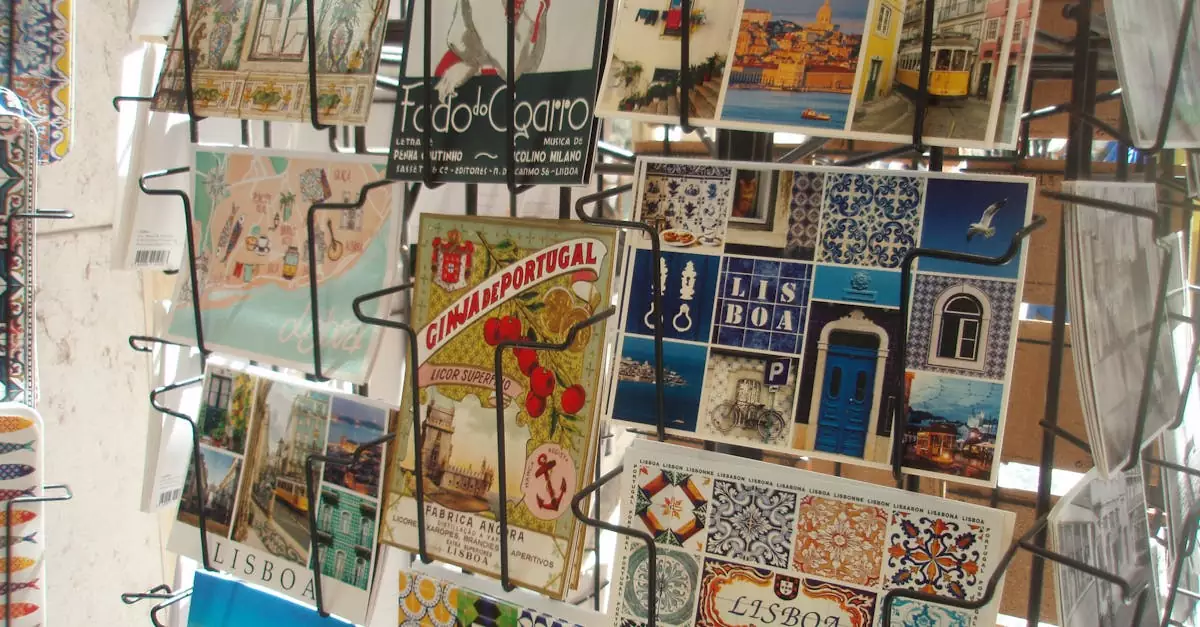
Forget generic magnets and mass-produced trinkets. For the true food lover, the most memorable souvenirs come from the heart of a destination’s culinary scene: its vibrant food markets. These bustling hubs offer a sensory overload of local produce, artisanal products, and regional specialties, providing the perfect opportunity to find edible treasures that capture the essence of your travels. Visiting these markets is an experience in itself, offering a glimpse into local life and a chance to connect with producers and vendors.
La Boqueria Market, Barcelona: A Feast for the Senses
Stepping into La Boqueria on Barcelona’s famous Las Ramblas is an immediate immersion into Catalan gastronomy. While it can get crowded, especially during peak tourist season, the sheer variety of offerings makes it a must-visit for edible souvenirs. Look for small bottles of high-quality olive oil from regions like Catalonia, a staple of Spanish cuisine. Jars of romesco sauce, a nutty, peppery condiment made with tomatoes, peppers, and almonds, are also fantastic to bring home. Don’t miss the opportunity to purchase some of Spain’s finest jamón ibérico (Iberian ham), expertly sliced and vacuum-sealed for travel. You can also find an array of dried fruits, nuts, and local sweets.
- Getting there: Easily accessible by metro (Liceu station on the Green Line).
- Best for: Olive oil, romesco sauce, jamón ibérico, dried fruits, nuts.
- Tip: Visit early in the morning to avoid the biggest crowds and see the market at its most active.
Borough Market, London: Global Flavors and Local Produce
London’s Borough Market, near London Bridge, is a paradise for food enthusiasts, showcasing the best of British produce alongside international delicacies. This historic market is a fantastic place to find artisanal cheeses from across the UK, from sharp cheddars to creamy blues. Look for small-batch chutneys and preserves made with seasonal British fruits and vegetables – they make excellent, flavorful gifts. High-quality British teas and biscuits are also readily available. For those seeking something a bit more unique, seek out vendors selling small jars of artisanal honey from local apiaries or perhaps some traditional English mustard.
- Getting there: A short walk from London Bridge station (Jubilee and Northern Lines).
- Best for: British cheeses, chutneys, preserves, artisanal teas, biscuits, local honey.
- Logistics: Many vendors offer vacuum-sealed options for cheeses and other perishables.
Naschmarkt, Vienna: Spices, Cheeses, and Viennese Delights
Vienna’s Naschmarkt is more than just a market; it’s a culinary institution. This long, vibrant stretch offers a diverse range of goods, from fresh produce and exotic spices to a remarkable selection of cheeses and cured meats. For edible souvenirs, focus on Austrian specialties. Pumpkin seed oil from Styria, with its rich, nutty flavor, is a distinctive and practical gift. High-quality Austrian cheeses, such as aged mountain cheeses or creamy goat varieties, are also excellent choices. Sample some local Marillenknödel (apricot dumplings) if available, or pick up ingredients to recreate Austrian flavors at home, like paprika or unique spice blends.
- Getting there: Accessible via the U4 metro line to Kettenbrückengasse station.
- Best for: Pumpkin seed oil, Austrian cheeses, specialty spices, local cured meats.
- Timing: The market is open Monday to Saturday, but many stalls are busiest in the morning and early afternoon.
Rialto Market, Venice: Fresh Seafood and Local Specialties
While Venice is famously known for its canals and architecture, its Rialto Market offers a glimpse into the city’s rich culinary heritage, particularly its connection to the Adriatic Sea. The fish market section is a vibrant spectacle, and while fresh seafood might be difficult to transport, you can find excellent preserved seafood products. Look for high-quality bottarga (cured fish roe), a delicacy that adds a unique salty, umami flavor to pasta dishes. Other great finds include local olive oils infused with herbs, artisanal pasta made in the Veneto region, and sweet treats like Bussolai cookies or Frittelle if in season. Small jars of local honey or artisanal jams are also wonderful, portable gifts.
- Getting there: A short walk from the Rialto Bridge vaporetto stop.
- Best for: Bottarga, artisanal olive oils, local pasta, Venetian cookies, regional jams.
- Consideration: Venice can be expensive, but focusing on smaller, artisanal producers at the market can help manage costs for souvenirs.
What Are the Best Culinary Souvenirs from Europe for Different Travelers?

Bringing home edible treasures from Europe allows you to relive your travel memories long after your trip concludes. Selecting the best culinary souvenirs depends on who you’re gifting them to and what kind of experience they offer. From the home cook to the dedicated foodie, Europe offers a vast array of delicious and distinctive edible gifts.
Gifts for the Home Cook: High-Quality Olive Oils and Spices
For those who love spending time in the kitchen, high-quality olive oils and potent spices make exceptional European gifts. Countries like Italy, Spain, and Greece are renowned for their exceptional olive oils, often produced in small batches with distinct regional flavors. Look for single-origin oils pressed from specific olive varietals; these offer nuanced tastes that are far superior to mass-produced options.
Consider bringing back vibrant saffron from Spain, aromatic Herbes de Provence from France, or potent paprika from Hungary. These ingredients can elevate everyday dishes, transforming them into something special. When purchasing, check for harvest dates and opt for dark glass bottles to protect the oil’s quality. Many markets and specialty food shops offer tastings, allowing you to find your favorite flavors.
Edible Gifts for Foodies: Artisanal Chocolates and Cheeses
Discerning food lovers will appreciate the artisanal chocolates and cheeses that Europe excels in producing. Belgium and Switzerland are globally celebrated for their exquisite chocolates, offering everything from single-origin bars to handcrafted pralines. In France, regions like the Loire Valley and Normandy offer incredible artisanal cheeses that are often best enjoyed within a few weeks of purchase.
When buying cheese, consider its ripeness and how it will travel. Harder, aged cheeses generally travel better than soft, creamy varieties. Many airports have dedicated food stores that can expertly pack cheese for travel, often in temperature-controlled containers. For chocolate, seek out small chocolatiers who focus on quality ingredients and traditional methods. These gourmet treats are a true taste of European craftsmanship.
Easy-to-Pack Treats: Biscuits, Jams, and Preserves
For gifts that are both delightful and relatively easy to transport, consider European biscuits, jams, and preserves. The UK is famous for its wide variety of biscuits, from buttery shortbread to rich chocolate digestives. In France, confitures (jams) made with seasonal fruits like apricots, berries, or figs are a popular choice.
These items are generally non-perishable and can withstand being packed in luggage. Look for beautifully packaged tins of biscuits or jars of artisanal jam from local markets or specialty food stores. These are perfect for sharing with friends and family, offering a sweet taste of Europe that requires minimal fuss to bring home. Many bakeries and food producers offer samples, so you can try before you buy.
Non-Perishable Pantry Staples: Pasta, Rice, and Specialty Flours
Stocking the pantry with European staples offers a lasting reminder of your travels. Italy, of course, is the homeland of pasta, and bringing back artisanal dried pasta shapes from Gragnano or a unique regional variety makes a thoughtful gift. You can also find specialty rice, such as Arborio for risotto from the Po Valley or Carnaroli, which holds its shape exceptionally well.
Other excellent pantry options include high-quality balsamic vinegar from Modena, Italy, or specialty flours for baking, like chestnut flour from Corsica or rye flour from Northern Europe. These items are robust, have a long shelf life, and allow the recipient to recreate authentic European dishes at home. When selecting, look for brands that emphasize traditional production methods and quality ingredients.
Navigating Customs and Packing Your Edible Treasures
Bringing delicious edible souvenirs back from your European adventures requires planning to ensure they arrive safely and legally. Understanding regulations, packing carefully, and knowing declaration requirements are key steps for any food lover aiming to share their gastronomic discoveries.
Understanding EU Food Import Regulations
When traveling within the European Union, food import regulations are generally relaxed for personal consumption, especially for items like cured meats, cheeses, and baked goods. However, rules can vary between member states, and certain sensitive products, such as raw milk cheeses or specific types of meat, might have restrictions. It’s always wise to check the official government websites of your destination and your home country for the most current information. For travel outside the EU, regulations become more stringent.
Best Practices for Packing Fragile Food Items
Delicate edible souvenirs, like macarons, artisanal chocolates, or jars of preserves, need careful packing to survive the journey. Wrap each item individually in bubble wrap or soft cloth. For jars, ensure the lids are tightly sealed, and consider placing them in a rigid container, like a small plastic box or a sturdy cardboard box, cushioned with more packing material. Placing these fragile items in your carry-on luggage can offer an extra layer of protection against rough handling.
Tips for Transporting Cheeses and Meats Across Borders
Transporting cheeses and cured meats across international borders requires attention to temperature and packaging. For hard cheeses, wrapping them in wax paper or parchment paper, then a layer of plastic wrap, helps maintain their quality. Softer cheeses may require more careful handling and should ideally be kept cool. Cured meats, like prosciutto or salami, are often vacuum-sealed, which is ideal for travel. If not vacuum-sealed, wrap them tightly in plastic wrap. Consider using a small insulated bag with a reusable ice pack for longer journeys, especially if traveling from a European country to a non-EU destination. Always be aware of potential import bans on certain animal products, which can differ significantly depending on the countries involved.
Declaration Requirements for Bringing Food Back Home
When returning to your home country, it’s crucial to declare all food items you are bringing back. Many countries have specific rules about what food products can be imported, often prohibiting or restricting items like fresh fruits, vegetables, meat, and dairy to prevent the spread of pests and diseases. Check the official customs website of your home country well in advance of your trip to understand these requirements. Failure to declare food items can result in confiscation, fines, or other penalties. For example, the U.S. Customs and Border Protection has detailed guidelines on what food products are allowed.
Frequently Asked Questions About European Culinary Souvenirs
Can I bring back cured meats and cheeses from Europe?
Bringing cured meats and cheeses from Europe back home can be complex due to varying import regulations, especially for travelers returning to the United States, Canada, or Australia. Many countries have strict rules about importing animal products to prevent the spread of diseases. Generally, hard, aged cheeses are more likely to be permitted than soft cheeses or fresh meats. Always check the specific customs regulations of your destination country before purchasing these items.
For instance, the U.S. Department of Agriculture (USDA) has detailed guidelines on what can and cannot be brought into the country. These rules often require items to be commercially packaged and labeled, and some products may be prohibited altogether. It’s often safer to enjoy these delicacies during your trip rather than risking confiscation at customs.
What are the most popular edible souvenirs from France?
France offers a wealth of delicious edible souvenirs, with a few standing out for their popularity and portability. High-quality chocolates and macarons from renowned Parisian chocolatiers are always a hit. Think of brands like Ladurée or Pierre Hermé for beautifully crafted, flavorful treats.
Another classic is artisanal mustard from Dijon, available in countless varieties from classic to truffle-infused. Specialty jams and confitures, particularly those featuring regional fruits like apricots or figs, also make excellent gifts. For those who appreciate savory flavors, a good quality terrine or pâté, if properly sealed and transported, can be a memorable taste of France.
Where can I buy authentic Italian olive oil in Europe?
To find authentic Italian olive oil, look beyond the supermarket shelves. The best places to source genuine, high-quality extra virgin olive oil are local food markets (mercati) in regions known for their olive production, such as Tuscany, Puglia, or Sicily. Here, you can often speak directly with producers, learn about their methods, and even sample different oils.
Specialty food shops (enoteche or gastronomie) in Italian cities also carry a curated selection of premium olive oils. Look for bottles labeled “Extra Virgin Olive Oil” with a Protected Designation of Origin (PDO) or Protected Geographical Indication (PGI) seal, indicating that the oil comes from a specific region and meets strict quality standards. Consider purchasing smaller bottles for easier transport, especially if you are looking for the best culinary souvenirs Europe has to offer.
Are there any food souvenirs that are difficult to travel with?
Certain food souvenirs present logistical challenges due to their fragility, perishability, or strict import restrictions. Fresh fruits and vegetables, for example, can be prone to bruising and may be subject to phytosanitary regulations. Highly perishable items like fresh dairy products or uncooked meats are generally not recommended for long journeys.
Items with strong odors, such as certain aged cheeses or pungent spices, can also be problematic, potentially affecting other luggage or being less pleasant to carry. Additionally, liquids, including some specialty sauces or spirits, may be subject to airline restrictions on carry-on baggage. When in doubt, opt for shelf-stable, well-packaged items that are less likely to cause travel headaches.