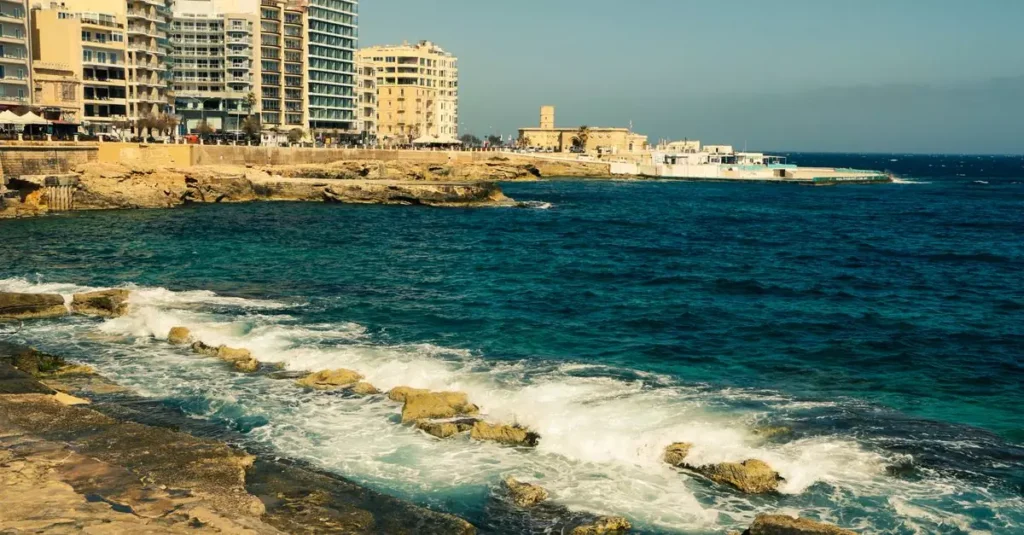
When the allure of the sea meets an exceptional culinary scene, the result is an unforgettable travel experience. Europe is filled with incredible coastal cities that have mastered the art of transforming fresh catches into mouthwatering dishes, making them ideal destinations for food lovers. From vibrant markets to intimate tavernas, the best coastal food cities in Europe offer a sensory journey that celebrates local traditions and the bounty of the ocean.
This guide will explore five remarkable destinations, highlighting their unique food cultures. You’ll discover must-try dishes, learn about the influences shaping their cuisines, and understand why these seaside culinary hubs should top your travel list. Prepare to be inspired by the flavors and stories waiting for you by the water.
Top 5 Coastal Cities for Unforgettable Seafood Feasts
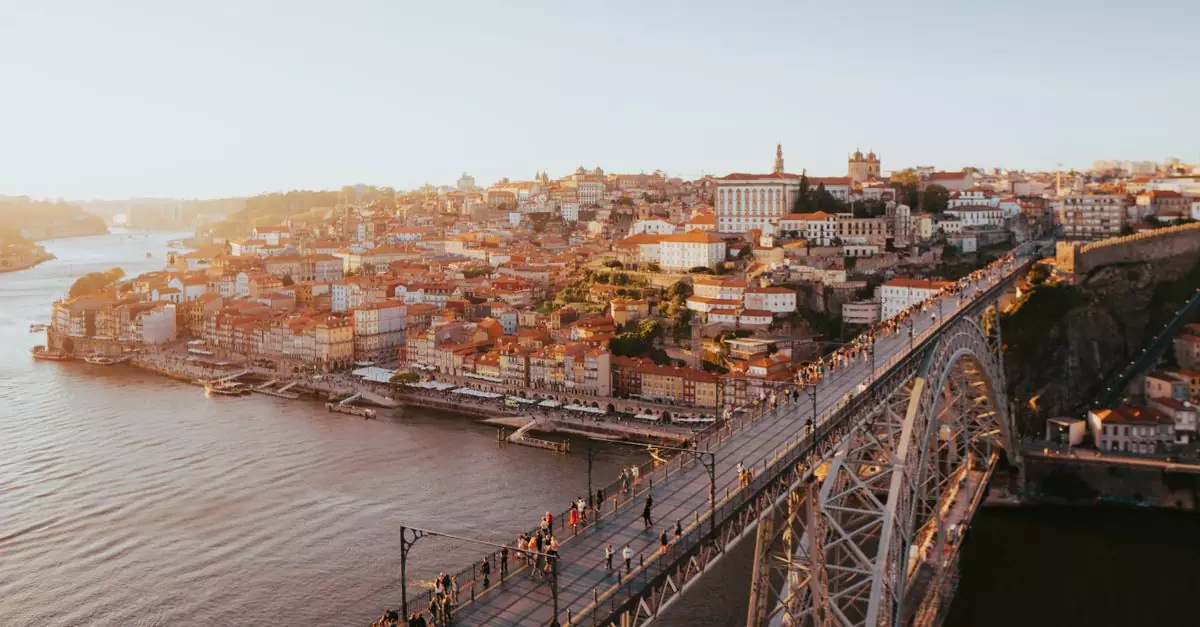
When planning a European culinary adventure, coastal cities often take center stage, providing direct access to the freshest catches of the day. These destinations leverage their maritime heritage to create vibrant food scenes where seafood reigns supreme. From bustling markets to Michelin-starred restaurants, the best coastal food cities in Europe promise an array of unforgettable flavors.
Lisbon: Fado, Pastéis de Bacalhau, and Atlantic Flavors
Lisbon’s identity is closely tied to the Atlantic Ocean, which provides an endless bounty of fresh fish and seafood. This vibrant capital offers a diverse culinary landscape, from traditional tascas serving grilled sardines to sophisticated eateries showcasing innovative seafood dishes. Be sure to try pastéis de bacalhau (codfish cakes), a national delicacy.
The seafood experience in Lisbon extends beyond taste. The Mercado da Ribeira (Time Out Market) presents a lively atmosphere where you can sample various seafood preparations from different vendors. For a more refined experience, explore restaurants in neighborhoods like Belém or Cais do Sodré, many of which boast stunning river views.
- Must-Try Dishes: Grilled sardines, bacalhau à brás (shredded cod with potatoes and eggs), ameijoas à Bulhão Pato (clams in garlic and cilantro sauce).
- Best Time to Visit: Spring (April-May) and Fall (September-October) offer pleasant weather for exploring and outdoor dining.
- Getting Around: Lisbon has an efficient public transport system, including trams, buses, and a metro. Many central areas are also very walkable.
San Sebastián: Pintxos Paradise and Michelin-Starred Seafood
San Sebastián, located on Spain’s northern coast, is a gastronomic capital, particularly celebrated for its pintxos (Basque tapas) and high concentration of Michelin-starred restaurants. The city’s proximity to the Bay of Biscay ensures access to exceptionally fresh seafood, which forms the cornerstone of many signature dishes.
Wandering through the narrow streets of the Old Town (Parte Vieja) is essential, with each bar offering a unique selection of artfully prepared pintxos. Beyond the casual pintxo bars, San Sebastián is home to several of the world’s best restaurants, many specializing in innovative seafood cuisine. Be sure to book well in advance for these establishments.
| Category | San Sebastián (Average) | Notes |
|---|---|---|
| Pintxos Bar Meal | €25-€40 per person | Varies based on the number of pintxos ordered |
| Michelin-Starred | €150+ per person | Tasting menus, often with wine pairings |
| Local Wine (Txakoli) | €3-€5 per glass | Light, crisp white wine |
Naples: Pizza by the Sea and Campania’s Coastal Bounty
While Naples is globally famous for its iconic pizza, its coastal identity means that fresh seafood plays a significant role in its cuisine. Situated on the Bay of Naples, the city benefits from the rich marine life of the Tyrrhenian Sea. Neapolitan seafood dishes often feature simple preparations that highlight the quality of the ingredients.
Beyond the pizza, explore trattorias and seafood restaurants along the Lungomare (seafront promenade) for dishes like spaghetti alle vongole (spaghetti with clams) or grilled sea bream. The vibrant markets also offer a glimpse into the daily catch. Visiting during the warmer months enhances the experience of dining al fresco by the water.
- Local Specialties: Frittura di paranza (mixed fried small fish), polpo alla Luciana (octopus in tomato sauce), linguine all’astice (linguine with lobster).
- Transportation: Naples is well-connected by train, and within the city, you can use the metro and buses. Walking is ideal for exploring the historic center.
- Considerations: Naples can be busy, especially during peak tourist season. Be mindful of your belongings in crowded areas.
Bergen: Norway’s Gateway to Fjord Freshness
Bergen, Norway’s second-largest city, is often called the “Gateway to the Fjords,” and its culinary scene is deeply influenced by the pristine waters surrounding it. The historic Fish Market (Fisketorget) is a must-visit, offering a dazzling array of fresh seafood, from plump shrimp and king crab to various types of cod and salmon.
Beyond the market, Bergen’s restaurants excel at showcasing the purity of Norwegian seafood. Expect beautifully prepared dishes, often with simple accompaniments that let the natural flavors shine. It’s an excellent destination for experiencing high-quality, sustainably sourced fish.
- Key Seafood: Norwegian salmon, cod, mackerel, shrimp, scallops, and king crab.
- Seasonal Appeal: While seafood is available year-round, summer offers longer daylight hours for exploring the city and its surroundings.
- Logistics: Bergen has a compact city center that is easily walkable. The Bergen Light Rail (Bybanen) connects the airport to the city center.
Split: Dalmatian Delights from the Adriatic Coast
Split, Croatia’s second-largest city, offers a captivating blend of ancient history and vibrant coastal cuisine. Located on the Adriatic Sea, it’s a prime spot for enjoying fresh Mediterranean-style seafood. The Riva, Split’s iconic waterfront promenade, is lined with restaurants offering stunning sea views and a variety of local seafood specialties.
Dalmatian cuisine emphasizes fresh ingredients prepared simply, often grilled or baked with olive oil, garlic, and herbs. Expect dishes featuring sea bass, bream, squid, and mussels. For a truly authentic experience, venture slightly away from the main tourist areas to find traditional konobas (taverns).
- Recommended Dishes: Crni rižot (black risotto with cuttlefish), grilled fish platters, Brodet (fish stew).
- Getting Around: The historic center of Split is very walkable, centered around Diocletian’s Palace. Ferries connect Split to numerous islands, offering further culinary explorations.
- Budget Tip: Look for “marenda” specials at local restaurants, which often feature affordable mid-day meals with seafood.
What Makes a Coastal City a Top Food Destination?
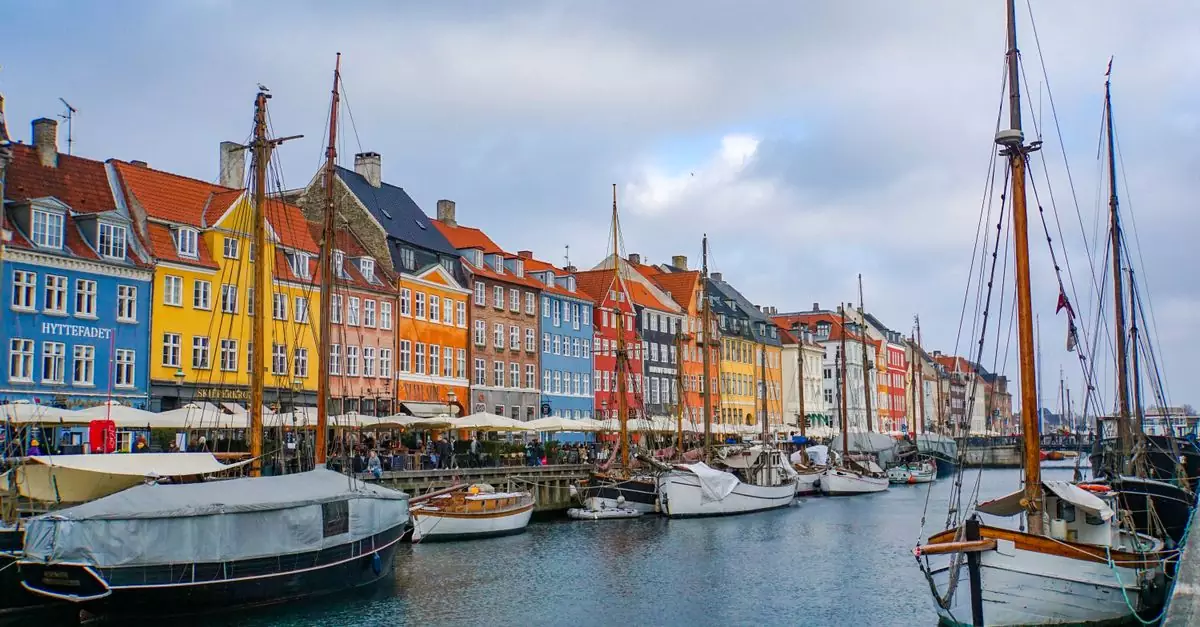
The allure of Europe’s best coastal food cities lies in a unique blend of factors that elevate simple seaside towns into culinary powerhouses. These destinations offer more than just beautiful views; they provide a vibrant gastronomic landscape shaped by the sea, local traditions, and a forward-thinking approach to food. Understanding these elements is key to appreciating why certain coastal cities stand out for their exceptional food scenes.
The Role of Freshly Caught Seafood
At the heart of any great coastal food city is the quality of its seafood. Proximity to the ocean ensures access to fish and shellfish often caught the same day they appear on your plate. This freshness translates into superior flavor and texture, a difference any discerning diner will notice. Think of the briny sweetness of oysters harvested just hours before or the firm, flaky texture of grilled sea bass pulled from local waters. Many of these cities boast bustling fish markets where you can witness this bounty firsthand, offering a glimpse into the daily rhythm of the culinary scene.
Influence of Local Culture and Traditions
Beyond the raw ingredients, a city’s culinary identity is deeply rooted in its history and cultural heritage. Coastal communities have developed unique cooking methods and signature dishes over centuries, influenced by trade routes, historical events, and the specific types of seafood available. These traditions are passed down through generations, preserved in family recipes and local eateries. Experiencing these dishes offers a direct connection to the region’s past. For instance, a simple seafood stew in one city might tell a story of ancient fishing techniques, while a particular preparation of mussels in another could reflect a long-standing relationship with a specific coastal farm.
Innovation in Coastal Gastronomy
While tradition is vital, the best coastal food cities also embrace innovation. Chefs in these locations often draw inspiration from their heritage while pushing culinary boundaries. They experiment with new techniques, combine unexpected flavors, and present familiar ingredients in novel ways. This dynamic interplay between the old and the new results in a vibrant food scene that appeals to both traditionalists and adventurous eaters. You might find a classic bouillabaisse reimagined with exotic spices or locally sourced scallops paired with avant-garde accompaniments. This spirit of culinary creativity keeps these cities at the forefront of gastronomic trends.
Accessibility to Regional Produce
The culinary excellence of a coastal city isn’t solely dependent on what comes from the sea. The surrounding landscape often provides an equally rich larder of fresh, regional produce. Fertile hinterlands, rolling vineyards, and local farms contribute seasonal fruits, vegetables, cheeses, and meats that complement the seafood offerings. This holistic approach, where the sea and the land work in harmony, defines the true character of a top coastal food destination. The availability of high-quality regional ingredients allows chefs to craft balanced and diverse menus, showcasing the best of what the entire area has to offer.
Navigating the Culinary Scene: Essential Tips for Food Lovers
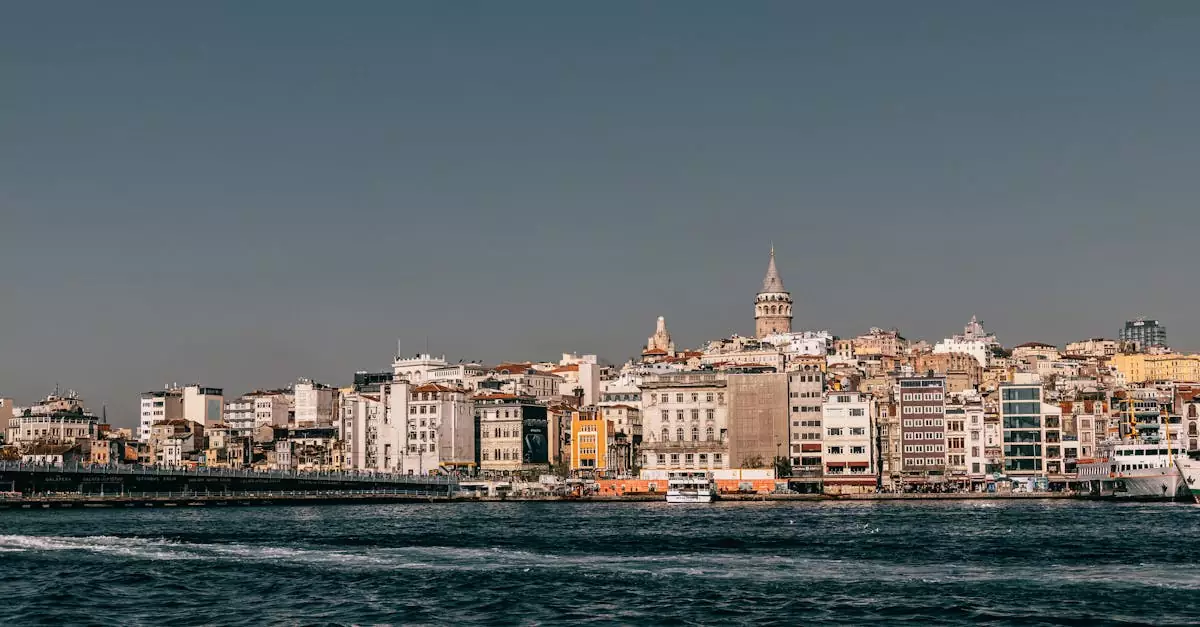
Planning a culinary adventure through Europe’s best coastal food cities requires more than just an appetite. Understanding local customs, prime dining times, and how to access authentic flavors will elevate your trip from good to unforgettable. Whether you’re hunting for Michelin-starred seafood or the humblest, most delicious street food, a little preparation goes a long way.
Best Neighborhoods for Authentic Eats in Lisbon
Lisbon’s culinary heart beats strongest in its historic neighborhoods. Alfama, with its labyrinthine alleys, offers traditional tascas where you can savor grilled sardines and bacalhau dishes. For a more contemporary yet authentic experience, head to Bairro Alto or Cais do Sodré, which boast a lively atmosphere and a diverse range of restaurants and bars. Look for places packed with locals; this is a good indicator of genuine quality and fair pricing. Exploring these areas on foot allows for spontaneous discoveries, from tiny bakeries selling pastéis de nata to bustling seafood restaurants.
Finding Hidden Gem Pintxos Bars in San Sebastián
San Sebastián is synonymous with pintxos, the Basque Country’s answer to tapas. While the Parte Vieja (Old Town) is the epicenter, navigating its dense network of bars can be overwhelming. The key to finding the best pintxos is to follow the crowds and observe where locals gather. Don’t hesitate to hop from bar to bar, sampling one or two specialties at each. Look for establishments that showcase fresh, seasonal ingredients, often displayed prominently. A classic route might start at Bar Txepetxa for anchovy creations, move to La Viña for its legendary cheesecake, and end at Gandarias for traditional skewers.
Exploring Naples’ Street Food Culture
Naples is a paradise for street food enthusiasts, offering some of the most iconic and affordable culinary experiences in Europe. Pizza al portafoglio (folded pizza) is a must-try, a quick and delicious way to enjoy a Neapolitan classic on the go. Beyond pizza, seek out fritto misto, a paper cone filled with fried seafood and vegetables, or cuoppo di terra, a vegetarian fried assortment. Vendors are often found near major attractions like the Piazza del Plebiscito or along the bustling Via Toledo. Visiting during lunchtime or early evening provides the most vibrant atmosphere.
Must-Try Dishes in Bergen and Split
In Bergen, Norway, fresh seafood reigns supreme. The iconic Fish Market (Fisketorget) is a fantastic starting point, offering everything from smoked salmon and shrimp to king crab. For a sit-down experience, try raspeballer (potato dumplings with meat) or fiskesuppe (creamy fish soup), especially during the cooler months. Split, Croatia, offers a Mediterranean twist. Its coastal cuisine features abundant grilled fish, octopus salad (salata od hobotnice), and peka, a slow-cooked dish prepared under a bell-like lid. Exploring the markets and smaller konobas (taverns) away from the main Riva promenade often yields the most authentic and memorable meals.
| City | Signature Dish(es) | Best Time to Visit for Food |
|---|---|---|
| Lisbon | Grilled Sardines, Bacalhau, Pastéis de Nata | Spring, Early Autumn |
| San Sebastián | Pintxos (various), Burnt Basque Cheesecake | Year-round |
| Naples | Pizza al Portafoglio, Fritto Misto, Sfogliatella | Spring, Autumn |
| Bergen | Smoked Salmon, Fiskesuppe, Raspeballer | Summer (market), Winter (hearty) |
| Split | Grilled Fish, Salata od Hobotnice, Peka | Late Spring, Early Autumn |
When is the Best Time to Visit Europe’s Coastal Food Cities?
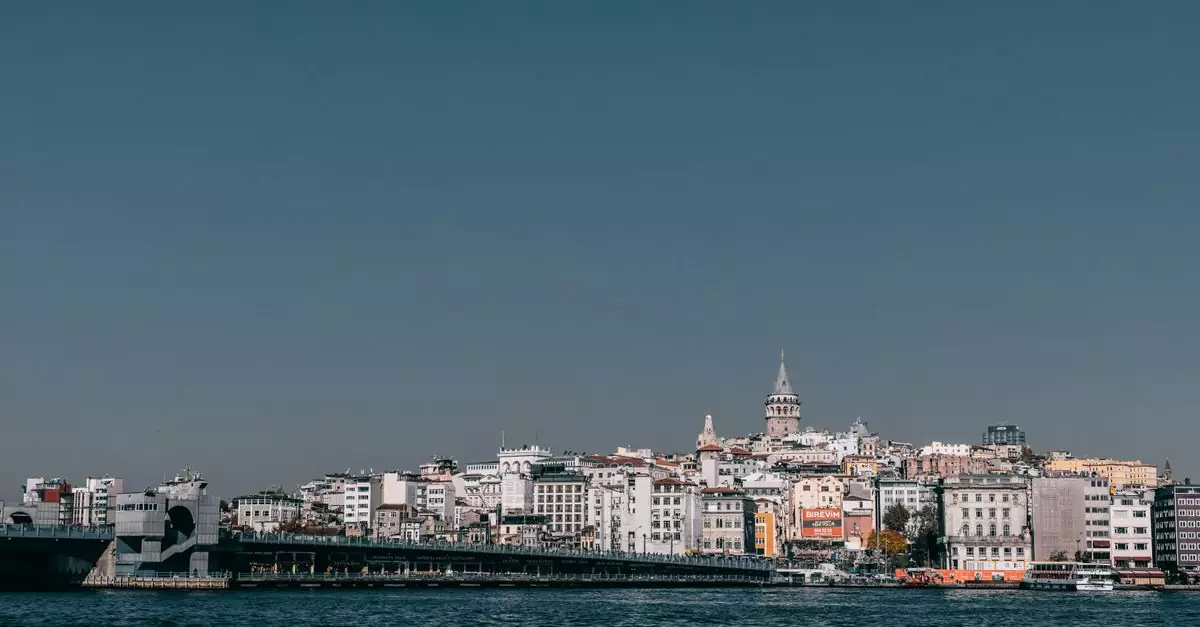
Choosing the right season can significantly enhance your culinary exploration of Europe’s coastal food cities. Each period offers a distinct gastronomic experience, influenced by local harvests, weather patterns, and the general atmosphere of these vibrant seaside destinations.
Spring: Fresh Catches and Mild Weather
Spring brings a welcome freshness to Europe’s coastlines, making it an excellent time for seafood lovers. As the waters warm, fish populations rebound, leading to an abundance of just-caught delicacies. Think delicate white fish, tender squid, and the first of the season’s shellfish. The weather is generally mild, perfect for leisurely strolls along the harbor or enjoying an early outdoor meal without the intense heat of summer. Many cities also see fewer crowds compared to peak season, offering a more relaxed dining and sightseeing experience. Local markets begin to burst with early spring vegetables, adding vibrant colors and flavors to the culinary scene.
Summer: Vibrant Markets and Al Fresco Dining
Summer is undoubtedly the most popular time to visit Europe’s coastal food cities. The long, sunny days are synonymous with outdoor dining, from bustling trattorias lining the Mediterranean coast to lively beer gardens overlooking the Baltic Sea. Markets are at their most vibrant, overflowing with ripe fruits, sun-kissed vegetables, and a wide array of local produce. This is the season for grilled seafood, refreshing salads, and enjoying regional specialties with a glass of local wine under the open sky. While crowds can be larger and prices higher, the energetic atmosphere and the sheer variety of culinary offerings make summer a compelling choice for many travelers.
Autumn: Harvest Flavors and Fewer Crowds
As summer’s heat subsides, autumn unveils a different kind of culinary richness along Europe’s coasts. This season is characterized by the harvest, bringing hearty flavors to the table. Think of roasted root vegetables, earthy mushrooms, and game dishes appearing on menus alongside the continued availability of excellent seafood. The sea often provides some of its most prized catches during the cooler months. Many destinations experience a significant drop in tourist numbers after September, leading to a more tranquil experience and potentially better value on accommodations and flights. The crisp air is invigorating for exploring, and the changing foliage provides a beautiful backdrop.
Winter: Cozy Bistros and Seasonal Specialties
While not commonly associated with seaside dining, winter offers a unique charm and different gastronomic delights in Europe’s coastal cities. This is the time for hearty, warming dishes and cozy, intimate dining experiences. Many restaurants focus on slow-cooked stews, rich seafood bisques, and traditional comfort foods. Certain shellfish, like oysters and mussels, often reach their peak flavor during the colder months. Cities can feel wonderfully authentic, with locals dominating the culinary scene. It’s an ideal period for those seeking a quieter, more intimate cultural and food immersion, often at lower price points.
Beyond the Plate: Exploring Coastal Attractions
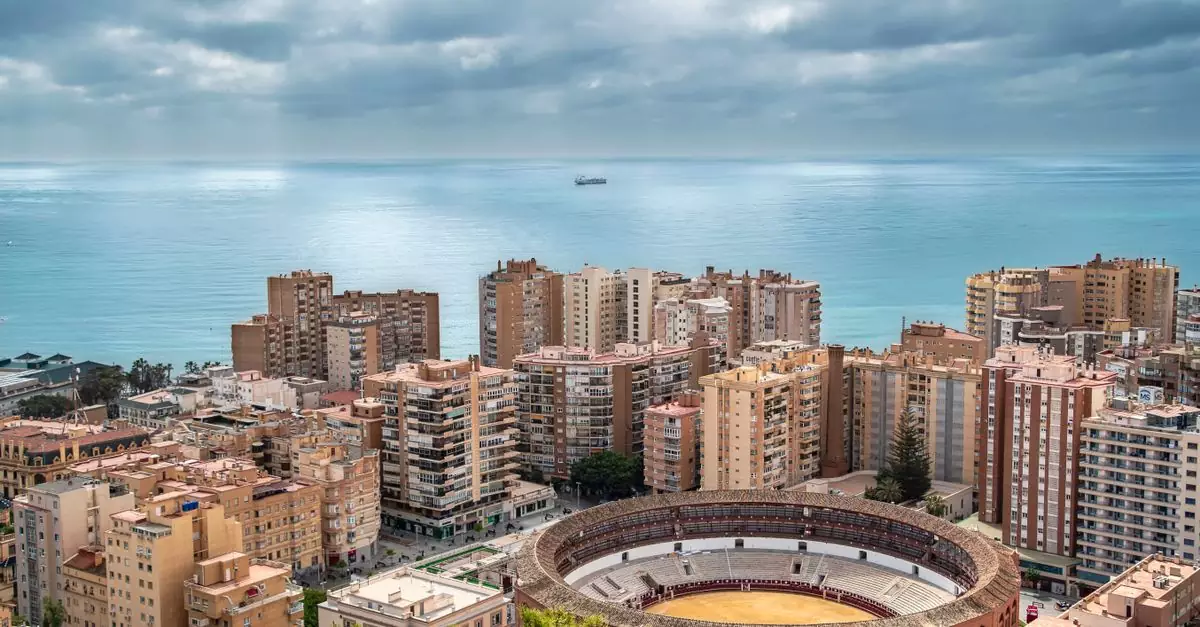
While the culinary delights are a primary draw, Europe’s best coastal food cities offer a rich tapestry of historical sites, natural beauty, and vibrant cultural experiences that complement any gastronomic journey. These destinations seamlessly blend their gastronomic heritage with captivating attractions, providing travelers with a well-rounded and memorable experience.
Lisbon’s Historic Alfama District and Belém Tower
Lisbon, Portugal, is a city where fado music echoes through ancient streets and the scent of grilled sardines fills the air. The historic Alfama district, the city’s oldest neighborhood, is a labyrinth of narrow, winding alleys, charming squares, and traditional tascas. Wandering through Alfama offers a glimpse into Lisbon’s soul, with laundry fluttering from balconies and local life unfolding at a relaxed pace. A short distance away, the imposing Belém Tower stands as a testament to Portugal’s Age of Discovery, its intricate Manueline architecture a striking sight against the Tagus River. Visiting both Alfama and Belém Tower provides a deep dive into the city’s maritime past and its enduring cultural identity, enriching your appreciation for its seafood-centric cuisine.
San Sebastián’s La Concha Beach and Old Town
San Sebastián, Spain, renowned for its pintxos bars and Michelin-starred restaurants, also boasts breathtaking natural beauty. La Concha Beach, often cited as one of Europe’s most beautiful urban beaches, offers a picturesque crescent of golden sand framed by rolling green hills. Its calm waters are perfect for a leisurely swim or a stroll along the promenade. Adjacent to the beach lies the Parte Vieja, or Old Town, a lively district brimming with pintxos bars and historic architecture. Navigating the Old Town’s bustling streets, sampling local delicacies, and then enjoying the seaside vistas of La Concha creates an unforgettable sensory experience.
Naples’ Pompeii Day Trip and Mount Vesuvius
Naples, Italy, the birthplace of pizza and a treasure trove of Neapolitan cuisine, is perfectly situated for unforgettable excursions. A day trip to the ancient ruins of Pompeii is essential, offering a hauntingly preserved glimpse into Roman life before the catastrophic eruption of Mount Vesuvius. Walking through the remarkably intact streets, villas, and public buildings provides profound historical context. For the adventurous, climbing Mount Vesuvius itself offers panoramic views of the Bay of Naples, a dramatic landscape that has shaped the region’s history and its agricultural bounty, including the tomatoes that form the base of so many Neapolitan dishes.
Bergen’s Bryggen Wharf and Fløyen Mountain
Bergen, Norway, a gateway to the fjords and celebrated for its fresh seafood, is dominated by the UNESCO World Heritage site of Bryggen Wharf. This historic waterfront, with its colorful wooden buildings, dates back to the Hanseatic League’s trading era and offers a unique architectural and historical perspective. The wharf’s narrow alleyways lead to artisan shops and small museums. For stunning city and fjord views, take the Fløibanen funicular up Mount Fløyen. The panoramic vistas from the summit, combined with Bergen’s maritime heritage and fresh catches from the cold Nordic waters, offer a compelling blend of natural splendor and cultural depth.
Split’s Diocletian’s Palace and Marjan Hill
Split, Croatia, a vibrant coastal city on the Dalmatian coast, is built around the magnificent Diocletian’s Palace. This sprawling ancient Roman palace complex is not just a historical monument but a living part of the city, with shops, cafes, and residences integrated within its ancient walls. Exploring the palace’s cellars, courtyards, and temples is like stepping back in time. For a more natural escape, head to Marjan Hill, a lush, forested peninsula offering walking trails and breathtaking views over the Adriatic Sea and the city’s terracotta rooftops. The combination of ancient history and coastal charm makes Split a captivating destination for food lovers and sightseers alike.
Frequently Asked Questions About Europe’s Coastal Cuisine
What are the most iconic seafood dishes in these cities?
Each city boasts unique maritime flavors. In Lisbon, savor grilled sardines (sardinhas assadas), especially during summer festivals, and a rich seafood rice (arroz de marisco). San Sebastián is renowned for its pintxos, small bites often featuring anchovies, octopus, and hake, with bacalao al pil-pil (cod in garlic and olive oil sauce) being a classic. Naples offers spaghetti alle vongole (spaghetti with clams) and fritto misto di mare (mixed fried seafood). For a taste of the Adriatic, visit Split for grilled fish seasoned with local olive oil and herbs, and pašticada (slow-cooked beef) often served with seafood accompaniments.
How can I experience local food culture affordably?
To dine like a local on a budget, seek out markets and small taverns away from the main tourist thoroughfares. In Lisbon, explore the Time Out Market for diverse options, but also venture into Alfama for traditional tascas. San Sebastián’s food scene is famous for expensive pintxos bars, but you can enjoy more affordable options in less central neighborhoods or by opting for daily specials at local restaurants. Naples is a paradise for budget foodies; street food like pizza fritta and fried seafood cones are inexpensive and delicious. In Split, find konobas (traditional taverns) outside the Diocletian’s Palace for authentic, reasonably priced meals.
Are these cities suitable for solo travelers looking for culinary adventures?
Absolutely. These coastal food cities are generally welcoming to solo travelers. Lisbon’s compact neighborhoods and friendly atmosphere make it easy to navigate and strike up conversations. San Sebastián, while known for its social pintxos culture, is also safe and walkable, with many bars catering to individuals. Naples has a vibrant street life, and the locals are often passionate about sharing their food traditions. Split, with its manageable old town and coastal promenades, offers a relaxed environment for solo exploration and dining.
What’s the best way to travel between these coastal food cities?
Traveling between these cities offers several convenient options. For journeys within Portugal and Spain, high-speed trains are an excellent choice, connecting Lisbon and San Sebastián efficiently, though a flight might be faster for longer distances. Between Spain and Italy, flying is often the most practical method, with numerous budget airlines serving routes to Naples. To reach Croatia from Italy, ferries from Ancona or Bari to Split are scenic and direct. Within each city, public transport, walking, and ride-sharing services are readily available.
| City | Primary Transport Between Cities | Typical Travel Time | Budget Considerations |
|---|---|---|---|
| Lisbon | Train/Flight | 8-12 hours | Moderate |
| San Sebastián | Train/Flight | 7-10 hours | Moderate to High |
| Naples | Flight/Train | 5-15 hours | Moderate |
| Split | Ferry/Flight | 10-18 hours | Moderate |