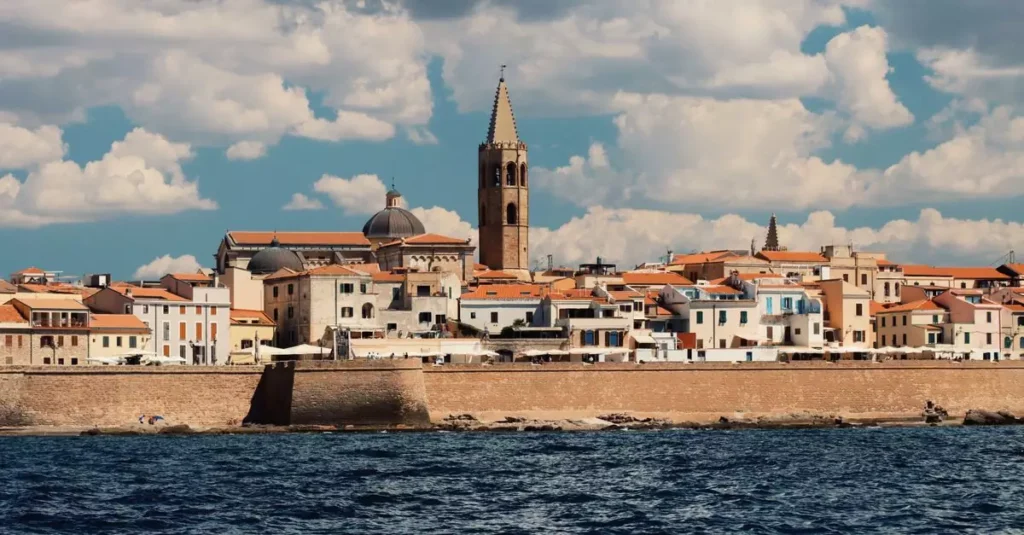
Discover the allure of Europe’s best historic coastal towns, where centuries of maritime history blend seamlessly with breathtaking seaside landscapes. This guide invites you to explore charming settlements that have withstood the test of time, evolving into picturesque destinations that each offer a unique glimpse into the past.
You’ll discover the distinctive character of these towns, from the colorful fishing villages of the Mediterranean to the stoic Hanseatic ports of the north. We will delve into what makes each location special, offering insights into their architecture, cultural heritage, and the best times to visit for an authentic experience. Whether you’re drawn to sun-drenched shores or dramatic northern coastlines, prepare to uncover some of Europe’s most captivating and historically rich seaside gems.
Top Historic Coastal Towns in Southern Europe

Southern Europe boasts a stunning array of historic coastal towns, each presenting a unique blend of maritime heritage, architectural beauty, and vibrant local culture. These destinations provide a captivating glimpse into the past, set against the backdrop of the Mediterranean or Adriatic Sea. Travelers seeking authentic experiences and picturesque scenery will find these locations particularly rewarding.
Exploring the Venetian Charm of Rovinj, Croatia
Rovinj, a jewel of the Istrian peninsula in Croatia, captivates visitors with its well-preserved old town, where colorful buildings cluster around the hill leading to the Church of St. Euphemia. This picturesque town, once under Venetian rule, features narrow cobblestone streets, ornate doorways, and a charming harbor filled with fishing boats. As you wander through the labyrinthine alleys, you’ll encounter artisan shops, small galleries, and inviting konobas (taverns) serving fresh seafood.
Getting to Rovinj is straightforward. The nearest major airport is Pula Airport (PUY), about a 45-minute drive away. Alternatively, flights to Trieste Airport (TRS) in Italy or Ljubljana Airport (LJU) in Slovenia are viable options, followed by a bus or rental car. During peak season (July-August), Rovinj can get crowded, so visiting in the shoulder months of May, June, September, or October offers a more relaxed experience with pleasant weather. Accommodation ranges from boutique hotels within the old town to larger resorts along the coast.
Wandering the Moorish Streets of Nerja, Spain
Perched on the Costa del Sol in Andalusia, Spain, Nerja offers a delightful mix of historic charm and natural beauty. Its Moorish heritage is evident in the whitewashed houses and the layout of its older districts, particularly around the Balcón de Europa, a stunning promenade with panoramic sea views. Beyond its historic core, Nerja is famous for the Cuevas de Nerja, an impressive cave system featuring prehistoric cave paintings. The town also boasts several beautiful beaches and coves, making it a versatile destination.
Nerja is accessible via Málaga Airport (AGP), approximately a 1.5-hour drive away. Regular bus services connect Málaga to Nerja, providing an affordable transportation option. While the Costa del Sol is a popular summer destination, Nerja retains a more traditional feel than some of its larger neighbors. Visiting outside of July and August can offer a more authentic experience, with milder temperatures ideal for exploring the town and its surroundings. Budget-friendly tapas bars and guesthouses are plentiful, alongside more upscale hotels.
Discovering the Pastel Hues of Cinque Terre, Italy
The Cinque Terre, a UNESCO World Heritage site on the Italian Riviera, consists of five distinct villages—Monterosso al Mare, Vernazza, Corniglia, Manarola, and Riomaggiore—clinging to rugged cliffs overlooking the Ligurian Sea. These villages are renowned for their vibrantly colored houses, terraced vineyards, and dramatic coastal landscapes. Historically, these communities were isolated, relying on fishing and agriculture, with limited road access. Today, the best way to travel between them is by train or ferry, or by hiking the scenic coastal paths.
Each village offers a unique atmosphere, from the sandy beach of Monterosso to the picturesque harbor of Vernazza and the dramatic cliffs of Manarola. Due to its popularity, especially in summer, booking accommodation and train tickets in advance is highly recommended. The shoulder seasons (April-May and September-October) provide pleasant weather for hiking and fewer crowds. For a more immersive experience, consider staying in one of the smaller villages rather than a larger town on the outskirts. The Cinque Terre exemplifies Italy’s stunning coastal heritage.
Unveiling the Timeless Beauty of Northern Europe’s Seaside Villages
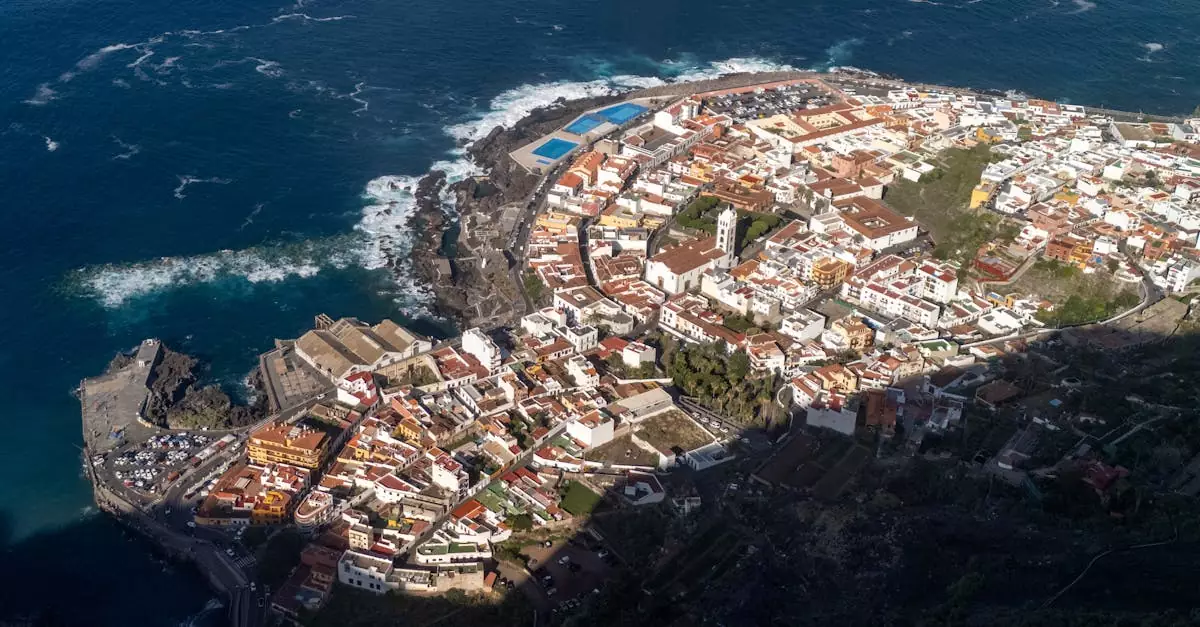
Northern Europe offers a distinct charm through its historic coastal towns, often characterized by maritime heritage and well-preserved architecture. These destinations provide a glimpse into centuries of trade, seafaring, and unique cultural development. For travelers seeking the best historic coastal towns in Europe, this region presents an enticing array of options.
Stepping Back in Time in Lübeck, Germany
Lübeck, a UNESCO World Heritage site, exemplifies a well-preserved Hanseatic League city. Its iconic Holstentor (Holsten Gate) serves as a powerful symbol of its medieval significance. As you wander through Lübeck’s cobblestone streets, you’ll find a wealth of Gothic architecture, including impressive Brick Gothic churches like St. Mary’s.
The city’s canal system and harbor enhance its maritime atmosphere, reflecting its past as a major trading hub. Today, visitors can explore historic merchant houses, many converted into museums, shops, and cafes. Sampling Lübeck’s famous marzipan is a must—this sweet tradition dates back centuries.
Logistics for Lübeck:
- Getting there: Lübeck is easily accessible by train from major German cities like Hamburg. The nearest international airport is Hamburg Airport (HAM).
- Best time to visit: Late spring (May-June) and early autumn (September-October) offer pleasant weather and fewer crowds.
- Accommodation: Options range from boutique hotels in historic buildings to more modern establishments.
Experiencing the Hanseatic Legacy of Bergen, Norway
Bergen, Norway, is another gem of the Hanseatic League, set dramatically between seven mountains and the sea. The Bryggen wharf, a UNESCO World Heritage site, features colorful wooden buildings lining the harbor, housing a fascinating history of German merchants who dominated trade here for centuries.
Beyond Bryggen, Bergen boasts a vibrant cultural scene, including renowned fish markets and the Fløibanen funicular, which provides panoramic views of the city and surrounding fjords. Exploring the narrow alleyways behind the main wharf reveals hidden courtyards and artisan workshops. The city’s deep connection to the sea makes it a quintessential stop for those interested in historic European coastal towns.
Traveler Tip: Consider purchasing the Bergen Card for free public transport and discounted museum entries.
Finding Fairytale Charm in Ærøskøbing, Denmark
Ærøskøbing, located on the island of Ærø, embodies a quintessential Danish seaside village atmosphere. Its remarkably preserved town center features cobblestone streets lined with colorful, thatched-roof houses dating back to the 18th and 19th centuries. Walking through Ærøskøbing feels like stepping onto a film set, with its idyllic and peaceful ambiance.
The town’s harbor, with its charming small boats and surrounding landscape, adds to its picturesque appeal. Ærø is a popular destination for cyclists and those seeking a tranquil escape. The island offers a slower pace of life, inviting visitors to relax and soak in the historic surroundings. It’s a delightful contrast to larger Hanseatic cities, providing a more intimate encounter with Northern Europe’s coastal heritage.
Getting to Ærøskøbing: Access is typically via ferry from the Danish mainland (e.g., from Svendborg or Faaborg). The journey itself offers scenic views of the Baltic Sea.
| Town Name | Country | Key Feature | UNESCO Status | Atmosphere |
|---|---|---|---|---|
| Lübeck | Germany | Brick Gothic Architecture | Yes | Bustling Hanseatic |
| Bergen | Norway | Bryggen Wharf | Yes | Dramatic Fjord Setting |
| Ærøskøbing | Denmark | Thatched-roof Houses | No | Idyllic, Fairytale Charm |
What Are the Best Times to Visit Europe’s Historic Coastal Towns?
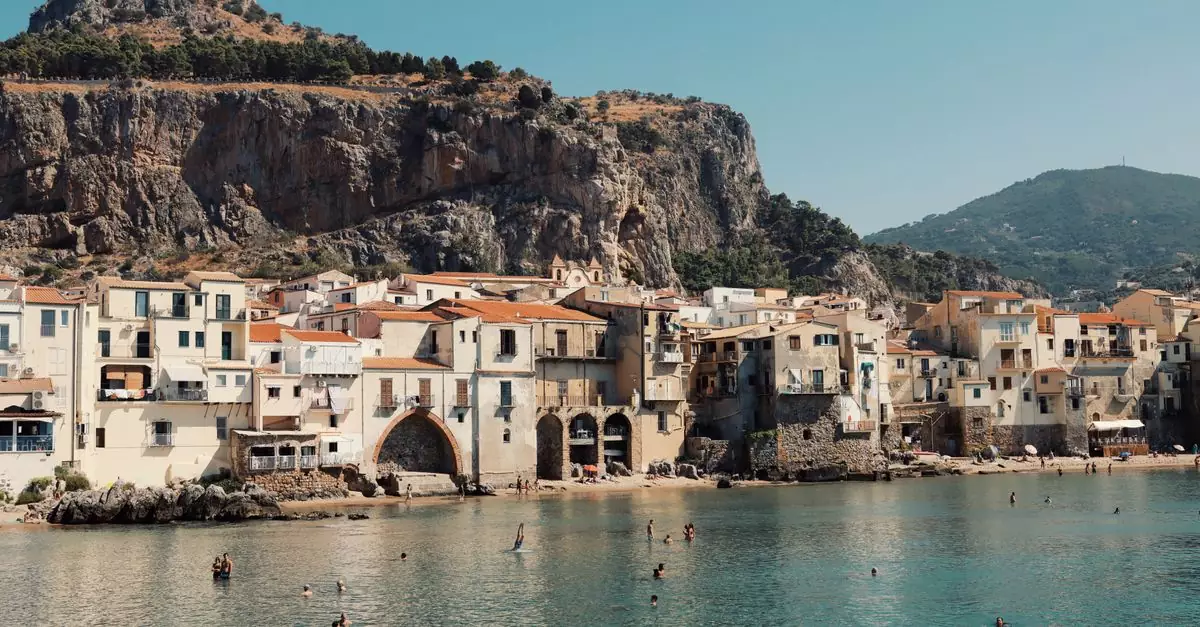
Choosing the right season to visit Europe’s charming historic coastal towns can significantly enhance your experience. Each period offers a distinct atmosphere, from vibrant summer festivals to quiet winter strolls. Consider your priorities regarding weather, crowds, and specific events when planning your trip.
Spring: Blooming Scenery and Fewer Crowds
Spring, typically from April to May, presents a delightful opportunity for visiting Europe’s seaside heritage sites. Wildflowers bloom along the coastlines, and the weather becomes pleasantly mild, ideal for daytime exploration without the intense heat of summer. You’ll encounter fewer tourists compared to peak season, allowing for a more intimate experience with these historic locations.
This shoulder season is excellent for walking tours and enjoying local cafes at a relaxed pace. Many towns begin to shake off their winter quietude, with local businesses reopening and preparing for the summer influx. Pack layers, as spring weather can be unpredictable, with occasional rain showers.
Summer: Ideal for Beach Activities and Festivals
June through August marks the peak tourist season in Europe, bringing warm temperatures and long daylight hours. This is the prime time for those seeking lively beach atmospheres, bustling promenades, and vibrant cultural festivals. Many coastal towns host music events, seafood celebrations, and traditional fairs during these months.
However, summer also means larger crowds and higher accommodation prices. Booking well in advance is crucial, especially for popular destinations. The warm seas are perfect for swimming and water sports. For a slightly less crowded summer experience, consider visiting in early June or late August.
Autumn: Golden Light and Local Harvests
From September to October, autumn offers a picturesque setting for exploring historic coastal towns. The summer crowds dissipate, and the landscape is bathed in warm, golden light, making for stunning photography opportunities. The weather remains pleasant for much of the season, though cooler evenings are common.
This is an excellent time to experience local culture, as many regions celebrate harvest festivals, particularly for wine and olives. The sea might still be warm enough for a brisk dip in early autumn. Consider visiting towns known for their culinary traditions during this period.
Winter: Cozy Ambiance and Festive Markets
While not the traditional time for seaside escapes, visiting Europe’s historic coastal towns in winter, from November to March, offers a unique charm. The towns exude a cozy ambiance, and you’ll encounter the fewest tourists. Many locations come alive with festive Christmas markets and New Year’s celebrations, providing a magical experience.
This season is perfect for those who appreciate quiet exploration, historical immersion, and enjoying local food and drink by a warm fireplace. Be prepared for colder weather and shorter daylight hours. Some seasonal businesses might close, but the authentic local feel is at its strongest.
Navigating Between and Within These Charming European Coastal Gems
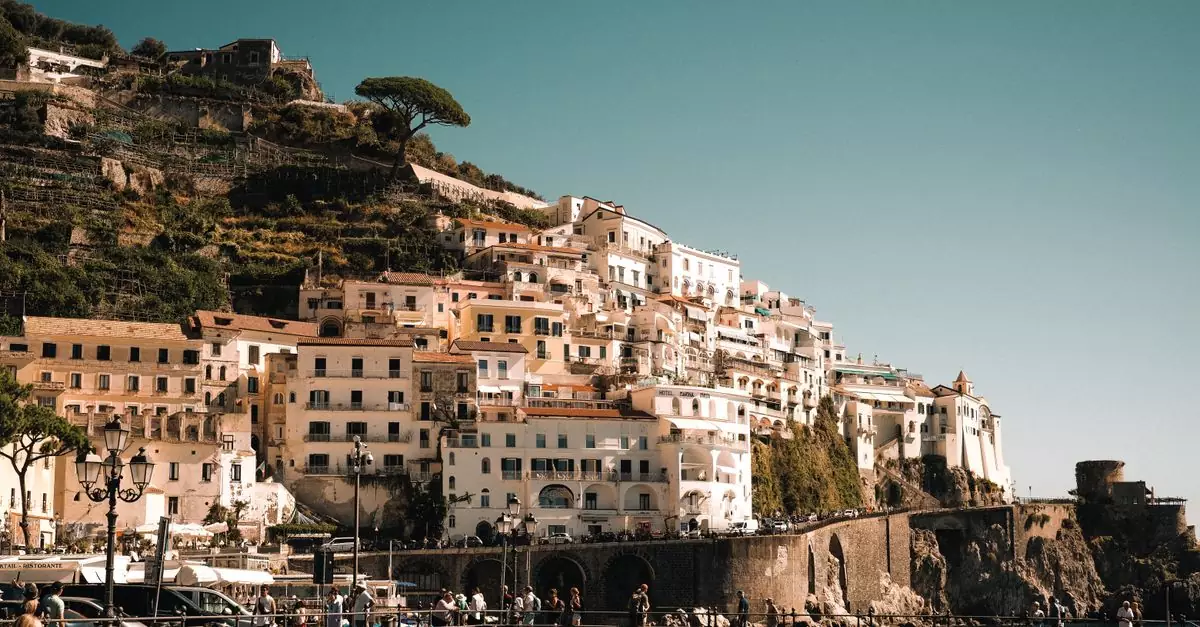
Planning a journey through Europe’s best historic coastal towns requires thoughtful consideration of how to move between these picturesque locations and navigate their often narrow streets. Efficient travel planning ensures you maximize your time enjoying the history and scenery rather than wrestling with logistics.
Inter-City Travel: Trains, Ferries, and Scenic Drives
Connecting these historic maritime hubs across Europe offers a variety of engaging travel experiences. For journeys along continental coastlines, the extensive rail network is often the most efficient and scenic option. High-speed trains connect major cities, while regional lines provide access to smaller towns, often running parallel to the coast with breathtaking views.
Ferries are essential for coastal travel, especially for island destinations or crossing significant bodies of water. From the Greek Isles to the Norwegian fjords, ferries offer a unique perspective and a welcome respite from land-based travel. Booking ferry tickets in advance is highly recommended, particularly during peak season.
For those who prefer the freedom of the open road, renting a car provides unparalleled flexibility, allowing for spontaneous detours to discover hidden coves or lesser-known villages. However, be mindful of narrow, winding roads in many historic centers and the potential for expensive parking. Consider the trade-offs between convenience and the environmental impact of driving.
| Travel Method | Pros | Cons | Best For |
|---|---|---|---|
| Train | Efficient, scenic, comfortable | Limited reach to very remote coastal spots | Connecting major coastal cities, mainland routes |
| Ferry | Unique views, access to islands | Weather dependent, can be slower | Island hopping, crossing water bodies |
| Car Rental | Flexibility, spontaneity, off-the-beaten-path | Parking challenges, narrow roads, fuel costs | Exploring rural coastlines, remote villages |
Getting Around Historic Centers: Walking and Local Transport
Once you arrive in a historic coastal town, the best way to experience its charm is often on foot. Many of these settlements boast pedestrian-friendly old towns with cobblestone streets, ancient squares, and waterfront promenades. Wear comfortable shoes, as you’ll likely be doing a lot of walking.
For longer distances within a town or to reach accommodations slightly outside the immediate center, local buses or trams are usually available. Taxis are also an option, though they can be pricier. In some smaller towns, bicycle rentals offer a delightful way to cover ground while enjoying the fresh sea air.
Parking within historic centers can be extremely challenging and costly. Many towns have strict regulations or entirely pedestrianized zones. It’s often advisable to park your car in a designated lot on the outskirts and walk or use local transport into the core of the town.
Planning Your Multi-Town Coastal Itinerary
Crafting a cohesive itinerary that links several historic coastal towns requires balancing travel time with time spent at each destination. Consider grouping towns by region to minimize long-distance travel. For instance, focusing on the Dalmatian Coast of Croatia or the Cinque Terre villages in Italy allows for a more relaxed pace.
When mapping out your route, factor in your primary mode of transport. If relying on trains and ferries, check schedules meticulously to ensure smooth connections. Allow buffer time for potential delays, especially when interlinking different modes of transport.
- Prioritize: Decide which towns are must-sees and which are optional.
- Pace Yourself: Avoid trying to cram too many destinations into a short period.
- Book Ahead: Secure accommodations and major transport tickets, especially during summer months, to avoid disappointment and potentially higher prices.
- Flexibility: While planning is key, leave room for spontaneous discoveries. Sometimes the best experiences are unplanned.
For a comprehensive overview of potential routes and durations, consulting regional tourism websites or travel guides can be invaluable. Understanding typical travel times between destinations and the best seasons to visit will greatly enhance your trip planning.
Immerse Yourself in Local Flavors: Culinary Delights by the Sea
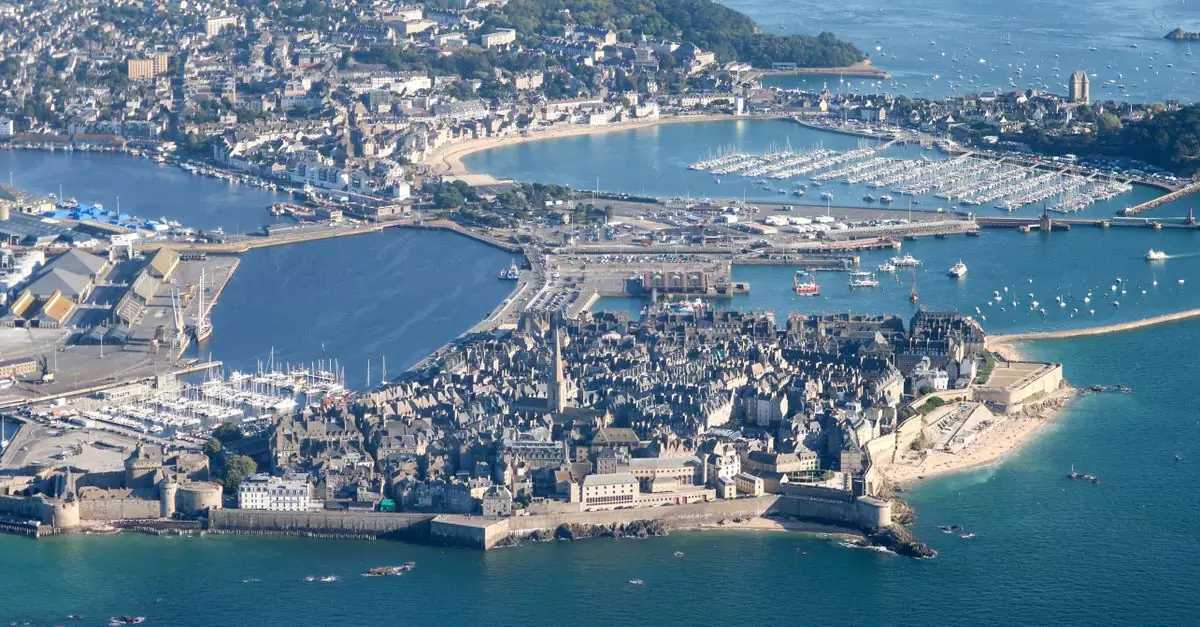
The allure of Europe’s historic coastal towns extends beyond picturesque scenery and ancient architecture; it’s deeply rooted in vibrant culinary traditions shaped by the sea. From the freshest catches to regional specialties, these destinations offer a delicious journey for any traveler.
Savoring Fresh Seafood in Portuguese Fishing Villages
Portugal’s coastline is dotted with charming fishing villages where the ocean’s bounty takes center stage at every meal. In towns like Nazaré, known for its giant waves and traditional fishing culture, you’ll find restaurants serving grilled sardines, octopus salad (salada de polvo), and the iconic bacalhau (salt cod) prepared in various ways. Dining here is an authentic experience, often in simple, family-run establishments where the day’s catch is displayed fresh. Visiting during the summer months, particularly July and August, means peak season for many seafood varieties, though spring and autumn offer pleasant weather and fewer crowds. Many of these villages are easily accessible by bus from larger cities like Lisbon, making them a feasible day trip or a relaxed overnight stay.
Tasting Mediterranean Specialties in Greek Island Ports
Greek island ports are synonymous with sun-drenched flavors and the freshest seafood imaginable. In towns such as Chania on Crete or Fiskardo on Kefalonia, waterfront tavernas serve grilled calamari, succulent octopus marinated in olive oil and vinegar, and a variety of small plates (mezedes) featuring local fish. Don’t miss the chance to try regional specialties like Gouna (sun-dried and grilled fish) or fresh sea urchin pasta. The best time to enjoy these flavors is during the shoulder seasons of May-June or September-October, when the weather is warm but not excessively hot, and the tourist crowds are thinner. Ferries and local flights connect most islands, offering various travel options depending on your budget and desired pace.
Enjoying Northern European Smørrebrød and Pastries
Venture north to Denmark and Sweden, and the coastal culinary scene shifts to hearty and refined offerings. In Copenhagen, the historic Nyhavn harbor is lined with restaurants serving traditional smørrebrød—open-faced sandwiches piled high with pickled herring, smoked salmon, or roast beef, often accompanied by snaps. Beyond savory options, these cities excel in their pastry traditions. Seek out bakeries for kanelsnegle (cinnamon snails) or wienerbrød (Danish pastry) to accompany a coffee while overlooking the water. While seafood is still present, the emphasis leans toward cured and smoked fish. Traveling in late spring or early autumn provides comfortable weather for exploring these historic harbors and enjoying indoor culinary delights.
| Destination Type | Signature Dishes | Best Season | Typical Budget (per meal) |
|---|---|---|---|
| Portuguese Fishing Village | Grilled Sardines, Bacalhau, Salada de Polvo | Summer (May-Aug) | €15 – €30 |
| Greek Island Port | Grilled Calamari, Octopus, Mezedes, Gouna | Spring/Autumn | €20 – €40 |
| Northern European Harbor | Smørrebrød, Smoked Fish, Kanelsnegle, Wienerbrød | Late Spring/Autumn | €25 – €45 |
Frequently Asked Questions About Historic European Coastal Getaways
What are the most budget-friendly historic coastal towns in Europe?
For travelers mindful of their budget, consider towns in Portugal and parts of Eastern Europe. Cities like Aveiro, Portugal, offer charming canals and Art Nouveau architecture without the high price tags found in Western European counterparts. Similarly, towns along the Croatian coast, such as Zadar or Šibenik, provide stunning medieval architecture and beautiful seaside access at more accessible price points. These destinations often feature more affordable accommodation and dining options, making them excellent choices for experiencing history and coastal beauty without overspending.
Which towns are best for a romantic couples’ escape?
Several historic European coastal towns excel as romantic destinations. Bruges, Belgium, with its medieval canals and cobblestone streets, offers a fairytale atmosphere. For a more sun-drenched romance, consider the Cinque Terre villages in Italy, where colorful houses cling to cliffs overlooking the Ligurian Sea. The picturesque streets and stunning views provide a captivating backdrop for couples. Exploring these towns often involves leisurely walks, shared meals with local wine, and breathtaking sunsets, creating lasting memories.
Are these towns easily accessible for solo travelers?
Yes, most historic European coastal towns are well-suited for solo travelers. Many are compact and walkable, with excellent public transportation networks connecting them to larger cities. Towns like Porto in Portugal are known for their friendly atmosphere and ease of navigation. For solo adventurers, researching local transport options in advance can be helpful. Many hostels and smaller guesthouses also cater specifically to solo visitors, offering opportunities to meet other travelers. Safety is generally high in these popular tourist areas, but standard precautions are always advisable.
What are common tourist mistakes to avoid in these historic locations?
A common pitfall is rushing through these destinations. Historic towns often reward slower exploration, allowing for serendipitous discoveries down narrow alleyways or quiet cafes. Over-reliance on guided tours can also mean missing out on personal experiences. Booking accommodations in the busiest areas can sometimes detract from the historic ambiance due to crowds and noise. Finally, neglecting to learn a few basic phrases in the local language, even in highly touristed areas, can enhance interactions with locals and enrich the travel experience. Understanding local customs and etiquette also contributes to a more respectful and rewarding visit to these culturally rich places.