Eastern Europe beckons with a rich tapestry of history, vibrant cultures, and stunning landscapes often overlooked by mainstream tourism. For travelers seeking authentic experiences that offer exceptional value, this region presents a compelling alternative. You’ll discover ancient cities steeped in tradition, breathtaking natural wonders, and the warmth of locals that makes any visit memorable.
This guide will help you navigate the diverse offerings of the best Eastern Europe destinations, revealing why it’s an ideal choice for your next adventure. We’ll explore the unique charm of its cities, from fairytale castles to lively ruin bars, and delve into the natural beauty of its mountains and national parks. You’ll also find practical advice on the best times to visit, how to get around, and budgeting tips, ensuring your journey through this captivating part of the world is both enriching and seamless.
Why Choose Eastern Europe for Your Next Trip?
Eastern Europe offers a captivating blend of historical depth, vibrant modern life, and stunning landscapes that often go overlooked. For travelers seeking authentic experiences that stretch their budgets further, this region presents a compelling alternative to the more saturated Western European destinations. A wealth of unique adventures awaits, from ancient castles to bustling city squares.
Unveiling Eastern Europe’s Unique Charm
The allure of Eastern Europe lies in its diverse tapestry of cultures, each with its distinct traditions, languages, and culinary delights. Unlike the homogenized tourist trails of other continents, here you can genuinely immerse yourself in local life. Cities like Prague, Budapest, and Krakow boast magnificent architecture and a palpable sense of history, while the Baltic states offer a serene yet equally captivating experience with their medieval old towns and natural beauty. Exploring this part of Europe feels like stepping back in time, yet it pulses with a contemporary energy that is invigorating.
Affordable Travel Without Compromising Experience
One of the most significant advantages of choosing Eastern Europe for your travels is the remarkable value for money. Accommodation, dining, and activities are generally more affordable than in Western Europe, allowing you to extend your trip or indulge in more luxurious experiences without a hefty price tag. Savor delicious, hearty meals for a fraction of what you might expect elsewhere, and enjoy comfortable lodging at competitive rates. This economic advantage means your travel budget can stretch further, enabling richer and more extensive exploration of the best Eastern Europe destinations.
Rich History and Vibrant Culture Await
Eastern Europe’s history is complex and fascinating, marked by centuries of empires, revolutions, and resilience. This past is visible in its grand palaces, solemn historical sites, and the enduring spirit of its people. Visitors can delve into the stories of medieval kingdoms in Poland, explore the grandeur of the Austro-Hungarian Empire in Hungary, or witness the poignant history of the 20th century in the Czech Republic. Beyond historical landmarks, the region thrives with a dynamic contemporary culture, evident in its thriving arts scenes, lively music venues, and innovative culinary landscapes. The warmth and hospitality of the locals often provide some of the most memorable aspects of a visit.
Top Eastern Europe Destinations for Culture Enthusiasts
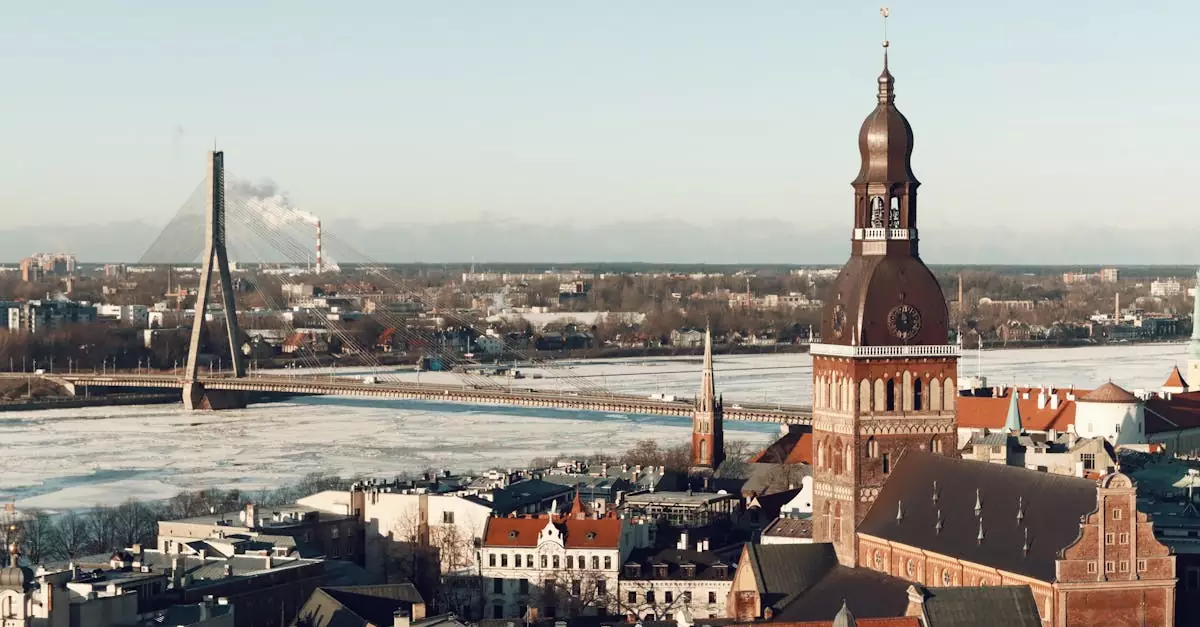
Eastern Europe offers a rich tapestry of history, architecture, and vibrant cultural scenes, making it a compelling choice for travelers seeking immersive experiences. This region features some of the best Eastern Europe destinations that combine medieval charm with modern energy, often at more accessible price points than their Western European counterparts.
Prague, Czech Republic: A Fairytale City
Prague consistently ranks among the most beautiful cities in Europe, and for good reason. Its Old Town Square, dominated by the Astronomical Clock and Týn Church, feels like stepping back in time. Crossing the Charles Bridge, adorned with statues and offering stunning views of the Vltava River, is a quintessential Prague experience. The city’s castle complex, Prague Castle, is a sprawling UNESCO World Heritage site that provides panoramic vistas and a deep dive into Bohemian history.
For culture enthusiasts, Prague presents numerous opportunities. Attend a classical music concert in one of its historic churches or explore the vibrant Jewish Quarter, rich with synagogues and poignant history. The city’s literary heritage, notably linked to Franz Kafka, can be explored through dedicated museums and walking tours.
Logistics: Prague is well-served by Václav Havel Airport Prague (PRG). Public transport, including trams and metro, is efficient and affordable for navigating the city. Many central attractions are within walking distance.
Budget Insight: While increasingly popular, Prague remains relatively budget-friendly for food and drink, especially when venturing slightly away from the main tourist thoroughfares.
Budapest, Hungary: Thermal Baths and Ruin Bars
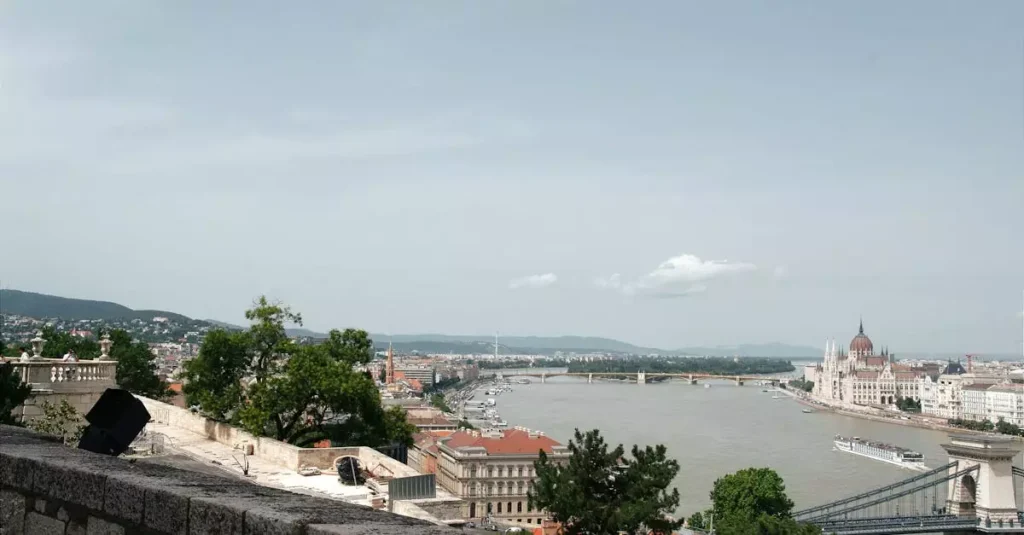
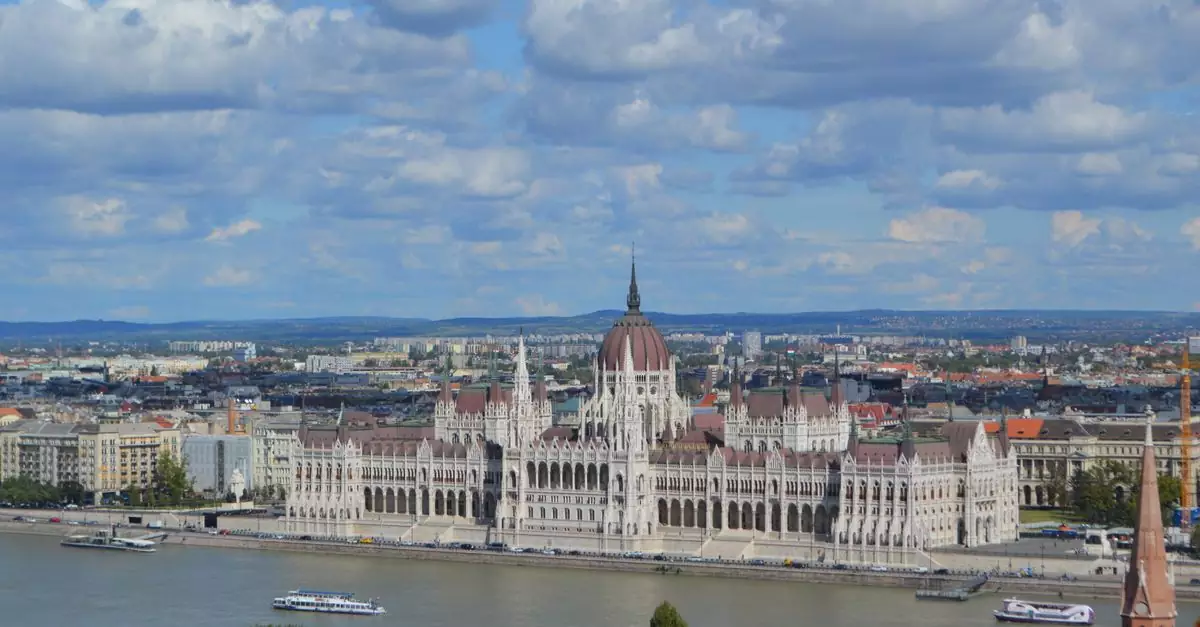
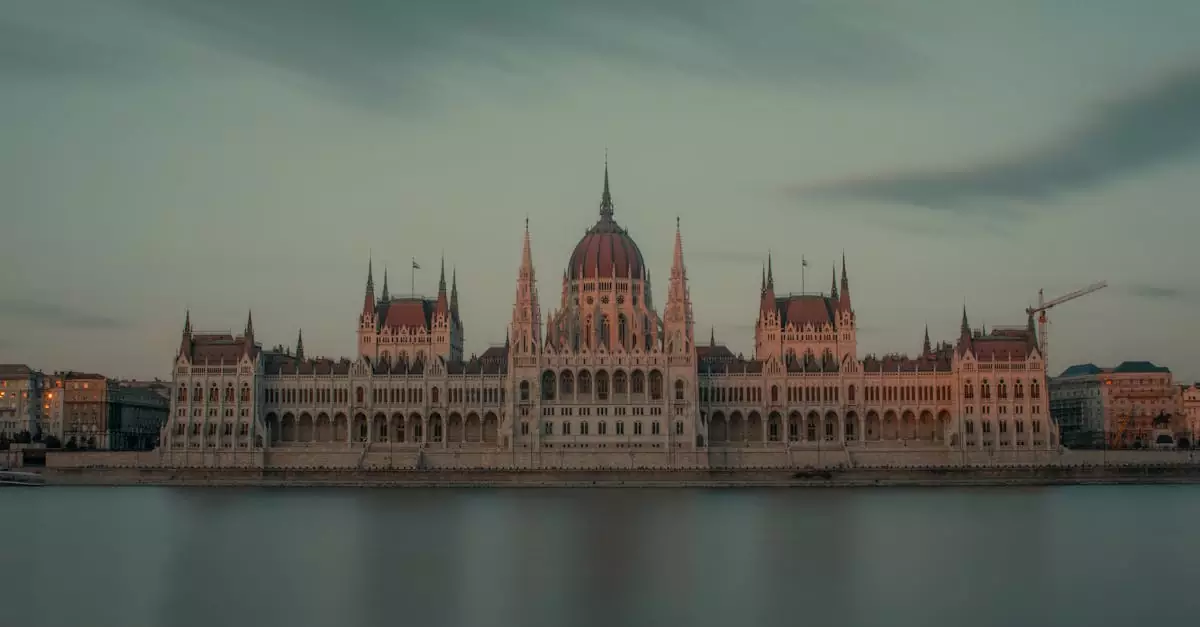
Budapest, often called the “Pearl of the Danube,” captivates with its grand architecture and unique social scene. The Hungarian Parliament Building, a neo-Gothic masterpiece, stands majestically on the riverbank, while Buda Castle offers historical insights and incredible city views. The city is renowned for its thermal baths, with Széchenyi and Gellért being iconic examples where you can relax in mineral-rich waters.
Beyond the baths, Budapest’s ruin bars are a must-visit. These eclectic establishments are set up in dilapidated buildings and courtyards, providing a unique atmosphere for evening drinks and socializing. Exploring the Great Market Hall offers a sensory overload of local produce, crafts, and Hungarian delicacies.
Cultural Highlights: Visit the House of Terror museum for a stark look at Hungary’s 20th-century history. The Hungarian State Opera House hosts world-class performances in a stunning setting.
Getting Around: Budapest Ferenc Liszt International Airport (BUD) is the main gateway. The city has an extensive public transport network, including metro lines, trams, and buses.
Krakow, Poland: Medieval Majesty and Resilience
Krakow’s Main Market Square (Rynek Główny) is one of Europe’s largest medieval squares, a vibrant hub surrounded by historic architecture, including the Cloth Hall and St. Mary’s Basilica. The Wawel Royal Castle, perched on a hill overlooking the Vistula River, symbolizes Polish national identity and is a treasure trove of art and history. Krakow’s Kazimierz district, the historic Jewish quarter, is now a bohemian center with charming cafes, galleries, and synagogues, reflecting its complex past.
A visit to Krakow often includes a poignant day trip to the Auschwitz-Birkenau Memorial and Museum, a profoundly moving experience that offers critical historical context. The Wieliczka Salt Mine, a UNESCO site, presents an extraordinary underground world carved from salt.
Traveler Tip: Krakow is very walkable, especially its historic core. Consider booking tours for Auschwitz-Birkenau and the Salt Mine in advance, as they are popular.
Accommodation: Options range from budget-friendly hostels in Kazimierz to boutique hotels near the Old Town.
Tallinn, Estonia: A Medieval Gem in the Baltics
Tallinn’s Old Town is a remarkably well-preserved medieval city, recognized as a UNESCO World Heritage site. Its cobblestone streets, ancient city walls, and Gothic spires evoke a bygone era. Highlights include Toompea Hill, offering panoramic views, and the bustling Town Hall Square. The city seamlessly blends its historic charm with a modern, tech-savvy vibe.
Beyond the medieval core, explore the Kalamaja district, known for its colorful wooden houses and trendy cafes. The Lennusadam Seaplane Harbour features fascinating maritime history exhibits. Tallinn’s cultural scene is dynamic, with numerous festivals and art events throughout the year.
Best Time to Visit: Summer (June-August) offers the warmest weather and longest daylight hours, ideal for exploring outdoor attractions. Spring and autumn can be pleasant with fewer crowds.
Connectivity: Tallinn Airport (TLL) is a short tram ride from the city center. Public transport within the city is efficient, and the Old Town is best explored on foot.
Exploring the Natural Beauty of Eastern Europe
Eastern Europe offers a wealth of breathtaking natural landscapes, from towering mountain ranges to pristine national parks. For travelers seeking adventure amidst stunning scenery, these destinations provide unforgettable experiences.
Slovenia’s Julian Alps: Hiking and Emerald Rivers
The Julian Alps in Slovenia are a paradise for outdoor enthusiasts. Dominated by peaks like Mount Triglav, the national park offers challenging hikes and accessible trails with rewarding vistas. The region is also defined by its vibrant, emerald-green rivers, such as the Soča River, renowned for its crystal-clear waters and opportunities for kayaking and rafting.
Planning a visit to the Julian Alps often involves basing yourself in towns like Kranjska Gora or Bled. These locations provide convenient access to hiking routes and adventure sports outfitters. Accommodation ranges from charming guesthouses to well-equipped hotels. The best time to visit for hiking is typically from late spring to early autumn when the weather is most favorable. Be prepared for variable mountain weather, even in summer.
Plitvice Lakes National Park, Croatia: Waterfalls Galore
Croatia’s Plitvice Lakes National Park is a UNESCO World Heritage site celebrated for its sixteen terraced lakes, interconnected by a series of stunning waterfalls. The park’s unique geological formations create a mesmerizing spectacle of cascading water and vibrant blue and green hues. Wooden boardwalks wind through the park, allowing visitors to walk over and alongside the lakes and falls for intimate views.
Visiting Plitvice is a walking-focused experience. The park has designated trails of varying lengths, and it’s advisable to wear comfortable shoes. Tickets are required for entry, and it’s wise to book in advance, especially during peak season (summer). Consider visiting during the shoulder seasons (spring or autumn) to avoid larger crowds and witness the changing foliage or blooming flora. Transportation to the park is usually via bus from major Croatian cities like Zagreb or Zadar.
The Carpathian Mountains: Romania’s Wild Heart
Romania’s section of the Carpathian Mountains presents a vast, wild landscape characterized by dense forests, dramatic peaks, and diverse wildlife. This region is ideal for those seeking a more rugged and less-developed natural experience. Hiking, wildlife spotting, and exploring traditional villages are popular activities. The Carpathian Mountains are home to significant populations of brown bears, wolves, and lynx, making it a prime destination for nature photography and responsible wildlife tourism.
Key areas within the Romanian Carpathians include the Făgăraș Mountains, known for their challenging trekking routes, and the Apuseni Mountains, offering gentler terrain with karst formations and caves. Accommodation options vary from rustic mountain huts to hotels in towns like Brașov, which also serves as a gateway to nearby attractions like Bran Castle. The best time for outdoor activities is from June to September. Travelers should be prepared for remote areas and ensure they have adequate supplies and navigation tools.
What’s the Best Time to Visit These Eastern Europe Gems?
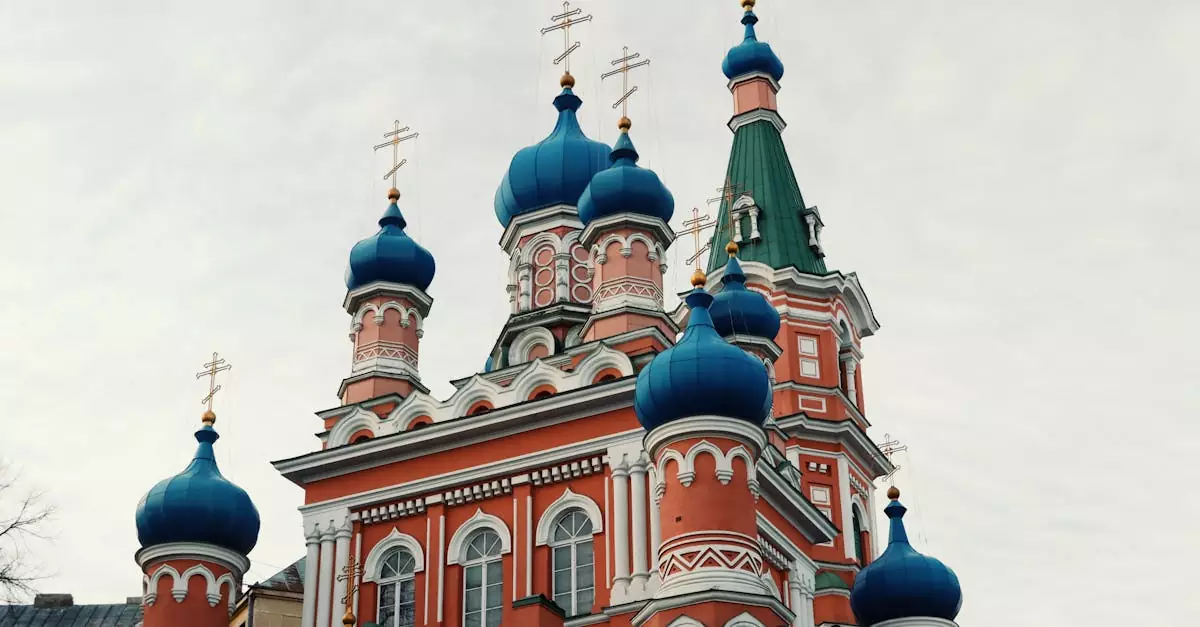
Choosing the right season can significantly enhance your experience when exploring the best Eastern Europe destinations. Each period offers distinct advantages, from vibrant spring blooms to cozy winter markets. Understanding these seasonal shifts helps in planning a trip that aligns with your interests and budget.
Spring (April-May): Blooming Landscapes and Mild Weather
Spring ushers in a refreshing change across Eastern Europe, with milder temperatures and nature’s reawakening. Cities shed their winter coats, parks burst into color, and outdoor cafes begin to fill. This shoulder season is excellent for travelers seeking pleasant weather without the peak summer crowds.
The weather is generally comfortable, with average temperatures ranging from 10°C to 20°C (50°F to 68°F), though it can be unpredictable. Pack layers, as mornings and evenings can still be cool. This is an ideal time for city breaks, with fewer tourists making accommodation and flights more accessible.
Summer (June-August): Peak Season and Lively Festivals
Summer is the most popular time to visit, offering long daylight hours and a vibrant atmosphere. Many regions host music festivals, cultural events, and outdoor markets, making it a dynamic period for travelers. The weather is typically warm to hot, with temperatures often exceeding 25°C (77°F).
However, this peak season also means higher prices for flights and accommodations, and popular attractions can be crowded. Booking well in advance is crucial. Summer is perfect for exploring coastal areas, hiking in the mountains, and enjoying the lively energy of cities like Prague or Budapest.
Autumn (September-October): Golden Hues and Harvest Delights
Autumn transforms the Eastern European landscape into a palette of reds, oranges, and golds. The air becomes crisp, and the summer crowds thin out, offering a more relaxed travel experience. Temperatures gradually cool, averaging between 10°C and 20°C (50°F to 68°F) in early autumn, dropping lower by late October.
This season is wonderful for appreciating the natural beauty, visiting vineyards during harvest, and enjoying hearty local cuisine. It’s a fantastic time for photography and experiencing the region’s cultural heritage with a more intimate feel.
Winter (November-March): Snowy Scenery and Festive Markets
Winter brings a magical charm to Eastern Europe, especially for those who enjoy a festive atmosphere and snowy landscapes. Cities are adorned with holiday lights, and Christmas markets spring to life, offering unique crafts and seasonal treats. Temperatures can drop significantly, often below freezing, so warm clothing is essential.
While some outdoor activities might be limited, winter is perfect for enjoying cozy cafes, exploring historical sites without the rush, and experiencing the distinct holiday spirit. Destinations like Krakow and Vienna are renowned for their enchanting Christmas markets.
| Season | Average Temperature (°C) | Pros | Cons |
|---|---|---|---|
| Spring (Apr-May) | 10-20°C | Mild weather, blooming nature, fewer crowds | Unpredictable weather, potential rain |
| Summer (Jun-Aug) | 20-30°C+ | Long days, lively festivals, warm weather | Peak crowds, higher prices, can be hot |
| Autumn (Sep-Oct) | 10-20°C | Beautiful foliage, harvest season, fewer crowds | Cooler evenings, shorter daylight hours |
| Winter (Nov-Mar) | -5-5°C | Festive markets, snowy scenery, cozy atmosphere | Very cold, limited daylight, some closures |
Navigating Your Eastern Europe Adventure: Travel Tips
Planning a trip to the diverse and captivating countries of Eastern Europe offers an incredible opportunity for adventure without breaking the bank. From the Baltic coast to the Black Sea, this region presents a rich tapestry of history, culture, and stunning landscapes. To make the most of your journey, understanding the practicalities of travel is key.
Getting Around: Trains, Buses, and Budget Flights
Intercity travel within Eastern Europe is generally efficient and affordable. Trains are a popular and often scenic option, connecting major cities and smaller towns alike. Companies like national rail services in countries like Poland, the Czech Republic, and Hungary offer reliable services. For budget-conscious travelers or routes not well-served by rail, bus networks are extensive. Companies such as FlixBus operate across many countries, providing a cost-effective way to navigate the region.
- Trains: Comfortable for longer distances, often scenic.
- Buses: Excellent for shorter hops and budget travel.
- Budget Flights: Increasingly available for longer distances between major hubs, but factor in airport transfer times and costs.
When planning your itinerary, consider booking train and bus tickets in advance, especially during peak season, to secure the best prices and availability.
Accommodation Options: From Hostels to Boutique Hotels
Eastern Europe offers a wide spectrum of accommodation to suit every budget and travel style. You’ll find everything from vibrant, social hostels perfect for solo travelers to charming boutique hotels offering a more intimate experience. Many cities boast well-maintained guesthouses and apartments available for rent, providing a local feel.
- Hostels: Great for meeting fellow travelers and keeping costs low.
- Guesthouses/B&Bs: Often family-run, offering personalized service and local insights.
- Apartment Rentals: Ideal for longer stays or groups, offering kitchen facilities.
- Boutique Hotels: For those seeking unique design and a more curated stay.
Prices can vary significantly by city and season. For instance, accommodation in Prague or Budapest might be more expensive than in less-visited capitals. Booking ahead is always recommended, particularly for popular destinations.
Budgeting Your Trip: Making Your Money Go Further
One of the significant draws of traveling through Eastern Europe is its affordability compared to Western Europe. However, costs can fluctuate depending on the specific country and your travel habits. Dining out can be very inexpensive, especially if you opt for local eateries and markets. Public transportation within cities is also remarkably affordable.
A daily budget can range from €40-€70 per person, depending on your choices. This typically covers accommodation, food, local transport, and some activities. Countries like Albania and Bulgaria are generally at the lower end of the price spectrum, while destinations like Estonia or Slovenia might be slightly more.
Here’s a general comparison of daily spending:
| Country | Budget (€/day) | Notes |
|---|---|---|
| Poland | 45-75 | Diverse pricing, Krakow affordable |
| Czech Republic | 50-80 | Prague is pricier than other cities |
| Hungary | 45-70 | Budapest offers good value |
| Baltic States | 50-80 | Similar pricing across the region |
| Balkan Nations | 35-60 | Generally very affordable |
This table offers a rough guide; actual costs will depend on your specific choices.
Essential Packing List for Diverse Eastern European Climates
Eastern Europe experiences distinct seasons, so packing appropriately is crucial for comfort. Summers can be warm to hot, especially in the southern regions, while winters are cold with snow. Spring and autumn offer milder weather but can be unpredictable.
- Clothing Layers: Essential for adapting to changing temperatures, especially during shoulder seasons.
- Comfortable Walking Shoes: You’ll be doing a lot of exploring on foot.
- Waterproof Jacket: A must-have for unpredictable rain or snow.
- Warm Hat and Gloves: For colder months or higher altitudes.
- Adapter: Ensure you have the correct power adapter for the region.
When visiting countries bordering the Mediterranean Sea or further south, summer packing might lean towards lighter clothing, while northern or mountainous areas will require warmer attire year-round. Always check the specific weather forecast for your destinations before you depart.
Frequently Asked Questions About Eastern Europe Travel
Is Eastern Europe safe for tourists?
Generally, Eastern Europe is as safe for tourists as Western Europe. Petty crime like pickpocketing can occur in crowded tourist areas, so exercising common sense, such as keeping valuables secure, is advisable. Major cities have a visible police presence, and most locals are welcoming and helpful to visitors. Always be aware of your surroundings, especially at night or in unfamiliar neighborhoods. Researching specific safety advice for your chosen destinations is always a good practice.
What are some unique local foods to try?
Eastern European cuisine is hearty and diverse. In Poland, try pierogi (dumplings) with various fillings. Hungary offers rich goulash (stew) and lángos (fried dough). For a taste of the Baltics, sample cepelinai (potato dumplings) in Lithuania or silakka (herring) in Latvia. The Czech Republic is known for its flavorful svíčková (marinated beef) and various dumplings. Don’t miss the chance to try local honey, cheeses, and freshly baked breads across the region.
Are English speakers common in tourist areas?
In major tourist hubs and cities like Prague, Budapest, and Krakow, you’ll find many people, especially younger generations and those working in hospitality, who speak English. Outside of these popular spots, English proficiency may decrease. Learning a few basic phrases in the local language, such as “hello,” “thank you,” and “excuse me,” can go a long way and is often appreciated by locals. Many signs and menus in tourist zones are also bilingual.
What are some common tourist mistakes to avoid?
A common mistake is trying to see too much in too little time; Eastern Europe offers a vast array of experiences, so focus on a few key regions or countries to truly appreciate them. Another pitfall is assuming all Eastern European countries are the same; each has its distinct culture, history, and language. Lastly, be mindful of currency exchange rates and avoid exchanging money at airport kiosks, which often have unfavorable rates. Researching local customs and etiquette can also enhance your travel experience.