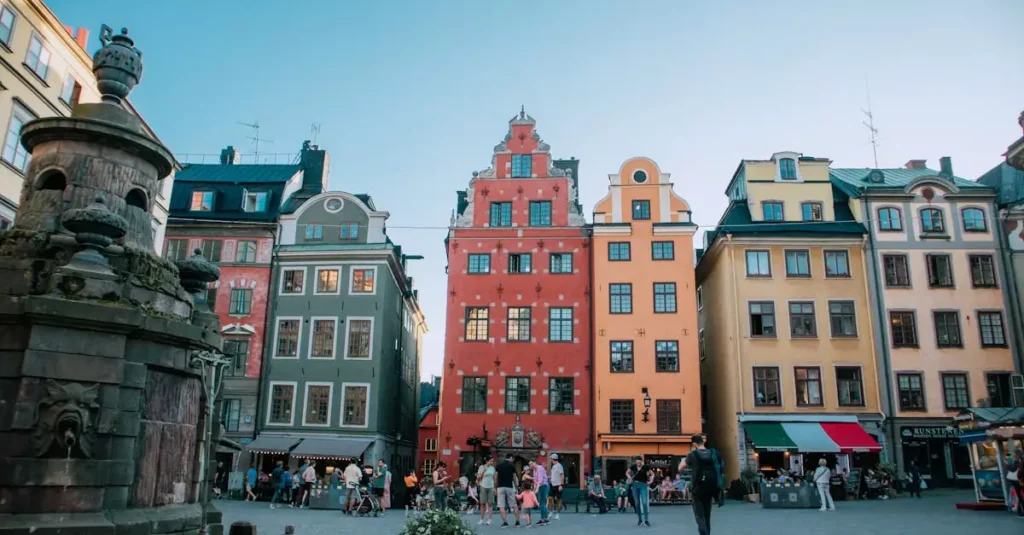
Discovering the best affordable Europe city breaks in 2026 is more accessible than ever, offering rich cultural immersion without a hefty price tag. While iconic destinations may seem daunting for budget travelers, many European cities provide incredible value, showcasing stunning architecture, vibrant atmospheres, and delicious local cuisine at a fraction of the cost. This guide will equip you with the knowledge to plan an unforgettable and economical European escape. You’ll learn about top cities that deliver exceptional experiences on a budget, explore strategies for finding cheap flights and navigating public transport, uncover affordable dining options, and get insider tips on securing budget-friendly accommodation. Prepare to explore the continent’s charm and history without overspending.
Top 5 Budget-Friendly European City Breaks for 2026
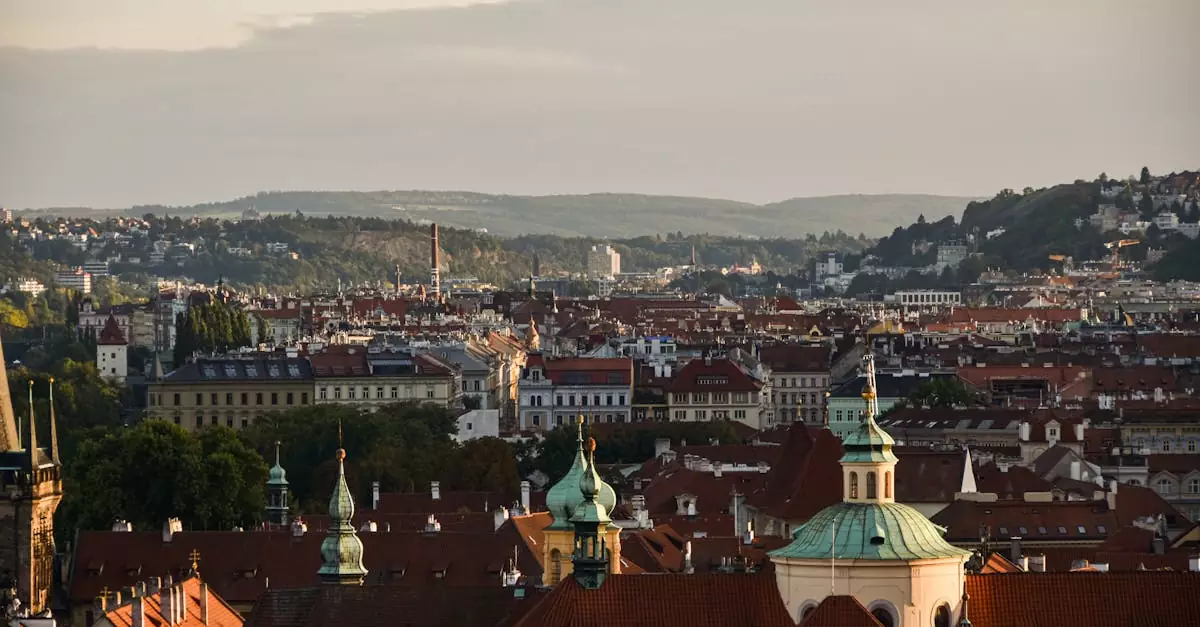
Finding affordable European city breaks in 2026 is entirely achievable with smart planning. While some iconic destinations can strain your wallet, many European cities offer rich cultural experiences, stunning architecture, and delicious food without the hefty price tag. These destinations provide excellent value, allowing travelers to immerse themselves in local life, explore historical sites, and enjoy vibrant atmospheres on a budget.
Krakow, Poland: Historic Charm Without the Price Tag
Krakow consistently ranks as one of the best affordable Europe city breaks due to its low cost of living and wealth of historical attractions. The UNESCO-listed Old Town, centered around the magnificent Main Market Square, is a visual feast. Visitors can explore Wawel Castle, the historic Jewish Quarter (Kazimierz), and numerous churches, all within easy walking distance. Food and drink are particularly budget-friendly, with hearty Polish cuisine and local beers costing significantly less than in Western Europe.
- Accommodation: Hostels and budget guesthouses are plentiful, with private rooms often available for under €50 per night.
- Food: A traditional Polish dinner with a drink can cost as little as €10-€15. Look for “milk bars” (bar mleczny) for authentic, inexpensive meals.
- Getting Around: Krakow’s city center is highly walkable. Public transport, including trams and buses, is efficient and affordable for longer distances.
Budapest, Hungary: Thermal Baths and Ruin Bars on a Dime
Budapest offers a unique blend of imperial grandeur and bohemian cool, making it a standout choice for budget-conscious travelers. The city is renowned for its thermal baths, such as Széchenyi and Gellért, providing a relaxing experience that doesn’t break the bank. The “ruin bars” in the Jewish Quarter, set in dilapidated pre-war buildings, create a unique nightlife scene with affordable drinks. Exploring Buda Castle, Fisherman’s Bastion, and strolling along the Danube are all free activities that showcase the city’s beauty.
- Budget Snapshot (per day):
- Accommodation: €30-€60 (hostel dorm to budget hotel)
- Food: €20-€35
- Activities: €15-€30 (including one thermal bath)
- Transportation: The metro system is extensive and affordable. Many central attractions are also accessible by foot. Consider purchasing a travel card for unlimited rides.
Porto, Portugal: Douro Valley Views and Port Wine Delights
Porto, Portugal’s second-largest city, offers a captivating mix of historic charm in the Ribeira district, stunning river views, and world-renowned port wine. The colorful buildings of the Ribeira, a UNESCO World Heritage site, cascade down to the Douro River, creating picturesque scenery. Wine enthusiasts can take affordable tours and tastings at the port wine cellars in Vila Nova de Gaia, just across the river. Beyond wine, Porto boasts beautiful azulejo-tiled churches, the iconic Dom Luís I Bridge, and delicious seafood at reasonable prices.
- Cost-Saving Tips: Enjoy free walking tours, picnic with local bread and cheese by the river, and seek out tascas (traditional eateries) for authentic, low-cost meals.
- Getting There: Flights to Porto can be surprisingly affordable, especially during the shoulder seasons.
Prague, Czech Republic: Fairytale Architecture and Cheap Pints
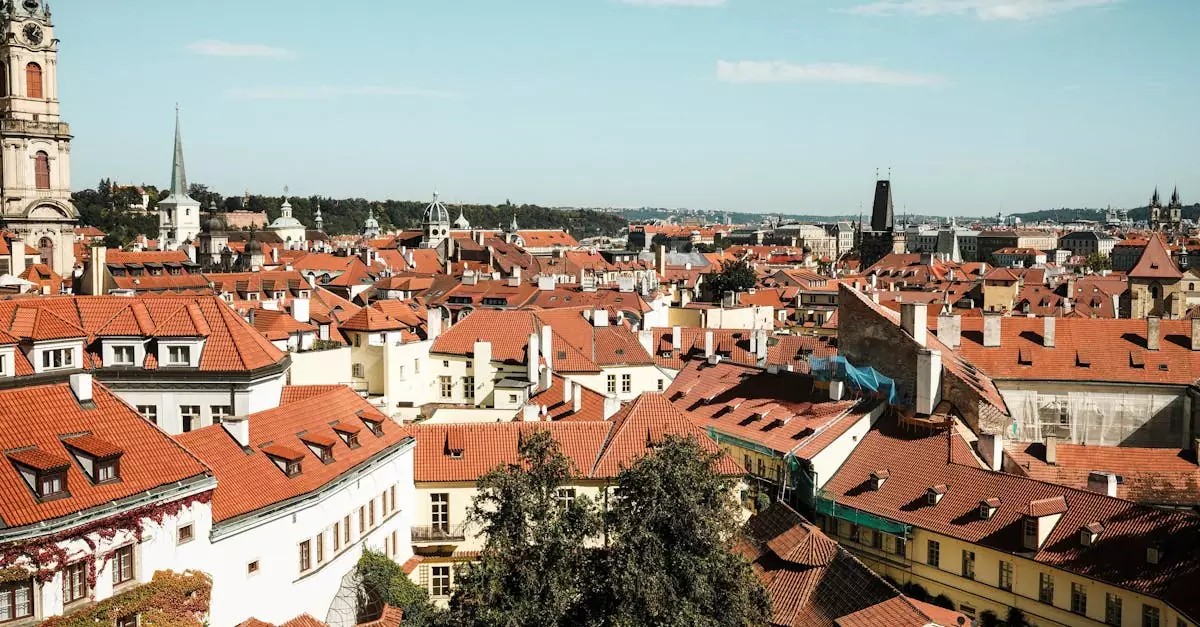
Prague is a perennial favorite for affordable European city breaks, enchanting visitors with its medieval charm, Gothic spires, and the majestic Charles Bridge. The Old Town Square, Prague Castle, and the historic Jewish Quarter are packed with history and architectural marvels, many of which can be admired for free. One of Prague’s biggest draws for budget travelers is the exceptionally low cost of beer, often cheaper than water in many establishments. Dining out is also very reasonable, with hearty Czech goulash and dumplings being filling and inexpensive options.
- Getting Around: Prague’s public transport network of trams, metro, and buses is efficient and inexpensive. The core historical areas are also very walkable.
- Best Time to Visit: Spring (April-May) and autumn (September-October) offer pleasant weather and fewer crowds than the peak summer months, often with lower accommodation prices.
Valencia, Spain: City of Arts, Beaches, and Paella
Valencia offers a compelling mix of historical sites, futuristic architecture, beautiful beaches, and authentic Spanish cuisine, all at a more accessible price point than Barcelona or Madrid. The City of Arts and Sciences is a stunning modern complex worth visiting, even if just to admire its unique architecture from the outside. For a taste of old Valencia, explore the El Carmen district with its narrow streets and vibrant street art. No trip to Valencia is complete without sampling authentic paella, often more affordable here than elsewhere in Spain. The city’s extensive sandy beaches are free to enjoy, providing a perfect budget-friendly escape.
- Transportation: Valencia has a good public transport system, but its compact city center and beach areas are easily explored on foot or by bike. Consider renting a bicycle for a truly local experience.
- Local Delights: Look for “menu del día” deals at local restaurants for a multi-course lunch at a fixed, low price.
When to Plan Your Affordable Europe City Break

Timing your European city escape is key to unlocking significant savings. While summer often beckons with long days, it also brings peak crowds and prices. For the best affordable Europe city breaks, consider venturing out during the shoulder seasons or embracing the charm of winter.
Shoulder Season Savings: March-May & September-October
The periods between peak summer and winter offer a sweet spot for budget-conscious travelers. During these shoulder months, you’ll find lower airfares and accommodation rates, with fewer tourists vying for attractions. Cities like Prague or Budapest are particularly delightful in spring, with blooming parks and pleasant temperatures ideal for walking. Autumn brings crisp air and vibrant foliage, making a city break in Lisbon or Krakow a wonderful experience.
- Spring (March-May): Expect mild weather, fewer crowds, and blooming gardens.
- Autumn (September-October): Enjoy comfortable temperatures, harvest festivals, and stunning fall colors.
Winter Wonders: December-February for Festive & Fewer Crowds
While often overlooked, winter can be one of the most magical and affordable times for a European city break. Cities transform with festive Christmas markets in December, offering unique souvenirs and delicious seasonal treats. January and February typically see the lowest prices of the year, with fewer international tourists. This is an excellent time to experience destinations like Berlin or Vienna without the summer throngs. Just pack warm layers and be prepared for shorter daylight hours.
Winter Travel Considerations:
- Festive Markets (December): Experience enchanting markets in cities across Europe.
- Low Season (January-February): Benefit from the lowest accommodation and flight prices.
- Weather: Be prepared for colder temperatures and potential snow, especially in Northern and Central Europe.
Summer Smart: Avoiding Peak Prices in June-August
Visiting Europe between June and August doesn’t automatically mean breaking the bank. While major hubs like Paris and Rome will be at their most expensive, strategic planning can still lead to affordable city breaks. Consider heading to less-hyped but equally captivating cities in Eastern or Southern Europe. Alternatively, booking flights and accommodation well in advance, or opting for hostels and budget guesthouses, can mitigate higher summer costs. Traveling in early June or late August can also offer slightly better value than the July peak.
Summer Budgeting Tips:
- Book Early: Secure flights and accommodation months in advance for the best rates.
- Consider Alternative Destinations: Explore cities in countries like Slovenia, the Baltics, or Portugal.
- Utilize Public Transport: Many European cities have excellent and affordable public transportation systems.
Navigating Europe on a Budget: Transportation Tips
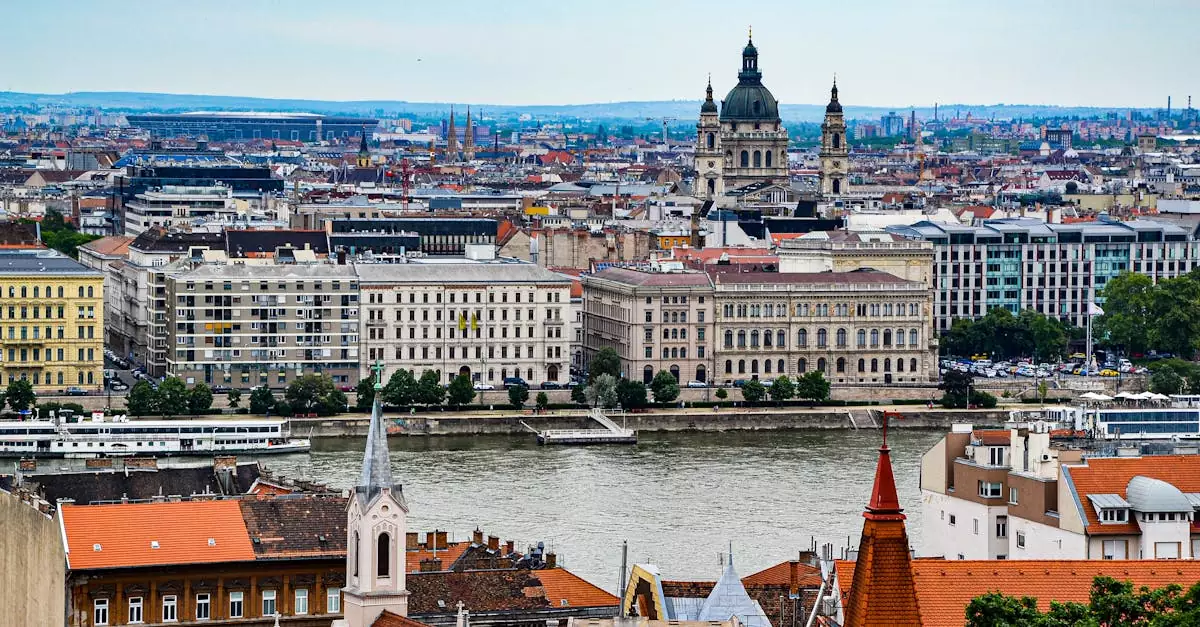
Traveling through Europe doesn’t require a significant financial outlay, especially when it comes to getting around. Smart planning for flights, local transit, and inter-city journeys can drastically reduce your overall trip costs, making many affordable European city breaks accessible. Understanding these transportation nuances is key to maximizing your budget and your experience.
Flying Smart: Finding Cheap Flights to European Hubs
Securing affordable flights is often the first major hurdle for budget European travel. Airlines frequently offer competitive fares to major European gateways. Consider flying into hubs like Berlin, Lisbon, or Budapest, as these cities often have lower landing fees that can translate to cheaper tickets. Flexibility with your travel dates is crucial; flying mid-week or during the shoulder seasons (spring and autumn) can yield substantial savings compared to peak summer or holiday periods.
Utilizing flight comparison websites and setting up fare alerts can help you snag the best deals. Budget airlines operate extensively across the continent, but always factor in potential extra costs for baggage, seat selection, and airport transfers, which can sometimes negate the initial low fare. Booking in advance, typically 2-3 months out, often secures the best prices.
Within Cities: Public Transport vs. Walking for Savings
Once you’ve arrived, navigating within European cities efficiently on a budget is straightforward. Most major cities boast comprehensive public transportation networks, including buses, trams, and metro systems. Purchasing multi-day passes or travel cards often proves more economical than buying single tickets, especially if you plan on using transit frequently. These passes typically offer unlimited travel within designated zones for a set period.
Walking is the ultimate budget-friendly way to explore a city. Many European city centers are compact and pedestrian-friendly, allowing you to discover hidden gems and soak in the local atmosphere at your own pace. Prioritizing walkable neighborhoods when booking accommodation can further reduce your reliance on paid transport. For shorter distances or when time is limited, consider using ride-sharing apps or local taxi services, but compare prices before committing.
Inter-City Travel: Budget Train and Bus Routes
For travel between European cities, budget-friendly train and bus options are abundant. Long-distance buses, operated by companies like FlixBus or Eurolines, are often the most economical choice for reaching various destinations across Europe. While journeys can be longer than by train, the cost savings are significant. Booking bus tickets in advance is highly recommended, as prices tend to increase closer to the departure date.
Trains can also be affordable, especially if booked in advance or if you opt for slower regional services rather than high-speed lines. Look for national rail operators that often have special offers or passes for specific regions. For example, exploring Central Europe by train can be surprisingly cost-effective with the right planning. A useful strategy is to combine train and bus travel, using buses for shorter hops between smaller towns and trains for longer inter-country journeys.
| Transportation Mode | Typical Cost Range (per hour) | Travel Time Factor | Comfort Level | Notes |
|---|---|---|---|---|
| Budget Airlines | €20-€100+ | Fastest | Varies | Factor in airport transfers and baggage fees. |
| Long-Distance Buses | €5-€30 | Slowest | Basic to Moderate | Excellent for budget inter-city travel. |
| Regional Trains | €10-€50 | Moderate | Moderate to High | Can be cost-effective if booked in advance. |
| Metro/Tram/Bus (City) | €1-€5 (per ride/day pass) | Varies | Moderate | Best value with multi-day passes. |
| Walking | Free | Slowest | High | Best for exploring city centers. |
Discovering Local Flavors: Affordable Eats in European Cities
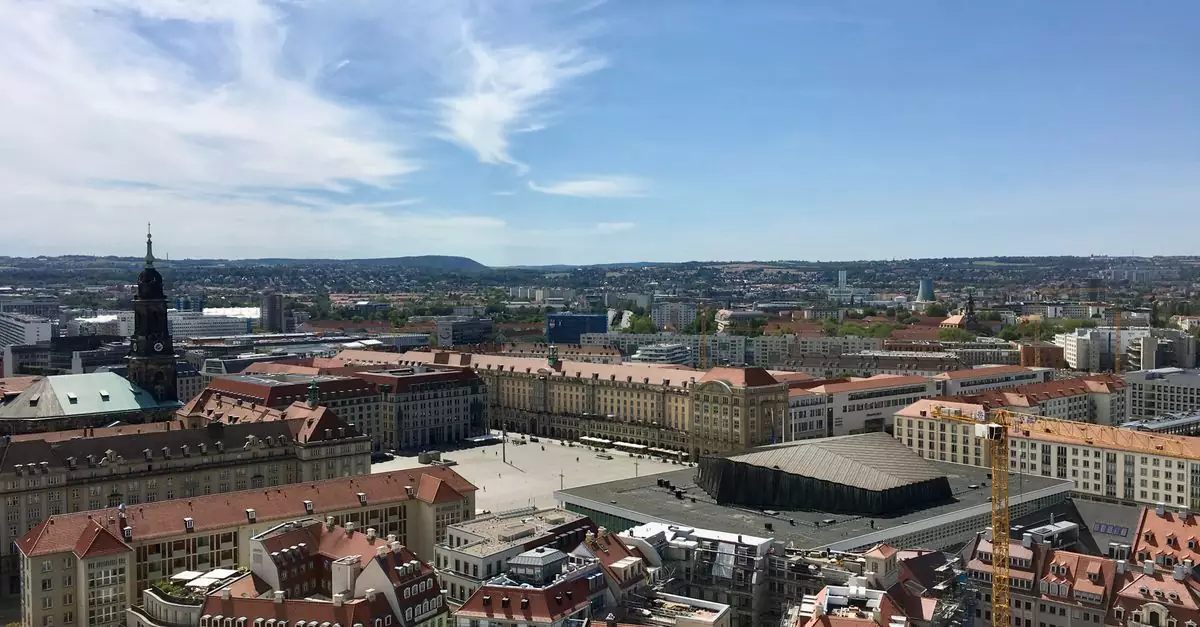
Navigating Europe on a budget doesn’t mean sacrificing culinary experiences. Many of the continent’s most delicious and authentic meals come at surprisingly low prices, especially when you know where to look. Shifting your focus from tourist-trap restaurants to local haunts can dramatically reduce your food expenses while enhancing your travel experience. These strategies will help you find incredible, affordable food across various European cities.
Street Food Secrets: Best Bites Under €5
Street food is popular for a reason: it’s fast, flavorful, and budget-friendly. Many European cities boast vibrant street food scenes offering substantial meals for less than €5. In Lisbon, for example, a bifana (pork sandwich) or a pastel de nata from a local pastelaria provides a sweet or savory treat that won’t break the bank. Similarly, Berlin’s iconic Currywurst stands offer a hearty and satisfying meal for just a few euros. Even in more expensive cities like Paris, you can find excellent crêpes from street vendors for a quick and affordable bite.
Consider venturing beyond the main tourist thoroughfares. The best street food vendors are often found in less-trafficked neighborhoods or near local universities, where value and taste are prioritized. A quick scan of local blogs or asking a friendly local can point you toward these hidden gems.
Local Markets: Fresh Produce and Cheap Lunches
European markets are more than just places to buy groceries; they are cultural hubs offering fantastic opportunities for affordable dining. Many market halls and open-air markets, such as Budapest’s Great Market Hall or Barcelona’s La Boqueria, feature food stalls selling ready-to-eat meals. Here, you can often find fresh seafood, local cheeses, cured meats, and freshly baked bread, perfect for assembling a picnic lunch.
These stalls often cater to locals grabbing a quick bite during their workday. Expect to find hearty stews, grilled meats, or savory pastries at prices significantly lower than sit-down restaurants. For example, in Rome, visiting a local mercato like Campo de’ Fiori provides access to fresh ingredients and delicious prepared foods. A lunch composed of fresh fruit, a wedge of local cheese, and some crusty bread can be incredibly satisfying and remarkably inexpensive.
Traditional Taverns: Authentic Meals Without Tourist Markups
To truly eat affordably and authentically, seek out traditional taverns or trattorias frequented by locals. These establishments often serve regional specialties made with fresh, seasonal ingredients. In cities like Prague, look for hospody (pubs) that serve hearty Czech dishes like goulash or schnitzel at very reasonable prices. These places focus on good food and local atmosphere.
When dining in these establishments, consider ordering the “dish of the day” or plat du jour, which is usually a chef’s special at a reduced price. In Greece, traditional tavernas outside the main tourist zones offer delicious mezes (small plates) and main courses like moussaka or souvlaki that are both filling and budget-friendly. Avoiding restaurants with multi-language menus prominently displayed near major attractions is often a good indicator you’re heading toward a more authentic and affordable experience.
Accommodation Hacks for Budget European Travelers
Finding affordable places to stay is key to unlocking best affordable Europe city breaks. While major capitals can be pricey, savvy travelers can significantly cut costs with smart accommodation choices. The type of lodging you select will heavily influence your daily budget, impacting how long you can enjoy your European adventure.
Hostel Havens: Social Stays and Shared Savings
Hostels remain a cornerstone for budget travelers, offering dormitory-style rooms that dramatically reduce per-night costs. Beyond the savings, they provide a unique social atmosphere, ideal for solo travelers looking to connect with others. Many hostels now offer private rooms as well, providing a middle ground between dorms and hotels.
Look for hostels that include free breakfast or have communal kitchens. These amenities can significantly reduce your daily food expenses. Checking reviews for cleanliness and security is crucial, as experiences can vary widely. Popular cities like Berlin and Lisbon boast a wide range of well-regarded hostels.
Budget Hotels & Guesthouses: Finding Value Off the Beaten Path
Stepping away from the city center often reveals more affordable hotels and guesthouses. These establishments might lack the prime location of their more expensive counterparts, but they frequently offer comparable comfort and amenities for a fraction of the price. Consider areas slightly outside the immediate tourist zones, accessible by public transport.
When searching for these gems, utilize booking platforms with strong filtering options. Look for places with consistently good reviews, paying attention to comments about noise levels and staff helpfulness. A short tram ride can often connect you to major attractions, making a slightly less central hotel a practical choice for exploring Europe.
Apartment Rentals: Longer Stays and Kitchen Convenience
For travelers planning extended stays or those who prefer a more independent experience, apartment rentals offer excellent value. Platforms like Airbnb or Vrbo can provide studios or multi-bedroom apartments that often come with a fully equipped kitchen. This allows for significant savings on dining by preparing your own meals.
Apartment rentals are particularly beneficial for families or groups, as the cost per person can be very low. They also provide a more local living experience, allowing you to shop at neighborhood markets and get a feel for daily life. When comparing prices, factor in potential cleaning fees and the cost of local transport if the apartment is not centrally located.
Frequently Asked Questions About Affordable Europe City Breaks
What are the safest affordable European cities for solo travelers?
Several European cities offer a great combination of affordability and safety for solo adventurers. Prague in the Czech Republic consistently ranks high, with its well-lit streets, efficient public transport, and generally low crime rates. Similarly, Lisbon, Portugal, provides a welcoming atmosphere, friendly locals, and a robust public transportation system that makes navigating the city easy and secure. Budapest, Hungary, also presents a safe and budget-friendly option, particularly in its central districts. Always practice standard travel precautions, such as being aware of your surroundings and avoiding dimly lit areas late at night.
Can I visit multiple affordable European cities in one trip?
Absolutely. The excellent European rail network makes intercity travel both feasible and affordable. Many budget airlines also connect major cities, often offering competitive fares if booked in advance. For instance, you could easily combine a trip to Krakow, Poland, with a visit to Budapest, Hungary, using an overnight train or a short flight. Another popular route is linking cities in the Balkans, such as Belgrade, Serbia, and Sarajevo, Bosnia and Herzegovina. Planning your route to minimize travel time and maximize sightseeing is key to a successful multi-city European adventure.
What are typical daily budget ranges for these cities?
Daily budgets for affordable European city breaks can vary, but a good estimate for a comfortable trip, excluding flights to Europe, is between €50 to €80 per person per day. This range typically covers accommodation in hostels or budget guesthouses, meals from local eateries or markets, public transport, and entry fees for a few attractions.
| City | Estimated Daily Budget (€) | Notes |
|---|---|---|
| Prague | 50-70 | Excellent value for money, especially for food and beer. |
| Budapest | 50-70 | Affordable thermal baths and ruin bars. |
| Krakow | 45-65 | Very budget-friendly, particularly for food and historical sites. |
| Lisbon | 60-80 | Slightly higher due to popularity, but still great value. |
| Porto | 55-75 | More affordable than Lisbon, with excellent local wine and food. |
These figures are estimates and can be adjusted based on your travel style, accommodation choices, and dining preferences.
Are there any hidden gems within these popular budget destinations?
Beyond the main attractions, many of these cities offer delightful hidden gems. In Prague, venture beyond Old Town Square to explore the charming Nový Svět (New World) district, a tranquil area with picturesque houses. Budapest’s lesser-known markets, like the Hold Utca Market Hall, offer a more authentic culinary experience than the larger tourist hubs. For Krakow, consider a day trip to the Wieliczka Salt Mine, a UNESCO World Heritage site that is less crowded than Auschwitz-Birkenau but equally fascinating. These off-the-beaten-path locations often provide a more intimate glimpse into local life and culture.