Embarking on a journey across Europe by train offers a unique perspective on its diverse landscapes, from the towering Alps to rugged coastlines. The best scenic train rides provide an immersive experience, allowing travelers to witness dramatic natural beauty unfold outside their windows. These routes serve not just as transportation but as destinations in themselves, celebrated for their engineering marvels and stunning vistas.
In this guide, we’ll explore some of the continent’s most breathtaking rail adventures. You’ll discover iconic routes like Switzerland’s Glacier Express and Norway’s Flåm Railway, alongside hidden gems that promise equally stunning views. We’ll delve into what makes each journey special, from engineering feats to the specific landscapes you’ll encounter. Get ready to plan your next unforgettable trip through Europe’s most picturesque settings.
Top 5 Most Breathtaking Scenic Train Routes in Europe
The Glacier Express: Switzerland’s ‘Slowest Express Train’
Often dubbed the “slowest express train in the world,” the Glacier Express connects the mountain resorts of Zermatt and St. Moritz in Switzerland. This iconic journey traverses 291 bridges and passes through 91 tunnels over its approximately eight-hour duration. The panoramic carriages offer unobstructed views of iconic peaks like the Matterhorn, deep valleys, and charming Swiss villages. It’s a leisurely way to absorb the grandeur of the Swiss Alps.
Travelers should book seats well in advance, especially during peak summer and winter seasons. While the train offers dining services, the true highlight is the ever-changing scenery. Luggage can be checked through to your final destination, simplifying the travel experience.
The Bernina Express: Alpine Majesty from Chur to Tirano
The Bernina Express is another Swiss marvel, renowned for its engineering and breathtaking Alpine scenery. This route travels from Chur, the oldest town in Switzerland, to Tirano in Italy, crossing the Bernina Pass at an elevation of 2,253 meters. The journey is a UNESCO World Heritage site, celebrated for its integration of railway engineering with the natural environment.
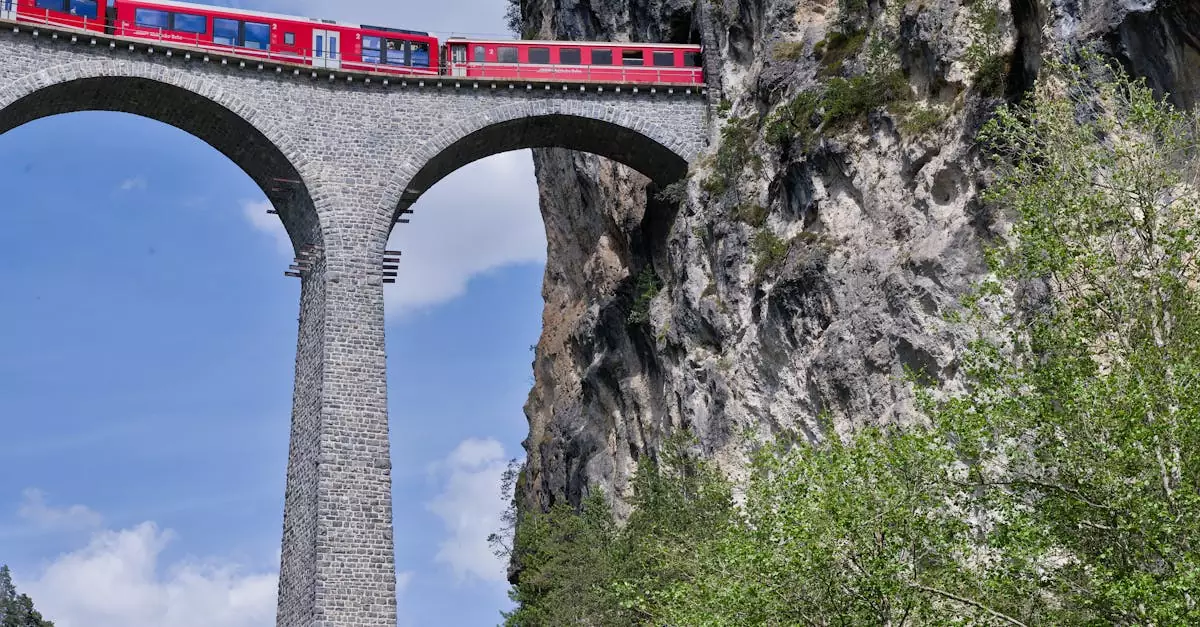
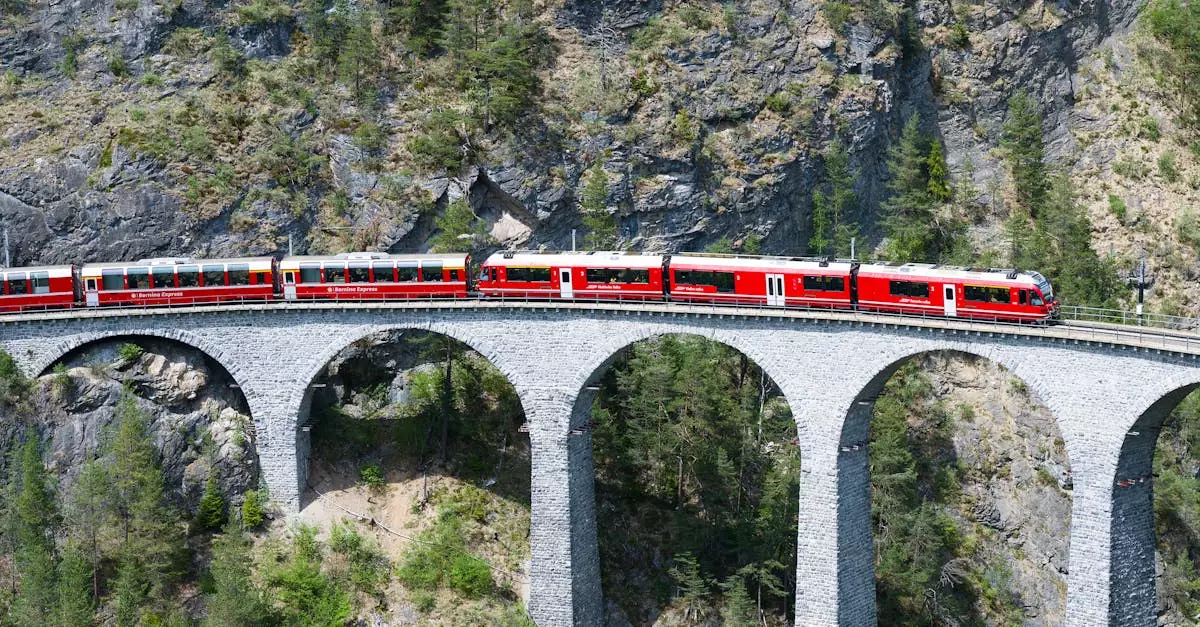
Key highlights include the Landwasser Viaduct, a dramatic curved structure that plunges into a tunnel, and the Brusio Circular Viaduct, an open-air spiral. The train descends from glaciers and snow-capped mountains into the palm trees of the Italian Valtellina valley, showcasing an incredible climatic and geographical transition.
The Flåm Railway: Norway’s Dramatic Fjord Descent
The Flåm Railway (Flåmsbana) is one of the steepest standard-gauge railway lines in the world, descending 866 meters over just 20 kilometers. This Norwegian adventure begins in Myrdal, high in the mountains, and winds its way down to the village of Flåm, situated at the end of the Aurlandsfjord. The journey offers spectacular views of waterfalls, steep mountainsides, and deep ravines.
A notable stop is the Kjosfossen waterfall, where the train pauses to allow passengers to disembark and admire the powerful cascade. The Flåm Railway is a popular segment of the “Norway in a Nutshell” tour, combining train, bus, and ferry travel.
The West Highland Line: Scotland’s Wild Beauty to Mallaig
The West Highland Line in Scotland is frequently cited as one of the most scenic rail journeys globally. Stretching from Glasgow to Mallaig, it passes through some of the United Kingdom’s most remote and stunning landscapes. The route includes sections across expansive moors, alongside deep lochs, and over impressive viaducts, most famously the Glenfinnan Viaduct, familiar to fans of the Harry Potter films.
The final leg to Mallaig, a bustling fishing port, offers coastal views and access to the Isle of Skye via ferry. This line is particularly captivating in autumn when the surrounding hills are ablaze with color, though winter can bring challenging weather conditions.
The Douro Line: Portugal’s Terraced Vineyards by Rail
For a taste of Mediterranean charm, the Douro Line in Portugal is an exceptional choice. This railway hugs the Douro River as it winds through the Douro Valley, a UNESCO World Heritage landscape renowned for its dramatic terraced vineyards. The train travels from Porto to Pocinho, offering picturesque views of the river, ancient quintas (wine estates), and small riverside villages.
The journey is particularly vibrant during the harvest season in late summer and early autumn. While the train is a practical way to see the region, it also serves as a beautiful introduction to the port wine country, with opportunities for wine tasting at various estates along the route.
Planning Your European Train Adventure: Essential Tips
Embarking on a journey across Europe by train offers unparalleled scenic beauty and a relaxed travel experience. To make the most of your adventure on the continent’s best scenic train rides, thoughtful planning is key. Understanding ticketing, rail passes, and onboard customs will ensure a smooth and enjoyable trip.
Booking Your Tickets: When and How to Secure the Best Deals
Securing train tickets in Europe is often best done in advance, especially for popular routes or during peak travel seasons like summer and holidays. Booking several months ahead can yield significant savings, as many national rail operators release discounted fares early. Websites like Omio, Trainline, or the official sites of national rail companies (e.g., SBB for Switzerland, Trenitalia for Italy) are excellent resources for comparing prices and schedules.
Consider the type of train you’ll be taking. High-speed services are faster but often more expensive, while regional or intercity trains might offer more scenic, slower journeys at a lower cost. Always double-check the departure and arrival stations, as major cities can have multiple train terminals.
Choosing the Right Rail Pass for Your Itinerary
For travelers planning extensive train travel across multiple countries, a rail pass can offer both convenience and cost-effectiveness. Eurail passes are popular for non-European residents, allowing unlimited travel within a set number of days over a specific period. Interrail passes serve the same purpose for European citizens.
When selecting a pass, carefully assess your planned itinerary. A “Global Pass” offers the most flexibility, covering many countries, while “One Country Passes” or “Select Passes” (covering a few neighboring countries) might be more economical if your travel is geographically concentrated.
| Pass Type | Coverage | Best For | Price Range (Approx.) |
|---|---|---|---|
| Eurail Global | 33 European countries | Extensive multi-country travel, maximum flexibility | $300 – $1000+ |
| Eurail One Country | Specific country | Deep exploration of a single nation | $50 – $300+ |
| Eurail Select | 2-5 adjacent countries | Regional exploration, focused multi-country trips | $150 – $500+ |
Remember that even with a rail pass, reservations are often required for high-speed trains, overnight services, and some popular routes. These reservations typically incur an additional fee and should be booked in advance, as seats can fill up quickly.
Understanding European Train Etiquette and Onboard Services
European trains generally offer a comfortable and efficient travel experience. Understanding local customs will enhance your journey. Punctuality is highly valued; trains depart precisely on time, so arrive at the station with ample time to find your platform.
Onboard services vary by route and train class. Most long-distance trains offer first and second-class seating, with first class providing more space and often quieter carriages. Many trains have dining cars or buffet services offering snacks, meals, and drinks, though prices can be higher than at local establishments. Power outlets are increasingly common, but it’s wise to carry a portable charger.
When it comes to etiquette, keep conversations at a moderate volume, especially on longer journeys. Stow luggage carefully in overhead racks or designated areas to avoid obstructing aisles. If you’re traveling with a sleeper car, familiarize yourself with the cabin’s specific rules and amenities. Some travelers find it useful to pack a small picnic or snacks from local markets to enjoy onboard, especially for shorter journeys or to save on dining costs.
What Are the Most Photogenic Stops on Europe’s Scenic Railways?
Capturing the essence of Europe’s most stunning train journeys often means focusing on specific points where the landscape, engineering, and local charm converge. The best scenic train rides in Europe offer more than just comfortable travel; they provide unparalleled photographic opportunities, from grand architectural feats to intimate village vistas. Planning your route with these photogenic highlights in mind can transform a simple trip into a visual feast.
Iconic Bridges and Viaducts You Can’t Miss
Many of Europe’s most celebrated train routes are defined by their impressive bridges and viaducts, feats of engineering that often become destinations in themselves. These structures frame dramatic landscapes and offer unique perspectives for photographers.
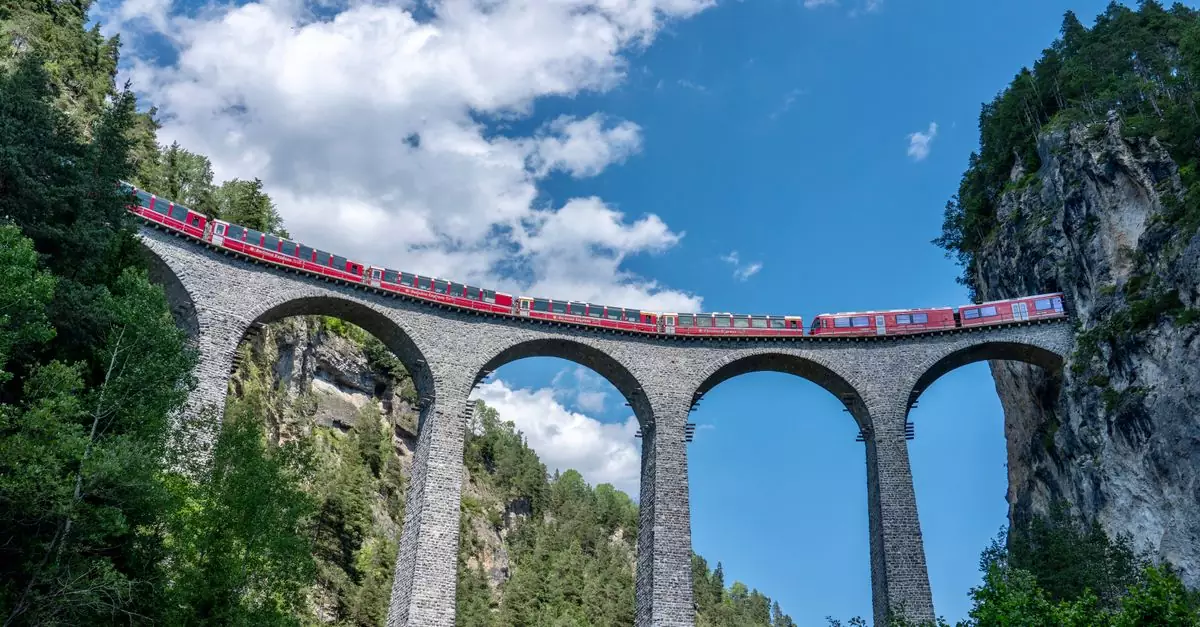
The Landwasser Viaduct on the Rhaetian Railway in Switzerland is perhaps the most iconic. This curved, six-arched limestone structure plunges directly into a tunnel, creating a breathtaking sight as trains emerge or disappear. Traveling on the Albula Line, which connects Thusis to St. Moritz, provides excellent views of this architectural marvel. The best time for photography is often late afternoon when the sun casts long shadows, highlighting the viaduct’s intricate design against the rugged Grisons landscape.
Another must-see is the Glenfinnan Viaduct in Scotland, famously featured in the Harry Potter films. This horseshoe-shaped railway bridge spans the River Finnan, with Loch Shiel providing a stunning backdrop. The Jacobite Steam Train, a popular tourist service, crosses this viaduct, offering a nostalgic and highly photogenic experience. Aim for early morning or late afternoon for the softest light and fewer crowds. While the train itself is a draw, the surrounding Glenfinnan Monument and the vastness of the Scottish Highlands are equally compelling.
For a different kind of grandeur, consider the Garabit Viaduct in France, designed by Gustave Eiffel. This striking red iron lattice viaduct spans the Truyère River gorge in the Cantal region. It’s part of the regional line connecting Neussargues to Béziers, and while not as frequently photographed as its Swiss or Scottish counterparts, its engineering prowess and dramatic setting make it a worthy stop for those seeking unique railway photography.
Best Vantage Points for Capturing Alpine Peaks
The Alps are a perennial highlight of many European train adventures, and finding the perfect vantage point to capture their majestic beauty is key. Several scenic railways offer unparalleled access to these towering mountains.
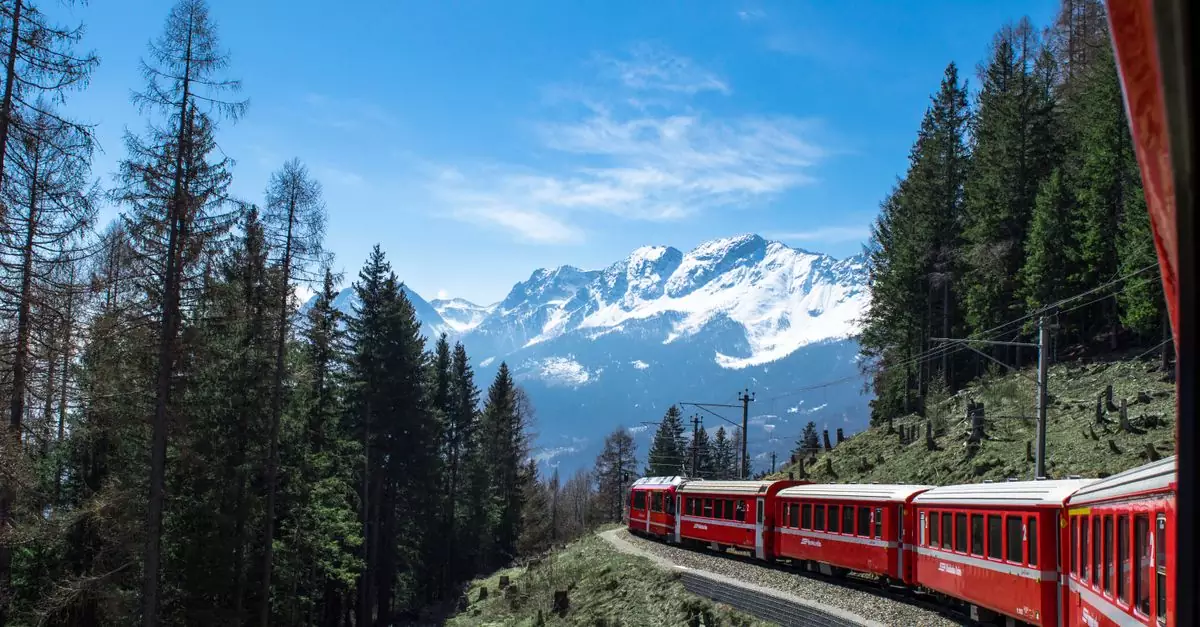
The Bernina Express, another gem from the Rhaetian Railway, is renowned for its journey from Chur or St. Moritz to Tirano in Italy. As the train ascends towards the Bernina Pass, it offers spectacular, unobstructed views of glaciers, snow-capped peaks, and pristine alpine lakes like Lago Bianco. The Ospizio Bernina station, situated at the highest point of the route, provides a prime location for photographing the surrounding massif. Traveling during autumn can yield stunning photographic results with the vibrant foliage contrasting against the white peaks.
In Austria, the Arlberg Railway line offers breathtaking views as it traverses the Arlberg massif between Innsbruck and Bludenz. The section near St. Anton am Arlberg provides opportunities to capture trains winding through steep mountain passes, with dramatic peaks like the Valluga visible on clear days. Consider taking a local bus or hiking trail from one of the smaller stations to gain elevated perspectives.
For a truly immersive experience, the Glacier Express in Switzerland connects Zermatt, with its iconic view of the Matterhorn, to St. Moritz. While the train itself is enclosed, the panoramic windows offer constant, evolving vistas of the Alps. Key photo opportunities arise as the train crosses high bridges and navigates through valleys, with the Matterhorn often appearing in the distance as you depart Zermatt.
Charming Villages Accessible by Train
Beyond grand landscapes and engineering marvels, the best scenic train rides in Europe also connect travelers to picturesque villages and towns that offer a glimpse into local life and culture. These charming settlements provide a more intimate, human-scale element to your photographic journey.
The Cinque Terre in Italy is a prime example. The local train line that links the five cliffside villages (Monterosso, Vernazza, Corniglia, Manarola, and Riomaggiore) is essential for exploring the region. While the train itself is functional, the true photographic reward comes from stepping off at a village like Vernazza or Manarola and capturing the colorful houses tumbling down to the Ligurian Sea. Early morning light is best for illuminating the villages before the day-trippers arrive.
In Germany, the Romantic Road is partially accessible by train, with towns like Rothenburg ob der Tauber offering fairy-tale charm. While the main train line doesn’t go directly into the historic center, the nearest station is a short bus or taxi ride away. The medieval walls, timber-framed houses, and cobblestone streets make it incredibly photogenic.
Consider the Lake Geneva region in Switzerland, where trains connect charming lakeside towns like Montreux and Lausanne. These towns offer beautiful waterfront promenades, Belle Époque architecture, and stunning views across the lake to the French Alps. Taking a regional train along the northern shore provides a delightful way to hop between these picturesque locations, capturing both the lakeside ambiance and the distant mountain scenery.
Beyond the Main Lines: Hidden Gem Scenic Train Journeys
While iconic routes often capture the spotlight, some of the most memorable European rail adventures lie off the beaten path. These journeys offer a more intimate connection with the landscape, often through regions less frequented by mass tourism. Travelers seeking authentic experiences and dramatic scenery will find these lesser-known lines particularly rewarding.
The Harz Narrow Gauge Railways: Germany’s Steam-Powered Forests
For a journey back in time, the Harz Narrow Gauge Railways (Harzer Schmalspurbahnen or HSB) in Germany offers a unique experience. This network of steam locomotives and vintage carriages winds through the picturesque Harz Mountains, a region steeped in folklore and natural beauty. The most popular route connects Wernigerode to Brocken, the highest peak in the Harz.
The steam engines themselves are a spectacle, puffing and chugging their way up steep gradients and through dense forests. The air fills with the scent of coal smoke and the rhythmic clatter of the wheels on the narrow tracks. Along the way, you’ll pass charming half-timbered towns and enjoy increasingly dramatic mountain vistas. The summit of Brocken offers panoramic views, often shrouded in mist, adding to its mystical allure.
Logistics and Timing:
The HSB operates year-round, but winter offers a particularly magical, snow-dusted experience. Services are frequent, especially during peak season. Tickets can be purchased at stations or online. The journey to Brocken takes approximately 50 minutes one way. It’s advisable to book in advance, especially for the Brocken route, as it’s a popular excursion.
The Blue Train of the Arctic: Norway’s Ofoten Line
Stretching across the dramatic Arctic landscape of northern Norway, the Ofoten Line (Ofotbanen) is a true marvel of engineering and scenery. This 43-kilometer (27-mile) line connects Narvik, a vital port town, to the Swedish border, passing through deep fjords, towering mountains, and past the stunning Rombaksbotn fjord. Often referred to as the “Blue Train of the Arctic,” its carriages provide a warm and comfortable vantage point for the rugged, wild terrain outside.
The journey is characterized by steep inclines and sharp curves, a testament to the challenging geography the railway navigates. You’ll witness sheer rock faces, cascading waterfalls, and, in winter, the possibility of seeing the Northern Lights dance above the snow-covered peaks. Narvik itself is a town with a significant World War II history, adding another layer of interest to the region.
Traveler Insights:
While the Ofoten Line is primarily a freight and passenger route operated by Vy (Norwegian State Railways), it offers an incredible scenic journey for those looking to experience the Norwegian Arctic by rail. The train connects with services from Sweden, making it a potential link for longer Scandinavian rail adventures. Consider visiting during the summer months for the midnight sun or the winter for a chance to witness the aurora borealis.
The Vltava River Valley Line: Czech Republic’s Underrated Beauty
The Czech Republic boasts more than just Prague’s historic charm; its countryside offers delightful railway experiences, such as the line tracing the Vltava River Valley. This route, particularly the section between České Budějovice and Lipno nad Vltavou, showcases rolling hills, dense forests, and the picturesque bends of the Vltava, Bohemia’s longest river. It’s a journey that reveals a quieter, more pastoral side of the country.
Travelers can enjoy views of traditional villages, historic castles perched on hillsides, and the tranquil waters of the river. The area around Lipno Lake is a popular recreational spot, offering opportunities for hiking and water sports during warmer months. This line is ideal for those who appreciate gentle landscapes and a slower pace of travel, a stark contrast to the dramatic mountains of other European routes.
Budget and Accessibility:
Train travel in the Czech Republic is generally very affordable, making this a budget-friendly scenic option. The trains are typically modern and comfortable. This route is accessible via the national rail network, with connections from major cities like Prague. The Vltava River Valley line provides a wonderful opportunity to experience Central European rural charm without venturing too far from established tourist hubs.
Experiencing Local Flavors Along Europe’s Train Routes
Beyond the visual splendor, many European train journeys offer a chance to savor regional culinary traditions. These routes often pass through areas renowned for specific produce or dishes, providing a delicious complement to the scenic views.
Culinary Delights on the Glacier Express Dining Car
The “slowest express train in the world,” the Glacier Express, which connects Zermatt and St. Moritz in Switzerland, offers more than just stunning Alpine panoramas. Its dining car experience is a highlight for many travelers seeking to combine their journey with fine food. The menu features meticulously prepared Swiss specialties, often using locally sourced ingredients. Expect dishes like Zürcher Geschnetzeltes (sliced veal in a cream sauce) or traditional Rösti (grated potato fritters).
Dining on the Glacier Express is an experience in itself, allowing you to enjoy a multi-course meal while the dramatic Swiss landscape unfolds outside your window. Reservations for the dining car are highly recommended, especially during peak season, as it’s a popular amenity. The train’s commitment to quality extends from its service to its carefully curated menu, making it one of the most memorable culinary train experiences in Europe.
Tasting Port Wine in the Douro Valley
Portugal’s Douro Valley, a UNESCO World Heritage site, is not only breathtakingly beautiful with its terraced vineyards but also the birthplace of Port wine. The Linha do Douro, or Douro Line, train route winds its way along the river, offering passengers spectacular views of this unique landscape. This journey provides an excellent opportunity to sample the region’s most famous product.
While the train itself doesn’t typically serve Port wine on board, its route is dotted with Quintas (wine estates) that welcome visitors. Many of these estates are accessible by short walks from train stations or can be reached with a brief taxi ride. Consider planning your journey to include a stop at a Quinta for a guided tour and tasting. Stations like Pinhão are particularly well-located for accessing renowned wine producers.
Timing your visit to coincide with harvest season (September/October) offers a vibrant atmosphere, though the scenery is stunning year-round. Traveling this route allows for a deep dive into the culture and flavors of the Douro, making it a truly immersive experience for wine enthusiasts and scenery lovers alike.
Regional Specialties Near the Flåm Railway
Norway’s Flåm Railway (Flåmsbana) is one of the steepest standard-gauge railway lines in the world, descending over 860 meters from Myrdal station to the village of Flåm on the Aurlandsfjord. The journey is renowned for its dramatic waterfalls, steep mountainsides, and charming rural villages. While the train itself focuses on the scenic journey, the surrounding region offers distinct Norwegian flavors.
In Flåm, you can find restaurants serving traditional Norwegian cuisine. Look for dishes featuring fresh seafood, such as salmon or cod, which are staples in this coastal region. Lamb dishes are also common, often prepared with local herbs. For a unique taste, try “fårikål,” Norway’s national dish, a simple yet hearty stew of lamb and cabbage, typically available during autumn.
Consider visiting the Ægir BrewPub in Flåm, which offers locally brewed beers and traditional Norwegian food with a modern twist. It’s a popular spot for train passengers to relax after their descent. The small village atmosphere of Flåm, combined with the opportunity to taste regional specialties, enhances the overall experience of this remarkable train journey.
Frequently Asked Questions About Scenic Train Travel in Europe
What is the best time of year for scenic train rides in Europe?
The ideal time for experiencing Europe’s best scenic train rides often depends on the specific route and the landscapes you wish to see. Spring (April to June) offers blooming wildflowers and mild weather, particularly in mountainous regions. Summer (July to August) provides long daylight hours and access to high-altitude routes, though it can be crowded. Autumn (September to October) is a popular choice for its vibrant foliage, especially in wine regions and forests, and generally fewer crowds. Winter (November to March) can be magical for snow-covered vistas, particularly in Scandinavia and the Alps, but some routes may have limited service.
Consider these seasonal highlights:
| Region/Route | Spring (Apr-Jun) | Summer (Jul-Aug) | Autumn (Sep-Oct) | Winter (Nov-Mar) |
|---|---|---|---|---|
| Swiss Alps | Blooming Valleys | Green Peaks | Golden Hues | Snow-Capped |
| Scottish Highlands | Green Moors | Heather Bloom | Russet Landscapes | Frosty Vistas |
| Norwegian Fjords | Waterfalls Peak | Long Days | Clear Skies | Northern Lights |
| Italian Coastlines | Mild Sunshine | Warm Breezes | Harvest Season | Coastal Calm |
Are scenic train rides suitable for families with children?
Yes, scenic train journeys can be a wonderful experience for families. Many trains offer comfortable seating, onboard amenities like dining cars, and the constant visual stimulation of changing scenery that can captivate children. The journey itself becomes an adventure, often more engaging than flying. Routes with shorter durations or those that stop at interesting towns can be particularly good for younger travelers.
When planning a family trip by train, consider:
- Pacing: Opt for routes with fewer changes and accessible stations.
- Entertainment: Pack books, games, or download movies for downtime.
- Snacks: Bring plenty of snacks and drinks, though onboard options are usually available.
- Comfort: Book seats with ample legroom if possible.
How much does a typical scenic train journey in Europe cost?
The cost of a scenic train journey in Europe varies significantly based on the route, class of travel, duration, and time of booking. Budget-friendly options exist, especially for shorter day trips or on national rail networks where standard tickets are affordable. For more luxurious or specialized routes, such as the Glacier Express or the Bernina Express in Switzerland, prices can be higher, often including panoramic carriages and sometimes meals.
A general estimate for a single, moderate-length scenic journey (e.g., 3-6 hours) could range from €50 to €150 per person for standard class. First-class tickets or premium services can easily double or triple this amount. Booking in advance is highly recommended, as it often secures lower fares and ensures availability on popular services. Rail passes, like the Eurail Pass, can offer good value if you plan on taking multiple train journeys across different countries in Europe. Always check the specific operator’s website for the most accurate pricing and booking information.