Europe’s culinary scene is a tapestry woven with regional flavors, and its vibrant food festivals offer an unparalleled opportunity to taste the continent’s diverse gastronomic heritage. From the truffle-laden hills of Italy to the bustling seafood markets of Portugal, these events are essential for any food lover exploring Europe. Discovering the best food festivals in Europe means more than just sampling delicious dishes; it’s about immersing yourself in local traditions, understanding seasonal harvests, and experiencing the unique culture that surrounds each celebration. This guide will lead you through some of the most celebrated culinary gatherings, providing insights into what makes each festival special and how to maximize your gastronomic adventure. Prepare to embark on a journey that will delight your senses and deepen your appreciation for European cuisine.
Top European Food Festivals for Every Palate
Europe’s culinary landscape is as diverse as its geography, with food festivals offering a vibrant snapshot of regional traditions and gastronomic innovation. From truffle hunts in Italy to seafood celebrations on the Portuguese coast, these events are a must for any food lover planning a trip across the continent. They provide an authentic taste of local culture, often accompanied by music, crafts, and a lively atmosphere.
Gourmet Getaways: Michelin Star Chefs at France’s ‘Festival de la Gastronomie’
France, renowned for its haute cuisine, hosts the ‘Festival de la Gastronomie’ in various regions, often featuring Michelin-starred chefs. These events focus on refined culinary experiences rather than mass-market indulgence. Expect demonstrations, tasting menus, and opportunities to meet and learn from some of the world’s most celebrated cooks. The emphasis is on high-quality ingredients and sophisticated preparation techniques.
When planning your visit, research specific locations and dates, as the festival can rotate. Travel to these picturesque towns is usually best achieved by train, connecting through major French cities like Paris or Lyon. Accommodation options range from charming boutique hotels to luxurious country estates, so book early, especially if the festival coincides with peak tourist season.
Harvest Celebrations: Italy’s ‘Sagra del Tartufo Bianco’ in Alba
The ‘Sagra del Tartufo Bianco’ (White Truffle Festival) in Alba, Piedmont, is a world-famous celebration of one of Italy’s most prized ingredients. Held primarily in October and November, the festival revolves around the intoxicating aroma and exquisite flavor of the Alba white truffle. Visitors can participate in truffle hunts, attend auctions, and indulge in truffle-infused dishes at local trattorias and market stalls.
Alba is accessible by train from Turin, making it a feasible day trip or weekend excursion. The town itself is compact and walkable, with most festival activities concentrated in the historic center. Budget for the truffle market and restaurants, as white truffles command high prices. Local accommodations, from agriturismos to B&Bs, fill up quickly, so securing lodging early is crucial for this popular event.
Seafood Feasts: Portugal’s ‘Festival do Marisco’ in Olhão
Olhão, a bustling fishing port in the Algarve region of Portugal, hosts the ‘Festival do Marisco’ (Seafood Festival) typically in August. This is a true celebration of the ocean’s bounty, featuring an incredible array of fresh seafood grilled, fried, and served in countless traditional dishes. Think succulent prawns, oysters, clams, and the freshest catch of the day, all enjoyed in a lively, open-air setting.
Getting to Olhão is straightforward, with direct train services from Faro and Lisbon. The festival is usually held near the waterfront, making it easily accessible on foot. Accommodation options in the Algarve range from budget-friendly guesthouses to upscale resorts. Expect crowds during peak summer season, and embrace the casual, convivial atmosphere.
Artisan Delights: Germany’s ‘Oktoberfest’ Beer and Food Showcase
While primarily known as the world’s largest beer festival, Germany’s Oktoberfest in Munich also showcases traditional Bavarian food. Held from late September to early October, the festival grounds feature enormous beer tents and numerous food stalls offering hearty fare. Expect roast chicken (Hendl), pork knuckles (Schweinshaxe), pretzels (Brezn), sausages, and a variety of sweet treats like gingerbread hearts (Lebkuchenherzen).
Munich is a major transportation hub, easily reached by train or plane. The Oktoberfest site, the Theresienwiese, is accessible via public transport (U-Bahn and S-Bahn). Accommodation in Munich during Oktoberfest is notoriously expensive and books up months in advance; consider staying in nearby towns and commuting if your budget is a concern. The sheer scale of Oktoberfest requires planning, especially for navigating crowds and securing seating in popular tents.
When to Experience Europe’s Best Food Festivals
Timing your visit to Europe can unlock a world of incredible culinary events. The continent’s diverse climates and agricultural cycles mean there’s a delicious festival happening year-round, offering a unique lens through which to experience local culture and cuisine.
Springtime Savoring: Cherry Blossom & Wine Festivals in Bordeaux
As winter recedes, spring ushers in a season of renewal and fresh flavors across Europe. In regions like Bordeaux, France, blooming cherry blossoms often coincide with vibrant wine festivals. From late March through May, you can find events celebrating the new vintage, often paired with regional delicacies like asparagus and fresh seafood. Many châteaux open their doors for tastings and tours, providing an intimate glimpse into the winemaking process. Consider booking vineyard tours in advance, as popular estates can fill up quickly.
Summer Sweets: Gelato and Berry Festivals Across the Mediterranean
Summer is peak season for sweet treats and abundant harvests, especially around the Mediterranean. Italy excels with numerous gelato festivals held in charming towns throughout July and August. These events showcase artisanal gelato makers competing for the best flavors, from classic pistachio to adventurous combinations. Similarly, countries like Spain and Greece celebrate their berry harvests with local fairs, offering fresh fruit, jams, and pastries. Pack light clothing and stay hydrated, as summer temperatures can be quite high.
Autumnal Aromas: Truffle Hunts and Harvest Festivals in Tuscany
Autumn brings a rich, earthy palette to Europe’s culinary landscape, making it an ideal time for truffle enthusiasts and harvest celebrations. Tuscany, Italy, is world-renowned for its white truffle season, which typically runs from September to December. Many towns host truffle fairs where you can join guided truffle hunts, sample dishes featuring the prized fungus, and purchase fresh truffles. Beyond truffles, this season is perfect for experiencing harvest festivals dedicated to olives, chestnuts, and grapes, often accompanied by traditional music and folk celebrations. The cooler weather makes it pleasant for outdoor activities and exploring the countryside.
Winter Warmers: Chocolate and Spice Festivals in Brussels
As the weather cools, Europe’s cities offer cozy indoor celebrations centered around comforting flavors. Brussels, Belgium, is a prime example, hosting delightful chocolate festivals during the winter months. These events are a paradise for chocolate lovers, featuring tastings, workshops, and demonstrations from top chocolatiers. Beyond chocolate, other regions might celebrate winter spices with markets and fairs, focusing on gingerbread, mulled wine, and hearty stews. This is a fantastic time to enjoy the festive atmosphere of European cities, often enhanced by Christmas markets that extend into the early new year.
Navigating Your Culinary European Adventure
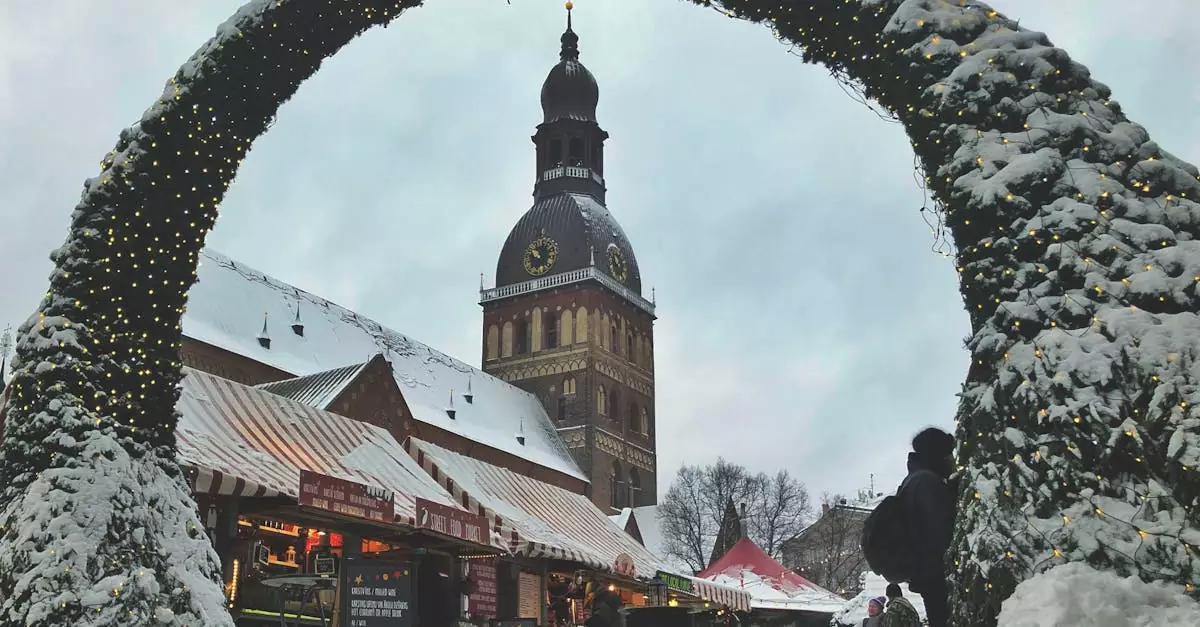
Planning a multi-city food festival tour across Europe requires strategic thinking about logistics, budgeting, and how you’ll immerse yourself in the local food scene. From the vineyards of France to the spice markets of Turkey, each festival offers a unique flavor, and getting between them efficiently is key to maximizing your gastronomic journey. Consider the timing of your travel, as many festivals are seasonal, often concentrated in the warmer months or around harvest periods.
Getting Around: Flights, Trains, and Road Trips Between Festivals
The vastness of Europe means you’ll likely use a combination of transport methods to hop between your chosen culinary destinations. For longer distances, budget airlines offer competitive fares, but factor in airport transfer times and costs. High-speed rail networks provide a scenic and often more convenient option, especially for travel between major cities, allowing you to arrive directly in the city center.
- Train Travel: Excellent for city-to-city connections, particularly in Western and Central Europe. Book in advance for the best prices.
- Flights: Ideal for covering significant distances quickly, such as from Portugal to Poland. Compare prices across different airlines and consider layovers.
- Car Rental: Offers flexibility for exploring rural regions or visiting multiple smaller festivals within a specific area. Be mindful of toll roads and parking challenges in urban centers.
A road trip can be particularly rewarding if you’re focusing on a specific region, like the wine regions of Italy or the cheese-producing areas of Switzerland. This allows for spontaneous stops at local producers and smaller markets along the way.
Festival Ticketing and Early Bird Deals for Budget Travelers
Securing tickets for popular food festivals often requires advance planning, especially for those with limited capacity or high demand. Many festivals release early bird tickets months in advance, offering significant savings for savvy travelers. Signing up for festival newsletters is a great way to stay informed about sale dates and special promotions.
When budgeting for your trip, remember to allocate funds not just for festival entry but also for the incredible food and drink you’ll undoubtedly sample. Some festivals offer tasting passes or all-inclusive options, which can sometimes provide better value than purchasing individual items. Researching the typical price range for food and drinks at each festival will help you set a realistic daily budget.
Accommodation Options: Boutique Hotels vs. Festival Camping
Your choice of accommodation can significantly impact both your budget and your festival experience. For those seeking comfort and convenience, boutique hotels or charming guesthouses in the festival city offer a relaxing retreat after a day of culinary indulgence. These often provide local insights and a more intimate atmosphere.
On the other end of the spectrum, festival camping is a popular option for many events, particularly those held in rural settings or during warmer months. This provides a truly immersive experience, placing you right at the heart of the festival buzz. It’s also generally the most budget-friendly choice.
| Accommodation Type | Pros | Cons | Best For |
|---|---|---|---|
| Boutique Hotel | Comfort, amenities, local charm | Higher cost, may require travel to venue | Travelers seeking a relaxed, pampered stay |
| Guesthouse/B&B | Personalized service, local feel, moderate cost | Limited amenities, variable availability | Solo travelers, couples seeking authentic stays |
| Festival Camping | Immersive atmosphere, budget-friendly, proximity | Basic facilities, weather dependent, noise | Young travelers, festival enthusiasts, budget trips |
| Vacation Rental | Space, kitchen facilities, group travel | Can be costly, requires booking in advance | Families, groups of friends, longer stays |
When choosing where to stay, consider the festival’s location and your preferred pace. Staying close to the venue can save time and transport costs, but might mean sacrificing peace and quiet. Conversely, opting for accommodation further afield offers tranquility but requires factoring in daily commutes.
Beyond the Festival: Exploring Local Culinary Neighborhoods

Attending a food festival in Europe is a fantastic way to sample diverse flavors, but the culinary journey doesn’t have to end when the tents come down. To truly immerse yourself in a destination’s food scene, venture beyond the festival grounds into neighborhoods known for their authentic eateries and local markets. These areas provide a deeper understanding of regional ingredients, cooking traditions, and the daily life of food-loving communities.
Paris’s Latin Quarter: Bistros and Patisseries Near Food Events
When visiting Paris for a culinary celebration, consider basing yourself near or dedicating an afternoon to the historic Latin Quarter. This vibrant district, historically a hub for students and intellectuals, retains a charming atmosphere with its narrow streets and lively squares. It’s a treasure trove of traditional French bistros, some of which have been serving locals for generations. You’ll find classic dishes like coq au vin, boeuf bourguignon, and escargots prepared with time-honored techniques.
Beyond savory dishes, the Latin Quarter excels in its sweet offerings. Numerous patisseries beckon with an array of delicate pastries, from flaky croissants and pain au chocolat to intricate tarts and macarons. Keep an eye out for smaller, independent bakeries rather than large chains for a more authentic taste. Many of these establishments are within easy walking distance of major event venues, making them convenient stops for a pre-festival breakfast or a post-festival treat. Public transport, including several Métro lines, makes navigating to and from this area straightforward.
Barcelona’s Gothic Quarter: Tapas Bars and Local Markets
Barcelona’s Gothic Quarter, with its labyrinthine alleys and hidden plazas, offers a captivating backdrop for exploring the city’s renowned tapas culture. After enjoying a festival, a wander through this medieval heart reveals countless small bars, each with its own specialties. Here, tapas are not just appetizers; they are a way of life, encouraging social interaction and a leisurely pace. Expect to find patatas bravas, pan con tomate, jamón ibérico, and an impressive variety of fresh seafood.
The area is also home to several local markets, though for a truly immersive experience, a visit to La Boqueria market (just on the edge of the Gothic Quarter) is a must. While it can be bustling, it showcases an incredible diversity of fresh produce, meats, cheeses, and seafood, many of which form the basis of the dishes served in the surrounding tapas bars. Exploring these markets provides insight into the ingredients that define Catalan cuisine. For transportation, the Gothic Quarter is highly walkable, and several metro stations connect it to other parts of the city.
Amsterdam’s Jordaan District: Cheese Shops and Traditional Eateries
For travelers attending food festivals in Amsterdam, the Jordaan district presents a delightful contrast to the temporary buzz of event spaces. This picturesque neighborhood, once a working-class area, is now celebrated for its charming canals, independent boutiques, and traditional Dutch eateries. It’s the perfect place to seek out authentic Dutch cheeses, from the mild and creamy Gouda to the sharp and nutty Edam. Many specialty cheese shops offer tastings, allowing you to sample a wide variety.
Beyond cheese, the Jordaan is home to “eetcafés,” which are casual restaurants serving hearty, traditional Dutch fare. Dishes like stamppot (mashed potatoes with vegetables), erwtensoep (thick pea soup), and various types of herring are commonly found on their menus. These establishments offer a glimpse into the comforting, unpretentious side of Dutch cuisine. The district is easily accessible by public transport, including trams and buses, and is also very pleasant to explore on foot or by bicycle, allowing for spontaneous discoveries down its many picturesque streets.
What Local Foods Should You Try at European Food Festivals?
European food festivals offer an unparalleled opportunity to dive deep into the continent’s rich culinary heritage. Beyond the general excitement of the event, focusing on specific regional specialties can elevate your gastronomic journey. Here’s a guide to some must-try categories that showcase the diversity and quality of European food.
Must-Try Cheeses from the Swiss Alps and French Countryside
When attending festivals in Switzerland or France, seek out their world-renowned cheeses. From the nutty, firm Gruyère and Emmental of Switzerland to the creamy Brie and pungent Roquefort of France, these festivals are often the best places to sample directly from producers. Look for artisanal versions, often made in small batches with traditional methods. Many festivals will have dedicated cheese tasting stalls where you can learn about the aging process and regional variations. Don’t hesitate to ask for recommendations based on your preferences, whether you favor hard, soft, blue, or washed-rind varieties.
Artisanal Breads and Pastries: A Baker’s Dozen of Delicacies
The scent of freshly baked goods is a constant draw at many European food celebrations. In Italy, seek out regional breads like the rustic Altamura bread or the light focaccia. Germany’s bakeries are celebrated for their hearty rye breads and pretzels, often served with local sausages. For those with a sweet tooth, French patisseries are legendary; look for delicate macarons, flaky croissants, and rich éclairs. Many festivals feature live baking demonstrations, offering a glimpse into the craft. Sampling a variety of breads, from sourdoughs to enriched doughs, provides a delicious insight into local milling traditions and baking techniques.
Regional Wine Pairings and Craft Beer Tastings
No European food festival is complete without an exploration of local beverages. Wine-producing regions like Spain, Italy, and Portugal offer opportunities to taste everything from crisp Vinho Verde to robust Rioja. French festivals showcase diverse appellations, from Champagne to Bordeaux. For beer enthusiasts, Germany, Belgium, and the Czech Republic are pilgrimage sites, with festivals often featuring an impressive array of lagers, ales, and unique Trappist brews. Many stalls offer curated pairings, suggesting which wines or beers best complement specific dishes, enhancing the overall tasting experience.
Seasonal Produce Highlights: From Asparagus to Figs
European food festivals often align with harvest seasons, making them prime locations to taste the freshest local produce. In spring, expect to find asparagus festivals in regions like Germany’s Lower Saxony, celebrating this delicate vegetable in various forms. As summer progresses, festivals dedicated to berries, stone fruits, and tomatoes become common across the continent. Autumn brings a bounty of apples, pumpkins, and figs, often featured in pies, jams, and savory dishes. Tasting produce at its peak freshness, directly from the farmers who grew it, is a fundamental aspect of the European culinary experience.
Frequently Asked Questions About European Food Festivals
Are there family-friendly food festivals in Europe?
Many European food festivals welcome families, often featuring dedicated children’s areas with activities, games, and simpler food options. Look for festivals that explicitly mention family programming or have a more relaxed, community-focused atmosphere rather than a purely commercial one. Events held in open parks or town squares tend to be more accommodating for strollers and active children. For instance, the Oktoberfest in Munich, while known for beer, also has extensive fairground rides and family days.
What’s the best way to manage dietary restrictions at festivals?
Managing dietary restrictions at European food festivals requires a proactive approach. It’s advisable to research participating vendors in advance if possible, checking their websites or social media for menus that highlight allergens or vegetarian, vegan, or gluten-free options. Don’t hesitate to speak directly with food stall staff; many are knowledgeable about their ingredients and preparation methods. Carrying a small card with your dietary needs translated into the local language can also be incredibly helpful when communicating with vendors across Europe.
How can I avoid tourist traps and find authentic food experiences?
To find authentic food experiences, venture slightly away from the main tourist thoroughfares. Local markets, often running alongside food festivals, are excellent places to sample regional specialties prepared by residents. Engaging with local vendors and asking for their recommendations can lead to hidden gems. Consider attending smaller, more specialized festivals focused on a particular product, like olive oil or cheese, as these often attract passionate producers and discerning attendees. Reading local blogs or consulting with regional tourism boards can provide insider tips on less commercialized culinary events.