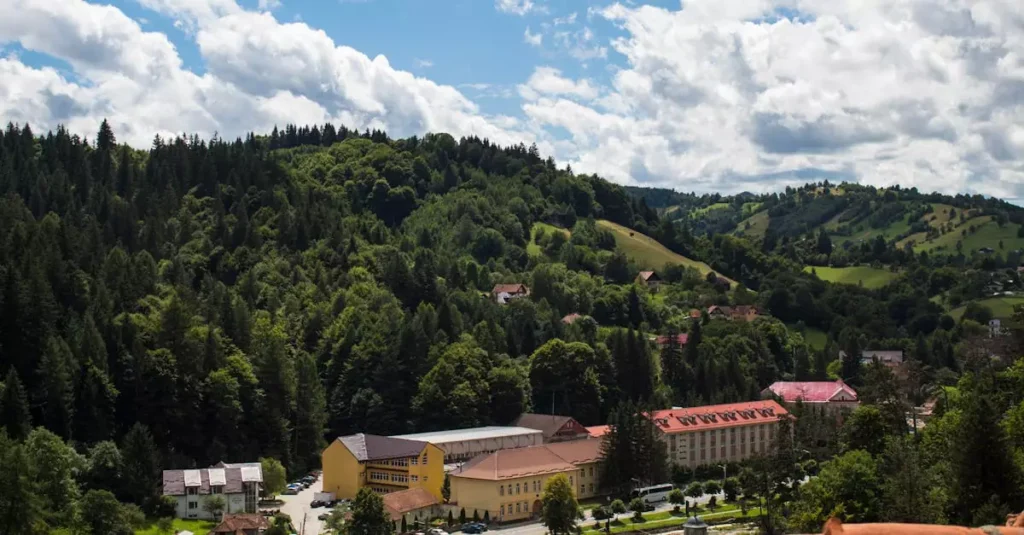
Seeking an escape from the everyday? Discovering the best countryside villages the UK has to offer provides a perfect antidote to modern life, immersing you in tranquility and timeless charm. These picturesque hamlets, often nestled in rolling hills or beside babbling brooks, reveal a slower, more authentic pace of living.
In this guide, you’ll learn how to plan your quintessential British village getaway. We’ll explore the honey-stone beauty of the Cotswolds, the dramatic landscapes of the Peak District, and hidden gems in Suffolk and Devon. You’ll find practical advice on navigating between these idyllic locations, understanding the best times to visit for seasonal beauty and fewer crowds, and uncovering unique accommodation options that enhance the charm of your stay. Prepare to be inspired by the enduring allure of England’s most captivating rural retreats.
Charming Cotswolds Villages: Honey-Stone Beauty and Rolling Hills
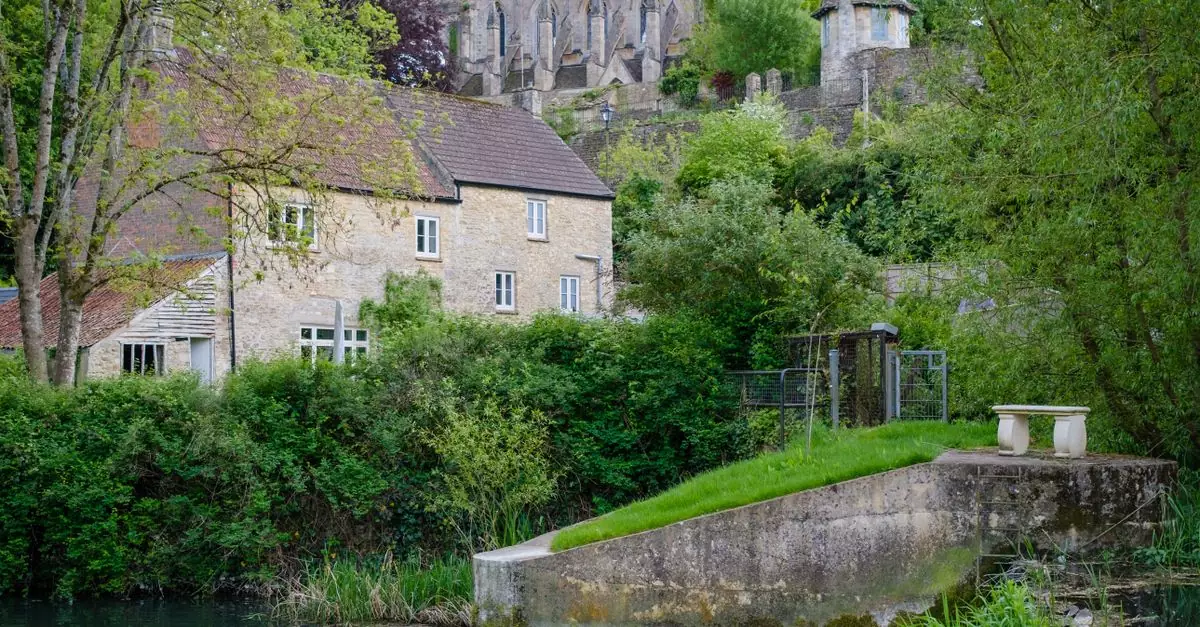
The Cotswolds, a designated Area of Outstanding Natural Beauty in south-central England, epitomizes quintessential English countryside charm. Its landscape is dotted with picturesque villages built from distinctive honey-colored limestone, creating a warm, inviting atmosphere. Exploring these villages offers a glimpse into a slower pace of life, complete with thatched roofs, babbling brooks, and ancient market squares. Planning a visit requires considering the best time to go; while summer attracts crowds, spring and autumn offer milder weather and fewer visitors.
Exploring Bourton-on-the-Water: The ‘Venice of the Cotswolds’
Bourton-on-the-Water earns its nickname from the River Windrush that flows through its heart, crossed by a series of low stone bridges. The village is flat and walkable, making navigation easy. Along the riverbanks, you’ll find traditional shops, cafes, and attractions like the Model Village and the Cotswold Motoring Museum. Visiting during the week, especially outside of peak summer holidays, can provide a more tranquil experience. Parking can be challenging during busy periods, so arriving early is advisable.
Wandering through Stow-on-the-Wold’s Market Square and Antiquarian Shops
Stow-on-the-Wold sits atop a hill, offering panoramic views of the surrounding countryside. Its expansive Market Square has been a trade hub for centuries, hosting regular markets and lined with independent shops. This village is a treasure trove for antique hunters, with numerous dealers offering everything from furniture to fine art. The ancient stocks in the square provide a historical point of interest. For a truly immersive experience, consider staying overnight to enjoy the village after day-trippers have departed.
Discovering Bibury’s Arlington Row: A Postcard-Perfect Scene
Bibury is often cited as one of England’s most beautiful villages, largely due to Arlington Row. This National Trust-owned row of weavers’ cottages, dating back to the 14th century, is an iconic image of the Cotswolds. The River Coln meanders through the village, providing a serene backdrop. While Arlington Row is a must-see, Bibury also boasts a charming church and lovely walking paths along the river. Be mindful that this is a popular spot; visiting early in the morning or late in the afternoon can help you avoid the largest crowds and capture those iconic photographs.
Exploring the Peak District’s Dramatic Landscapes and Historic Hamlets

The Peak District National Park, straddling the borders of several English counties, offers a compelling blend of rugged natural beauty and charming rural settlements. This region exemplifies the best countryside villages the UK has to offer, drawing visitors seeking fresh air and a slower pace of life. Navigating this area is best done by car, allowing flexibility to hop between picturesque hamlets and dramatic viewpoints.
Castleton: Gateway to the Peaks with Blue John Caverns
Castleton, a vibrant village nestled beneath the imposing Mam Tor, serves as an excellent base for exploring the White Peak. Its primary draw lies in the famous Blue John Caverns and Speedwell Cavern, offering a fascinating glimpse into the geological wonders beneath the surface. Above ground, walking trails abound, with routes leading up to Mam Tor for panoramic views or down into the Hope Valley.
For those arriving by public transport, train services connect to nearby Hope, with local bus routes serving Castleton. Accommodation ranges from traditional inns to self-catering cottages, catering to various budgets. The village itself is compact and walkable, with local shops providing essentials and souvenirs. Visiting during spring or autumn offers pleasant walking conditions and fewer crowds than the peak summer months.
Bakewell: Famous for its Tart and Riverside Walks
Bakewell is perhaps best known for its eponymous tart, a delightful almond and jam confection found in local bakeries and tea rooms. Beyond its culinary fame, the village sits on the River Wye, offering gentle riverside walks and a picturesque bridge. The market town atmosphere, with its independent shops and weekly market, adds to its appeal.
Travelers can reach Bakewell by train via Sheffield or Manchester, followed by a bus connection. The town center is very walkable, making it easy to access attractions and amenities on foot. Consider visiting on a market day, typically Mondays, for a lively experience. Accommodation options include hotels, bed and breakfasts, and holiday lets, providing a comfortable stay.
Edale: The Start of the Pennine Way Adventure
Edale, situated at the foot of Kinder Scout, is the official starting point of the Pennine Way, Britain’s oldest long-distance footpath. This makes it a magnet for serious hikers and walkers looking to embark on a challenging trek. Even for day visitors, the surrounding moorland offers stunning, albeit sometimes rugged, walking opportunities with breathtaking vistas.
Getting to Edale is straightforward by train, with a direct line from Manchester. The village has a distinct outdoorsy feel, with a few pubs and cafes catering to walkers. Accommodation is more limited here, primarily consisting of youth hostels, campsites, and a few guesthouses, reflecting its role as a trailhead rather than a traditional tourist hub. The weather in Edale can change rapidly, so always be prepared with appropriate gear, even for short walks.
Why Are the Best Countryside Villages in the UK Perfect for a Getaway?
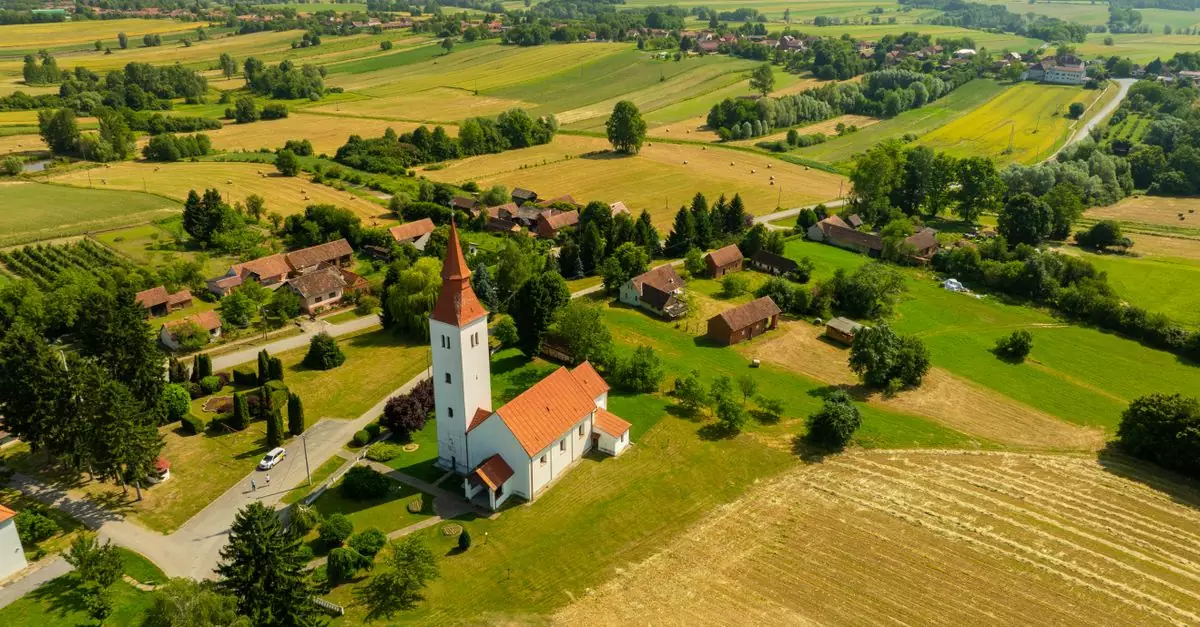
The allure of the UK’s countryside villages lies in their ability to offer a profound escape from the relentless pace of modern life. These charming hamlets, often found nestled in rolling hills or beside babbling brooks, provide a tangible connection to a slower, more traditional way of living. The inherent tranquility is a significant draw, allowing visitors to decompress amidst picturesque landscapes that have inspired poets and artists for centuries. The natural beauty, from ancient woodlands to sweeping moors, creates an environment conducive to relaxation and rejuvenation.
Escaping the City: Tranquility and Natural Beauty
Choosing a village in the UK countryside means trading urban clamor for birdsong and traffic noise for the gentle rustle of leaves. Many of these locations boast proximity to Areas of Outstanding Natural Beauty or National Parks, providing immediate access to walking trails and scenic vistas. This immersion in nature is a powerful antidote to city stress, allowing visitors to recharge. The air often feels cleaner, the light softer, and the overall atmosphere undeniably peaceful. Planning a visit during the shoulder seasons, like spring or autumn, can enhance this sense of tranquility, as crowds are typically smaller.
Experiencing Authentic British Culture and Heritage
Beyond the natural scenery, UK villages are custodians of rich cultural heritage. Many retain their historic architecture, with thatched cottages, ancient churches, and traditional pubs serving as living testaments to centuries of history. Wandering through these settlements offers a glimpse into a more authentic British way of life, far removed from the tourist hotspots. You can often find local craft shops, farmers’ markets, and community events that provide genuine cultural experiences. Understanding local customs and showing respect for the heritage of these places enhances the traveler’s experience significantly.
Finding Unique Accommodation Options: Cottages and Inns
The accommodation options in the UK’s countryside villages often contribute significantly to the overall charm of a getaway. Forget generic hotels; here, you’re more likely to find characterful, independent establishments.
- Self-Catering Cottages: Many villages offer charming cottages, often centuries old, providing a home-away-from-home experience. These are ideal for families or longer stays, allowing for self-sufficiency.
- Historic Inns and Pubs: Staying in a traditional pub with rooms offers a quintessential British experience, often complete with hearty food and local ales.
- Boutique Bed & Breakfasts: Smaller, family-run B&Bs provide personalized service and a chance to connect with local hosts.
These unique lodging choices enhance the feeling of immersion, allowing you to truly live like a local, even if only for a short while. Booking well in advance is crucial, especially for popular villages or during peak travel times.
Beyond the Cotswolds and Peaks: Hidden Gems in Rural England
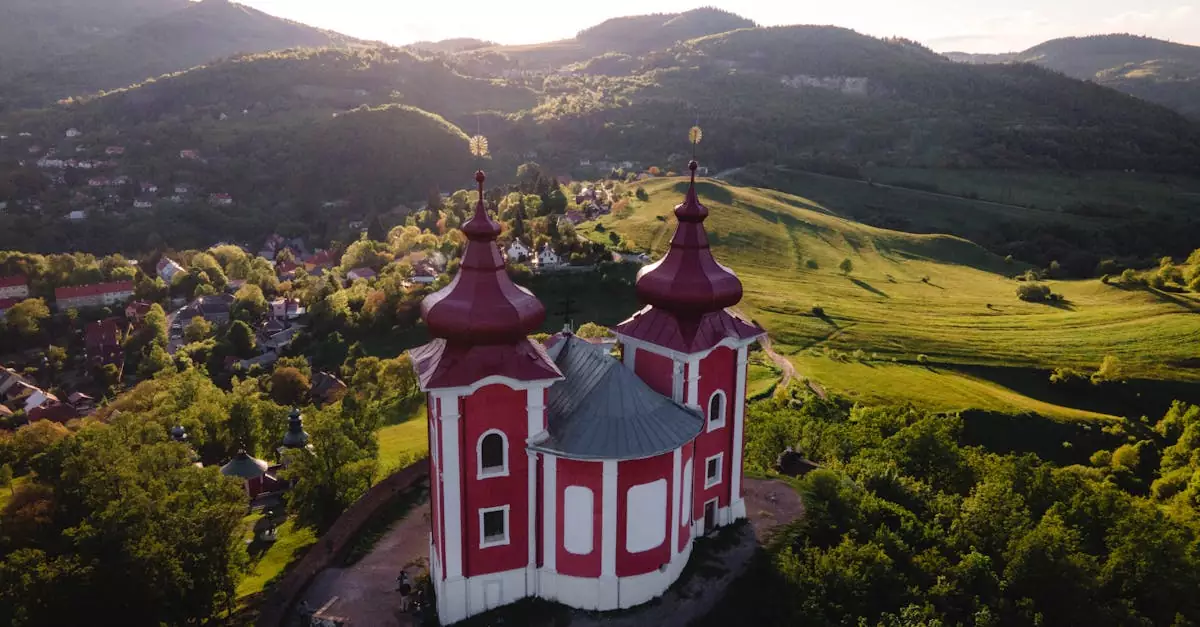
While the Cotswolds and the Peak District rightfully claim a significant portion of the UK’s rural charm, England boasts countless other villages that offer a quintessential escape. These lesser-known hamlets provide a more intimate glimpse into British village life, often with rich histories and stunning natural surroundings. Venturing beyond the most popular tourist trails can lead to unexpected discoveries and a more authentic experience of the English countryside.
Lavenham in Suffolk: A Medieval Wool Town
Lavenham, often cited as one of the best-preserved medieval villages in the UK, transports visitors back in time with its remarkably intact timber-framed buildings. This Suffolk gem was once a prosperous wool town, and its wealth is still evident in the grand Guildhall and the imposing St. Peter and St. Paul’s Church. Wandering through its narrow lanes, you’ll find over 300 listed buildings, many dating from the 15th century.
Getting to Lavenham is best achieved by car, as public transport links are less frequent. The nearest major train station is Sudbury, about a 15-minute drive away. For those seeking a peaceful retreat, Lavenham offers charming bed and breakfasts and small hotels, many housed within historic structures.
Traveler Tip: Visit during the week to avoid weekend crowds and truly soak in the atmosphere. The village is particularly picturesque in autumn when the surrounding countryside is ablaze with color.
Clovelly in Devon: A Steep, Car-Free Village
Clovelly in North Devon is a truly unique destination. This picturesque fishing village clings to a steep cliffside, with its narrow, cobbled streets descending sharply to a small harbor. Cars are not permitted within the village, adding to its tranquil, old-world charm. Visitors park at the top and walk down, making it an experience that requires a moderate level of fitness.
The steepness of Clovelly is part of its allure, offering breathtaking views of the Bristol Channel. The village is privately owned, and a small entrance fee is charged, which helps maintain its pristine condition. Accommodation options range from charming cottages to inns, many offering sea views.
Logistics: Wear comfortable, sturdy shoes. The descent and ascent can be challenging, especially in wet weather. The village can get busy during peak summer months, so an early morning or late afternoon visit is recommended for a more serene experience.
Hawkshead in the Lake District: Beatrix Potter’s Beloved Hamlet
Nestled in the heart of the Lake District National Park, Hawkshead offers a quintessential Lakeland experience without the overwhelming crowds of some of its more famous neighbors. This charming village, with its whitewashed cottages and slate roofs, was a favorite of author Beatrix Potter. Visitors can explore the Beatrix Potter Gallery, housed in the former office of her solicitor, William Heelis.
Hawkshead is a pedestrian-friendly village, ideal for leisurely strolls. Its central location makes it a great base for hiking and exploring the surrounding fells. Local pubs and tea rooms provide cozy spots to refuel after a day of activity.
Accommodation: Options in Hawkshead range from traditional inns to self-catering cottages. Booking well in advance is advisable, especially during the summer and school holidays.
| Village | County | Key Feature | Best For | Transport Access |
|---|---|---|---|---|
| Lavenham | Suffolk | Medieval Architecture | History Buffs, Photographers | Car (nearest train: Sudbury) |
| Clovelly | Devon | Steep, Car-Free Streets | Unique Experiences, Views | Car (parking at top) |
| Hawkshead | Cumbria | Beatrix Potter Connections, Fells | Hikers, Families, Literature Fans | Car (nearest train: Windermere) |
Planning Your UK Countryside Village Itinerary: Getting Around and Best Times
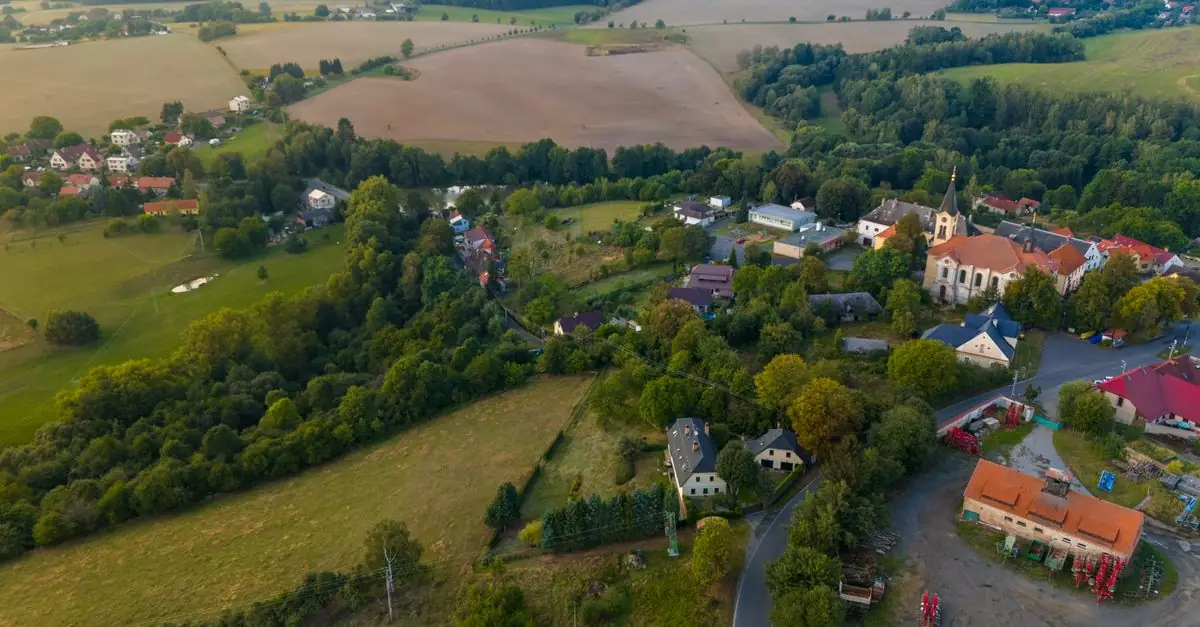
Venturing into the UK’s charming countryside villages offers a delightful escape from city life. To make the most of your trip, understanding transportation options and the best times to visit is crucial. Whether you prefer the freedom of a car or the convenience of public transport, careful planning will enhance your experience.
Driving Routes: Scenic Drives Between Villages
For those seeking ultimate flexibility, driving is often the most rewarding way to navigate between the best countryside villages in the UK. Many regions boast designated scenic routes that weave through rolling hills, past historic estates, and connect picturesque hamlets. For example, the Cotswolds AONB (Area of Outstanding Natural Beauty) offers a network of well-maintained roads perfect for a leisurely road trip. Consider mapping out a route that links villages like Bourton-on-the-Water, Stow-on-the-Wold, and Bibury, allowing for spontaneous stops at viewpoints or local pubs.
When driving, remember that many village roads can be narrow and winding, especially in areas like Cornwall or the Lake District. Always be mindful of local traffic, cyclists, and pedestrians. Parking can also be a challenge in popular villages, particularly during peak season. Arriving early in the day or utilizing designated car parks on the outskirts can help.
Public Transport Options: Trains and Buses to Rural Hubs
While a car offers the most direct access, many of the best UK countryside villages are accessible via public transport, making them viable destinations for car-free travelers. Major train lines connect larger towns and cities, from which local bus services often radiate outwards. For instance, reaching villages in the Peak District might involve taking a train to Buxton or Matlock, followed by a bus journey.
Researching bus routes in advance is essential, as services can be infrequent, particularly on Sundays and public holidays. Websites like Traveline offer comprehensive journey planning for bus and train travel across England, Scotland, and Wales. Some larger villages may have their own train stations, simplifying arrival significantly. Consider basing yourself in a well-connected larger village or market town and taking day trips to smaller, more remote hamlets using local bus services.
| Region | Main Train Hubs | Connecting Bus Services | Notes |
|---|---|---|---|
| Cotswolds | Moreton-in-Marsh, Kemble | Stagecoach, Pulhams | Limited service on Sundays |
| Lake District | Windermere, Oxenholme | Stagecoach, local | Buses connect to most major villages |
| Peak District | Buxton, Matlock, Edale | Stagecoach, High Peak | Services vary greatly by village |
| Yorkshire Dales | Skipton, Settle, Malham | DalesBus, Arriva | Seasonal bus routes often available in summer |
When to Visit: Seasonal Beauty and Avoiding Crowds
Each season offers a unique charm for visiting the best countryside villages the UK has to offer. Spring (April-May) brings vibrant wildflowers, lambing season, and fewer crowds than the summer months. The countryside awakens with fresh greenery, making it a beautiful time for walks.
Summer (June-August) is the most popular time to visit, with longer daylight hours and generally good weather. However, this also means higher prices for accommodations and busier attractions and roads. Villages can feel quite crowded, especially on weekends and during school holidays.
Autumn (September-October) is a spectacular season, with stunning fall foliage painting the landscapes in rich hues of red, gold, and orange. The air is crisp, and the crowds begin to thin, offering a more peaceful experience. This is an excellent time for hiking and enjoying harvest festivals.
Winter (November-March) offers a different kind of magic, with cozy pubs, frosty landscapes, and the possibility of snow. While some attractions may have reduced hours, the quietude can be deeply appealing. Visiting during the week in winter is the best way to avoid crowds entirely. Traveling outside of the main summer holidays and school breaks will generally lead to a more relaxed and budget-friendly trip across all regions.
Frequently Asked Questions About Visiting UK Countryside Villages
What are the best villages for walking holidays?
For dedicated walkers, the best countryside villages UK offer direct access to stunning trails. The Cotswolds, with villages like Bourton-on-the-Water and Stow-on-the-Wold, provide gentle rolling hills and well-maintained footpaths. For more challenging terrain, consider villages in the Peak District, such as Castleton, which serves as a gateway to dramatic moorlands and gritstone edges. The Lake District also boasts numerous villages, like Grasmere, surrounded by fells perfect for a variety of hiking abilities. Always check local trail maps and weather forecasts before setting out.
Are most villages dog-friendly?
Generally, rural areas and villages across the UK are very dog-friendly. Many pubs welcome dogs, especially those with beer gardens, and numerous walking routes are accessible with canine companions. However, it’s always wise to check specific policies for accommodation and individual businesses. Some walking routes, particularly through farmland, may have restrictions during lambing season (typically March to May) to protect livestock. Always keep dogs under control and on a lead where required.
What local foods should I try in these villages?
Sampling local produce is a highlight of visiting the best countryside villages UK. Look out for regional cheeses, such as Stilton in the East Midlands or Cheddar in the West Country. Many villages have local bakeries selling traditional pasties (especially in Cornwall and Devon) or pork pies. Pub lunches often feature locally sourced game or fish. Don’t miss trying a classic cream tea, with scones, jam, and clotted cream – the Devonshire way (cream first) or Cornish way (jam first) is a matter of friendly local debate. Many village markets also offer fresh fruit, vegetables, and artisanal products.