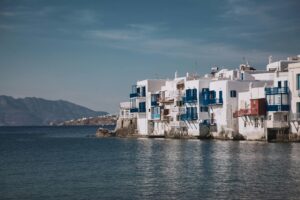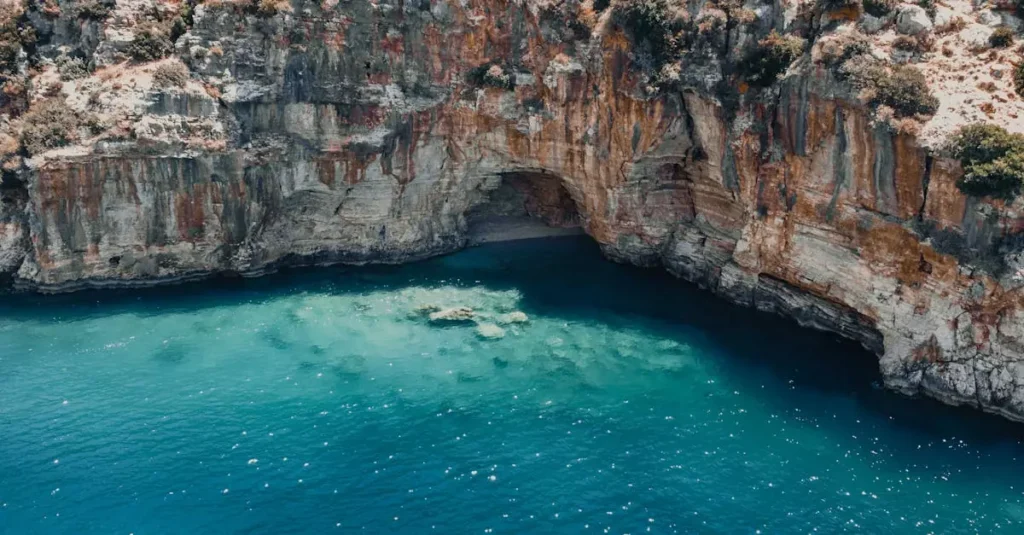
Beyond the postcard-perfect, crowded shores lie Europe’s best hidden beaches, offering a tranquil escape for those willing to venture a little further. While iconic destinations attract the masses, a wealth of secluded coves and untouched coastlines await discovery, promising pristine sands and crystal-clear waters without the usual throngs. This guide will lead you to these lesser-known sanctuaries, revealing how to access them, the best times to visit for ultimate serenity, and what to expect from these quiet corners of the continent. Prepare to uncover a different side of Europe’s coastline, where natural beauty reigns supreme and the only soundtrack is the gentle lapping of waves.
Unveiling Europe’s Best Kept Secret Beaches
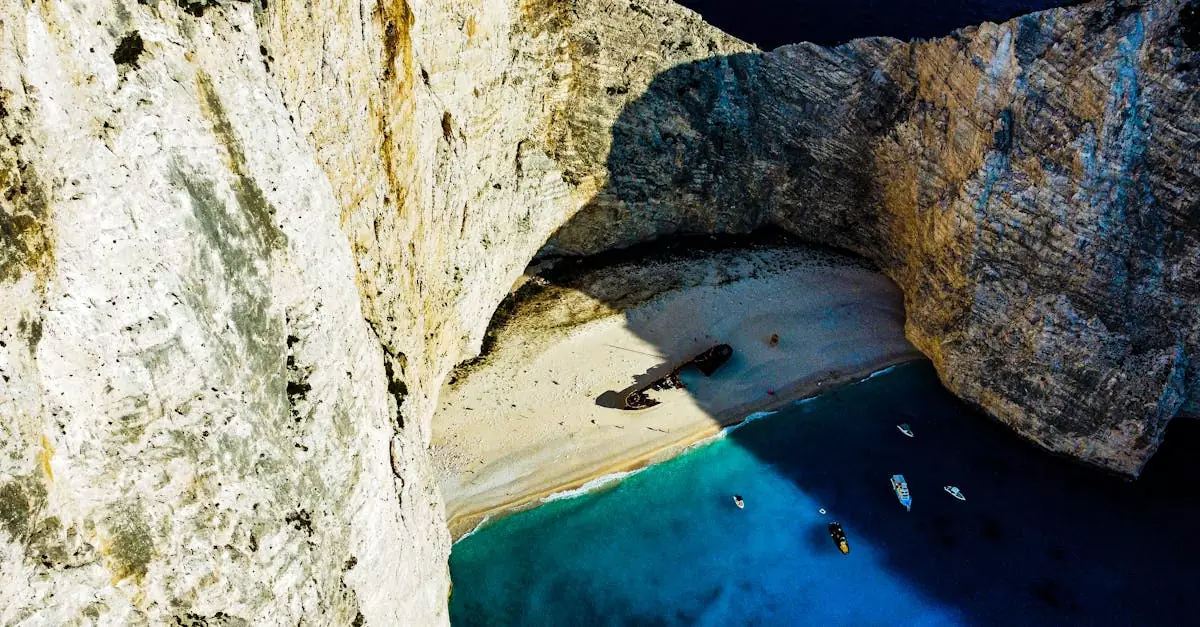
While iconic coastlines draw crowds, Europe harbors numerous secluded shores waiting to be explored. Moving beyond well-trodden paths reveals pockets of tranquility where pristine sands meet crystal-clear waters, offering a genuine escape. These hidden gems provide an intimate experience with nature, often requiring a little extra effort to reach but rewarding visitors with unparalleled serenity.
The Algarve’s Untouched Coves: Praia da Marinha’s Lesser-Known Neighbors
The Algarve is renowned for its dramatic golden cliffs and vibrant beaches, but beyond popular spots like Praia da Marinha lies a network of smaller, less accessible coves that offer a quieter alternative. Many of these can be best reached by boat tours that navigate sea caves and rugged coastlines or by following unmarked coastal trails. The eastern end of Praia da Falesia, for instance, becomes significantly less crowded the further you walk, revealing smaller sandy inlets. For true seclusion, consider hiring a kayak to paddle to hidden spots near Carvoeiro, where tiny beaches are accessible only from the sea.
When planning a visit, keep in mind that access to these smaller coves can be tide-dependent. Researching local tide charts is crucial for both safety and maximizing your time on the sand. Pack water and snacks, as amenities are usually non-existent in these wilder locations. Summer months (July and August) may still see some activity, but shoulder seasons like May, June, September, and October offer a more peaceful experience with pleasant weather.
Crete’s Remote Shores: Elafonissi’s Wilder Counterparts
Elafonissi beach, known for its famous pink sand, is undeniably beautiful but often packed with visitors. Crete, however, is a large island with an extensive coastline, offering many less frequented alternatives for those seeking hidden beaches. On the southwestern coast, beaches like Kedrodasos, a short walk from Elafonissi, offer similar natural beauty with far fewer people. Its cedar forest backdrop provides shade, while the shallow, turquoise waters are incredibly inviting.
Further east, along Crete’s southern coast, you’ll find gems like Glyka Nera (Sweet Water beach), accessible by a scenic boat trip from Chora Sfakion or Loutro, or via a challenging hike. This beach is unique for the fresh water springs that bubble up from the pebbles, creating a cool, refreshing environment. For those willing to venture to Crete’s northern coast, smaller bays near Rethymno or Chania can be discovered by renting a car and exploring winding country roads.
Mallorca’s Secluded Calas: Beyond the Crowds of Cala d’Or
Mallorca’s southern and eastern coastlines are dotted with stunning calas (coves), many of which become intensely popular during peak season. While Cala d’Or has its charms, its well-known beaches can feel crowded. To find Mallorca’s best hidden beaches, consider venturing to the less developed northeastern coast or seeking out calas accessible only by foot or boat. Cala Torta and Cala Mitjana, near Artà, are examples of more natural, less developed beaches that require a walk through scrubland to reach, deterring some visitors.
Another excellent strategy is to explore the Cabrera Archipelago National Park, a protected marine reserve south of the island. Day trips by boat offer opportunities to swim in pristine waters and visit small, undeveloped islands, though access to specific beaches might be regulated to preserve the environment. For those staying on the main island, renting a small boat for a day allows you to discover your own private cove along stretches of coastline like the Cap de Formentor, where hidden bays are tucked away from the main roads.
| Destination | Best Time to Visit (Seclusion) | Access Difficulty | Amenities |
|---|---|---|---|
| Algarve (Hidden Coves) | May-June, Sept-Oct | Moderate (boat/hike) | Limited/None |
| Crete (Remote Shores) | May-June, Sept-Oct | Moderate-Difficult | Limited/None |
| Mallorca (Secluded Calas) | April-June, Sept-Oct | Moderate (hike/boat) | Limited/None |
Asia’s Undiscovered Coastal Gems for Tranquil Getaways
Asia boasts a wealth of stunning coastlines, many of which remain surprisingly uncrowded, offering a peaceful escape from bustling tourist hubs. For travelers seeking the best hidden beaches, these less-trafficked shores provide an authentic slice of paradise. From Thailand’s laid-back islands to the Philippines’ dramatic archipelagos, discovering these secluded sanctuaries is a rewarding pursuit.
Koh Lanta’s Secluded Sands: Long Beach’s Quiet Alternatives
While Koh Lanta’s Long Beach is popular, its southern and eastern shores harbor more tranquil stretches of sand. Kantiang Bay, often cited as one of the island’s most beautiful spots, offers a crescent of golden sand backed by lush jungle and a few low-key resorts. The water here is typically calm, making it pleasant for swimming. Further south, Nui Bay is a tiny, almost private cove accessible by a short walk from the road, rewarding visitors with pristine beauty.
Getting to these quieter beaches on Koh Lanta involves renting a scooter or hiring a tuk-tuk from Saladan Pier. The roads are generally well-maintained, though some southern routes can be a bit bumpy. Budget travelers can find affordable bungalows, while mid-range options include boutique resorts. Visiting during the dry season, from November to April, ensures the best weather.
Palawan’s Secret Lagoons: El Nido’s Untamed Bays
El Nido, famous for its dramatic limestone cliffs and turquoise waters, serves as a gateway to numerous hidden coves and lagoons. While popular island-hopping tours visit iconic spots like Big Lagoon and Small Lagoon, venturing slightly off the beaten path reveals even more secluded beauty. Secret Beach, accessible only by swimming through a small crevice in the rocks, is a true hidden gem, offering a tiny, pristine crescent of sand. Matinloc Shrine, though a tourist stop, has a hidden beach nearby that often goes unnoticed by larger tour groups.
To access these less-visited spots, consider chartering a private boat tour. This allows for more flexibility and the opportunity to ask your boatman about local secrets. El Nido’s main town offers a range of accommodations, from budget guesthouses to upscale resorts. The best time to visit Palawan is during the dry season, typically from November to May, to avoid heavy rainfall. Be prepared for rustic conditions on some of the more remote islands.
Phuket’s Peaceful Paradises: Patong’s Serene Escapes
Phuket, Thailand’s largest island, is known for its vibrant nightlife and crowded beaches like Patong. However, pockets of tranquility can still be found, particularly on the island’s less developed northern and western coasts. Ao Sane Beach, located just south of Nai Harn Beach, is a small, rocky cove popular with snorkelers and divers. Its relative inaccessibility, requiring a short trek or boat ride, keeps the crowds thin. Banana Beach, or Ao Yon, offers a more serene atmosphere with soft sand and clear waters, a stark contrast to its busier neighbors.
Reaching these quieter beaches often requires a taxi or a rented scooter. While Phuket has extensive public transport options connecting major areas, accessing these more secluded spots might necessitate private hire. Accommodation options range from luxury villas to charming guesthouses. For those seeking peace, avoiding the peak season (December to February) can enhance the secluded experience.
Finding Your Perfect Slice of Paradise in the Caribbean
The Caribbean is synonymous with sun-drenched shores and turquoise waters, but beyond the popular tourist hubs lie secluded havens waiting to be discovered. For travelers seeking tranquility and untouched natural beauty, the region offers a wealth of hidden beaches. These are the spots where you can truly escape the crowds and reconnect with nature.
St. Lucia’s Volcanic Beaches: Soufrière’s Secluded Shores
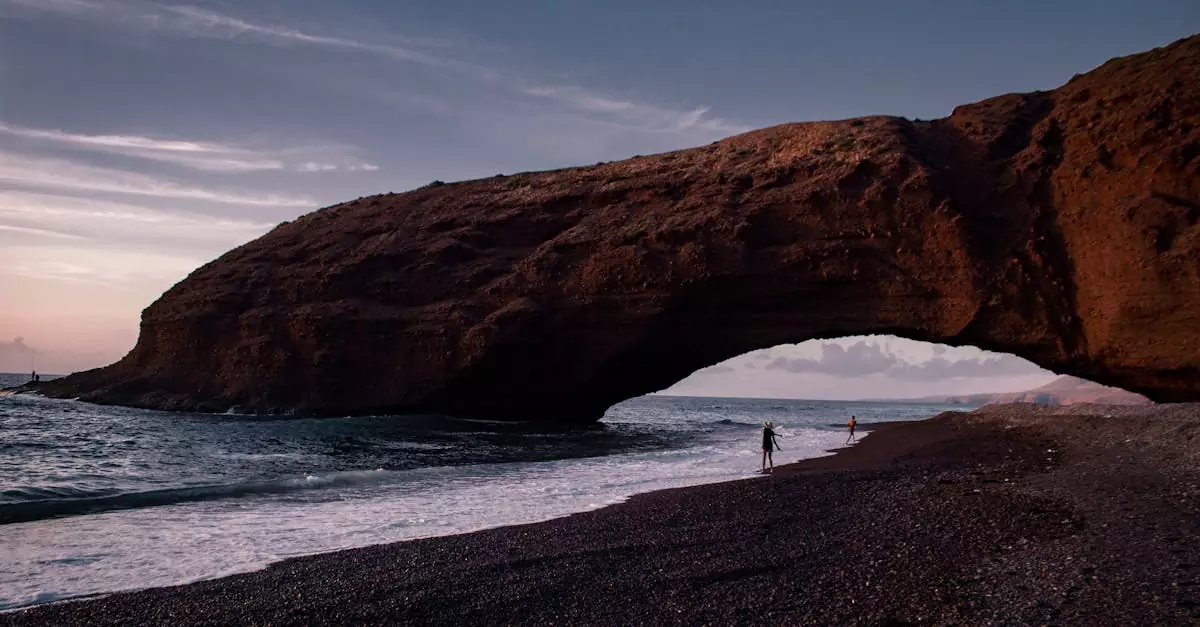
St. Lucia’s southwest coast, near the iconic Pitons, boasts a unique volcanic landscape that shapes its beaches. While many visitors flock to the more developed northern resorts, the area around Soufrière offers a more intimate experience. Here, black sand beaches, a testament to the island’s volcanic past, create a striking contrast with the vibrant blue sea.
Getting There: Accessing these beaches often involves a short boat trip or a scenic drive along winding coastal roads. Many local boat operators offer excursions from Soufrière town, providing a convenient way to hop between coves. Renting a car can offer more flexibility, but be prepared for challenging terrain.
Key Beaches to Consider:
- Anse Chastanet: Known for its dark volcanic sand and excellent snorkeling directly offshore, this beach is accessible via a resort but offers public access.
- Sugar Beach: Situated between the Pitons, this stunning white sand beach (a rarity in the area) is a more luxurious option, though accessible to the public.
- Anse Mamin: A more rustic and secluded option, often reached by a short hike from Anse Chastanet, offering a wilder, untouched feel.
These beaches provide a different kind of Caribbean beauty, marked by dramatic landscapes and a sense of raw, natural power. The surrounding rainforest adds to the secluded atmosphere, making it feel like a world away.
Barbados’ Undiscovered East Coast: Bathsheba’s Rugged Beauty
Barbados is often celebrated for its calm west coast beaches, but the island’s eastern shore offers a dramatically different, yet equally captivating, experience. Dominated by the Atlantic’s powerful waves and dramatic rock formations, the East Coast is a haven for surfers and nature lovers seeking wilder shores. Bathsheba, with its iconic Soup Bowl surf break, is the heart of this rugged coastline.
Traveler Insights: This coast is not ideal for swimming due to strong currents and undertows. Instead, visitors come for the breathtaking scenery, invigorating ocean air, and the chance to witness nature’s raw power. The drive along the coast offers panoramic views of rolling hills meeting the sea, dotted with charming fishing villages.
What to Do:
- Photography: The large rock formations and crashing waves provide endless photographic opportunities.
- Surfing: Bathsheba is a world-renowned surf spot, attracting experienced surfers.
- Relaxation: Simply sit back, enjoy the dramatic views, and feel the ocean spray.
- Local Cuisine: Enjoy fresh seafood at one of the local eateries, like the famous Round House restaurant.
The East Coast provides a refreshing contrast to the typical Caribbean beach experience, focusing on dramatic landscapes and a more untamed environment. It’s a place to appreciate the island’s natural beauty in its most elemental form.
The Grenadines’ Pristine Islands: Mustique’s Secluded Coves
For ultimate seclusion and barefoot luxury, the Grenadines offer an archipelago of small, idyllic islands. While some are privately owned or cater to a high-end clientele, many of their beaches remain remarkably untouched. Mustique, though known for its celebrity visitors, retains a charm that includes access to stunning, quiet coves.
Logistics and Access: Reaching the Grenadines typically involves flying into St. Vincent (SVD) and then taking a smaller inter-island flight or ferry. Mustique itself is a private island, and access is often via private charter or by staying at one of its exclusive villas or the Cotton House hotel.
Mustique’s Hidden Gems:
- Gelliceaux Bay: This picturesque bay offers calm waters and soft sand, often with very few other people.
- Grand Bay: A larger, more open bay on the island’s southern tip, it’s a beautiful spot for a quiet stroll or simply enjoying the vast ocean views.
- Pink Gin Beach: Known for its unique pinkish hue, this beach is a tranquil spot for sunbathing and swimming in clear, shallow waters.
These islands represent the pinnacle of secluded Caribbean escape. While they may require more planning and a higher budget, the reward is unparalleled tranquility and access to some of the most beautiful, unspoiled beaches in the world. The experience here is about understated luxury and profound peace.
What’s the Best Time to Visit These Secluded Beaches?
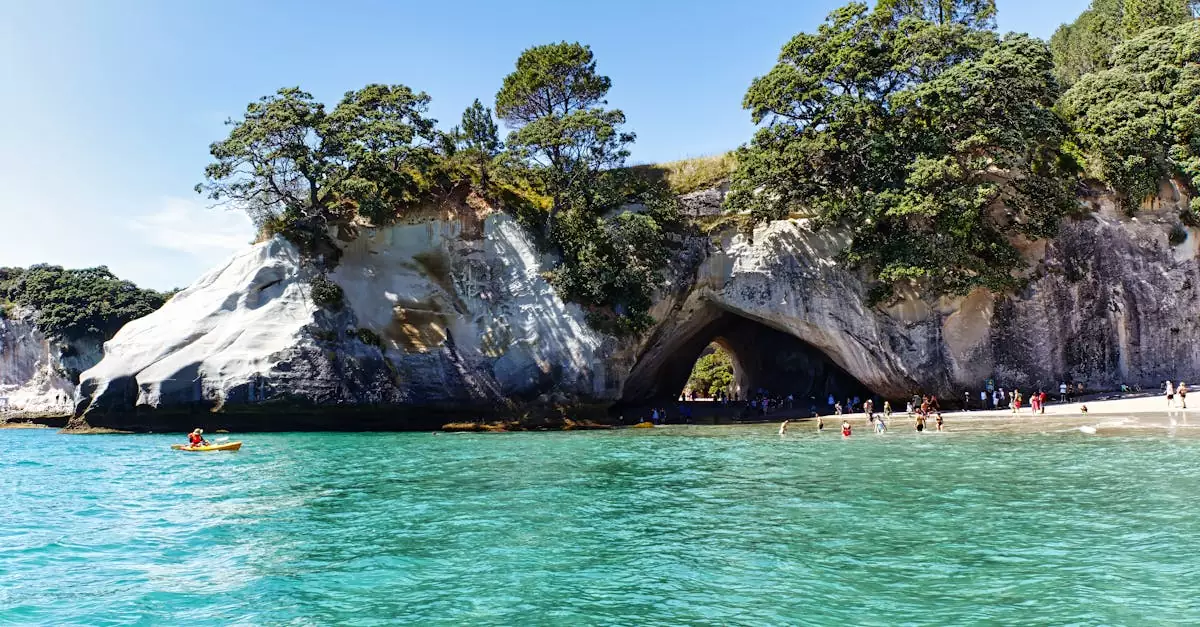
Timing your visit to the world’s hidden shores can make all the difference between a tranquil escape and a crowded disappointment. While “hidden” implies fewer people, even the most remote beaches can see increased foot traffic during peak tourist seasons. Understanding the nuances of shoulder seasons, off-peak periods, and the specific climate of your chosen destination is key to unlocking true seclusion.
Shoulder Season Bliss: Avoiding Crowds on Hidden Shores
The sweet spot for visiting many of the best hidden beaches often lies in the shoulder seasons – the periods just before or after the main tourist rush. For destinations in the Northern Hemisphere, this typically means late spring (April to May) and early autumn (September to October). In the Southern Hemisphere, the equivalent periods are spring (September to November) and autumn (March to May).
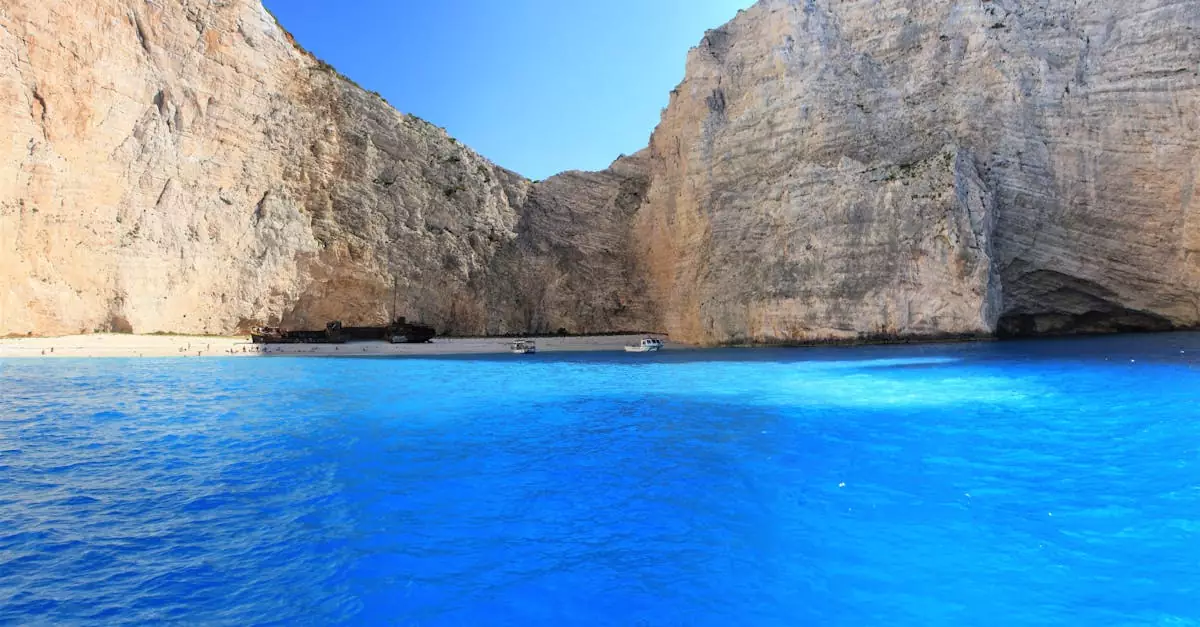
During these transitional months, you’ll often find pleasant weather that’s warm enough for swimming and sunbathing, but without the intense heat or humidity of mid-summer. Accommodation prices tend to be lower, and importantly, the crowds are significantly thinner. This allows for a more authentic and peaceful experience, letting you truly appreciate the natural beauty and tranquility of these secluded spots. For instance, visiting a Greek island in May means you can enjoy stunning beaches like Navagio (Shipwreck Beach) on Zakynthos before the summer ferry crowds arrive, though some smaller, more remote coves will remain quiet year-round.
Monsoon Magic: Best Beaches for Off-Season Serenity
Don’t discount the “off-season,” especially in tropical regions. While some destinations experience monsoon or rainy seasons, these periods can offer unparalleled serenity and a unique travel experience. For travelers seeking ultimate solitude, visiting a tropical paradise during its low season can mean having entire stretches of coastline to yourself.
For example, parts of Southeast Asia, like Thailand’s Andaman Coast, experience their monsoon season from May to October. While you might encounter some rain showers, these are often brief, and the surrounding rainforests become incredibly lush and vibrant. The ocean can be rougher, limiting some water activities, but the dramatic skies and the quiet atmosphere can be incredibly rewarding. Similarly, some Caribbean islands have lower visitor numbers during hurricane season (June to November), though it’s crucial to monitor weather forecasts and travel insurance. The trade-off for near-total seclusion might be a higher chance of rain, but for dedicated solitude seekers, it’s often a worthwhile gamble.
Peak Season Perks: When to Visit for Optimal Weather
While the allure of hidden beaches is their seclusion, there are times when visiting even these spots during peak season is unavoidable or even preferable, particularly if your priority is guaranteed sunshine and calm seas. If you’re dreaming of specific activities like diving, snorkeling, or simply basking in consistent warmth, aligning your trip with the local dry season is essential.
For example, many Mediterranean coastlines, from the Balearic Islands to the Dalmatian Coast, are at their most appealing from June to August. The sea is warm, the sun is reliable, and the infrastructure is fully operational. While these periods will undoubtedly see more visitors, choosing a less accessible hidden beach on a larger island, or visiting on a weekday, can still offer a sense of escape. If your travel plans are fixed to these months, research beaches that require a hike or a boat trip to reach, as these naturally deter casual crowds. Planning your visit to a remote cove in Cornwall, UK, during August might mean more local day-trippers, but the dramatic coastal scenery and the chance to explore tidal pools at low tide are often at their best with longer daylight hours.
Getting to and Around Europe’s Best Hidden Beaches
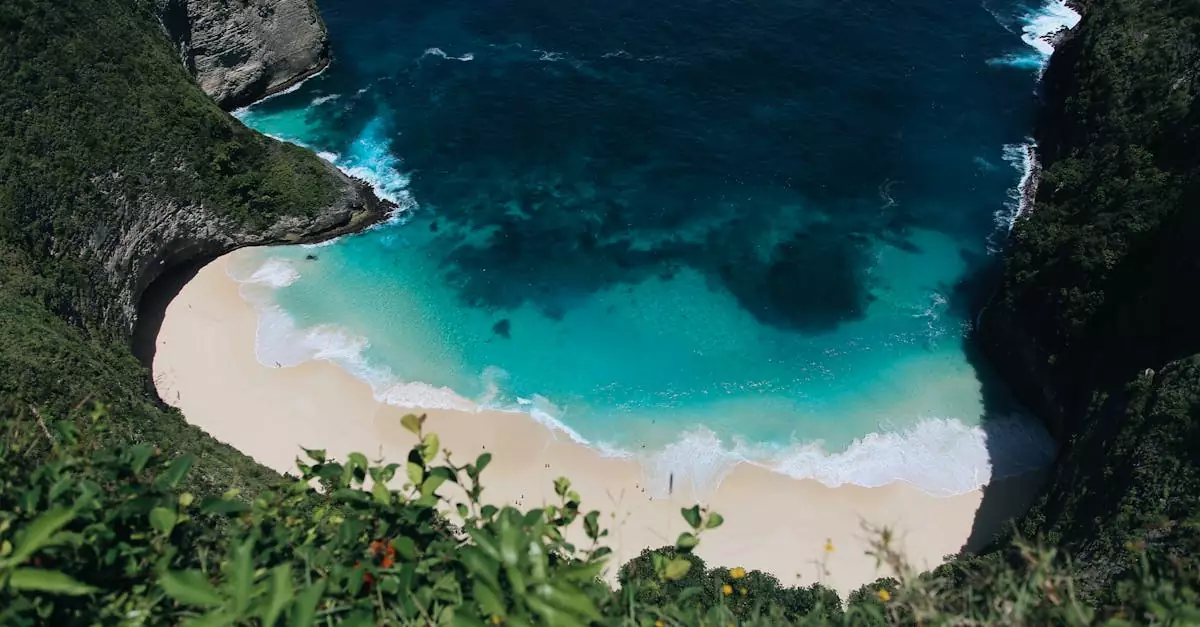
Reaching Europe’s most secluded shores often requires a bit more planning than a typical beach getaway, but the rewards are well worth the effort. These less-trafficked havens demand thoughtful navigation, whether by sea, road, or a combination of both. Understanding the local transportation networks and seasonal accessibility is key to unlocking these tranquil escapes.
Navigating the Greek Islands: Ferry Routes to Secluded Coves
The Greek archipelago, with its thousands of islands, offers countless opportunities to discover hidden beaches primarily accessible by ferry. For those seeking tranquility away from popular tourist hubs, focusing on smaller, less-developed islands or the quieter sides of larger ones is essential. Ferries are the lifeblood of island life here, connecting not only major ports but also smaller villages.
Planning your ferry journey requires checking schedules in advance, especially outside of peak summer months when services can be reduced. Websites like Ferryhopper provide comprehensive information on routes, operators, and pricing, allowing you to compare options. For instance, reaching a secluded cove on Crete might involve a ferry to Heraklion or Chania, followed by local bus or taxi services, or even a smaller boat charter from a coastal town. Similarly, islands like Folegandros or Amorgos, while accessible by ferry, offer a more authentic, less crowded experience with hidden bays reachable by hiking trails or boat rentals.
Consider how much luggage you plan to bring. Ferries are generally accommodating, but navigating steep paths or unpaved roads to a truly remote beach with heavy bags can be challenging. Traveling light or arranging for local transport upon arrival will significantly enhance your experience.
Driving the Dalmatian Coast: Road Trip to Croatia’s Hidden Bays
Croatia’s Dalmatian Coast is a dream for road trippers, with stunning vistas and numerous opportunities to pull over and discover secluded bays. The main coastal highway (D8) offers breathtaking views, but the real treasures are often found on the smaller roads that branch off toward the sea. Renting a car provides the ultimate flexibility to stop at whim and explore unmarked paths leading to pristine stretches of coastline.
When driving the Dalmatian Coast, be aware that many of the most secluded beaches require navigating narrow, winding roads, some of which may be unpaved. Parking can also be limited near these hidden spots, so arriving earlier in the day is advisable. Islands like Brač, Hvar, and Korčula are accessible by car ferries from Split or Dubrovnik, offering a wealth of coves once you’re on land. For example, exploring the southern coast of Korčula by car can lead you to tranquil spots like Pupnatska Luka, which, while known, is less accessible than mainland beaches.
A rental car offers the freedom to explore beyond the main tourist towns. Consider renting a smaller vehicle if you plan to tackle very narrow or unpaved routes, as larger cars can be difficult to maneuver. Factor in the cost of car ferries if you plan to visit multiple islands, as these can add to your budget.
Island Hopping in Portugal: Reaching Madeira’s Secluded Shores
Portugal’s islands, particularly Madeira and the Azores, present unique challenges and rewards for those seeking hidden beaches. Madeira, often called the “Pearl of the Atlantic,” is a volcanic island known for its dramatic cliffs and lush landscapes, with its beaches often being pebbly or composed of dark volcanic sand. The true secluded sanctuaries are often found by hiking along the island’s levadas or hiring a local boat.
To access Madeira’s more remote coastal areas, consider basing yourself in smaller towns outside of the capital, Funchal. From there, you can rent a car to explore the island’s rugged coastline. For instance, the north coast offers more dramatic scenery and fewer crowds. However, many of the most spectacular, hidden beaches are accessible only by foot or by sea. Boat tours departing from Funchal or Calheta can take you to secluded coves that are otherwise unreachable.
The Azores, a more distant archipelago, offers a different kind of beach experience, often characterized by dark sand and powerful Atlantic waves. Reaching these islands requires flights, followed by inter-island ferries or flights for hopping between them. Each island has its own unique charm and secluded spots, demanding local exploration and often a willingness to venture off the beaten path. For travelers prioritizing accessibility, the mainland Algarve coast offers a wider array of sandy beaches, though finding truly hidden gems here may require more effort.
Frequently Asked Questions About Discovering Hidden Beaches
What essentials should I pack for a remote beach trip?
When venturing to less-trafficked shores, preparation is key. Pack reef-safe sunscreen, a wide-brimmed hat, and sunglasses to protect yourself from the sun. Bring plenty of water and snacks, as amenities might be scarce. A good quality beach towel, insect repellent, and a basic first-aid kit are also advisable. Consider a portable charger for your devices and a waterproof bag to keep your essentials dry.
Are these hidden beaches safe for families?
Safety on secluded beaches depends heavily on the specific location and time of visit. Always check local conditions, including tide times and potential currents, before swimming. If the beach is very remote, consider visiting with a group or informing someone of your plans. For families with young children, prioritize beaches with calm, shallow waters and natural shade. Researching the accessibility and local safety reputation of any hidden cove you plan to visit is crucial for a worry-free family outing.
What local delicacies can I try near these secluded spots?
Exploring the culinary landscape near hidden beaches often reveals authentic regional flavors. Depending on the coast, you might find fresh seafood grilled at small, family-run eateries just a short drive from the shore. Look for dishes featuring locally caught fish or shellfish, prepared with regional spices and herbs. In island settings, tropical fruits like mangoes, papayas, and coconuts are often incorporated into both sweet and savory dishes. Don’t hesitate to ask locals for their recommendations; they often know the best, unassuming spots for a truly memorable meal. For instance, on a remote stretch of coastline in [specific region, e.g., Southeast Asia], you might encounter flavorful curries made with freshly caught shrimp.