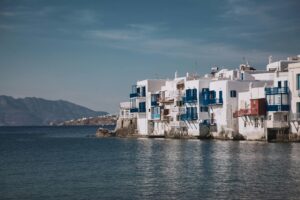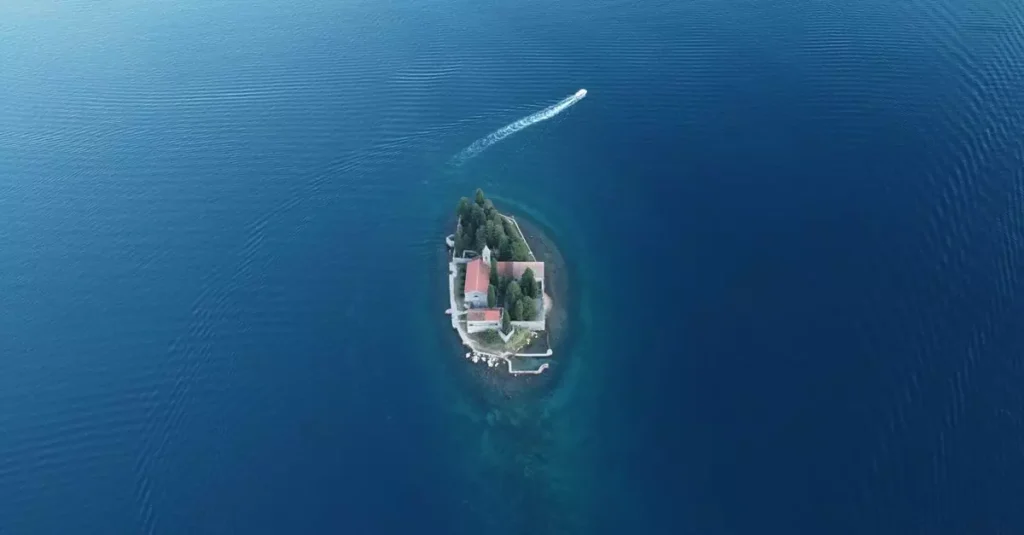
Dreaming of an escape where the loudest sound is the gentle lapping of waves and the most pressing decision is which local café to visit? Slow travel offers a refreshing antidote to the hurried pace of modern life, and islands, with their inherent sense of seclusion and distinct rhythms, are the perfect backdrop for this mindful approach. Discovering the best islands for slow travel means finding destinations that invite you to linger, connect, and truly absorb the local atmosphere.
This guide will help you uncover islands where you can trade crowded itineraries for unhurried exploration. You’ll learn about unique destinations that prioritize authenticity, from the charming villages of Greece to the bohemian shores of Mexico, and understand how to craft an itinerary that fosters a genuine connection with your surroundings. Prepare to embrace a more meaningful way to experience island life.
What Exactly is Slow Travel on an Island?
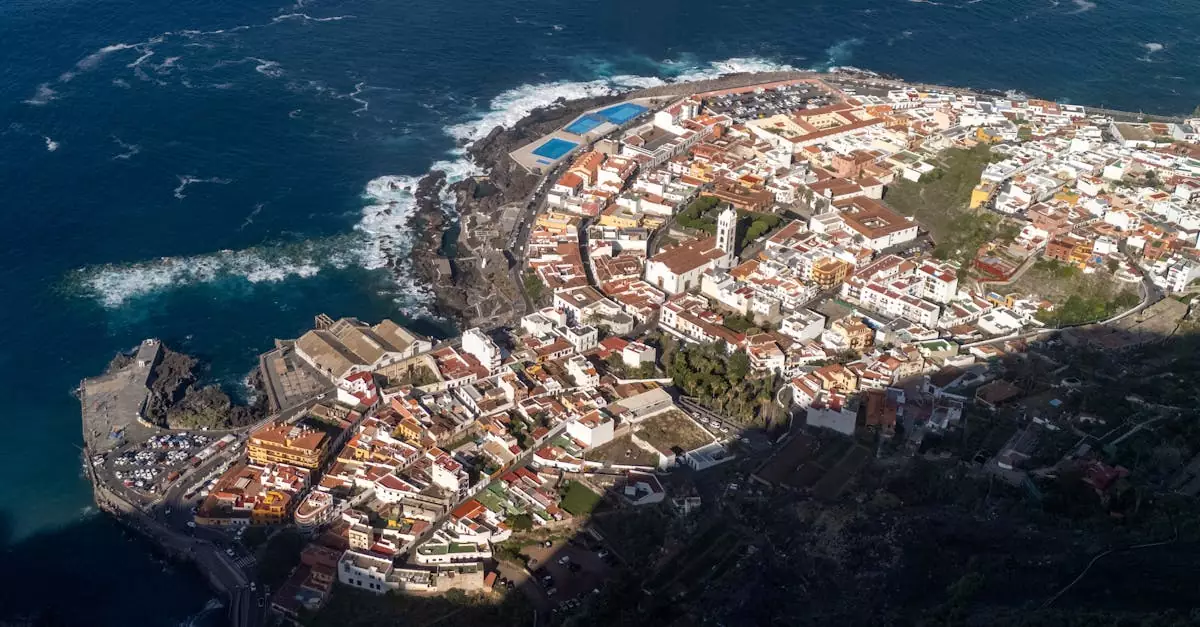
Slow travel on an island means immersing yourself intentionally in a destination, moving beyond a checklist of sights to connect with the local rhythm. It prioritizes depth over breadth, encouraging you to linger, observe, and participate rather than simply visit. This approach transforms a vacation into a more enriching experience, allowing for genuine discovery.
Embracing a Slower Pace: Beyond the Tourist Rush
Unlike the hurried pace of typical tourism, slow travel on an island encourages you to shed the pressure of seeing everything. You might spend an entire afternoon watching local fishermen mend their nets or dedicate days to mastering a new skill, like pottery or a regional cooking technique. This deliberate unhurriedness fosters serendipitous encounters and a deeper appreciation of the island’s unique culture and natural beauty. It’s about savoring moments, whether it’s a quiet sunrise over the ocean or a conversation with a shopkeeper.
The Allure of Island Life for Mindful Exploration
Islands naturally lend themselves to a slower pace. Their contained geography often means fewer distractions and a more focused environment for exploration. The rhythm of island life, dictated by tides, seasons, and community traditions, invites visitors to sync with it. This makes them ideal settings for mindful exploration, allowing you to absorb the surroundings without the constant pull of a mainland’s bustling activity. The sense of being removed from everyday hustle fosters profound peace and presence.
Benefits of Choosing Islands for a Slow Travel Experience
Opting for an island for your slow travel adventure offers distinct advantages. The limited scope often makes it easier to get around without a car, promoting walking or cycling and fostering a closer connection to the environment. You’re more likely to encounter authentic local life, as island communities often have strong traditions and a distinct cultural identity. This can lead to more genuine interactions and a deeper understanding of the place.
Furthermore, islands provide a natural boundary, encouraging a focused experience. You can choose to explore one small village for days, getting to know its inhabitants and routines, rather than rushing between multiple locations. This concentrated approach allows for a richer, more detailed understanding of a place, which is the essence of slow travel. The tranquility of many island settings also aids in relaxation and mental rejuvenation.
Top Islands for a Relaxed Island Getaway
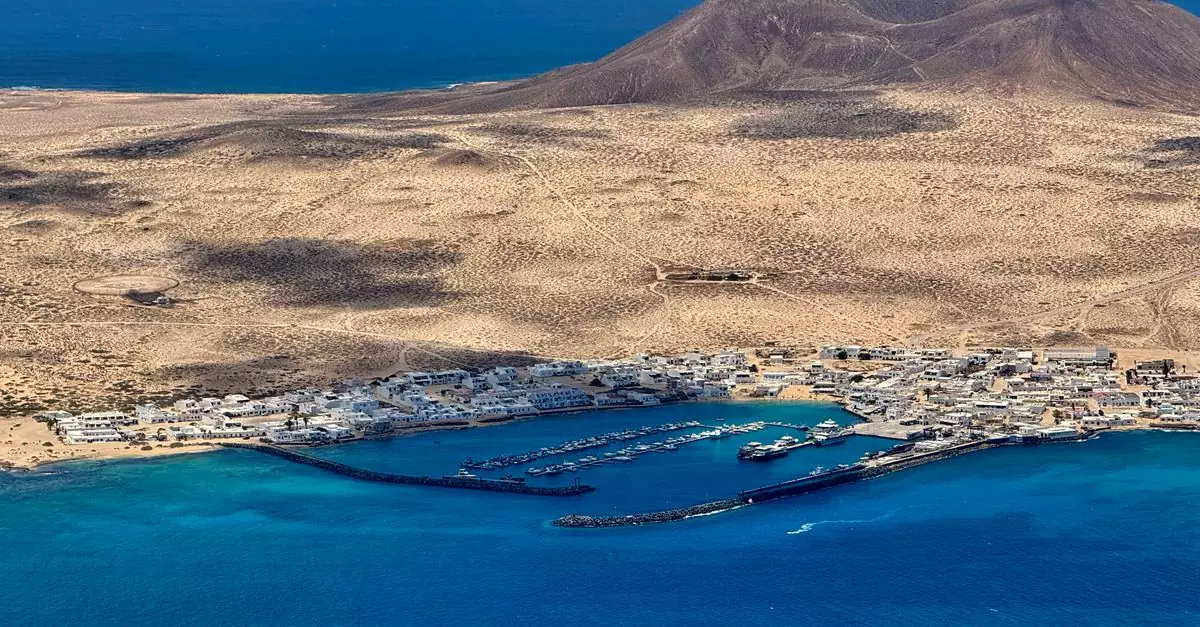
Choosing the best islands for slow travel means prioritizing destinations where the pace of life encourages lingering, not rushing. These are places where you can truly unwind, connect with the local rhythm, and savor each moment. Forget packed itineraries; think sun-drenched afternoons, unhurried meals, and genuine interactions.
Aegina, Greece: Ancient Charm and Pistachio Delights
Just a short ferry ride from Athens, Aegina offers a refreshing escape without the long journey. This Saronic Gulf gem provides a blend of historical significance and authentic island life. Its proximity makes it an accessible choice for a spontaneous slow travel experience, allowing you to immerse yourself in Greek culture at a leisurely pace.
The island is renowned for its pistachios, a local specialty you’ll find in every form, from sweet treats to savory dishes. Wander through the charming port town, where colorful fishing boats bob in the harbor and locals gather at waterfront cafés. Don’t miss the Temple of Aphaia, a remarkably well-preserved ancient sanctuary offering panoramic views. Renting a scooter or car is a good way to explore the island’s quieter coves and traditional villages like Perdika.
- Getting There: Frequent ferries depart from Piraeus Port in Athens.
- Best Time to Visit: Spring (April-May) and Autumn (September-October) offer pleasant weather and fewer crowds.
- Local Specialty: Aegina pistachios.
Isla Holbox, Mexico: Bohemian Vibes and Bioluminescent Nights
Isla Holbox, located off the Yucatán Peninsula, embodies a laid-back, bohemian spirit. This car-free island, accessible by a short ferry from Chiquilá, invites you to slow down and embrace its sandy streets and vibrant atmosphere. Life here moves at a tranquil pace, perfect for those seeking a digital detox and a reconnection with nature.
Days on Holbox are best spent lounging on its expansive beaches, swimming in the warm waters, or paddleboarding. As dusk settles, the island reveals another magic: bioluminescence. Take a nighttime boat tour to witness the glowing waters, an unforgettable experience. The island’s culinary scene is a delightful mix of fresh seafood and Mexican fusion, best enjoyed at one of the many beachfront restaurants.
- Getting There: Ferry from Chiquilá (Yucatán).
- Vibe: Bohemian, relaxed, eco-conscious.
- Unique Experience: Bioluminescent plankton tours.
Gozo, Malta: Rustic Beauty and Coastal Trails
Gozo, Malta’s sister island, offers a tranquil and rural experience compared to its larger counterpart. Its rugged coastline, ancient temples, and picturesque villages make it an ideal destination for slow exploration. The pace of life here is unhurried, allowing ample time to appreciate the island’s natural beauty and rich history.
Hiking along the coastal paths is a highlight, revealing dramatic cliffs, hidden coves, and stunning sea views. Visit the Ggantija Temples, older than Stonehenge, or wander through the narrow streets of Victoria, the island’s capital. The Azure Window may be gone, but the dramatic coastline around Dwejra still captivates. Renting a car or using local buses are practical ways to navigate the island.
- Getting There: Ferry from Cirkewwa, Malta.
- Activities: Hiking, visiting historical sites, enjoying coastal scenery.
- Accommodation: Farmhouses and boutique hotels offer a charming stay.
Koh Lanta, Thailand: Laid-back Beaches and Jungle Adventures
Koh Lanta, situated in the Andaman Sea, is a favorite for travelers seeking a more relaxed Thai island experience. Its long stretches of sandy beaches, lush jungle interiors, and friendly atmosphere make it perfect for unwinding. The island’s development has been mindful, preserving its natural beauty and tranquil vibe.
Spend your days beach hopping along the west coast, from the lively Klong Dao to the more secluded Bamboo Bay. Kayak through mangrove forests, explore the island’s national park, or simply relax in a hammock with a good book. The food scene is a highlight, with numerous beachfront restaurants serving delicious Thai cuisine. Getting around is easy with scooter rentals or local songthaew taxis.
- Getting There: Flights to Krabi or Trang, followed by a minivan and ferry transfer.
- Pace: Very relaxed, family-friendly.
- Must-Try: Fresh seafood and authentic Thai curries.
Planning Your Slow Travel Island Itinerary
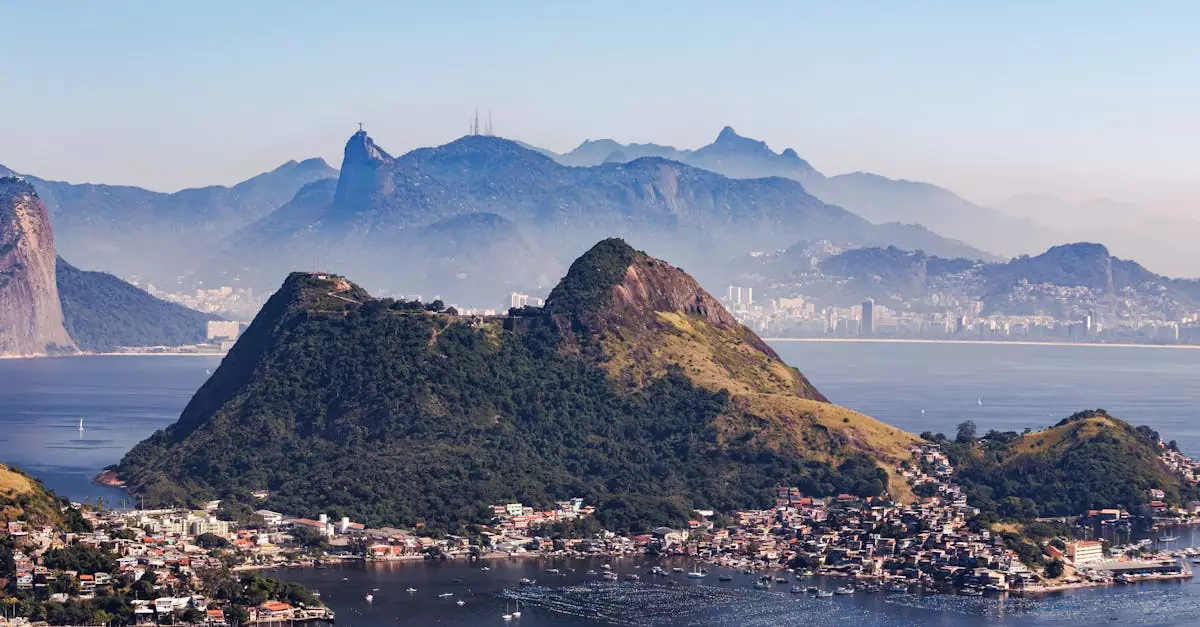
Embarking on a slow travel journey to an island destination requires a different approach to planning than a whirlwind tour. The essence of slow travel is to immerse yourself, not to tick off attractions. This means prioritizing experiences over checklists and allowing for spontaneity.
Crafting a Flexible Island Itinerary
When designing your island escape, aim for a structure that allows for serendipitous discoveries. Instead of booking every minute, identify a few key experiences or locations you wish to engage with deeply. For instance, if visiting a Greek island, plan to spend a full day exploring a single village’s winding streets and enjoying a leisurely lunch, rather than rushing to see multiple sites in one day. This flexibility is crucial for embracing the unhurried pace of slow travel.
Consider mapping out a general route that connects a few points of interest, but leave ample room for detours. You might stumble upon a hidden cove perfect for an afternoon of reading or a local festival that wasn’t in any guidebooks. A well-crafted itinerary balances structure with openness, ensuring you have a framework without feeling constrained.
Recommended Durations for Island Slow Travel
The beauty of slow travel lies in its unhurried nature, and this extends to the length of your stay. While a weekend getaway might suffice for some destinations, island slow travel often benefits from extended periods. A minimum of one week is generally recommended to begin to settle into the rhythm of an island.
For deeper immersion, consider stays of two weeks or more. This allows for more meaningful interactions with locals, a genuine understanding of daily life, and the chance to explore beyond the main tourist hubs. Imagine spending a week learning to cook local dishes in Sicily or dedicating ten days to hiking trails on Madeira. Such extended stays transform a vacation into a rich, experiential journey.
Here’s a general guideline for how long to stay, depending on your travel goals:
| Travel Goal | Recommended Duration | Focus |
|---|---|---|
| Gentle Introduction | 5-7 days | Experiencing a single town or region, enjoying local cuisine. |
| Deeper Immersion | 10-14 days | Exploring multiple villages, engaging in local activities, relaxation. |
| True Slow Travel Experience | 2+ weeks | Living like a local, pursuing hobbies, extensive exploration. |
Balancing Relaxation with Local Immersion
A core aspect of slow travel is finding the balance between unwinding and actively participating in the local culture. It’s about savoring moments of quiet reflection as much as engaging with the community. On an island like Folegandros, this might mean spending mornings reading on your balcony overlooking the Aegean Sea, followed by afternoons learning about traditional weaving from a local artisan.
Avoid the temptation to fill your schedule. Instead, allow for unscheduled time that can be filled with spontaneous conversations, impromptu meals at family-run tavernas, or simply observing daily life in a village square. This balance ensures your trip is both restorative and enriching. It’s about experiencing the island’s essence, not just seeing its sights.
Experiencing Local Flavors: Island Culinary Journeys
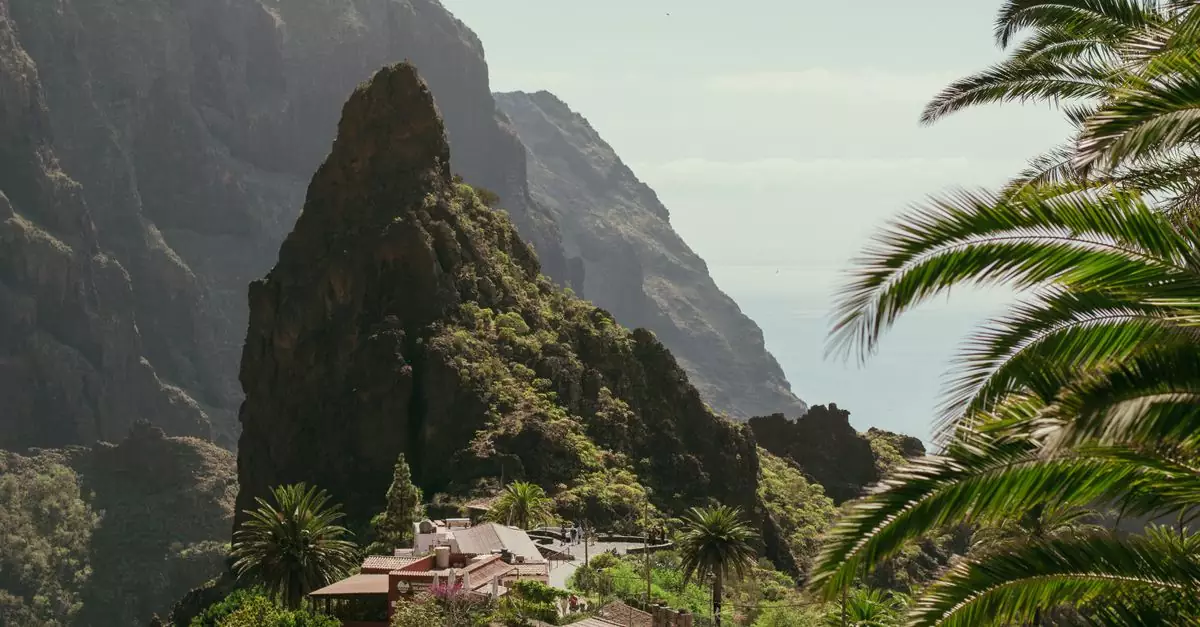
Embracing slow travel means diving deep into the heart of a destination, and few things connect you to a place like its food. Islands, often with unique ecosystems and historical influences, offer some of the most distinctive culinary experiences. Engaging with local markets, family-run tavernas, and traditional cooking methods allows travelers to taste the authentic spirit of these island gems.
Must-Try Local Dishes on Greek Islands
Greek islands offer a vibrant tapestry of flavors, heavily influenced by the Mediterranean diet and regional specialties. On Crete, for instance, dakos is a staple: a rusk barley bread topped with chopped tomatoes, feta cheese, olives, and a generous drizzle of local olive oil. For a heartier meal, seek out moussaka, a layered eggplant and minced meat dish baked with béchamel sauce, or souvlaki, grilled skewers of meat often served with pita bread and tzatziki.
When visiting the Cyclades, don’t miss fava, a creamy split pea puree, especially popular on Santorini, often served with capers and onions. Seafood is paramount across all Greek islands; grilled octopus, calamari, and fresh fish are usually prepared simply to highlight their natural flavors. Look for tavernas in small villages away from the main tourist hubs for the most authentic and often most affordable meals.
Authentic Yucatan Cuisine on Isla Holbox
Isla Holbox, a car-free island off Mexico’s Yucatán Peninsula, boasts a culinary scene deeply rooted in Mayan traditions and abundant seafood. The island’s signature dish is lobster pizza, a surprising but delicious combination of fresh lobster, cheese, and other toppings baked on a pizza crust. Another must-try is ceviche, made with the freshest catch of the day, marinated in lime juice with onions, cilantro, and chilies.
Beyond seafood, explore Yucatecan staples like cochinita pibil, slow-roasted pork marinated in achiote paste and sour orange juice, often served in tacos or tortas. Sopa de lima, a light yet flavorful lime soup with shredded chicken and tortilla strips, offers a refreshing taste of the region. For a sweet treat, try marquesitas, crispy rolled crepes filled with Edam cheese – a unique combination that is surprisingly delightful. Many small palapas (thatched-roof restaurants) along the beach offer an authentic taste of Holbox.
Traditional Maltese Food in Gozo’s Villages
Gozo, Malta’s sister island, provides a more rustic and traditional culinary experience compared to its larger neighbor. The national dish, fenkata, is a must-try: rabbit stewed in red wine with garlic and herbs, or fried with garlic and chili. Another staple is pastizzi, flaky pastries filled with ricotta cheese or mushy peas, sold from small kiosks and bakeries across the island.
For seafood lovers, Lampuki pie (dorado fish pie) is a seasonal delicacy, typically available in autumn. Gbejniet, small round cheeselets made from sheep’s milk, are a unique Gozitan specialty, enjoyed fresh, dried, or peppered. Exploring the inland villages like Xewkija or Nadur will lead you to family-run restaurants where recipes have been passed down through generations, offering a genuine taste of Gozo.
Spicy and Savory Thai Specialties on Koh Lanta
Koh Lanta, a laid-back island in Thailand’s Andaman Sea, offers a fantastic introduction to Southern Thai cuisine, known for its balance of spicy, sour, sweet, and salty flavors. Pad Thai, the ubiquitous stir-fried noodle dish, is a reliable choice, but don’t shy away from more regional specialties. Try Massaman curry, a milder, richer curry with influences from Malaysia and India, often featuring potatoes, peanuts, and tender meat.
For those who enjoy heat, Gaeng Som Pla, a sour and spicy fish curry, is a local favorite, packed with vegetables and a fiery broth. Fresh seafood is abundant and often grilled to perfection, served with various dipping sauces. Explore the local markets in towns like Saladan or Ban Phra Ae to sample street food, including various curries, stir-fries, and delicious mango sticky rice for dessert. Many beachfront restaurants also offer cooking classes, providing a hands-on way to learn about Thai flavors.
Getting Around: Island Transportation for Slow Travelers
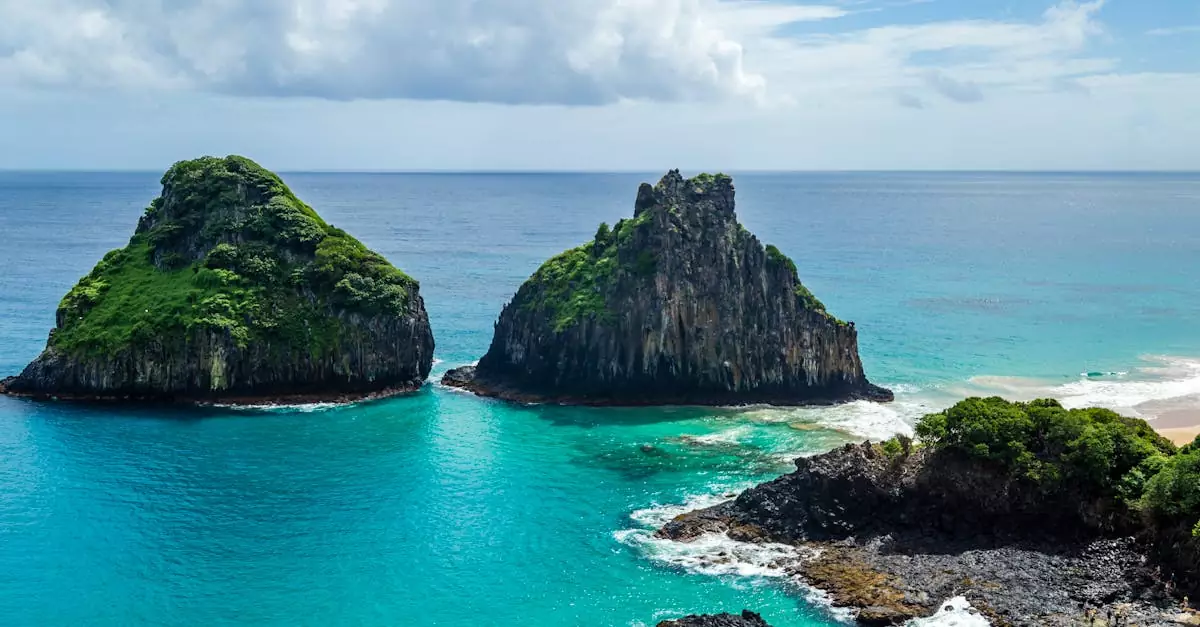
Embracing slow travel means immersing yourself in a destination’s rhythm, and how you navigate an island is central to that experience. For those seeking a more deliberate pace, understanding local transportation is key. This section details how to move around some of the best islands for slow travel, focusing on methods that encourage connection and reduce stress.
Navigating Aegina by Foot and Local Bus
Aegina, a Saronic Gulf gem easily reached from Athens, invites exploration at a leisurely pace. For travelers prioritizing a low-impact journey, the island’s compact main town is wonderfully walkable. Wander through its charming streets, browse local shops, and enjoy waterfront tavernas without needing a vehicle.
Beyond the immediate port area, Aegina’s reliable local bus network connects major towns and attractions. Buses are an economical and authentic way to see the island, offering glimpses into daily life. You can easily reach the Temple of Aphaia or the traditional village of Pachia Rachi this way. Consider purchasing a day pass if you plan on multiple journeys.
Exploring Holbox by Golf Cart and Bicycle
Holbox, off Mexico’s Yucatán Peninsula, has consciously steered away from cars, making it a haven for slow travel enthusiasts. The island’s primary modes of transport are golf carts and bicycles. Renting a golf cart offers a fun, albeit slightly faster, way to cover more ground, allowing access to the island’s more remote beaches.
However, for the ultimate slow travel immersion, bicycles are the way to go. Pedaling along the sandy paths, you’ll discover secluded stretches of coastline and vibrant street art at your own speed. This car-free environment fosters a peaceful atmosphere, perfect for truly unwinding. Many accommodations offer complimentary bike rentals, simplifying logistics.
Discovering Gozo’s Hidden Coves via Public Transport and Ferry
Gozo, Malta’s sister island, offers a rugged beauty best appreciated through its accessible public transport system. While renting a car provides maximum flexibility, Gozo’s excellent bus routes connect most villages and attractions efficiently. This allows travelers to soak in the scenery without the stress of parking or navigating unfamiliar roads.
The ferry service connecting Gozo to the main island of Malta is itself a scenic journey. Once on Gozo, buses will take you to highlights like the Citadel in Victoria, the ancient Ggantija Temples, or the picturesque Xlendi Bay. For those truly seeking solitude, combining bus travel with short walks can lead you to Gozo’s quieter, less-visited coves.
Island Hopping and Local Ferries Around Koh Lanta
Koh Lanta, a popular Thai island, caters well to slow travelers with its laid-back vibe and accessible transportation options. While motorbikes are common, they aren’t essential for experiencing the island’s charm. The main road runs along the west coast, connecting numerous beaches and villages.
Local songthaews (converted pickup trucks with benches) serve as shared taxis and are a cost-effective way to move between different parts of the island. For a more intimate experience, consider renting a scooter only if you are an experienced rider, as some roads can be winding. Alternatively, embrace the relaxed pace by taking longtail boats to nearby islands or secluded beaches, a quintessential part of island life here.
Frequently Asked Questions About Slow Island Travel
What is the best time of year for slow travel on these islands?
The ideal time for slow travel depends heavily on the specific island and your priorities. Shoulder seasons—spring (April to June) and autumn (September to November)—often offer a sweet spot, with pleasant weather, fewer crowds, and more affordable prices. This allows for a more relaxed pace and deeper immersion into local life. For instance, visiting the Greek islands in May or September avoids the intense summer heat and the busiest tourist influx, making exploration and relaxation more enjoyable.
However, some travelers might prefer the peak season for lively atmosphere and access to all amenities, while others might seek the quietest experience during the off-season, accepting potential limitations in services. Researching the climate and local events for your chosen destination is crucial for planning.
| Island Group | Best Months for Shoulder Season | Peak Season Considerations | Off-Season Considerations |
|---|---|---|---|
| Greek Islands | May, June, September, October | Hot, crowded, higher prices; vibrant nightlife | Cooler, quieter, some closures; ideal for budget travelers |
| Balearic Islands | April, May, September, October | Warm, busy, full services; popular for beach holidays | Mild, fewer tourists, some businesses closed |
| Azores | April-June, September-October | Mild, greenest landscapes; potential for rain | Cooler, wetter, fewer direct flights |
What are the typical accommodation options for slow travelers?
Slow travelers often prioritize authentic experiences and longer stays, leading them to seek accommodations beyond standard hotels. Options like vacation rentals, including apartments and houses, provide a home-away-from-home feel with kitchens for self-catering, which can be both budget-friendly and allow for a more integrated lifestyle.
For those seeking a more intimate connection with the destination, consider:
- Guesthouses and Bed & Breakfasts: Often family-run, offering local insights and personalized service.
- Agriturismos: Farm stays, particularly common in places like Sicily or Sardinia, provide a rural experience with opportunities to engage with local agriculture.
- Long-term apartment rentals: Many islands offer discounts for monthly stays, making them excellent bases for extended visits.
These choices allow for a slower rhythm, enabling you to shop at local markets and cook meals, truly living like a local rather than a tourist.
How can I avoid common tourist mistakes on popular islands?
Avoiding common tourist mistakes on popular islands is key to a more rewarding slow travel experience. One of the most frequent errors is adhering strictly to a packed itinerary, rushing from one famous landmark to another. Instead, embrace spontaneity and allow time for unplanned discoveries.
To truly connect with an island, try to:
- Venture beyond the main tourist hubs: Explore smaller villages and less-frequented beaches.
- Learn a few basic phrases: Even a simple “hello” and “thank you” in the local language can significantly enhance interactions.
- Support local businesses: Dine at family-owned tavernas, shop at local markets, and use independent tour operators. This not only enriches your experience but also contributes directly to the local economy.
- Respect local customs and traditions: Be mindful of dress codes when visiting religious sites and observe local etiquette. Understanding the culture of an island can prevent unintentional faux pas.
By adopting a more mindful approach, you can move beyond superficial sightseeing and cultivate a deeper appreciation for the destination.