While the flaky croissant serves as a global ambassador for European baking, the continent offers a treasure trove of sweet delights waiting to be discovered. From delicate confections to hearty, filled pastries, each region showcases unique traditions that reflect its rich history and culture. A culinary journey across Europe reveals the remarkable diversity of its baked goods, making a pastry tour an essential part of any visit. This guide will take you through some of the most iconic European pastries and the cities where you can find the best. You’ll explore the charm of French patisserie, the rich traditions of Viennese coffee houses, the crunchy delights of Southern Italy, and the beloved custard tarts of Portugal, among others. Prepare for a sweet adventure filled with irresistible baked goods.
Beyond Croissants: Discovering Europe’s Most Iconic Pastries

Europe presents a vast array of sweet delights beyond the iconic croissant. From delicate confections to hearty pastries, each region boasts traditions that reflect its culture. A culinary journey across Europe reveals a rich diversity in baked goods, making a pastry tour an essential part of any visit.
The Allure of French Patisserie: Macarons, Éclairs, and Tartelettes
France is synonymous with exquisite patisserie, a craft perfected over centuries. Paris, in particular, is a must-visit for anyone seeking the best pastries. Beyond the ubiquitous croissant, the delicate, colorful macaron stands out. These meringue-based almond cookies, filled with ganache, buttercream, or jam, come in an astonishing array of flavors, from classic raspberry to exotic salted caramel.
The éclair, a long choux pastry filled with cream and topped with icing, is another French classic. While chocolate is traditional, modern patisseries offer creative variations featuring flavors like pistachio, coffee, and salted caramel. For a taste of fruit and cream, tartlettes are essential. These small, open-faced tarts feature a buttery crust filled with pastry cream and topped with fresh fruit, creating a delightful balance of textures and flavors. A visit to a renowned Parisian bakery like Pierre Hermé or Ladurée offers an unforgettable introduction to this refined art.
Austrian Sachertorte and Krapfen: Viennese Sweet Traditions
Vienna’s café culture is legendary, with pastries at its heart. The Sachertorte, a dense chocolate cake layered with apricot jam and coated in dark chocolate, is perhaps Austria’s most famous dessert. Created in the 19th century, its rich, bittersweet flavor reflects Viennese culinary heritage. Enjoying a slice with unsweetened whipped cream is a quintessential Viennese ritual.
Another beloved Austrian treat is the Krapfen, a round, deep-fried yeast pastry typically filled with jam or custard and dusted with powdered sugar. Similar to German doughnuts, the Viennese version often has a lighter texture. Krapfen are especially popular during Carnival season but can be found year-round in bakeries across the city. Exploring Vienna’s historic coffee houses offers a delicious glimpse into Austrian sweet traditions.
Italian Cannoli and Sfogliatelle: Southern Italy’s Crunchy Delights
Southern Italy, particularly Sicily, is home to some of Europe’s most distinctive pastries. The cannolo, a fried pastry tube filled with sweet, creamy ricotta cheese, is a true masterpiece. Traditionally flavored with hints of citrus or chocolate chips, the shells are often dusted with powdered sugar, and the ends might be adorned with candied fruit or pistachios. The contrast between the crisp shell and smooth filling is utterly addictive.
For a different kind of crunch, seek out sfogliatelle. This shell-shaped pastry from Naples features numerous flaky layers of dough, baked to a crisp golden brown, and typically filled with a ricotta mixture flavored with candied fruit and spices. There are two main types: riccia (curly), with its many crisp layers, and frolla (smooth), with a shortcrust exterior. Both provide a satisfying textural experience.
Portuguese Pastéis de Nata: A Custard Tart Masterpiece
No exploration of European pastries is complete without Portugal’s iconic Pastéis de Nata. These small custard tarts feature flaky, crisp puff pastry shells filled with a rich, creamy, caramelized egg custard. Baked at high temperatures, the tarts develop dark, blistered spots, adding a subtle bitterness that perfectly complements the sweetness of the custard.
Originally created by monks at the Jerónimos Monastery in Lisbon, the best Pastéis de Nata are best enjoyed warm, often dusted with cinnamon and powdered sugar. While available throughout Portugal, the original recipe is famously served at Pastéis de Belém in Lisbon, drawing crowds daily. This pastry’s simple perfection makes it a must-try for any traveler in Portugal.
Where to Find the Best Pastries in Paris, France
Paris stands as a global capital for exquisite baked goods, making the search for the best pastries an essential part of any trip. From flaky croissants to intricate tarts, the city offers an unparalleled selection. Planning your pastry pilgrimage can enhance your experience, allowing you to sample diverse flavors across different arrondissements.
Saint-Germain-des-Prés: A Patisserie Paradise
The Saint-Germain-des-Prés neighborhood in the 6th arrondissement is a renowned hub for Parisian culinary excellence, particularly for patisseries. Wandering its elegant streets feels like stepping into a gourmet dream, with historic establishments perfecting classic recipes for decades.
Here, you’ll find iconic bakeries alongside innovative newcomers. Visit Ladurée for their famous macarons or Pierre Hermé for daring flavor combinations in pastries and chocolates. Beyond these well-known names, smaller, artisanal bakeries often hide gems that rival the famous spots. Look for shops with queues of locals; it’s usually a good sign.
Getting to Saint-Germain-des-Prés is straightforward. The Métro lines 4 and 10 serve the area, with stops like Odéon and Saint-Germain-des-Prés, making it easily accessible from other parts of Paris. A morning spent here, perhaps after a visit to the Luxembourg Gardens, is a delightful way to start your day.
Le Marais: Historic Charm and Modern Sweet Treats
Le Marais, known for its historical architecture and vibrant atmosphere, also boasts an impressive array of bakeries. This area blends old-world charm with modern sensibility, reflected in its pastry offerings. Here, traditional French patisseries nestle alongside bakeries experimenting with global influences.
This district is an excellent place to sample regional specialties or discover unique creations. Many bakeries focus on seasonal ingredients, meaning offerings can change throughout the year. It’s worth seeking out places that highlight fresh fruit tarts in summer or richer, spiced cakes in autumn.
Navigating Le Marais is best done on foot, allowing you to stumble upon charming squares and hidden patisseries. The area is well-served by Métro stations such as Saint-Paul (Line 1) and Hôtel de Ville (Lines 1 and 11). Exploring its winding streets offers a rich tapestry of history, culture, and, of course, delicious pastries.
Montmartre’s Hidden Bakeries for Authentic Pastries
While Montmartre is famous for its artistic heritage and the Sacré-Cœur Basilica, it also harbors delightful, less-touristed bakeries. These establishments often provide a more authentic pastry experience, away from the busiest thoroughfares. You might discover traditional boulangeries where the aroma of freshly baked bread and viennoiseries fills the air.
Seek out places that offer classic French pastries executed with care. Think perfectly flaky pain au chocolat, buttery croissants, and delicate éclairs. Montmartre’s slightly bohemian vibe can lead to a more down-to-earth approach to baking, focusing on quality ingredients and time-honored techniques.
To reach Montmartre, the Métro lines 2 and 12 are your best bet, with stations like Abbesses and Anvers. Once you arrive, be prepared to walk uphill; the charming, hilly streets are part of Montmartre’s character. Exploring these less-trodden paths can lead to some of the most memorable pastry finds in the city.
Exploring Vienna’s Imperial Pastry Culture

Vienna, Austria, invites a deep dive into a rich pastry tradition, where baking is an art form intertwined with the city’s imperial history. The city’s famous Kaffeehäuser (coffee houses) are not just places to grab a coffee; they are institutions nurturing Viennese social life and culinary excellence for centuries. A visit to Vienna means setting aside ample time to savor its sweet offerings, making it a prime destination for anyone interested in the best pastries in Europe.
Kaffeehäuser: The Heart of Viennese Sweet Indulgence
Vienna’s coffee houses are legendary, recognized by UNESCO as part of its Intangible Cultural Heritage. These establishments are more than cafes; they are living rooms for the city, where locals and visitors linger over newspapers, engage in conversation, and indulge in exquisite cakes and pastries. Entering a Kaffeehaus feels like stepping back in time, with elegant decor, marble-topped tables, and often a distinguished waiter in a tuxedo.
The atmosphere encourages a slower pace, a stark contrast to hurried coffee cultures elsewhere. You might spend an hour or more enjoying a single coffee and a pastry, reading a book, or simply people-watching. The traditional Viennese coffee, like a Melange (similar to a cappuccino but with more foam), pairs perfectly with decadent baked goods.
Sampling Traditional Strudels and Tortes
No exploration of Viennese pastries is complete without trying a classic Apfelstrudel (apple strudel). Thin layers of delicate dough are filled with sweet, spiced apples, raisins, and often nuts, then baked to golden perfection. Served warm, sometimes with a dusting of powdered sugar or a dollop of vanilla sauce, it’s a comforting and timeless delight.
Equally iconic is the Sachertorte, a dense chocolate cake with a thin layer of apricot jam, coated in dark chocolate icing. While the Hotel Sacher is its most famous purveyor, many establishments offer their interpretations. For a lighter yet equally decadent option, consider the Kaiserschmarrn, a fluffy, shredded pancake often served with fruit compote. These traditional treats are a testament to Vienna’s enduring legacy in European baked goods.
Beyond the Tourist Trail: Local Konditoreien Gems
While grand coffee houses are essential stops, seeking out smaller, local Konditoreien (pastry shops) can reveal hidden gems. These neighborhood bakeries often focus on specific specialties and provide a more intimate experience. You might find artisanal creations using regional ingredients or family recipes passed down through generations.
For instance, Mannerschnitten, a wafer cookie filled with hazelnut cream, is a popular Viennese snack found in many shops and supermarkets, offering a lighter, portable treat. Exploring these local spots allows for a more authentic taste of Viennese sweet culture and often provides a more budget-friendly option compared to high-end hotels. Many Konditoreien also offer delicious Mohnkuchen (poppy seed cake), a beloved Austrian specialty.
The Sweetest Cities for Pastry Lovers in Europe
The variety and artistry of European baked goods are astounding. From flaky croissants to rich tortes, each country has its distinct sweet traditions. For those passionate about pastries, certain European cities stand out as must-visit destinations. This guide highlights some of the most rewarding cities for indulging in irresistible baked goods.
Lisbon’s Pastel de Nata Crawl: A Culinary Adventure
Lisbon is synonymous with one iconic pastry: the pastel de nata. This creamy, custard-filled tart with a caramelized, blistered top is a national treasure. Embarking on a pastel de nata crawl is a must for any visitor. Start at the legendary Pastéis de Belém, where the original recipe remains a closely guarded secret. Be prepared for queues, but the warm, fresh pastries are worth the wait.
Beyond Belém, countless pastelarias across the city offer their own interpretations. Some may be sweeter, others more eggy, and some feature a crispier, blistered crust. Seek out smaller, local establishments for authentic flavors and a less tourist-centric experience. A good strategy is to sample one from a different neighborhood each day. Consider trying them with a bica (Portuguese espresso) for the classic pairing.
The best time to enjoy pastéis de nata is year-round, though visiting during the shoulder seasons of spring and autumn provides pleasant weather for walking between bakeries. Lisbon’s public transport, including trams and buses, makes navigating the city between pastry stops easy. For budget-conscious travelers, pastéis de nata are remarkably affordable, typically costing around €1-€2 each.
Rome’s Roman Pastries: From Maritozzi to Crostata
Rome offers a delightful array of pastries that extend beyond typical Italian sweets. While cornetti (Italian croissants) are a breakfast staple, the city boasts unique local specialties. The maritozzo con la panna is a standout: a soft, sweet bun sliced open and generously filled with whipped cream. It’s a decadent treat, often enjoyed with coffee, available in pasticcerias throughout Rome.
Another essential Roman pastry is the crostata, a rustic tart with a jam or ricotta filling. The simple, buttery crust and sweet filling create a comforting classic. Look for variations with different fruit jams or even chocolate. For a more elaborate experience, seek out pasticcerias that offer millefoglie (layers of puff pastry and cream) or diplomatico (a layered cake with custard and rum syrup).
When planning a Roman pastry tour, remember that many pasticcerias are busiest in the morning. Visiting later in the afternoon can provide a more relaxed experience, though some popular items may sell out. Rome is a highly walkable city, especially in its historic center, making it easy to discover hidden pastry shops on foot. Public transportation, including the metro and buses, can help cover longer distances.
| Pastry Type | Description | Typical Price (EUR) | Best Time to Try |
|---|---|---|---|
| Pastel de Nata | Custard tart with caramelized top | €1.00 – €2.00 | Any time, fresh is best |
| Maritozzo con Panna | Sweet bun filled with whipped cream | €2.00 – €4.00 | Morning or mid-afternoon |
| Crostata | Rustic tart with jam or ricotta filling | €3.00 – €5.00 (slice) | All day |
| Cornetto | Italian croissant, sweet or plain | €1.00 – €2.00 | Morning |
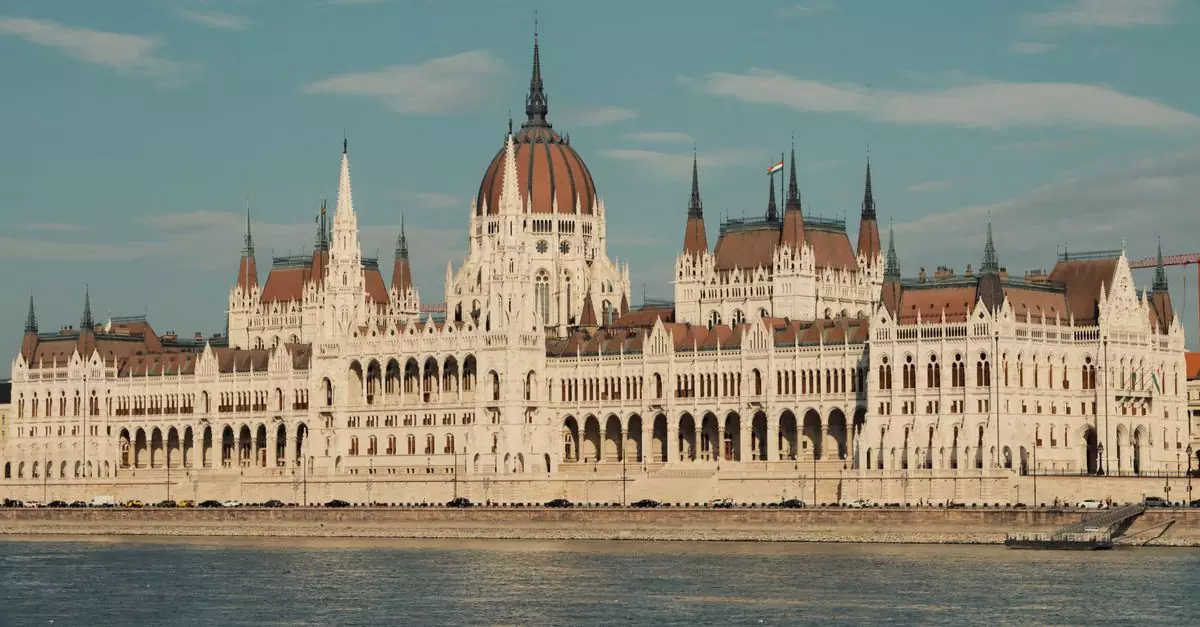
Budapest’s Cakes and Pastries: A Taste of Hungarian History
Budapest is a city that takes its cakes seriously, offering a rich heritage of elegant confectionery. The city’s grand cafés, like the historic New York Café, have been serving exquisite cakes for over a century. Here, you can find elaborate creations reflecting Austro-Hungarian influences.
The Dobos torte is perhaps Hungary’s most famous cake, featuring thin layers of sponge cake filled with chocolate buttercream and topped with a crisp caramel glaze. Another must-try is the Eszterházy torte, a rich almond meringue cake with a distinctive spiderweb-like chocolate icing. For a taste of something different, sample the Rákóczi túrós, a sponge cake base topped with a creamy cottage cheese filling and meringue.
Exploring Budapest’s pastry scene is best done at a leisurely pace, perhaps combining visits to grand cafés with stops at smaller, traditional cukrászdas. The city has an excellent public transport system, including trams and metro lines, making it easy to reach different neighborhoods. While some grand cafés can be pricey, many local cukrászdas offer delicious cakes at more accessible prices. Consider visiting during the cooler months when a warm slice of cake feels particularly welcome.
Planning Your European Pastry Pilgrimage

Embarking on a journey to sample Europe’s finest baked goods requires strategic planning. Understanding the best times to visit, budgeting for your sweet indulgences, and navigating local bakeries will enhance your culinary adventure. This section offers practical advice for making your pastry pilgrimage a delicious success.
Best Time to Visit Europe for Pastry Festivals
While bakeries are a year-round delight across Europe, certain times offer unique opportunities to experience local pastry traditions and festivals. Spring, from April to June, often brings milder weather and regional food fairs showcasing seasonal specialties. Summer, though popular and potentially crowded, hosts many outdoor markets featuring bakers showcasing their creations.
Autumn, particularly September and October, is harvest season, leading to pastries featuring fruits like apples, pears, and plums, often coinciding with harvest festivals. Winter holidays, from late November through December, are prime time for festive baked goods, from German Lebkuchen to Italian Panettone, with many regions celebrating with specific seasonal treats throughout the colder months. Researching local event calendars for the countries or cities you plan to visit is key to aligning your trip with pastry-focused celebrations.
Budgeting for Sweet Treats Across Europe
The cost of indulging in Europe’s best pastries varies significantly depending on the country and city. In Western European capitals like Paris or Vienna, a single high-quality pastry from a renowned patisserie might range from €3 to €7. In contrast, in Central or Eastern European cities such as Prague or Budapest, you might find delicious local specialties for €1.50 to €4.
When budgeting, consider that artisanal bakeries and those in tourist hotspots will naturally be more expensive than neighborhood shops. Factor in not just individual purchases but also the desire to try multiple items and perhaps take some home. A reasonable daily budget for a pastry enthusiast, assuming two to three treats per day plus coffee, could range from €15-€30 in more affordable regions to €30-€50 in pricier destinations. Remember to also allocate funds for transportation to reach these culinary havens.
Here’s a general idea of pastry costs:
| City | Country | Average Pastry Price (EUR) | Notes |
|---|---|---|---|
| Paris | France | €4.00 – €7.00 | High-end patisseries, classic French pastries |
| Vienna | Austria | €3.50 – €6.00 | Traditional Viennese cakes and pastries |
| Rome | Italy | €2.00 – €4.00 | Cornetti and other Italian breakfast sweets |
| Lisbon | Portugal | €1.20 – €3.00 | Pastéis de Nata and local baked goods |
| Krakow | Poland | €1.50 – €3.50 | Local bakeries, traditional Polish pastries |
| Amsterdam | Netherlands | €3.00 – €5.00 | Stroopwafels, Dutch apple pie slices |
Navigating Local Bakeries: Tips for Ordering and Etiquette
Visiting local bakeries is an integral part of the experience. In many European countries, bakeries are bustling community hubs. When entering, it’s customary to greet the staff with a polite “Bonjour,” “Guten Tag,” “Buongiorno,” or “Olá,” depending on the language.
Observe how locals order; sometimes there’s a queue, other times you might need to take a number. If unsure, politely ask, “Can I have a number, please?” or simply wait your turn. When ordering, be clear about what you want. Pointing is perfectly acceptable if language is a barrier. Many bakeries offer both sweet and savory options, so be sure to look at the full display.
It’s also common for bakeries to prefer cash, especially smaller establishments. While card payments are becoming more widespread, having some local currency on hand is always a good idea. Don’t hesitate to ask for recommendations; bakers are usually proud of their specialties and happy to guide you. Finally, enjoy your treat! Many people savor their pastries standing at a small counter or taking them to a nearby park.
Frequently Asked Questions About Europe’s Best Pastries
What are the most famous pastries to try in Europe?
When exploring the continent’s sweet offerings, several iconic pastries stand out. France is renowned for its delicate croissants and rich pain au chocolat, perfect for a morning indulgence. Italy offers the creamy cannoli, a delightful fried pastry shell filled with ricotta. In Austria, the Sachertorte, a dense chocolate cake with apricot jam, is a classic. You’ll also find the flaky pastel de nata in Portugal, a custard tart that has gained international acclaim. These are just a few of the many famous baked goods defining European culinary traditions.
Are there any regional pastry specialties I should seek out?
Absolutely. Europe is a tapestry of regional flavors, and its pastries are no exception. Beyond the well-known treats, consider seeking out a kouign-amann from Brittany, France, a buttery, caramelized pastry. In Germany, the Schwarzwälder Kirschtorte (Black Forest Gateau) is a must-try, featuring layers of chocolate sponge, whipped cream, cherries, and kirsch. For a taste of Eastern Europe, look for pączki in Poland, rich, fruit-filled doughnuts often enjoyed during Carnival. Even within countries, you’ll find unique local variations, making regional exploration highly rewarding for pastry lovers.
How can I find authentic, non-touristy pastry shops?
Discovering authentic pastry shops often involves looking beyond the main tourist thoroughfares. Ask locals for their recommendations; hotel concierges or shopkeepers in less crowded neighborhoods can offer valuable insights. Look for bakeries with a steady stream of local customers, especially during morning or early afternoon hours. These establishments often pride themselves on traditional recipes and fresh ingredients. While many of the best pastries in Europe are found in bustling cities, venturing into smaller towns or residential areas can yield hidden gems.
What’s the best way to travel between cities known for their pastries?
The most efficient way to travel between European cities renowned for their baked goods often depends on the distance. For shorter hops, such as between cities in France or Italy, high-speed trains are an excellent option, offering comfort and city-center arrivals. For longer distances or to reach more remote pastry destinations, budget airlines can be cost-effective, though remember to factor in travel time to and from airports. For a more scenic and relaxed journey, consider renting a car, which also allows for spontaneous stops in charming villages.
Here’s a look at common travel methods:
| Travel Method | Best For | Pros | Cons |
|---|---|---|---|
| High-Speed Train | Inter-city travel within countries | Fast, comfortable, city-center access | Can be expensive if not booked in advance |
| Budget Airlines | Longer distances, cross-border travel | Affordable fares | Airport transfers, baggage fees, less scenic |
| Car Rental | Rural exploration, flexibility | Freedom to explore, scenic routes | Parking challenges in cities, fuel costs |
| Regional Trains | Shorter distances, scenic routes | Charming views, local feel | Slower than high-speed, less frequent |