While iconic landmarks draw many to Ireland, the true magic often lies just beyond the well-trodden path. Venturing into the country’s less-explored corners reveals a different Ireland—one of quiet villages, dramatic coastlines, and ancient landscapes waiting to be discovered. This journey into the best hidden gems Ireland has to offer promises a more intimate and authentic experience, connecting you with the island’s soul.
In this guide, we’ll unveil a curated collection of these special places. You’ll learn about secluded coastal hamlets brimming with local character, serene mountain trails offering solitude, and charming artisan towns where tradition thrives. We’ll also explore the unique flavors that define these regions, from fresh Atlantic seafood to farm-to-table delights, and provide practical tips for navigating your way to these unforgettable destinations. Prepare to step off the beaten track and uncover an Ireland you might not have known existed.
Beyond Dublin: Unearthing Ireland’s Best Kept Secrets
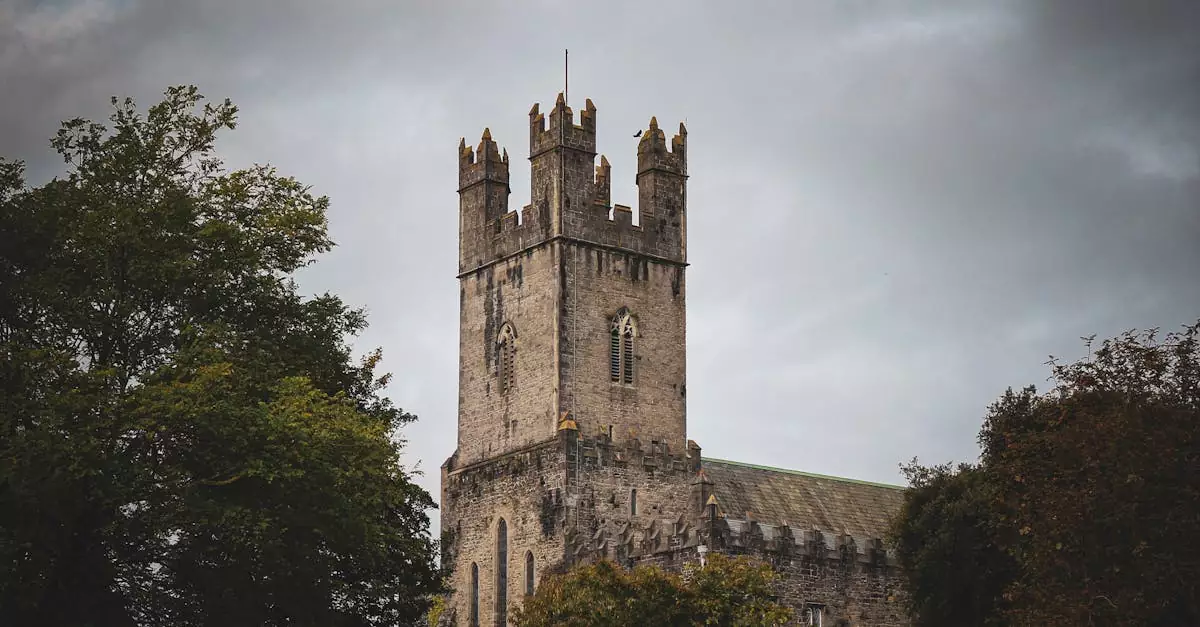
While Dublin offers a vibrant introduction to Ireland, venturing beyond the capital reveals a different kind of magic. Here, you’ll find the country’s true hidden gems—places where local culture thrives and dramatic landscapes remain relatively untouched by mass tourism. Focusing on these lesser-known spots can transform a good trip into an unforgettable adventure, offering a more authentic Irish experience. Discovering these best-kept secrets in Ireland requires a willingness to explore, curiosity for the road less traveled, and a desire to connect with the island’s essence.
The Wild Atlantic Way’s Secret Coastal Villages
The Wild Atlantic Way, a renowned scenic drive, is famous for its dramatic cliffs and rugged coastline. However, tucked away along its extensive route are small, often overlooked fishing villages that provide a more intimate glimpse into coastal life. These are places where time seems to slow, and the rhythm of the sea dictates the day. Picture tiny harbors with colorful boats bobbing gently, where the scent of salt and fresh catch fills the air.
Consider a stop in Roundstone, County Galway. This picturesque village, with its white-washed cottages and stunning views of Connemara’s mountains, is a haven for artists and musicians. You can find traditional music sessions in local pubs, enjoy freshly landed seafood, and stroll along the pristine beaches of Dog’s Bay and Gurteen Bay, known for their white coral sand. Another gem is Kinsale, County Cork; although gaining popularity, its colorful streets and excellent culinary scene still feel like a discovery, especially outside peak season.
When planning a visit to these coastal hamlets, timing is crucial. Summer offers the best weather but also the largest crowds. Shoulder seasons, like April-May and September-October, provide a more serene experience with fewer visitors and often pleasant, if sometimes unpredictable, weather. Transportation along the Wild Atlantic Way is best managed with a car, allowing you to stop at spontaneous viewpoints and explore side roads. Public transport is limited in these smaller communities.
Exploring the Slieve Bloom Mountains’ Untouched Trails
For those seeking tranquility and natural beauty away from the coastal buzz, the Slieve Bloom Mountains in the heart of Ireland offer a network of unspoiled trails. This mountain range, straddling the border of County Laois and County Offaly, is Ireland’s oldest yet remains one of its most peaceful natural areas. The landscape is characterized by rolling hills, deep glens, and a unique blanket bog environment.
The Slieve Bloom Way is a marked walking trail that can be tackled in sections or as a multi-day hike. It leads you through ancient woodlands, alongside babbling streams, and over open moorland, offering panoramic views that stretch for miles on a clear day. Keep an eye out for the rare Irish damselfly and diverse birdlife that call this area home. It’s a perfect destination for hikers seeking solitude and a genuine connection with nature.
Getting to the Slieve Blooms is straightforward by car from major cities like Dublin or Galway. There are several well-maintained trailheads and car parks, including those at Glenbarrow and the Slieve Bloom Visitor Centre in Kinnitty. Budget-friendly accommodation can be found in nearby towns like Mountrath or Portlaoise, offering guesthouses and B&Bs. For those who enjoy camping, designated sites are available, though wild camping is generally discouraged to preserve the delicate ecosystem.
Discovering the Charm of East Cork’s Artisan Towns
County Cork’s coastline is diverse, and while Kinsale draws much attention, the towns to its east offer a different, yet equally captivating charm. This region is a haven for food lovers and craft enthusiasts, emphasizing local produce and artisanal skills. It’s a place where you can taste the best of Irish ingredients and meet the people who make them.
Youghal, a historic walled town with a beautiful sandy beach, offers a blend of heritage and seaside relaxation. Explore its medieval streets, visit the iconic clock tower, and enjoy fresh seafood. Further west, Ballymaloe, while not a town itself, is synonymous with the world-renowned Ballymaloe Cookery School and its associated farm shop and restaurant, a pilgrimage site for foodies. Nearby, Midleton is famous for the Jameson Distillery, offering tours and tastings, but also boasts a vibrant local market scene.
The appeal of East Cork lies in its relaxed pace and the genuine warmth of its locals. It’s a region best explored by car, allowing you to easily hop between towns and visit local producers. Consider booking accommodation in advance, especially if visiting during the summer months, as popular B&Bs and guesthouses can fill up quickly. This area provides a wonderful contrast to the wilder landscapes of the west, showcasing Ireland’s rich culinary heritage and artistic spirit.
Why Seek Out Ireland’s Hidden Gems?
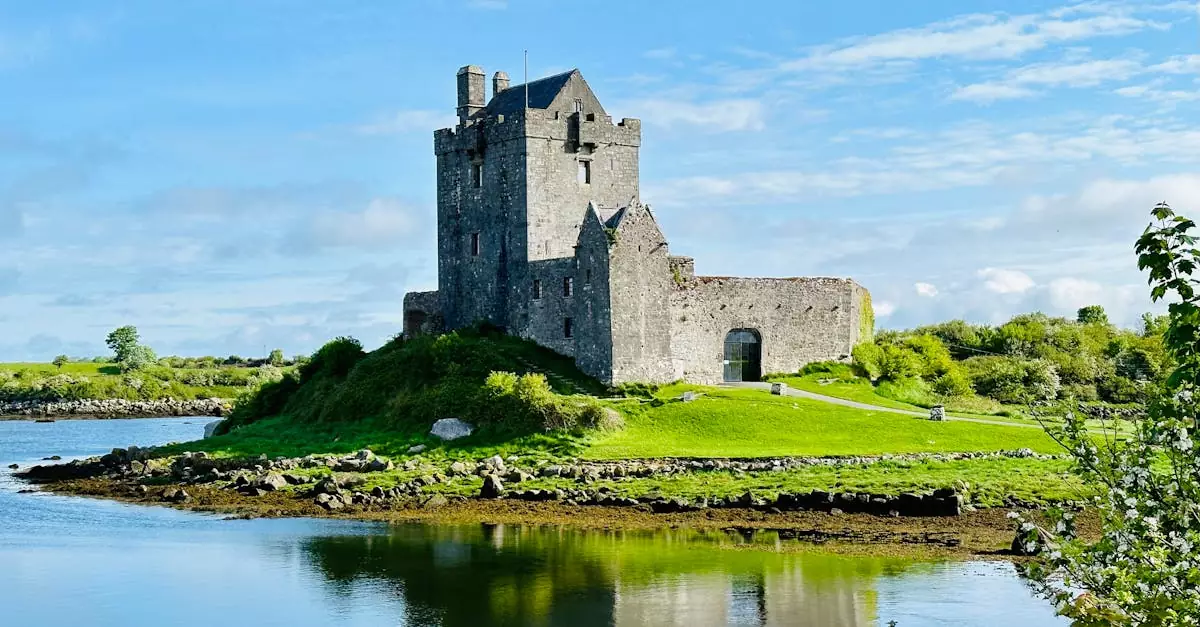
While iconic landmarks like the Cliffs of Moher and Dublin Castle draw millions, venturing beyond the well-trodden tourist trails in Ireland unlocks a richer, more personal travel experience. Discovering the island’s best hidden gems offers a chance to connect with the country on a deeper level, bypassing the crowds for moments of genuine discovery and authentic encounters. This approach to travel is particularly rewarding for those seeking a more intimate understanding of Irish culture and landscapes.
Authentic Cultural Experiences Away from Crowds
Moving away from the main tourist hubs allows for more meaningful interactions with local culture. Instead of fleeting glimpses, you can spend unhurried time in villages where traditional music sessions are a regular occurrence, not a staged performance. Consider exploring the Gaeltacht regions, where the Irish language is still widely spoken, offering a unique linguistic and cultural immersion. These areas often host local festivals and community events that provide an unfiltered look at daily life.
For instance, visiting a small pub in County Leitrim on a Tuesday night might reveal a spontaneous céilí band forming—an experience far removed from the polished shows in larger cities. Such encounters offer a genuine sense of place and hospitality, making your journey through Ireland truly memorable.
Unique Photography Opportunities Off the Beaten Path
Photographers and casual picture-takers alike will find unparalleled opportunities when exploring Ireland’s less-visited corners. Dramatic coastlines, ancient ruins, and rolling countryside often appear in their most pristine and evocative states away from the throngs of visitors. Imagine capturing the soft morning light on a deserted beach in the Connemara region or finding a forgotten stone circle in the Irish midlands without another soul in sight.
These locations offer a sense of solitude that enhances the visual narrative. You can compose shots without the distraction of crowds, focusing instead on the natural beauty, the textures of ancient stone, or the interplay of light and shadow on the landscape. This approach yields images that tell a story of quiet contemplation and raw, untamed beauty.
Supporting Local Communities and Economies
Choosing to visit Ireland’s hidden gems directly benefits the smaller towns and rural communities that often receive less tourism revenue. When you patronize local craft shops, dine in family-run restaurants, and stay in guesthouses outside the major cities, your spending has a more significant impact. This conscious travel choice helps sustain traditional livelihoods and preserves the unique character of these places.
For example, purchasing hand-knitted woolens from a small artisan in a village on the Dingle Peninsula or enjoying freshly caught seafood at a harborside eatery in County Donegal supports the very people who are custodians of the region’s heritage. This not only enriches your travel experience with authentic interactions but also contributes positively to the places you visit, fostering a more sustainable form of tourism across Europe.
A Week of Ireland’s Hidden Gems: A Suggested Itinerary
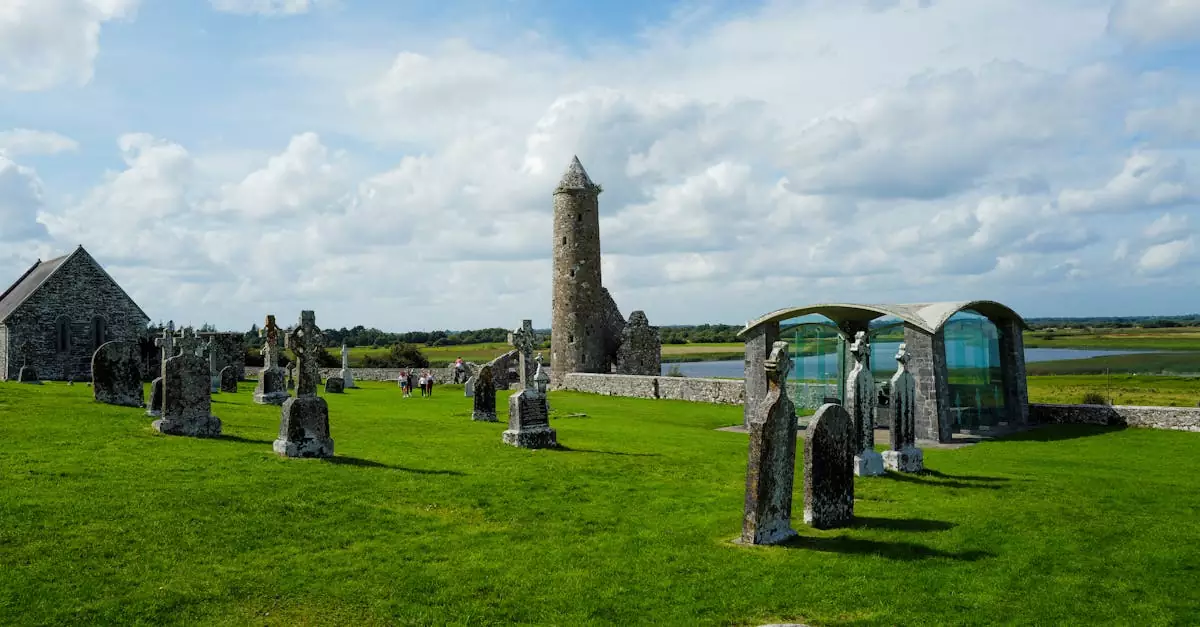
This week-long itinerary focuses on some of Ireland’s lesser-known treasures, offering a departure from the typical tourist trails. It balances dramatic natural beauty with rich history and authentic local culture, providing a deeply rewarding experience for those seeking the best hidden gems Ireland has to offer. This plan assumes you’ll have a rental car, which is essential for navigating many of these more remote locations.
Days 1-2: The Burren’s Lunar Landscapes and Traditional Music
Begin your journey in County Clare, focusing on the unique karst landscape of the Burren. This area, resembling a moonscape with its vast limestone pavements, is surprisingly rich in flora, including rare orchids. Visit the Poulnabrone Dolmen, a neolithic portal tomb offering a glimpse into Ireland’s ancient past. For a truly immersive experience, seek out traditional music sessions in villages like Doolin. These spontaneous gatherings in local pubs are a cornerstone of Irish culture and a highlight of any trip to the Emerald Isle.
Traveler Tip: While the Burren is accessible year-round, spring (April-May) offers the best chance to see wildflowers in bloom, adding another layer of beauty to the stark scenery.
Days 3-4: The Dingle Peninsula’s Secluded Beaches and Ancient Sites
Head southwest to the Dingle Peninsula in County Kerry, a Gaeltacht (Irish-speaking) region brimming with charm. Drive the Slea Head Drive, a scenic route that winds past dramatic cliffs, sandy coves, and ancient monastic settlements like the Gallarus Oratory. Unlike the more crowded Ring of Kerry, Dingle offers a more intimate connection with the landscape. Spend an afternoon relaxing on Inch Beach or exploring the colorful fishing town of Dingle itself, known for its vibrant atmosphere and delicious seafood.
Accommodation Options:
- Boutique Hotels: Dingle town offers several stylish hotels.
- Bed & Breakfasts: Numerous family-run B&Bs provide a warm welcome and local insights.
- Self-Catering Cottages: Ideal for longer stays or families wanting more space.
Days 5-6: The Mourne Mountains’ Rugged Beauty and Hiking Trails
Journey north to County Down in Northern Ireland and the Mourne Mountains. This stunning range, often overlooked by international visitors, provides a wilder, more dramatic landscape than many of Ireland’s more famous mountains. Hike through the Silent Valley Reservoir or tackle a section of the Mourne Way for breathtaking views. The proximity to the coast means you can combine mountain exploration with visits to charming seaside towns like Newcastle.
Comparison: Burren vs. Mournes
| Feature | The Burren (County Clare) | The Mourne Mountains (County Down) |
|---|---|---|
| Landscape | Limestone karst, sparse vegetation, unique flora | Granite peaks, glens, forests, coastal proximity |
| Activities | Walking, geology, traditional music, historical sites | Hiking, climbing, scenic drives, coastal towns |
| Atmosphere | Stark, ancient, culturally rich | Rugged, wild, dramatic |
| Best For | Nature enthusiasts, culture seekers, geology buffs | Hikers, outdoor adventurers, landscape photographers |
Day 7: Return Journey via a Charming Inland Town
For your final day, consider a route that takes you through a historic inland town. Kilkenny, with its magnificent medieval castle and well-preserved medieval streets, makes an excellent stopover on your way back towards Dublin or your departure point. Enjoy a final taste of Irish hospitality and perhaps pick up some locally crafted souvenirs before concluding your exploration of Ireland’s hidden corners. This journey offers a contrast to the coastal and mountain scenery, providing a well-rounded picture of the island’s diverse appeal.
What Local Flavors Define Ireland’s Hidden Gems?
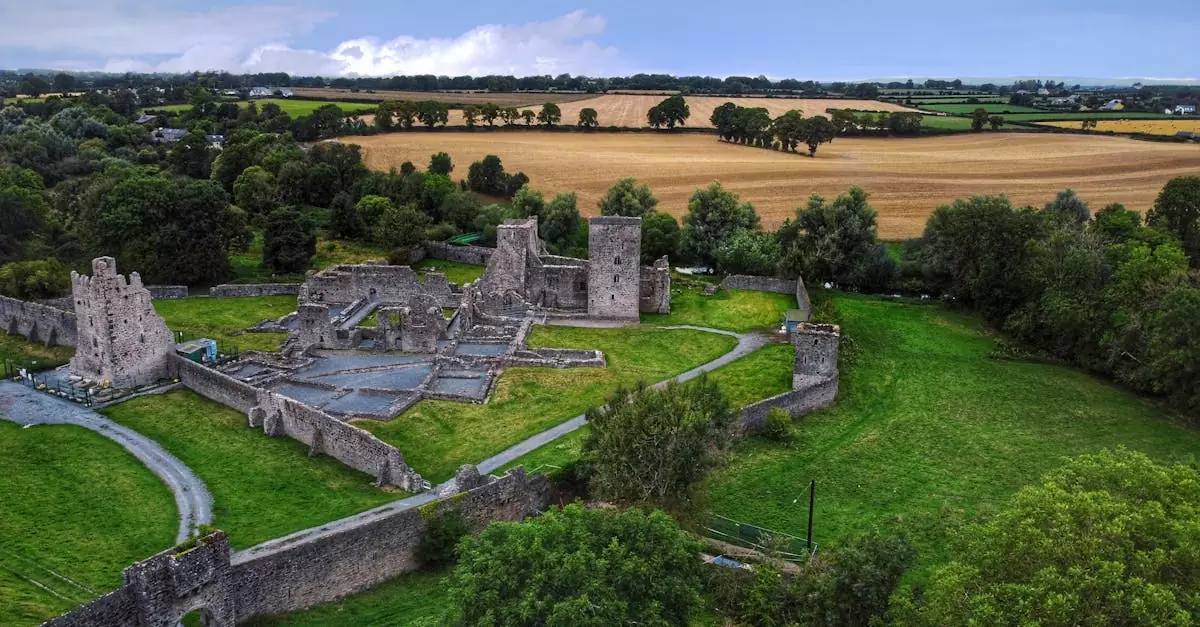
Discovering the best hidden gems in Ireland often means seeking out authentic culinary experiences that go beyond the tourist trail. These are the places where local ingredients shine, traditional recipes are cherished, and the warmth of Irish hospitality is served alongside every meal. From the rugged coastline to the rolling inland landscapes, a true taste of Ireland awaits.
Seafood Shacks on the West Coast
The western seaboard of Ireland is a treasure trove for seafood lovers, offering a direct connection to the Atlantic’s bounty. Forget fancy restaurants; the real magic lies in the unassuming seafood shacks, often perched right on the water’s edge. Here, the catch of the day is prepared with simple, fresh ingredients, letting the natural flavors of the ocean take center stage.
Think succulent, freshly shucked oysters, sweet crab claws, and perfectly cooked mussels, often served with just a squeeze of lemon and a dollop of Irish butter. These establishments are typically family-run, with generations of knowledge passed down, ensuring consistently high quality. The atmosphere is casual and convivial, with salty sea air mingling with the delicious aromas of cooking.
Timing your visit to coincide with low tide can sometimes offer the freshest selection, as boats are more likely to be bringing in their hauls. While many are seasonal, operating primarily during the warmer months from May to September, some hardy spots remain open year-round, especially in larger coastal towns. Be prepared for rustic seating and potentially limited menus, but the unparalleled freshness makes it well worth the effort.
Farm-to-Table Experiences in County Tipperary
Venture inland, and you’ll find a different, yet equally compelling, culinary landscape. County Tipperary, with its rich agricultural heritage, is a prime example of Ireland’s burgeoning farm-to-table movement. This region offers a chance to connect with the producers and understand the journey of food from pasture to plate.
Many farms in Tipperary have opened their doors, offering dining experiences that highlight the exceptional quality of Irish beef, lamb, and dairy products. You can savor slow-cooked roasts, artisanal cheeses, and freshly baked bread, all made with ingredients sourced directly from the surrounding fields. These experiences often involve farm tours, providing insight into sustainable farming practices and the welfare of the animals.
For those seeking an immersive experience, consider booking a meal at a working farm or a guesthouse that prioritizes local sourcing. These opportunities are best booked in advance, as they are often intimate affairs with limited seating. The autumn months, from September to November, are particularly special, with harvest festivals and seasonal produce at their peak. It’s a way to taste the true essence of the Irish countryside.
Traditional Irish Stew and Soda Bread in Rural Pubs
No exploration of Ireland’s culinary hidden gems would be complete without seeking out traditional Irish stew and soda bread in a cozy rural pub. These are the cornerstones of Irish comfort food, offering warmth and hearty satisfaction, especially on a blustery day. Many pubs outside of the main tourist hubs pride themselves on their authentic, time-honored recipes.
Irish stew, traditionally made with lamb or mutton, potatoes, carrots, and onions, is a simple yet deeply flavorful dish. The slow cooking process tenderizes the meat and melds the flavors beautifully. It’s often served with a side of crusty soda bread, a quick bread leavened with baking soda, which is perfect for soaking up any leftover gravy.
Visiting a rural pub offers more than just a meal; it’s an immersion into local culture. You’ll likely find friendly locals, traditional music sessions, and a genuine sense of community. Look for pubs that are popular with locals rather than tourists, as these are often the places that preserve the most authentic culinary traditions. The best time to experience this is often during the evening when the pub atmosphere is at its liveliest.
Navigating Your Way to Ireland’s Secret Spots
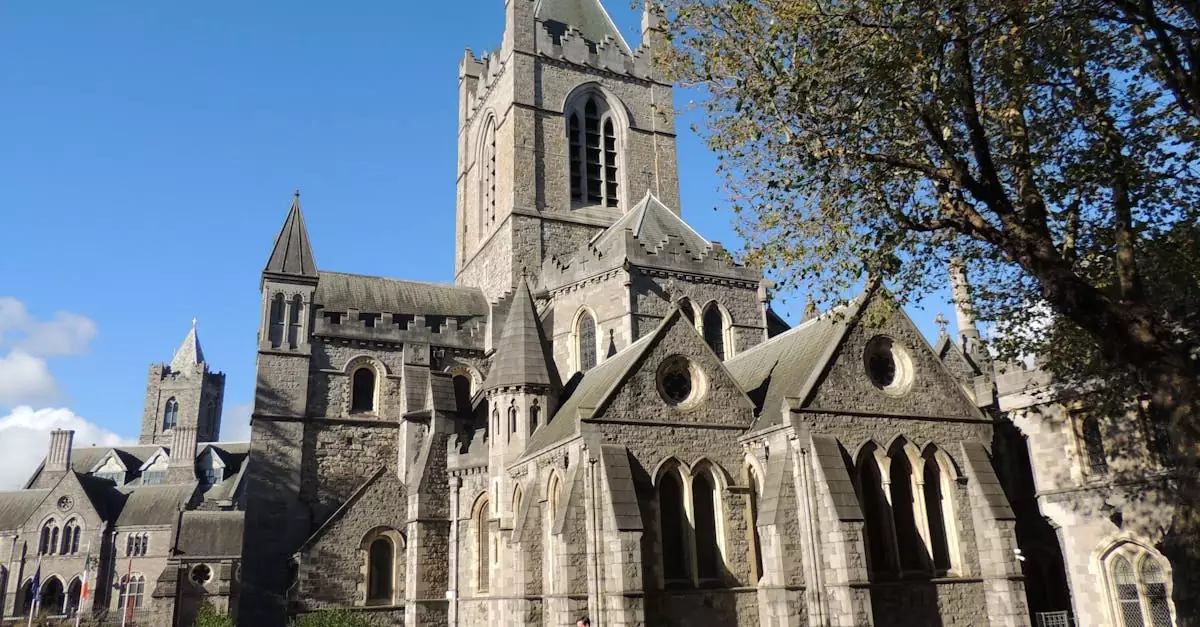
Finding Ireland’s best hidden gems often requires a bit of strategic planning, especially when it comes to getting around. While major cities are well-connected, reaching the more secluded natural wonders and charming villages demands a thoughtful approach to transportation and timing.
Renting a Car for Ultimate Freedom
For those aiming to uncover Ireland’s best hidden gems, renting a car offers unparalleled flexibility. It allows you to deviate from main routes, stop at unexpected viewpoints, and spend as much time as you like in remote locations. Driving in Ireland means navigating narrower roads, often single-lane with passing places, particularly in rural areas. Familiarize yourself with driving on the left side of the road and be prepared for sheep crossings and winding coastal routes.
When considering car rental, book in advance, especially during peak season, and compare prices from various providers. Opting for a smaller vehicle can be advantageous on the more constricted country lanes. Ensure you understand the insurance options and the implications of driving on different road types.
Using Local Buses for Budget Travel Between Towns
While not ideal for reaching specific, isolated attractions, local buses provide a budget-friendly way to travel between towns and villages. Bus Éireann is the national bus operator, with services connecting most urban centers. From these hubs, you might need to rely on local taxis or explore on foot to reach nearby natural beauty spots.
This option requires more pre-planning, as bus schedules can be infrequent, especially in western Ireland. It’s best suited for travelers who prioritize a slower pace and are comfortable with less spontaneous exploration. Check timetables carefully online before your trip, as they can change seasonally.
Best Time to Visit for Mild Weather and Fewer Tourists
The shoulder seasons—April to May and September to October—often present the sweet spot for discovering Ireland’s best hidden gems. During these months, the weather is typically milder, with fewer crowds than the bustling summer months of June, July, and August. You’ll find more availability in accommodations and a more authentic experience in local pubs and villages.
While Ireland’s weather is famously unpredictable year-round, spring brings blooming landscapes, and autumn offers vibrant foliage. Winter can be dramatic and beautiful, but shorter daylight hours and potential for storms might limit access to certain outdoor sites.
| Month | Average High (°C) | Average Low (°C) | Daylight Hours (Approx.) | Tourist Crowds |
|---|---|---|---|---|
| April | 13 | 5 | 13-14 | Moderate |
| May | 16 | 7 | 15-16 | Increasing |
| September | 17 | 9 | 12-13 | Decreasing |
| October | 13 | 6 | 10-12 | Low |
Frequently Asked Questions About Ireland’s Hidden Gems
What are the most budget-friendly hidden gems in Ireland?
Several lesser-known locations in Ireland offer incredible experiences without a hefty price tag. Consider the Copper Coast Geopark in County Waterford. This UNESCO Global Geopark showcases stunning coastal scenery, geological formations, and historical copper mines, with many viewpoints and walking trails accessible for free. Another excellent option is the Burren National Park in County Clare. While it may not be as famous as the Cliffs of Moher, it offers unique karst landscapes, rare flora, and ancient megalithic tombs that can be explored independently. For a truly economical escape, look to smaller villages along the Wild Atlantic Way, such as Roundstone in Connemara, where you can enjoy local culture and natural beauty at minimal cost.
Are there family-friendly hidden gems in Ireland?
Absolutely. Many of Ireland’s hidden gems cater wonderfully to families. The Céide Fields in County Mayo, with its ancient field system and dramatic cliffs, provides an educational and visually striking experience for all ages. The visitor centre offers insights into prehistoric life. For a more active outing, consider the Glenveagh National Park in County Donegal. Its vast wilderness, historic castle, and herd of red deer offer plenty of space for children to roam and discover. Coastal areas like the Dingle Peninsula also provide family-friendly activities such as seal watching tours and exploring charming fishing villages.
What are some lesser-known historical sites to visit?
Ireland is rich with historical sites beyond the well-trodden paths. The Rock of Dunamase in County Laois offers a dramatic ruined castle perched atop a hill, providing panoramic views and a tangible sense of history. For those interested in early Christian heritage, Clonmacnoise in County Offaly, while more known, remains less crowded than some other monastic sites and provides a profound glimpse into Ireland’s monastic past. Another fascinating, though more remote, option is the Carrowkeel Megalithic Cemetery in County Sligo, one of the oldest such sites in Ireland, offering a more intimate and less commercialized encounter with ancient Ireland.