Europe is a continent rich in history, offering countless opportunities for travelers to immerse themselves in its vibrant cultural narratives. From the grandeur of ancient empires to the charm of medieval villages and the artistic brilliance of the Renaissance, the continent’s past is alive. This guide explores some of the best historic destinations in Europe, focusing on places that promise a truly immersive cultural journey. You’ll uncover iconic ancient sites, remarkably preserved medieval towns, and cities that were cradles of artistic revolution. We’ll delve into what makes each location unique, providing insights on how to experience their historical significance and connect with the stories woven into their very foundations. Prepare to be transported as we unveil these unforgettable destinations.
Unveiling Europe’s Best Historic Destinations: A Traveler’s Guide
Embarking on a journey through Europe’s rich past offers an unparalleled opportunity for cultural immersion. From the echoes of ancient empires to the grandeur of medieval fortresses and the artistic brilliance of the Renaissance, the continent serves as a living museum. Selecting the best historic destinations in Europe depends on your interests, but certain cities and sites stand out for their ability to transport visitors back in time. This guide highlights essential stops for anyone seeking an authentic connection to European heritage.
Ancient Wonders: Rome’s Colosseum and Roman Forum
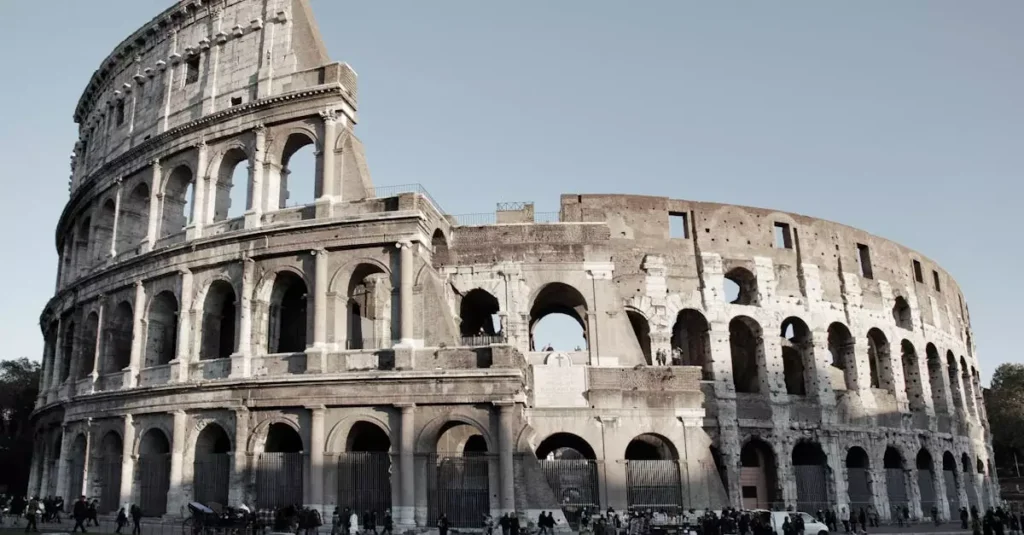
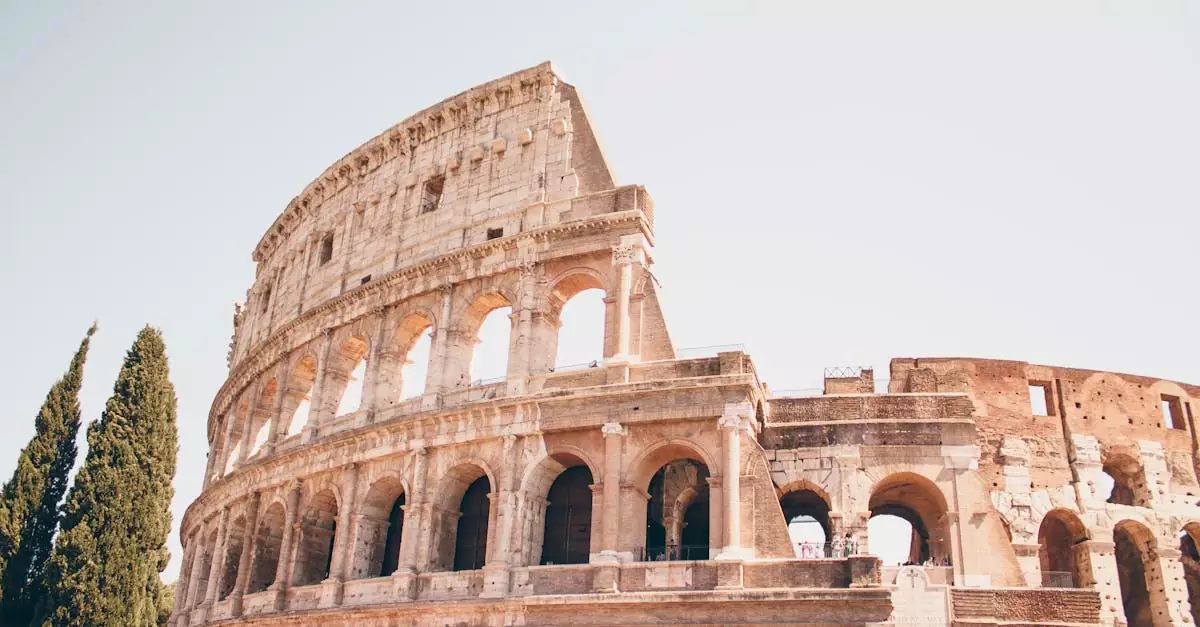
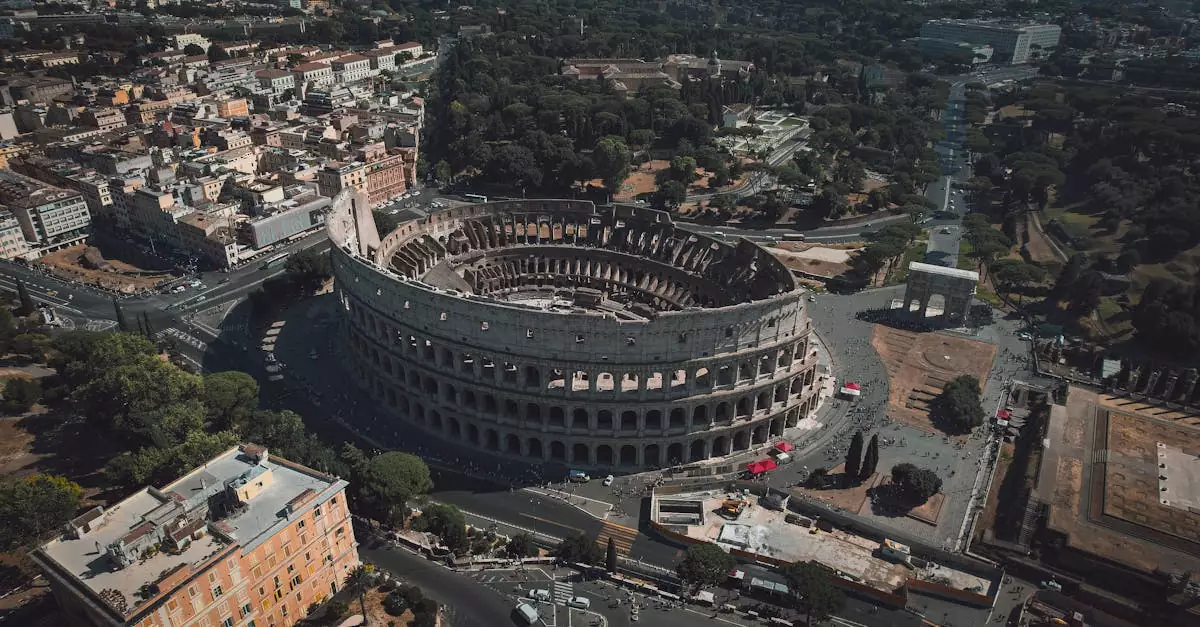
Rome, the Eternal City, is a must-visit for understanding the foundations of Western civilization. The sheer scale of its ancient ruins is breathtaking, providing a tangible link to the Roman Empire. The Colosseum, an iconic amphitheater, once hosted gladiatorial contests and public spectacles, its weathered stones still whispering tales of emperors and crowds.
Adjacent to the Colosseum lies the Roman Forum, the heart of ancient Roman public life. Walking among the crumbling temples, basilicas, and triumphal arches offers a profound sense of history. Imagine senators debating, citizens gathering, and processions marching through this very space centuries ago.
Visitor Tips for Rome:
- Best Time to Visit: Spring (April-May) and Fall (September-October) provide pleasant weather and fewer crowds than peak summer.
- Transportation: Rome’s historic center is best navigated on foot. Public transport, including buses and the metro, is available for longer distances. Consider purchasing a Roma Pass for public transport and museum access.
- Budget: Rome caters to various budgets. Hostels and budget hotels are available, while fine dining and luxury accommodations abound. Seek out local trattorias away from major tourist sites for affordable meals.
- Logistics: Book Colosseum and Forum tickets in advance online to avoid long queues. Guided tours can enhance the experience by providing historical context.
Medieval Majesty: Carcassonne’s Fortified City
For a journey into the medieval era, the fortified city of Carcassonne in Southern France is unparalleled. This UNESCO World Heritage site is a remarkably preserved citadel, featuring double-walled ramparts, numerous towers, and a formidable castle. Entering its gates feels like stepping into a storybook.
The Cité de Carcassonne allows you to wander through narrow cobblestone streets, browse artisan shops, and dine in historic restaurants. The ramparts offer spectacular views of the surrounding countryside, providing insight into its defensive design. Visiting Carcassonne grants a visceral understanding of medieval life and warfare.
Exploring Carcassonne:
- Getting There: The nearest major airport is Toulouse (TLS). From Toulouse, you can take a train or rent a car to reach Carcassonne, about a 1.5-hour drive.
- Accommodation: Stay within the Cité for a truly immersive experience, though prices are higher. The lower town (Ville Basse) offers more budget-friendly options and easy access to the Cité via a short walk or bus ride.
- Experience: Allocate at least a full day to explore the ramparts, the Château Comtal, and the Basilica of Saints Nazarius and Celsus. A guided tour can illuminate the city’s complex history, including its role during the Albigensian Crusade.
Renaissance Routes: Florence’s Uffizi Gallery and Ponte Vecchio
Florence, the cradle of the Renaissance, is essential for art and history enthusiasts. The city is a treasure trove of masterpieces, with the Uffizi Gallery standing as one of the world’s most important art museums. Housing works by Botticelli, Leonardo da Vinci, Michelangelo, and Raphael, it offers an intimate encounter with the artistic genius of the period.
Beyond the galleries, Florence’s architecture tells its own story. The Ponte Vecchio, a medieval stone bridge lined with shops, has spanned the Arno River for centuries. It’s the only bridge in Florence to survive World War II intact and remains a vibrant symbol of the city’s enduring spirit and artistic legacy. Walking across it, especially at sunset, is a quintessential Florentine experience.
Florence Highlights:
- Timing: Visit in the shoulder seasons (spring and fall) to avoid the intense summer heat and crowds.
- Art Immersion: Book Uffizi Gallery tickets weeks, or even months, in advance. Consider a timed entry ticket to manage your visit efficiently.
- Beyond the Uffizi: Explore other Renaissance marvels like the Accademia Gallery (home to Michelangelo’s David), the Duomo, and the Pitti Palace. The Oltrarno district offers a glimpse into traditional artisan workshops.
- Culinary Delights: Florence is renowned for its Tuscan cuisine. Seek out trattorias serving Bistecca alla Fiorentina and local Chianti wines for an authentic taste of the region.
Beyond the Beaten Path: Lesser-Known European Historic Gems
While iconic cities like Rome and Athens attract millions, Europe holds a treasure trove of historic destinations that offer equally profound cultural immersion, often with fewer crowds. These lesser-known locales provide a more intimate connection with the continent’s rich past, allowing travelers to engage with history on a deeper level. For those seeking an authentic experience beyond the usual tourist trails, these gems are well worth considering for your next journey through Europe’s storied landscapes.
Bohemian Echoes: Český Krumlov’s Castle Complex
Český Krumlov, a UNESCO World Heritage site in the Czech Republic, feels like stepping into a fairytale. Its remarkably preserved medieval Old Town, cradled by a horseshoe bend in the Vltava River, is dominated by an expansive castle complex. This multi-layered structure, the second largest in the country, boasts Renaissance and Baroque architecture, original frescoes, and a unique Baroque theater. Wandering through its courtyards and gardens provides a tangible link to centuries of Bohemian nobility.
Traveler Tips for Český Krumlov:
- Best Time to Visit: Spring (April-May) and autumn (September-October) offer pleasant weather and fewer day-trippers. Summer is popular but can be crowded.
- Getting There: The easiest way is by bus from Prague, a journey of about 2.5 to 3 hours.
- Accommodation: Options range from charming guesthouses within the Old Town to modern hotels just outside the historic center. Booking in advance is recommended, especially during peak season.
- Budget: Český Krumlov is generally more affordable than Prague, making it an excellent value for experiencing significant history.
Gothic Grandeur: Bruges’ Belfry and Canals
Bruges, Belgium, is a city where Gothic architecture and picturesque canals create an atmosphere of timeless charm. The Belfry of Bruges, a medieval bell tower, stands as a testament to the city’s prosperous past as a trading hub. Climbing its 366 steps rewards visitors with panoramic views of the red-tiled rooftops and winding waterways. A boat tour along the canals offers a unique perspective of the city’s historic facades and bridges.
Bruges vs. Other Medieval Cities:
| Feature | Bruges, Belgium | Siena, Italy |
|---|---|---|
| Vibe | Fairytale canals, Gothic architecture | Tuscan hills, medieval piazza |
| Key Site | Belfry, Canals | Piazza del Campo, Duomo |
| Pace | Relaxed, walkable | Bustling, central piazza focus |
| Budget | Moderate to High | Moderate |
| Crowds | High, especially in summer | High, especially during Palio |
Bruges’ compact historic center is easily navigable on foot, allowing for spontaneous discoveries of hidden squares and ancient churches. The city’s well-preserved medieval character makes it one of the best historic destinations in Europe for those who appreciate Gothic aesthetics and romantic canal-side strolls.
Ottoman Legacies: Sarajevo’s Old Town and Latin Bridge
Sarajevo, the capital of Bosnia and Herzegovina, offers a compelling historical narrative shaped by centuries of Ottoman and Austro-Hungarian rule. The Baščaršija, Sarajevo’s old bazaar, retains the vibrant atmosphere of an Ottoman trading post, with copper workshops, traditional coffee houses, and mosques. The Latin Bridge is famously known as the site where Archduke Franz Ferdinand was assassinated in 1914, an event that triggered World War I. This juxtaposition of daily life and pivotal historical moments makes Sarajevo a profoundly moving destination.
Understanding Sarajevo’s History:
- Ottoman Era: Visible in the architecture of Baščaršija, the Gazi Husrev-beg Mosque, and traditional culinary practices.
- Austro-Hungarian Era: Evident in the grand boulevards and buildings like the City Hall.
- Yugoslav Wars: The scars of the 1990s conflict are still present, offering a somber but important part of the city’s recent history, notably visible in the Sarajevo Roses.
Visiting Sarajevo provides a unique opportunity to understand the complex tapestry of European history, where diverse cultures and empires have left indelible marks. It’s a destination that challenges perceptions and offers a rich, authentic cultural experience.
When is the Ideal Time to Explore Europe’s Historic Sites?
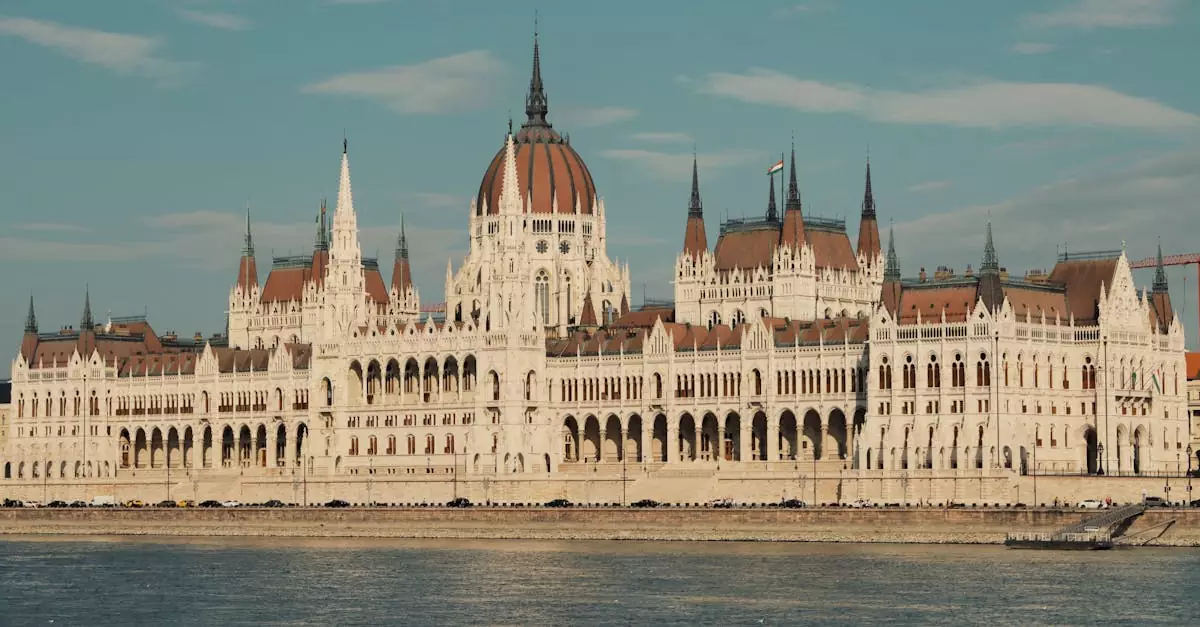
Choosing the right season can significantly enhance your experience when visiting Europe’s best historic destinations. Each period offers a distinct atmosphere, from vibrant spring blooms to the cozy quiet of winter. Understanding these seasonal nuances helps in planning a trip that aligns with your preferences for weather, crowd levels, and specific events.
Spring’s Bloom: April-May for Pleasant Weather and Fewer Crowds
Spring, particularly April and May, presents a delightful window for exploring historical landmarks across the continent. The weather is generally mild, with temperatures warming up after winter without the intense heat of midsummer. This makes walking through ancient city streets or exploring outdoor ruins much more comfortable.
Crowd sizes are typically smaller than in peak summer months, allowing for a more intimate experience with historical sites. You can often wander through renowned museums or ancient castles with less competition for space and fewer queues. This period also sees many cities coming alive with blooming flowers, adding a picturesque backdrop to your cultural explorations.
Autumn’s Charm: September-October for Vivid Foliage and Mild Temperatures
September and October offer another excellent time to visit historic European cities. The oppressive summer heat recedes, replaced by crisp, pleasant air perfect for sightseeing. This season is particularly beautiful in regions known for their fall foliage, where historic architecture is framed by a stunning display of red, orange, and yellow leaves.
Like spring, autumn generally sees a decrease in tourist numbers after the summer rush. This translates to more relaxed visits to popular attractions and potentially better accommodation rates. The atmospheric quality of historic districts, with their softer light and autumn colors, can make for particularly memorable photographic opportunities and reflective moments.
Winter’s Enchantment: December for Festive Markets and Cozy Ambiance
While often overlooked for historical travel, December can be a magical time to visit certain European destinations. The continent’s cities are adorned with festive lights and decorations, creating a charming holiday atmosphere. Many cities host renowned Christmas markets, offering a unique cultural experience alongside historical sightseeing.
Cities like Prague, Vienna, and Strasbourg are particularly enchanting during this period, with their medieval architecture providing a perfect backdrop for holiday festivities. While days are shorter and weather can be cold, the opportunity to duck into a warm café or cozy museum between exploring outdoor sites adds to the charm. It’s also a time with significantly fewer international tourists, offering a more local feel, though popular city centers can still be busy with holiday shoppers and day-trippers.
Navigating Historic European Cities: Transportation and Itinerary Planning
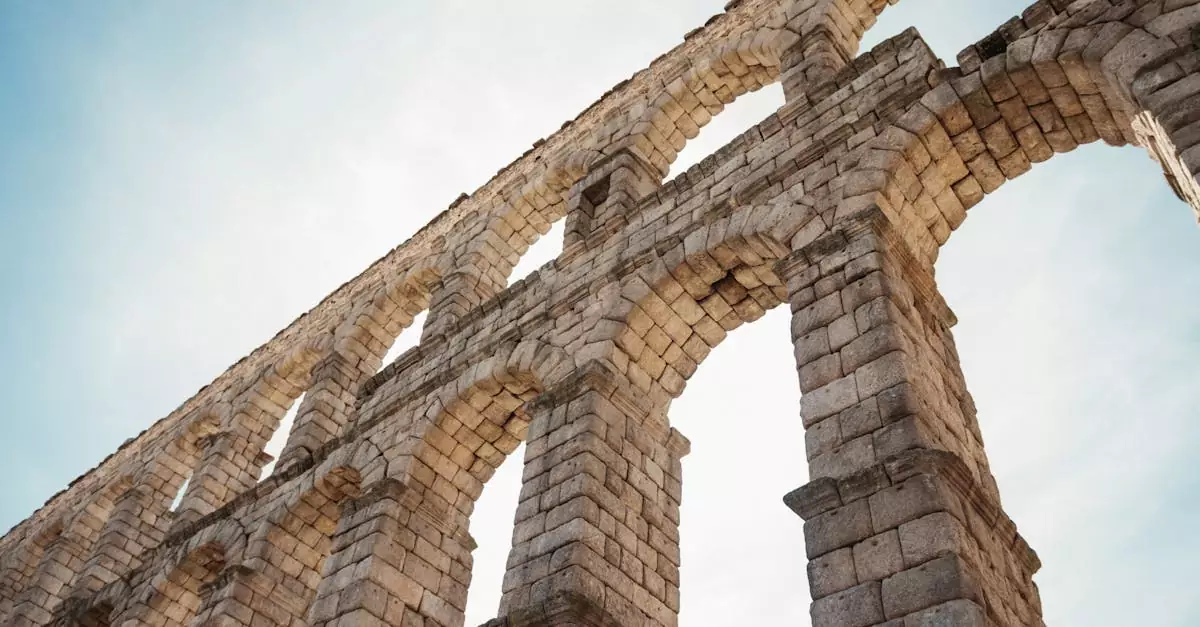
When planning a journey through Europe’s rich historical tapestry, efficient travel and thoughtful itinerary design are key. Understanding the continent’s transportation networks and how to structure your days will unlock deeper cultural experiences. This section offers practical guidance for navigating between cities and within them, focusing on a sample itinerary to illustrate effective planning.
Efficient European Rail Travel: Intercity and Regional Routes
Intercity rail travel across Europe is essential for efficient historical exploration. High-speed trains connect major cities like Paris, Berlin, and Vienna, offering comfortable and scenic journeys that often rival flying when factoring in airport transit. Regional trains provide access to smaller towns and historical sites not served by high-speed lines, making them invaluable for discovering less-trodden paths. Booking tickets in advance, especially for popular routes or during peak season, can secure better prices and ensure availability. Consider a rail pass if you plan on extensive multi-country travel, but always compare pass costs against individual ticket prices for your specific itinerary.
A typical journey from Paris to Amsterdam, for example, takes just over three hours via high-speed Thalys, allowing you to spend more time experiencing each city rather than traveling. For more localized exploration, regional networks like Germany’s Deutsche Bahn (DB) or France’s SNCF offer extensive coverage, connecting historic villages and significant landmarks with regular, reliable service.
Urban Exploration: Walking Tours and Local Public Transport
Once you arrive in a historic European city, a combination of walking and local public transport is the most effective way to immerse yourself in its past. Many of Europe’s most iconic historical districts are best experienced on foot, allowing for spontaneous discoveries down cobblestone alleys and intimate encounters with ancient architecture. Look for free walking tours offered in most major cities; these provide an excellent introduction to a city’s history and layout, often led by knowledgeable locals.
Beyond walking, well-developed public transport systems, including trams, buses, and metro lines, offer convenient access to sites further afield. Purchasing multi-day travel cards can offer significant savings compared to single tickets. In cities like Prague or Budapest, an efficient tram network can quickly transport you between the Old Town, the Castle district, and other significant historical areas.
Here’s a look at common urban transport options:
| City | Primary Public Transport | Best for Historic Areas | Notes |
|---|---|---|---|
| Rome | Metro, Buses, Trams | Walking, Buses | Metro is limited; buses cover more ground. |
| Florence | Buses | Walking | City center is highly walkable. |
| Paris | Metro, Buses, RER | Metro, Walking | Extensive metro system is very efficient. |
| Berlin | U-Bahn, S-Bahn, Trams | U-Bahn, Walking | Integrated system covers vast distances. |
Crafting a 7-Day Historic European Itinerary: Rome & Florence Focus
To illustrate effective itinerary planning for historical immersion, consider a focused 7-day journey through Rome and Florence, two of Italy’s most historically significant cities. This itinerary prioritizes depth over breadth, allowing ample time to absorb the atmosphere and history of each location.
Day 1-3: Rome – Ancient Wonders and Renaissance Art
Arrive in Rome and settle into your accommodation, ideally located within walking distance of major sites or near a metro station. Dedicate your first full day to ancient Rome: the Colosseum, Roman Forum, and Palatine Hill. Purchase tickets online in advance to save time. The following day, focus on Vatican City, including St. Peter’s Basilica and the Vatican Museums (home to the Sistine Chapel). Book Vatican tickets months ahead. Day three can be spent wandering through the Pantheon, Trevi Fountain, Spanish Steps, and exploring the Borghese Gallery and Gardens for Renaissance art.
Day 4: Travel to Florence & Renaissance Beginnings
Take a morning high-speed train from Rome to Florence (approx. 1.5 hours). Check into your hotel, prioritizing a central location. Spend the afternoon orienting yourself with a walk across the Ponte Vecchio and a visit to the Piazza della Signoria.
Day 5-7: Florence – Cradle of the Renaissance
Dedicate your first full day in Florence to the Uffizi Gallery and the Accademia Gallery (to see Michelangelo’s David). Pre-booking is essential. The second day can involve climbing to the top of Brunelleschi’s Dome at the Duomo for panoramic views, visiting the Baptistery, and exploring the Palazzo Pitti and Boboli Gardens. Your final day offers flexibility: revisit a favorite spot, explore the Oltrarno district for artisan workshops, or take a half-day trip to nearby Fiesole for Roman ruins and stunning vistas. Depart from Florence or take a train back to Rome for your onward journey.
This Rome and Florence itinerary balances iconic landmarks with time for personal discovery, utilizing efficient train travel between cities and prioritizing walkable exploration within them. Such a structured yet flexible approach is fundamental to experiencing the best historic destinations in Europe.
Immersive Experiences: Local Flavors and Cultural Encounters
Beyond grand architecture and ancient ruins, Europe’s most compelling historic destinations offer pathways to understanding through living traditions. Engaging with local food, crafts, and festivals provides a richer, more personal connection to a place’s past and present. These experiences transform a trip from sightseeing into a genuine cultural immersion.
Tasting History: Traditional Dishes in Naples’ Historic Center
The historic center of Naples, a UNESCO World Heritage site, is not just a collection of ancient streets but a vibrant culinary landscape. Here, food is history served on a plate. The city’s iconic pizza, originating in Naples, is a testament to centuries of culinary evolution. Visiting a traditional pizzeria in the Quartieri Spagnoli offers a glimpse into the authentic preparation and communal spirit surrounding this beloved dish.
Beyond pizza, explore street food like fritto misto (mixed fried seafood or vegetables) and sfogliatelle, a shell-shaped pastry filled with ricotta. These flavors are deeply rooted in the region’s agricultural bounty and maritime history. For the best experience, seek out small, family-run establishments where recipes have been passed down through generations.
- Timing: Naples is a year-round destination, but spring (April-May) and autumn (September-October) provide pleasant weather for exploring on foot and enjoying outdoor dining.
- Logistics: The historic center is best navigated by walking. Public transport options include buses and the metro, though navigating them can be challenging.
- Budget: Naples is known for its affordability, especially for food. A delicious meal can be had for under €15.
Artisan Traditions: Exploring Craftsmanship in Prague’s Old Town
Prague’s Old Town Square and its surrounding lanes are a treasure trove of traditional Czech craftsmanship. While many shops cater to tourists, seeking out authentic artisans offers a unique cultural connection. Look for shops specializing in Bohemian crystal, intricate marionettes, or hand-painted ceramics. These crafts have a long lineage, with techniques refined over centuries.
Visiting a glassblowing workshop outside the immediate tourist center can provide a deeper appreciation for the skill involved. Similarly, seeking out a puppet maker can reveal the intricate artistry behind Prague’s famous marionette tradition. Engaging with these artisans, even through observation, offers insight into a vital part of Czech cultural heritage.
- Safety: Prague is generally a very safe city, though pickpocketing can occur in crowded tourist areas.
- Accommodations: Staying within or near the Old Town provides easy access to artisan shops and historic sites. Options range from boutique hotels to serviced apartments.
- Transportation: The Old Town is highly walkable. Prague’s efficient public transport system, including trams and metro, connects it to other parts of the city.
Living History: Experiencing Festivals in Rural Ireland
While Dublin and Galway buzz with modern energy, rural Ireland preserves many of its most vibrant traditions through local festivals. These events, often rooted in agricultural cycles, religious observances, or historical commemorations, offer an unparalleled glimpse into Irish culture. Attending a traditional music session in a village pub during a local fleadh (festival) or a sheepdog trial provides a genuine encounter with community life.
Timing your visit to coincide with a regional festival can significantly enrich your travel experience. These gatherings are not staged for tourists but are authentic celebrations of local identity and heritage. Engaging with locals at these events, sharing a pint and conversation, provides the most immersive cultural insight.
- Timing: Festivals are seasonal, with many traditional music events occurring year-round, while larger agricultural or historical festivals are often held in summer and autumn.
- Transportation: Renting a car is often the most practical way to reach rural villages and attend festivals. Public transport in these areas can be limited.
- Cultural Etiquette: Be respectful of local customs. Engaging in conversation is welcomed, and showing genuine interest in their traditions will be appreciated.
Frequently Asked Questions About Visiting Historic European Destinations
What are the most budget-friendly historic European cities to visit?
For travelers seeking rich history without a hefty price tag, cities like Krakow, Poland offer a compelling experience. Explore its medieval Old Town, Wawel Castle, and Kazimierz (the historic Jewish Quarter) for a fraction of the cost of Western European capitals. Another excellent option is Lisbon, Portugal, where historic trams, Fado music, and centuries-old neighborhoods provide ample cultural immersion at a more accessible price point. Cities like Budapest, Hungary, and Prague, Czech Republic, are renowned for their stunning architecture and historical significance while remaining relatively affordable for accommodation, dining, and activities.
How can I avoid common tourist scams in popular historic European sites?
Awareness is your best defense against tourist scams. Be cautious of overly friendly strangers offering unsolicited help or tours, especially near major landmarks. Keep your belongings secure and out of sight, particularly in crowded areas like train stations or busy squares. Research common scams specific to the cities you’re visiting; for instance, some areas might have issues with fake petitions or “found” jewelry. Always use official ticket vendors for attractions and be wary of unsolicited street vendors selling counterfeit goods.
What are essential packing tips for exploring European historical landmarks?
Comfortable walking shoes are essential, as you’ll likely spend hours traversing cobblestone streets and ancient sites. Pack layers, as European weather can be unpredictable, even in summer. A lightweight, packable rain jacket is a wise addition. For security, consider a crossbody bag or a money belt to keep your valuables safe. Don’t forget a portable power bank for your devices, as you’ll be taking plenty of photos and navigating with your phone. Finally, a small backpack can be useful for carrying water, snacks, and souvenirs during day trips.