Europe’s islands offer an exceptional variety of experiences, from sun-drenched beaches and ancient ruins to dramatic fjords and volcanic landscapes. Discovering the best island vacations in Europe involves finding a destination that aligns with your travel aspirations, whether you seek romance, adventure, family fun, or pure relaxation. This guide will help you explore stunning options across the Mediterranean and Northern Europe, featuring insider tips on the best times to visit, transportation, and packing essentials. Let’s dive into the possibilities and find your perfect European island escape.
Finding Your Perfect European Island Escape: A Guide
Europe boasts a dazzling array of islands, each with its unique charm. From the sun-soaked shores of the Mediterranean to the rugged coastlines of the North Atlantic, your ideal island getaway depends on your preferences. This guide will help you navigate the options, whether you’re after romance, adventure, family fun, or a tranquil retreat.
Matching Island Vibes to Your Travel Style
The secret to a successful island getaway lies in aligning your travel style with the destination’s character. Are you drawn to vibrant nightlife and lively beaches, or do you prefer secluded coves and quiet villages? Consider the pace of life, available activities, and overall atmosphere. For example, Ibiza is famous for its energetic party scene, while Menorca offers a more relaxed, family-friendly experience. Understanding these differences is essential for selecting an island that resonates with you.
The Best Island Vacations in Europe for Romantic Getaways
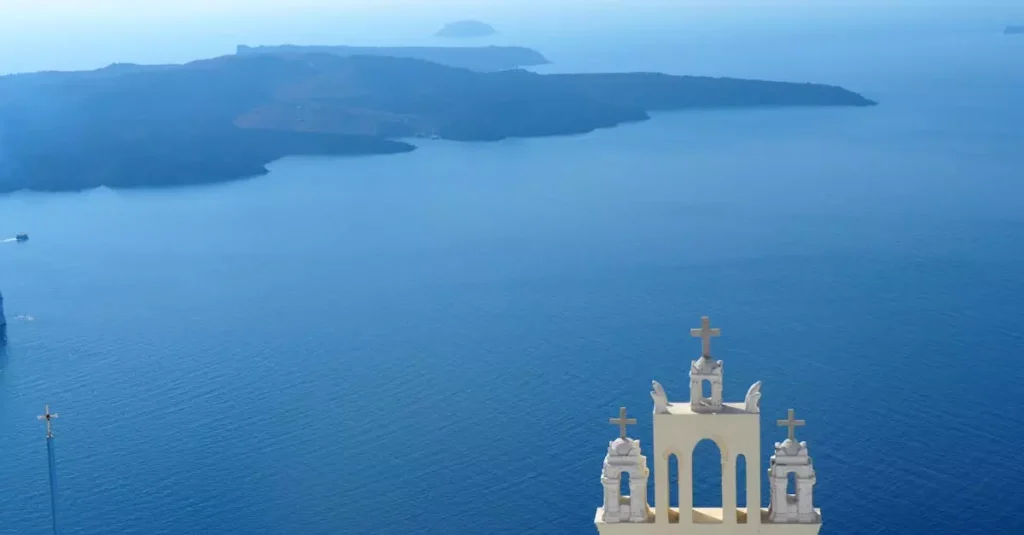
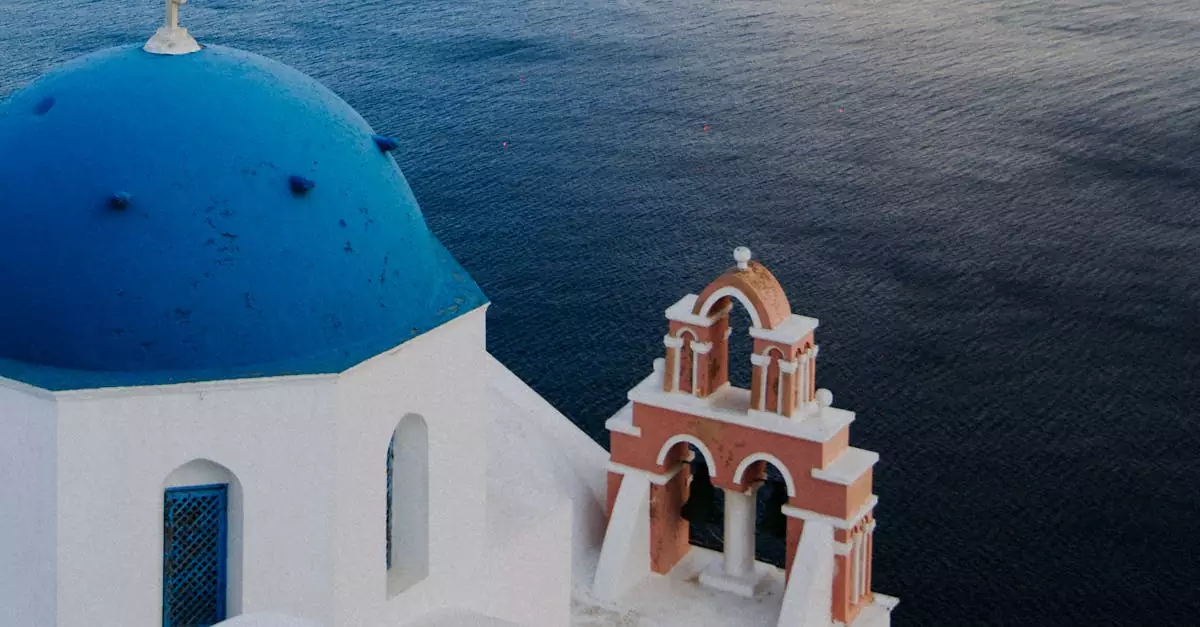
Couples seeking a romantic escape will find idyllic settings across Europe’s islands. Santorini, Greece, with its iconic whitewashed villages perched on cliffs overlooking the Aegean Sea, is renowned for breathtaking sunsets and intimate dining experiences. The volcanic landscapes and caldera views create a magical ambiance. Alternatively, the Azores in Portugal offer a unique romance characterized by lush scenery, thermal hot springs, and unspoiled natural beauty. Picture sharing a quiet moment by a crater lake or enjoying fresh seafood in a charming coastal town.
Top European Islands for Adventurous Solo Travelers
Solo travelers in search of adventure will find plenty to satisfy their wanderlust on Europe’s islands. The Canary Islands, particularly Tenerife and Gran Canaria, feature diverse terrains ideal for hiking, from volcanic peaks to lush forests. They also provide excellent opportunities for water sports like surfing and coasteering. For a more remote adventure, consider the Scottish Highlands’ islands, such as Skye, where dramatic landscapes, ancient castles, and challenging hiking trails await, offering solitude and a sense of accomplishment.
Family-Friendly Island Destinations in Europe
When planning a European island vacation with children, look for destinations that offer a blend of relaxation, entertainment, and safety. Mallorca in the Balearic Islands, Spain, is a perennial favorite, featuring family-friendly resorts, calm beaches like Playa de Muro, and attractions such as water parks. The island’s infrastructure is well-equipped for families, making logistics easier. For a unique experience, consider the Greek island of Crete, which, beyond its historical sites, offers beautiful beaches and family-friendly hotels, along with opportunities for gentle exploration, like boat trips to hidden coves. The island’s welcoming culture enhances its appeal for family travel.
Sun-Drenched Beaches and Azure Waters: Mediterranean Gems
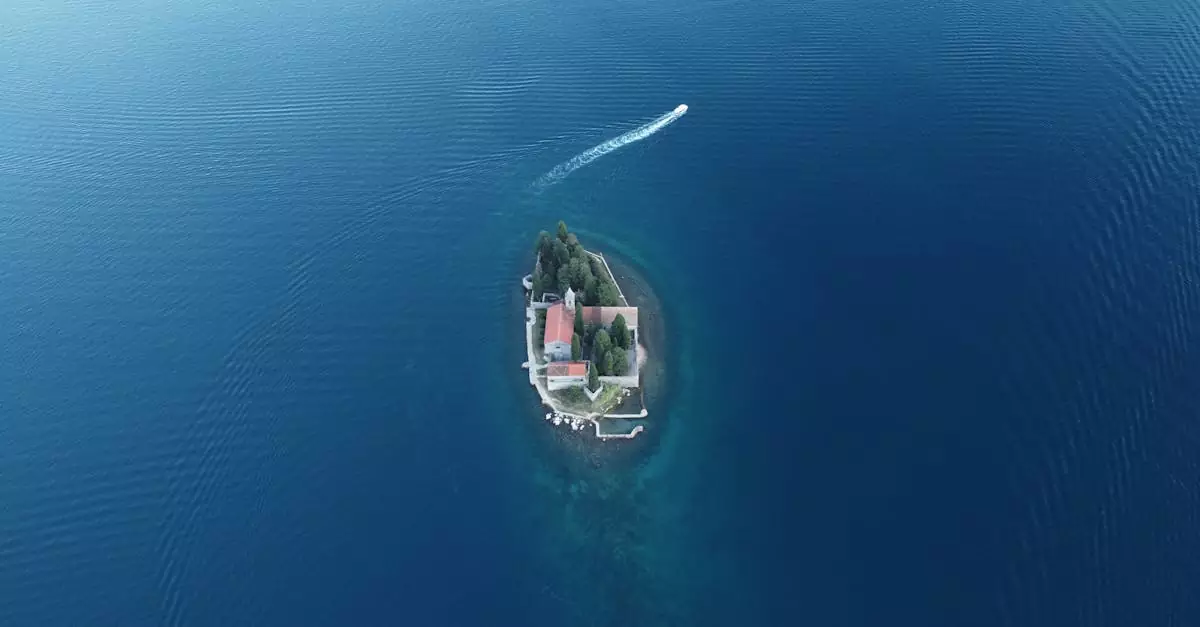
The Mediterranean Sea is a treasure trove of islands, each offering a distinct blend of stunning natural beauty, rich history, and vibrant culture. These destinations consistently rank among the best island vacations in Europe for travelers seeking sunshine, clear waters, and unforgettable experiences. From iconic volcanic landscapes to ancient ruins and charming villages, this region caters to a wide range of preferences.
Santorini, Greece: Iconic Caldera Views and Volcanic Beaches
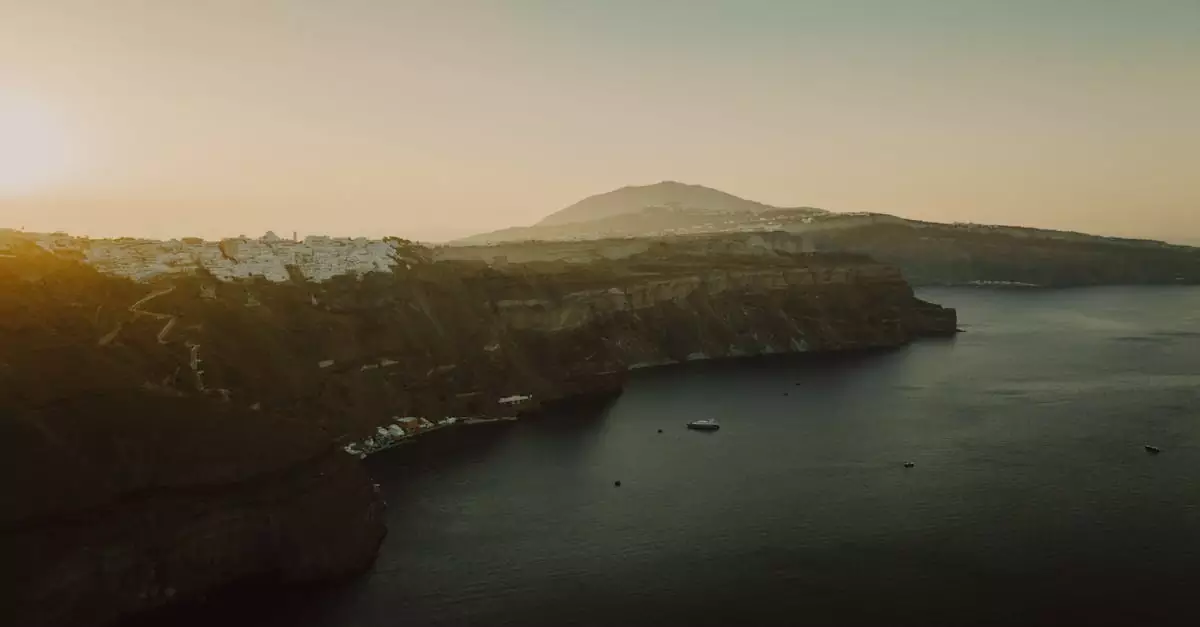
Santorini is a top choice for its breathtaking scenery. The island’s whitewashed villages clinging to the cliffs create a postcard-perfect panorama overlooking the submerged caldera. Beyond the famous views, Santorini features unique volcanic beaches with sands that range from black to red.
Traveler Tips for Santorini:
- Best time to visit: Shoulder seasons (April-May and September-October) offer pleasant weather with fewer crowds.
- Getting around: Renting a car or ATV provides flexibility; local buses connect major towns.
- Accommodation: Options range from luxury cave hotels in Oia and Fira to budget-friendly guesthouses in Perissa or Kamari.
- Must-do: Watch the sunset in Oia, visit the ancient site of Akrotiri, and take a boat tour of the caldera.
Mallorca, Spain: Beyond the Beaches to Mountain Villages
Mallorca is celebrated for its beautiful coastline and lively resorts, but it offers much more than sunbathing. The Serra de Tramuntana mountain range, a UNESCO World Heritage site, provides a dramatic backdrop and opportunities for hiking and exploring charming stone villages like Valldemossa and Deià.
Mallorca vs. Other Mediterranean Islands:
| Feature | Mallorca | Santorini | Crete | Malta |
|---|---|---|---|---|
| Scenery | Diverse: beaches, mountains, coves | Dramatic caldera, volcanic beaches | Mountains, gorges, long coastlines | Rocky shores, historical architecture |
| Activities | Hiking, cycling, water sports, caves | Sunset views, boat tours, history | Hiking, ancient sites, beaches | Diving, historical sites, temples |
| Vibe | Lively, family-friendly, chic | Romantic, picturesque, luxurious | Historic, laid-back, diverse | Historic, cultural, compact |
| Budget | Mid-range to high | High | Mid-range | Mid-range |
Logistics in Mallorca: The island has excellent transport links, with Palma de Mallorca Airport (PMI) serving numerous international flights. Renting a car is highly recommended for exploring beyond the main tourist hubs.
Crete, Greece: Ancient History Meets Stunning Coastlines
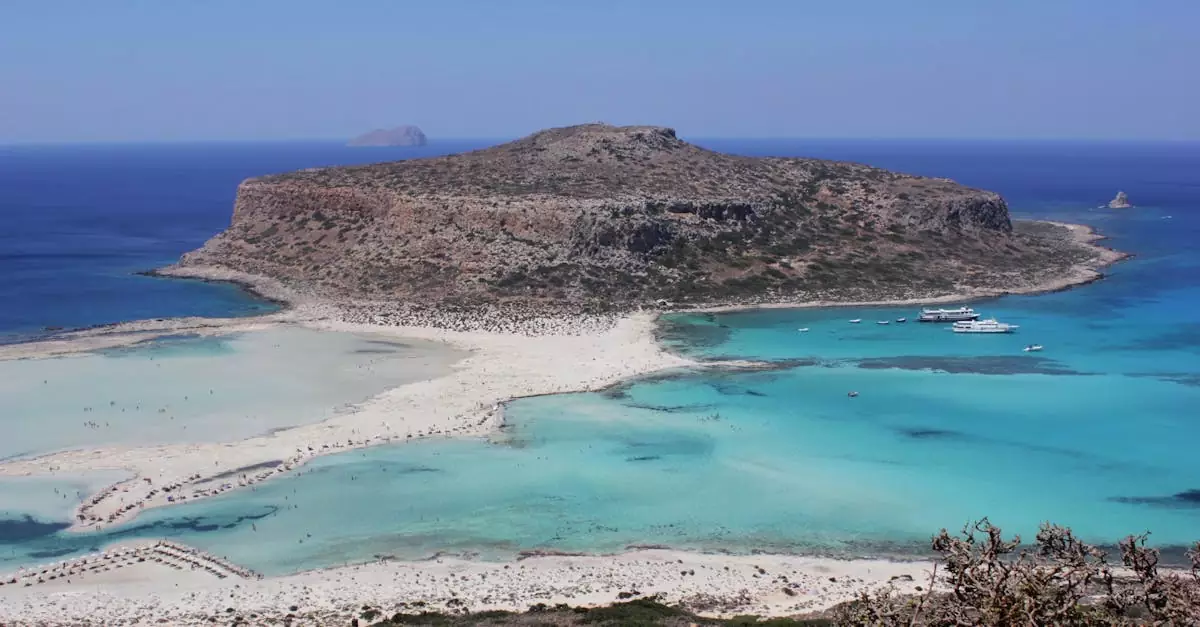
As Greece’s largest island, Crete offers a vast landscape of attractions. From the ancient Minoan palace of Knossos to the breathtaking Samaria Gorge and idyllic beaches like Elafonissi and Balos, Crete provides a rich tapestry of experiences for history buffs and nature lovers alike.
Crete’s Appeal: The island’s size allows you to spend a week or more here while still discovering new wonders. Its distinct culinary traditions and warm hospitality enhance its charm. Consider basing yourself in Chania for its Venetian harbor or Rethymno for its well-preserved old town.
Malta: A Historical Archipelago with Crystal-Clear Seas
This compact archipelago in the Mediterranean packs a punch for its size. Malta, Gozo, and Comino offer a unique blend of Phoenician, Roman, Arab, Norman, and Knights of St. John history, reflected in ancient temples, fortified cities, and Baroque architecture. The surrounding waters are exceptionally clear, making it a prime destination for diving and snorkeling.
Malta Highlights:
- Valletta: The capital city, a UNESCO World Heritage site, serves as a living museum.
- Mdina: The “Silent City,” a medieval walled town offering stunning views.
- Gozo: A more rural and tranquil island known for its natural beauty and the Azure Window site.
- Comino: Home to the famous Blue Lagoon, a dazzling turquoise swimming spot.
Malta’s efficient public transport system makes navigating the islands easy, though ferry services are essential for reaching Gozo and Comino. The country is part of the European Union, simplifying travel for many visitors.
Northern European Charms: Islands Beyond the Sun
While many associate European island escapes with Mediterranean warmth, northern seas offer a different, equally captivating beauty. These destinations provide dramatic landscapes, rich history, and a sense of wildness that appeals to travelers seeking adventure off the beaten path. From Norway’s dramatic fjords to Scotland’s mystical shores and Sweden’s medieval towns, these islands offer unique experiences for those willing to venture north.
The Lofoten Islands, Norway: Dramatic Fjords and Arctic Beauty
The Lofoten Islands in Norway are an archipelago of unparalleled natural grandeur. Jagged peaks rise directly from the sea, creating a landscape of dramatic fjords and picturesque fishing villages. This destination is ideal for hikers, photographers, and anyone captivated by raw, untamed scenery.
When to Visit: Summer (June-August) offers the midnight sun, providing endless daylight for exploration. Winter (September-March) brings the chance to witness the magical Northern Lights.
Getting Around: Renting a car is highly recommended for flexibility. Ferries connect the main islands, and local buses are available but less frequent. The E10 road offers a scenic driving route.
Activities: Hiking to viewpoints like Reinebringen, visiting traditional rorbuer (fishermen’s cabins), sea kayaking, and exploring charming villages like Reine and Hamnøy. In winter, focus on Northern Lights tours and winter sports.
Accommodation: Options range from cozy rorbuer rentals to hotels and guesthouses. Booking well in advance is essential, especially during peak summer months.
Isle of Skye, Scotland: Mystical Landscapes and Rugged Coasts
Scotland’s Isle of Skye is synonymous with dramatic, otherworldly landscapes. Picture the iconic Old Man of Storr, the ethereal Fairy Pools, and the rugged cliffs of the Quiraing. It’s a place where myth and reality blend, offering a sense of ancient magic.
Best Time to Go: Late spring (May-June) and early autumn (September) provide a good balance of decent weather and fewer crowds. Summer (July-August) is popular but can be very busy.
Travel Tips: A car is essential for navigating Skye. Roads can be narrow and winding, so allow ample time. Be prepared for changeable weather; layers and waterproof gear are a must.
Highlights: Exploring the Trotternish Peninsula, hiking in the Cuillin Mountains, visiting Dunvegan Castle, and experiencing the unique geology of the landscape.
Budget Considerations: Skye can be moderately expensive, particularly for accommodation and dining. Self-catering options can help manage costs.
Gotland, Sweden: Medieval History and Baltic Breezes
Gotland, Sweden’s largest island, offers a captivating blend of medieval history and serene Baltic coastal beauty. The UNESCO World Heritage city of Visby, with its remarkably preserved 14th-century city wall, is the main attraction. Beyond Visby, discover charming fishing villages, unique rock formations (rauks), and sandy beaches.
Getting There: Regular ferries operate from Nynäshamn and Oskarshamn on the Swedish mainland. Flights are also available to Visby Airport.
Exploring the Island: Renting a bicycle is a popular and enjoyable way to see Visby and its surroundings. For broader exploration, a car is beneficial.
Cultural Immersion: Wander the cobblestone streets of Visby, visit medieval churches, and learn about the island’s Hanseatic League past. Explore the island’s interior for its agricultural landscapes and coastal villages.
Seasonal Appeal: Summer is ideal for enjoying the beaches and outdoor activities, while spring and autumn provide a quieter experience with fewer tourists, perfect for historical exploration.
The Azores, Portugal: Volcanic Wonders in the Mid-Atlantic
The Azores archipelago, an autonomous region of Portugal, consists of nine volcanic islands in the mid-Atlantic Ocean. These islands are a haven for nature lovers, showcasing lush green landscapes, volcanic craters, hot springs, and abundant marine life. Each island has a distinct character, but all share dramatic, subtropical beauty.
Island Hopping: The islands are connected by inter-island flights and ferry services. São Miguel, the largest island, is a great starting point, offering diverse attractions.
Key Attractions: Explore the volcanic crater lakes of Sete Cidades and Lagoa do Fogo on São Miguel, embark on whale watching tours, hike along coastal trails, and soak in natural thermal pools like those in Furnas.
Traveler Type: Ideal for active travelers, hikers, birdwatchers, and those interested in geology and unique ecosystems. It rewards those seeking natural immersion.
When to Visit: Spring (April-May) and autumn (September-October) provide pleasant temperatures and fewer crowds. Summer (June-August) is warmest but busiest, with unpredictable weather year-round.
When is the Ideal Time for Your Best Island Vacations in Europe?
Choosing the right time to visit Europe’s islands can significantly shape your experience, affecting everything from weather to crowds. Each season brings distinct charm, catering to different travel preferences and budgets. Understanding these nuances will help you find the perfect timing for your dream island getaway.
Shoulder Season Secrets: Avoiding Crowds in May and September
For those seeking a balance between pleasant weather and fewer crowds, the shoulder seasons of May and September are often the sweet spot for the best island vacations in Europe. During these months, temperatures are typically warm and inviting, ideal for beach days and outdoor activities, without the intense heat of mid-summer. Accommodation prices are generally more reasonable, and popular attractions are less congested.
This timing is especially advantageous for islands like the Greek Cyclades or the Balearic Islands in Spain. Imagine strolling through charming villages in Santorini or exploring hidden coves in Mallorca with a sense of calm. Evenings are mild, perfect for enjoying al fresco dining and experiencing local life at a relaxed pace.
Peak Summer Travel: July and August for Ultimate Sunshine
July and August represent the peak of summer and, for many, the quintessential time for a European island vacation. If guaranteed sunshine, long daylight hours, and a vibrant atmosphere are your priorities, this is your window. Sea temperatures are at their warmest, making swimming and water sports incredibly appealing.
Islands across the Mediterranean, such as Sicily, Sardinia, and the Croatian Dalmatian Coast, come alive during these months. Expect lively beach clubs, bustling night markets, and a general sense of festivity. However, be prepared for higher temperatures, larger crowds, and the highest accommodation and flight prices of the year. Booking well in advance is essential for securing your preferred stays and transport.
Winter Island Escapes: Cozy Retreats in the Canaries
While many European islands experience cooler, wetter weather in winter, the Canary Islands off the coast of Africa offer a unique exception. These Spanish islands, including Tenerife, Gran Canaria, and Lanzarote, boast mild, spring-like temperatures year-round, making them an excellent choice for a winter island escape. This region provides a welcome respite from colder climates for those seeking sunshine during the Northern Hemisphere’s winter months.
A winter trip to the Canaries allows for hiking, exploring volcanic landscapes, and enjoying coastal walks without the summer heat. While the sea might be cooler, it’s still often pleasant enough for a dip. This period also sees fewer tourists than summer, providing a more tranquil experience and potentially lower prices on flights and accommodations.
Best Weather Considerations for Different European Island Regions
The ideal timing for your island vacation also depends heavily on the specific region within Europe you plan to visit.
| Region | Best Time to Visit | Average High Temp (°C) | Notes |
|---|---|---|---|
| Mediterranean | May-June, Sept-Oct | 22-28 | Warmest seas, fewer crowds in shoulder seasons. Peak summer is hot. |
| Canary Islands | Year-round (mild) | 20-26 | Consistent, pleasant weather, ideal for winter sun. |
| Northern Isles | June-August | 15-20 | Long daylight hours, cooler temperatures, ideal for nature. |
In the Mediterranean, May to June and September to October offer the most pleasant conditions. July and August can be intensely hot, with temperatures often exceeding 30°C. Northern islands, such as those in Scotland or Norway, have a shorter summer season, with June to August providing the best chance for milder weather and maximizing daylight hours for sightseeing and outdoor activities. Planning your visit around these regional weather patterns ensures a more comfortable and enjoyable trip.
Navigating Your Island Adventure: Travel Tips and Logistics
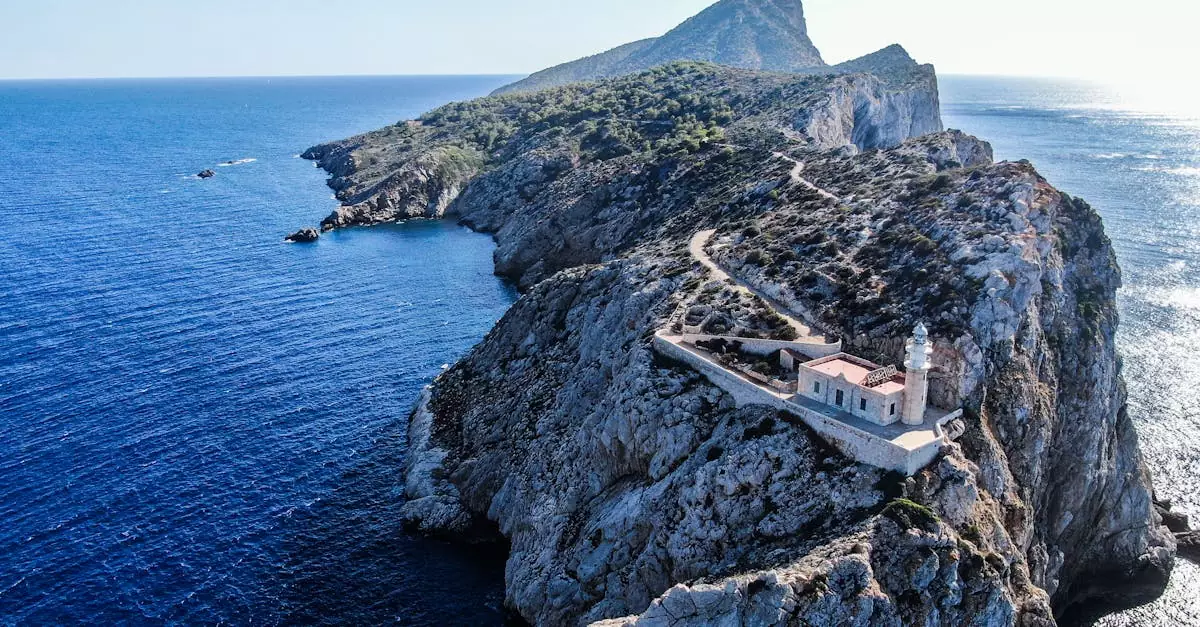
Planning a trip to the best island vacations in Europe involves more than just picking a destination. Understanding travel logistics, budgeting effectively, and choosing the right accommodations can make a significant difference in your experience. This section offers practical advice to help you navigate your island adventure with ease.
Getting to European Islands: Flights, Ferries, and Local Transport
Reaching your chosen European island often requires a combination of transport methods. Major islands like Mallorca or Crete are well-served by direct flights from numerous European cities, particularly during peak season. For smaller, more remote islands, you may need to fly into a larger nearby island or a mainland hub and then take a ferry.
Ferries are an integral part of island hopping in regions like Greece, Croatia, and Italy. Companies like Minoan Lines, Blue Star Ferries, and Jadrolinija operate extensive networks, connecting islands and the mainland. Booking ferry tickets in advance is highly recommended, especially for popular routes or if you’re traveling with a vehicle.
Once you arrive, local transport options vary. Many islands have bus services connecting main towns and attractions, though schedules can be infrequent on smaller islands. Renting a car or scooter offers the most flexibility for independent exploration, allowing you to discover hidden coves and villages at your own pace. Consider the road conditions; some island roads can be narrow and winding.
- Flight: Best for long distances or reaching major hubs.
- Ferry: Essential for island hopping and accessing smaller islands.
- Bus: Cost-effective for getting between towns on larger islands.
- Rental Car/Scooter: Provides maximum flexibility and access to remote areas.
Island Hopping Itineraries: Planning Your Multi-Destination Trip
Europe’s diverse coastlines offer incredible opportunities for island hopping. The Greek Cyclades, featuring islands like Santorini, Mykonos, and Naxos, are a classic choice. You can easily travel between them by ferry, spending a few days on each to experience their unique character. Consider combining the cosmopolitan vibe of Mykonos with the historical depth of Delos or the beaches of Naxos.
The Dalmatian Coast of Croatia presents another fantastic island-hopping route. From Split, you can visit Hvar, Brač, and Korčula, each offering distinct attractions, from vibrant nightlife to ancient walled cities and secluded bays. Planning your ferry connections carefully is crucial to maximize your time and minimize transit delays.
When planning, factor in travel time between islands. A typical itinerary might involve spending 2-3 nights on each island to get a feel for the place without feeling rushed. Grouping islands geographically can also save time and transportation costs. For example, focus on the Ionian Islands in Greece rather than attempting to combine them with the Aegean.
Budgeting for Your European Island Getaway: Costs to Consider
The cost of a European island vacation can vary dramatically based on the destination, time of year, and your travel style. The most popular islands, like the Amalfi Coast in Italy or the Balearic Islands in Spain, tend to be pricier, especially during the summer months of July and August. Islands in less-touristed regions, such as parts of the Azores or the lesser-known Greek islands, can offer significant savings.
Key Costs to Factor In:
- Flights: Prices fluctuate based on origin, booking time, and season.
- Accommodation: Ranges from budget guesthouses to luxury resorts.
- Ferries/Local Transport: Essential for island hopping and getting around.
- Food and Drink: Dining at local tavernas is generally cheaper than at tourist-focused restaurants.
- Activities and Excursions: Boat trips, historical site entries, and water sports add to the budget.
Consider traveling in the shoulder seasons (April-May and September-October) for better prices on flights and accommodations, fewer crowds, and still pleasant weather. This can significantly reduce the overall cost of your trip to some of the best island vacations Europe has to offer.
Accommodation Options: From Boutique Hotels to Seaside Villas
European islands boast a wide array of accommodation choices to suit every preference and budget. For travelers seeking luxury, many islands offer high-end resorts and boutique hotels with stunning sea views, private beaches, and fine dining. Consider the islands of Sardinia or Corsica for their sophisticated coastal resorts.
Mid-range travelers will find plenty of comfortable hotels, charming guesthouses, and well-equipped apartments. Families and groups often opt for renting a villa or apartment, providing more space, privacy, and the option to self-cater, potentially saving money on meals. Look for options slightly away from the main tourist centers for better value.
Budget-conscious travelers can find hostels, basic guesthouses (often called ‘domatia’ in Greece or ‘pensions’ elsewhere), and campgrounds. Even on popular islands, seeking out smaller, family-run establishments can lead to more affordable and authentic stays. Booking accommodations well in advance is crucial, especially during peak summer, as the best and most affordable options are often snapped up quickly.
Frequently Asked Questions About European Island Vacations
What are the safest European islands for tourists?
Many European islands offer a high level of safety for visitors. The Greek islands, particularly those with established tourism infrastructure like Crete or Santorini, generally have low crime rates. Similarly, the Balearic Islands in Spain, including Mallorca and Menorca, are considered very safe. Islands in Croatia, such as Hvar and Korčula, also boast excellent safety records. Always practice general vigilance, but these destinations are known for their secure environments.
Which European islands offer the best local food experiences?
For authentic culinary adventures, consider Sicily, Italy, where rich volcanic soil yields incredible produce, and the island’s history is reflected in its diverse cuisine. Sardinia, also in Italy, offers unique pastoral dishes and exceptional seafood. In Greece, the island of Crete is a cradle of Mediterranean diet principles, emphasizing fresh vegetables, olive oil, and local cheeses. For a taste of the Atlantic, the Azores in Portugal provide distinct flavors, with fresh seafood and locally grown tea and cheese being highlights.
Are there any common tourist scams to watch out for on European islands?
While most European islands are safe, some common tourist scams can occur in popular areas. Be wary of “too good to be true” offers for tours or taxis, especially in crowded ports or squares. In some Mediterranean destinations, watch for inflated prices at beachfront restaurants or bars that don’t clearly display menus. Always confirm prices before ordering and use reputable taxi services or ride-sharing apps. Pickpocketing can be an issue in very crowded tourist spots, so keep valuables secure.
What should I pack for a European island vacation?
Packing for a European island getaway depends on the season and specific activities. For summer travel to Mediterranean islands, lightweight clothing, swimwear, sun protection (hat, sunglasses, sunscreen), and comfortable walking shoes are essential. If visiting during cooler months or planning hikes, a light jacket or sweater is advisable. Don’t forget any necessary medications and a portable power bank for charging devices on the go.
Here’s a quick packing checklist:
- Lightweight clothing (shorts, t-shirts, sundresses)
- Swimwear and cover-up
- Sunscreen, hat, and sunglasses
- Comfortable walking shoes or sandals
- A light jacket or sweater for evenings
- Travel adapter and portable charger
- Basic toiletries and any personal medications