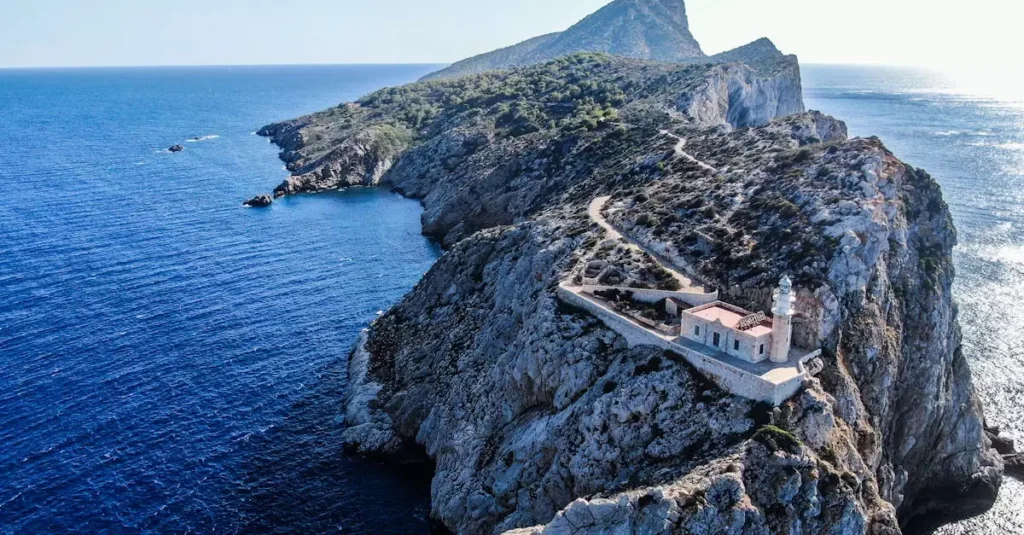
Europe’s islands offer a remarkable diversity of experiences for adventurous travelers, ranging from dramatic volcanic landscapes to serene hidden coves. If you’re looking for thrilling escapades beyond the typical beach holiday, this guide to the best island adventures in Europe is for you. Discover how to hike Portugal’s rugged Azores, kayak through Malta’s sea caves, or sail the iconic Greek Cyclades. We’ll also delve into Scotland’s wild Outer Hebrides and the dramatic cliffs of Madeira.
This article equips you with essential knowledge for planning an unforgettable journey, covering the ideal times to visit, logistics for island hopping, and tips for immersing yourself in the unique cultures and flavors of these captivating destinations. Get ready to explore the active side of Europe’s most stunning islands.
Unforgettable Island Adventures: Top European Picks for Thrill-Seekers
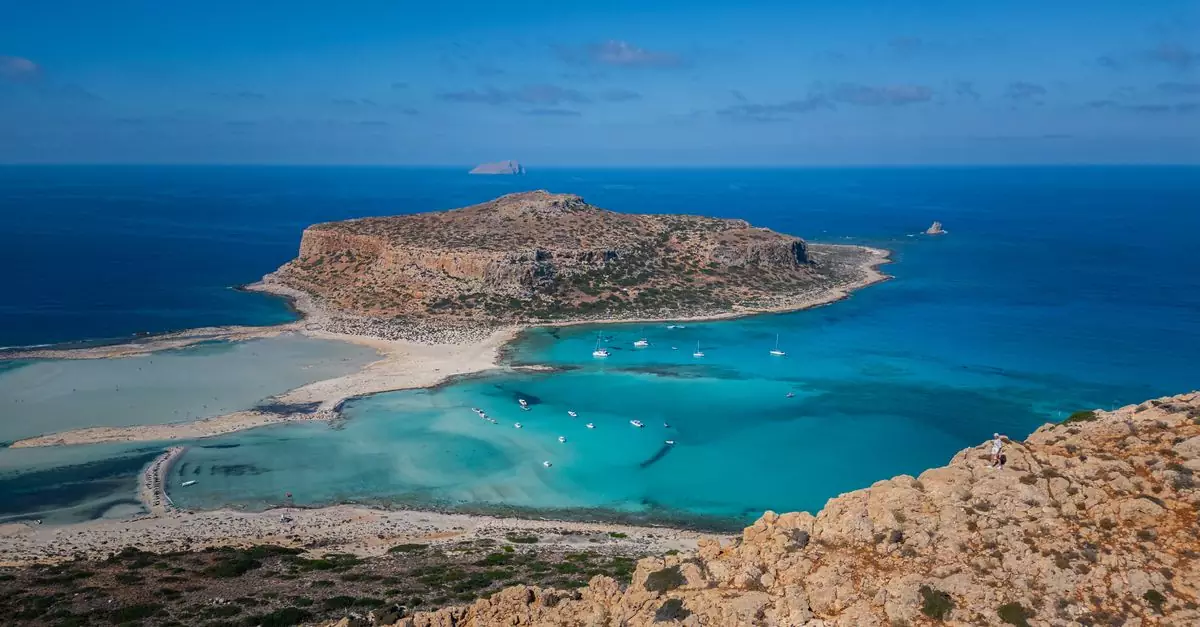
Europe’s islands create a diverse playground for adventure enthusiasts, featuring volcanic terrains and ancient underwater worlds. When planning your next escape, consider these destinations for an active and memorable experience.
Hiking the Volcanic Landscapes of the Azores, Portugal
The Azores archipelago, an autonomous region of Portugal, presents a stunning volcanic canvas ideal for hikers. São Miguel, the largest island, is famous for its calderas, hot springs, and lush crater lakes. The trail around Sete Cidades, a twin lake system of blue and green, offers breathtaking vistas and a moderate challenge. For a more rugged experience, Pico Island’s ascent to Mount Pico, Portugal’s highest peak, provides a demanding yet rewarding trek through lava fields.
Traveler Insights:
- Best Time to Visit: Late spring (May-June) and early autumn (September-October) provide pleasant weather with fewer crowds. Summer (July-August) is warmer but busier.
- Getting Around: Renting a car is highly recommended for exploring São Miguel and Pico at your own pace, as public transport options are limited.
- Packing Essentials: Sturdy hiking boots, waterproof layers, sunscreen, and a reusable water bottle are crucial.
Kayaking Sea Caves in the Algarve’s Coastal Islands, Portugal
While the mainland Algarve coast is known for its beaches, the offshore islands and sea stacks offer a unique kayaking adventure. Near Lagos, the Ponta da Piedade area is a labyrinth of grottos, arches, and hidden coves accessible only by water. Guided kayak tours depart regularly, allowing you to paddle through narrow passages and into secluded sea caves with crystal-clear waters. These excursions often include opportunities for swimming and snorkeling.
Logistics:
- Tours: Numerous operators offer tours from Lagos marina. Booking in advance is advised, especially during peak season.
- Skill Level: Kayaking here is generally suitable for beginners, although conditions can vary.
- What to Bring: Swimsuit, quick-dry clothing, waterproof bag for electronics, and reef-safe sunscreen.
Scuba Diving the Shipwrecks of Malta’s Gozo Island
Gozo, Malta’s sister island, is a diver’s paradise, boasting exceptional visibility and a rich history of maritime wrecks. The Um El Faroud, a former Libyan oil tanker intentionally scuttled in 2006, lies at a depth of 36 meters and serves as a popular artificial reef teeming with marine life. Other notable dive sites include Xatt l-Aħmar Bay, featuring several smaller wrecks and natural reefs. The calm, clear waters make Gozo an excellent destination for both novice and experienced divers.
Diving Considerations:
- Certification: Ensure you have the necessary diving certification. Dive centers on Gozo offer courses and guided dives.
- Visibility: Typically ranges from 20 to 40 meters, providing excellent underwater views.
- Marine Life: Expect to see groupers, barracudas, moray eels, and various species of reef fish.
Sailing the Cyclades Islands: A Greek Island Hopping Adventure
The Cyclades, a cluster of Greek islands in the Aegean Sea, offer an iconic sailing adventure. Islands like Mykonos, Santorini, Naxos, and Paros are well-connected by ferry, but chartering a sailboat or joining a skippered yacht trip provides the freedom to discover secluded bays and less-visited islets. Sailing allows you to experience the whitewashed villages, ancient ruins, and stunning beaches at your own pace, often anchoring in quiet coves for swimming and snorkeling.
Sailing Itinerary Ideas:
- Duration: A week is sufficient to visit 3-4 islands, while two weeks allows for a more in-depth exploration.
- Best Time: May to October offers warm weather and consistent winds, though July and August are the hottest and busiest months.
- Logistics: You can charter a bareboat if you have a sailing license or opt for a skippered charter for a more relaxed experience. Many organized sailing tours also depart from Athens or Rhodes.
Secluded Island Escapes: Discover Europe’s Lesser-Known Gems
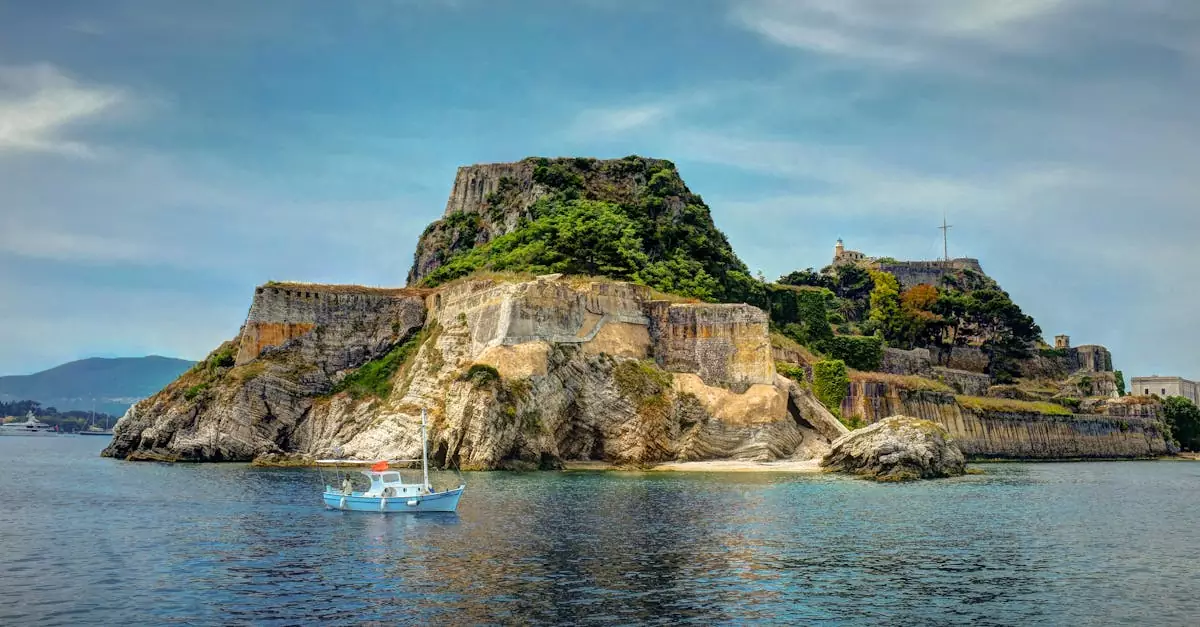
For travelers seeking the best island adventures in Europe away from the crowds, the continent offers a wealth of stunning, less-trafficked destinations. These islands provide unique experiences, from rugged wilderness to tranquil turquoise waters, catering to those who value solitude and natural beauty. Moving beyond well-trodden paths reveals a different side of European island exploration.
Exploring the Wild Beaches of the Outer Hebrides, Scotland
The Outer Hebrides, an archipelago off Scotland’s northwest coast, showcase raw and windswept beauty. Islands like Harris and Lewis are renowned for their vast, white-sand beaches, often deserted even during peak season. The dramatic landscapes, shaped by ancient geology, offer exceptional hiking opportunities, particularly along the rugged coastline.
Getting to the Outer Hebrides involves ferries from the Scottish mainland, typically from Ullapool or Uig on Skye, to Stornoway or Tarbert. Car hire is recommended for exploring the islands’ dispersed attractions. Accommodation ranges from cozy B&Bs to self-catering cottages, providing a chance to immerse yourself in island life. The weather is famously changeable, so packing layers is essential.
Trekking the Dramatic Cliffs of Madeira, Portugal
Madeira, a Portuguese archipelago in the Atlantic, is often called the “Garden Island” for its lush volcanic landscapes. While Funchal, the capital, offers city amenities, the true adventure lies in its levada walks – ancient irrigation channels that snake through dramatic mountain scenery and along vertiginous cliffs. The island’s rugged topography makes for challenging yet rewarding treks.
Flights to Madeira are frequent, with Funchal Airport serving many European cities. Once on the island, renting a car is advisable to access trailheads. The climate is mild year-round, making it a viable destination for hiking at any time, though spring and autumn offer the most pleasant temperatures. Be prepared for steep ascents and descents on many trails.
Discovering the Turquoise Waters of the Balearic Islands’ Smaller Neighbors (e.g., Formentera)
While Mallorca and Ibiza attract significant crowds, their smaller neighbor, Formentera, offers a more laid-back Mediterranean experience. Known for its pristine beaches with Caribbean-like turquoise waters and fine white sand, Formentera is a haven for relaxation and watersports. The island’s flat terrain makes it ideal for cycling between charming villages and secluded coves.
Access to Formentera is exclusively by ferry from Ibiza. Once on the island, renting a scooter or bicycle is the most popular way to get around. Accommodation is generally more upscale and boutique-focused than on the larger Balearics, reflecting its quieter, more exclusive appeal. The summer months are warm and sunny, perfect for beach lovers, though shoulder seasons offer fewer crowds.
Venturing to the Remote Faroe Islands for Birdwatching and Hiking
The Faroe Islands, an autonomous Danish territory situated between Iceland and Norway, are a destination for the truly adventurous. These eighteen volcanic islands are characterized by steep mountains, sheer cliffs, and abundant birdlife, especially puffins. Hiking opportunities are unparalleled, with trails leading to remote villages, dramatic sea stacks, and breathtaking viewpoints.
Reaching the Faroe Islands typically involves flights to Vágar Airport, near the capital Tórshavn. Inter-island travel relies on a network of ferries and tunnels, making a rental car a useful, though not always essential, mode of transport. The weather is notoriously unpredictable, with rapid changes from sunshine to fog and rain, so robust waterproof gear is a must. The summer months offer the longest daylight hours and are best for birdwatching.
What’s the Best Time for Island Adventures in Europe?
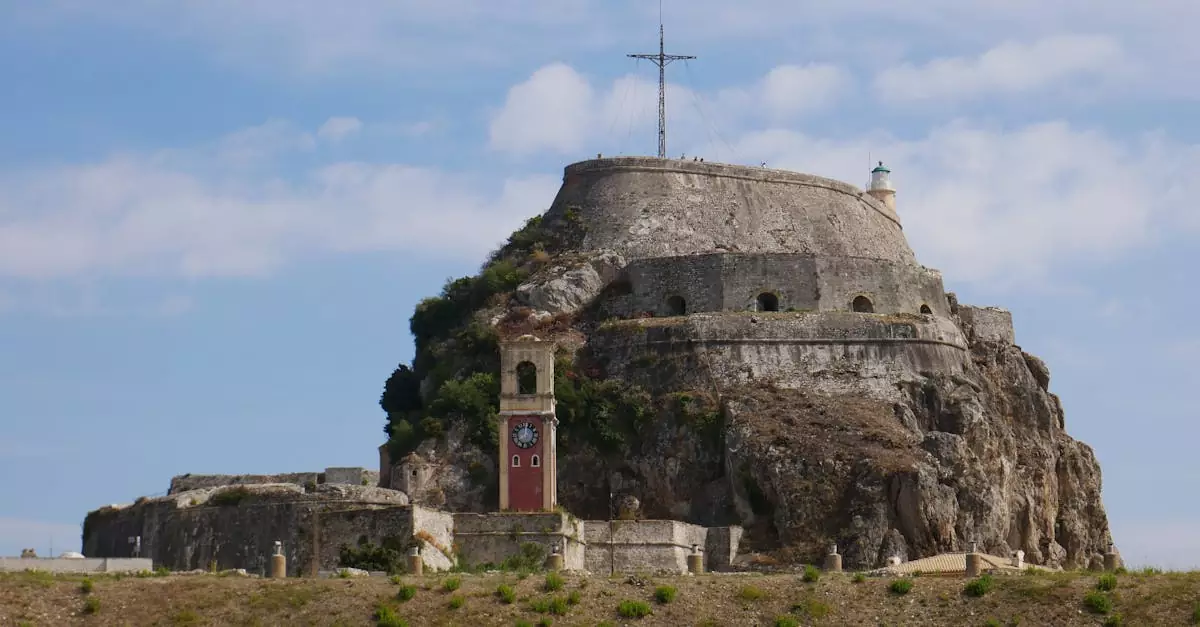
Choosing the right time for your European island adventure significantly impacts your experience, influencing crowds, costs, weather, and available activities. While the allure of sun-drenched beaches is strong, understanding each season’s nuances helps you find the best fit for your travel style and budget. The best island adventures in Europe often hinge on timing.
Peak Season (June-August): Pros and Cons for Island Exploration
Summer, from June through August, is undeniably the most popular time to visit European islands. This period offers the warmest weather, with long daylight hours perfect for maximizing outdoor activities. Expect bustling atmospheres, lively beach towns, and a full spectrum of tours and activities operating at their peak. However, this popularity has its drawbacks.
- Pros: Warmest weather, ideal for swimming and sunbathing; all attractions and services fully operational; vibrant nightlife and cultural events.
- Cons: Largest crowds, leading to packed beaches and attractions; highest accommodation and flight prices; requires booking well in advance.
Islands like Mallorca in Spain or Santorini in Greece are at their most vibrant yet also their most crowded and expensive during these months. If you thrive on energy and don’t mind sharing the scenery, summer can be fantastic.
Shoulder Seasons (April-May, September-October) for Fewer Crowds
The shoulder seasons offer a compelling balance for exploring Europe’s islands. Spring (April-May) and autumn (September-October) generally provide pleasant weather warm enough for many outdoor pursuits without the intense summer heat. You’ll find fewer tourists, leading to a more relaxed atmosphere and potentially lower prices for flights and accommodations.
This is an excellent time for hiking in places like the Azores or exploring historical sites on islands such as Crete without the summer throngs. While the sea might be cooler in early spring and late autumn, many days are still perfect for enjoying coastal walks and scenic drives.
- Spring (April-May): Wildflowers bloom, temperatures are mild, and the sea begins to warm. Some services might still be ramping up for the season.
- Autumn (September-October): Warm sea temperatures linger, the landscape is often beautiful, and the harvest season brings local culinary delights.
Off-Season Travel: Embracing the Quiet Charm of European Islands
Visiting European islands during the off-season (November-March) presents a different, often more authentic, travel experience. This period is characterized by significantly fewer tourists, leading to the lowest prices for travel and lodging. Many islands revert to a more local pace of life, offering a chance to connect with residents and experience their culture more intimately.
However, this quiet charm comes with trade-offs. Weather can be unpredictable, with cooler temperatures, increased rainfall, and shorter daylight hours. Some tourist-focused businesses, restaurants, and ferry services may operate on reduced schedules or close entirely.
Islands like Madeira, known for its year-round mild climate, remain appealing, though beach-focused activities might be less attractive. This time is best suited for travelers seeking tranquility, focusing on hiking, cultural immersion, and enjoying the dramatic winter landscapes without the crowds. Careful planning is essential to ensure essential services are available.
| Season | Months | Weather | Crowds | Prices | Best For |
|---|---|---|---|---|---|
| Peak | June – August | Warmest, sunny, long daylight hours | Highest | Highest | Beach holidays, water sports, vibrant nightlife |
| Shoulder | April – May, Sep – Oct | Mild to warm, pleasant, good for active | Moderate | Moderate | Hiking, sightseeing, cultural exploration, photography |
| Off-Season | November – March | Cool to mild, variable, shorter days | Lowest | Lowest | Tranquility, local culture, budget travel, dramatic scenery |
Planning Your European Island Adventure Itinerary
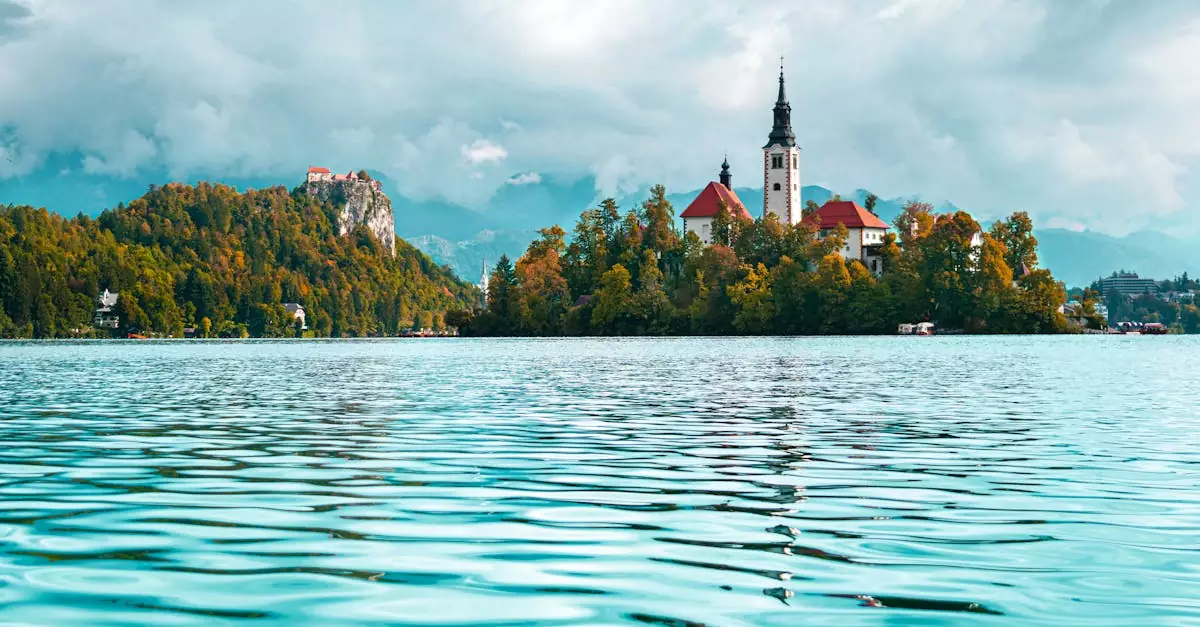
Embarking on a European island adventure requires thoughtful planning, especially if you aim to experience multiple destinations. The best island adventures in Europe often involve a blend of relaxation and activity, and a well-structured itinerary ensures you maximize your time and enjoyment. Consider your travel style, budget, and desired pace when mapping out your journey across the diverse European archipelago.
Island Hopping Routes: Combining Multiple Destinations Efficiently
Combining islands can create dynamic itineraries, but efficient planning is key to avoiding excessive travel time. For a taste of the Mediterranean, a common route might link islands in Greece, such as Santorini and Crete, before potentially hopping to Cyprus. Alternatively, a journey through the Atlantic could connect the Azores and Madeira, offering dramatic landscapes and unique hiking opportunities.
When planning multi-island trips, prioritize islands with good ferry connections or frequent short-haul flights. Researching ferry schedules in advance, particularly for less common routes, can prevent last-minute stress. Consider a travel time buffer between islands; a full travel day can easily be consumed by transfers and transit.
Choosing Your Base: Key Islands for Different Types of Adventures
The “best” European island adventure depends entirely on what you seek. For history buffs and culture enthusiasts, Sicily offers ancient ruins, vibrant cities, and a rich culinary scene. Those drawn to dramatic natural beauty and hiking will find the Azores, with its volcanic landscapes and verdant trails, an unparalleled choice.
Beach lovers might gravitate towards the Balearic Islands in Spain, known for their stunning coves and clear waters, or the Greek Cyclades for iconic whitewashed villages and beautiful coastlines. For a more remote and rugged experience, islands off the coast of Scotland or Ireland present a different kind of island adventure, focusing on wildlife, windswept scenery, and a slower pace of life.
Logistics: Flights, Ferries, and Inter-Island Transportation
Navigating between European islands involves a mix of transportation methods. Flights are often the quickest way to cover longer distances, especially between island groups or to reach more remote archipelagos. Major hubs like Athens, Lisbon, or Rome serve as gateways to numerous island destinations.
Ferries are a classic and often scenic way to travel within island chains. For example, the Greek islands are extensively connected by ferry networks, ranging from slow, local services to faster catamarans. Booking ferry tickets in advance is recommended during peak season.
Here’s a look at common inter-island transport options:
| Transportation Type | Typical Use Case | Pros | Cons |
|---|---|---|---|
| Flights | Long distances, reaching remote islands | Speed, efficiency for far-flung destinations | Cost, airport transfers, less scenic |
| Ferries | Within island groups, shorter distances | Scenic, often more economical, direct to towns | Slower, weather-dependent, schedules can vary |
| Car Rentals | Exploring larger islands at your own pace | Flexibility, convenience | Parking challenges on small islands, cost |
| Public Transport | Local travel on larger islands | Budget-friendly, good for city access | Limited routes, infrequent service on smaller islands |
Packing Essentials for European Island Activities
Packing for an island adventure in Europe requires versatility, as you might encounter varied weather and engage in diverse activities. Comfortable walking shoes are essential, whether navigating cobblestone streets or hiking volcanic trails. Sun protection, including high SPF sunscreen, a wide-brimmed hat, and sunglasses, is crucial for most European islands, particularly during spring and summer.
For active pursuits, consider moisture-wicking clothing and a lightweight, waterproof jacket, as weather can change quickly, especially in Atlantic or more northerly island locations. Don’t forget swimwear, a quick-dry towel, and insect repellent. A reusable water bottle is also practical, helping you stay hydrated and reduce plastic waste.
For those venturing into more remote areas or planning extensive hiking, a small backpack for day trips is invaluable. Consider packing a basic first-aid kit, especially if your itinerary includes less developed areas. For a comprehensive overview of what to pack for travel in Europe, consult general travel resources.
Experiencing Local Flavors and Cultures on European Islands
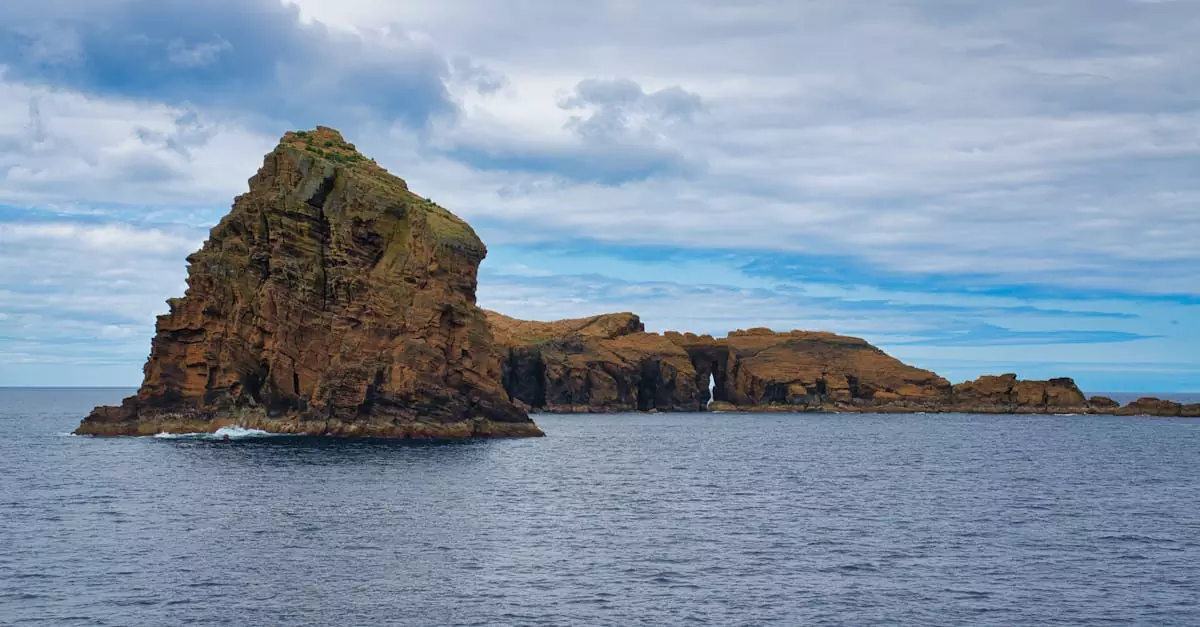
European islands offer a rich tapestry of culinary traditions and cultural experiences, distinct from their mainland counterparts. Engaging with these local flavors and customs is a key part of any island adventure, providing deeper connections and memorable journeys. From the sun-drenched shores of the Mediterranean to the volcanic landscapes of the Atlantic, each island presents unique tastes and traditions waiting to be discovered.
Must-Try Seafood Dishes in the Mediterranean
The Mediterranean Sea is a treasure trove of fresh seafood, and its islands are where you can best savor these oceanic delights. In Greece, psarosoupa (fish soup) is a hearty, flavorful dish often made with local catches like sea bream or snapper, simmered with vegetables and a hint of lemon. On the Italian island of Sicily, pesce spada alla ghiotta (swordfish stewed with tomatoes, olives, and capers) showcases the island’s vibrant produce alongside its abundant fish. For a simpler yet equally delicious experience, seek out grilled sardines, a staple in many coastal towns across islands like Mallorca or Sardinia, often seasoned with just olive oil, lemon, and herbs.
Unique Cheeses and Wines from Greek and Italian Islands
Beyond seafood, the islands of Greece and Italy boast a remarkable diversity of artisanal cheeses and indigenous wines. Crete, for example, is renowned for graviera, a hard sheep’s milk cheese with a nutty flavor, and myzithra, a soft, whey cheese often served fresh or aged. These are best enjoyed with local honey or as part of a traditional meze platter. Italian islands offer their own specialties; Pecorino Siciliano from Sicily, a firm sheep’s milk cheese, provides a sharp, salty bite. Island wineries, often small and family-run, produce unique wines shaped by volcanic soil or sea-salt air. Santorini’s Assyrtiko, a crisp white wine with mineral notes, is a must-try, reflecting the island’s volcanic terroir.
Traditional Crafts and Markets in the Canary Islands
The Canary Islands, situated off the coast of Northwest Africa, present a different cultural mosaic, influenced by both European and African traditions. Local crafts often reflect the volcanic landscape and the sea. Look for items made from palm leaves, such as baskets and hats, or intricate lacework, a craft passed down through generations. Tenerife and Gran Canaria host vibrant local markets where you can find these artisanal goods alongside fresh produce and local delicacies. Visiting these markets, like the Mercado de Vegueta in Las Palmas, offers a lively glimpse into daily Canarian life and a chance to purchase unique souvenirs.
The Best Local Tavernas and Restaurants for Authentic Dining
To truly experience the soul of a European island, dine where the locals do. In the Greek islands, seek out traditional tavernas, often family-run establishments serving generations-old recipes. Look for places with handwritten menus and a bustling atmosphere. In Crete, a good taverna will offer dakos (rusks topped with tomato, feta, and olive oil) and slow-cooked lamb dishes. For an authentic Italian island experience, particularly in Sicily, seek out trattorias or osterias that focus on regional specialties. These eateries often provide a more intimate and less tourist-oriented dining experience. Reservations are sometimes recommended, especially during peak season, as popular spots fill up quickly.
Frequently Asked Questions About European Island Adventures
What are the safest European islands for solo travelers?
When considering safety for solo travel, many islands in the Mediterranean and Atlantic offer a welcoming environment. The Greek islands, particularly Crete and the smaller Cyclades like Naxos or Paros, are generally considered very safe, with low crime rates and a friendly local population. The Azores in Portugal also stand out for their safety and peaceful atmosphere, making them excellent choices for those venturing out alone.
For solo travelers prioritizing a secure experience, look for islands with well-established tourist infrastructure and good public transport links, enhancing both security and ease of navigation.
How can I budget for an island-hopping trip in Europe?
Budgeting for an island-hopping adventure in Europe depends heavily on your chosen destinations and travel style. Islands in Southern Europe, like those in Greece or Croatia, can be more budget-friendly than their Northern counterparts. Traveling during the shoulder seasons (spring and autumn) can significantly reduce costs for flights and accommodation.
Key budget considerations include:
- Transportation: Ferries between islands are a major expense. Booking multi-island passes or opting for budget airlines for longer hops can save money.
- Accommodation: Hostels and guesthouses offer affordable options, while self-catering apartments can reduce food expenses.
- Food: Eating at local tavernas or markets is generally cheaper than dining in tourist-heavy restaurants.
- Activities: Prioritize free or low-cost activities like hiking and beach time.
A rough daily budget might range from €70-€150 per person, depending on luxury levels and specific island choices.
Are there family-friendly island adventures in Europe?
Absolutely. Many European islands cater wonderfully to families, offering a mix of relaxation and engaging activities for all ages. Mallorca in Spain is renowned for its family-friendly beaches and resorts, with attractions like water parks and aquariums. The Algarve region in Portugal, while mainland, offers island-like experiences with boat trips to sea caves.
For a more natural adventure, consider the Canary Islands, which provide diverse landscapes for hiking and wildlife spotting. The Azores offer whale watching tours and volcanic crater hikes suitable for older children.
What are common tourist mistakes to avoid on European islands?
A common pitfall is underestimating travel times between islands, especially when relying on ferries, which can be subject to weather delays. Booking accommodations and popular tours last minute, particularly during peak season, can lead to disappointment or higher prices.
Other mistakes include:
- Not learning basic local phrases: A few words in the local language can enhance interactions.
- Over-scheduling: European island life often encourages a slower pace; trying to cram too much into a short trip can be exhausting.
- Ignoring local customs: Respecting traditions and dress codes, especially when visiting religious sites, is important.
- Not packing appropriately: Sun protection is crucial, and comfortable walking shoes are essential for uneven terrain.