Dreaming of dramatic cliffs, emerald valleys, and a profound sense of solitude? This Faroe Islands travel guide is your essential companion for planning an unforgettable Nordic adventure. Tucked away in the North Atlantic, this remote archipelago offers an escape into raw, untamed nature and a unique culture shaped by centuries of island living.
Within these pages, you’ll find everything you need to craft your perfect itinerary, from the best times to visit and how to navigate between islands to must-see villages, iconic hikes, and authentic culinary experiences. We’ll help you understand how to get around, what to pack for the famously unpredictable weather, and even uncover some local customs. Get ready to explore Europe’s best-kept secret and immerse yourself in the breathtaking beauty of the Faroe Islands.
Why Visit the Faroe Islands? Unveiling Europe’s Best-Kept Secret
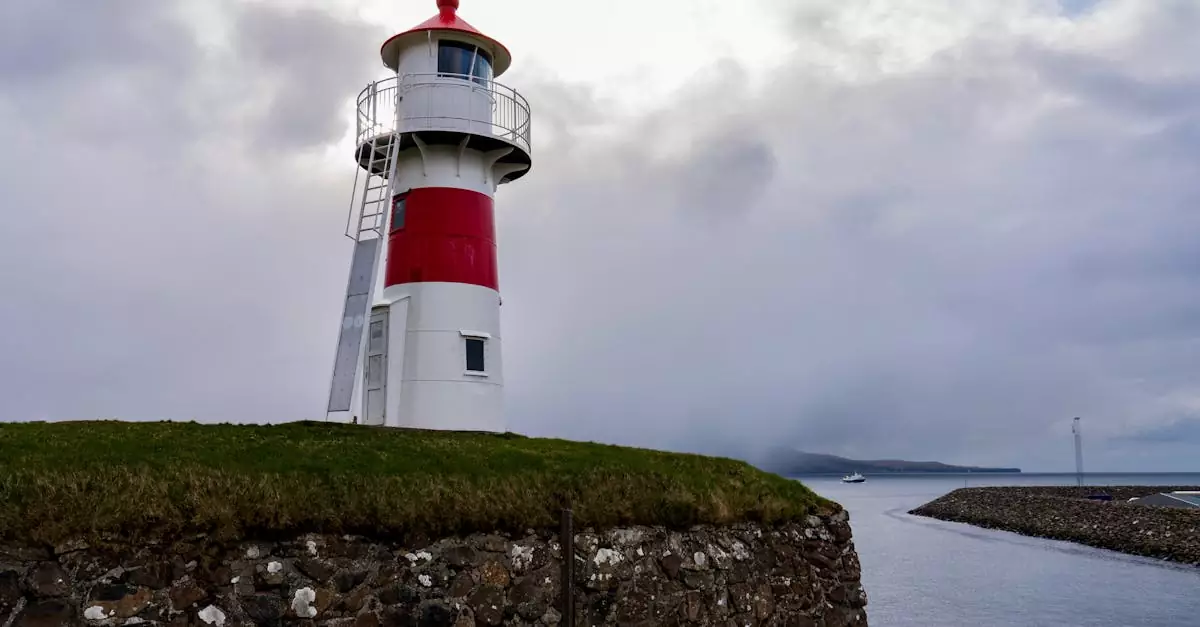
The Faroe Islands provide an unparalleled escape for travelers seeking raw beauty and a deep connection with nature. This remote archipelago, situated in the North Atlantic between Iceland and Norway, remains remarkably unspoiled by mass tourism. Planning a trip here means immersing yourself in dramatic fjords, sheer cliffs, and rolling green hills that feel like stepping back in time. For those who appreciate rugged coastlines and solitude, this Nordic destination offers an unforgettable experience.
Dramatic Cliffs and Unspoiled Nature
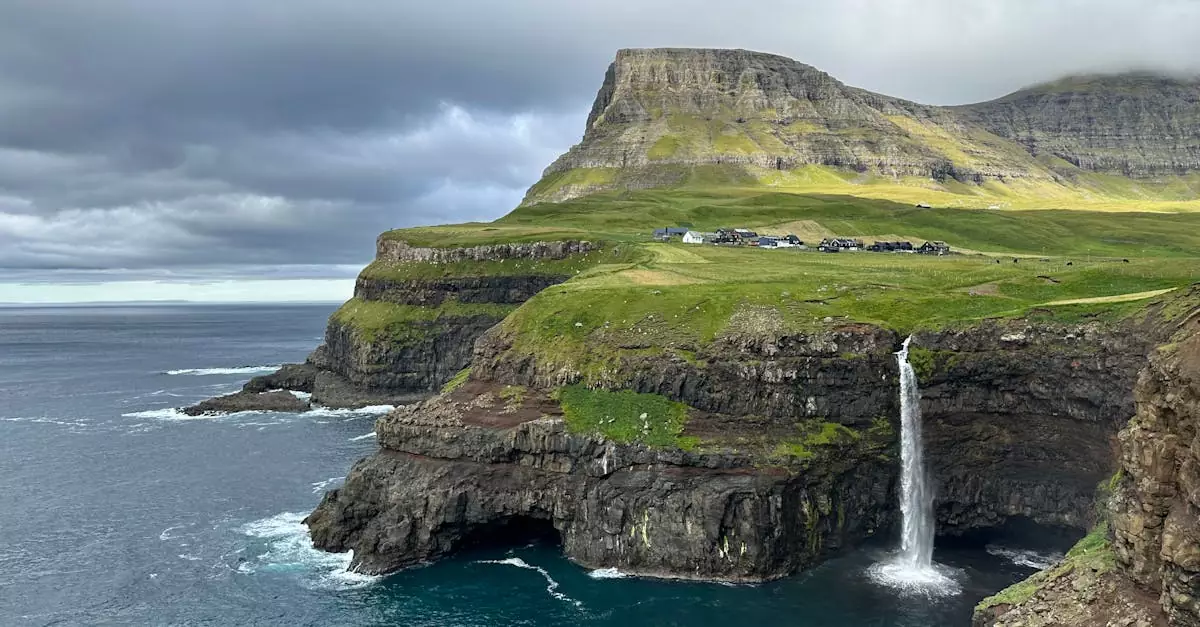
The iconic scenery of the Faroe Islands is defined by breathtaking cliffs, many of which plunge directly into the churning sea. The western coast of Vágar, home to the famous Múlafossur waterfall cascading over a cliff edge into the ocean, showcases this dramatic topography. The islands are also characterized by vibrant green valleys, often dotted with sheep that far outnumber the human population. This constant presence of nature means every drive or hike offers a new, awe-inspiring vista. The sheer scale of the landscape provides a profound sense of peace and isolation, a welcome contrast to the bustle of mainland Europe.
Unique Viking Culture and History
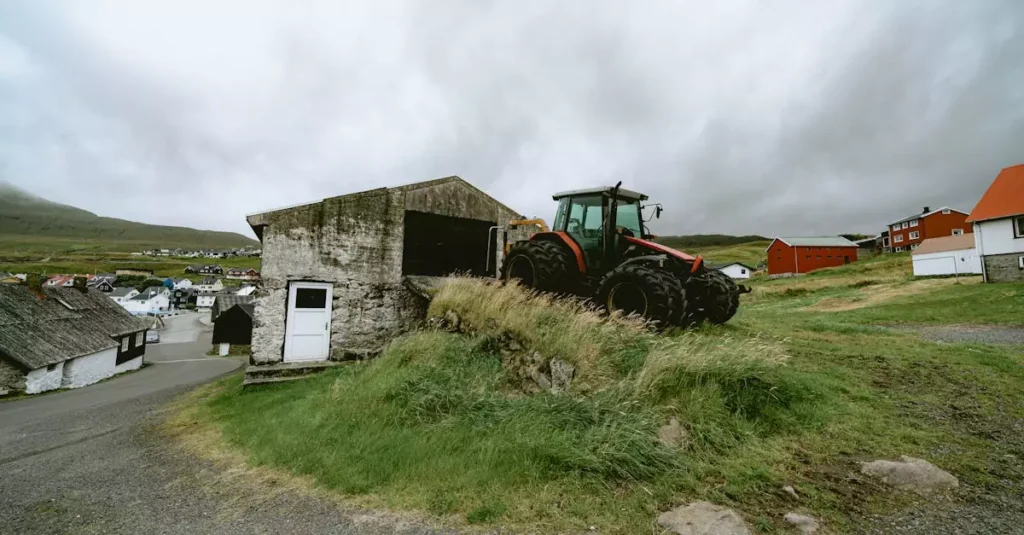
With a history stretching back to the Viking Age, the Faroe Islands possess a rich cultural heritage. The Faroese language, a descendant of Old Norse, is still spoken daily, and traditions are fiercely preserved. You can witness this in the distinctive turf-roofed houses that dot the landscape, a testament to centuries of adaptation to the local environment. Exploring villages like Gjógv, with its natural harbor, offers a glimpse into a way of life deeply intertwined with the sea and land. The islands’ history is also evident in their sagas and folklore, adding another layer of fascination for visitors interested in the region’s past.
Incredible Birdlife and Hiking Opportunities
The Faroe Islands are a haven for birdwatchers, particularly during the nesting season. Millions of seabirds, including puffins, gannets, and fulmars, inhabit the dramatic sea cliffs. Mykines, the westernmost island, is a prime destination for puffin spotting, accessible by ferry or helicopter. Beyond birdlife, the islands offer extensive hiking trails for all levels. From gentle coastal walks to challenging mountain ascents, the opportunities to traverse this rugged terrain are abundant. Trails often lead to remote viewpoints or hidden valleys, rewarding hikers with panoramic vistas and a true sense of discovery. Always be prepared for changing weather conditions when venturing out; layers and waterproof gear are essential for any outdoor activity.
Best Time to Visit the Faroe Islands for Unforgettable Experiences
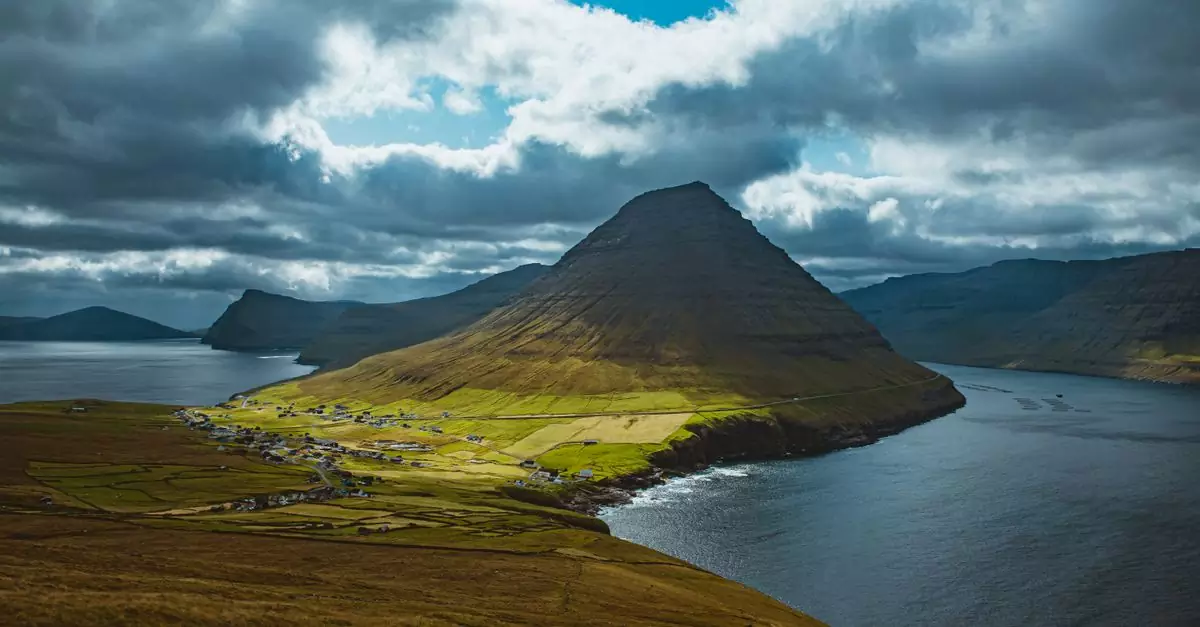
Deciding when to visit the Faroe Islands hinges on the experience you’re seeking. Each season offers a distinct atmosphere, from the vibrant green of summer to the dramatic, moody skies of winter. Understanding these differences will help you plan a trip tailored to your interests, whether that’s hiking dramatic cliffs, spotting puffins, or immersing yourself in local culture.
Summer (June-August): Long Days and Mild Weather for Hiking
Summer is the most popular time to visit the Faroe Islands, attracting visitors with long daylight hours and mild weather. Temperatures typically hover between 10-13°C (50-55°F), making it comfortable for outdoor activities. This period offers the best conditions for hiking, with most trails accessible and fewer risks from unpredictable weather. The landscape is at its most vibrant, with lush green hillsides and a profusion of wildflowers.
This season also provides the longest days, with nearly 24 hours of daylight around the summer solstice. This extended light allows for maximum exploration time, from early morning hikes to late evening village strolls. Boat trips to see sea cliffs and bird colonies are more readily available and generally safer due to calmer seas. Accommodation can be more expensive and books up quickly, so planning well in advance is essential.
Spring (April-May): Puffins Arrive and Wildflowers Bloom
Spring marks a beautiful transition in the Faroe Islands, with nature reawakening after winter. While the weather can still be unpredictable, with a mix of sunshine and rain, temperatures begin to climb slightly. The real draw during April and May is the arrival of the puffins. These charismatic birds begin nesting on the islands, particularly on Mykines, offering incredible viewing opportunities.
The landscape also starts to transform as wildflowers emerge, painting the hillsides with color. Daylight hours increase significantly, providing ample time for sightseeing. However, some higher hiking trails may still be muddy or snow-covered early in the season, and ferry services to smaller islands might operate on a reduced schedule. This period offers a good balance of increasing daylight and fewer crowds than the peak summer months.
Autumn (September-October): Golden Hues and Fewer Crowds
Autumn brings a different kind of beauty to the Faroe Islands. The summer crowds dissipate, offering a more tranquil experience. The landscape takes on golden and russet hues as the vegetation changes, creating a dramatic and picturesque backdrop. While the weather becomes cooler and more prone to rain and wind, the crisp air can be invigorating for those who enjoy dramatic scenery.
Daylight hours shorten considerably as autumn progresses, impacting the amount of time available for outdoor activities. However, the moody skies and atmospheric conditions can be incredibly photogenic. This is a good time for exploring villages and enjoying cozy interiors, perhaps with a local meal. It’s also a period where you might experience the Northern Lights, though sightings are never guaranteed.
Winter (November-March): Dramatic Storms and Cozy Village Life
Winter in the Faroe Islands is characterized by short daylight hours, cool temperatures, and potentially stormy weather. Average temperatures range from 3-7°C (37-45°F). While this season is not ideal for extensive hiking due to challenging conditions, it offers a unique and authentic experience for those seeking solitude and dramatic natural beauty. The islands are often shrouded in mist and fog, creating an ethereal atmosphere.
This is the time to embrace the cozy side of Faroese life. Spend time in charming villages, visit local cafes, and enjoy the warmth of indoor spaces. The dramatic weather can be awe-inspiring to witness from the safety of your accommodation or a village pub. Ferry and flight schedules can be significantly impacted by severe weather, so flexibility is key if traveling during these months. It’s a time for experiencing the raw power of nature and the resilience of the island communities.
Here’s a brief comparison to help you decide:
| Season | Avg. Temperature (°C) | Daylight Hours | Crowds | Best For |
|---|---|---|---|---|
| Summer | 10-13 | Longest | Highest | Hiking, puffins, outdoor activities |
| Spring | 5-10 | Increasing | Moderate | Puffins, wildflowers, fewer crowds than summer |
| Autumn | 5-10 | Decreasing | Lower | Photography, moody landscapes, tranquility |
| Winter | 3-7 | Shortest | Lowest | Dramatic weather, local culture, solitude |
Navigating the Faroe Islands: Getting Around Like a Local
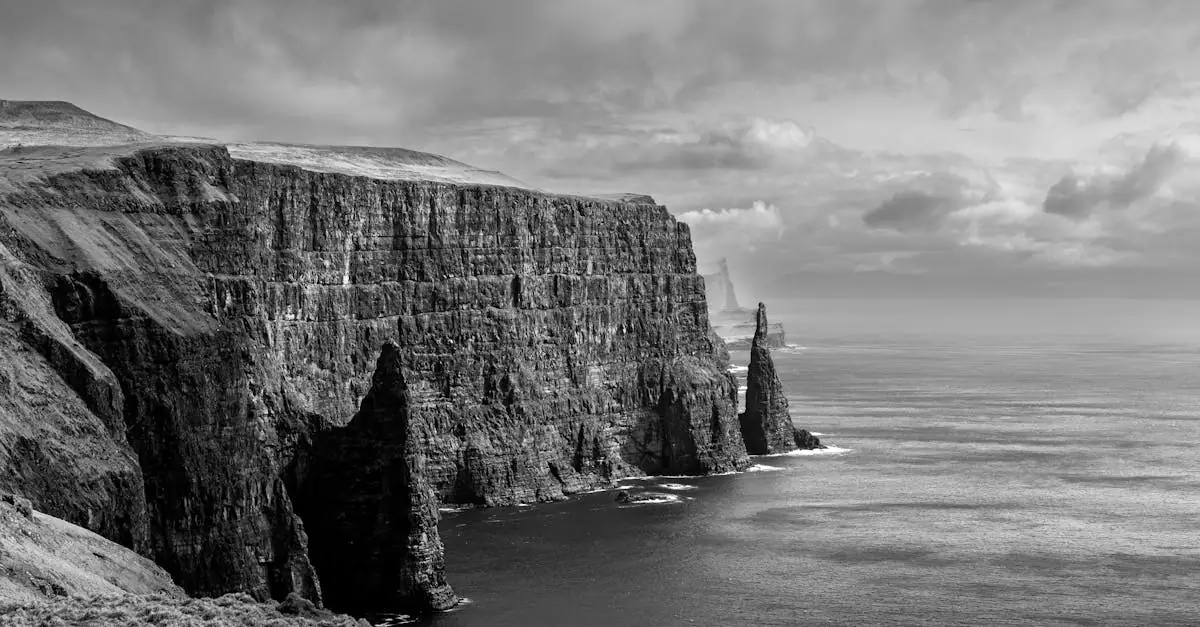
Planning your Faroe Islands travel is simpler with an understanding of the accessible transportation network. This remote archipelago, while seemingly isolated, boasts efficient ways to traverse its dramatic landscapes. Whether you’re flying in or planning to hop between islands, knowing your options is key to a smooth Nordic adventure.
Flights to Vágar Airport (FAE)
Most international visitors arrive at Vágar Airport (FAE), the sole airport in the Faroe Islands. It serves as the main gateway and is located on the island of Vágar. Several airlines, including Atlantic Airways (the national carrier) and SAS, offer seasonal and year-round flights connecting the islands to major European hubs like Copenhagen, Edinburgh, and Paris. Booking flights in advance is recommended, especially during peak summer months, to secure the best fares and availability.
Renting a Car: Your Key to Island Exploration
For independent travelers seeking to immerse themselves in the rugged beauty of the Faroe Islands, renting a car is often the most practical choice. The road network is excellent, with well-maintained asphalt roads connecting most major villages and attractions. Car rental agencies are conveniently located at Vágar Airport.
Renting a car provides the flexibility to stop at scenic viewpoints, discover hidden coves, and adjust your itinerary on the fly. Be aware that some smaller roads, particularly those leading to remote villages or hiking trailheads, can be narrow and winding. Always drive cautiously, paying attention to sheep that frequently roam near roads. Consider opting for a 4×4 vehicle if you plan to explore more rugged terrain, though it’s not typically necessary for standard travel.
Inter-Island Ferries and Tunnels
The Faroe Islands’ geography, characterized by numerous islands and fjords, necessitates a sophisticated network of sub-sea tunnels and ferries. These are crucial for connecting the archipelago. Several islands, including Eysturoy, Streymoy, Vágar, and Borðoy, are linked by impressive sub-sea tunnels, often featuring artistic elements and modern engineering. These tunnels are toll-free.
For islands not yet connected by tunnels, a reliable ferry service operates. Strandfaraskip Landsins is the public transport company responsible for both ferries and buses. Popular ferry routes connect the main islands to smaller, more remote ones like Mykines (known for its puffins) and Suðuroy, the southernmost island. Purchasing ferry tickets is straightforward, often done at the port or sometimes onboard. It’s wise to check the ferry schedules in advance, as they can be influenced by weather conditions, especially during winter.
Public Transportation Options
While car rental offers the most freedom, public transportation in the Faroe Islands is surprisingly efficient and a viable option for budget-conscious travelers or those who prefer not to drive. Strandfaraskip Landsins operates a comprehensive bus network that connects most villages and towns across the islands. These buses are modern, comfortable, and punctual.
A useful tip for using public transport is the “Bus & Ferry Card.” This card can be a cost-effective solution if you plan to use buses and ferries frequently. You can purchase and top up these cards at various locations, including tourist information centers and some shops. For those staying in Tórshavn, the capital, the bus system within the city is also very convenient for getting around. While public transport is good, it requires more planning than having your own vehicle, so always consult the latest timetables.
Crafting Your Faroe Islands Itinerary: From Tórshavn to Mykines
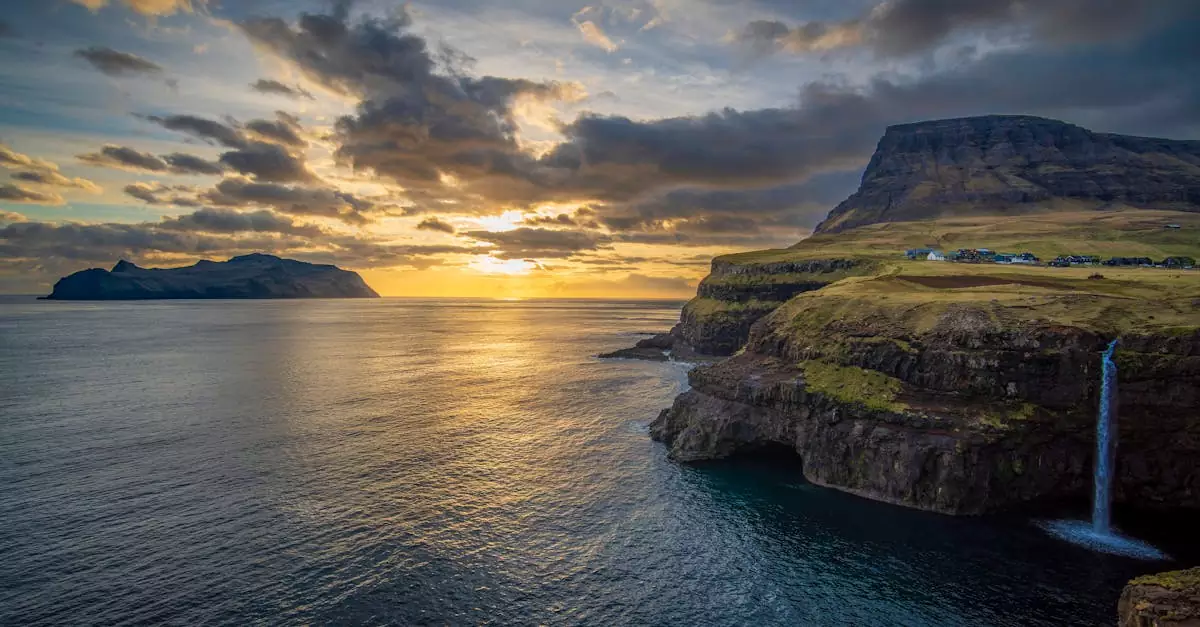
Planning your trip to the Faroe Islands requires strategic thinking to maximize your experience of its dramatic landscapes and unique culture. This guide offers a framework for building an unforgettable Nordic adventure, moving from the charming capital to remote bird cliffs.
A Perfect 7-Day Faroe Islands Adventure
A week provides a solid introduction to the archipelago’s highlights. Begin in Tórshavn, the capital, allowing a day to explore its historic Tinganes district and colorful harbor. The subsequent days can be structured around visiting key villages and undertaking scenic drives. Consider renting a car for maximum flexibility; this is often the most efficient way to navigate between islands, though tunnels and ferries connect many.
Sample 7-Day Itinerary Outline:
| Day | Focus | Key Locations | Notes |
|---|---|---|---|
| 1 | Arrival & Capital | Tórshavn | Explore Tinganes, Nordic House, harbor. |
| 2 | Southern Charm | Kirkjubøur, Sandoy | Historic sites, ferry to Sandoy. |
| 3 | West Coast Wonders | Gásadalur, Bøur | Múlafossur waterfall, scenic villages. |
| 4 | Northern Beauty | Gjógv, Saksun | Picturesque villages, natural harbors. |
| 5 | Island of Birds | Mykines | Puffins (seasonal), stunning coastal views. |
| 6 | Eastern Fjords | Klaksvík, Kalsoy | Kallur Lighthouse hike, diverse landscapes. |
| 7 | Departure | Tórshavn | Last-minute souvenirs, travel to airport. |
This itinerary balances iconic sights with opportunities for spontaneous discovery. Booking accommodations and rental cars in advance, especially during peak summer months, is highly recommended.
Must-See Villages: Gjógv, Saksun, and Kirkjubøur
Each village in the Faroe Islands offers a distinct glimpse into island life and history. Gjógv, on Eysturoy, is famed for its natural harbor nestled within a gorge, providing dramatic coastal scenery. The village itself is a postcard-perfect collection of turf-roofed houses.
Saksun, located on Streymoy, presents a breathtaking scene with its tidal lagoon, black sand beach, and a historic church. The drive to Saksun is an experience in itself, winding through sheep-dotted valleys. Be mindful of the tides if you plan to walk on the beach.
Kirkjubøur, the historical heart of the Faroes, is a must-visit on Streymoy. Here, you can see the ruins of St. Magnus Cathedral, the medieval St. Olav’s Church, and the ancient Kirkjubøargarður farmhouse, which has been inhabited by the same family for centuries.
Iconic Hikes: Sørvágsvatn Lake and Kallur Lighthouse
The Faroe Islands are a hiker’s paradise, offering trails that lead to some of Europe’s most dramatic vistas. The hike to Sørvágsvatn Lake (also known as Trælanípa) on Vágar island is particularly famous. It leads to the optical illusion where the lake appears to hover precariously above the ocean. The path is well-trodden, but weather can change rapidly, so waterproof gear and sturdy boots are essential.
Another iconic trek is to the Kallur Lighthouse on Kalsoy island. Accessible via a ferry from Klaksvík, the hike itself is moderately challenging but rewards with unparalleled views of the surrounding islands and the turbulent North Atlantic. This trail requires careful footing, especially in windy conditions.
Day Trips to Northern Islands (Klaksvík) and Southern Islands (Suðuroy)
For those with more time or a desire to venture further, day trips to the northern and southern islands offer contrasting experiences. Klaksvík, the second-largest town, serves as a gateway to the northern islands, including Kalsoy, known for its dramatic cliffs and the Kallur Lighthouse. The ferry system is efficient, but schedules should be checked in advance.
Suðuroy, the southernmost island, is accessible by a longer ferry ride from Tórshavn. It offers a more remote feel, with rugged coastlines, unique geological formations like the Beinisvørð sea stacks, and a distinct cultural identity. Suðuroy is ideal for travelers seeking tranquility and raw, untamed nature away from the more frequented routes.
Experiencing Authentic Faroe Islands Culture and Cuisine
A journey to the Faroe Islands is as much about its dramatic landscapes as it is about its unique culture and hearty cuisine. The Faroese people have a deep connection to their environment, which is reflected in their traditions, arts, and food. Engaging with local culture offers a richer understanding of this remote archipelago.
Tasting Traditional Faroese Dishes: Lamb, Fish, and Fermented Foods
Faroese cuisine is shaped by necessity and tradition, with a strong emphasis on locally sourced ingredients. Lamb is a staple, often prepared using traditional methods like wind-drying and fermentation. Ræst kjøt (fermented lamb) is a distinctive delicacy, offering a strong, savory flavor that is an acquired taste for many visitors but a cornerstone of Faroese identity.
Seafood is equally prominent, with fresh fish and shellfish abundant. Expect dishes featuring cod, haddock, salmon, and langoustines, often simply prepared to highlight their natural flavors. For the adventurous eater, Skerpikjøt (wind-dried mutton) and Grislingur (fermented pork) are also available, showcasing the islanders’ ingenuity in food preservation. Many restaurants in Tórshavn and other villages offer these traditional dishes alongside modern interpretations.
Exploring Tórshavn’s Charming Old Town (Tinganes)
Tórshavn, the capital, boasts one of the oldest parliamentary meeting places in the world, Tinganes. This historic peninsula, with its turf-roofed, red-painted wooden houses, feels like stepping back in time. Wandering through its narrow lanes, you can feel the centuries of history that have unfolded here.
Tinganes is still the seat of the Faroese government, adding a living dimension to its historical significance. The area is also home to charming shops selling local crafts and a few excellent restaurants. It’s an essential stop for anyone wanting to grasp the historical and administrative heart of the Faroe Islands.
Discovering Local Handicrafts and Music
The Faroese have a rich tradition of handicrafts, particularly in knitting. Intricate Faroese sweaters, known for their warmth and distinctive patterns, are a sought-after souvenir. You can find these in local shops, often made by skilled artisans. Look for wool products, including hats, scarves, and mittens, all designed to withstand the islands’ often harsh weather.
Music plays a vital role in Faroese culture, with a strong tradition of folk music and a burgeoning contemporary music scene. Traditional ballads, often recounting historical events or sagas, are still performed. Attending a local concert or festival, if your visit coincides, provides a fantastic opportunity to experience Faroese musical heritage firsthand. Keep an eye on local event listings for performances in Tórshavn and other communities.
Understanding Faroese Etiquette and Customs
Faroese culture is generally reserved but friendly. Politeness and respect are highly valued. When visiting private homes, it’s customary to remove your shoes. While English is widely spoken, especially among younger generations, learning a few basic Faroese phrases like “Góðan dag” (Good day) or “Takk fyri” (Thank you) is always appreciated.
Punctuality is important, so aim to be on time for any appointments or reservations. Faroese people have a strong sense of community and a deep respect for nature. It’s advisable to be mindful of your environmental impact when hiking or visiting natural sites, sticking to marked paths and avoiding disturbing wildlife. Understanding and respecting these local customs will enhance your interactions and overall experience in the Faroe Islands.
Frequently Asked Questions for Your Faroe Islands Travel Guide
What is the best way to pack for the Faroe Islands’ unpredictable weather?
Packing for the Faroe Islands requires preparation for all seasons in a single day. Layers are your best friend. Start with a moisture-wicking base layer, followed by a fleece or wool mid-layer for insulation. Your outer layer should be waterproof and windproof, as rain and strong gusts are common. Don’t forget waterproof hiking boots with good grip, a warm hat, gloves, and a scarf. Even in summer, evenings can be chilly, so pack accordingly.
Are the Faroe Islands expensive to visit?
The Faroe Islands can be considered a moderately expensive destination, especially compared to some mainland European countries. Accommodation, particularly in Tórshavn, can be pricey, and dining out will add up. However, there are ways to manage your budget. Self-catering in a guesthouse or Airbnb, utilizing local grocery stores, and taking advantage of free natural attractions like hiking trails can significantly reduce costs. Transportation, especially car rental, is also a considerable expense.
Is it safe to travel solo in the Faroe Islands?
Yes, the Faroe Islands are exceptionally safe for solo travelers. Crime rates are very low, and the local population is known for its friendliness and helpfulness. The remote nature and small communities mean that people are generally looking out for one another. Standard travel precautions, such as informing someone of your hiking plans and being aware of your surroundings, are always wise, but you can expect a secure and welcoming environment.
What are some hidden gems beyond the main tourist spots?
Beyond the popular attractions like Múlafossur waterfall and the village of Saksun, consider venturing to the island of Suðuroy. It offers dramatic cliffs, unique birdlife, and a more remote, untouched feel. The village of Gjógv, known for its natural harbor, is charming and less crowded than some other hotspots. For a truly off-the-beaten-path experience, explore some of the smaller, lesser-known islands like Mykines, though access can be weather-dependent. Hiking to the Kallur Lighthouse on Kalsoy is also rewarding and offers a different perspective.