
Canada’s extensive coastline, bordered by three oceans, is dotted with countless islands, each offering a unique escape. From the misty, temperate rainforests of the Pacific to the charming, windswept shores of the Atlantic, these destinations provide distinct travel experiences far removed from the mainland. If you’re searching for the best island destinations in Canada, you’ll discover places rich in natural beauty, cultural heritage, and adventure. This guide will help you explore what makes these islands special, including the best times to visit, top spots for nature lovers, and practical tips for getting around. Prepare to be enchanted by the allure of island life, Canadian style.
Why Canada’s Islands Offer Unforgettable Adventures
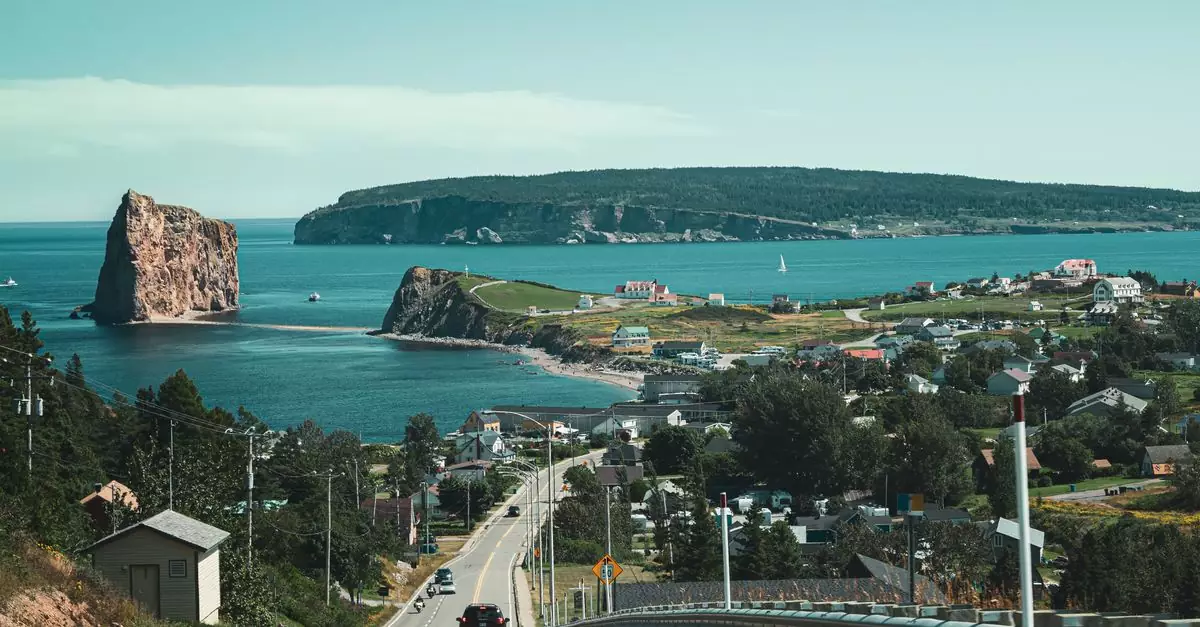
Canada’s vast coastline, spanning three oceans, shelters a remarkable archipelago of islands, each providing a unique escape from the mainland. These destinations offer dramatic natural beauty, rich cultural heritage, and varied opportunities for adventure, setting them apart from continental exploration. Whether you’re drawn to the rugged Pacific wilderness or the charming Atlantic shores, Canada’s islands promise memorable journeys.
The Allure of Coastal Canada: Beyond the Mainland
The distance from the mainland enhances the special appeal of Canadian islands. This geographical isolation often preserves unique ecosystems and fosters distinct local cultures, creating environments that feel both remote and authentic. Travelers can expect a slower pace of life, breathtaking ocean vistas, and a sense of discovery that comes with venturing off the beaten path. The air carries the scent of salt and pine, a constant reminder of the surrounding natural splendor.
Unique Wildlife Encounters on Canadian Islands
Canadian islands are prime locations for observing diverse wildlife in their natural habitats. The cold, nutrient-rich waters support an abundance of marine life, from whales and seals to otters and seabirds. Inland, forests and meadows provide homes for various land mammals and bird species. Observing these creatures in largely untouched settings offers a profound connection to nature. For instance, the waters off Vancouver Island are renowned for whale watching, while smaller islands in the Maritimes are vital nesting grounds for puffins.
Island Hopping: A Distinctly Canadian Experience
Island hopping is a quintessential Canadian adventure, particularly in regions like the Gulf Islands of British Columbia or the Thousand Islands along the St. Lawrence River. This mode of travel allows for a dynamic itinerary, where each day brings a new landscape, community, and set of activities. Ferries and smaller watercraft are common transport options, providing scenic journeys between islands and opportunities to spot marine life along the way. This creates an engaging way to experience the diverse coastal offerings of North America.
Best Time to Visit Canada’s Island Paradises
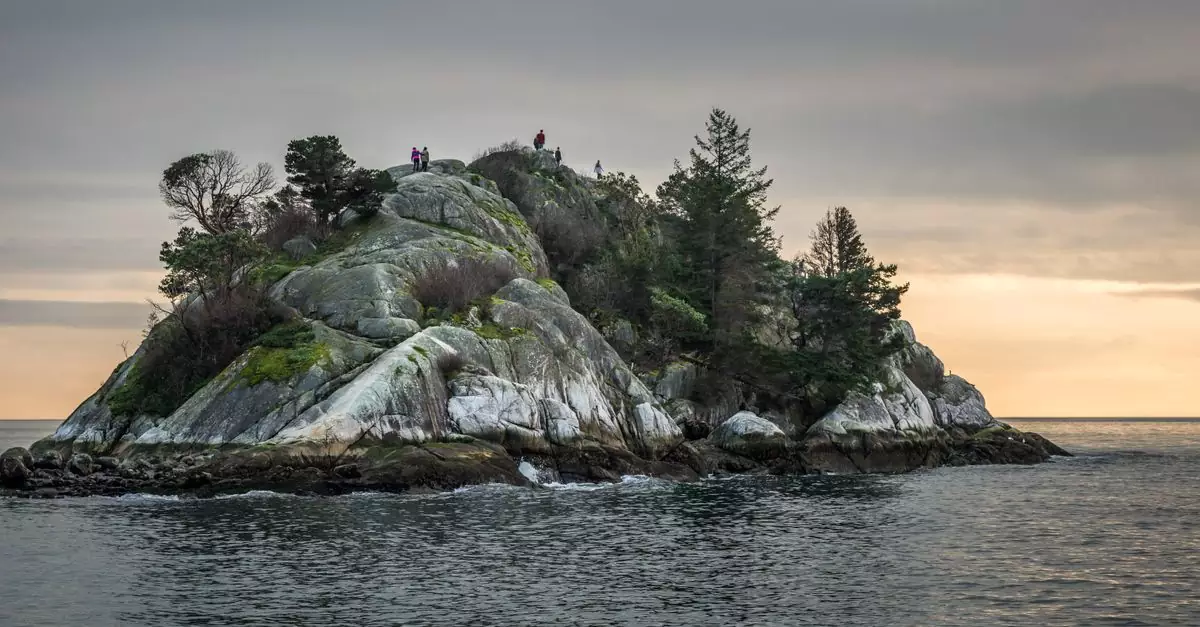
Choosing the right time to visit Canada’s diverse island destinations can significantly enhance your experience, whether you’re drawn to the Pacific Northwest’s lush rainforests or the rugged coastlines of the Maritime provinces. Each season offers a unique perspective, with varying weather patterns, activity levels, and crowd sizes.
Summer’s Peak Season: Warm Weather & Lively Activities
From June through August, Canada’s islands enjoy their warmest temperatures and longest daylight hours, making this the most popular time for a visit. This period is ideal for outdoor adventures like kayaking, hiking coastal trails, and whale watching tours, particularly around Vancouver Island. Expect vibrant local festivals and bustling harbors. However, this popularity also means higher accommodation prices and larger crowds at popular attractions. Booking accommodations and tours well in advance is highly recommended for this peak travel window.
Shoulder Seasons: Fewer Crowds & Stunning Scenery
The spring (April-May) and fall (September-October) shoulder seasons provide a compelling alternative for many travelers. During these months, the weather is generally mild, though more variable than in summer. Spring brings blooming wildflowers and returning migratory birds, while autumn showcases spectacular fall foliage, especially on islands like Prince Edward Island. You’ll find fewer tourists, allowing for a more intimate experience with nature and local culture. Prices for flights and lodging tend to be more reasonable. Prepare for cooler evenings and potential rain; packing layers is essential for these transitional periods.
Winter Wonders: Cozy Retreats on the East Coast
While many islands experience colder temperatures and snow in winter (November-March), this season offers a distinct charm, particularly in the Atlantic provinces. Islands like Cape Breton transform into serene, snow-dusted landscapes, perfect for those seeking a quiet escape. Activities shift to cozying up by a fireplace, enjoying local seafood in charming pubs, and perhaps even ice skating or snowshoeing. The dramatic, windswept coastlines can be breathtaking in their winter austerity. This is the time for significant savings on accommodations, but be mindful of potential weather disruptions that could affect travel plans. Many seasonal businesses may also be closed during these months.
Top Island Destinations for Nature Lovers & Adventurers
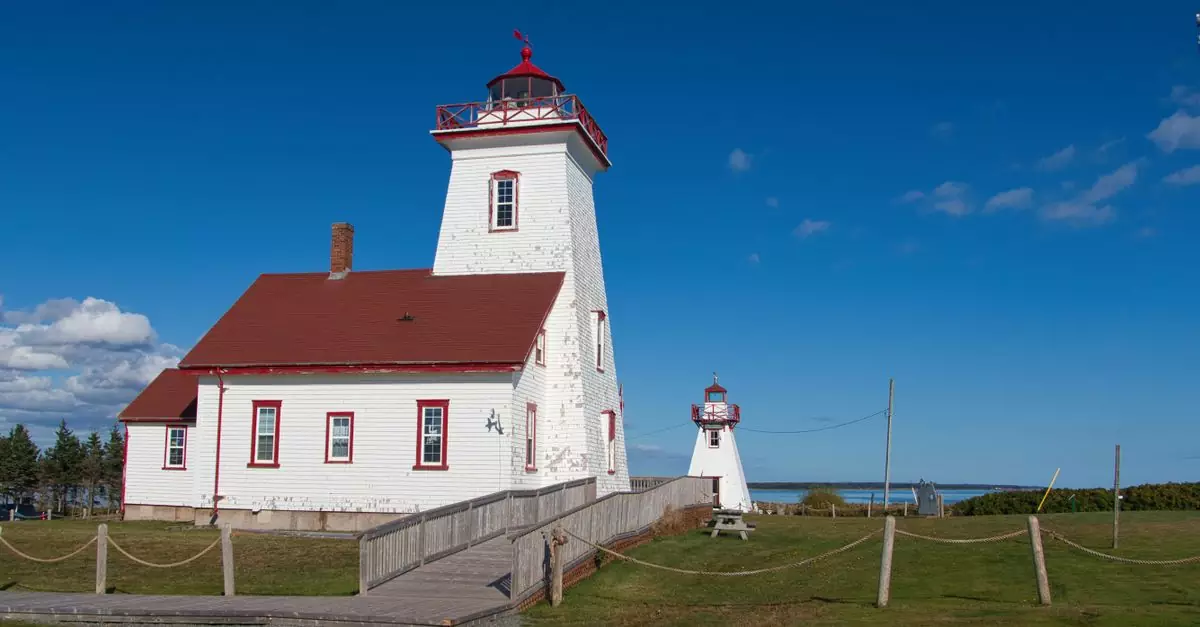
Canada boasts an incredible diversity of island getaways, from the misty rainforests of the Pacific coast to the windswept shores of the Atlantic. For those seeking raw wilderness, rich cultural experiences, or simply a dramatic change of scenery, these best island destinations in Canada offer unforgettable adventures.
Haida Gwaii: The ‘Galapagos of the North’ for Culture & Wilderness
Often called the “Galapagos of the North,” Haida Gwaii is an archipelago off the coast of British Columbia that feels worlds away. Here, ancient temperate rainforests meet the Pacific Ocean, and the vibrant culture of the Haida Nation is deeply intertwined with the natural landscape. Visitors come for the unparalleled biodiversity, the opportunity to witness totem poles carved by master artists, and the chance to hike through moss-draped forests.
Getting to Haida Gwaii typically involves a flight to Sandspit or Masset, or a ferry from Prince Rupert. Accommodation ranges from cozy lodges and bed and breakfasts to campgrounds. The best time to visit is during the summer months (June to August) for the mildest weather, though shoulder seasons offer fewer crowds and dramatic storm-watching opportunities. Be prepared for rain at any time of year; waterproof gear is essential. This destination is perfect for travelers who appreciate remoteness and a deep connection with nature and Indigenous heritage.
Vancouver Island: Pacific Rim National Park Reserve & Victoria’s Charm
Vancouver Island, Canada’s second-largest island, offers a striking contrast of rugged coastlines and sophisticated urban centers. Its western edge is dominated by the Pacific Rim National Park Reserve, a haven for surfers, hikers, and storm watchers. Beyond the wild coast, the island’s southern tip is home to Victoria, a charming capital city known for its British colonial architecture, Butchart Gardens, and vibrant Inner Harbour.
Travelers can easily access Vancouver Island via ferry from mainland British Columbia, with options arriving in Swartz Bay (near Victoria) or Nanaimo. Driving the island is straightforward, with well-maintained highways. Accommodation varies widely, from luxury hotels in Victoria to rustic cabins and campgrounds within the national park. The island is a year-round destination, with summer offering the warmest weather for outdoor activities, while winter brings dramatic storms to the coast. Consider visiting in spring or fall for a balance of good weather and fewer tourists.
The Magdalen Islands: Quebec’s Quirky Atlantic Archipelago
Off the coast of Quebec, the Magdalen Islands (Îles de la Madeleine) present a unique blend of Acadian culture, stunning red sandstone cliffs, and windswept beaches. This archipelago in the Gulf of Saint Lawrence is known for its vibrant fishing villages, dramatic landscapes shaped by the sea, and a relaxed, laid-back atmosphere. Activities include sea kayaking, kite surfing, exploring sea caves, and savoring fresh seafood.
Reaching the Magdalen Islands requires either a flight from Montreal or Quebec City, or a ferry from Souris, Prince Edward Island. The islands are best explored by car, allowing flexibility to discover hidden coves and scenic viewpoints. Accommodation options include charming inns, cottages, and campgrounds. The summer months (July and August) are the most popular due to warmer weather and lively festivals, though the shoulder seasons can offer a more tranquil experience with striking autumn colors. Pack layers, as the weather can change quickly.
Cape Breton Island: Cabot Trail Scenic Drives & Celtic Music
Cape Breton Island, part of Nova Scotia, is renowned for the iconic Cabot Trail, one of North America’s most scenic drives. This island offers a dramatic landscape of rugged coastlines, rolling highlands, and picturesque fishing villages. It’s also a heartland of Celtic culture, with a strong tradition of live fiddle music found in pubs and ceilidhs across the island. Visitors can hike in the Cape Breton Highlands National Park, explore historic sites like the Fortress of Louisbourg, and enjoy the warm hospitality of its residents.
Accessing Cape Breton is typically via the Canso Causeway connecting it to mainland Nova Scotia, or by ferry from Newfoundland and Labrador to North Sydney. Renting a car is highly recommended for driving the Cabot Trail. Accommodations range from cozy inns and B&Bs to motels and campgrounds. The summer and early fall (September and October) are prime times to visit, offering pleasant weather for driving and hiking, with the added bonus of spectacular fall foliage. The island’s charm extends throughout the year, with winter offering a quieter, snow-dusted experience.
Here’s a quick comparison of these island gems:
| Island Destination | Primary Appeal | Best Time to Visit | Transportation to Island | Typical Budget (CAD) |
|---|---|---|---|---|
| Haida Gwaii | Wilderness, Indigenous Culture, Remote | June – August | Flight, Ferry | $$$$ |
| Vancouver Island | Diverse Scenery, City Charm, National Parks | May – September | Ferry, Flight | $$ – $$$$ |
| Magdalen Islands | Coastal Scenery, Acadian Culture, Beaches | July – August | Flight, Ferry | $$ – $$$ |
| Cape Breton Island | Scenic Drives, Celtic Music, Highlands | June – October | Causeway, Ferry | $$ – $$$ |
Exploring the Best Island Destinations in Canada: A Sample Itinerary

Canada offers an incredible diversity of island getaways, each with its unique charm and experiences. From the rugged Pacific coast to the rolling hills of the Atlantic, these islands provide a welcome escape for travelers. This sample itinerary highlights three distinct Canadian island experiences, showcasing what makes them some of the best island destinations in Canada.
A Week in the San Juan Islands (Canadian Side) & Gulf Islands
For a Pacific Northwest island adventure, focus on the Canadian side of the San Juan Islands and the adjacent Gulf Islands. This region is renowned for its temperate rainforests, abundant marine life, and laid-back atmosphere. A week here allows for a deep dive into island life, blending exploration with relaxation.
Getting There & Around: Access typically involves a ferry from Vancouver Island or the mainland. Once on the islands, a car is beneficial, though some smaller islands are best explored by kayak or bicycle. Consider the BC Ferries system for planning your inter-island travel.
Sample Itinerary Snapshot:
| Day | Location | Activities |
|---|---|---|
| 1-2 | Salt Spring Island | Explore Ganges village, visit artisan studios, enjoy the Saturday market (if applicable). |
| 3 | Galiano Island | Hike in the provincial parks, enjoy scenic viewpoints. |
| 4 | Mayne Island | Cycle the quiet roads, visit local farms. |
| 5-6 | Saturna Island | Visit the winery, explore East Point, look for orcas. |
| 7 | Return to Mainland | Ferry back to Swartz Bay or Tsawwassen. |
Traveler Tips: Book ferry reservations well in advance, especially during peak season. Accommodations range from cozy B&Bs to rustic campgrounds. Pack layers, as Pacific Northwest weather can change rapidly.
Seven Days on Newfoundland: Coastal Drives & Viking History
Newfoundland and Labrador offers a dramatic and historic island experience. Its rugged coastline, colorful fishing villages, and rich cultural heritage make it a compelling destination. A week allows for exploring its unique landscapes and delving into its fascinating past.
Key Highlights: The Viking Trail, Gros Morne National Park (a UNESCO World Heritage site), and the charming capital of St. John’s are must-sees. The island’s dramatic fjords and tablelands in Gros Morne are particularly striking.
Getting There & Around: Fly into St. John’s International Airport (YYT) or Deer Lake Regional Airport (YDF). Renting a car is essential for exploring the island’s vast distances and scenic routes. Driving the Trans-Canada Highway and coastal roads is a highlight in itself.
Budget Considerations: Newfoundland can be a more budget-friendly option compared to other Canadian destinations, especially for accommodations and dining outside of St. John’s. However, car rental and fuel costs are significant factors.
What to Pack: Warm, waterproof clothing is crucial, even in summer. Sturdy hiking boots are a must for exploring the national parks. Don’t forget insect repellent for the warmer months.
Four Days in Prince Edward Island: Anne of Green Gables & Red Sands
Prince Edward Island (PEI) is synonymous with red sand beaches, rolling green hills, and the beloved literary character Anne Shirley. A shorter trip of four days is ideal for experiencing the island’s highlights, from its charming towns to its picturesque coastline.
Island Charm: Cavendish is the heart of Anne of Green Gables country, offering attractions like Green Gables Heritage Place. Charlottetown, the provincial capital, provides a taste of maritime history and culinary delights. The island’s iconic red sand beaches are a major draw for visitors.
Getting There & Around: PEI is accessible via the Confederation Bridge from New Brunswick or by ferry from Nova Scotia. Charlottetown Airport (YYG) offers flights from major Canadian cities. Renting a car is highly recommended for exploring the island at your own pace.
Seasonal Appeal: Summer (July and August) offers the warmest weather and is ideal for beach activities. Shoulder seasons (late spring and early fall) provide fewer crowds and beautiful scenery, though some attractions may have limited hours.
Accommodation Styles: Options range from cozy inns and B&Bs to beachfront cottages and campgrounds. Staying in different areas, such as Cavendish and Charlottetown, provides varied experiences.
Getting Around Canada’s Island Gems: Transportation Tips
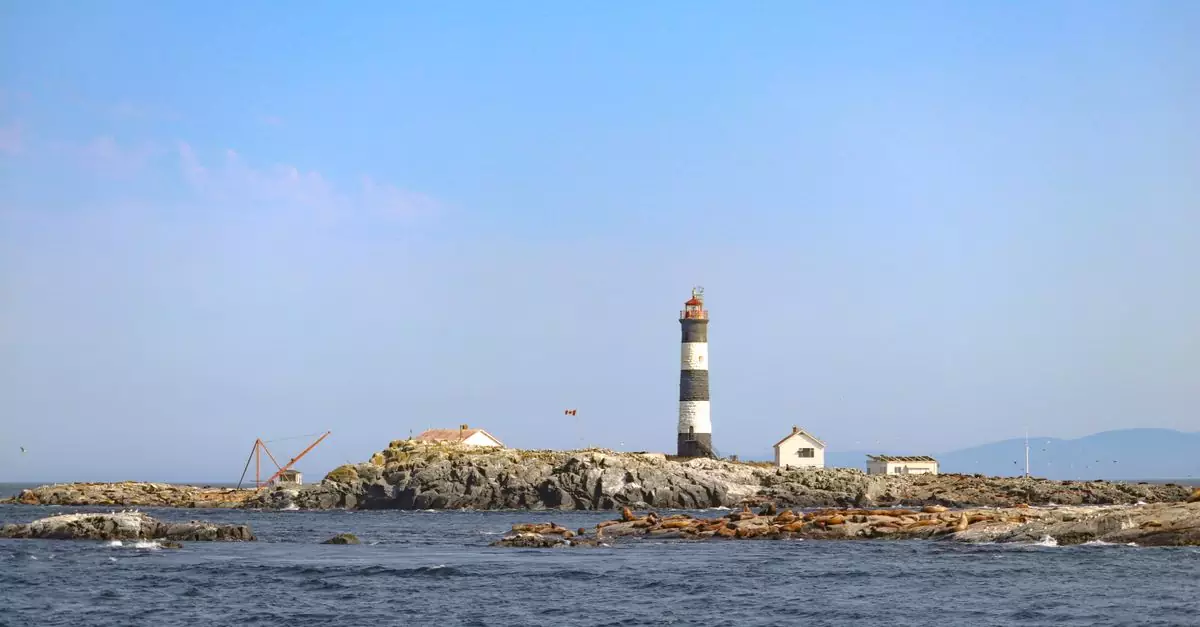
Navigating Canada’s diverse island destinations requires a strategic approach, as accessibility varies greatly. From the rugged coasts of British Columbia to the charming Maritimes, understanding your transportation options is key to a smooth island adventure. Planning ahead, especially for ferry schedules or car rentals, will save you time and potential frustration.
Ferry Services: Essential for Island Access
For many of Canada’s best island destinations, ferries are not just a mode of transport but an integral part of the travel experience. BC Ferries, for instance, connects mainland British Columbia with Vancouver Island and the Gulf Islands, offering stunning coastal views as you sail. These services range from large, car-carrying vessels to smaller, passenger-only craft, depending on the route.
It’s crucial to book ferry reservations in advance, especially during peak season (summer) or for popular routes. Missing a ferry can result in a significant wait, as sailings can be infrequent on some smaller routes. Check the official BC Ferries website for schedules, fares, and reservation information. Similarly, in the Atlantic provinces, services like Marine Atlantic connect Newfoundland and Labrador to the mainland, while smaller operators serve islands off Nova Scotia and Prince Edward Island.
Driving & Car Rentals on Larger Islands
Once you’ve reached a larger island like Vancouver Island or Newfoundland, having a car offers the most flexibility for independent exploration. Major car rental companies operate at airports and in larger towns on these islands. Renting a car is highly recommended if you plan to visit multiple attractions spread across the island, from national parks to remote coastal villages.
For smaller islands, particularly those in the Gulf Islands archipelago, driving might be less practical or even unnecessary. Many of these islands are compact and best explored on foot, by bicycle, or with local shuttle services. If you do rent a car for a larger island, factor in the cost of ferry passage for your vehicle if you plan to hop between islands. Be aware of road conditions; while main routes are generally well-maintained, secondary roads can be gravel or unpaved, especially in more remote areas.
Exploring by Kayak or Boat: Unique Island Perspectives
For a more intimate connection with Canada’s island landscapes, consider exploring by kayak or small boat. This is particularly rewarding in areas like British Columbia’s Broken Group Islands or the coastal waters of Nova Scotia. Guided kayak tours offer a safe and informative way to navigate sheltered bays, observe marine wildlife, and access secluded beaches inaccessible by larger vessels.
Many operators offer multi-day kayaking trips, providing all necessary equipment and expert guides. For those who prefer to be on the water without paddling, whale watching tours and scenic boat cruises are widely available. These excursions provide a different vantage point, allowing you to appreciate the scale of the islands and their surrounding waters. This method of travel focuses less on reaching a specific destination quickly and more on immersing yourself in the natural environment. For those seeking a truly off-the-beaten-path experience, chartering a small boat can offer unparalleled freedom.
Frequently Asked Questions About Canada’s Island Getaways
What are the most family-friendly Canadian islands?
For families, The Gulf Islands in British Columbia offer a relaxed pace and accessible activities. Mayne Island, for instance, has gentle walking trails and opportunities to spot seals. On the East Coast, Prince Edward Island is renowned for its sandy beaches, charming villages, and attractions like Green Gables Heritage Place, appealing to various ages. Many provincial parks across the islands also provide safe, natural environments for children to explore.
Which islands offer the best hiking and outdoor activities?
Haida Gwaii in British Columbia is a premier destination for serious hikers and nature enthusiasts, boasting ancient rainforests and rugged coastlines. The Pacific Rim National Park Reserve on Vancouver Island offers a network of trails, from accessible boardwalks through temperate rainforests to challenging coastal hikes. For those seeking varied outdoor pursuits, Newfoundland’s Fogo Island provides dramatic coastal walks, sea kayaking opportunities, and the chance to witness icebergs during the spring.
Are there any budget-friendly island destinations in Canada?
While some of Canada’s islands can be luxurious, several offer more affordable options. The Magdalen Islands in Quebec can be accessed via ferry and offer camping and cottage rentals, with local markets providing reasonably priced food. Many smaller islands, particularly in the Great Lakes region, can be reached by car or short ferry rides, offering a more down-to-earth experience with budget-friendly accommodations like B&Bs and guesthouses. Planning your trip during the shoulder seasons can also significantly reduce costs.
What should I pack for a Canadian island trip?
Packing for a Canadian island trip requires preparation for variable weather, even in summer. Essential items include:
- Waterproof and windproof outer layers: Crucial for coastal conditions on both the Atlantic and Pacific.
- Sturdy walking or hiking shoes: For exploring trails and uneven terrain.
- Warm layers: Including fleece or wool sweaters, as temperatures can drop, especially in the evenings.
- Insect repellent: Particularly important for forested areas and during warmer months.
- Sunscreen and a hat: For sunny days, which can be intense near the water.
- Binoculars: For wildlife viewing, such as whales, seals, and diverse bird species.
- A reusable water bottle: To stay hydrated and reduce waste.
Consider the specific activities planned; for instance, if you’re planning extensive sea kayaking, bring appropriate gear or check rental options.