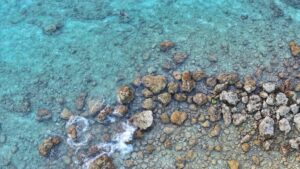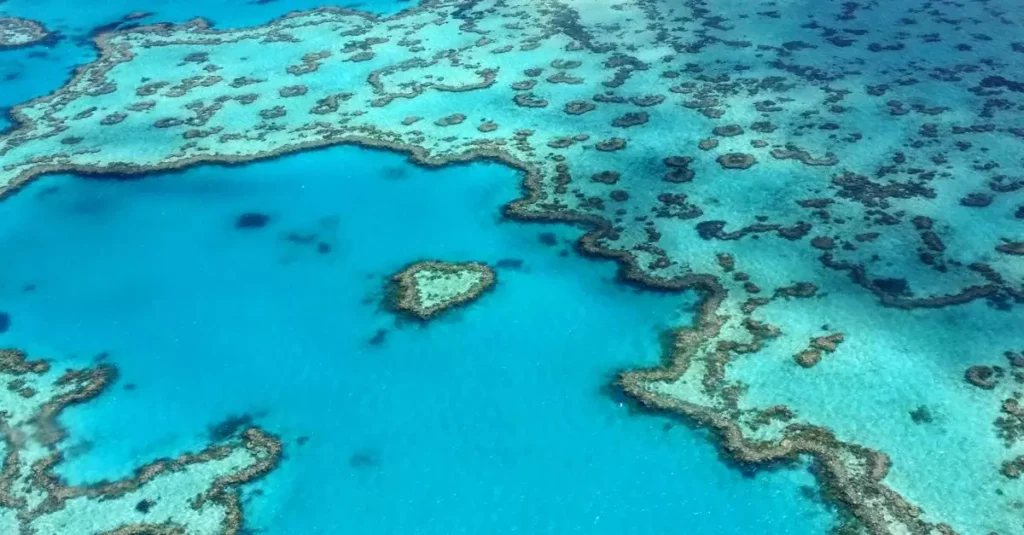
Embarking on a journey to witness the world’s best marine wonders reveals the breathtaking beauty and incredible biodiversity of our oceans. From vibrant coral gardens teeming with life to the majestic presence of large marine animals, these underwater realms captivate and inspire. This guide is designed for anyone eager to explore these aquatic paradises, whether you’re a seasoned diver or a curious snorkeler.
You’ll find essential information on identifying exceptional marine locations, key criteria that make them stand out, and a curated selection of global hotspots renowned for unforgettable encounters. We will delve into specific regions, highlighting their uniqueness, and provide practical advice on timing your visit and understanding local environments. Prepare to be amazed by the diverse ecosystems and extraordinary creatures that inhabit them.
What are the World’s Best Marine Wonders?
Defining the Top Marine Wonders for Divers and Snorkelers
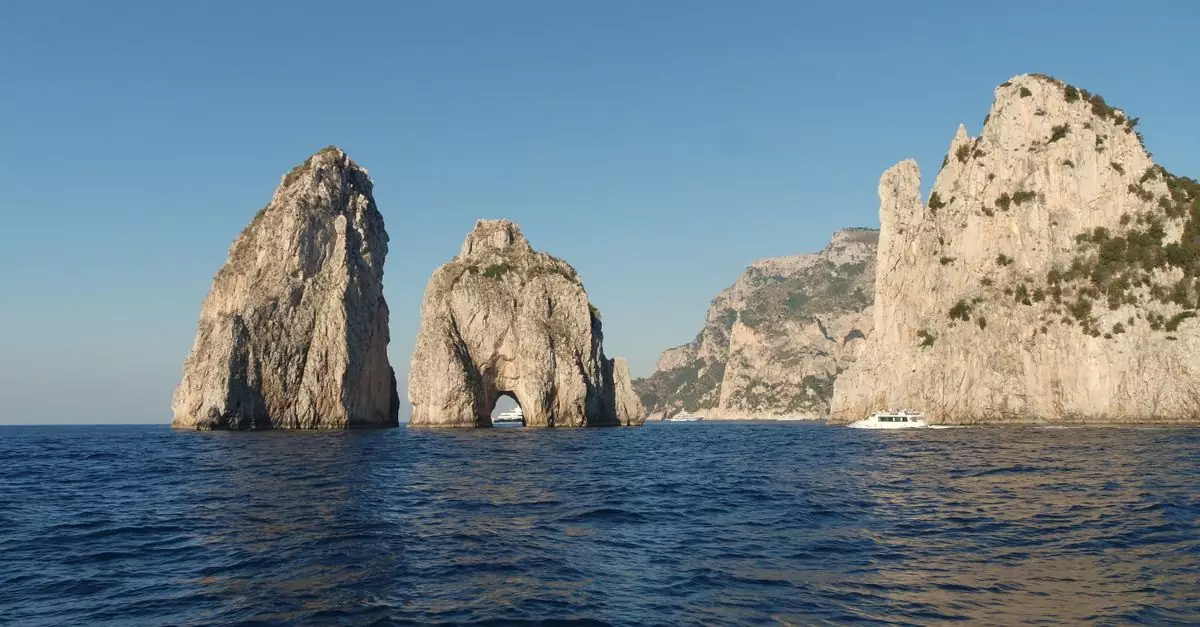
Identifying the world’s best marine wonders goes beyond sheer biodiversity to include accessibility and overall experience for underwater enthusiasts. These exceptional sites not only offer a chance to see marine life but also showcase unique geological formations, vibrant coral reefs, and thriving ecosystems crucial for ocean health. For divers and snorkelers, the “best” often combines clear visibility, a rich variety of marine species, and healthy, well-preserved environments. It’s about encountering the extraordinary, whether that’s a massive school of pelagic fish or a delicate coral garden bursting with color.
Criteria for Identifying Exceptional Underwater Ecosystems
Several factors contribute to recognizing a premier marine wonder. Firstly, biodiversity is paramount; areas with numerous species, from microscopic plankton to large marine mammals, are highly valued. Secondly, the health of the ecosystem, particularly coral reefs, indicates long-term viability and resilience. Sites with minimal bleaching and robust coral growth are especially prized. Thirdly, the presence of charismatic megafauna—such as whales, sharks, manta rays, and sea turtles—greatly enhances appeal. Finally, the geological uniqueness of a site, like underwater caves or volcanic vents, adds another layer of intrigue.
Global Hotspots for Unforgettable Marine Encounters
The planet is dotted with locations that consistently deliver awe-inspiring underwater experiences. These global hotspots are renowned for their rich marine life, pristine conditions, and sheer spectacle. From the vibrant reefs of the Indo-Pacific to the kelp forests of the Pacific Northwest, each offers a distinct view into the ocean’s diverse inhabitants and habitats. Planning a trip to these destinations requires consideration of the best times for visibility and marine activity, along with local regulations designed to protect these fragile environments.
| Marine Wonder Location | Primary Appeal | Best Time to Visit (General) | Typical Budget Range (per day, USD) |
|---|---|---|---|
| Great Barrier Reef, Australia | Diverse coral, abundant fish, turtles, sharks | June – October | $150 – $300 |
| Raja Ampat, Indonesia | Highest marine biodiversity, pristine reefs | October – April | $200 – $400 |
| Galapagos Islands, Ecuador | Unique endemic species, large pelagics | June – November (cooler) | $300 – $600+ |
| Belize Barrier Reef, Belize | Coral formations, whale sharks (seasonal) | April – June | $100 – $250 |
| Sipadan, Malaysia | Turtles, barracuda tornadoes, schooling fish | March – October | $150 – $300 |
These locations represent some of the most spectacular underwater realms. For instance, the Great Barrier Reef, while facing environmental challenges, still offers unparalleled diving and snorkeling opportunities, particularly in its more protected northern sections. Raja Ampat, often referred to as the “Amazon of the Seas,” boasts an incredible density of marine life, making it a top choice for serious divers. The Galapagos Islands, a UNESCO World Heritage site, present a unique evolutionary showcase with fearless wildlife adapted to the volcanic environment, although its remote nature and strict regulations contribute to higher travel costs.
When planning a visit to any of these underwater paradises, consider the specific season. For example, whale shark sightings in Belize are most common from April to June, while the cooler, drier months in the Galapagos (June to November) often bring richer marine life to the surface due to nutrient upwelling. Understanding these seasonal patterns can significantly enhance your chances of witnessing the most spectacular marine phenomena. Many of these regions offer a range of accommodation options, from budget-friendly guesthouses to luxury dive resorts, catering to different traveler needs and budgets. Access often involves flights to a major gateway city followed by smaller planes or boats to reach the prime diving or snorkeling locations.
Exploring the Coral Triangle’s Best Marine Wonders
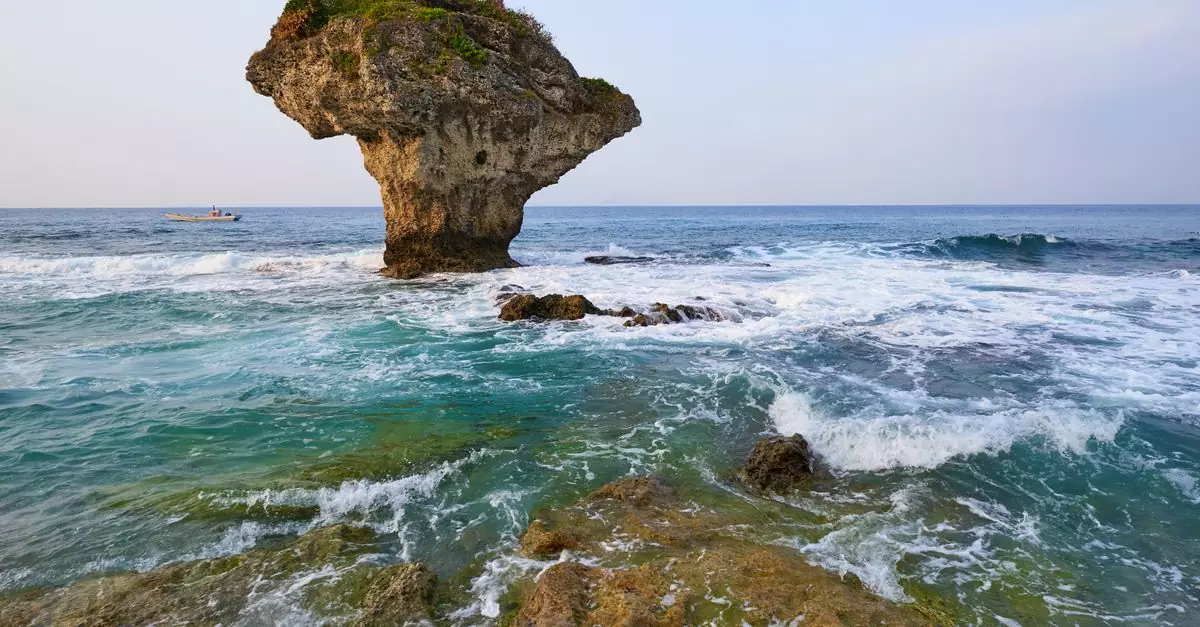
The Coral Triangle, spanning parts of Indonesia, Malaysia, Papua New Guinea, the Philippines, Solomon Islands, and Timor-Leste, is a global epicenter of marine biodiversity. This region boasts an unparalleled concentration of coral reefs and fish species, making it a must-visit for anyone seeking the planet’s best marine wonders. Planning a trip here involves navigating diverse landscapes, from remote archipelagos to volcanic islands, each offering unique underwater experiences.
Raja Ampat: Biodiversity Hotspot and Marine Life Paradise
Raja Ampat, an archipelago in Indonesia’s West Papua province, is widely recognized as the heart of marine biodiversity on Earth. Here, over 1,500 species of fish and more than 75% of the world’s known coral species converge. Divers and snorkelers will encounter an astonishing array of life, including manta rays, pygmy seahorses, and a vibrant tapestry of reef fish. The sheer abundance and variety of species set Raja Ampat apart.
Getting to Raja Ampat typically involves flying into Sorong (SOQ) and then taking a ferry or speedboat to the main islands. Liveaboard dive boats are a popular accommodation option, providing access to remote dive sites and maximizing time in the water. For those preferring land-based stays, homestays and eco-resorts are available, though they often require advance booking. The best time to visit is generally from October to April, when seas are calmer and visibility is at its peak.
Komodo National Park: Dragons and Diverse Underwater Realms
Home to the iconic Komodo dragons, Komodo National Park in Indonesia offers a dual adventure: terrestrial exploration and exceptional diving. The underwater environment is equally dramatic, characterized by strong currents that bring nutrient-rich waters, supporting a healthy population of large marine animals. Expect to see manta rays, sharks, turtles, and schools of fish in this dynamic seascape.
Access to the park is usually via boat tours departing from Labuan Bajo on Flores Island. Many liveaboard options cater to divers, while day trips are also feasible for a shorter experience. The park’s waters can be challenging due to currents, making it more suitable for experienced divers. The dry season, from April to December, offers the best conditions for both land excursions and diving.
Tubbataha Reefs Natural Park: Pristine Coral and Pelagic Encounters
Located in the middle of the Sulu Sea in the Philippines, Tubbataha Reefs Natural Park is a UNESCO World Heritage site renowned for its pristine condition and abundant marine life. This protected area serves as a crucial breeding ground for many marine species. Divers can witness large pelagics like whale sharks and tiger sharks, alongside impressive schools of tuna, barracuda, and jacks, all set against healthy coral formations.
Tubbataha is accessible only by liveaboard dive boats during a limited season, typically from March to June. These boats depart from Puerto Princesa on Palawan Island. Due to its remote location and protected status, access is strictly regulated to preserve the ecosystem. The clear waters and vibrant reefs make it one of the most rewarding dive destinations for encountering diverse underwater realms.
The Great Barrier Reef: Australia’s Iconic Marine Wonder
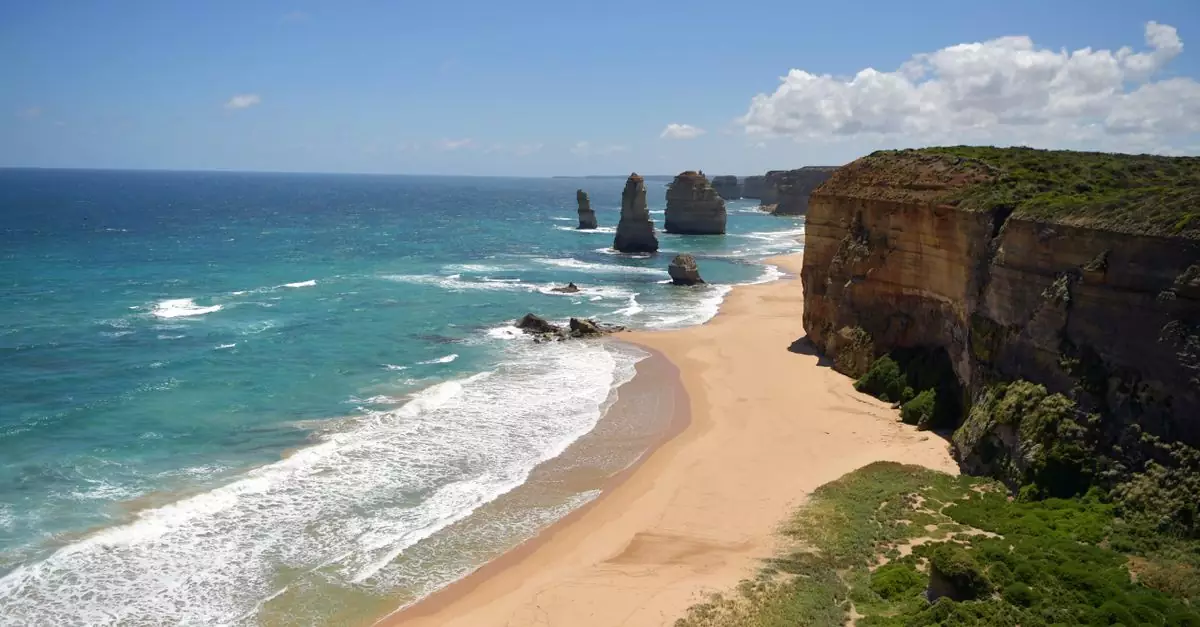
The Great Barrier Reef, a UNESCO World Heritage site, stands as one of the planet’s most significant natural wonders. This vast, living structure off the coast of Queensland, Australia, is a complex ecosystem teeming with marine life. Spanning over 2,300 kilometers, it’s visible even from space, underscoring its immense scale. For underwater enthusiasts, it offers unparalleled opportunities to witness a vibrant underwater world, from kaleidoscopic coral gardens to an astonishing diversity of fish and larger marine creatures.
Best Diving and Snorkeling Spots on the Great Barrier Reef
Navigating the Great Barrier Reef requires choosing the right location to maximize your experience. While the entire reef system is spectacular, certain areas are renowned for their accessibility and the quality of their marine encounters.
For day trips from Cairns, the Outer Reef offers the most vibrant coral and diverse marine life. Sites like the Agincourt Reef system are popular for their clear waters and abundant fish species, including parrotfish, angelfish, and wrasse. If you’re lucky, you might spot green sea turtles or reef sharks. Snorkeling here provides an excellent introduction, with many tour operators offering guided excursions.
Port Douglas provides access to the more northerly sections of the reef, including the Low Isles and the Agincourt Reefs. The Low Isles are particularly good for snorkeling and offer a gentler experience, ideal for families or beginner swimmers. The coral formations here are diverse, and the area is a critical habitat for sea turtles. For more experienced divers, the deeper sections of Agincourt offer a chance to see larger pelagic species.
A significant advantage of visiting these reef sections is their relative accessibility. Most tours depart from Cairns and Port Douglas, making it convenient for travelers based in these popular tourist hubs. The journey to the reef typically takes between 60 to 90 minutes by high-speed catamaran.
| Location | Best For | Typical Visibility | Marine Life Highlights | Accessibility from Cairns |
|---|---|---|---|---|
| Outer Reef (Agincourt) | Diving & Snorkeling | 15-30 meters | Reef sharks, turtles, diverse reef fish, large corals | 90 minutes |
| Low Isles | Snorkeling, Families | 10-20 meters | Turtles, reef fish, shallow coral gardens | 60 minutes |
| Fitzroy Island | Snorkeling, Relaxation | 10-15 meters | Soft corals, tropical fish, occasional turtles | 45 minutes |
Understanding the Reef’s Health and Conservation Efforts
The Great Barrier Reef faces significant challenges, primarily due to climate change, which causes coral bleaching events, and localized impacts like poor water quality and overfishing. Coral bleaching occurs when rising sea temperatures stress corals, causing them to expel the symbiotic algae living in their tissues, turning them white. While bleached corals can recover if temperatures return to normal, prolonged heat stress leads to coral death.
Numerous organizations and government bodies are actively involved in protecting this precious ecosystem. These efforts include:
- Marine Park Zoning: The Great Barrier Reef Marine Park Authority implements zoning plans that restrict or prohibit certain activities in sensitive areas to allow ecosystems to recover.
- Water Quality Improvement: Programs focus on reducing agricultural runoff, which carries sediments and pollutants that harm corals.
- Research and Monitoring: Scientists continuously monitor the reef’s health, tracking coral cover, fish populations, and the impact of climate change.
- Sustainable Tourism Practices: Tour operators are encouraged to adopt eco-friendly practices, minimizing their impact on the reef environment.
Travelers play a crucial role in conservation. Choosing responsible tour operators, adhering to reef rules, and reducing your environmental footprint are vital. Understanding the reef’s fragility encourages a more mindful approach to experiencing its beauty.
Day Trip Itineraries from Cairns and Port Douglas
Planning a day trip to the Great Barrier Reef is a popular choice for visitors staying in the region. Most operators offer all-inclusive packages that simplify logistics.
From Cairns:
A typical day trip from Cairns often involves a high-speed catamaran journey to a pontoon moored on the Outer Reef. These pontoons serve as a stable base for a variety of activities.
- Morning: Depart Cairns marina.
- Mid-morning: Arrive at the pontoon.
- Daytime Activities:
- Snorkeling: Gear is provided, with guided snorkel tours available.
- Diving: Introductory dives (no prior experience needed) and certified dives are offered.
- Glass-bottom boat tours: See the reef from above the water.
- Semi-submersible tours: Explore underwater without getting wet.
- Lunch: Usually included on the pontoon.
- Afternoon: Return to Cairns.
From Port Douglas:
Day trips from Port Douglas can target different reef areas, offering varied experiences.
- Option 1 (Outer Reef): Similar to Cairns trips, departing for platforms on the Outer Reef, providing access to pristine coral and abundant marine life.
- Option 2 (Low Isles): A shorter trip to the Low Isles, a coral cay offering excellent snorkeling in sheltered waters. This is often a more relaxed experience, suitable for families. Activities include snorkeling, exploring the island, and often a guided island walk.
When booking, consider the duration of travel time, the specific reef sites visited, and the range of activities offered. Some operators also offer overnight liveaboard trips for a more immersive experience, though these require more than a single day.
Caribbean Marine Wonders: From Belize to Bonaire
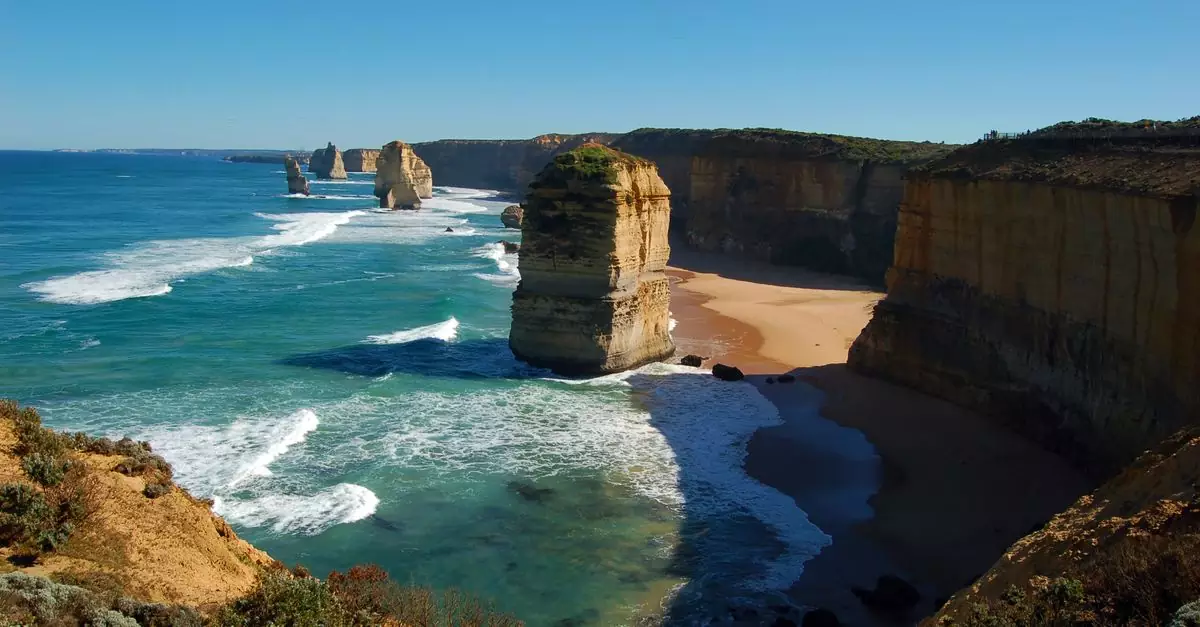
The Caribbean Sea is a treasure trove of underwater beauty, boasting some of the world’s most accessible and vibrant marine ecosystems. Divers and snorkelers flock to this region for its crystal-clear waters, diverse coral formations, and abundant marine life. From the vast underwater expanse of Belize to the diver-centric shores of Bonaire and the artistic submerged world of Cozumel, these destinations offer unparalleled opportunities to witness incredible aquatic spectacles.
Belize Barrier Reef Reserve System: Blue Holes and Abundant Wildlife
The Belize Barrier Reef Reserve System, a UNESCO World Heritage site, is the second-largest barrier reef in the world and a significant part of the Mesoamerican Barrier Reef System. This sprawling underwater landscape is renowned for its dramatic geological formations, including the famous Great Blue Hole. Divers can descend into this colossal marine sinkhole, marveling at its stalactites and the occasional reef shark that patrols its depths.
Beyond the Blue Hole, the reef system teems with life. Expect encounters with colorful parrotfish, angelfish, and groupers. Larger species like sea turtles, rays, and even whale sharks (during specific seasons) are also frequently spotted. The sheer biodiversity makes it one of the planet’s premier spots for observing marine wonders.
Logistics and Timing:
The dry season, from November to May, generally offers the best visibility and calmest seas. However, the Caribbean’s warm climate means diving is possible year-round. Most visitors base themselves in coastal towns like San Pedro on Ambergris Caye or Placencia, from which numerous boat tours depart daily for various reef sites.
- Best time to visit: November to May for optimal visibility.
- Key attractions: Great Blue Hole, Hol Chan Marine Reserve, Shark Ray Alley.
- Marine life: Abundant reef fish, sea turtles, rays, sharks, manatees.
Bonaire: A Diver’s Mecca for Shore Diving and Coral Gardens
Bonaire stands out as a dedicated marine park and a true paradise for independent divers. The entire coastline is protected, and an impressive 86 designated dive sites are accessible directly from shore. This makes it incredibly convenient for those who prefer to explore at their own pace, without the need for constant boat excursions.
The underwater topography around Bonaire is characterized by gently sloping reefs that start close to shore and drop off into deeper waters. These reefs are exceptionally healthy, covered in a vibrant tapestry of hard and soft corals, including staghorn, brain, and gorgonian corals. The clarity of the water, often exceeding 100 feet, allows for stunning views of this underwater garden. Expect to see schools of tropical fish, moray eels peeking from crevices, and the occasional sea turtle gliding by.
Diving Experience:
Bonaire’s commitment to marine conservation is evident everywhere. Dive operations are well-organized, and many accommodations cater specifically to divers, offering amenities like rinse tanks and gear storage. The island’s infrastructure is geared towards making shore diving as straightforward as possible.
- Unique feature: Accessible shore diving at nearly every marked site.
- Marine life: Seahorses, frogfish, eels, abundant reef fish, and turtles.
- Budget consideration: While dive packages are available, the ability to shore dive can offer cost savings for independent travelers.
Cozumel’s Underwater Sculptures and Vibrant Reefs
Cozumel, a popular Mexican island off the Yucatan Peninsula, offers a different kind of underwater allure. Its reefs, part of the larger Mesoamerican Barrier Reef, are famous for their dramatic walls, drift diving opportunities, and impressive coral formations. Sites like Palancar Reef, Columbia Reef, and El Cielo are renowned for their healthy coral gardens and abundant fish populations.
What sets Cozumel apart for some visitors is its unique underwater art. The “Museo Subacuático de Arte” (MUSA) features a collection of submerged sculptures that have become artificial reefs, attracting marine life and providing a novel diving or snorkeling experience. These artistic installations add a unique dimension to the natural beauty of the surrounding waters.
Logistics and Considerations:
Cozumel is easily accessible via ferry from Playa del Carmen or by flying directly into Cozumel International Airport. The island offers a range of accommodations, from all-inclusive resorts to boutique hotels. Due to the popularity of drift diving, many dive operators are experienced in guiding divers along the reef walls.
- Key dive sites: Palancar Reef, Columbia Reef, El Cielo, MUSA.
- Diving style: Excellent for drift diving along reef walls.
- Accessibility: Easy to reach by air or ferry.
Galápagos Islands: Unique Marine Life and Volcanic Landscapes
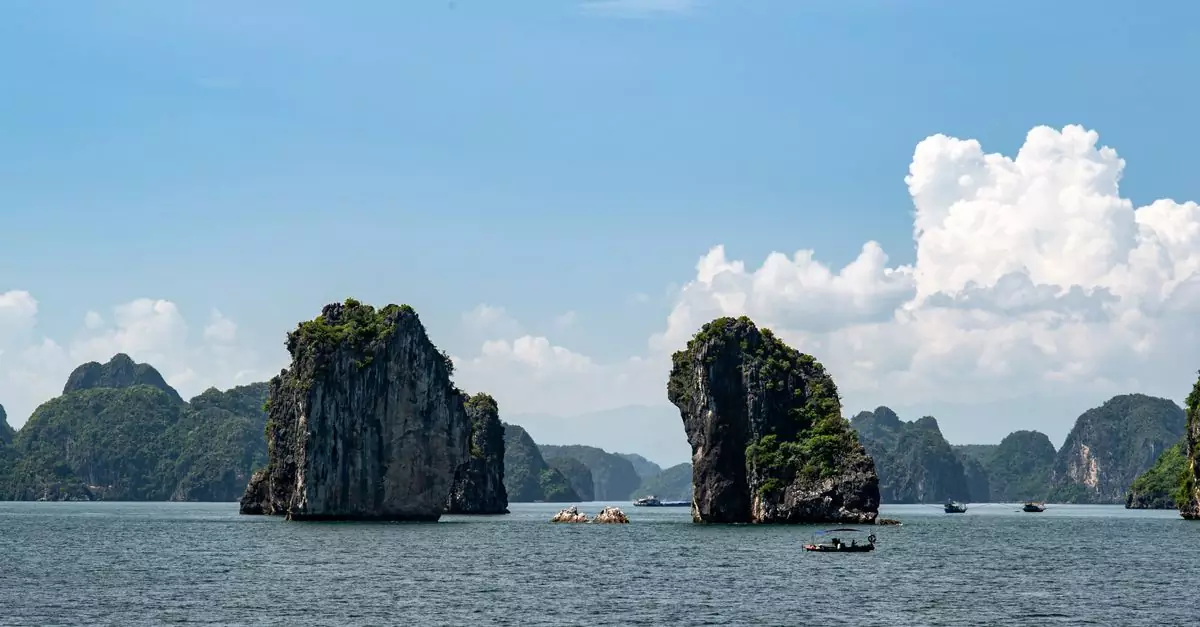
The Galápagos Islands offer an unparalleled immersion into a living laboratory of evolution, where endemic species interact with visitors in astonishingly close proximity. This remote archipelago, straddling the equator in the Pacific Ocean, is a UNESCO World Heritage site renowned for its fearless wildlife and dramatic volcanic scenery. For underwater enthusiasts, the Galápagos presents a collection of the world’s best marine wonders, teeming with life that has adapted to this isolated environment. Planning a trip requires understanding the unique logistics and best times to visit for specific wildlife encounters.
Snorkeling with Sea Lions and Marine Iguanas
Snorkeling in the Galápagos is an accessible and profoundly rewarding experience, even for novice swimmers. Playful Galápagos sea lions are a constant presence, often darting and twirling around snorkelers with curious abandon. You might find yourself swimming alongside them as they hunt for fish, their sleek bodies moving with incredible speed and agility.
Marine iguanas, the world’s only sea-going lizards, are another iconic sight. These prehistoric-looking creatures can be observed grazing on algae underwater, their dark bodies blending with the volcanic rocks. While they are primarily herbivores, their presence in the marine environment is a testament to the unique adaptations found here. Many visitor sites, such as those around San Cristóbal and Isabela islands, offer excellent opportunities to witness this behavior. Remember to maintain a respectful distance, as feeding or touching the wildlife is strictly prohibited and can harm these vulnerable animals.
Diving with Hammerheads and Galapagos Sharks
For certified divers, the Galápagos archipelago transforms into a world-class diving destination, particularly for encounters with large pelagic species. The nutrient-rich waters, influenced by several ocean currents, attract a remarkable diversity of sharks and other large marine animals. Sites like Gordon Rocks near Santa Cruz and the Darwin and Wolf Islands in the northern part of the archipelago are legendary for their abundance of marine life.
Divers can expect to see schooling hammerhead sharks, often in large numbers, especially during the warmer months. The Galápagos shark, a large requiem shark, is also frequently spotted patrolling the deeper waters. Beyond sharks, the underwater landscape is populated by sea turtles, rays, schools of colorful fish, and occasionally even whales. Due to strong currents and deep dives, these locations are best suited for experienced divers. Booking a liveaboard dive trip often provides access to the more remote and spectacular diving locations.
Best Islands for Marine Wildlife Viewing: Española vs. Santa Cruz
When planning a Galápagos adventure focused on marine wonders, choosing which islands to visit can significantly impact your experience. Española and Santa Cruz islands offer distinct, yet equally compelling, opportunities for wildlife observation.
Española Island is a haven for endemic bird species, including the waved albatross (during their breeding season from April to December), but its marine life is equally impressive. The waters around Española are known for their rich biodiversity, making it excellent for snorkeling. Visitors can often see sea lions, marine iguanas, and a variety of reef fish. The dramatic coastal cliffs also provide nesting grounds for many seabirds, adding to the visual spectacle.
Santa Cruz Island, the most populated island, serves as a central hub for many Galápagos tours. While it offers less pristine wilderness compared to Española, its surrounding waters are still rich in marine life. Tortuga Bay provides a beautiful beach setting where sea turtles can be spotted nesting or swimming offshore. Nearby snorkeling spots, such as Las Grietas, offer clear waters for observing smaller fish and marine iguanas. The Charles Darwin Research Station on Santa Cruz also provides valuable insights into the conservation efforts protecting the marine and terrestrial ecosystems of this unique island.
Here’s a brief comparison to help decide:
| Feature | Española Island | Santa Cruz Island |
|---|---|---|
| Primary Appeal | Endemic birds, sea lions, marine iguanas | Central hub, research station, diverse wildlife |
| Snorkeling Quality | Excellent, high marine biodiversity | Good, accessible sites with varied sightings |
| Diving Potential | Good, but less renowned than northern islands | Good, accessible day trips |
| Accessibility | Requires day trip or cruise itinerary | Main port of entry, easy to access |
| Vibe | Wild, remote, natural | Bustling, convenient, educational |
Frequently Asked Questions About Experiencing Marine Wonders
What is the best time of year to visit these marine wonders?
The optimal time to experience the world’s best marine wonders often depends on the specific region and its climate patterns. Generally, the dry seasons in tropical areas offer clearer waters and calmer seas, enhancing visibility for snorkeling and diving. For instance, the Great Barrier Reef is often best visited between June and October, avoiding the stinger season and experiencing pleasant temperatures. Conversely, some destinations might have peak marine life activity during specific migration periods, which could fall outside the traditional dry season. Always research local weather and marine life patterns for your chosen destination.
What gear do I need for snorkeling or diving at these locations?
Essential gear for exploring underwater realms includes a well-fitting mask, snorkel, and fins. For diving, you’ll need a scuba certification, a BCD (buoyancy control device), regulator, dive computer, and wetsuit or drysuit appropriate for the water temperature. Many dive operators offer equipment rental, which can be convenient, especially for occasional divers. Bringing your own mask ensures a comfortable and leak-free fit, which can significantly enhance your experience. Consider packing reef-safe sunscreen and a rash guard to protect your skin from sun exposure and potential irritants.
Are there budget-friendly ways to explore the best marine wonders?
Yes, exploring vibrant underwater ecosystems doesn’t always require a significant investment. Opting for destinations known for accessible shore diving or snorkeling can reduce costs associated with boat trips. For example, many coastal areas in Southeast Asia offer incredible marine life directly off the beach. Staying in guesthouses or hostels instead of luxury resorts can also cut down on accommodation expenses. Traveling during the shoulder season, outside of peak tourist times, often leads to lower prices for flights and lodging. Packing your own basic snorkeling gear can save on rental fees if you plan to snorkel frequently.
What safety precautions should I take when exploring marine environments?
Prioritize safety by always diving or snorkeling with a buddy. Understand your limits and do not push yourself beyond your comfort level or training. Heed the advice of local guides and divemasters regarding currents, depth, and potential hazards. Always check your equipment before entering the water. When encountering marine life, maintain a respectful distance and avoid touching or feeding animals, as this can harm them and potentially lead to defensive reactions. Familiarize yourself with basic first aid for marine-related injuries, such as cuts from coral or stings.