Europe’s charm extends far beyond its famous capitals and iconic landmarks. For travelers seeking authentic experiences and a respite from the crowds, a world of undiscovered treasures awaits. This guide delves into some of the most captivating hidden gems in Europe, revealing destinations that offer rich history, breathtaking landscapes, and vibrant local cultures without the usual tourist throngs.
You’ll discover fairytale towns nestled in mountain valleys, serene island archipelagos, and historically significant districts brimming with character. We’ll explore why these places are often overlooked and what makes them so special, from their unique architecture and culinary traditions to the welcoming spirit of their inhabitants. Prepare to be inspired to venture off the beaten path and uncover the magic of Europe’s best-kept secrets.
What are the most underrated European destinations?
Beyond the well-trodden paths of Paris and Rome lie countless European treasures waiting to be discovered. These often-overlooked destinations provide authentic experiences, rich history, and stunning scenery without the overwhelming crowds. If you’re searching for unique travel experiences, consider these underrated European destinations for your next adventure.
Exploring the fairytale charm of Colmar, France
Colmar, a picturesque town in the Alsace region of France, feels like it’s lifted from the pages of a storybook. Its well-preserved Old Town is a labyrinth of colorful half-timbered houses, cobblestone streets, and flower-draped balconies. The distinct architectural style, a blend of French and German influences, showcases the region’s unique history.
Wandering through the “Little Venice” district, with its canals and charming bridges, is a highlight. Boat tours offer a unique perspective of the town’s beauty. Colmar is particularly enchanting during the Christmas season when its renowned markets transform the town into a winter wonderland.
Logistics:
- Getting there: Colmar is easily accessible by train from major French cities like Paris and Strasbourg. The nearest international airport is Basel-Mulhouse-Freiburg (BSL).
- Best time to visit: Spring (April-May) for pleasant weather and fewer crowds, or December for the Christmas markets.
- Budget: Mid-range. Accommodation and dining are generally more affordable than in larger French cities.
Discovering the medieval allure of Cesky Krumlov, Czech Republic
Nestled in the South Bohemian region of the Czech Republic, Cesky Krumlov is a remarkably preserved medieval town. Its UNESCO World Heritage status is well-deserved, with the Vltava River winding dramatically around its historic core. The dominant feature is the magnificent Cesky Krumlov Castle, the second-largest castle complex in the country, offering panoramic views.
Exploring the narrow, winding streets reveals Renaissance and Baroque architecture, quaint shops, and traditional pubs. The town has a youthful energy thanks to its student population and numerous outdoor activities available in the warmer months, such as rafting on the Vltava.
Logistics:
- Getting there: Frequent bus services connect Cesky Krumlov to Prague and other major Czech cities. Driving is also an option, though parking within the historic center is restricted.
- Best time to visit: Late spring (May-June) or early autumn (September-October) for good weather and fewer day-trippers.
- Budget: Budget-friendly. The Czech Republic is known for its affordability, and Cesky Krumlov offers excellent value.
Finding tranquility in the Azores Islands, Portugal
For a truly unique European experience, the Azores Islands present a remote and breathtaking volcanic archipelago in the mid-Atlantic. This Portuguese territory is a haven for nature lovers, boasting dramatic landscapes of lush green hills, volcanic craters, and sapphire-blue lakes. Each island has its own distinct character, yet all share a sense of peaceful isolation.
Activities abound, from hiking around calderas like Sete Cidades on São Miguel to whale watching and diving in the rich ocean waters. The islands are also known for their geothermal activity, with hot springs and volcanic fumaroles providing a constant reminder of the powerful natural forces at play.
Logistics:
- Getting there: Direct flights are available from Lisbon and Porto, as well as some European cities. Inter-island travel is primarily by ferry or short flights.
- Best time to visit: Summer (June-August) offers the warmest weather and calmest seas for water activities, though shoulder seasons can be less crowded.
- Budget: Mid-range to slightly higher due to its island location. Flights can be a significant cost.
Experiencing the vibrant culture of Ghent, Belgium
Often overshadowed by its more famous Belgian neighbors, Bruges and Brussels, Ghent offers a captivating blend of historic charm and contemporary vibrancy. This university city boasts a magnificent medieval center, complete with imposing Gothic architecture like the Gravensteen castle and St. Bavo’s Cathedral. Yet, Ghent is also a lively hub with a thriving arts scene and a youthful population.
The city’s canals are lined with historic guildhalls, and boat tours provide a wonderful way to see the city. Ghent also has a strong culinary identity, with a focus on local produce and a unique dish known as “Gentse Waterzooi.” Its compact size makes it easily walkable, encouraging spontaneous discoveries.
Comparison: Underrated Belgian Cities
| Feature | Ghent | Bruges | Brussels |
|---|---|---|---|
| Vibe | Lively, historic, student-friendly | Romantic, picturesque, tourist-focused | Cosmopolitan, political, diverse |
| Crowds | Moderate | High | High |
| Attractions | Medieval architecture, canals, art | Canals, medieval buildings, chocolate | Grand Place, EU Quarter, museums |
| Budget | Mid-range | Mid-range to higher | Mid-range to higher |
| Walkability | Excellent | Excellent | Good in city center, requires transport |
Logistics:
- Getting there: Ghent is well-connected by train to Brussels, Bruges, and other major European cities.
- Best time to visit: Spring (April-May) or autumn (September-October) for pleasant weather and fewer crowds than summer.
- Budget: Mid-range. Offers good value compared to Bruges and Brussels.
Beyond Paris: Lesser-Known French Towns Worth a Detour
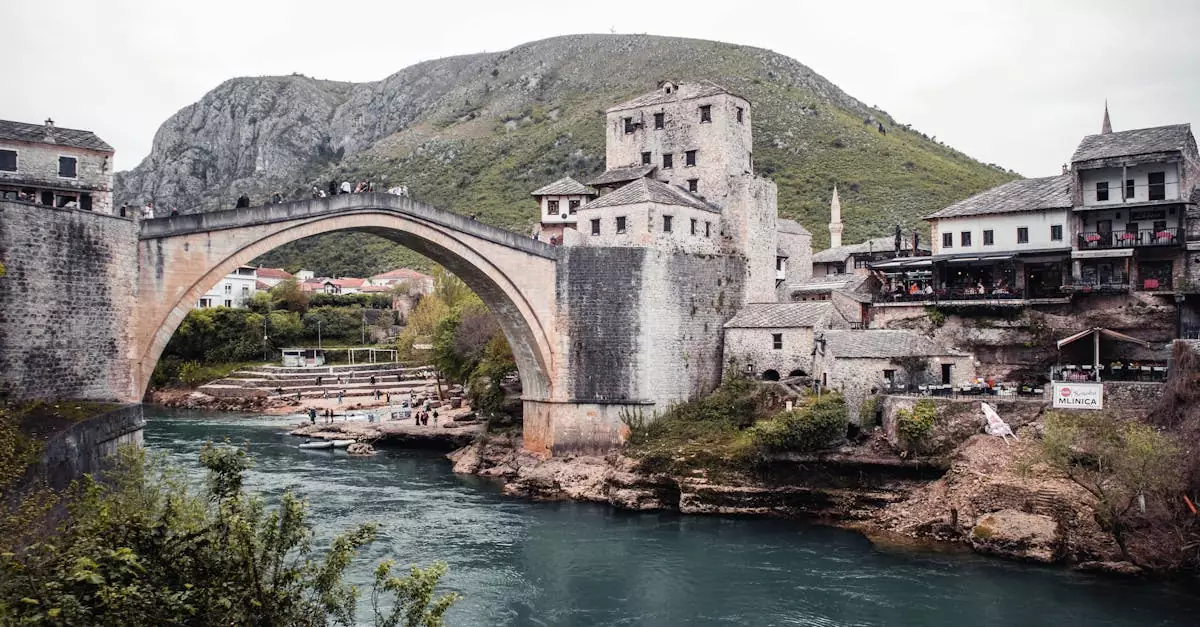
France boasts an abundance of charming towns and picturesque landscapes, often overshadowed by the allure of its capital. Moving beyond the well-trodden paths can reveal authentic experiences and stunning scenery. For travelers seeking these hidden gems in Europe, France provides numerous delightful options.
Alsace’s Wine Route: A Taste of French Countryside
The Alsace Wine Route, winding through northeastern France, is a tapestry of colorful villages, rolling vineyards, and historic castles. This region feels like stepping into a fairytale, with its half-timbered houses adorned with flower boxes and cobblestone streets. Towns like Colmar, with its “Little Venice” district, and Riquewihr, a remarkably preserved medieval village, offer a glimpse into a slower pace of life.
Driving the route is the most popular way to experience it, allowing flexibility to stop at vineyards for wine tastings. Local specialties, such as Tarte Flambée and Choucroute Garnie, are best enjoyed in traditional Winstubs. The optimal time to visit is during the harvest season in autumn for vibrant foliage and wine festivals, or late spring for blooming flowers.
| Town | Highlights | Best for |
|---|---|---|
| Colmar | Canals, medieval architecture, museums | Romantic getaways, cultural immersion |
| Riquewihr | Fortified walls, historic buildings | History buffs, photographers |
| Eguisheim | Circular village layout, vineyards | Scenic walks, wine enthusiasts |
Annecy: The Venice of the Alps
Nestled in the French Alps, Annecy is often called the “Venice of the Alps” due to its picturesque canals and the crystal-clear waters of Lake Annecy. The Vieille Ville (Old Town) is a labyrinth of charming streets, arcaded walkways, and flower-laden bridges, all dominated by the Palais de l’Isle, a former prison and courthouse situated on a small island in the Thiou River. The Château d’Annecy, perched on a hill, offers panoramic views of the town and lake.
Outdoor activities abound, from swimming and sailing on the lake in summer to skiing in nearby resorts during winter. The town’s pedestrian-friendly center makes it easy to wander and discover its many delights. Consider visiting in late spring or early autumn to avoid the peak summer crowds and enjoy pleasant weather for both city exploration and outdoor pursuits.
Saint-Malo: A Walled City on the Emerald Coast
The fortified port city of Saint-Malo, located in Brittany, offers a dramatic coastal experience. Its impressive ramparts, built to defend against English invasions, now serve as a stunning promenade with views of the English Channel. Walking the full circuit of the walls provides a comprehensive perspective of the town and its surrounding islands.
The town’s tidal range is one of the largest in Europe, creating a dynamic seascape. High tide allows boats to come right up to the city walls, while low tide reveals sandy beaches and access to islands like Grand Bé, where writer Chateaubriand is buried. Saint-Malo is a fantastic destination for seafood lovers, with numerous restaurants serving fresh catches. Visiting during the summer months offers the warmest weather for enjoying the beaches, though shoulder seasons like late spring or early autumn can provide a more tranquil experience.
Off-the-Beaten-Path Italy: Discovering Authentic Italian Experiences
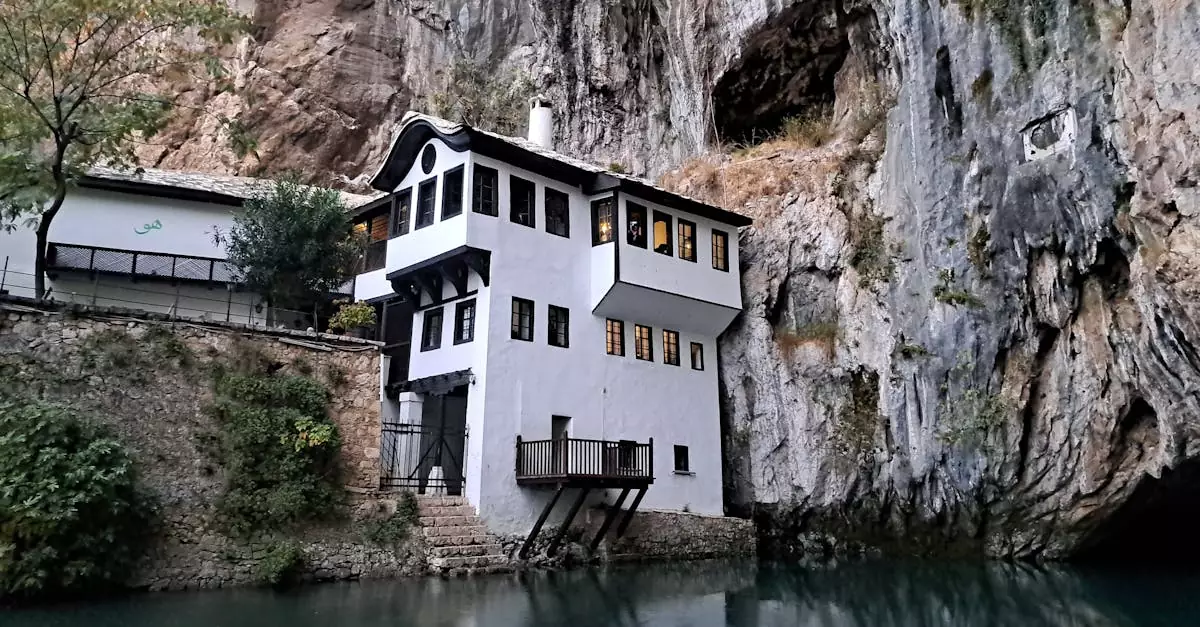
Italy’s iconic cities draw millions, but for travelers seeking a more intimate encounter with Italian culture, venturing beyond the usual tourist circuits reveals a wealth of authentic experiences. These less-traveled regions offer a chance to connect with local life, savor regional specialties without the crowds, and discover landscapes that remain remarkably unspoiled.
The Dolomites: Hiking and Adventure in Northern Italy
For outdoor enthusiasts, the Italian Dolomites present a dramatic alternative to the rolling hills of Tuscany. This UNESCO World Heritage site in northeastern Italy boasts jagged limestone peaks, emerald valleys, and crystal-clear alpine lakes. It’s a paradise for hikers, climbers, and skiers, offering trails for all skill levels.
Consider visiting in late spring or early autumn to avoid the summer crowds and enjoy pleasant hiking weather. The region is accessible by car, with major airports like Venice Marco Polo (VCE) or Verona Villafranca (VRN) serving as good starting points. Renting a car is highly recommended for exploring the winding mountain roads and reaching trailheads. Accommodations range from charming family-run rifugi (mountain huts) to comfortable hotels in towns like Cortina d’Ampezzo or Ortisei.
Bologna’s Culinary Delights: Beyond Tourist Traps
While Florence and Rome often steal the culinary spotlight, Bologna, the capital of the Emilia-Romagna region, is widely regarded as Italy’s gastronomic heartland. This vibrant city is the birthplace of Bolognese sauce (ragù), mortadella, and tortellini. Here, food is not just sustenance; it’s a way of life, deeply woven into the fabric of the community.
Wander through the Quadrilatero, Bologna’s historic market district, where centuries-old stalls overflow with fresh pasta, local cheeses, cured meats, and seasonal produce. Take a pasta-making class to learn the secrets of authentic Emilia-Romagna cuisine. Public transport within Bologna is efficient, and many attractions are within walking distance. Consider visiting in spring or fall for mild temperatures and fewer tourists. For a true taste of local life, seek out osterie and trattorie frequented by Bolognese residents.
Matera: Ancient Cave Dwellings and Southern Charm
Journey south to Basilicata, where Matera offers a truly unique glimpse into Italy’s ancient past. This city is famous for its Sassi di Matera, a complex of cave dwellings carved into the rock face that have been inhabited for millennia. Walking through the Sassi feels like stepping back in time, with its labyrinthine alleys, rock churches, and breathtaking panoramas.
Matera was a European Capital of Culture in 2019, which has led to improved infrastructure while largely preserving its historic character. It’s a destination best explored on foot, so pack comfortable shoes. The nearest airport is Bari Karol Wojtyła Airport (BRI), from which you can take a bus or train to Matera. While summer can be very hot, spring and autumn offer ideal conditions for exploring this remarkable city. The transformation of cave dwellings into boutique hotels and unique accommodations provides an unforgettable lodging experience.
Eastern Europe’s Enchanting Secrets: Hidden Gems in Poland and Slovenia
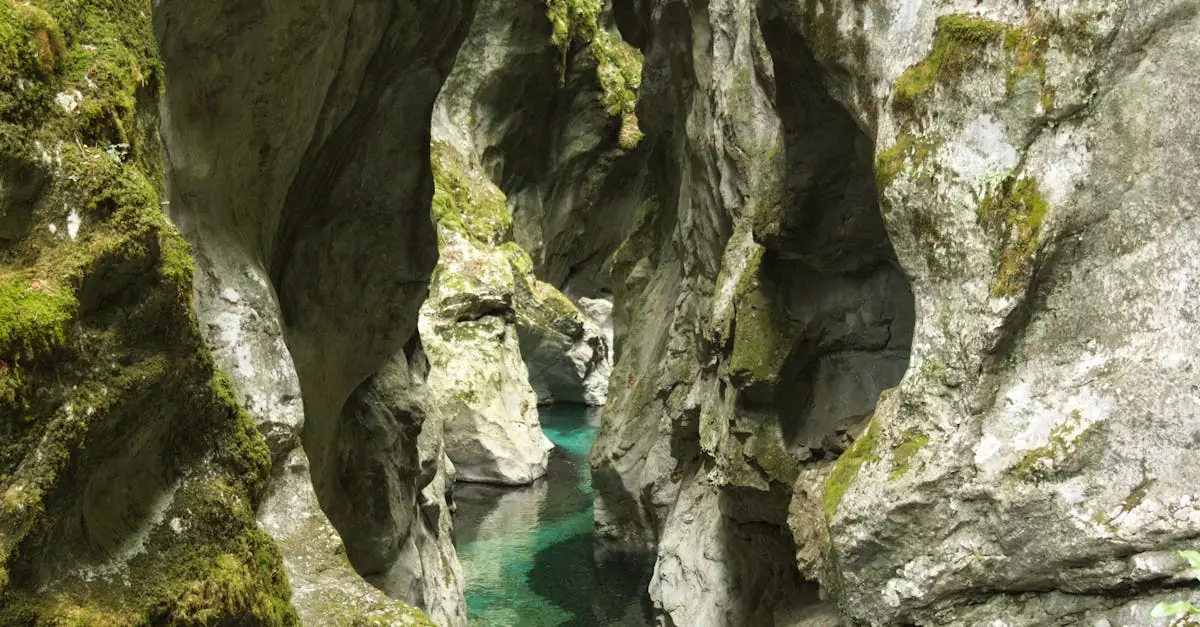
Eastern Europe often flies under the radar for many travelers, yet it’s brimming with history, culture, and stunning natural beauty. Beyond the well-trodden paths of Western Europe lie remarkable destinations offering authentic experiences and fewer crowds. Poland and Slovenia, in particular, showcase a diverse range of attractions, from historic city districts to breathtaking alpine landscapes. These countries offer a compelling blend of old-world charm and natural splendor, making them prime examples of Europe’s best-kept secrets.
Krakow’s Kazimierz District: History and Bohemian Vibes
Krakow’s Kazimierz district, once a separate city and the historic Jewish quarter, offers a captivating journey through time. Today, it’s a vibrant hub pulsating with bohemian energy, independent art galleries, and cozy cafes. Walking its cobblestone streets, you’ll encounter centuries-old synagogues standing alongside trendy bars and restaurants. The area’s poignant history is palpable, especially when visiting sites like the Old Synagogue or the Remuh Cemetery.
Traveler Tip: Kazimierz truly comes alive in the evening. For a taste of local nightlife, seek out the atmospheric courtyards that house many of the district’s popular bars. The summer months offer outdoor seating and a lively ambiance, while winter brings a more intimate feel.
Lake Bled vs. Lake Bohinj: Slovenia’s Alpine Wonders
Slovenia, a small country with a mighty natural appeal, boasts two stunning alpine lakes that offer contrasting yet equally beautiful experiences. Lake Bled, with its iconic island church and clifftop castle, is postcard-perfect and undeniably charming. It’s a popular spot, so visiting during the shoulder seasons of spring or autumn can provide a more serene experience.
Just a short drive away, Lake Bohinj presents a wilder, more rugged beauty. It’s Slovenia’s largest glacial lake, set within the heart of Triglav National Park. Bohinj is less developed and appeals to those seeking outdoor adventure, from hiking and kayaking to simply soaking in the pristine natural surroundings.
| Feature | Lake Bled | Lake Bohinj |
|---|---|---|
| Scenery | Iconic island church, castle, picturesque town | Wild, expansive, surrounded by mountains |
| Atmosphere | Romantic, popular, well-developed | Serene, natural, adventurous |
| Activities | Pletna boat rides, castle visit, swimming | Hiking, swimming, kayaking, paragliding |
| Accessibility | Easier to reach, more tourist infrastructure | Requires more effort, closer to nature |
| Best For | Couples, first-time visitors, scenic views | Nature lovers, hikers, active travelers |
Wroclaw’s Dwarf Hunting: A Quirky Polish Adventure
Wroclaw, a charming Polish city often overlooked in favor of Krakow or Warsaw, offers a unique surprise: hundreds of small bronze dwarf statues scattered throughout its streets. These whimsical figures, known as “Krasnale,” started as a symbol of the Orange Alternative anti-communist movement and have since become a beloved city mascot.
Embarking on a “dwarf hunt” is an engaging way to explore Wroclaw’s historic market square and surrounding neighborhoods. Each dwarf has its own personality and story, encouraging a slower, more observant pace of exploration. You can find maps online or pick one up at a tourist information center to help you discover these tiny residents. This playful scavenger hunt adds an unforgettable, lighthearted dimension to visiting this beautiful European city.
Navigating Your Trip to Europe’s Hidden Gems: Practical Tips
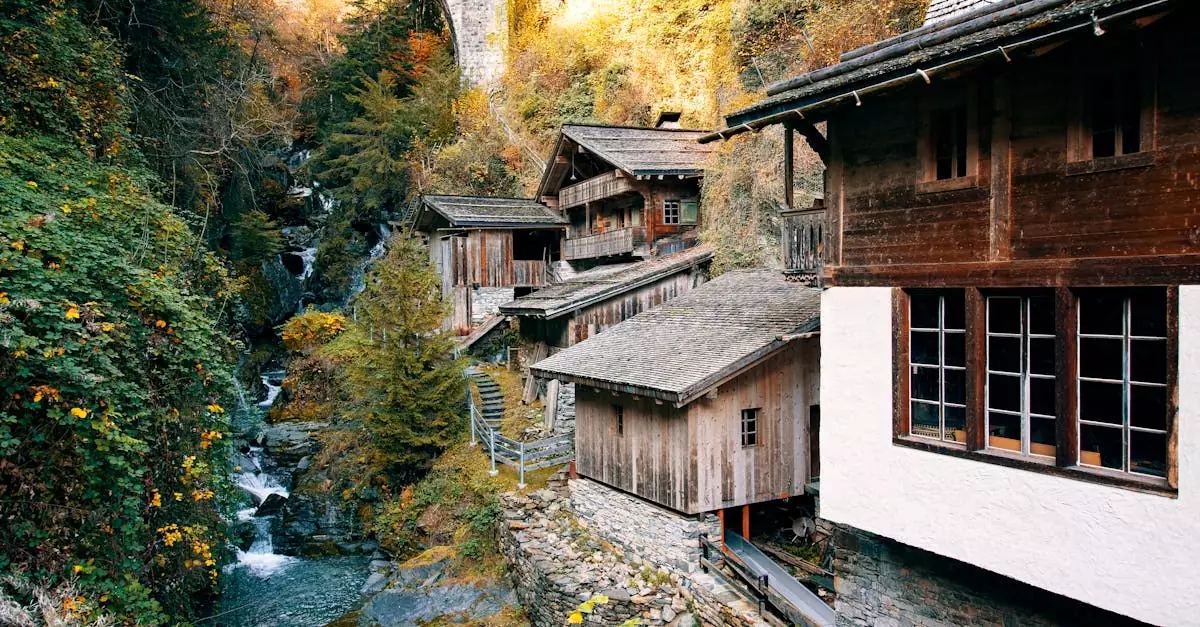
Discovering Europe’s less-trodden paths requires a bit of planning, but the rewards are immense. These destinations offer authentic experiences without the overwhelming crowds often found at major landmarks. By focusing on practicalities, you can ensure a smoother and more enjoyable journey.
Best time to visit these less-crowded European spots
Timing is crucial for experiencing Europe’s hidden gems at their best. While summer is popular across the continent, shoulder seasons often provide the ideal balance of pleasant weather and fewer tourists.
- Spring (April-May): Wildflowers bloom across the countryside, and temperatures are mild. This is an excellent time for exploring charming villages and coastal towns before the peak season rush.
- Autumn (September-October): Fall foliage paints a beautiful backdrop, and harvest festivals offer unique cultural insights. The weather remains comfortable for sightseeing, and prices for travel and accommodation may begin to drop.
Visiting during these periods allows for more intimate interactions with local culture and a more relaxed pace of exploration. Avoid major holidays if you’re seeking true solitude.
Getting around: Efficient transportation options
Reaching and navigating Europe’s hidden gems often involves a combination of transport methods. While major cities are well-connected by high-speed rail, smaller towns and rural areas might require more localized solutions.
- Trains: Europe’s extensive rail network is a fantastic way to travel between countries and larger towns. Companies like Eurostar connect major hubs, while national rail services serve smaller routes.
- Buses: Intercity bus services, such as FlixBus, offer an economical option for reaching destinations not directly served by trains. They can be particularly useful for navigating more remote regions.
- Rental Cars: For ultimate flexibility, especially when visiting multiple small villages or national parks, renting a car is often the best choice. This allows you to set your own pace and access scenic routes.
- Ferries: For island destinations or coastal regions, ferries are an essential part of the journey. Planning ferry schedules in advance is recommended, particularly during peak travel times.
Consider purchasing a rail pass if you plan extensive train travel, as it can offer significant savings. For the most off-the-beaten-path locations, combining train travel with local bus routes or a rental car will be most effective.
Budgeting for authentic experiences
Europe’s hidden gems often offer better value than their more famous counterparts. By being mindful of your spending, you can immerse yourself in local culture without breaking the bank.
Typical Daily Budget Ranges (per person, excluding flights):
| Destination Type | Budget Traveler | Mid-Range Traveler |
|---|---|---|
| Eastern Europe | €40 – €70 | €70 – €120 |
| Southern Europe | €50 – €80 | €80 – €130 |
| Northern Europe | €60 – €100 | €100 – €150 |
These figures are estimates and can vary greatly depending on your chosen destination and travel style. Eating at local markets and small family-run restaurants, rather than tourist-oriented eateries, can significantly reduce food costs. Look for accommodations slightly outside the absolute town center for better rates.
Accommodation choices beyond typical hotels
While hotels are plentiful, staying in alternative accommodations can enhance your experience of Europe’s hidden gems. These options often provide a more personal touch and a deeper connection to the local environment.
- Guesthouses (Pensions/B&Bs): Often family-run establishments offering a cozy atmosphere. Breakfast is typically included, providing a great start to your day.
- Apartment Rentals: Ideal for longer stays or families, renting an apartment through platforms like Airbnb or Vrbo gives you more space and the ability to cook some of your own meals, saving money.
- Agriturismos: Found primarily in rural Italy and other Mediterranean countries, these are working farms that offer accommodation. They provide a unique opportunity to experience rural life and often feature farm-to-table dining.
- Hostels: Beyond the party hostels in major cities, many smaller towns have charming hostels that offer private rooms as well as dorms, catering to budget-conscious travelers seeking local interaction.
When booking, read reviews carefully to gauge the atmosphere and the level of service. For truly remote locations, booking well in advance is essential, as options can be limited.
Frequently Asked Questions About Europe’s Hidden Treasures
Are these hidden gems safe for solo travelers?
Many of these lesser-known European destinations offer a high degree of safety, often surpassing that of major tourist hubs. Smaller towns and villages generally have lower crime rates and a more community-oriented feel. However, as with any travel, it’s wise to remain aware of your surroundings, especially after dark. Researching specific safety advice for your chosen location and trusting your instincts are key. Familiarizing yourself with local emergency numbers is also a good precaution.
What local foods should I try in these unique locations?
Exploring the culinary landscape is one of the greatest joys of visiting Europe’s secret spots. In Slovenia’s Julian Alps, look for dishes featuring wild mushrooms, local cheeses, and hearty stews like ‘Jota’ (a bean and sauerkraut soup). The Azores islands in Portugal are renowned for their seafood, particularly grilled limpets (‘lapas’) and cozido das Furnas (a stew cooked using volcanic heat). In Albania, expect fresh Mediterranean flavors with influences from Italy and Greece, including grilled lamb, various vegetable dishes, and flaky pastries like ‘byrek’. Don’t hesitate to ask locals for their favorite regional specialties.
How can I avoid common tourist scams in less-visited areas?
While less common in these off-the-beaten-path locations, vigilance is always recommended. Be wary of overly friendly strangers offering unsolicited help or tours, especially around transportation hubs. Always confirm prices before agreeing to services like taxis or meals. For example, in some Balkan countries, it’s wise to agree on a taxi fare beforehand or ensure the meter is used. Keeping your valuables secure and avoiding displaying expensive items can deter opportunistic theft. Researching typical scams for the specific region you’re visiting can also provide valuable insights.
What photography opportunities await in these secret European spots?
These hidden gems offer unparalleled photographic potential, moving beyond the typical postcard views. Imagine capturing the rugged, mist-shrouded peaks of the Slovakian High Tatras or the vibrant, tiled facades of small towns in rural Portugal. The dramatic coastal cliffs of Montenegro’s Bay of Kotor provide stunning vistas, while the ancient, cobblestone streets of towns in Eastern Europe offer intimate, atmospheric shots. For nature photographers, the pristine lakes and forests of Northern Italy’s lesser-known alpine valleys are a dream. These locations often provide authentic cultural moments and untouched landscapes that are a photographer’s delight.