Dreaming of dramatic mountain peaks, serene lakeside vistas, and charming historic towns? This 10-day Northern Italy itinerary is your perfect guide to experiencing the region’s diverse beauty. You’ll transition seamlessly from the breathtaking Dolomites to the tranquil Italian Lakes, exploring iconic cities and hidden gems along the way.
This carefully crafted plan focuses on the best Northern Italy itinerary, blending adventure with relaxation. You’ll discover ideal transportation options, from high-speed trains to scenic drives, along with essential tips to maximize your journey. Prepare to immerse yourself in stunning landscapes, rich culture, and delicious regional cuisine, creating memories that will last a lifetime.
Why a Northern Italy Itinerary is Perfect for Your Next Trip
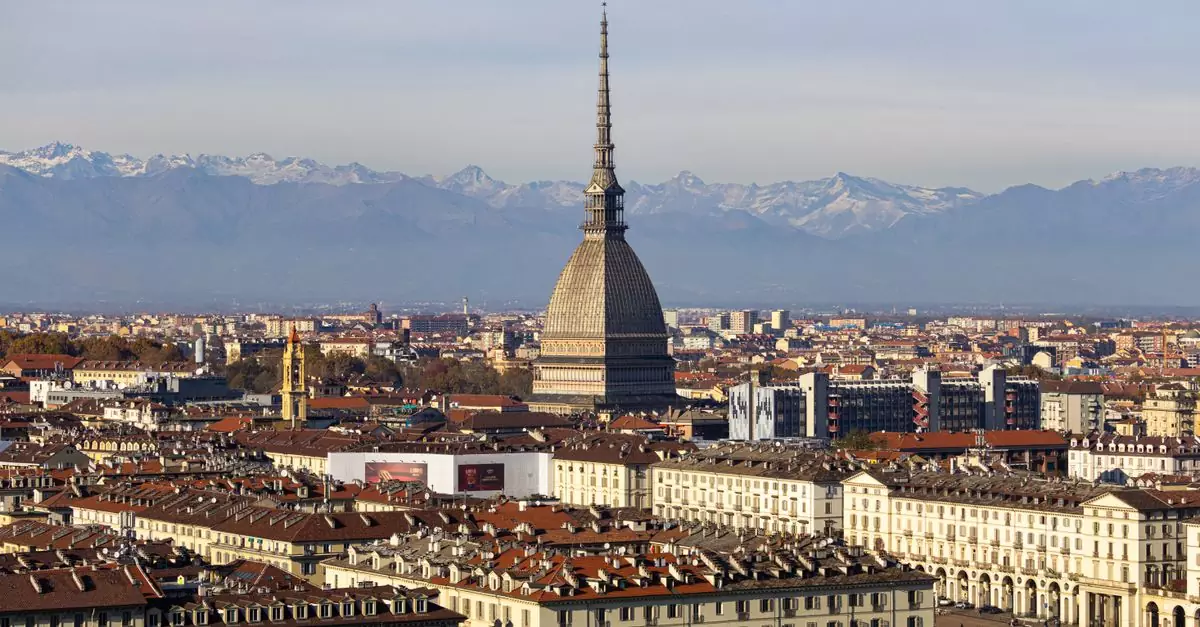
Planning a trip to Northern Italy offers a captivating blend of dramatic mountain landscapes, serene lakeside retreats, and rich cultural experiences. This region of Europe presents diverse travel opportunities, moving from the rugged peaks of the Dolomites to the tranquil waters of the Italian Lakes, all within a compact area. A well-structured Northern Italy itinerary allows travelers to witness these contrasting environments, providing a dynamic and memorable journey that appeals to a wide range of interests.
Experiencing the Alps and Lakes Contrast
The allure of Northern Italy lies significantly in its striking geographical diversity. Within a single trip, you can transition from the awe-inspiring, jagged peaks of the Dolomites, a UNESCO World Heritage site known for its dramatic rock formations and alpine meadows, to the calm shores of lakes like Como, Maggiore, or Garda. This contrast offers a unique travel dynamic, allowing for active pursuits like hiking and skiing in the mountains, followed by leisurely boat trips, lakeside strolls, and visits to charming waterfront towns. The transition between these environments is often surprisingly smooth, making it feasible to experience both within a short timeframe.
Cultural Immersion Beyond the Usual Tourist Trail
While cities like Venice and Florence draw millions, Northern Italy offers numerous opportunities for deeper cultural immersion away from the crowded tourist paths. Regions such as Piedmont and the Veneto boast historic towns, ancient castles, and vibrant local traditions. Engaging with these areas allows for a more authentic experience of Italian life, from participating in local festivals to discovering lesser-known artisanal crafts. This approach to travel provides a richer understanding of the region’s history and contemporary culture, offering insights that are often missed on more conventional tours.
Culinary Delights of Piedmont and Veneto
Northern Italy is a gastronomic paradise, with distinct regional specialties that are a highlight for any visitor. Piedmont is renowned for its rich cuisine, including truffles, fine wines like Barolo and Barbaresco, and indulgent chocolate. The Veneto region, on the other hand, offers a diverse palate, from Venice’s seafood specialties to the renowned Prosecco and creamy risotto dishes found inland. Exploring these culinary landscapes is an integral part of any Northern Italy itinerary, providing a delicious journey through local produce, traditional recipes, and world-class wines.
Crafting Your Best Northern Italy Itinerary: A 10-Day Framework
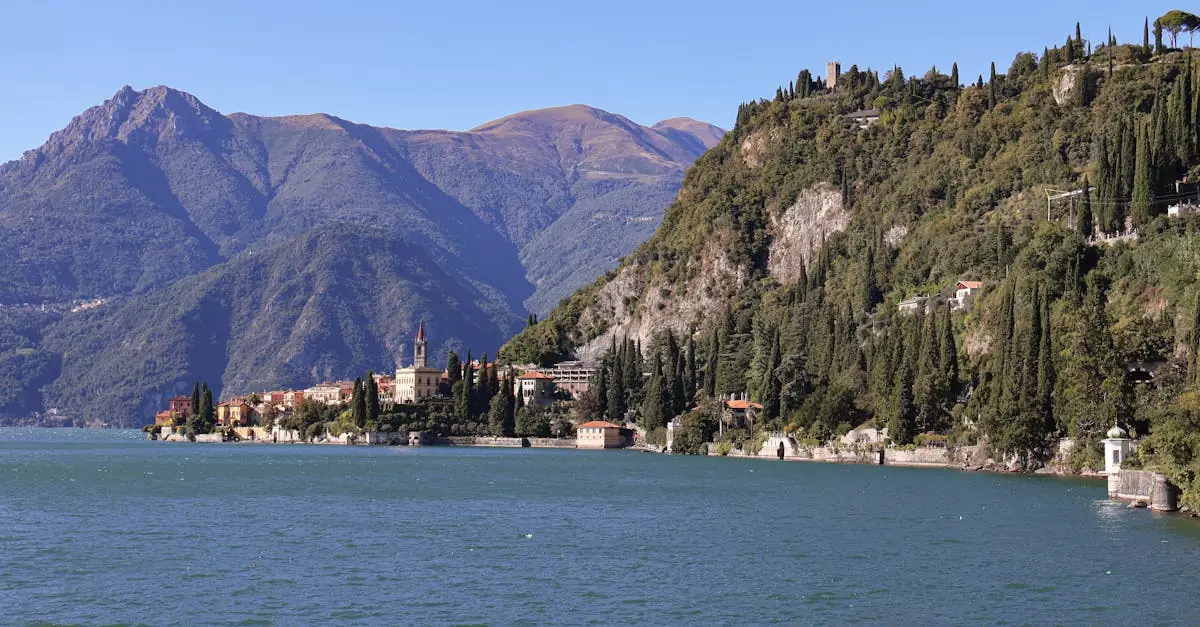
This 10-day itinerary offers a comprehensive journey through Northern Italy, blending dramatic mountain landscapes, serene lake shores, historic cities, and renowned wine regions. It’s designed for travelers seeking a diverse experience, from the rugged beauty of the Dolomites to the sophisticated charm of Verona and the rolling hills of Piedmont. This framework can be adapted based on your interests, pace, and preferred travel style.
Day 1-3: Alpine Majesty in the Dolomites (Cortina d’Ampezzo)
Begin your Northern Italy adventure in the heart of the Dolomites, a UNESCO World Heritage site celebrated for its jagged peaks and emerald valleys. Cortina d’Ampezzo, often called the “Queen of the Dolomites,” serves as an excellent base. Spend your days hiking scenic trails, perhaps to the iconic Tre Cime di Lavaredo or the Cinque Torri. In warmer months, cycling and via ferrata are popular activities.
Winter transforms the region into a premier ski destination, with extensive slopes accessible via modern lifts. Regardless of the season, the dramatic scenery provides a breathtaking introduction to Italy’s alpine north. Consider a scenic drive along the Great Dolomites Road for panoramic views.
Logistics:
- Getting there: Fly into Venice Marco Polo Airport (VCE) and arrange for a private transfer or rent a car for the scenic 2-hour drive. Public transport options involve buses, which can be time-consuming.
- Accommodation: Options range from luxury hotels in Cortina to charming guesthouses in surrounding villages. Booking well in advance is recommended, especially during peak seasons.
- Best for: Hikers, nature lovers, photographers, skiers (winter).
Day 4-5: Lakeside Serenity on Lake Garda (Sirmione & Malcesine)
Transition from mountain peaks to the tranquil waters of Lake Garda, Italy’s largest lake. Focus on two distinct towns: Sirmione for its historic charm and Malcesine for its dramatic castle and cable car access. Sirmione, perched on a peninsula, boasts the impressive Scaligero Castle and Roman ruins at Grotte di Catullo.
A short drive north brings you to Malcesine, a picturesque town dominated by its medieval castle. From here, take the rotating cable car up Monte Baldo for unparalleled views of the lake and surrounding Alps. Enjoy leisurely boat trips, watersports, or simply relax by the water.
Comparison: Sirmione vs. Malcesine
| Feature | Sirmione | Malcesine |
|---|---|---|
| Vibe | Historic, romantic, bustling | Picturesque, active, scenic |
| Key Sites | Scaligero Castle, Grotte di Catullo | Castello Scaligero, Monte Baldo Cable Car |
| Activities | Wandering old town, thermal baths | Hiking, biking, lake activities, views |
| Access | Accessible by car, ferry | Accessible by car, ferry, bus |
Logistics:
- Getting there: Travel from the Dolomites by rental car (approx. 3-4 hours) or a combination of buses and trains.
- Accommodation: Sirmione offers hotels within its historic center and lakeside resorts. Malcesine has a good selection of hotels and apartments, many with lake views.
- Best for: Couples, history buffs, those seeking relaxation and scenic beauty.
Day 6-7: Renaissance Charm in Verona
Next, immerse yourself in the romantic atmosphere of Verona, a city immortalized by Shakespeare. Verona effortlessly blends ancient Roman history with Renaissance art and vibrant modern culture. Explore the remarkably preserved Roman Arena, which still hosts opera performances. Wander through Piazza delle Erbe and Piazza dei Signori, soaking in the lively atmosphere.
Don’t miss Juliet’s House, a popular pilgrimage site for romantics, though its historical accuracy is debated. Verona’s charming streets, boutique shops, and excellent trattorias make it a delightful stop. The city is also a gateway to the Valpolicella wine region, famous for its Amarone.
Logistics:
- Getting there: Verona is easily accessible by train from Lake Garda (approx. 1-1.5 hours). If driving, be aware of ZTL (limited traffic zones) in the city center.
- Accommodation: Verona offers a range of hotels, from luxury stays near the Arena to boutique options in quieter neighborhoods.
- Best for: Culture enthusiasts, history lovers, romantics, opera fans.
Day 8-9: Wine Country Exploration in the Langhe (Barolo & Alba)
Dedicate the final full days of your itinerary to the rolling hills of Piedmont’s Langhe region, a UNESCO World Heritage landscape celebrated for its world-class wines and truffles. Base yourself near Alba or in charming wine towns like Barolo or La Morra. Spend your time visiting renowned wineries for tastings of Barolo, Barbaresco, and Barbera.
Explore the picturesque vineyards, visit local producers, and savor the region’s gastronomic delights, including hazelnuts and, in season, the prized white truffle of Alba. Driving is the most flexible way to navigate the winding roads and discover hidden gems.
Logistics:
- Getting there: Travel from Verona by train to Turin and then connect to Alba, or rent a car for direct access (approx. 3-4 hours driving).
- Accommodation: Look for agriturismos (farm stays), boutique hotels in wine towns, or charming B&Bs for an authentic experience.
- Best for: Wine connoisseurs, foodies, photographers, those seeking a slower pace.
Day 10: Departure from Milan or Venice
Conclude your Northern Italy journey with departure from either Milan or Venice, depending on your flight arrangements. Both cities offer excellent international connections and can be reached relatively easily from the Langhe region.
If departing from Milan, you can explore a bit of the city, perhaps visiting the Duomo or the Galleria Vittorio Emanuele II, before heading to Malpensa Airport (MXP). If flying out of Venice, enjoy a final glimpse of the lagoon city before making your way to Marco Polo Airport (VCE).
Transportation to Airports:
- Milan Malpensa (MXP): Train from Milan Centrale station (approx. 50 mins).
- Venice Marco Polo (VCE): Bus from Piazzale Roma, or water taxi from the city center.
This itinerary provides a solid foundation for experiencing the diverse beauty and culture of Northern Italy. Remember to book accommodations and popular tours in advance, especially during peak travel seasons.
Navigating Northern Italy: Best Transportation Options
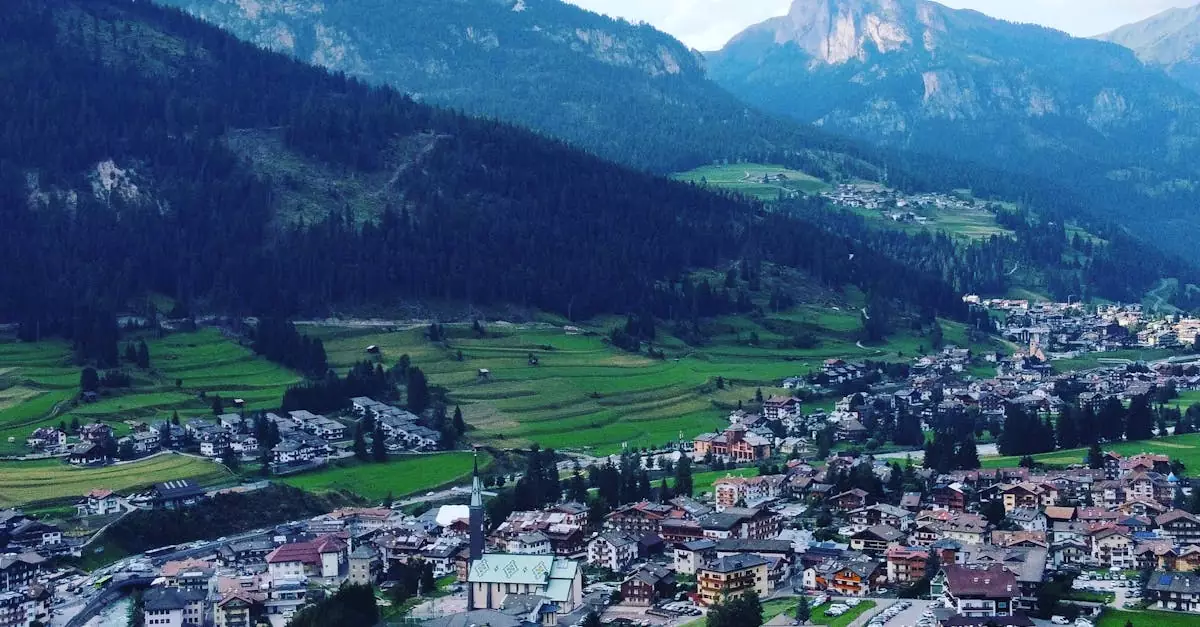
Planning your journey through Northern Italy requires understanding the most efficient ways to travel between its diverse landscapes, from the majestic Alps to the serene lakes. The region boasts an excellent public transport network, but for certain excursions, a private vehicle offers unparalleled flexibility. This section breaks down the primary transportation methods to help you craft the best Northern Italy itinerary.
High-Speed Trains: Connecting Major Cities Efficiently
For rapid transit between key urban centers like Milan, Venice, Verona, and Bologna, Italy’s high-speed rail system, operated by Trenitalia (Frecciarossa) and Italo, is unparalleled. These modern trains offer comfortable seating, Wi-Fi, and onboard services, making long distances feel manageable. Booking tickets in advance, especially during peak season, is highly recommended to secure better prices and ensure availability. A typical journey from Milan to Venice, for instance, takes just under 2.5 hours.
While trains are excellent for city-hopping, they won’t get you directly into the heart of smaller mountain villages or remote lakeside spots. Factor in local transport connections from major train stations. The efficiency of the rail network makes it a cornerstone for many travelers seeking a well-rounded Northern Italian experience without the stress of driving in unfamiliar cities.
Renting a Car for Dolomite and Lake Garda Freedom
While trains are superb for intercity travel, renting a car unlocks the true potential of exploring the dramatic Dolomites and the scenic shores of Lake Garda. The freedom to stop at panoramic viewpoints, discover charming alpine villages like Ortisei or Bolzano, and navigate the winding roads around Lake Garda is invaluable. Pick-up and drop-off locations are readily available at major airports and train stations.
Driving in the mountains requires confidence, especially on narrow, winding roads. Ensure you are comfortable with manual transmission if that’s your only option, and be aware of seasonal road closures due to snow, particularly in the Dolomites during winter. Parking can also be a challenge in popular towns and at lakeside resorts, so look for accommodations that offer parking facilities. A car is particularly beneficial if your itinerary includes multiple days dedicated to hiking in the Dolomites or visiting several towns around Lake Garda.
| Transportation Method | Best For | Pros | Cons |
|---|---|---|---|
| High-Speed Trains | City-to-city travel (Milan, Venice, Verona) | Fast, comfortable, frequent departures, eco-friendly | Limited access to rural areas, requires onward local transport |
| Rental Car | Dolomites, Lake Garda, rural exploration | Flexibility, access to remote locations, scenic drives | Parking challenges, potential for traffic, requires driving confidence |
| Local Buses/Ferries | Small towns, lake excursions, short distances | Affordable, scenic routes, access to car-free areas | Slower, less frequent schedules, can be crowded |
Local Buses and Ferries: Exploring Smaller Towns
Beyond the high-speed network, local buses and ferries serve as essential connectors for reaching smaller towns and experiencing the charm of the Italian lakes. Regional buses fill the gaps where trains don’t go, providing access to villages nestled in valleys or perched on hillsides. For Lake Como and Lake Garda, the ferry systems are not just transportation but a scenic experience in themselves, offering stunning perspectives of the surrounding villas and mountains.
These services are generally more budget-friendly than trains or car rentals, making them attractive for travelers on a tighter budget. However, schedules can be less frequent, especially outside of peak tourist season, and journeys will take longer. It’s wise to check timetables in advance, often available at local tourist information offices or online. For instance, the ferry from Varenna on Lake Como to Bellagio offers a quick and picturesque connection between two of the lake’s most beloved towns.
What to Eat on Your Northern Italy Adventure
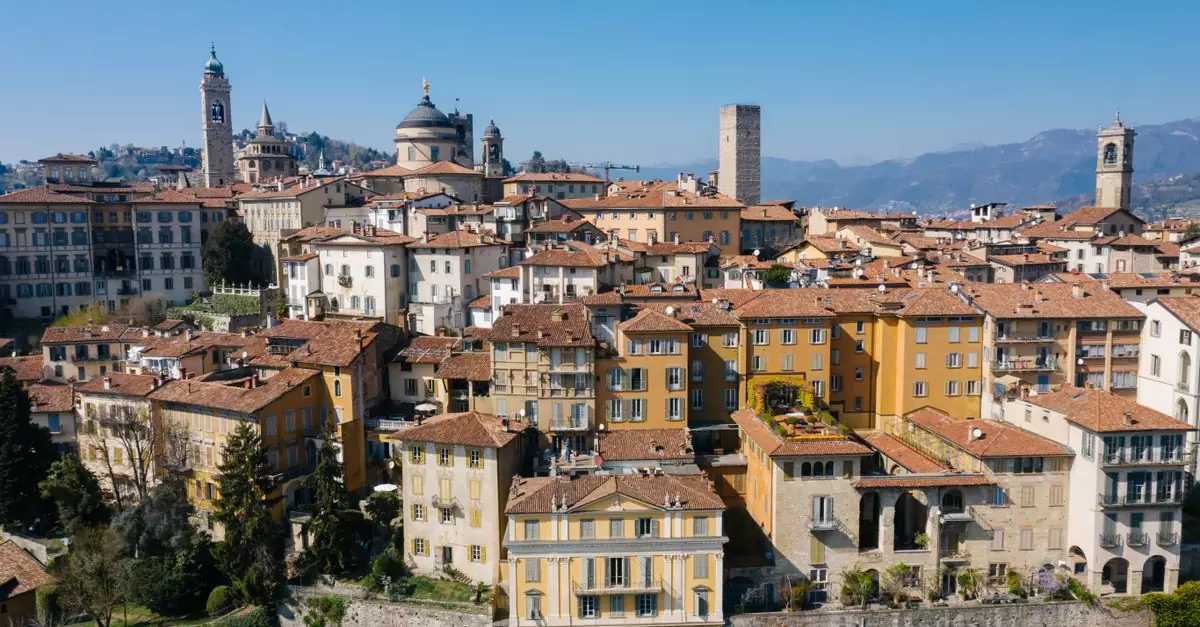
A journey through Northern Italy is as much a culinary expedition as it is a scenic one. Each region, from the rugged peaks of the Dolomites to the tranquil shores of Lake Garda and the rolling hills of Piedmont, offers distinct flavors and specialties that define the local gastronomic identity. Planning your meals around these regional delights will significantly enhance your travel experience.
Must-Try Dishes in the Dolomites: Canederli and Polenta
In the South Tyrolean Alps, the cuisine is hearty and comforting, reflecting the mountainous terrain and Austrian influences. Canederli (or Knödel in German) are a staple, essentially large bread dumplings often filled with speck (smoked ham), cheese, or spinach. They are typically served in a rich beef broth or with melted butter and Parmesan.
Polenta, a creamy cornmeal porridge, is another ubiquitous dish, especially in its richer, more elaborate forms. It’s often served as a side to slow-cooked meats like goulash or spezzatino (stew), providing a satisfying base. Look for restaurants in towns like Bolzano or Cortina d’Ampezzo to sample authentic versions of these mountain specialties.
Fresh Lake Fish and Olive Oil Delicacies of Lake Garda
The largest lake in Italy, Lake Garda, boasts a unique culinary scene characterized by its fresh fish and exceptional olive oil. The clear waters yield a variety of fish, including lavarello (whitefish), trota (trout), and persico (perch), often prepared simply grilled or pan-fried with herbs and lemon.
Lake Garda is also a significant producer of high-quality olive oil, known for its delicate, slightly peppery flavor. This oil is a key ingredient in many local dishes, from drizzling over grilled fish to forming the base of vibrant vegetable antipasti. Towns along the lake, such as Sirmione and Malcesine, offer numerous trattorias where you can savor these lake-fresh ingredients.
Amarone Wine and Truffles of the Langhe Region
Venturing into the Piedmont region, specifically the Langhe area south of Turin, you enter a world-renowned gastronomic paradise. This is the heartland of Amarone della Valpolicella, a powerful, full-bodied red wine made from partially dried grapes. It pairs exceptionally well with the region’s rich cuisine.
The Langhe is also famous for its exquisite truffles, particularly the white truffle (tartufo bianco), which appears from autumn into early winter. Dishes are often elevated with generous shavings of fresh truffle, most famously tajarin (a type of fresh egg pasta) or simple fried eggs. Alba is the epicenter for truffle hunting and tasting.
Verona’s Specialty: Pastissada de Caval
While in Verona, a city steeped in history and romance, be sure to try its most distinctive traditional dish: Pastissada de Caval. This is a slow-cooked horse meat stew, a recipe with roots dating back to the 5th century. Despite its unusual ingredient for many visitors, it is a deeply ingrained part of Veronese culinary heritage.
The meat is braised for hours with red wine, vegetables, and a blend of spices, resulting in an incredibly tender and flavorful dish. It’s typically served with polenta or risotto. While not for the faint of heart, experiencing Pastissada de Caval offers a genuine taste of Verona’s unique gastronomic past.
Hidden Gems and Unique Experiences in Northern Italy
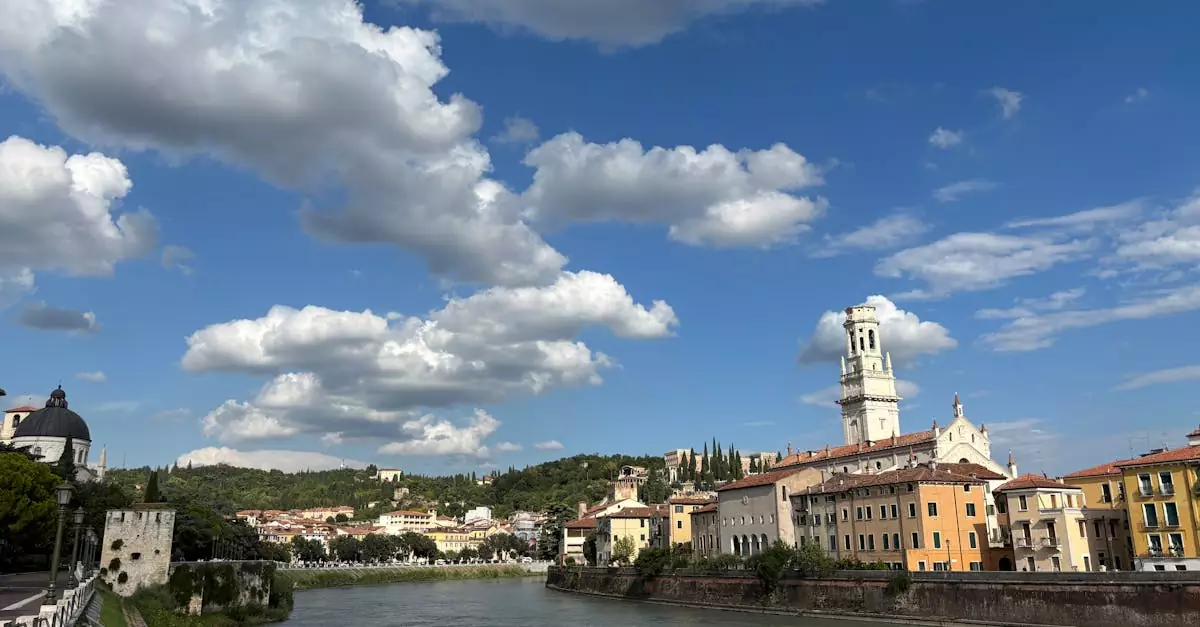
While iconic cities like Venice and Florence draw crowds, Northern Italy offers a wealth of lesser-known treasures. This region, stretching from the majestic Alps to the Adriatic coast, rewards those who venture off the beaten path with unforgettable sights and authentic encounters. Planning a trip that balances famous landmarks with these hidden gems is key to experiencing the best Northern Italy has to offer.
Exploring the Sacra di San Michele Monastery
Perched dramatically atop Monte Pirchiriano, the Sacra di San Michele Monastery is an ancient abbey with a commanding presence. This medieval fortress-monastery, dating back to the 10th century, served as the inspiration for Umberto Eco’s novel “The Name of the Rose.” Its remote location in Piedmont offers breathtaking panoramic views of the Susa Valley.
Reaching the monastery typically involves a drive followed by a moderate hike, or a shuttle bus service from the nearby town of Avigliana during peak season. The climb is well worth the effort, revealing stunning architecture and a profound sense of history. Allow at least half a day to fully appreciate the site, including its church, crypt, and monastery ruins.
Discovering the Colorful Houses of Burano Island
A short boat ride from Venice lies the enchanting island of Burano, famous for its vibrantly painted houses and lacemaking tradition. Unlike its more famous neighbor, Burano retains a tranquil, lived-in atmosphere. Legend has it that houses were painted in bright colors so that fishermen could easily spot their homes from at sea.
Wandering through Burano’s narrow canals, lined with houses in shades of red, blue, green, and yellow, is a photographer’s delight. You can explore local artisan shops selling intricate lace, a craft practiced here for centuries. The island is also home to the Museum of Lace, offering insight into its rich heritage. A day trip from Venice is easily manageable, with frequent Vaporetto (water bus) services connecting the islands.
Hiking to the Tre Cime di Lavaredo for Epic Views
For unparalleled alpine scenery, a trek to the Tre Cime di Lavaredo in the Dolomites is essential. These three iconic, jagged peaks are a symbol of the Italian Alps and offer some of the most spectacular hiking in the region. The most popular route is a relatively flat loop trail that circles the base of the peaks, taking about 3-4 hours to complete.
Access to the trailhead is typically via a toll road from Misurina, and parking can be limited, especially during summer. It’s advisable to arrive early or consider visiting during the shoulder seasons (late spring or early autumn) for fewer crowds and pleasant hiking conditions. The trail is well-maintained and suitable for most fitness levels, with numerous opportunities to stop for photos and enjoy the dramatic mountain vistas.
Visiting a Family-Run Winery in Piedmont
Piedmont, renowned for its Barolo and Barbaresco wines, offers a more intimate wine-tasting experience than some of Italy’s larger wine regions. Many family-run wineries welcome visitors for tours and tastings, providing a personal connection to the land and its produce. These smaller estates often offer a more authentic glimpse into winemaking traditions.
Booking in advance is highly recommended, as many of these operations are small and cater to a limited number of guests. Consider basing yourself in towns like Alba or Asti for convenient access to various vineyards. A designated driver or hiring a local guide can enhance your experience, allowing you to fully savor the region’s exceptional wines, such as Nebbiolo and Barbera, alongside regional specialties like truffles.
Frequently Asked Questions About a Northern Italy Trip
What is the best time of year for this Northern Italy itinerary?
The shoulder seasons, spring (April-May) and fall (September-October), offer the best balance for this Northern Italy itinerary. You’ll experience pleasant weather for hiking in the Dolomites and exploring the lakes, with fewer crowds than in peak summer. Spring brings blooming wildflowers, while fall showcases vibrant foliage.
Summer (June-August) is popular for its warm weather, ideal for lake activities, but expect higher prices and larger crowds, especially in popular spots like Lake Como and Venice. Winter (November-March) is suitable for serious skiers in the Dolomites but can be cold and damp elsewhere, with some attractions having reduced hours.
How much does a 10-day Northern Italy itinerary typically cost?
A 10-day trip through Northern Italy can range from €1,500 to €3,500+ per person, excluding international flights. This estimate depends heavily on your travel style, accommodation choices, dining preferences, and activity level.
Here’s a general breakdown:
| Category | Budget Traveler (€) | Mid-Range Traveler (€€) | Luxury Traveler (€€€) |
|---|---|---|---|
| Accommodation | 60-100/night | 120-200/night | 250+/night |
| Food | 40-60/day | 70-100/day | 150+/day |
| Transportation | 30-50/day | 50-80/day | 80-120/day |
| Activities/Entry | 20-40/day | 50-80/day | 100+/day |
Note: These are daily estimates and can fluctuate based on specific locations within Northern Italy.
Is Northern Italy safe for solo travelers?
Yes, Northern Italy is generally very safe for solo travelers. Like any destination in Europe, it’s wise to be aware of your surroundings, especially in crowded tourist areas where petty theft can occur. Violent crime rates are low.
Solo travelers can feel comfortable navigating cities and utilizing public transportation. It’s always a good idea to keep your valuables secure and avoid walking alone in poorly lit areas late at night. Many solo travelers find the region welcoming and easy to explore independently.
What should I pack for a Northern Italy trip in spring/fall?
Packing for spring or fall in Northern Italy requires layers, as the weather can be unpredictable. Focus on versatile items that can be mixed and matched.
- Clothing:
- Lightweight, waterproof jacket
- Sweaters or fleece
- Long-sleeved shirts
- T-shirts
- Jeans or comfortable trousers
- Comfortable walking shoes (essential!)
- Scarf
- Gloves and a hat (especially for early spring or late fall)
- One slightly dressier outfit for evenings
- Essentials:
- Reusable water bottle
- Portable power bank
- Travel adapter
- Sunscreen and sunglasses
- Small backpack for day trips
Remember that many churches have dress codes, requiring shoulders and knees to be covered.