Ireland’s rich literary heritage is more than a collection of famous authors; it’s a vibrant tapestry woven into the island’s very fabric. From ancient myths and epic poems to modern novels that reflect contemporary life, Irish storytelling has captivated audiences for centuries. This deep-rooted tradition makes Ireland a compelling destination for those who find magic in the written word. For bibliophiles, Ireland offers an unparalleled journey into the heart of literary creation. This guide explores the best literary destinations Ireland has to offer, highlighting the cities, landscapes, and specific sites that have inspired generations of writers and continue to enchant visitors today. You’ll discover how to walk in the footsteps of literary giants, connect with the places that shaped their imaginations, and experience the atmosphere that fueled iconic works, transforming a typical vacation into a meaningful pilgrimage.
Discovering Ireland’s Best Literary Destinations
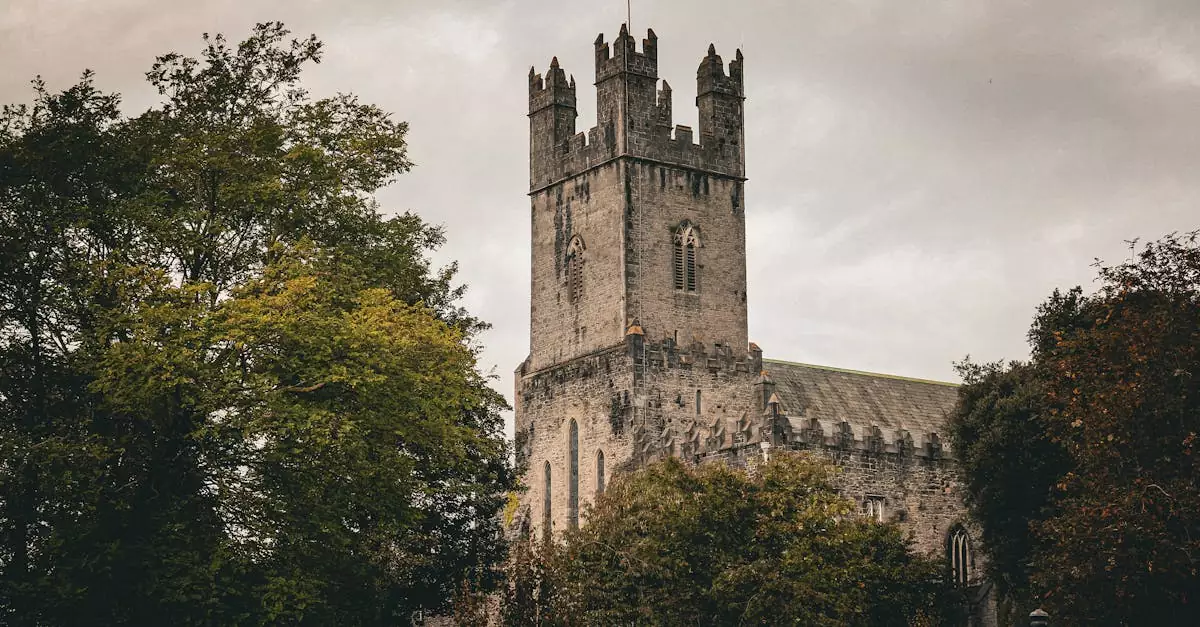
Embracing the Magic of Irish Literature
Ireland’s literary heritage is a vibrant tapestry woven into the island’s fabric. From ancient myths and epic poems to modern novels that capture contemporary life, Irish storytelling has captivated audiences for centuries. This tradition makes Ireland a compelling destination for anyone who finds magic in the written word.
The island’s dramatic landscapes, complex history, and unique cultural identity inspire writers, providing endless source material. Visiting Ireland allows you to walk in the footsteps of literary giants and connect with the places that shaped their imaginations. This immersive experience transcends mere reading, inviting you to feel the atmosphere that fueled iconic works.
Why Ireland is a Must-Visit for Bookish Travelers
For bibliophiles, Ireland offers a unique journey into the heart of literary creation. The country boasts numerous Nobel laureates in Literature, including W.B. Yeats, George Bernard Shaw, Samuel Beckett, and Seamus Heaney, underscoring its profound contribution to global letters. Beyond these celebrated names, countless other writers have found inspiration on its shores, contributing to a literary landscape that is both historically significant and dynamically alive.
Ireland’s appeal as a literary destination lies in its tangible connection to its writers. You can visit the homes where they lived, the pubs where they socialized, and the landscapes that inspired their most famous passages. This direct link allows travelers to engage with literature in a deeply personal way, transforming a typical vacation into a meaningful pilgrimage.
Top Regions for Literary Pilgrimages in Ireland
Ireland’s literary treasures are spread across its diverse regions, each offering unique insights into its storytelling tradition. Planning a trip around these areas can provide a comprehensive literary tour of the island.
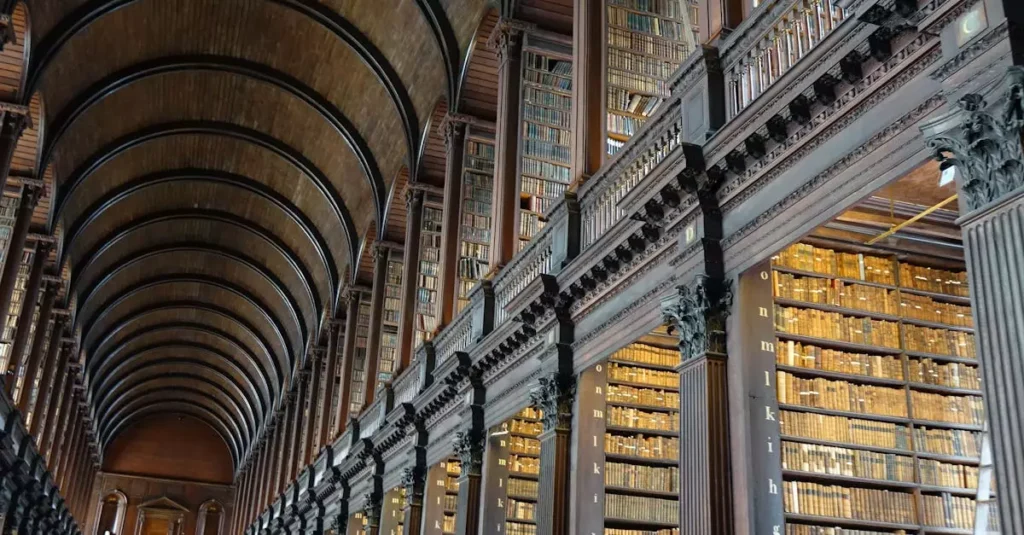
Dublin: The capital city is a hub for literary exploration. It’s the birthplace of James Joyce, Samuel Beckett, and Oscar Wilde, and the setting for Joyce’s Ulysses. Visitors can explore Trinity College Library, home to the magnificent Long Room and the Book of Kells, and wander through areas immortalized in literature, such as Merrion Square and Sandycove. Literary pub crawls are a popular way to experience Dublin’s vibrant literary history.
County Sligo: Often referred to as “Yeats Country,” this region in the northwest is intrinsically linked to W.B. Yeats. His poetry frequently draws inspiration from Sligo’s natural beauty, including Ben Bulben mountain and Glencar Lough. Visiting these sites offers a profound connection to the imagery and themes in his work.
County Derry/Londonderry: This historic city in Northern Ireland has a strong literary presence, notably as the home of Seamus Heaney. The Seamus Heaney HomePlace in Bellaghy provides a dedicated space to explore his life and work, set against the landscapes that influenced him. The city itself, with its storied past, has also inspired many writers.
West Cork: This picturesque region in the southwest is known for its artistic communities and has attracted writers and poets for generations. Towns like Skibbereen and Kinsale offer charming settings that have inspired contemporary Irish authors. The dramatic coastline and tranquil villages provide a peaceful environment conducive to reflection and creativity.
Planning Your Literary Journey
When planning a literary tour of Ireland, consider the time of year for the best experience. Spring and autumn offer pleasant weather and fewer crowds, making them ideal for exploring historical sites and natural landscapes. Summer is warmer but busier, while winter can be atmospheric but requires preparation for colder, wetter conditions.
Transportation across Ireland is generally good, with a network of roads and public transport options. Renting a car provides the most flexibility for reaching more remote literary sites, especially in rural areas like County Sligo or West Cork. For city-based exploration in Dublin, public transport and walking are efficient.
Accommodation options range from historic guesthouses and boutique hotels in cities to cozy bed and breakfasts in the countryside, offering a chance to experience local hospitality. Budget considerations will vary depending on the region and time of year, with cities generally being more expensive than rural areas.
Literary Dublin: A City Steeped in Stories
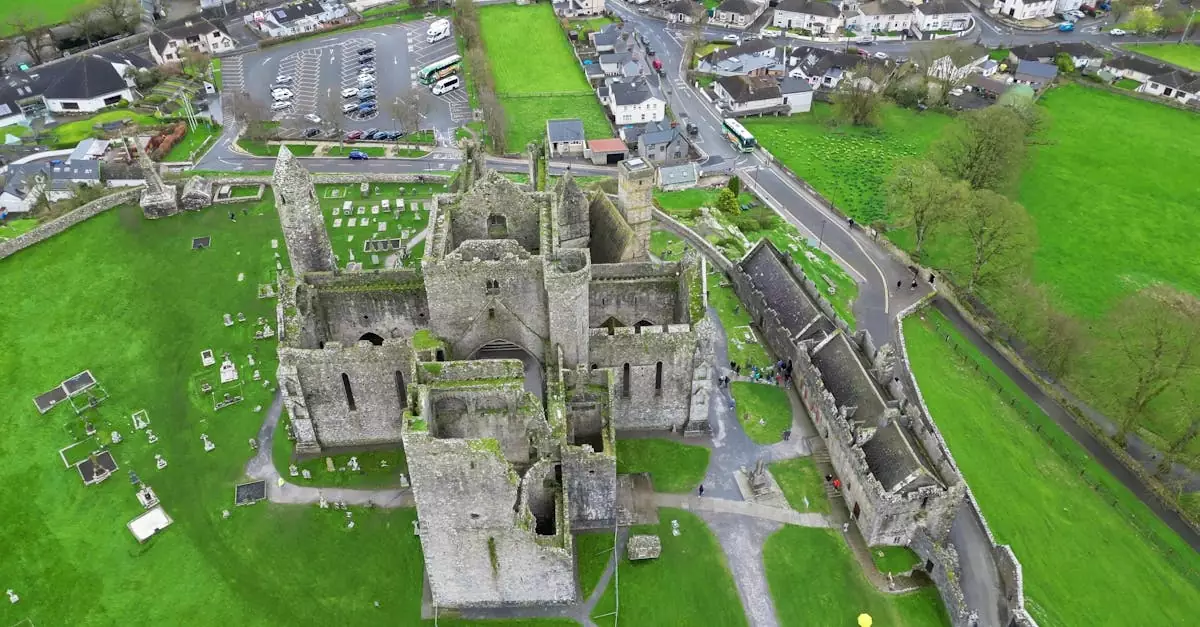
Dublin, Ireland’s vibrant capital, holds a prominent place on any list of the best literary destinations in Ireland. Its streets have echoed with the footsteps of Nobel laureates, and its pubs have inspired countless narratives. For book lovers, this city offers a rich tapestry of history, culture, and literary pilgrimage sites.
Walking the Haunts of James Joyce in the Liberties
A deep dive into Dublin’s literary soul often begins with James Joyce. The Liberties, a historic district in the heart of the city, serves as the setting for much of his seminal work, Ulysses. Wandering through these streets connects you directly with the landscape that shaped Joyce’s imagination.
Key landmarks include Martello Tower in Sandycove (though a short journey from the immediate Liberties, it’s essential for Ulysses fans) and various pubs and street corners immortalized in his writing. Consider a guided literary walking tour to gain deeper insights and uncover hidden stories. These tours often focus on specific episodes or characters from Joyce’s Dublin.
Exploring the Trinity College Long Room and the Book of Kells
No literary tour of Dublin is complete without a visit to Trinity College. The Long Room, its magnificent library, is an awe-inspiring sight. Lined with over 200,000 ancient volumes, the sheer scale and atmosphere transport visitors to another era.
Within the library, the Book of Kells, a beautifully illuminated manuscript created around 800 AD, is a must-see. This pre-Christian masterpiece offers a glimpse into early Irish artistry and scholarship. Arrive early or book tickets in advance to avoid long queues, especially during peak tourist seasons.
Yeats’ Dublin: From Sligo Connections to the National Library
While W.B. Yeats is intrinsically linked to Sligo, his formative years and significant literary career were also deeply rooted in Dublin. The National Library of Ireland, where Yeats served as a board member, is a fitting place to connect with his legacy. The library houses a vast collection of Irish literary works and archives.
You can explore exhibits related to Yeats and his contemporaries, gaining an appreciation for the intellectual circles he moved in. The library’s grand architecture offers a sense of historical gravitas. It’s a quiet sanctuary for reflection on Ireland’s poetic heritage.
The Dublin Writers Museum: A Deep Dive into Literary History
For a comprehensive overview of Ireland’s literary giants, the Dublin Writers Museum is an essential stop. Located in a stunning 18th-century Georgian mansion, the museum celebrates the lives and works of writers from Jonathan Swift to Samuel Beckett and beyond.
Exhibits feature manuscripts, first editions, portraits, and personal effects, offering an intimate look at the creative process. The museum provides context for the city’s rich literary output and helps visitors understand the interconnectedness of Irish authors. It’s an excellent starting point for grasping Dublin’s status as a UNESCO City of Literature.
Beyond the Capital: Uncovering Rural Literary Gems
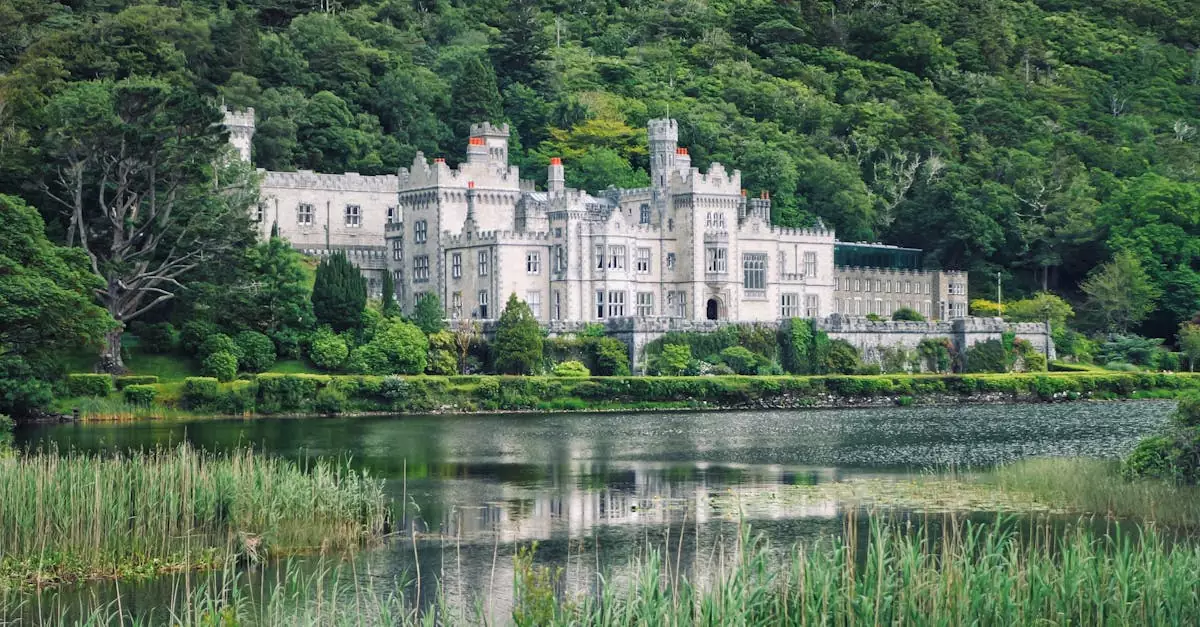
While Dublin rightfully claims its title as a UNESCO City of Literature, Ireland’s literary landscape extends far beyond its bustling capital. For book lovers seeking to immerse themselves in the landscapes that inspired poets and novelists, venturing into the countryside reveals a wealth of hidden literary treasures. These rural destinations provide a more intimate connection to Ireland’s storytelling heritage, often set against breathtaking natural backdrops.
S.E. Hinton’s Tulsa: A Surprising Literary Connection
It might seem unexpected, but S.E. Hinton, the author of the iconic young adult novel The Outsiders, has a significant connection to Ireland, specifically County Sligo. While the novel is set in Tulsa, Oklahoma, Hinton’s family roots are deeply embedded in Ireland, and she spent considerable time there. Her experiences and the Irish landscape often influence her writing, providing a unique transatlantic literary link. Visiting Sligo offers a chance to connect with this less-discussed aspect of her work, perhaps by exploring the rugged beauty that may have subtly shaped her storytelling.
The Wild Atlantic Way: Following the Footsteps of Seamus Heaney
The Wild Atlantic Way, a renowned scenic drive along Ireland’s west coast, offers more than stunning ocean vistas; it’s a pilgrimage route for admirers of Nobel laureate Seamus Heaney. His poetry frequently drew inspiration from the rural landscapes of County Derry and the broader Irish countryside. Driving sections of the Wild Atlantic Way allows you to traverse the very terrain that Heaney immortalized in verse. Consider visiting areas around Bellaghy, his hometown, or exploring coastal paths that echo the imagery in his collections. This journey is best experienced at a relaxed pace, allowing time to absorb the atmosphere that fueled his powerful words.
County Clare’s Bardic Traditions: O’Connell and MacNamara
County Clare, known for its traditional music and dramatic Cliffs of Moher, also boasts a rich bardic heritage. Daniel O’Connell, the “Liberator,” a pivotal figure in 19th-century Irish history, was a renowned orator whose speeches were as powerful as any written work. His legacy is palpable in areas like Derrynane, his ancestral home. Nearby, the town of Lahinch is associated with playwright John Millington Synge, who captured the essence of rural Irish life in works like The Playboy of the Western World. Exploring these locales provides insight into the voices that shaped Irish identity and literature.
W.B. Yeats’ Tower at Thoor Ballylee, County Galway
For a truly immersive literary experience, a visit to Thoor Ballylee in County Galway is essential. This medieval tower house, once owned by W.B. Yeats, served as his home and a significant source of inspiration. Yeats restored the tower, transforming it into a haven where he wrote some of his most famous poems, including those in The Tower collection. Today, it stands as a testament to his life and work, allowing visitors to walk through the rooms where he lived and penned his verses. The setting itself, overlooking the River G, is as evocative as his poetry. Planning a visit during the warmer months, typically from April to October, offers the best weather for enjoying the surrounding landscape and the tower’s unique atmosphere.
Northern Ireland’s Literary Landscapes
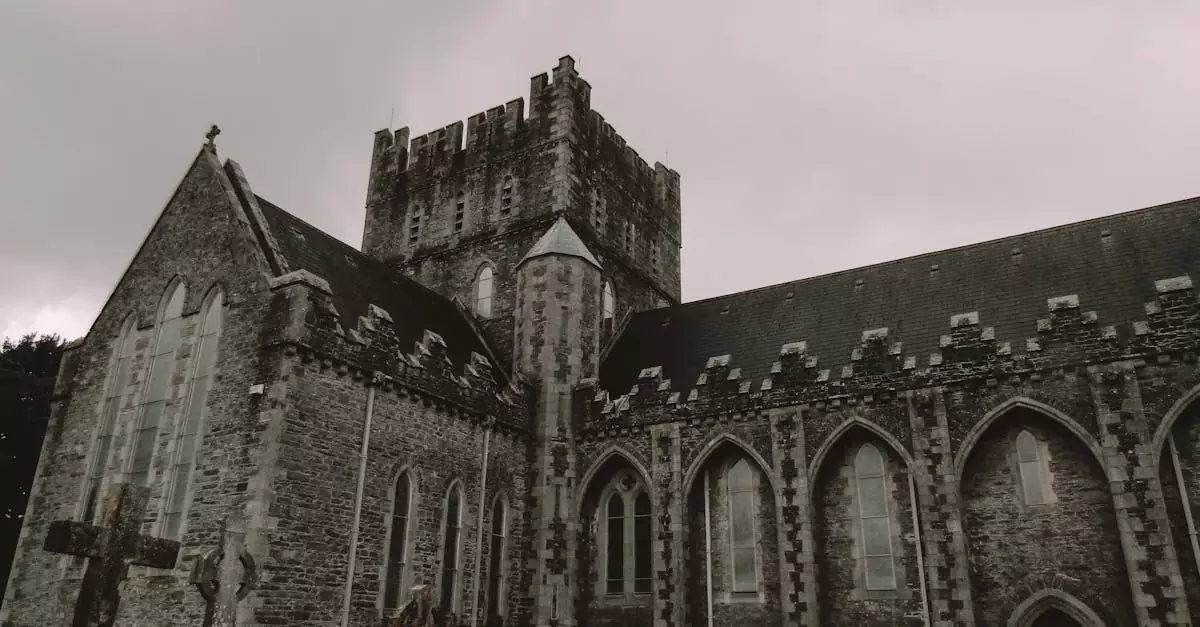
Northern Ireland offers a rich tapestry of literary connections, from the childhood haunts of beloved authors to the historic streets that inspired powerful narratives. This region provides a unique opportunity for book lovers to connect with the places that shaped some of literature’s most memorable works.
Belfast’s Literary Heritage: C.S. Lewis and George Best
Belfast, the vibrant capital of Northern Ireland, holds a special place in the hearts of many readers. It was here that C.S. Lewis, the celebrated author of The Chronicles of Narnia, spent his formative years. Visitors can trace his early life through areas like the Strandtown district, where his childhood home stood. While the original house is gone, the spirit of his imagination feels present in the city’s parks and streets.
Beyond C.S. Lewis, Belfast also connects to the world of sports literature through George Best. Though primarily known as a football legend, Best’s life story, filled with both triumph and tragedy, has been the subject of numerous books and biographies. His impact on popular culture is undeniable, and exploring the city can offer a deeper understanding of his roots.
For those interested in Belfast’s literary past, consider a guided walking tour focusing on its famous writers. These tours often highlight significant landmarks and share anecdotes that bring the city’s literary history to life. The Ulster Museum also occasionally features exhibits related to local authors and their works.
The Glens of Antrim: Inspiration for Romantic Poets
The dramatic coastline and rolling hills of the Glens of Antrim have long served as a muse for poets and writers. This picturesque region, characterized by its nine glens, offers breathtaking scenery that has inspired countless verses. The wild beauty and romantic atmosphere of this area are palpable, providing a tranquil setting for reflection.
Romantic poets were particularly drawn to the Glens’ untamed landscapes. The sense of isolation and natural grandeur found here resonated deeply with their artistic sensibilities. Travelers seeking a connection to this literary tradition can drive the scenic Antrim Coast Road, stopping at viewpoints that offer sweeping vistas.
Visiting the Glens of Antrim is best done with a car, allowing flexibility to stop and absorb the scenery. Towns like Cushendall and Carnlough offer charming accommodations and local pubs where you can soak in the regional atmosphere. Allow at least a full day to truly appreciate the scale and beauty of this inspiring landscape.
Derry/Londonderry’s Literary Significance
Derry/Londonderry, a city steeped in history, has carved out its niche in the literary world. The city’s complex past, marked by periods of conflict and resilience, has provided fertile ground for writers to explore themes of identity, politics, and social change. Its iconic walls, the last fully intact city walls in Europe, offer a unique vantage point for understanding the city’s narrative.
One of the most prominent literary figures associated with the city is Seamus Heaney, the Nobel laureate poet. While he was born in County Londonderry, his poetry often reflects the rural landscape and experiences of Northern Ireland, including the Bogside area near Derry/Londonderry. His work offers profound insights into the region’s soul.
For a deeper dive into the city’s literary connections, consider visiting the Seamus Heaney HomePlace in Bellaghy, a short drive from Derry/Londonderry. This dedicated center celebrates his life and work through exhibitions and events. In Derry/Londonderry itself, the Tower Museum provides historical context that can enrich your understanding of the literature inspired by the city.
| Destination | Literary Connection | Key Attractions | Best For |
|---|---|---|---|
| Belfast | C.S. Lewis, George Best | Strandtown, Ulster Museum | Urban literary exploration |
| Glens of Antrim | Romantic Poets | Antrim Coast Road, Cushendall, Carnlough | Scenic beauty, tranquil inspiration |
| Derry/Londonderry | Seamus Heaney, historical writers | City Walls, Tower Museum, Seamus Heaney HomePlace | History-infused literary discovery |
Planning Your Literary Ireland Itinerary
Embarking on a journey through Ireland’s literary landscapes requires thoughtful planning. Whether you’re tracing the footsteps of Joyce, Yeats, or Wilde, a well-structured itinerary ensures you make the most of your bookish adventure. This section offers practical advice on timing, transportation, and budgeting to help you craft an unforgettable trip.
Best Time to Visit Ireland for Literary Exploration
The ideal time to visit Ireland for literary exploration depends on your preferences for weather and crowd levels. Spring (April to May) and autumn (September to October) offer milder weather and fewer tourists, making for a more intimate experience at historic sites and cozy pubs where literary discussions might have taken place. Summer (June to August) brings warmer temperatures and longer daylight hours, ideal for exploring outdoor literary landmarks, but expect larger crowds. Winter (November to March) can be damp and chilly, but it’s also the quietest season, offering a reflective atmosphere for delving into the works of Ireland’s great writers in charming, less-crowded settings.
Navigating Ireland: Car Rentals vs. Public Transport for Book Lovers
Deciding how to get around Ireland significantly impacts your literary pilgrimage. Renting a car offers the most flexibility, allowing you to visit remote locations associated with writers, such as the Sligo countryside that inspired W.B. Yeats or the rugged west coast often depicted in Irish literature. This is particularly useful for reaching smaller towns and rural estates not well-served by public transport.
However, public transport, including trains and buses, is a viable and often more relaxed option, especially if your focus is on major cities like Dublin and Galway. Dublin, in particular, is highly walkable, with many literary attractions clustered within the city center. For longer distances, Irish Rail and Bus Éireann connect major towns and cities. Consider your route and desired level of independence when making this choice.
Here’s a quick comparison:
| Transport Option | Pros | Cons | Best For |
|---|---|---|---|
| Car Rental | Flexibility, access to rural areas, independent exploration | Navigating narrow roads, parking in cities, cost (rental, fuel, insurance) | Travelers wanting to visit off-the-beaten-path literary sites, families |
| Public Transport | Relaxing, cost-effective for city-to-city travel, no parking stress | Limited access to rural sites, fixed schedules, potential delays | Solo travelers, budget-conscious travelers, those focusing on urban literary hubs |
Crafting a 7-Day Literary Ireland Itinerary
A week allows for a focused exploration of Ireland’s literary heritage. For a balanced experience, consider a route that combines key urban literary hubs with more rural inspirations.
A possible 7-day itinerary could look like this:
- Days 1-3: Dublin: Immerse yourself in the city that spawned Joyce, Wilde, and Beckett. Visit Trinity College Library, the Long Room, the James Joyce Centre, and explore pubs frequented by literary figures. Day trips could include the Brontë homeland in County Down, if time permits.
- Day 4: Travel to Galway: Take a train or bus west. Settle into the vibrant atmosphere of Galway, a UNESCO City of Film and a hub for contemporary Irish writers.
- Days 5-6: West Coast (Galway & Sligo): Dedicate a day to exploring Galway’s literary connections. Consider a day trip or an overnight stay in County Sligo, the “Yeats Country,” to visit Lough Gill and the poet’s grave at Drumcliffe. This region offers stunning landscapes that profoundly influenced Irish poetry.
- Day 7: Return to Dublin or Departure: Travel back to Dublin for your departure, or fly out from Shannon Airport if convenient.
This structure provides a taste of both urban literary density and the natural beauty that inspired Ireland’s most celebrated authors.
Budgeting for Your Bookish Adventure Across Ireland
The cost of a literary tour of Ireland varies based on your travel style, accommodation choices, and dining preferences. Budgeting for this trip involves considering several key areas.
- Accommodation: Options range from budget-friendly hostels and guesthouses to mid-range hotels and charming B&Bs. Staying in smaller towns can often be more economical than in major cities like Dublin.
- Transportation: Car rental costs, including fuel and insurance, can add up. Public transport offers a more predictable expense, especially for intercity travel.
- Attractions: Entrance fees for libraries, museums, and historic homes vary. Many literary sites are free to visit or have nominal fees.
- Food & Drink: Ireland offers everything from affordable pub grub to fine dining. Enjoying a pint in a traditional pub is a quintessential, budget-friendly experience.
A rough daily budget might range from €80-€120 per person for a mid-range traveler, excluding international flights. This can be adjusted based on your preference for luxury or economy. Planning your route and booking accommodation and transport in advance, especially during peak season, can help manage costs effectively.
Frequently Asked Questions About Literary Travel in Ireland
What are the most iconic literary sites in Ireland?
Ireland boasts numerous iconic literary sites, drawing visitors keen to trace the footsteps of its celebrated writers. Dublin, in particular, is a treasure trove. Trinity College Library, with its Long Room, evokes the spirit of scholars and writers who have passed through its hallowed halls. The Dublin Writers Museum offers a comprehensive overview of Ireland’s literary giants. For a more atmospheric experience, a visit to Marsh’s Library, the country’s first public library, provides a tangible link to centuries of reading and writing.
Beyond the capital, the west coast offers dramatic landscapes that inspired many. The Aran Islands, for instance, with their rugged beauty and unique culture, feature prominently in the works of playwright J.M. Synge.
Which Irish authors should I research before visiting?
To fully appreciate Ireland’s literary heritage, researching key authors enriches the travel experience. James Joyce is paramount, with works like Ulysses deeply intertwined with Dublin’s geography. W.B. Yeats, a Nobel laureate, offers a lyrical perspective on Irish identity and landscape, particularly evident in his poetry. Oscar Wilde, known for his wit and plays, has strong ties to Dublin. Samuel Beckett, another Nobel Prize winner, is celebrated for his existentialist dramas.
For those interested in a broader scope, consider authors like Seamus Heaney, whose poetry often reflects rural life, and Maria Edgeworth, an early feminist writer. Understanding their lives and works will add significant depth to your journey through the best literary destinations Ireland has to offer.
Are there literary tours available in Dublin?
Yes, Dublin offers a wealth of literary tours catering to various interests. Walking tours are particularly popular, guiding visitors through the streets and pubs frequented by Joyce, Yeats, and other literary figures. Many tours focus on specific authors or periods, such as a dedicated Ulysses tour that follows Leopold Bloom’s path on Bloomsday.
Some tours include visits to significant buildings, like the former home of Patrick Kavanagh or the Shelbourne Hotel, where writers have gathered. You can often find options ranging from group excursions to private, tailored experiences, ensuring a deep dive into the city’s rich literary fabric. Booking in advance is recommended, especially during peak tourist seasons.
What is the best way to experience the literary history of the Wild Atlantic Way?
Experiencing the literary history along the Wild Atlantic Way requires a blend of scenic drives and focused stops. Renting a car provides the most flexibility for navigating the coastal routes and accessing smaller towns and historical sites. Consider basing yourself in a few key locations to avoid excessive daily travel.
Engage with local culture by visiting small community museums or heritage centers, which often highlight local writers and their connection to the landscape. For instance, Sligo town is a hub for Yeats enthusiasts, with sites like his former home, Thoor Ballylee. The dramatic scenery itself is a key element; take time to walk or simply sit and absorb the views that have inspired countless poems and stories. Look for local festivals or events that might coincide with your visit, as these often celebrate regional literary traditions.