Embarking on a journey across France by train offers a unique perspective on its diverse beauty, from sun-drenched coastlines to majestic mountain peaks. If you’re seeking an immersive travel experience that prioritizes stunning vistas and relaxed exploration, discovering France’s best scenic rail routes is an excellent choice. This guide will take you beyond the high-speed lines to uncover the hidden gems of the French railway network.
You’ll learn about iconic journeys like the Mont Blanc Express and the Train Jaune, understand the best times to visit each region, and find practical tips for booking tickets and planning your itinerary. Prepare to be captivated by the rolling vineyards, dramatic gorges, and charming villages that unfold outside your window, transforming your travel from a simple commute into an unforgettable adventure through the heart of France.
Why Choose a Scenic Train Journey Through France?
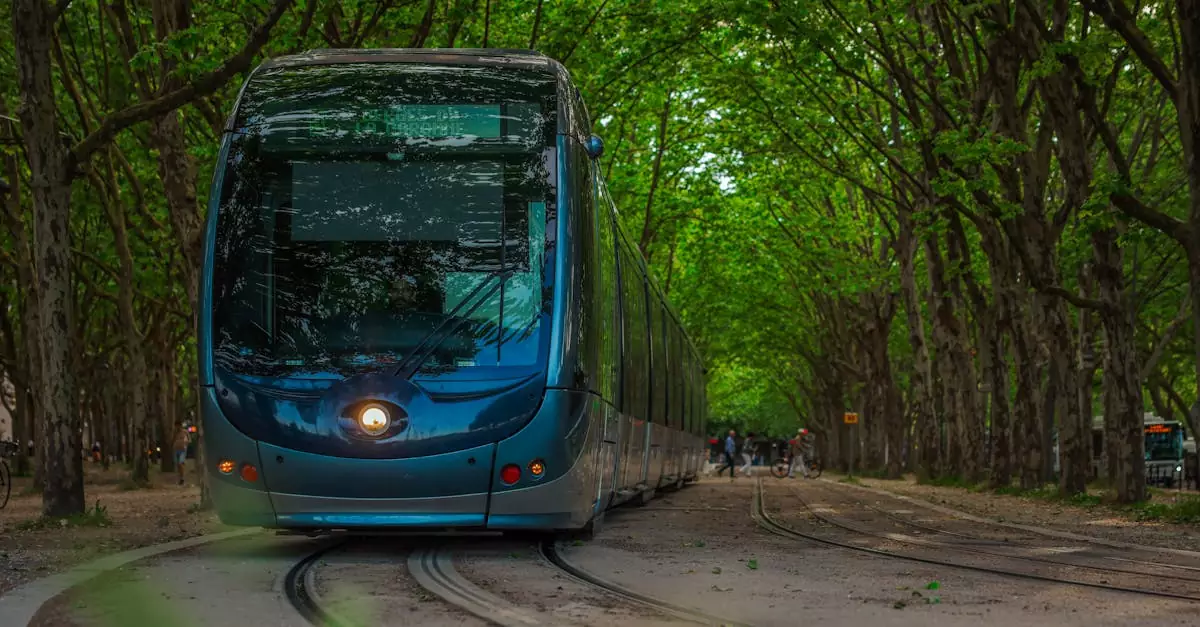
France’s extensive rail network provides a captivating way to experience the country’s diverse landscapes. Opting for a scenic train route allows travelers to immerse themselves in the rolling vineyards of Burgundy, the dramatic coastal cliffs of Brittany, or the majestic peaks of the Alps, all from the comfort of their seats. This mode of travel bypasses the stress of driving and parking, creating a more relaxed connection with the regions you traverse.
Experiencing the Romance of French Rail Travel
The allure of train travel in France is steeped in history and a certain undeniable romance. Long before budget airlines and highways dominated European travel, trains were the primary arteries connecting cities and villages. Today, this tradition continues, offering a slower pace that encourages observation and appreciation. Watching the French countryside unfold outside your window, punctuated by charming villages and historic châteaux, evokes a sense of nostalgia and adventure. It’s a chance to disconnect from the digital world and reconnect with the physical journey.
Uncovering Hidden Landscapes Beyond Major Cities
While Paris, Lyon, and Marseille are well-connected by high-speed TGV lines, the true magic of France’s scenic rail routes lies in venturing off the beaten path. Many regional lines, often operated by TER (Transport express régional), wind through less-visited areas, revealing breathtaking vistas that are inaccessible or difficult to reach by car. These routes showcase the authentic heart of France, from the lavender fields of Provence to the rugged beauty of the Pyrenees, offering a more genuine travel experience than the bustling tourist hubs. Planning your journey around these regional lines can lead to unexpected discoveries and a deeper understanding of the country’s rich tapestry.
Sustainable Travel Through France’s Countryside
Choosing a train journey through France is an inherently sustainable choice. Rail travel produces significantly lower carbon emissions per passenger mile compared to air or car travel, aligning with a growing desire for eco-conscious tourism. As you glide through picturesque landscapes, you’re not contributing to traffic congestion or air pollution. This environmentally friendly approach allows you to enjoy the natural beauty of France while minimizing your impact, making it a responsible way to explore the country’s stunning scenery. Traveling by train across Europe is a fundamental part of its sustainable tourism infrastructure.
The Most Breathtaking Scenic Rail Routes in France
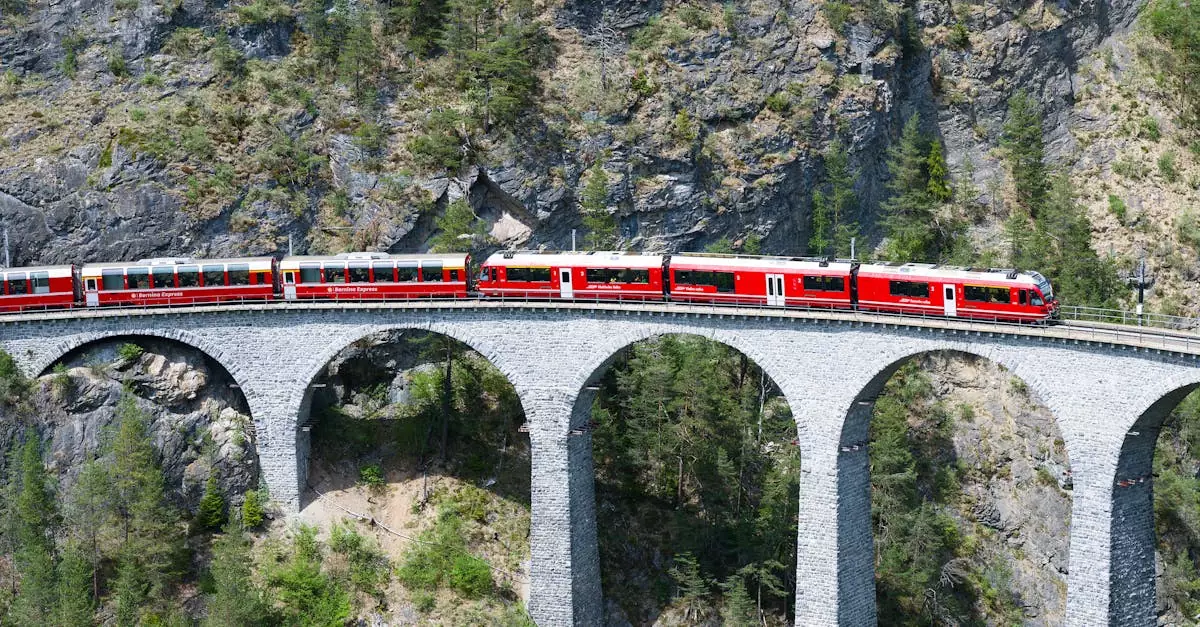
France’s railway network offers more than just efficient travel between cities; it provides a front-row seat to some of Europe’s most stunning landscapes. For travelers seeking a journey that prioritizes views over speed, several scenic rail routes stand out. These routes wind through mountains, along coastlines, and across rolling countryside, offering a unique perspective on the country’s diverse beauty. Planning a trip around one of these journeys can transform a simple commute into a memorable travel experience.
The Mont Blanc Express: Chamonix to Martigny
Connecting the French Alps with Switzerland, the Mont Blanc Express is a narrow-gauge railway that delivers spectacular mountain vistas. Starting in the renowned mountaineering hub of Chamonix, the train ascends through dramatic valleys, crosses impressive viaducts, and passes waterfalls. The journey is particularly striking during autumn when the foliage paints the slopes in vibrant colors, or in winter for a snow-covered wonderland.
The route from Chamonix-Mont-Blanc to Martigny in Switzerland takes approximately 2.5 hours. While the train is operated by SNCF in France and Transports Publics du Chablais (TPC) in Switzerland, a single ticket can usually be purchased for the entire journey. The carriages are designed to maximize views, with large windows offering uninterrupted panoramas of the Mont Blanc massif and the surrounding peaks.
Logistics for the Mont Blanc Express:
- Frequency: Trains run several times a day, but schedules can vary by season.
- Cost: Expect ticket prices to be in the mid-range for European train travel, with potential discounts if booked in advance.
- Best time to travel: Summer offers clear mountain views and hiking opportunities. Autumn provides stunning foliage. Winter is ideal for experiencing a snowy alpine landscape.
The Train Jaune (Yellow Train) in the French Pyrenees
Often called the “Yellow Train,” this iconic service traverses the Catalan Pyrenees in the Occitanie region of southern France. It’s one of the highest railway lines in France, reaching an altitude of over 1,500 meters. The bright yellow carriages create a cheerful contrast against the rugged mountain scenery, passing through charming villages, deep gorges, and over impressive engineering feats like the Gisclard Viaduct.
The full route runs between Villefranche-de-Conflent and Latour-de-Carol, taking about 3 hours. The train serves as a vital link for local communities and attracts many tourists. Open-top carriages are sometimes available during the summer months, offering an even more immersive experience of the crisp mountain air and panoramic views. This is a slow, deliberate journey, designed for appreciating the landscape.
Traveler Tips for the Yellow Train:
- Reservations: While not always mandatory, booking ahead is recommended, especially during peak season.
- Accessibility: The train connects to regional bus services and other train lines at its termini, facilitating onward travel.
- Local culture: The route passes through villages with distinct Catalan heritage, offering glimpses into local life and traditions.
The Chemins de Fer de Provence: Nice to Digne-les-Bains
This charming narrow-gauge railway offers a delightful journey from the bustling French Riviera inland to the pre-Alps. The Chemins de Fer de Provence, often referred to as the “Train des Pignes” (Pine Tree Train), departs from Nice and winds its way through picturesque valleys, past olive groves, and alongside turquoise rivers. It’s a slower, more traditional travel experience that contrasts sharply with the high-speed TGV lines.
The journey to Digne-les-Bains takes approximately 3 hours and 15 minutes. The train features comfortable seating and large windows, allowing passengers to soak in the changing scenery. The route is particularly appealing during spring and early summer when wildflowers bloom, providing a wonderful escape from coastal crowds and revealing a more rural side of Provence.
Planning Your Trip on the Train des Pignes:
- Stations: Trains depart from Nice CP station (not the main SNCF station), located near Place Charles de Gaulle.
- Frequency: Services are relatively frequent, but checking the timetable is essential.
- Budget: This route is generally considered a budget-friendly scenic option, especially for day trips from Nice.
These scenic rail routes offer distinct experiences, from the high alpine drama of the Mont Blanc Express to the rustic charm of the Yellow Train and the Provençal landscapes of the Train des Pignes. Each provides an unforgettable way to see France’s diverse and beautiful terrain.
Planning Your French Scenic Train Itinerary
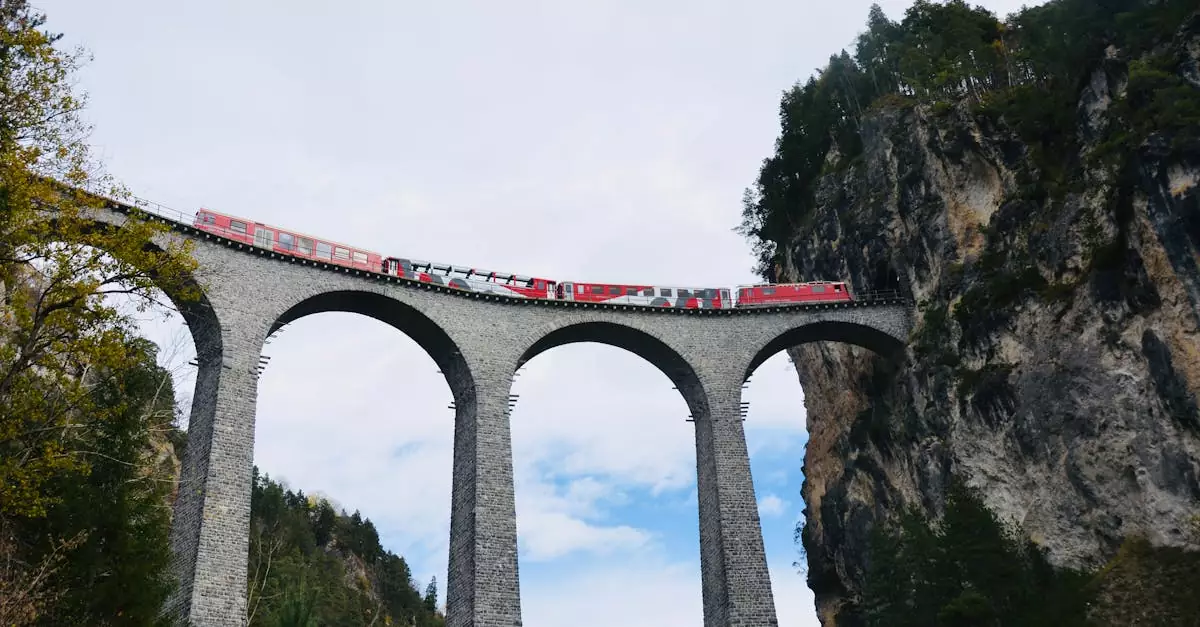
Embarking on a journey along France’s most picturesque rail lines requires thoughtful planning. Understanding the best times to travel, how to navigate ticketing, and how to structure your trip will ensure a seamless and memorable experience. These routes offer unparalleled views of diverse landscapes, from rugged coastlines to rolling vineyards and majestic mountains.
Best Time of Year for Specific Rail Routes
The ideal season for experiencing France’s scenic train routes often depends on the specific region and the landscapes you wish to see. Spring (April to June) brings blooming wildflowers and milder weather, particularly pleasant for routes through Provence or the Loire Valley. Summer (July to August) offers long daylight hours, perfect for maximizing your time on trains like those traversing the French Riviera, though it can be crowded and hot.
Autumn (September to October) is spectacular for vineyard regions like Bordeaux or Alsace, with changing foliage creating a vibrant tapestry. Coastal routes, such as those in Brittany, can be beautiful in autumn with fewer crowds. Winter (November to March) is best suited for mountainous areas like the French Alps, where snow-capped peaks offer a dramatic backdrop, though some services may be reduced. Always check local weather forecasts and potential seasonal disruptions before booking.
Booking Tickets and Understanding French Rail Passes
Securing your train tickets in France is straightforward, with the national rail operator, SNCF, offering various booking options. For individual journeys, booking in advance, especially for high-speed TGV services, can significantly reduce costs. Websites like SNCF Connect allow you to search schedules and purchase tickets months ahead.
For extensive travel across multiple scenic routes, a France Rail Pass might offer better value. These passes provide unlimited travel within a specified period, though they often require seat reservations for high-speed and overnight trains, which incur an additional fee. It’s essential to compare the cost of individual tickets against a pass based on your planned itinerary. Consider that some regional lines may not be fully covered by all passes, so always verify the specifics.
Crafting a Multi-Day Train Adventure
Designing a multi-day train adventure allows for deeper immersion into the French countryside. When planning, consider the pace you desire—whether it’s leisurely exploration with overnight stays in charming towns or a more dynamic journey covering greater distances. Grouping routes geographically can minimize travel time between destinations. For instance, combining a route through the Alps with one in Provence makes logistical sense.
When structuring your itinerary, factor in time for spontaneous stops and local experiences. Many scenic routes pass through small villages worth brief exploration. Researching local transport options from train stations to accommodations is also crucial. Some remote stations might require a taxi or local bus service, so having these details arranged in advance avoids unnecessary stress.
A sample itinerary might look like this:
| Day | Route Segment | Primary Scenery | Overnight Location |
|---|---|---|---|
| 1 | Paris to Annecy | Alpine foothills, lakes | Annecy |
| 2 | Annecy to Nice | French Riviera coastline | Nice |
| 3 | Nice to Monaco | Mediterranean coast | Monaco |
| 4 | Monaco to Marseille | Coastal towns, Provence | Marseille |
This example highlights how one can link diverse landscapes by train. Remember that travel times can vary significantly, and it’s wise to build in buffer time for transfers and potential delays, especially when connecting between different train types. Planning your meals and understanding the dining options available on trains or in stations can also enhance the overall journey.
What to See and Do Along France’s Scenic Lines
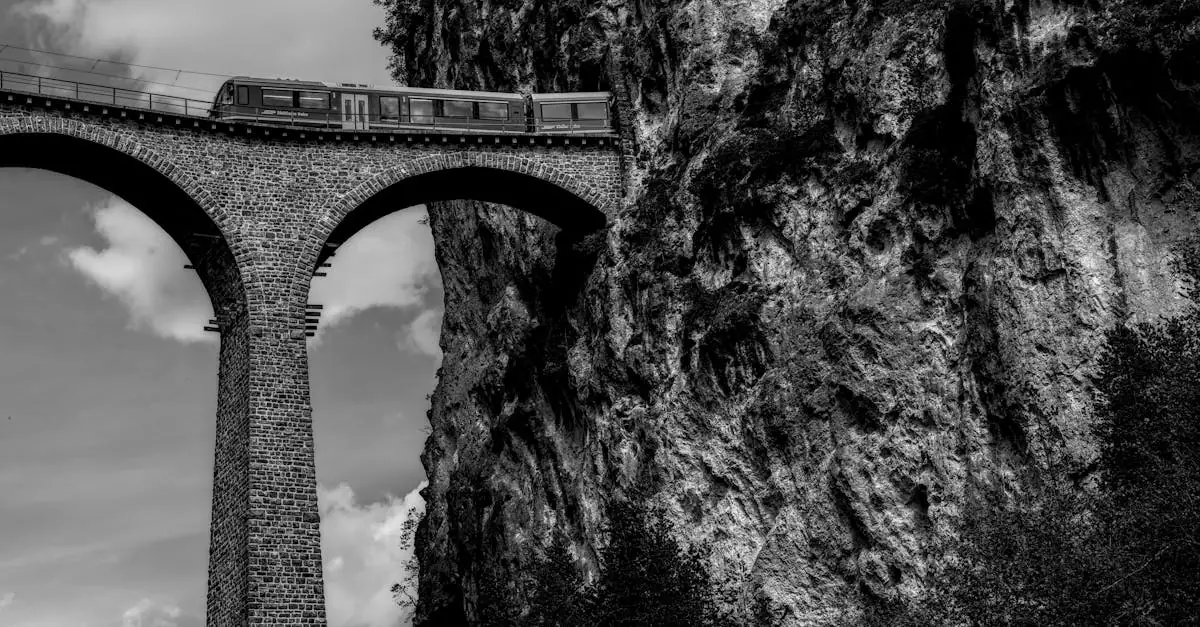
France’s rail network offers more than just efficient travel; it’s a gateway to some of Europe’s most stunning vistas and charming locales. As you glide through the countryside, keep your camera ready for fleeting moments of beauty, plan stops in picturesque villages, and anticipate the local flavors waiting at each station.
Photography Hotspots from the Train Window
The best scenic rail routes in France are a photographer’s dream, with landscapes unfolding like a living panorama. Look for dramatic coastal cliffs, especially along the Ligne des Hirondelles (the Swallow Line) in the Jura region, where the train skirts the edge of ravines and reveals glimpses of turquoise waters. In Provence, the routes south of Lyon showcase rolling vineyards bathed in golden light, particularly captivating during the late afternoon. Keep an eye out for ancient châteaux appearing unexpectedly among the trees or picturesque hamlets clinging to hillsides. Early morning or late afternoon light often provides the most dramatic shadows and vibrant colors, transforming ordinary views into memorable shots. Consider a window seat on the left side for many routes heading south and east to maximize your chances of catching the best light.
Charming Villages Accessible by Rail
Beyond the major cities, France’s scenic train lines connect travelers to a treasure trove of small towns and villages that retain their authentic charm. The Train Jaune (Yellow Train) in the French Pyrenees is a prime example, stopping at villages like Villefranche-de-Conflent, a fortified medieval town that feels frozen in time. From Perpignan, this route offers easy access to mountain hamlets where you can step off the train and immediately immerse yourself in local life. Similarly, routes through the Loire Valley, while not always designated as “scenic” in the same way, pass close to many villages known for their châteaux, offering opportunities to disembark for leisurely exploration. Research train schedules carefully, as some smaller stations may have limited service, especially on weekends or during the off-season.
Local Delicacies to Savor at Stops
The culinary journey is as important as the scenic one when traveling by train in France. Many stops, even on less-traveled routes, provide opportunities to sample regional specialties. On the Ligne des Hirondelles, consider stopping in Pontarlier for its famous absinthe and local cheeses. If your route takes you through Alsace, be sure to try a tarte flambée (flammekueche) or a Kougelhopf cake in towns like Colmar or Strasbourg, easily reachable by regional trains. For those traversing the south, stopping in a Provençal market town for fresh lavender honey, olives, or a glass of rosé is a delightful experience. Packing a picnic with local finds is also a fantastic way to enjoy the scenery from your seat. Many larger stations have well-stocked épiceries or boulangeries offering high-quality regional products.
Planning Your Scenic Rail Adventure
When planning your journey on France’s best scenic rail routes, consider the time of year. Spring and autumn offer pleasant weather and fewer crowds, with landscapes bursting with color. Summer is vibrant but can be hot and busy. Winter offers stark beauty, especially in mountainous regions, though some services may be reduced.
Here’s a general overview of what to expect for different types of travelers:
| Traveler Type | Budget Consideration | Pace | Scenery Focus | Recommended Routes |
|---|---|---|---|---|
| Budget Traveler | Moderate (regional passes) | Moderate | Varied | Train Jaune, Ligne des Hirondelles |
| Leisurely Explorer | Higher (first-class, longer stays) | Slow | Coastal, Vineyards | Routes through Provence, Normandy |
| Photography Enthusiast | Moderate | Flexible | Dramatic landscapes, Architecture | Jura lines, Pyrenees routes |
Transportation between cities is primarily handled by SNCF, France’s national railway company. For scenic routes, regional trains (TER) are often the best option, offering flexibility and access to smaller towns. Purchasing tickets in advance, especially for popular long-distance TGV services, can save money. For regional travel, consider a regional rail pass if you plan to make multiple stops. Safety on trains is generally high, but always be aware of your belongings, especially in crowded stations. Accommodations range from charming B&Bs in villages to larger hotels in cities, so book according to your travel style and budget.
Navigating France by Train: Tips for a Smooth Journey
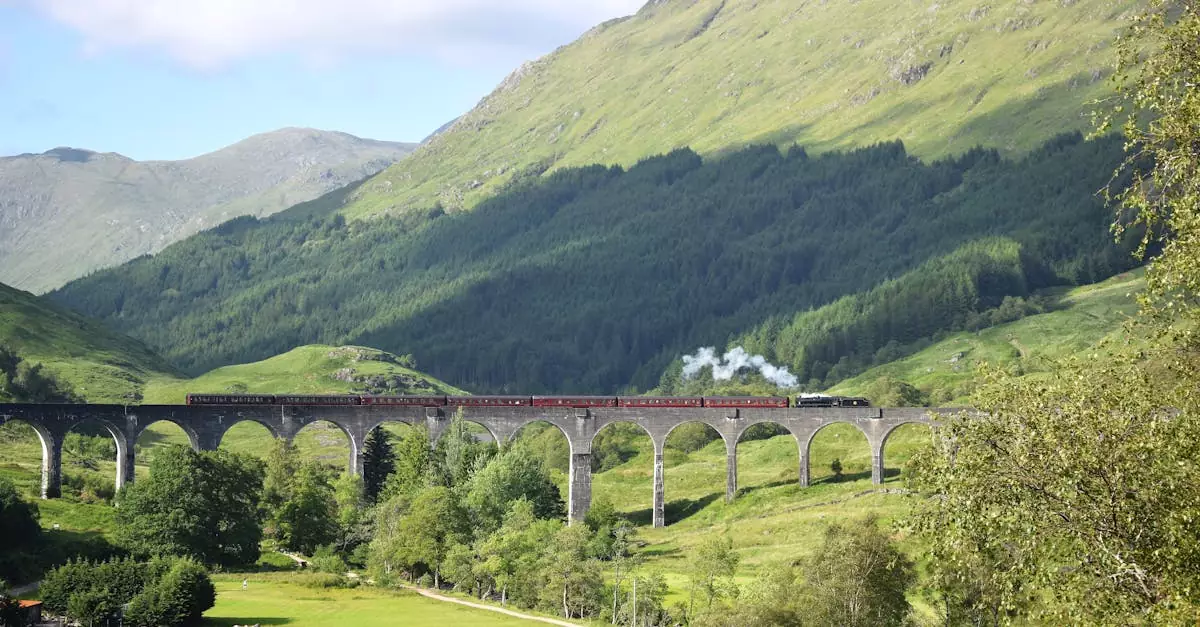
France’s extensive rail network offers a comfortable and scenic way to traverse the country, connecting major cities and charming villages alike. Understanding a few key aspects of train travel in France will enhance your experience, ensuring smooth transitions and enjoyable journeys. From booking tickets to navigating stations, preparation is key to unlocking the best scenic rail routes France has to offer.
Understanding French Train Etiquette
French train etiquette is generally straightforward, emphasizing consideration for fellow passengers. Arriving at the station a little early, especially for longer journeys or TGV high-speed services, is advisable. Once on board, keep your voice down and avoid loud phone conversations. Many French travelers appreciate a quiet atmosphere, particularly on intercity routes. It’s also customary to keep your luggage tidy and out of the aisle.
When boarding, especially on busy lines, allow passengers to disembark before you attempt to board. If you have reserved seating, check your ticket carefully for the carriage number and seat assignment. If you are unsure about your platform or carriage, don’t hesitate to ask station staff for assistance.
Packing Essentials for a Comfortable Rail Trip
Packing light is advantageous when traveling by train in France. While most stations have elevators or escalators, navigating them with heavy luggage can be cumbersome. Consider a backpack or a rolling suitcase that you can easily manage yourself.
Essential items include comfortable walking shoes, as you’ll likely do a fair amount of exploring at your destinations. Layers of clothing are always a good idea, as temperatures can vary between regions and even within train carriages. Don’t forget a portable charger for your electronic devices, as not all seats have readily accessible power outlets. A good book or downloaded entertainment is also recommended for longer trips, though the scenery outside the window often provides ample distraction.
Connecting to Other Transport Options
France’s train stations often serve as central hubs, providing seamless connections to other modes of transport. Major stations in cities like Paris, Lyon, and Marseille are well-integrated with local metro systems, tram lines, and bus networks. Purchasing a local transport pass upon arrival can be a cost-effective way to navigate within cities.
For journeys to more remote areas or national parks not directly served by rail, consider pre-booking a rental car or researching local bus services. Many regional train lines, such as those in the French Alps or along the Côte d’Azur, offer convenient access to smaller towns and villages that are excellent starting points for day trips. Planning these connections in advance will save you time and potential frustration upon arrival.
Here’s a general overview of common transport connections from key French train stations:
| Station | Primary Connections | Secondary Options |
|---|---|---|
| Paris Gare du Nord | Eurostar, Metro Lines 4 & 5, RER Lines B, D, E | Taxis, Buses, Ride-sharing services |
| Lyon Part-Dieu | TGV, TER, Metro Lines B & D, Tram Lines T1, T4 | Buses, Taxis, Ride-sharing services |
| Marseille St-Charles | TGV, Intercités, Metro Lines 1 & 2, Tram Lines T1, T2, T3 | Buses, Ferries, Taxis, Ride-sharing services |
| Nice-Ville | TER, Intercités, Buses | Taxis, Ride-sharing services, Local trams |
When planning your trip, always check the specific connections available at your destination station. Many tourist information offices, both online and at the station, can provide detailed maps and schedules for local transport.
Frequently Asked Questions About Scenic Rail in France
Are French scenic trains suitable for families?
Yes, French scenic trains can be very suitable for families. Many routes offer comfortable seating and opportunities for children to observe the changing landscapes. Some longer journeys may provide dining car services, which can be a convenient option for families. Booking seats in advance is recommended, especially during peak travel seasons, to ensure everyone can sit together.
What is the most famous scenic train route in France?
While “most famous” is subjective, the Train Jaune (Yellow Train) in the French Pyrenees is widely recognized for its charm and dramatic mountain scenery. This narrow-gauge railway travels between Villefranche-de-Conflent and Latour-de-Carol, passing through picturesque villages and over impressive viaducts. It’s a journey that offers a unique glimpse into a less-traveled part of Europe.
Can I bring luggage on French scenic trains?
Yes, you can bring luggage on French scenic trains. Standard luggage allowances generally apply, similar to other national rail services. It’s advisable to keep your luggage manageable, as storage space can be limited, particularly on older or smaller trains like the Train Jaune. Larger suitcases can typically be stowed in overhead compartments or designated luggage racks at the ends of carriages. Consider packing essentials in a smaller bag for easy access during your journey.