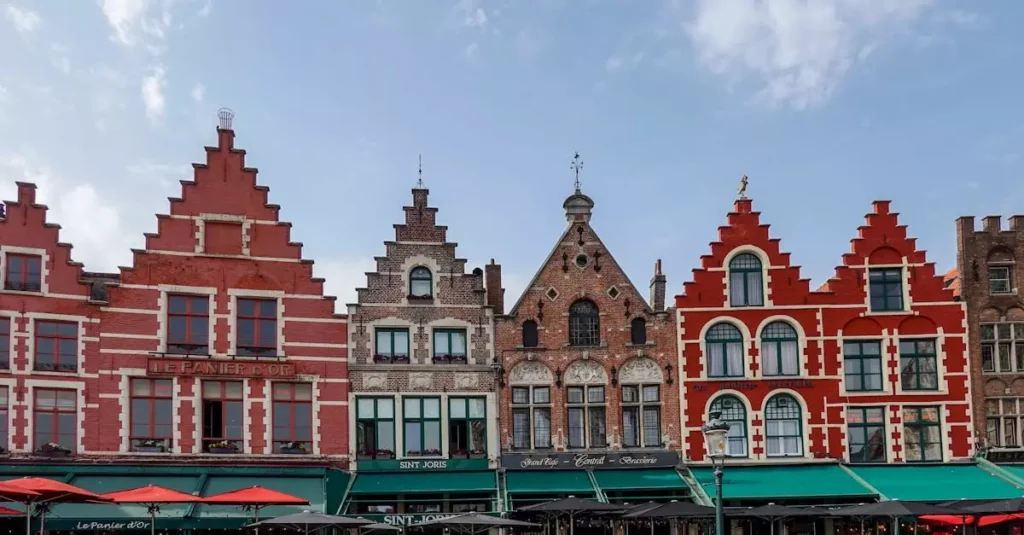
Europe’s vibrant local markets offer a direct connection to regional culture and cuisine, providing an authentic alternative to tourist-heavy restaurants. These bustling hubs are where locals shop for fresh produce, artisanal goods, and regional specialties, making them essential stops for any food lover. Navigating these markets offers a sensory experience, from the calls of vendors to the aroma of freshly baked bread and exotic spices.
This guide will take you through some of the best local markets in Europe, from the iconic La Boqueria in Barcelona to the historic Central Market Hall in Budapest and the bustling Borough Market in London. You’ll discover what makes each market unique, learn about must-try local delicacies, and get practical tips for navigating these culinary treasures. Prepare to immerse yourself in the authentic flavors and lively atmosphere that only a true European market can offer.
Unearthing Authentic Flavors: Top Local Markets in Europe
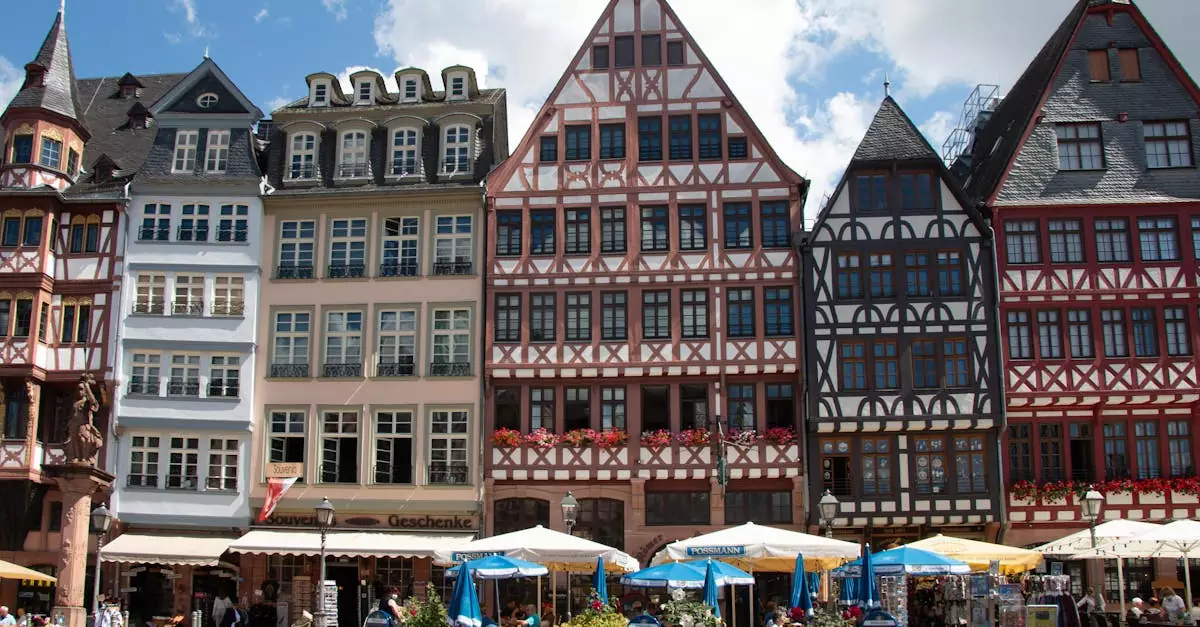
Europe’s vibrant local markets offer a direct connection to regional culture and cuisine, providing an authentic alternative to tourist-heavy restaurants. These bustling hubs are where locals shop for fresh produce, artisanal goods, and regional specialties, making them essential stops for any food lover. Navigating these markets offers a sensory experience, from the calls of vendors to the aroma of freshly baked bread and exotic spices.
La Boqueria Market, Barcelona: A Culinary Tapestry
Mercat de Sant Josep de la Boqueria, commonly known as La Boqueria, is an iconic market located just off Las Ramblas in Barcelona. This historic market, dating back to at least 1217, has evolved into a spectacular display of Spain’s rich culinary landscape. Visitors can find an overwhelming array of fresh seafood, cured meats like jamón ibérico, vibrant fruits, and an extensive selection of cheeses.
Beyond raw ingredients, La Boqueria hosts several small eateries and tapas bars. Grabbing a fresh fruit juice or a plate of prepared seafood here is a quintessential Barcelona experience. While it can get crowded, especially during peak hours, arriving earlier in the morning offers a more relaxed atmosphere. The sheer visual spectacle of the colorful stalls makes it a photographer’s delight, but remember to stay aware of your belongings in this busy environment.
Getting There: La Boqueria is easily accessible via the Barcelona Metro, with the Liceu station (L3 Green Line) being the closest.
Naschmarkt, Vienna: Beyond Traditional Produce
Vienna’s Naschmarkt is more than just a grocery destination; it’s a lively hub that blends a traditional market with a vibrant social scene. Spanning over 2.8 hectares, this market boasts around 100 stalls offering a diverse range of products, from local Austrian delicacies to international foods. You’ll find everything from organic vegetables and exotic spices to cheeses, pastries, and a variety of prepared meals.
What sets Naschmarkt apart is its extensive offering of international cuisine and its popular weekend flea market. On Saturdays, the area transforms into a treasure trove for antique hunters and bargain seekers. The market’s numerous restaurants and cafes are perfect for enjoying a leisurely lunch or a coffee break while soaking in the atmosphere. It’s an excellent spot to sample different flavors and experience Vienna’s multicultural side.
Timing: The market is open Monday to Saturday, with the flea market only on Saturdays. It’s busiest on Saturdays, so weekdays offer a calmer experience.
Borough Market, London: A Gastronomic Hub
Located in Southwark, London, Borough Market is a renowned food market that has been a cornerstone of the city’s culinary scene for centuries. It’s a place where passionate producers and skilled chefs converge, offering an exceptional range of high-quality food and drink. From artisanal bread and British cheeses to ethically sourced meats and international street food, Borough Market is a paradise for food enthusiasts.
Visitors can sample everything from oysters and charcuterie to freshly baked goods and exotic fruits. The market is organized into different sections, making it easy to navigate. Many stalls offer samples, encouraging you to taste before you buy. It’s a fantastic place to pick up picnic supplies or enjoy a delicious lunch from one of the many food vendors.
Budget Consideration: While Borough Market offers premium products, it’s possible to eat affordably by focusing on street food options or buying ingredients for a self-catered meal. Prices can be higher than at a standard supermarket due to the quality and artisanal nature of the goods.
| Market Name | City | Primary Draw | Best For |
|---|---|---|---|
| La Boqueria Market | Barcelona | Fresh seafood, jamón, vibrant produce | Experiencing Catalan flavors, visual appeal |
| Naschmarkt | Vienna | International foods, flea market, diverse stalls | Sampling global cuisine, weekend browsing |
| Borough Market | London | Artisanal products, British cheeses, street food | High-quality ingredients, culinary exploration |
Beyond the Tourist Trail: Hidden Gem Markets in Eastern Europe

Eastern Europe offers a vibrant tapestry of local markets, often overlooked by mainstream tourism but brimming with authentic flavors and crafts. These are places where daily life unfolds, providing a genuine glimpse into the region’s rich culinary heritage and artisanal traditions. For the discerning traveler seeking the best local markets in Europe, venturing east reveals treasures that rival their Western counterparts in charm and quality.
Central Market Hall, Budapest: A Hungarian Feast
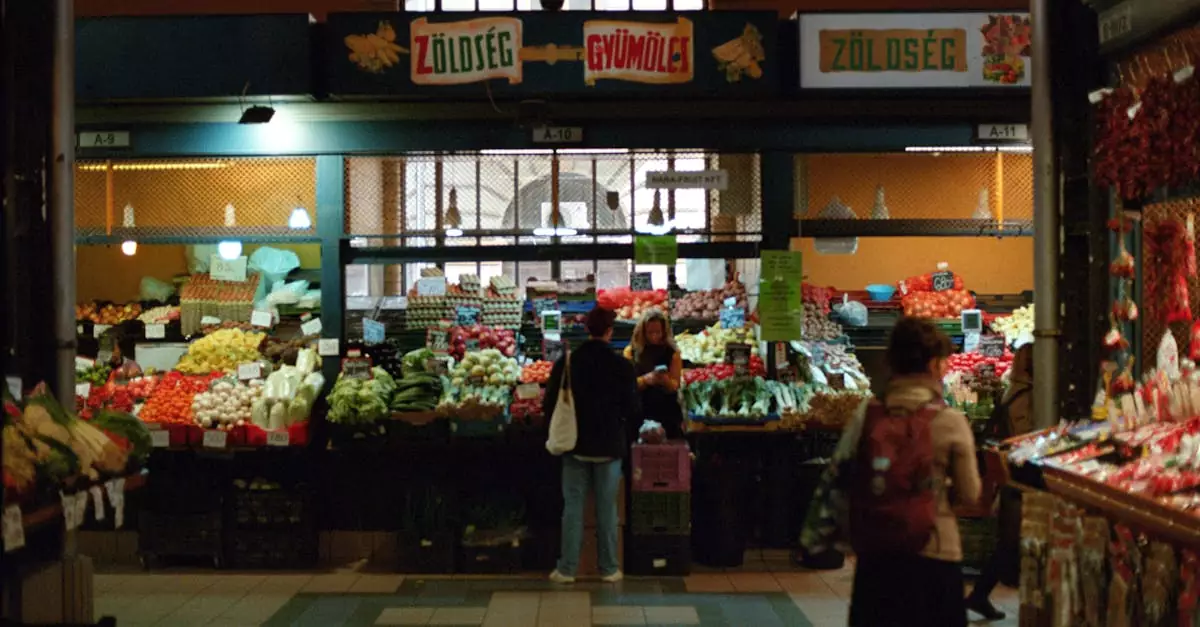
Budapest’s Central Market Hall (Nagyvásárcsarnok) is a grand architectural marvel and a bustling hub for food lovers. Housed in a stunning Neo-Gothic building near the Liberty Bridge, it’s a sensory explosion from the moment you step inside. The ground floor is dedicated to fresh produce, meats, and local specialties like paprika, salamis, and Tokaji wine.
Upstairs, you’ll find an array of food stalls serving traditional Hungarian dishes. Try the hearty goulash or a sweet lángos (fried dough) for an authentic taste of Hungary. This market is also a fantastic spot for souvenirs, with vendors selling embroidered textiles, handcrafted jewelry, and wooden toys.
Logistics:
- Location: Vámház körút 1–3, Budapest, 1093
- Getting There: Easily accessible by Tram 2 or Metro Line 3 to Fővám tér station.
- Best Time to Visit: Weekday mornings for the freshest produce and fewer crowds. The market is closed on Sundays.
- Budget: Expect to spend €5-€15 for a meal, with souvenirs varying widely.
Hala Targowa, Krakow: Local Delicacies and Crafts
Krakow’s Hala Targowa, or the Main Market Hall, offers a more intimate market experience compared to Budapest’s sprawling hall. Located just outside the Old Town walls, it’s a favorite among locals for its fresh produce, meats, and cheeses. The atmosphere is lively, with vendors calling out their wares and shoppers haggling good-naturedly.
Beyond the food, Hala Targowa is renowned for its flea market section, which sprawls outside on weekends. Here, you can hunt for antique treasures, vintage clothing, and unique handcrafted items. It’s a great place to find a distinctive souvenir and practice your bargaining skills.
Local Insights: Look for oscypek, a smoked sheep’s cheese from the Tatra Mountains, often grilled and served with cranberry sauce. It’s a regional delicacy you won’t want to miss.
Piata Unirii, Cluj-Napoca: Transylvanian Treasures
In the heart of Transylvania, Cluj-Napoca’s Piata Unirii (Union Square) transforms into a vibrant open-air market on certain days, though a smaller permanent market operates year-round. This is where you’ll find the freshest seasonal fruits and vegetables, alongside regional specialties like homemade jams, honey, and potent pálinka (fruit brandy).
The market offers a true taste of Transylvanian life. Vendors often sell traditional clothing and handmade crafts, providing a connection to the region’s rich folk heritage. It’s an excellent spot to interact with locals and sample authentic regional produce.
Traveler Tip: While Piata Unirii is the main square, smaller covered markets exist nearby. Ask locals for directions to the most authentic produce stalls.
These Eastern European markets provide an immersive cultural experience, offering not just delicious food but also a deeper understanding of the local way of life. They are essential stops for anyone looking to discover the true essence of the best local markets Europe has to offer.
Navigating Europe’s Best Local Markets: A Practical Guide
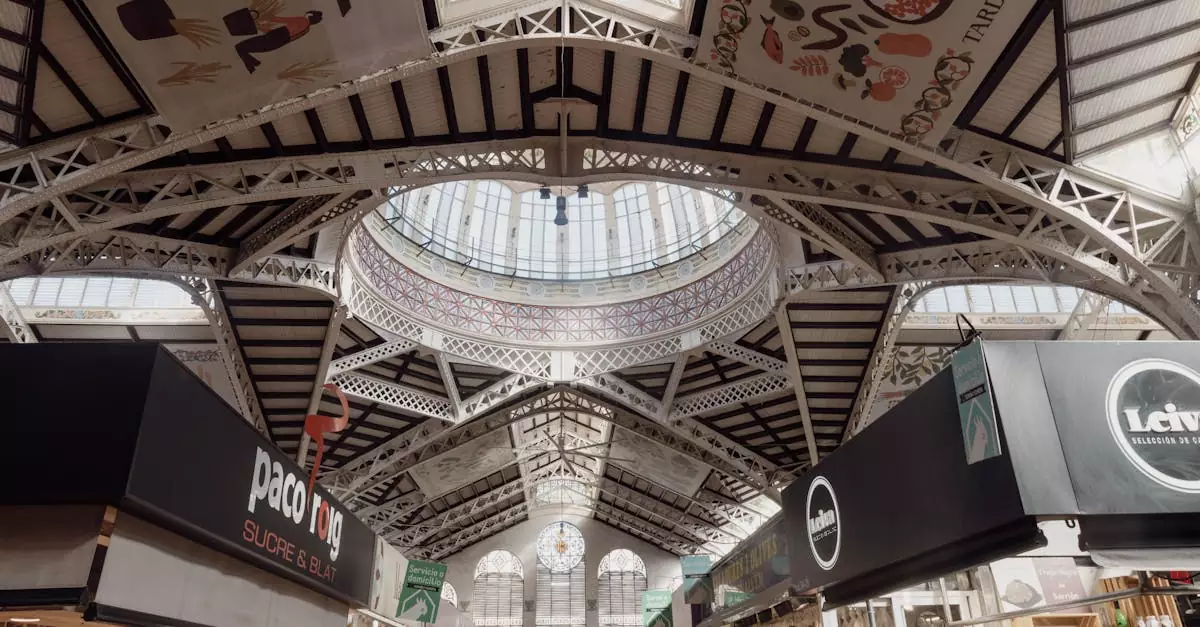
Discovering the authentic flavors of Europe often means venturing into its vibrant local markets. These bustling hubs are more than just places to buy produce; they are cultural epicenters where you can sample regional delicacies, observe daily life, and find unique artisanal goods. Planning your market visits strategically will enhance your experience, allowing you to savor the best offerings and avoid crowds.
Best Times to Visit for Peak Season and Local Events
The timing of your visit can significantly impact the market atmosphere and the variety of goods available. For the freshest seasonal produce, aim for early mornings, especially on market days. Many European cities host weekly or bi-weekly markets, with some specializing in specific themes, like farmers’ markets on Saturdays or antique markets on Sundays.
Consider local festivals and harvest seasons for a truly immersive experience. For instance, visiting a Christmas market in December offers a festive ambiance and seasonal treats not found at other times of the year. Similarly, attending a grape harvest festival in a wine region can coincide with vibrant local food markets. Research specific market days and any associated events for your chosen destination well in advance.
Getting Around: Public Transport to Market Entrances
Reaching the best local markets in Europe is usually straightforward thanks to well-developed public transportation systems. Most major city markets are centrally located and easily accessible by metro, tram, or bus. This not only saves you the hassle of finding parking but also aligns with a more sustainable travel approach.
For example, in Paris, markets like Marché des Enfants Rouges are a short walk from several Métro stations. Similarly, Barcelona’s La Boqueria market is directly off the Las Ramblas, accessible via multiple bus lines and a metro stop. Always check the specific public transport routes and schedules for your destination’s markets.
Here’s a general overview of common transport options:
| Transport Type | Pros | Cons | Best For |
|---|---|---|---|
| Metro/Subway | Fast, efficient, avoids traffic | Can be crowded, limited access to some | Large cities, central market locations |
| Tram | Scenic, good coverage in some cities | Slower than metro, can be affected by traffic | Cities with extensive tram networks |
| Bus | Reaches more remote areas, affordable | Can be slow due to traffic, less frequent | Markets outside city centers, smaller towns |
| Walking | Immersive, free, healthy | Limited range, weather-dependent | Markets within walking distance of accommodation |
Market Etiquette: What Locals Advise
Understanding local customs can greatly improve your interactions at European markets. A common practice is to greet vendors with a polite “Bonjour,” “Guten Tag,” or “Buongiorno” upon arrival. Many locals prefer to use reusable bags, so bringing your own is a considerate gesture.
When sampling produce, it’s generally polite to ask before touching, especially with delicate fruits and vegetables. If you’re unsure about pricing or how to order, observe locals or politely ask the vendor. Cash is often preferred, though many larger markets now accept card payments.
- Greet vendors: A simple “hello” goes a long way.
- Use reusable bags: Reduce waste and show respect.
- Ask before touching: Especially for fresh produce.
- Observe ordering customs: Learn from locals.
- Carry cash: Though cards are increasingly accepted.
Respecting these simple courtesies will ensure a more pleasant and authentic market experience, allowing you to connect with the local culture and vendors.
What to Eat at Europe’s Best Local Markets?
Europe’s vibrant local markets are a treasure trove for food lovers, offering an authentic taste of regional specialties and a chance to connect with local producers. From bustling Spanish food halls to charming French farmers’ markets, the culinary experiences are as diverse as the continent itself. Planning your market visits around what’s in season and what the region is famous for will elevate your gastronomic journey.
Must-Try Street Food from Spanish Markets
Spanish markets, often housed in stunning architectural spaces, are prime spots for experiencing authentic tapas and other street food delights. In Madrid, the Mercado de San Miguel is a gourmet paradise where you can graze on everything from fresh oysters and cured Iberian ham to traditional tortilla española (Spanish omelet). Don’t miss trying gambas al ajillo (garlic shrimp) or a bocadillo de calamares (fried squid sandwich) in cities like Madrid or Seville. Many stalls offer small tasting portions, allowing you to sample a wide variety without overcommitting.
For a truly local experience, venture beyond the most famous markets. Smaller neighborhood mercados often have the best hidden gems, serving hearty stews or regional pastries. Look for vendors specializing in empanadas, which vary significantly by region, or try pulpo a la gallega (Galician-style octopus) if you’re in the northwest. These markets are often busiest during lunch hours, so arriving around 11 AM or 1 PM can offer a lively atmosphere without overwhelming crowds.
Sampling Cheeses and Cured Meats Across the Continent
The sheer variety of cheeses and cured meats available at European markets is astounding. France is, of course, a cheese lover’s dream, with markets showcasing regional varieties like Comté, Roquefort, and Brie. Many vendors offer samples, allowing you to discover new favorites. Pair your cheese with fresh baguette, a staple found at almost any market.
In Italy, cured meats like prosciutto di Parma, salumi from various regions, and mortadella are often sold by weight, perfect for assembling a picnic. Look for markets that also offer local olives, sun-dried tomatoes, and crusty bread for a complete Italian deli experience. Similarly, in Germany, you’ll find an impressive array of Wurst (sausages) and smoked meats, often served with hearty rye bread. Sampling is key here; don’t hesitate to ask for a taste of a particularly interesting sausage.
| Country | Notable Cured Meats | Notable Cheeses |
|---|---|---|
| Spain | Jamón Ibérico, Chorizo, Salchichón | Manchego, Idiazábal, Tetilla |
| France | Saucisson, Jambon de Bayonne | Comté, Roquefort, Brie, Camembert |
| Italy | Prosciutto di Parma, Salami, Mortadella | Parmigiano-Reggiano, Mozzarella di Bufala, Gorgonzola |
| Germany | Various Wurst (Bratwurst, Salami), Speck | Bergkäse, Obatzda, Limburger |
Sweet Treats: Pastries and Desserts to Indulge In
No market visit is complete without exploring the sweet offerings. In Paris, the pâtisseries at local markets are exceptional, featuring delicate macarons, flaky croissants, and rich éclairs. You might also find regional specialties like kouign-amann from Brittany or canelés from Bordeaux. These are best enjoyed fresh, perhaps with a coffee purchased from a nearby market stall.
Eastern European markets often boast comforting baked goods. Think of Polish pączki (filled doughnuts), Hungarian kürtőskalács (chimney cake), or Austrian Apfelstrudel. These treats are often made with traditional family recipes, offering a taste of home for locals and a delightful discovery for visitors. Many markets will have a dedicated section for baked goods, or you might find a single vendor whose passion for pastry shines through. Look for seasonal fruits incorporated into tarts and cakes, which are often at their peak flavor when sold at the market.
Planning Your Market Itinerary: A Region-by-Region Approach
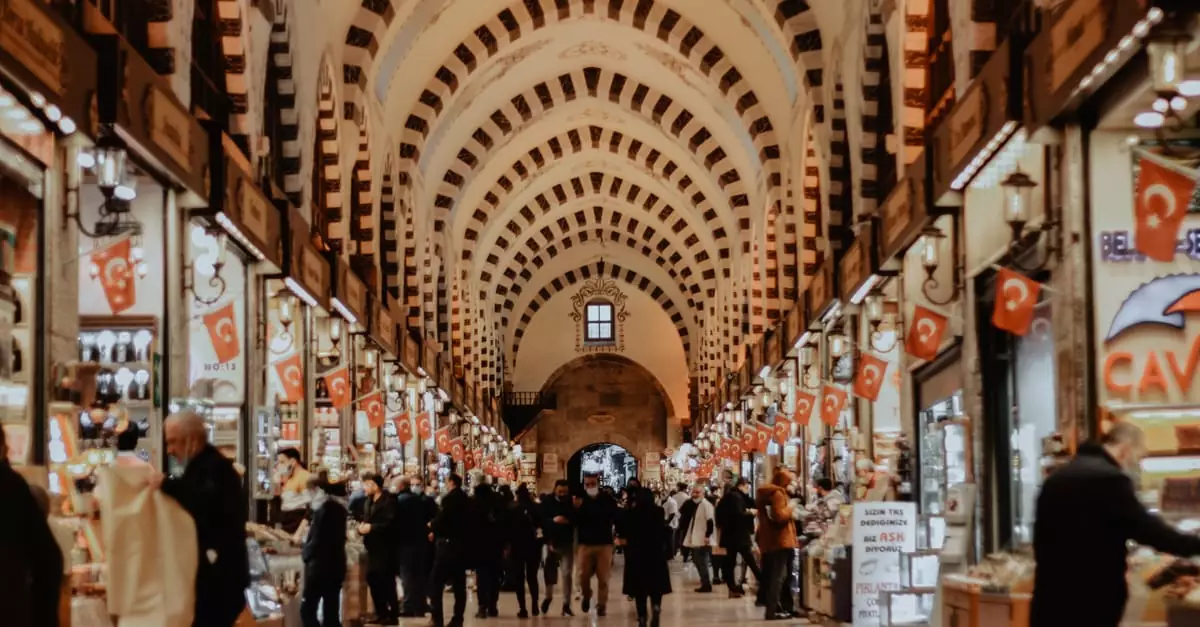
When planning a culinary tour of Europe, focusing on its vibrant local markets offers a direct route to authentic flavors and cultural immersion. These hubs of daily life showcase the freshest seasonal produce, regional specialties, and the convivial spirit of European towns and cities. Organizing your travels by region allows you to tailor your experiences to specific culinary traditions and maximize your enjoyment of the best local markets Europe has to offer.
Southern Europe: Mediterranean Flavors and Coastal Bounty
Southern Europe, encompassing countries like Italy, Spain, Greece, and Portugal, is a paradise for food lovers, with markets reflecting the region’s abundant sunshine and proximity to the sea. Here, you’ll find an emphasis on fresh vegetables, ripe fruits, olive oil, cured meats, and an incredible array of seafood.
In Italy, markets like Mercato Centrale in Florence are a sensory delight, offering everything from local cheeses and cured hams to freshly made pasta and regional wines. The vibrant atmosphere is amplified by passionate vendors eager to share their products. For a taste of Spanish life, La Boqueria in Barcelona is legendary. Though popular with tourists, its sheer variety of produce, tapas bars, and fresh juices makes it a must-visit. Venture further south to Portugal, and you’ll discover markets such as Mercado da Ribeira (Time Out Market) in Lisbon, a modern take on a traditional market, blending historic stalls with curated food experiences from top chefs.
Consider visiting during the shoulder seasons of spring (April-May) or autumn (September-October) for pleasant weather and fewer crowds, though many markets operate year-round. Transportation within cities is often best managed by public transport or walking, as market areas can be congested.
| Destination | Key Offerings | Best Season |
|---|---|---|
| Florence, Italy | Tuscan produce, cheeses, cured meats, wine | Year-round |
| Barcelona, Spain | Seafood, fruits, jamón, tapas, local sweets | Year-round |
| Lisbon, Portugal | Fresh fish, pastries, local wines, regional dishes | Year-round |
| Athens, Greece | Olives, feta, honey, fresh produce, street food | Year-round |
Central Europe: Hearty Dishes and Traditional Staples
Central Europe’s markets, found in countries such as Germany, Austria, Poland, and the Czech Republic, often showcase a more rustic and hearty culinary heritage. Expect to find robust root vegetables, cured meats, artisanal breads, and comforting baked goods. These markets are typically less about delicate seafood and more about satisfying, traditional fare.
Germany’s Viktualienmarkt in Munich is a prime example, a bustling outdoor market offering a vast selection of Bavarian specialties, from sausages and pretzels to seasonal produce and local beers. It’s a fantastic place to sample regional delicacies and soak in the local atmosphere. In Poland, Hala Targowa in Krakow provides a glimpse into traditional Polish food culture, with vendors selling pierogi, kielbasa, fresh produce, and flowers. The Naschmarkt in Vienna, Austria, is a renowned market with a diverse range of international and local foods, spices, and delicacies, alongside trendy eateries.
Budget-wise, Central European markets tend to be quite affordable, especially for produce and staple goods. While some larger cities offer extensive public transport, many market districts are easily navigable on foot. Visiting during autumn can be particularly rewarding, as harvest produce becomes abundant.
Northern Europe: Fresh Seafood and Seasonal Produce
The markets of Northern Europe, spanning countries like the UK, Denmark, Sweden, and Norway, are heavily influenced by their coastal geography and distinct seasons. You’ll find exceptional fresh seafood, hardy root vegetables, berries, and artisanal dairy products. The seasonality of produce is a significant factor here.
In Copenhagen, Denmark, Torvehallerne is a modern food market with two large halls showcasing high-quality ingredients, from fresh fish and seafood to local cheeses and baked goods. It’s a sophisticated culinary hub. For a more traditional experience in the UK, Borough Market in London is a world-famous institution, offering an incredible diversity of artisanal foods, British produce, and international cuisine. While it attracts many visitors, its quality and variety remain unparalleled. Stockholm, Sweden, boasts Östermalms Saluhall, an elegant historic market hall filled with premium Swedish produce, seafood, and gourmet foods.
Given the cooler climate, visiting during the summer months (June-August) often provides the widest selection of fresh berries and vegetables. However, many Northern European markets are indoors or covered, making them accessible year-round. Transportation in these regions often involves a mix of public transit and walking, especially in city centers. The cost of goods can sometimes be higher compared to Southern or Central Europe, particularly for imported items or high-end seafood.
Frequently Asked Questions About Exploring European Markets
Are Europe’s best local markets good for budget travelers?
Yes, exploring the best local markets in Europe can be very budget-friendly. Many markets offer affordable produce, baked goods, and street food options that are significantly cheaper than sit-down restaurants. Shopping for snacks, picnic supplies, or even a full meal from market stalls can greatly reduce daily food expenses.
For travelers on a tight budget, markets are an excellent place to sample local flavors without overspending. You can often find delicious pastries, cheeses, cured meats, and fresh fruit for a few euros. This makes experiencing the local culinary scene accessible to everyone.
What are common tourist mistakes to avoid at markets?
A common mistake is arriving too late, especially for specialized food markets where popular items sell out quickly. Another is not carrying enough small cash denominations; while some vendors accept cards, many prefer or only take cash, particularly for smaller purchases.
Tourists also sometimes miss out on the authentic experience by sticking only to stalls with English menus or prominent signage. Engaging with vendors, even with limited language skills, can lead to better discoveries and a more memorable visit. Lastly, be mindful of your belongings, as crowded market environments can attract pickpockets.
Can I find unique souvenirs at these markets?
Absolutely. Beyond food, many of Europe’s best local markets are treasure troves for unique, handcrafted souvenirs. You can find artisanal crafts, local textiles, handmade jewelry, ceramics, and regional specialty items that are far more distinctive than mass-produced tourist trinkets.
Look for stalls selling items made by local artisans. These often reflect the specific culture and traditions of the region. Purchasing directly from makers supports local economies and ensures you bring home a truly special memento from your travels across Europe.