South America’s dramatic mountain ranges, from the towering Andes to the rugged Patagonian highlands, offer some of the world’s most unforgettable driving adventures. These routes promise not only spectacular scenery but also genuine cultural immersion and a chance to connect with raw, untamed landscapes. If you’re dreaming of navigating serpentine passes, discovering remote villages, and witnessing breathtaking natural wonders from behind the wheel, then exploring the best mountain road trips here is an absolute must. This guide will equip you with essential knowledge for planning your journey, covering everything from choosing the right vehicle and understanding seasonal weather patterns to discovering hidden cultural gems and essential driving tips. Prepare to embark on an epic adventure through some of the most awe-inspiring terrain on the continent.
Top 5 Mountain Road Trips for Adventurous Souls in South America
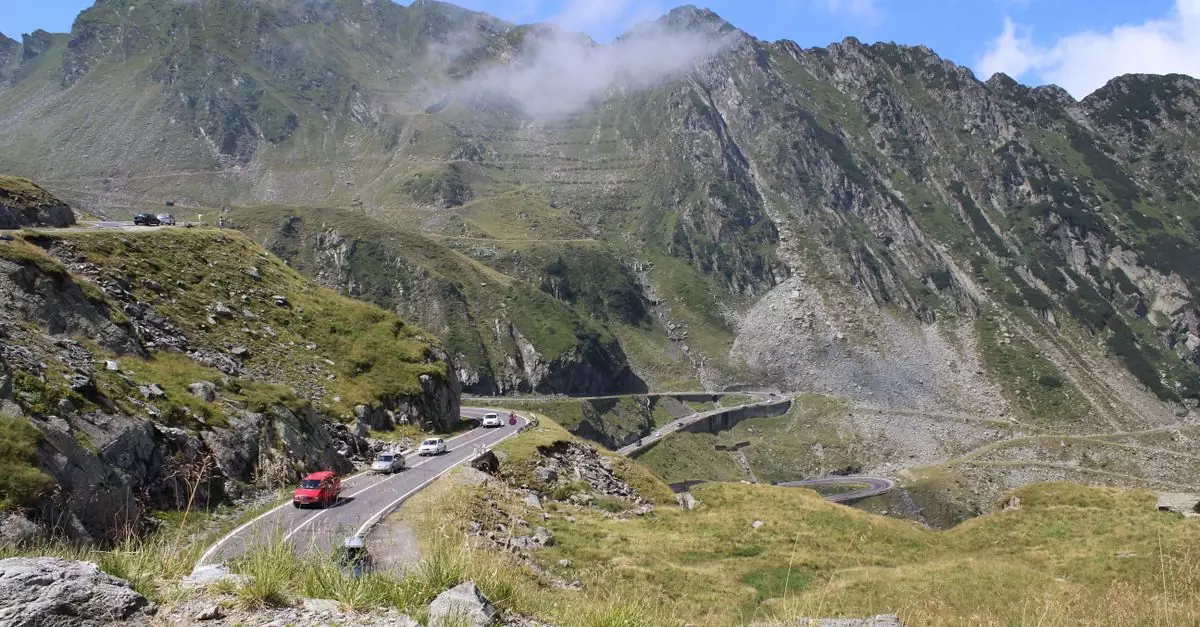
South America’s Andes and surrounding highlands offer some of the planet’s most dramatic and rewarding driving experiences. These routes are not for the faint of heart, often featuring unpaved surfaces, unpredictable weather, and challenging terrain. However, for those seeking genuine adventure and unparalleled scenery, the best mountain road trips here deliver unforgettable journeys. From remote Patagonian tracks to winding Andean passes, these drives connect you with raw nature and vibrant local cultures.
The Carretera Austral, Chile: Patagonia’s Unpaved Gem
Stretching over 1,200 kilometers (750 miles) from Puerto Montt to Villa O’Higgins, the Carretera Austral is the quintessential Patagonian road trip. Much of this route remains unpaved, winding through temperate rainforests, alongside turquoise rivers, and past towering, snow-capped peaks. This journey reveals a wilder side of Chile, where glaciers, fjords, and remote settlements define the landscape.
Logistics and Timing: The best time to drive the Carretera Austral is during the austral summer, from November to March, when roads are more passable and weather is generally milder. However, expect rain and wind at any time. Many travelers opt for a 4×4 vehicle, especially for more remote sections. Be prepared for limited services; fuel stations and towns can be hundreds of kilometers apart. Booking accommodations in advance is wise, particularly during peak season.
Highlights: Don’t miss the Marble Caves (Capillas de Mármol) near Puerto Río Tranquilo, accessible by boat, or hiking in Queulat National Park with its hanging glacier. The final stretch to Villa O’Higgins offers a true sense of accomplishment.
The Yungas Road (Death Road), Bolivia: Thrills and Stunning Vistas
While often associated with cycling challenges, the Yungas Road, also known as the “Death Road,” offers a dramatic driving experience from La Paz to Coroico. This narrow, winding path clings precariously to the mountainside, dropping thousands of meters in elevation. It’s a testament to engineering and a thrilling descent through changing microclimates, from the high Altiplano to the sub-tropical Yungas region.
Safety and Experience: While the original, more dangerous section is now largely bypassed by a newer, safer highway, adventurous drivers can still experience parts of the old road. It’s crucial to drive with extreme caution, be aware of oncoming traffic, and have a reliable vehicle, preferably with good brakes and ground clearance. The views are breathtaking, with cloud forests, waterfalls, and sheer drops.
Best for: Experienced drivers seeking an adrenaline rush combined with spectacular Andean scenery. It’s a relatively short drive but demands full attention.
The Trans-Andean Highway, Argentina to Chile: Crossing the Andes in Style
Connecting Mendoza, Argentina, with Santiago, Chile, the Trans-Andean Highway (Ruta Nacional 7 in Argentina and Ruta 60 in Chile) serves as a major artery but offers magnificent mountain vistas. The highlight is the passage through the Andes, including views of Mount Aconcagua, the highest peak outside of Asia. This route is paved and well-maintained, making it accessible for most vehicles.
Seasonal Considerations: Winter (June-August) can bring significant snow, leading to road closures, especially at the highest passes. Spring and autumn offer pleasant driving conditions with fewer crowds. Summer (December-February) is warm and popular.
Logistics: This is a straightforward drive compared to other South American mountain routes. Services are readily available in towns along the way. The border crossing is efficient. Allow a full day to enjoy the scenery and make stops, including the Christ the Redeemer of the Andes statue.
The Quilotoa Loop, Ecuador: Volcanic Lakes and Andean Villages
The Quilotoa Loop is not a single defined road but a network of smaller routes connecting picturesque Andean villages and culminating at the stunning Quilotoa crater lake. This journey offers a glimpse into traditional Ecuadorian life, with vibrant markets, terraced farmlands, and imposing volcanoes. The roads are a mix of paved and unpaved surfaces, often winding and steep.
Traveler Insights: Renting a car in Quito or Latacunga provides the most flexibility. Buses are an option for budget travelers, but reaching the smaller villages can be time-consuming. Staying in local guesthouses (hostals) offers an authentic experience. The altitude can be a factor, so acclimatize properly.
The Lake: The Quilotoa crater lake itself is the star attraction. Hiking down to the water’s edge and back up is a popular activity, though the return climb is steep. Kayaking is also available on the lake.
The Chapada Diamantina Circuit, Brazil: Waterfalls and Tabletop Mountains
While not in the high Andes, the Chapada Diamantina region in Bahia state, Brazil, presents a unique mountainous landscape characterized by dramatic tabletop mountains (tepuis), deep canyons, and abundant waterfalls. The circuit driving route allows access to various trailheads and viewpoints, offering a different kind of mountain adventure.
Best Time to Visit: The dry season, from April to September, is ideal for hiking and driving, as waterfalls remain impressive and the risk of heavy rain is lower. The rainy season (October to March) can make some unpaved roads challenging.
Activities: Beyond driving, this region is a hiker’s paradise. Popular destinations include the Fumaça Waterfall (Brazil’s tallest), the Poço Encantado and Poço Azul (enchanted wells with crystal-clear water), and the town of Lençóis, a former diamond mining hub with charming colonial architecture. A 4×4 is recommended for accessing some of the more remote areas.
Planning Your Ultimate South American Mountain Road Trip Itinerary
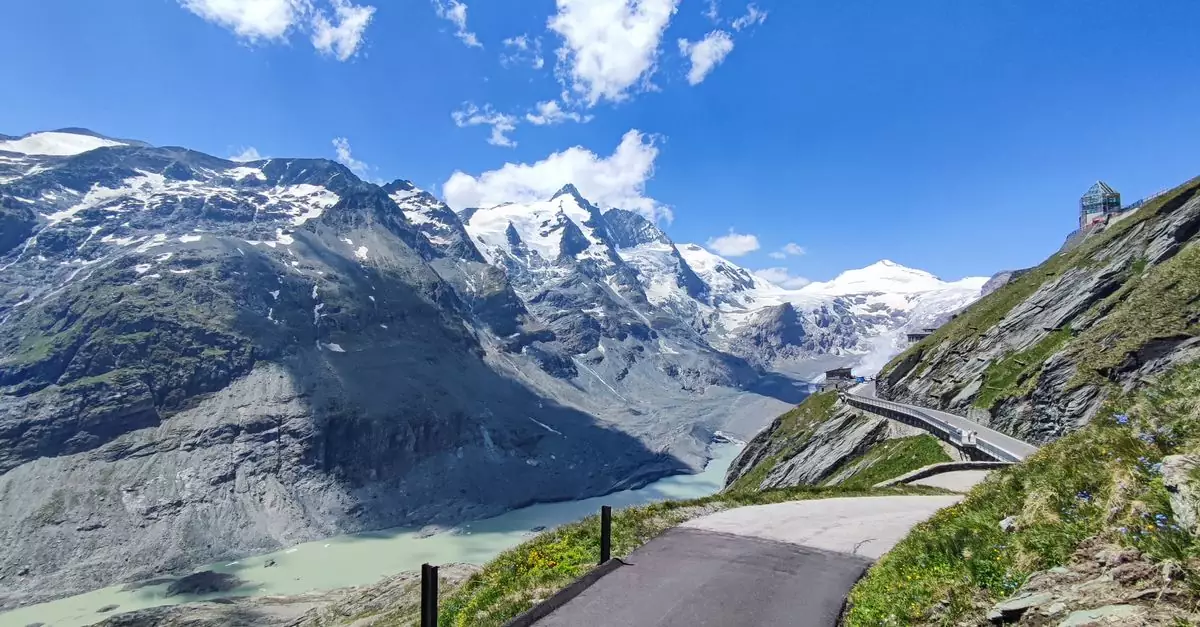
Embarking on one of the best mountain road trips in South America requires careful planning. The sheer scale and diversity of the continent’s mountain ranges mean that a well-structured itinerary is crucial for an unforgettable journey. Consider your available time, desired level of challenge, and the specific landscapes you wish to experience.
Choosing the Right Route: Factors to Consider (Duration, Difficulty, Scenery)
When selecting your route, several key factors will shape your adventure. Duration is paramount; a week might allow for a focused exploration of a single region, while a month opens up possibilities for traversing multiple countries. Difficulty varies significantly. Some roads are well-maintained and suitable for standard vehicles, while others, particularly at high altitudes or in remote areas, demand 4×4 capabilities and experienced off-road driving. Think about the scenery you’re chasing: dramatic snow-capped volcanoes, emerald valleys, windswept altiplanos, or the unique flora and fauna of cloud forests.
- Duration: How many days or weeks can you dedicate to your road trip?
- Difficulty: Are you comfortable with unpaved roads, high altitudes, and potentially challenging weather?
- Scenery: What landscapes are most appealing – jagged peaks, vast plains, or lush mountainsides?
Recommended Itineraries: 7-Day, 14-Day, and 21-Day Options
Tailoring your trip to your timeframe is essential for a rewarding experience. For a shorter adventure, focus on a single, high-impact region. A 7-day trip might concentrate on the Peruvian Andes, perhaps driving between Cusco and Machu Picchu, with detours to the Sacred Valley. A 14-day itinerary allows for a more comprehensive exploration, such as combining the Atacama Desert with the Chilean Andes, or venturing into Ecuador’s Avenue of the Volcanoes. For the most immersive experience, a 21-day journey offers the flexibility to cover greater distances and delve deeper into diverse mountain landscapes, potentially linking parts of Peru, Bolivia, and Chile.
| Duration | Focus Region(s) | Potential Highlights |
|---|---|---|
| 7 Days | Cusco & Sacred Valley, Peru | Machu Picchu, Rainbow Mountain, Andean villages |
| 14 Days | Atacama Desert & Chilean Andes | Valle de la Luna, geysers, stargazing, Andean passes |
| 21 Days | Peru, Bolivia, and Northern Chile (Andes) | Lake Titicaca, Uyuni Salt Flats, Colca Canyon, Nazca Lines |
Essential Stops: Must-See Peaks, Glaciers, and National Parks
South America boasts an incredible array of natural wonders best accessed by road. Within the Andes, consider including destinations like the Peruvian Andes, home to iconic treks and breathtaking mountain vistas. For a starkly different, yet equally stunning, high-altitude experience, the Bolivian Altiplano with its surreal landscapes and the Salar de Uyuni salt flats are unparalleled.
National parks offer protected areas of immense natural beauty. Torres del Paine National Park in Patagonia showcases dramatic granite spires and glacial lakes, often requiring a dedicated road trip to fully appreciate. Further north, the Argentinian Andes offer routes through Los Glaciares National Park, where you can witness the Perito Moreno Glacier. When planning your route, research the accessibility of these parks, especially during shoulder seasons, as weather can impact road conditions significantly. For those seeking a truly epic drive, the Carretera Austral in Chile provides an adventurous journey through Patagonia’s remote beauty. Understanding local road conditions and vehicle requirements is key to a successful journey through these magnificent mountain landscapes.
What’s the Best Time to Embark on a South American Mountain Road Trip?
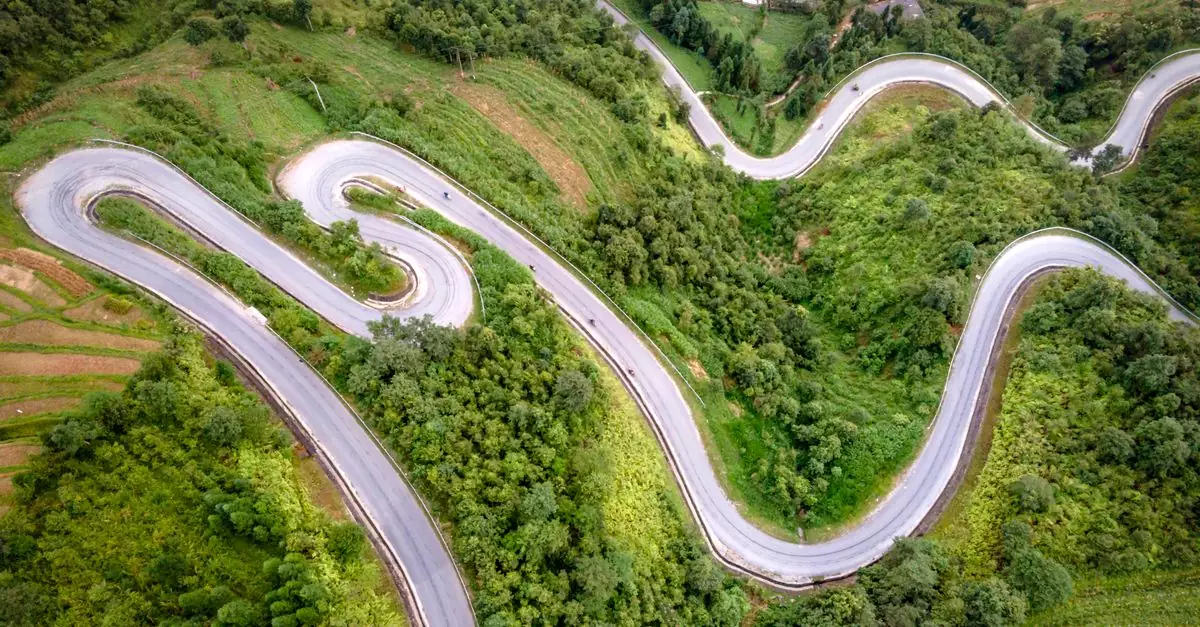
Choosing the right time for your South American mountain road trip significantly impacts your experience, from road conditions and accessibility to the crowds you’ll encounter. The vast continent offers diverse climates across its mountain ranges, primarily the Andes, and the rugged landscapes of Patagonia. Understanding seasonal variations is key to planning a successful and enjoyable adventure.
Seasonal Weather Patterns Across the Andes and Patagonia
The Andes mountain range stretches for thousands of kilometers, meaning weather can vary dramatically by latitude and altitude. Generally, the dry season, from roughly May to October, offers clearer skies and more stable weather, making it the preferred time for high-altitude driving. This period typically sees less rain and snow in the higher passes. However, even in the dry season, expect sudden weather changes, especially at higher elevations. Patagonia, located at the southern tip of the continent, experiences its most favorable weather during summer months, from December to February. This time offers longer daylight hours and milder temperatures, though strong winds are a constant companion.
Dry Season vs. Wet Season: Impact on Road Conditions and Accessibility
The distinction between the dry and wet seasons is crucial for planning any mountain driving in South America. During the wet season (typically November to April in many Andean regions), heavy rainfall can lead to landslides, flash floods, and impassable roads, particularly on unpaved routes. High mountain passes may be closed due to snow or ice, even outside of winter months, due to unexpected storms. This can severely disrupt itineraries and necessitate detours or cancellations. Conversely, the dry season generally provides safer and more predictable road conditions. However, it’s important to remember that “dry” doesn’t mean “perfect.” Dust can be a significant issue on unpaved roads, and extreme cold can still cause freezing and icy patches, especially at night and in shaded areas. Always check local road conditions before setting out.
Peak Tourist Seasons and Shoulder Season Advantages
Peak tourist seasons often coincide with the most favorable weather. For many parts of the Andes and Patagonia, this means the summer months (December to February) and the dry winter months (June to August) are busiest. During these times, expect higher accommodation prices and more crowded attractions.
The shoulder seasons—spring (September to November) and autumn (March to May)—can offer a compelling balance. You might find fewer crowds and more competitive pricing on accommodations and tours. However, weather can be more unpredictable during these transitional periods. For instance, early spring in Patagonia might still see significant snow, while late autumn in the high Andes could bring early winter storms. Traveling during these times requires flexibility and a willingness to adapt your plans based on weather reports.
Here’s a general overview of seasonal considerations:
| Region | Best Months (Dry/Mild) | Shoulder Months (Variable) | Wet/Cold Months (Challenging) | Notes |
|---|---|---|---|---|
| Andes (Peru, Bolivia, Ecuador) | May – October | March-April, Nov | December – February | High altitude passes can be snow-bound outside dry season. |
| Patagonia (Argentina, Chile) | December – February | October-Nov, March-April | May – September | Extreme winds are common year-round; summer offers longest days. |
| Andes (Colombia) | December – March, July-August | April-June, Sept-Oct | Varies by region | More tropical climate, rain is frequent but often in afternoon showers. |
When planning your South American road trip, consulting resources like National Geographic can provide broader context, but always seek out hyper-local information for the specific routes you intend to drive.
Navigating South American Mountain Roads: Vehicle and Transportation Tips
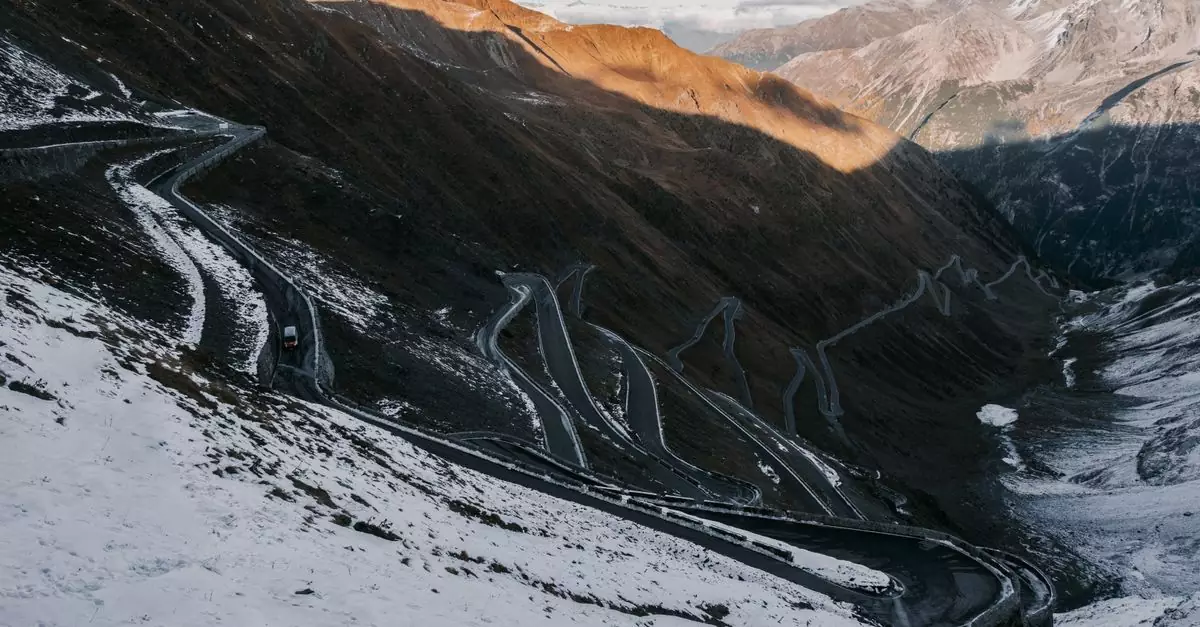
Embarking on one of the best mountain road trips in South America often means navigating diverse and challenging terrain. Careful planning around your transportation is crucial for a smooth and enjoyable journey. From selecting the right vehicle to understanding local driving customs, these tips will help you prepare for the open road.
Renting the Right Vehicle: 4×4 vs. Standard Cars for Mountain Terrain
When planning your adventure across South America, the choice of vehicle significantly impacts your experience, especially in mountainous regions. For many scenic routes, a standard two-wheel-drive car may suffice, particularly on well-maintained highways connecting major cities. However, to truly access remote vistas and tackle unpaved or rougher mountain passes, a 4×4 vehicle is highly recommended.
A 4×4 offers superior traction and ground clearance, essential for navigating gravel roads, steep inclines, and potential washouts after heavy rains. Many iconic drives, like parts of the Carretera Austral in Chile or routes in the Peruvian Andes, involve sections that are far from paved. While renting a 4×4 generally comes with a higher cost, the added security and capability it provides are invaluable for peace of mind and reaching destinations others cannot. Always check the rental company’s policies regarding off-road driving, as some may restrict usage on certain types of roads.
| Vehicle Type | Best For | Considerations |
|---|---|---|
| Standard Car | Paved highways, city-to-city travel | Limited off-road capability, lower rental cost |
| 4×4 SUV | Unpaved roads, mountain passes, remote areas | Higher rental cost, better traction and ground clearance |
Driving Essentials: Fuel Availability, Road Signs, and Local Driving Etiquette
Understanding local driving conditions and etiquette is paramount for safe travel. Fuel availability can be inconsistent in remote mountain areas, so it’s wise to fill up whenever you see a gas station, even if your tank isn’t empty. Some smaller towns may only have basic fuel, so if you’re driving a diesel vehicle, confirm availability. Road signs in South America can vary in clarity and consistency. While major routes are generally well-marked, smaller roads might have less signage or signs in Spanish or Portuguese, so having a reliable GPS or offline maps is essential.
Local driving habits can be more assertive than what you might be accustomed to. Expect drivers to be less hesitant about overtaking, and be prepared for vehicles to merge aggressively. Patience and defensive driving are key. Many roads are narrow, winding, and lack guardrails, especially at high altitudes. Honking your horn before blind turns is a common practice to alert oncoming traffic. Familiarize yourself with basic Spanish or Portuguese phrases, as they can be helpful when communicating with locals or asking for directions. For those seeking to understand more about the continent’s diverse landscapes, resources like National Geographic’s South America travel section offer valuable insights.
Alternatives to Self-Driving: Guided Tours and Public Transport Options
While self-driving offers unparalleled freedom for the best mountain road trips, it’s not the only way to experience South America’s stunning mountain scenery. For travelers who prefer not to drive, or who want deeper local insights, guided tours are an excellent alternative. Many companies offer multi-day excursions that focus on specific regions, such as the Andes or Patagonia, handling all logistics, accommodation, and transportation. These tours often provide access to knowledgeable local guides who can enrich your understanding of the culture and environment.
Public transportation, while sometimes challenging to coordinate for remote mountain routes, can be a budget-friendly option for reaching certain areas. Long-distance buses connect most major cities and towns, and while they may not go to every remote viewpoint, they can serve as a starting point for shorter excursions or to reach areas where local transport is available. For example, you can take a bus to a town like Salta in Argentina or Cusco in Peru, and then arrange local transport or join day tours for mountain exploration. Consider the time commitment; public transport often involves longer travel times and more transfers than driving yourself. For a broader overview of the continent, exploring Wikipedia’s South America page can provide context on its vast geography and diverse cultures.
Experiencing Local Culture and Cuisine Along the Scenic Routes
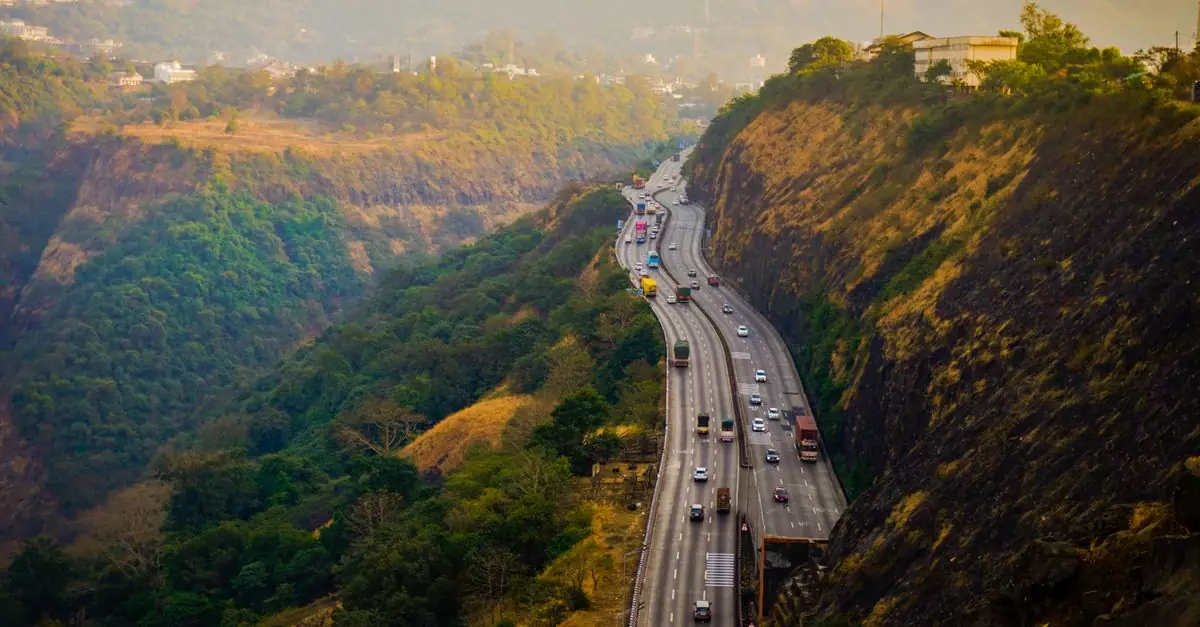
Embarking on one of the best mountain road trips in South America offers more than just breathtaking vistas; it’s an immersion into vibrant local cultures and delicious regional cuisines. The winding roads often lead through remote villages where traditions remain strong, offering authentic encounters that enrich the travel experience. Planning your route to include stops in these communities allows for genuine interaction and a deeper understanding of the Andean way of life.
Discovering Andean Villages: Authentic Encounters and Cultural Immersion
Many of the most rewarding detours on a South American mountain drive involve seeking out small, traditional villages. Places like Salento in Colombia’s coffee region or the Sacred Valley towns near Cusco, Peru, provide a glimpse into rural life. Here, you can witness local crafts being made, observe agricultural practices passed down through generations, and engage with residents eager to share their heritage. Visiting a local market is a sensory delight, offering a chance to see and taste produce unique to the high altitudes.
Consider timing your visit to coincide with a local festival or celebration. These events, though sometimes small and community-focused, offer unparalleled insight into local customs, music, and dance. Engaging respectfully with locals, perhaps by learning a few basic phrases in Spanish or Quechua, can significantly enhance these authentic encounters. Remember that while tourism is present in some areas, many villages remain largely untouched, so an attitude of curiosity and respect is key.
Must-Try Local Foods: Empanadas, Ceviche, and Regional Specialties
The culinary landscape of South America is as diverse as its geography, and the mountain regions offer their own unique flavors. Empanadas, savory pastries filled with meat, cheese, or vegetables, are a ubiquitous and delicious snack found across the continent, with regional variations in fillings and preparation. In coastal areas, you might find ceviche, a refreshing dish of raw fish cured in citrus juices, but even inland, variations can be found.
Don’t miss trying regional specialties. In Peru, look for lomo saltado (stir-fried beef) or aji de gallina (creamy chicken stew). In Ecuador, locro de papa (a hearty potato and cheese soup) is a staple. The high-altitude regions often feature quinoa and corn in various forms, from hearty soups to baked goods. Exploring local eateries, from bustling markets to small family-run comedores, is the best way to sample authentic flavors. Be adventurous and ask locals for their recommendations.
Finding Authentic Accommodation: Eco-Lodges and Mountain Huts
Beyond standard hotels, the best mountain road trips in South America often lead travelers to unique and authentic lodging options. Eco-lodges nestled in remote natural settings offer a chance to connect with the environment, often with a focus on sustainability and local community support. These can range from simple cabins to more luxurious retreats, providing a tranquil base after a day of driving.
For those seeking a more rustic experience, mountain huts or refugios are common along trekking routes and can sometimes be accessed by road. These offer basic amenities but provide an unforgettable opportunity to experience the solitude and grandeur of the mountains. When booking, research the property’s commitment to local sourcing and environmental practices. Many lodges also offer guided excursions, providing further opportunities to engage with the local landscape and culture.
Here’s a brief comparison of accommodation types:
| Accommodation Type | Typical Cost (USD) | Experience Level | Best For |
|---|---|---|---|
| Eco-Lodge | $100 – $300+ | Moderate to High | Nature lovers, comfort seekers |
| Mountain Hut | $20 – $50 | Basic | Adventurers, budget travelers |
| Guesthouse/B&B | $50 – $150 | Moderate | Cultural immersion, local interaction |
| Standard Hotel | $70 – $200+ | Variable | Convenience, predictable comfort |
Frequently Asked Questions About South American Mountain Road Trips
Is it safe to drive in the South American mountains?
Driving in the mountains of South America presents unique challenges. Road conditions can vary significantly, from well-maintained highways to unpaved, winding tracks. Altitude sickness is a real concern, so acclimatization is crucial. Many routes are remote, meaning access to services like gas stations or repair shops can be limited. It’s advisable to travel with a reliable vehicle, a detailed map or GPS, and to inform someone of your travel plans. Driving during daylight hours is generally recommended to better navigate challenging terrain and potential hazards.
What are the essential items to pack for a mountain road trip?
Packing for a mountain road trip requires preparation for diverse conditions. Essential items include:
- Navigation: Offline maps, GPS device, or a reliable smartphone with downloaded maps.
- Vehicle Essentials: Spare tire, jack, basic toolkit, jumper cables, and roadside emergency kit.
- Personal Gear: Warm layers of clothing (even in warmer months, temperatures can drop significantly at altitude), rain gear, sturdy hiking boots, sunscreen, sunglasses, and a first-aid kit.
- Supplies: Plenty of water, non-perishable snacks, and a portable power bank for electronics.
- Documentation: Valid driver’s license, vehicle registration, and insurance. Consider an International Driving Permit.
How much does a typical mountain road trip cost in South America?
The cost of a mountain road trip in South America varies widely based on destination, duration, accommodation style, and personal spending habits. Budget travelers can expect to spend roughly $50-$80 USD per person per day, focusing on hostels, local eateries, and free or low-cost attractions. Mid-range travelers might budget $100-$150 USD per day for comfortable hotels, a mix of local and tourist restaurants, and paid excursions. Luxury options can easily exceed $200 USD per day.
Key cost factors include:
- Vehicle Rental: Prices fluctuate, but expect $40-$100+ USD per day for a suitable 4×4 vehicle.
- Fuel: Prices vary by country, but longer distances in remote areas add up.
- Accommodation: Hostels ($10-$25/night), mid-range hotels ($50-$100/night), luxury lodges ($150+/night).
- Food: Eating at local markets or “comedores” is economical ($5-$15/meal), while tourist restaurants are pricier ($15-$30+/meal).
- Activities: Entrance fees to national parks, guided tours, and adventure sports add to the overall budget.
Are there hidden gems or less-traveled routes worth exploring?
Absolutely. Beyond the iconic routes, South America is brimming with lesser-known mountain drives. Consider exploring the Cordillera Blanca region in Peru outside of the popular Huaraz circuit, where you can find stunning glacial lakes and remote trekking opportunities. In Ecuador, the Avenida de los Volcanes offers more than just the main highlights; venturing onto smaller roads can reveal traditional Andean villages and untouched volcanic landscapes. For those seeking solitude, parts of the Argentine Northwest offer vast, high-altitude deserts and colorful rock formations with far fewer crowds than routes in Patagonia. Always research local conditions and road accessibility before venturing onto unpaved or remote routes.