Journeying through Greece is like stepping into the pages of an ancient epic, a land where gods walked among mortals and heroes forged legendary destinies. For those drawn to the tales of Zeus, Athena, and the myriad figures of Hellenic myth, exploring the best mythology sites in Greece offers a profound connection to history and imagination. These aren’t merely ruins; they are tangible links to the stories that have shaped Western civilization for millennia.
This guide will lead you through sacred precincts and legendary landscapes, revealing significant locations where myths were born and worshipped. You’ll learn how to navigate these hallowed grounds, understand their historical context, and gain insights into planning the perfect pilgrimage. Prepare to walk in the footsteps of legends and uncover the enduring power of Greek mythology.
Discovering the Cradle of Myths: Top Ancient Greek Sites
Embarking on a journey through Greece allows you to walk through the foundations of Western civilization, where epic tales of gods, heroes, and monsters originated. For travelers eager to connect with these ancient narratives, visiting the best mythology sites in Greece provides an unparalleled experience. These locations serve as portals to a world of legend, offering links to the stories that have shaped art, literature, and philosophy for millennia. Understanding the historical and mythological significance of each site transforms a simple tour into a profound exploration of human imagination.
Delphi: The Oracle’s Sacred Precinct
Perched dramatically on the slopes of Mount Parnassus, Delphi was considered the center of the ancient world, the navel of the earth. This UNESCO World Heritage site is best known for the Oracle of Apollo, a priestess who delivered prophecies that influenced both kings and commoners. Walking through the Sacred Precinct, you can still feel the weight of history and an air of mystery. Key structures include the Temple of Apollo, the ancient theater with stunning views, and the Treasury of the Athenians.
Traveler Tips for Delphi:
- Best Time to Visit: Spring (April-May) and autumn (September-October) offer pleasant weather and fewer crowds. Summer can be very hot and busy.
- Getting There: Delphi is accessible by bus from Athens, taking about 2.5 to 3 hours. Renting a car provides more flexibility for exploring the surrounding region.
- What to See: Dedicate at least half a day to explore the archaeological site and the Delphi Archaeological Museum, which houses significant artifacts.
Mycenae: Home of Agamemnon and the Lion Gate
Mycenae, a fortified citadel in the Peloponnese, was a major center of Greek civilization during the Bronze Age. It is famously associated with King Agamemnon, leader of the Achaeans in Homer’s Iliad. Entering Mycenae through the imposing Lion Gate, with its massive stone lintel, transports you to an era of powerful rulers and epic conflicts. The site includes the royal palace, cyclopean walls, and the beehive-shaped tholos tombs, such as the Treasury of Atreus.
Logistics and Insights:
- Location: Situated in the Argolid region of the Peloponnese, Mycenae is often visited as a day trip from Nafplio or as part of a broader Peloponnese itinerary.
- Budget Considerations: Entrance fees are modest, and combined tickets are often available for nearby sites like Epidaurus.
- Mythological Connection: This is where the tragic saga of the House of Atreus unfolded, a cycle of myths filled with betrayal, revenge, and divine intervention.
Olympia: Birthplace of the Olympic Games and Zeus’s Sanctuary
In the western Peloponnese lies Olympia, the ancient sanctuary dedicated to Zeus and the original site of the Olympic Games, held every four years from the 8th century BCE. This expansive archaeological complex was once a vibrant hub of athletic competition and religious devotion. Visitors can wander among the ruins of the Temple of Zeus, the Temple of Hera, the ancient stadium where athletes competed, and the gymnasium. The site offers a powerful connection to the ideals of sportsmanship and reverence for the gods.
Visiting Olympia:
- Getting Around: The archaeological site is relatively flat and easy to navigate on foot. The adjacent museum is essential for understanding the context of the ruins.
- Timing: Allow 2-3 hours for the site and museum. Consider visiting early in the morning to avoid the midday sun and crowds, especially during summer months.
- Nearby Attractions: The modern town of Olympia provides accommodation and dining options, and the nearby Alfeios River offers a scenic backdrop.
Knossos Palace: The Labyrinth and Minotaur’s Domain in Crete
On the island of Crete, the Palace of Knossos stands as a testament to the advanced Minoan civilization and the legendary tales of King Minos, Daedalus, and the fearsome Minotaur. This vast archaeological site, famously reconstructed by Sir Arthur Evans, provides a glimpse into a sophisticated Bronze Age society. While the reconstructions are debated, they vividly illustrate the palace’s scale and intricate layout, inspiring the myth of the Labyrinth. Exploring the colorful frescoes, royal apartments, and storage areas brings the myth to life.
Planning Your Visit to Knossos:
- Getting There: Knossos is located just south of Heraklion, the capital of Crete. It is easily accessible by local bus or taxi from the city center.
- Accommodation: Heraklion offers a wide range of hotels and guesthouses, making it a convenient base for visiting Knossos and other Cretan attractions.
- Mythological Significance: The story of Theseus, the Minotaur, and the Labyrinth is closely linked to Knossos, making it a captivating destination for anyone interested in Greek mythology.
Beyond the Classics: Lesser-Known Mythology Hotspots in Greece
While Athens and Delphi often steal the spotlight, Greece’s rich tapestry of myths extends to countless other sacred sites. Venturing beyond the most famous landmarks reveals a deeper connection to the ancient stories that shaped Western civilization. These locations offer a more intimate experience, allowing for profound immersion into the world of gods, heroes, and legends.
Dodona: Ancient Greece’s Oldest Oracle Site
Located in Epirus, northwestern Greece, Dodona claims the title of the oldest Hellenic oracle, predating even Delphi. Here, Zeus communicated through the rustling leaves of a sacred oak tree and the cooing of doves. The ruins include a well-preserved ancient theatre and the remains of temples dedicated to Zeus and Dione.
Visiting Dodona offers a tranquil contrast to more bustling archaeological sites. The journey through the scenic Epirote landscape adds to the sense of discovery. It’s a place where the whispers of the past feel palpable, encouraging quiet contemplation of the ancient world’s spiritual practices.
Mount Olympus National Park: The Gods’ Majestic Abode
Home to the mythical residence of the twelve Olympian gods, Mount Olympus is more than just a mountain; it’s a symbol of divine power and natural grandeur. Located in northern Greece, the park is a UNESCO World Biosphere Reserve, boasting diverse flora and fauna across its dramatic peaks.
Hikers and nature enthusiasts can explore numerous trails leading to waterfalls, gorges, and breathtaking viewpoints. While reaching the summit, Mytikas, is a challenging undertaking reserved for experienced climbers, many lower-altitude trails offer spectacular vistas and a connection to the legends of Zeus and his kin. The park’s raw beauty serves as a fitting backdrop for tales of the gods.
Samothrace: The Sanctuary of the Great Gods
The remote island of Samothrace in the northern Aegean Sea was once home to a powerful mystery cult dedicated to the Great Gods: Kabeiroi, Axieros, Axiokersos, and Axiokersa. The Sanctuary of the Great Gods, with its impressive Anaktoron (Initiation Hall) and the iconic Winged Victory of Samothrace (now in the Louvre), is a testament to the cult’s significance.
Accessing Samothrace requires a ferry journey, enhancing its secluded allure. The island’s rugged terrain, with cascading waterfalls and lush vegetation, creates an atmosphere of ancient mystique. Visitors can wander through the ruins, imagining the secret rituals and fervent devotion that once took place within this sacred precinct.
Crete’s Ideon Cave: Birthplace of Zeus
Nestled in the Psiloritis mountain range on the island of Crete, the Ideon Cave is steeped in myth as the birthplace and childhood refuge of Zeus, king of the gods. According to legend, Rhea hid her infant son here to protect him from his father, Cronus.
The cave is an active archaeological site, and exploring its chambers requires sturdy footwear and a flashlight. The journey to the cave is itself an adventure, offering stunning views of Crete’s mountainous interior. The cool, damp air and sheer scale of the cavern evoke a sense of primal power, connecting visitors to one of the foundational stories in Greek mythology.
Planning Your Mythological Pilgrimage: Best Time to Visit Greece
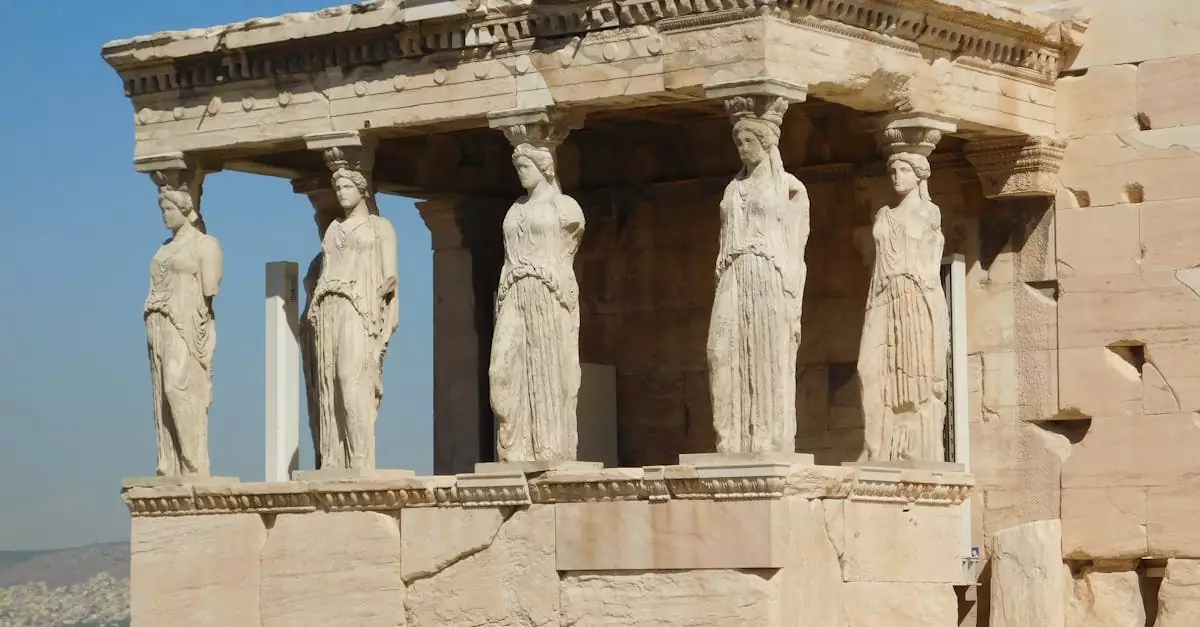
Embarking on a journey to Greece’s legendary sites requires thoughtful timing to enhance your experience. The season impacts everything from weather and crowds to accommodation availability and the overall atmosphere of ancient places. Planning ahead ensures you can fully immerse yourself in the myths and history that define these remarkable locations.
Spring (April-May): Ideal for Pleasant Weather and Fewer Crowds
Spring offers some of the most agreeable conditions for exploring Greece’s mythology sites. Temperatures are typically mild, ranging from the mid-50s to the mid-70s Fahrenheit (13-24°C), making it comfortable for outdoor exploration. The landscape is often lush and vibrant after winter rains, adding scenic beauty to your travels.
Crowds are generally smaller than during peak summer months, allowing for a more intimate connection with sites like the Acropolis in Athens or the ancient theater of Epidaurus. This is also a fantastic time for hiking and enjoying the natural beauty of regions like the Peloponnese, dotted with mythological landmarks. Accommodation prices may be more favorable before the summer surge.
Autumn (September-October): Perfect for Exploring Mythology Sites
Similar to spring, autumn presents an ideal time for visiting Greece’s mythological treasures. The intense summer heat subsides, replaced by pleasant, warm days and cooler evenings. Temperatures often hover in the comfortable 60s and 70s Fahrenheit (16-26°C), perfect for spending long days wandering through ancient ruins.
The sea remains warm enough for swimming in early autumn, allowing a chance to combine historical exploration with coastal relaxation. Visitor numbers begin to decrease, making it easier to navigate popular attractions. This period is excellent for those interested in a more relaxed pace and a deeper dive into the historical narratives associated with Greece.
Summer (June-August): Considerations for Heat and Peak Season
Summer in Greece is synonymous with sunshine, long days, and vibrant island life, but it also brings significant heat and the largest influx of tourists. Daytime temperatures can frequently exceed 90°F (32°C), especially in mainland cities and inland archaeological sites. Early morning or late afternoon visits are essential for exploring outdoor mythological locations to avoid the most intense sun.
This is peak tourist season, meaning higher prices for flights and accommodations, along with longer queues at major attractions. While the energy is high and the weather reliably sunny, travelers sensitive to heat or large crowds might find this period more challenging for extensive historical site visits. Staying hydrated and planning your itinerary with siestas during the hottest parts of the day is crucial.
Winter (November-March): Exploring Indoor Exhibits and Off-Season Charm
Winter in Greece offers a dramatically different, yet rewarding, travel experience. While outdoor sites may be less appealing due to cooler temperatures, rain, and shorter daylight hours, it’s an excellent time to focus on indoor museums and sites with significant indoor components. The Acropolis Museum in Athens, for instance, provides a climate-controlled environment to study artifacts related to ancient myths.
This is the low season, meaning fewer tourists and significantly lower prices for accommodations and flights. You can often have historical sites almost to yourself, fostering a profound connection with the past. Travelers seeking a more authentic, local experience and who don’t mind cooler weather will find winter a unique opportunity to engage with Greece’s rich mythological heritage.
| Season | Avg. Temp (°F) | Avg. Temp (°C) | Crowd Levels | Notes |
|---|---|---|---|---|
| Spring | 55-75 | 13-24 | Moderate | Pleasant weather, blooming landscapes |
| Summer | 80-95+ | 27-35+ | High | Hot, long days, peak tourist season |
| Autumn | 60-75 | 16-24 | Moderate | Warm days, cooler evenings, post-peak |
| Winter | 40-55 | 4-13 | Low | Cooler, rain possible, ideal for museums |
Navigating Greece’s Mythological Landscape: Transportation Tips
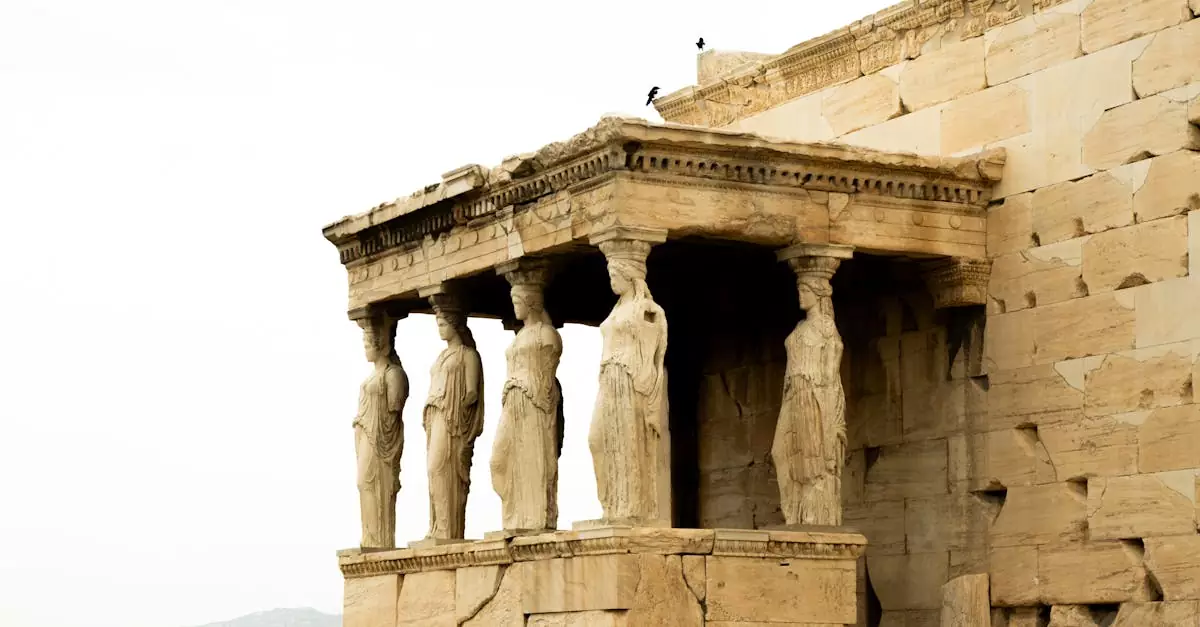
Exploring the best mythology sites in Greece requires a strategic approach to transportation. The country’s geography, with its mainland and numerous islands, offers diverse travel options. Planning your movements between these ancient locations will significantly enhance your experience, ensuring you spend more time immersed in legend and less time navigating logistics.
Inter-City Travel: Flights, Ferries, and Buses
Connecting the mainland and islands, or traveling between major mainland cities, is often best managed with a combination of flights, ferries, and buses. For distant destinations or time-sensitive trips, domestic flights are efficient. Major airports like Athens International Airport (ATH) serve as hubs for flights to popular islands such as Crete, Rhodes, and Santorini.
Ferries are a quintessential Greek travel experience and a practical way to hop between islands or reach mainland ports. Companies like Blue Star Ferries and Hellenic Seaways operate extensive networks, offering various classes of service. Booking ferry tickets in advance is recommended, especially during peak season (June-August).
Long-distance buses, operated by companies like KTEL, provide a budget-friendly option for inter-city travel on the mainland. Routes connect Athens to cities like Delphi, Olympia, and Thessaloniki, making these significant historical sites accessible without a car.
| Transportation Mode | Best For | Budget | Speed | Scenery |
|---|---|---|---|---|
| Domestic Flights | Reaching distant islands quickly | High | Fast | Aerial views |
| Ferries | Island hopping, scenic sea travel | Medium | Moderate | Coastal vistas, sea breeze |
| Inter-city Buses | Mainland travel, budget-conscious trips | Low | Moderate | Rural landscapes, villages |
Renting a Car for Flexible Exploration of Mythology Sites
While public transport connects major hubs, renting a car offers unparalleled flexibility for reaching more remote mythology sites and ancient ruins. Many archaeological sites, particularly those on the mainland like Mycenae or Epidaurus, are best accessed with your own vehicle. This allows you to set your own pace and discover hidden gems off the beaten path.
Car rental agencies are readily available in major cities and at airports. Ensure you have an international driving permit if required, and familiarize yourself with local driving customs. Parking can be challenging in popular tourist areas and within archaeological zones, so factor this into your daily plans. Driving also opens opportunities to visit multiple sites in a single day, such as combining a visit to the ancient theatre of Epidaurus with the nearby ruins of Mycenae.
Public Transport within Archaeological Zones
Once you arrive at a major archaeological site or within a historical town, public transport options may be limited. Many ancient sites, such as the Acropolis in Athens or the ruins at Knossos on Crete, are best explored on foot. Comfortable walking shoes are essential.
Within larger cities like Athens, the metro system is efficient and can take you close to key historical attractions. For example, the Acropolis Metro Station provides direct access to the Parthenon and surrounding ancient structures. For smaller towns or less accessible sites, local buses might operate, but schedules can be infrequent. It’s wise to check local tourism information or ask your accommodation for the most current public transport advice for specific areas.
Guided Tours vs. Independent Travel for Mythology Enthusiasts
The choice between guided tours and independent travel depends on your priorities and travel style. Guided tours offer expert insights from knowledgeable local guides who can bring the myths and history to life. They often handle transportation and logistics, making them a convenient option for those who prefer a hassle-free experience. Many tours focus specifically on mythological themes, connecting you with the stories behind the ruins.
Independent travel, on the other hand, provides the freedom to delve deeper into sites that capture your interest and to explore at your own rhythm. This approach is particularly rewarding for those who enjoy extensive research and self-discovery. You can tailor your itinerary precisely to the mythological figures and legends you wish to follow, perhaps spending an entire day at a significant location like the ancient city of Delphi. Combining independent exploration with occasional guided visits to specific sites can offer a balanced approach, leveraging the benefits of both.
Immersing Yourself: Experiencing Greece’s Mythology Sites Like a Local
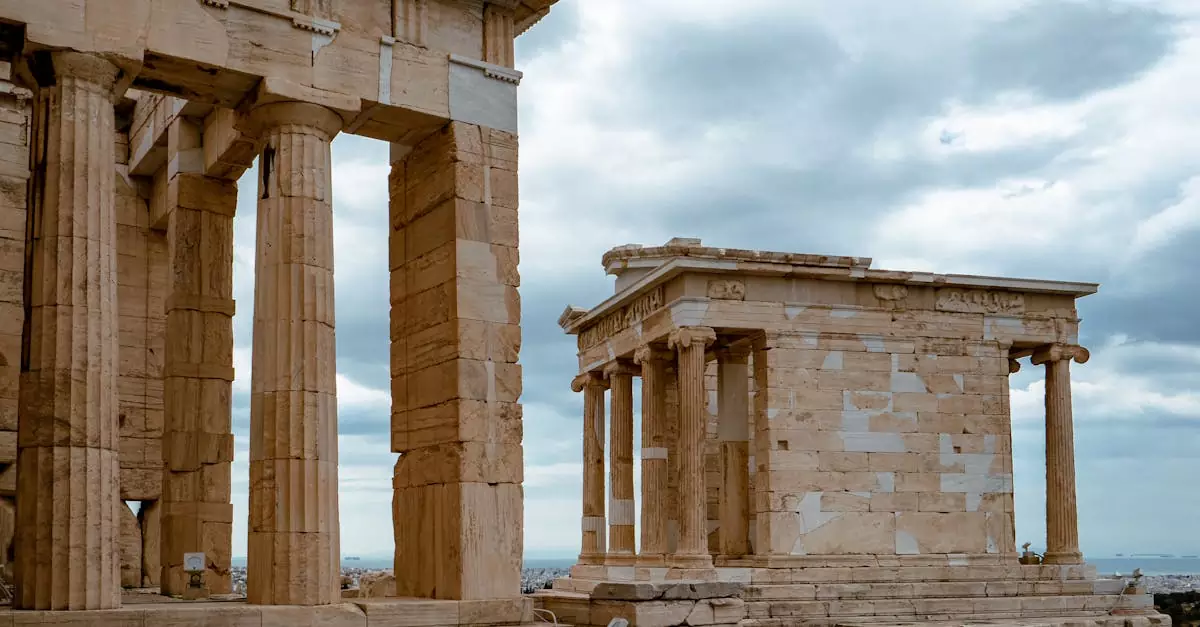
Visiting Greece’s legendary landscapes offers more than just a history lesson; it’s an invitation to connect with the spirit of ancient myths. To truly appreciate these sites, consider engaging with local traditions and seeking out authentic experiences that go beyond the typical tourist trail. This approach can transform a sightseeing trip into a deeply personal journey through the heart of Hellenic culture.
Attending Festivals and Reenactments at Ancient Sites
Throughout the year, many ancient sites host vibrant festivals and historical reenactments that bring mythology to life. These events often coincide with religious holidays or ancient celebrations, offering a unique glimpse into living traditions. For instance, during the summer months, open-air theaters like the Odeon of Herodes Atticus in Athens might stage classical plays, allowing you to experience ancient drama in its original setting. Participating in or witnessing these events provides a powerful connection to the stories and rituals that shaped these sacred grounds. Checking local event calendars for specific dates is key to timing your visit for these special occasions.
Savoring Traditional Greek Cuisine Near Mythological Landmarks
Food is an integral part of Greek culture and offers another avenue for authentic immersion. Many villages surrounding major archaeological sites boast family-run tavernas serving regional specialties. Seek out dishes that have a long history, perhaps even mentioned in ancient texts or local folklore. For example, near Delphi, you might find tavernas offering kontosouvli (slow-roasted pork) or local olives, ingredients that have sustained people in this mountainous region for millennia. Enjoying a meal with views of ancient ruins or natural landscapes enhances the sensory experience, grounding you in the timeless rhythm of life in Europe.
Finding Authentic Accommodation Beyond Tourist Hubs
While hotels near major attractions are convenient, consider staying in smaller guesthouses or apartments in nearby villages. This often provides a more intimate experience and supports local economies. For example, instead of staying directly in Athens, look for accommodations in neighborhoods like Plaka or Anafiotika, which retain a village-like charm. Similarly, near the Peloponnese, explore charming towns like Nafplio or Monemvasia, which offer a wealth of boutique hotels and traditional lodgings. This choice allows for more spontaneous interactions with locals and a deeper understanding of daily life.
Photography Tips for Capturing the Magic of Greece’s Mythology Sites
Capturing the essence of Greece’s mythology sites requires more than just pointing your camera. To convey the sense of scale and history, try to shoot during the golden hours – shortly after sunrise or before sunset – when the light is soft and dramatic. This light can highlight the textures of ancient stone and cast long shadows that evoke a sense of mystery. Consider incorporating elements of the natural landscape, such as olive trees or the Aegean Sea, into your shots to provide context and beauty. When photographing ruins, focus on details like intricate carvings or weathered columns to tell a story. Remember to respect the site; avoid climbing on fragile structures and always be mindful of other visitors.
Frequently Asked Questions About Visiting Greece’s Mythology Sites
What are the most important Greek mythology sites to see?
When planning a journey focused on the best mythology sites in Greece, several locations stand out for their historical and legendary significance. The Acropolis in Athens, with the Parthenon dedicated to Athena, is paramount. Delphi, the ancient sanctuary of Apollo and home to the Oracle, offers a profound connection to prophecy. Olympia, the birthplace of the Olympic Games, allows you to walk where ancient athletes competed. For insights into Minoan civilization and tales of the Labyrinth, the Palace of Knossos on Crete is essential. Finally, Mycenae, the realm of Agamemnon, provides a glimpse into Bronze Age power and myth.
Is it easy to travel between these ancient sites?
Navigating between Greece’s ancient sites is generally straightforward, though it requires planning. A rental car offers the most flexibility, especially for reaching remote locations like Delphi or Mycenae. Public transportation, including buses (KTEL) and ferries, connects major cities and islands, making Athens, Crete, and the Peloponnese accessible. For island hopping, ferries are the primary mode of transport. Consider a multi-city itinerary that groups sites geographically to minimize travel time.
| Transportation Method | Best For | Pros | Cons |
|---|---|---|---|
| Rental Car | Flexibility, remote sites | Convenience, personal schedule | Cost, parking in cities |
| Intercity Bus (KTEL) | Budget travelers, mainland connections | Affordable, extensive network | Slower, less flexible |
| Ferries | Island travel | Scenic, connects major islands | Weather-dependent, can be time-consuming |
| Domestic Flights | Long distances, island access | Fast, efficient for far-flung areas | Higher cost, airport transfers required |
What should I pack for a trip focused on historical sites in Greece?
Packing for a trip centered on Greece’s rich history requires practicality. Comfortable walking shoes are essential, as you’ll traverse ancient ruins and uneven terrain. Lightweight, breathable clothing is crucial, especially during warmer months, given the Mediterranean climate. Sun protection—a wide-brimmed hat, sunglasses, and high-SPF sunscreen—is vital. Don’t forget a reusable water bottle to stay hydrated, and consider a small backpack for essentials like snacks, a camera, and a guide book.
Are there any common tourist mistakes to avoid at Greek mythology locations?
A common pitfall for visitors to these sacred places is underestimating the scale and the sun. Many sites are expansive, and spending hours walking under direct sunlight can be exhausting. Always carry ample water and take breaks. Another mistake is not allowing enough time; rushing through sites like Delphi or Mycenae diminishes the experience. Lastly, be mindful of the historical significance and respect the ruins. Avoid climbing on structures or taking souvenirs from the archaeological areas, as these are protected heritage sites.