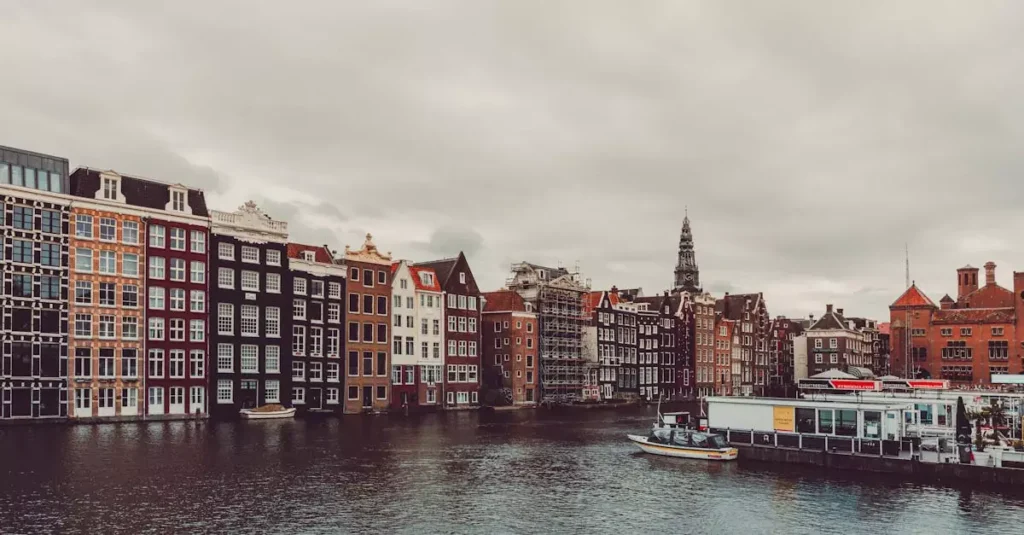
Planning your first trip to Amsterdam can feel overwhelming with so much to see and do. However, with a bit of preparation, you can ensure an unforgettable experience. This guide is crafted to equip you with essential knowledge, covering the best times to visit, navigating the charming streets like a local, must-see attractions, and culinary discoveries. You’ll learn how to maximize your time, whether you’re captivated by the iconic canals, world-class museums, or vibrant neighborhoods. Additionally, we’ll share practical tips to help you budget wisely and stay safe, allowing you to immerse yourself in the unique atmosphere of this beautiful Dutch capital. Get ready to explore the heart of Amsterdam with confidence.
When Should You Plan Your First Trip to Amsterdam?
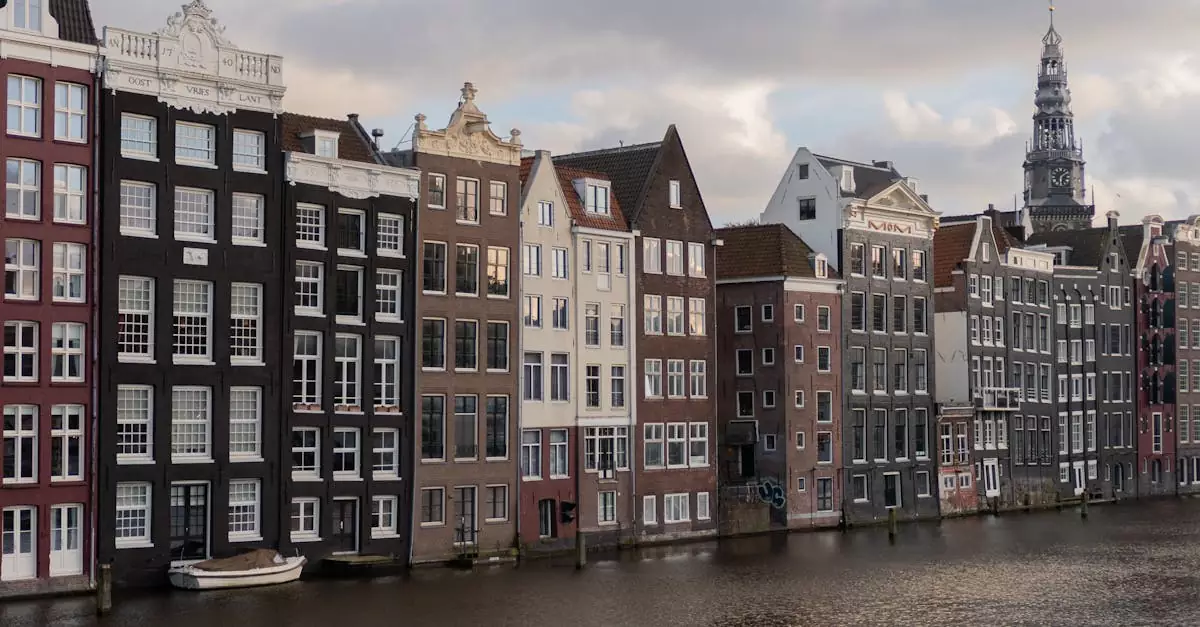
Choosing the right time for your first trip to Amsterdam significantly impacts your experience, from weather and crowds to the availability of seasonal attractions. Each season offers a distinct charm, and understanding these differences will help tailor your visit to your preferences.
Amsterdam in Spring: Tulips, Mild Weather, and Fewer Crowds
Spring, typically from April to May, is a fantastic time for a first visit, especially to witness the iconic Dutch tulips in bloom. The weather warms up, providing pleasant temperatures for exploring the city on foot or by bike. While it’s not as warm as summer, you’ll find fewer tourists compared to peak season, making it easier to navigate popular attractions and enjoy a more relaxed atmosphere.
- Key Attractions: Keukenhof Gardens (for tulips, usually open March-May), King’s Day (April 27th, a vibrant national holiday), canal cruises.
- Weather: Mild, with average temperatures ranging from 8-15°C (46-59°F). Rain is still possible, so pack layers and an umbrella.
- Crowds: Moderate, with a noticeable increase during King’s Day and around tulip season.
Summer in Amsterdam: Vibrant Festivals and Long Daylight Hours
June through August brings summer to Amsterdam, characterized by long daylight hours and a lively atmosphere. This is the peak tourist season, meaning you’ll encounter larger crowds and higher accommodation prices. However, the extended daylight is perfect for maximizing sightseeing, and the city buzzes with outdoor festivals, concerts, and events. Renting a bike and cycling along the canals is particularly enjoyable during these months.
- Key Attractions: Outdoor markets, open-air concerts, canal festivals, Vondelpark.
- Weather: Warmest months, with average temperatures between 17-22°C (63-72°F). Occasional heatwaves are possible.
- Crowds: High. Booking accommodations and popular attractions in advance is highly recommended.
Autumn in Amsterdam: Cozy Canals and Colorful Foliage
September to November offers a more tranquil experience for your first trip. The summer crowds dissipate, and the city takes on a cozy charm as the leaves change color. The weather can be unpredictable, with crisp, sunny days giving way to cooler, wetter periods. This season is excellent for museum hopping, enjoying warm drinks in traditional ‘brown cafes’, and appreciating the city’s beauty without the intense summer rush.
- Key Attractions: Rijksmuseum, Van Gogh Museum, Anne Frank House, exploring the Jordaan district.
- Weather: Cooler, with average temperatures from 10-17°C (50-63°F) in September, dropping to 5-10°C (41-50°F) by November. Expect rain.
- Crowds: Moderate to low, offering a more relaxed pace for sightseeing.
Winter in Amsterdam: Christmas Markets and Festive Ambiance
From December to February, Amsterdam transforms into a festive winter wonderland. While it’s cold, the city comes alive with Christmas markets, ice-skating rinks, and dazzling displays during the Amsterdam Light Festival. The low season means fewer tourists and potentially lower prices for flights and accommodation, making it an attractive option for budget-conscious travelers. Cozy indoor attractions, like world-class museums, provide perfect escapes from the chilly weather.
- Key Attractions: Amsterdam Light Festival, Christmas markets, ice skating, cozy cafes.
- Weather: Cold, with average temperatures between 2-7°C (36-45°F). Snowfall is possible but not guaranteed.
- Crowds: Low, except during the Christmas and New Year period.
Here’s a quick comparison to help you decide:
| Season | Best For | Weather | Crowds | Price Range (Accommodation) |
|---|---|---|---|---|
| Spring | Tulips, mild weather, fewer crowds | Mild (8-15°C), potential rain | Moderate | Mid-range |
| Summer | Festivals, long daylight, vibrant city | Warm (17-22°C), occasional heatwaves | High | High |
| Autumn | Cozy atmosphere, museums, fewer crowds | Cooler (5-17°C), increasing rain | Moderate | Mid-range |
| Winter | Festive ambiance, budget travel | Cold (2-7°C), possibility of snow | Low | Low to Mid-range |
Navigating Amsterdam: Getting Around Like a Local
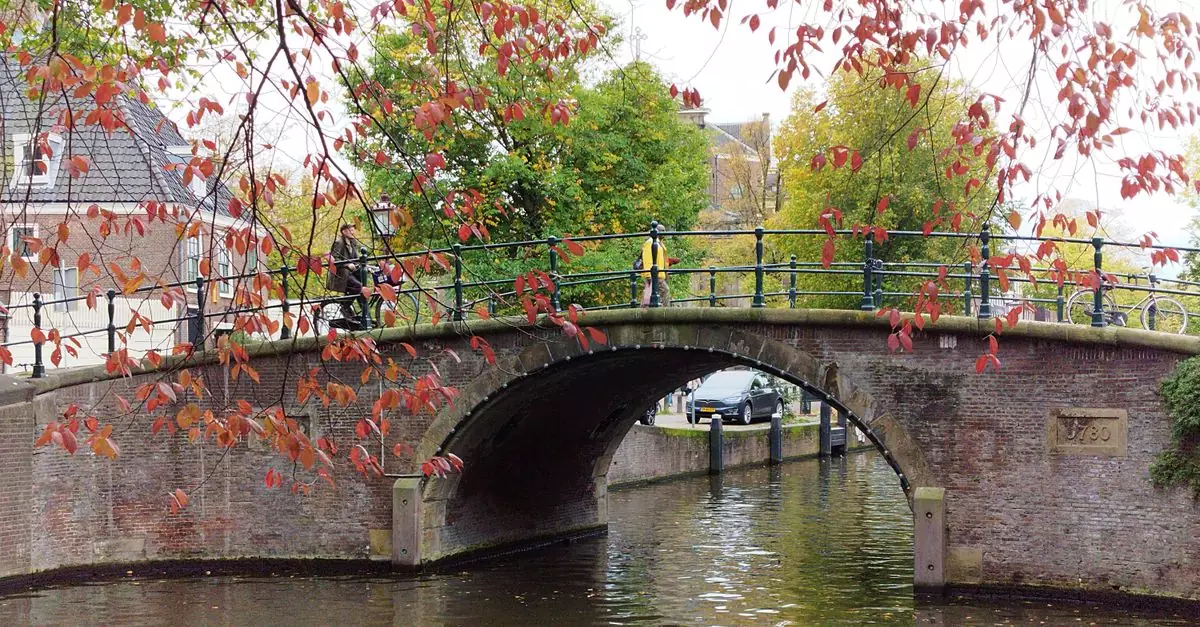
Successfully navigating Amsterdam is key to a smooth and enjoyable first trip. The city is compact and well-connected, offering multiple ways to get around, from efficient public transport to the iconic bicycle. Understanding these options will help you maximize your time and experience the city like a resident.
Mastering Amsterdam’s Public Transport: Trams, Buses, and Metro
Amsterdam boasts an excellent public transportation system managed by the GVB. Trams are particularly convenient for reaching most tourist attractions, running frequently on dedicated tracks through the city center. Buses and the metro extend the network, offering access to outer districts and connections to neighboring towns.
For visitors, purchasing a multi-day GVB pass is often the most cost-effective option. These passes allow unlimited travel on trams, buses, and metros within their validity period. You can buy them at GVB service points, ticket machines, and some hotels. Remember to tap your card on the reader when boarding and alighting trams and buses, and when entering and exiting metro stations.
Cycling in Amsterdam: Essential Rules for First-Time Riders
Cycling is synonymous with Amsterdam, and renting a bike is a fantastic way to immerse yourself in the local culture. However, it requires awareness and adherence to a few crucial rules to ensure safety for everyone. Amsterdam has dedicated cycle paths, and traffic lights are often designed with cyclists in mind.
Always signal your turns clearly with your hand. Be mindful of tram tracks, as your tires can get caught. Avoid cycling on sidewalks or blocking pedestrian paths. Most importantly, be aware of your surroundings; locals cycle with purpose and speed, so stay alert and keep to the right. Many bike rental shops offer basic instructions and maps for your first ride.
Walking Amsterdam’s Charming Streets: Discovering Hidden Alleys
While public transport and cycling are efficient, Amsterdam’s most enchanting discoveries often happen on foot. The city center is remarkably walkable, with picturesque canals, historic buildings, and charming narrow streets inviting exploration. Wandering through areas like the Jordaan or the Nine Streets (De Negen Straatjes) reveals independent boutiques, cozy cafes, and beautiful canal houses.
Plan to dedicate ample time to simply stroll. Wear comfortable shoes, as you’ll likely cover a lot of ground. Keep an eye out for small bridges and hidden courtyards that offer moments of quiet beauty away from the main thoroughfares. Walking allows you to appreciate the intricate details of Amsterdam’s architecture and soak in its unique atmosphere at your own pace.
Getting from Schiphol Airport (AMS) to Amsterdam City Center
Schiphol Airport (AMS) is well-connected to Amsterdam’s city center, making your arrival seamless. The most convenient and fastest option is the train. Direct trains run frequently from Schiphol Plaza, located directly beneath the airport terminal, to Amsterdam Centraal Station. The journey typically takes 15-20 minutes.
Tickets can be purchased at ticket machines or the NS ticket counter in the airport. Taxis and ride-sharing services are also available but are significantly more expensive and often slower due to city traffic. For a budget-friendly alternative, bus line 397 (Airport Express) offers a direct route to various stops in the city center, including Leidseplein and Rijksmuseum. This bus journey takes approximately 30-40 minutes.
Must-See Amsterdam Attractions for First-Time Visitors
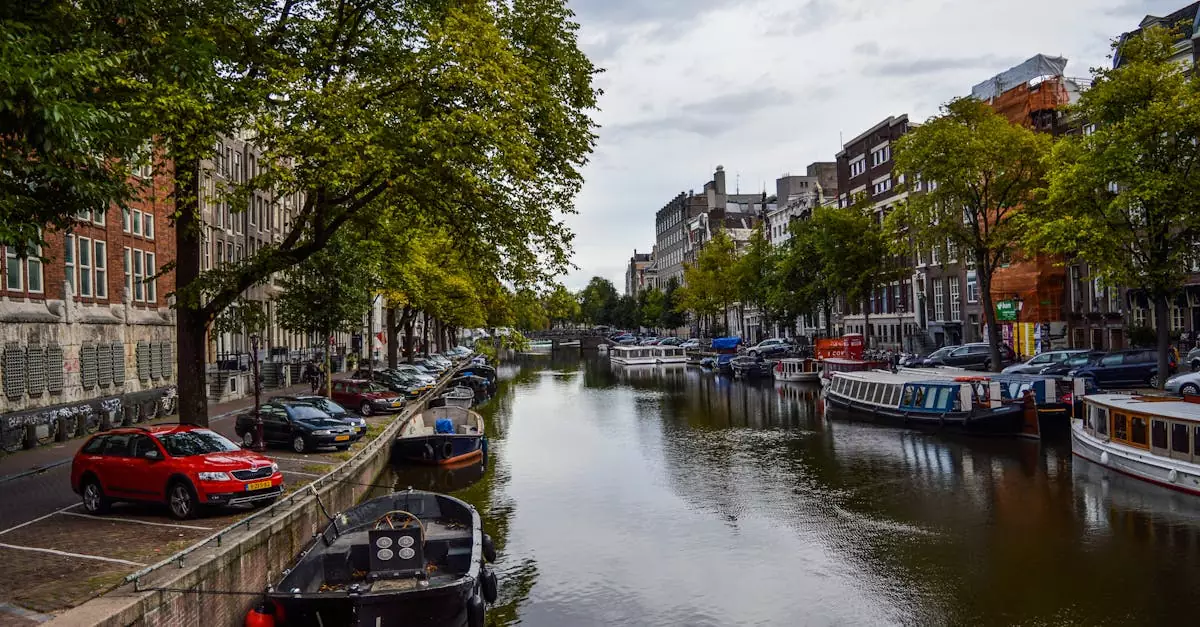
Planning your first trip to Amsterdam means prioritizing iconic sights that capture the city’s unique charm. From historic neighborhoods to world-class museums, these attractions offer a comprehensive introduction to Dutch culture and history. Booking tickets in advance, especially for popular sites, is highly recommended to avoid disappointment.
Exploring the Historic Jordaan District: Canals and Courtyards
The Jordaan district is a labyrinth of narrow streets, picturesque canals, and hidden courtyards that invites exploration. Originally a working-class neighborhood, it’s now one of Amsterdam’s most desirable areas, boasting independent boutiques, cozy cafes, and charming houseboats. Take your time to get lost here; each turn reveals a new photogenic scene. Look for the “hofjes” (inner courtyards), often quiet oases of tranquility tucked away behind unassuming doorways.
Visiting the Rijksmuseum: Dutch Masters and National Treasures
No first trip to Amsterdam is complete without a visit to the Rijksmuseum, home to an unparalleled collection of Dutch Golden Age art. Marvel at Rembrandt’s “The Night Watch” and Vermeer’s “The Milkmaid” alongside countless other masterpieces. The museum itself is a stunning architectural achievement, and its extensive collection spans centuries of Dutch art and history. Allow at least half a day to properly appreciate its vast offerings.
Anne Frank House: A Poignant Historical Experience
The Anne Frank House offers a deeply moving and essential historical experience. Touring the secret annex where Anne Frank and her family hid during World War II provides a powerful glimpse into a pivotal period of history. Due to extreme demand, tickets are released on a specific schedule and sell out months in advance. Planning ahead is crucial for securing entry to this profoundly important site.
Cruising Amsterdam’s Iconic Canal Belt: A Unique Perspective
Seeing Amsterdam from its waterways is an absolute must. A canal cruise offers a unique perspective on the city’s architecture, bridges, and vibrant street life. Numerous companies provide tours, ranging from large, narrated boats to smaller, more intimate electric vessels. Consider an evening cruise to see the city illuminated by thousands of lights, creating a magical atmosphere. This is a relaxing way to absorb the city’s beauty and understand its historical connection to water.
Beyond the Tourist Trail: Discovering Amsterdam’s Neighborhoods
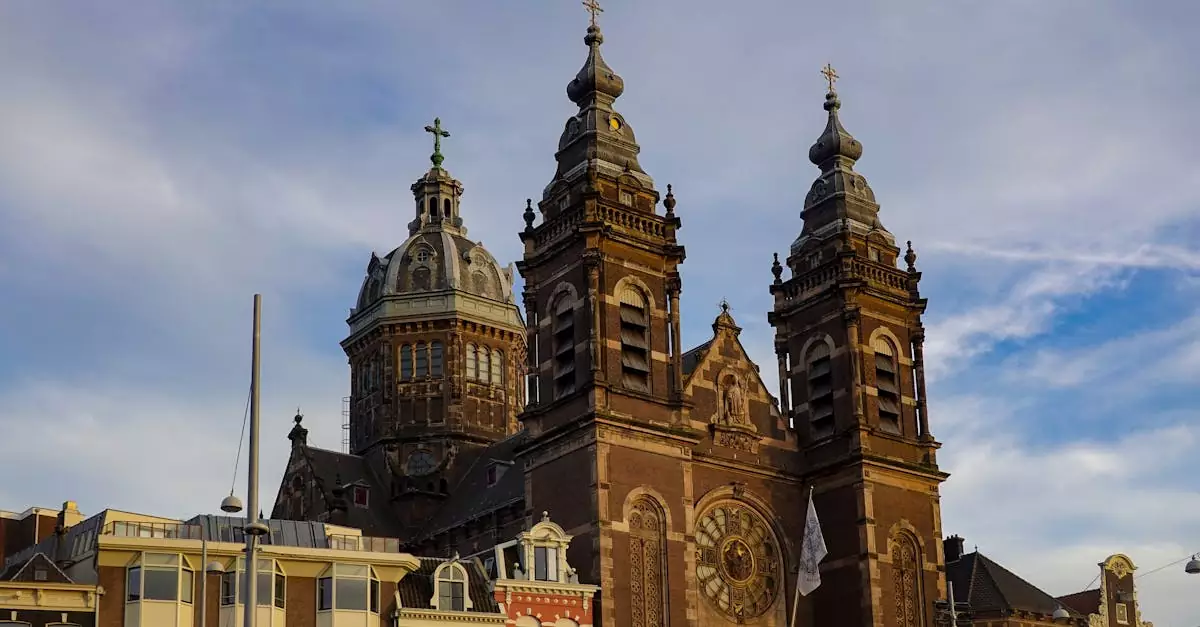
While the central canals and Dam Square are undoubtedly iconic, venturing into Amsterdam’s diverse neighborhoods offers a more authentic glimpse into local life. Understanding these distinct areas can help tailor your experience beyond the typical tourist circuit. Each district possesses its own character, from bustling markets to tranquil green spaces.
De Pijp: Bohemian Vibes and Albert Cuyp Market
De Pijp, once a working-class district, has transformed into a vibrant hub. It’s known for its lively atmosphere, multicultural eateries, and the famous Albert Cuyp Market. This bustling street market is a must-visit, offering everything from fresh stroopwafels and Dutch cheese to vintage clothing and souvenirs. Spend a morning browsing the stalls, then relax at one of the many independent cafes or bars lining the streets.
The energy here is palpable, especially on market days. You’ll find a younger crowd and a strong sense of community. It’s an ideal place to sample international cuisine, with Indonesian, Surinamese, and Moroccan influences prominent in the local restaurants.
Oud-West: Trendy Boutiques and Diverse Eateries
Oud-West is a fashionable area that blends historic architecture with modern trends. It’s a favorite among locals for its independent boutiques, cinemas, and a remarkable array of diverse food options. The Foodhallen, a trendy indoor food market, is a major draw, featuring numerous stalls serving global street food in a stylish, industrial setting.
This neighborhood offers a more laid-back vibe than the city center but still buzzes with activity. It’s perfect for an afternoon of leisurely shopping, followed by a culinary adventure. You can find everything from artisanal coffee shops to upscale dining experiences.
Amsterdam-Noord: Industrial Chic and Waterfront Views
Across the IJ River, Amsterdam-Noord presents a completely different side of the city. This former industrial area has been revitalized with striking modern architecture, creative workspaces, and a burgeoning arts scene. A free ferry from behind Centraal Station whisks you across in minutes, making it an easy and rewarding excursion.
Highlights include the EYE Film Museum with its distinctive architecture and the A’DAM Lookout for panoramic city views. The waterfront offers a unique perspective on Amsterdam, with trendy bars and restaurants capitalizing on the scenic setting. It’s an area that feels both edgy and exciting, offering a stark contrast to the historic core.
Westerpark: Green Spaces and Cultural Hubs
Westerpark is Amsterdam’s answer to a revitalized industrial past meeting natural beauty. This large urban park is built around a former gasworks complex, now transformed into a cultural hotspot. It houses venues for concerts, exhibitions, cinemas, and restaurants, all set amidst expansive green lawns and tree-lined paths.
It’s an excellent spot for a relaxing afternoon, whether you’re picnicking, cycling, or simply enjoying the open space. The park hosts various events throughout the year, adding to its dynamic appeal. For those seeking a blend of culture and recreation, Westerpark offers a refreshing escape from the city’s busier areas.
Savoring Amsterdam: What to Eat and Drink on Your First Visit
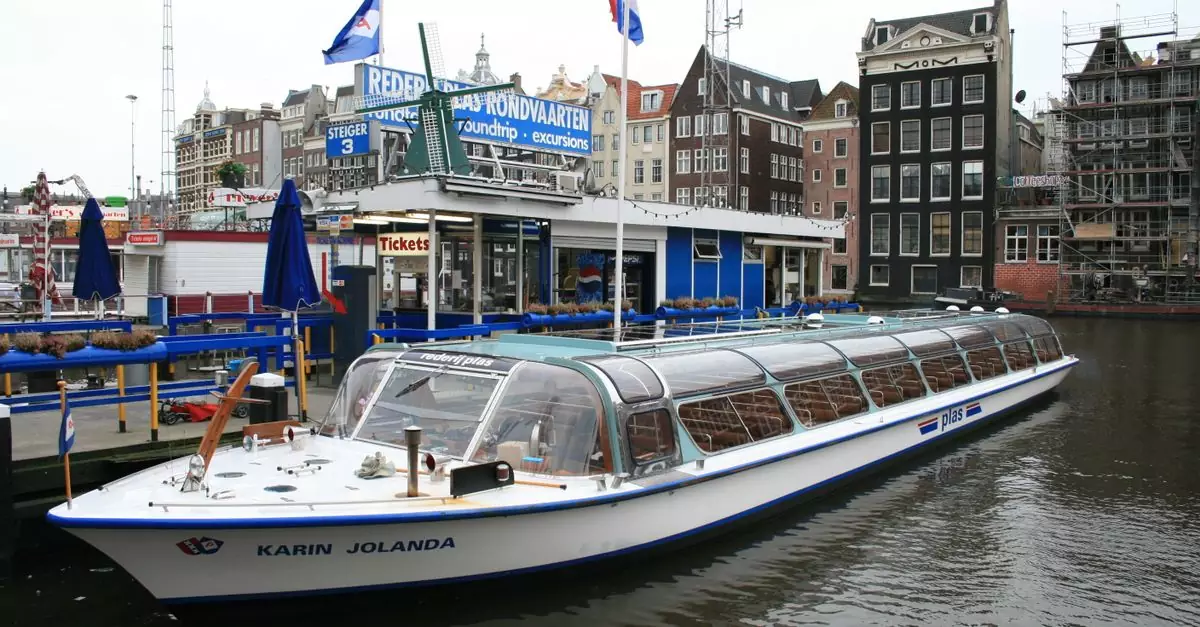
A first trip to Amsterdam offers a delightful journey through diverse culinary landscapes, from comforting Dutch classics to vibrant international flavors. Don’t limit yourself to just the famous sights; your taste buds are in for a treat.
Indulging in Dutch Delicacies: Stroopwafels and Bitterballen
No visit to Amsterdam is complete without sampling its iconic snacks. Freshly made stroopwafels, thin waffles sandwiched with caramel syrup, are a must-try. You’ll find them warm and gooey at street stalls and markets across the city. For a savory counterpoint, seek out bitterballen. These deep-fried, crispy balls filled with creamy meat ragout are the ultimate Dutch bar snack, often served with mustard. They’re surprisingly addictive and best enjoyed with a cold Dutch beer.
Exploring Amsterdam’s Diverse Food Markets
Amsterdam’s food markets offer a vibrant snapshot of the city’s culinary scene. The Albert Cuyp Market, one of the largest street markets in Europe, is a fantastic place to find fresh produce, local cheeses, and a variety of prepared foods. Here, you can grab a freshly baked stroopwafel or try some herring if you’re feeling adventurous. For a more curated experience, consider the Foodhallen, an indoor market with numerous food stalls offering everything from gourmet burgers to exotic Asian street food. It’s a great option for groups with varied tastes.
Experiencing a Traditional ‘Brown Cafe’
For an authentic taste of local life, visit a ‘brown cafe’ (bruin café). These traditional pubs, named for their often smoke-stained walls and dark wood interiors, are the heart of Amsterdam’s social scene. They offer a cozy atmosphere, a selection of local beers on tap, and simple, hearty pub fare. It’s the perfect place to relax after a day of sightseeing, perhaps with a plate of bitterballen and a locally brewed beer. Many have been serving patrons for centuries, offering a genuine glimpse into Dutch hospitality.
Trying Indonesian ‘Rijsttafel’: A Culinary Legacy
Amsterdam’s colonial past has left a lasting culinary mark, most notably through Indonesian cuisine. The “rijsttafel,” meaning “rice table,” is an elaborate meal consisting of numerous small dishes served with rice. It’s a spectacular way to sample a wide array of flavors, from spicy curries and satay to pickled vegetables and fried delights. Many Indonesian restaurants in Amsterdam offer a rijsttafel experience, providing a unique and delicious cultural immersion. This is a truly memorable dining experience, offering a complex blend of spices and textures that reflect a rich history.
Frequently Asked Questions for Your First Trip to Amsterdam
Planning your first trip to Amsterdam involves a few key considerations to ensure a smooth and enjoyable experience. This section addresses common questions travelers have to help you prepare for your visit.
Is Amsterdam Safe for First-Time Solo Travelers?
Amsterdam is generally considered a very safe city for solo travelers, including first-timers. Petty crime like pickpocketing can occur, particularly in crowded tourist areas, so it’s wise to be aware of your surroundings and keep valuables secure. The city’s excellent public transport and walkable nature make navigating easy and comfortable. Violent crime rates are low.
What’s the Best Way to Budget for a Trip to Amsterdam?
Budgeting for Amsterdam depends heavily on your travel style and the season. Accommodation is often the largest expense, followed by food and activities. Mid-range hotels can range from €150-€250 per night, while hostels offer more affordable options starting around €35-€60 for a dorm bed. Dining out can cost €20-€40 for a casual meal, or more for fine dining. Many attractions have entrance fees, so consider purchasing an I amsterdam City Card if you plan to visit multiple museums and use public transport extensively.
Are There Any Common Tourist Scams to Watch Out For?
While Amsterdam is safe, like any major tourist destination, some minor scams exist. Be wary of overly friendly strangers offering unsolicited tours or “deals” on cannabis, especially around the Red Light District. The most common issue is pickpocketing on trams, in busy squares like Dam Square, and near Centraal Station. Always keep your belongings secure and out of sight. Avoid unlicensed taxis; stick to official ranks or ride-sharing apps.
What Should I Pack for a Trip to Amsterdam in Spring?
Packing for Amsterdam in spring requires layers to account for variable weather. Expect temperatures to range from 5°C to 15°C (40°F to 60°F). Essential items include:
- Waterproof jacket and umbrella: Spring showers are common.
- Comfortable walking shoes: You’ll be doing a lot of walking and cycling.
- Sweaters and long-sleeved shirts: For cooler mornings and evenings.
- Scarf and gloves: Useful for windy days.
- Light trousers or jeans.
- A small backpack: For day trips and carrying essentials.
Consider checking the weather forecast closer to your departure date for more precise packing advice.