Europe is a continent rich in diverse and stunning natural landscapes, providing a refreshing contrast to urban exploration. For those in search of the best nature escapes Europe has to offer, venturing beyond bustling cities reveals dramatic fjords, ancient forests, volcanic wonders, and serene coastlines. This guide will help you discover some of the continent’s most spectacular natural destinations, from the towering peaks of the Alps to the rugged beauty of Scotland’s Isle of Skye. You’ll learn about unique outdoor activities, ideal visiting times, and practical tips for planning your unforgettable journey into Europe’s wild heart. Prepare to be inspired by the grandeur and beauty of these remarkable natural retreats.
Discover Europe’s Most Breathtaking Natural Wonders
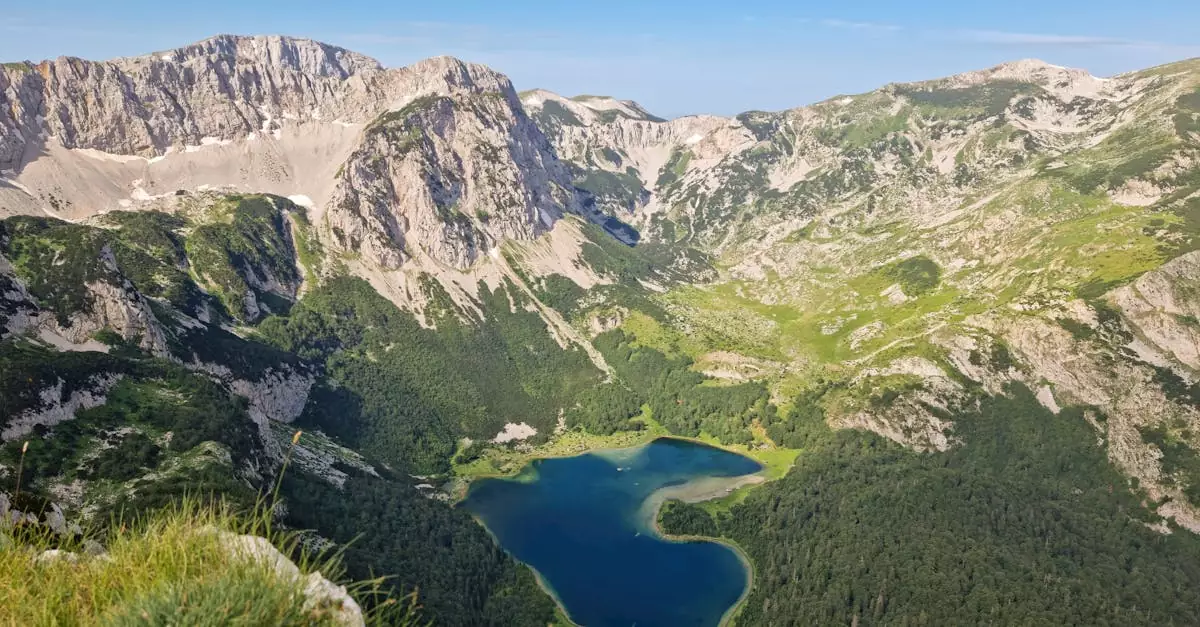
Europe showcases an astonishing array of natural beauty, from dramatic coastal landscapes to ancient woodlands and geologically active regions. For travelers seeking the best nature escapes, venturing beyond well-trodden cities reveals unparalleled scenery and opportunities for outdoor adventure. These destinations offer a refreshing contrast to urban life, highlighting the raw, untamed power of nature.
Exploring the Dramatic Landscapes of the Norwegian Fjords
The Norwegian fjords stand as a testament to glacial power, carving deep, dramatic inlets into the coastline. These UNESCO World Heritage sites, like Geirangerfjord and Nærøyfjord, feature towering cliffs, cascading waterfalls, and serene blue waters. Travelers can explore the fjords through scenic ferry rides or kayaking excursions, providing an intimate perspective of their immense scale.
For those preferring land-based exploration, hiking trails abound, offering breathtaking viewpoints. The popular Pulpit Rock (Preikestolen) and Kjeragbolten provide challenging yet rewarding climbs with iconic vistas. Visiting during summer (June to August) ensures milder weather and longer daylight hours, while shoulder seasons like May and September offer fewer crowds and stunning autumn colors.
Getting to the Fjords:
Most visitors fly into Bergen or Stavanger, then utilize public transport, including buses and ferries, to access specific fjord regions. Car rentals offer flexibility but can be challenging on narrow, winding roads.
Budget Considerations:
Norway is known for its high costs. Budgeting for accommodations, transportation, and food is essential, with hostels and self-catering options available to help manage expenses.
Hiking the Ancient Forests of Slovenia’s Julian Alps
Slovenia’s Julian Alps, particularly Triglav National Park, present a different kind of natural grandeur: lush forests, emerald rivers, and jagged peaks. This region is a haven for hikers and nature enthusiasts, featuring a network of trails suitable for all fitness levels. The Soča Valley, with its striking turquoise river, is ideal for activities like white-water rafting and canyoning.
The park’s diverse flora and fauna, including chamois and golden eagles, enhance its appeal. Hiking to Lake Bohinj, a glacial lake surrounded by mountains, offers a serene experience, often less crowded than its more famous counterpart, Lake Bled. Early summer (June) and early autumn (September) are excellent times to visit, providing pleasant hiking temperatures and beautiful scenery without peak summer crowds.
Logistics for Triglav National Park:
Bled and Bohinj serve as popular bases for exploring the park. Public buses connect these towns to various trailheads and villages within the park.
Safety in the Alps:
Be prepared for changing mountain weather, even in summer. Inform someone of your hiking plans, carry appropriate gear, and check trail conditions before setting out.
Witnessing the Volcanic Majesty of Iceland’s Highlands
Iceland’s Highlands feature a raw, otherworldly landscape shaped by volcanic activity, glaciers, and geothermal forces. This remote interior is primarily accessible during summer (late June to early September) when the F-roads are clear of snow. Destinations like Landmannalaugar, known for its colorful rhyolite mountains and natural hot springs, offer exceptional trekking opportunities.
Exploring the Highlands requires careful planning due to rugged terrain and unpredictable weather. Many visitors rent 4×4 vehicles to navigate the unpaved F-roads. The vast landscape, with its extensive lava fields, steaming vents, and glacial rivers, creates a profound sense of isolation and natural power. It’s a unique environment for those seeking nature escapes far from typical tourist routes.
Highlands Accessibility:
Specialized buses and guided tours are available for those without 4×4 vehicles, as many F-roads require high-clearance vehicles.
Environmental Respect:
Stay on marked paths to protect fragile vegetation and geological formations in the Highlands. Camping is restricted to designated areas.
Secluded Coastal Retreats for Ultimate Relaxation
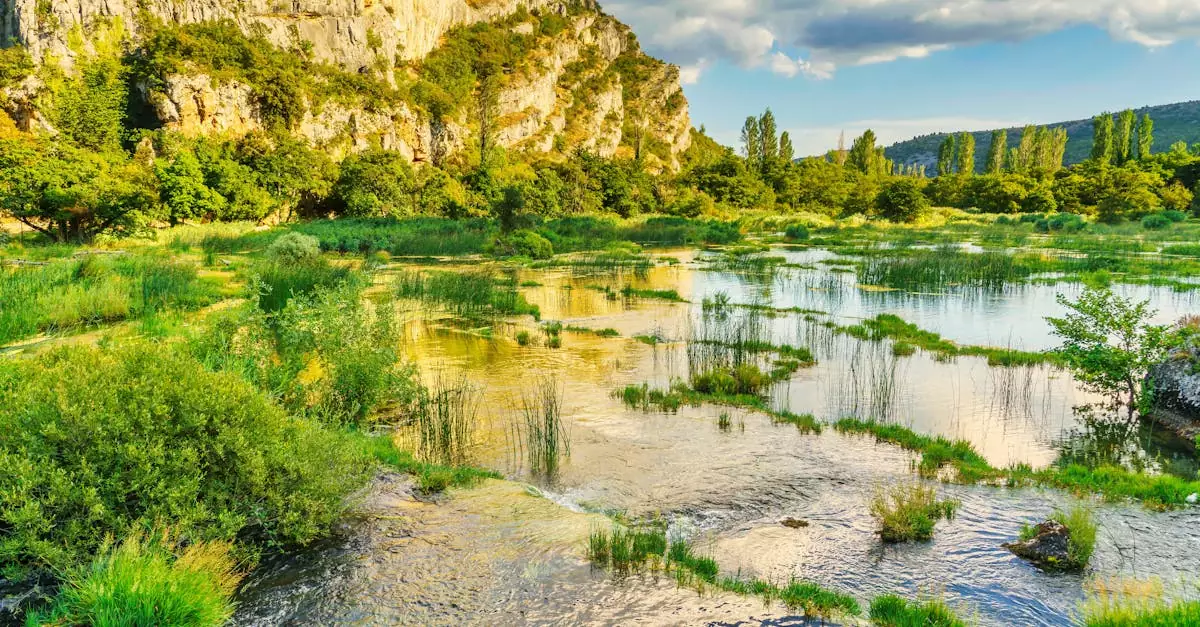
For travelers seeking the best nature escapes in Europe that offer tranquility alongside stunning coastal scenery, several regions stand out. These destinations allow you to disconnect from daily life and reconnect with nature, often with fewer crowds than popular tourist hubs. From sun-drenched coves to dramatic cliffside vistas, these coastal havens promise rejuvenation.
The Turquoise Waters and Hidden Coves of the Algarve Coast, Portugal
While the Algarve is known for its resorts, venturing beyond the main towns reveals a more tranquil side of this southern Portuguese coastline. The western Algarve boasts dramatic cliffs, sea caves, and secluded beaches accessible primarily by boat or footpaths winding along the clifftops. For a peaceful beach experience, seek out these less accessible spots.
Consider visiting during shoulder seasons—April to May or September to October—to avoid peak summer heat and crowds. This timing also offers pleasant weather for hiking and exploration. Accommodation options range from charming guesthouses in smaller villages like Salema or Burgau to private villas with direct access to quieter stretches of sand.
Transportation within the western Algarve is best managed with a rental car, allowing flexibility to discover hidden coves. Local bus services connect some larger towns, and boat tours from Sagres or Lagos provide access to sea caves and secluded beaches that are otherwise unreachable. Safety on the cliffs requires caution, especially in windy conditions, and always be mindful of tide times when exploring coastal areas.
Island Hopping Through Greece’s Lesser-Known Cyclades Islands
While Santorini and Mykonos attract immense crowds, Greece’s Cyclades archipelago offers numerous islands that provide the best nature escapes with a more authentic and tranquil experience. Islands like Folegandros, Amorgos, or Sifnos feature dramatic landscapes, crystal-clear waters, and charming traditional villages without overwhelming tourist infrastructure. These islands are ideal for travelers looking to immerse themselves in local life and enjoy natural beauty at a slower pace.
The best time to visit these quieter Cyclades is from late May to early June or September to early October. During these periods, the weather is warm and sunny, perfect for swimming and hiking, and ferry schedules remain robust. Accommodation typically consists of small, family-run hotels and rooms to rent, fostering a genuine connection to island culture.
Getting between islands is primarily via ferry, with services connecting various ports throughout the week. Booking ferry tickets in advance, especially during peak season, is advisable. On the islands, many villages are walkable, but renting a scooter or small car can be beneficial for reaching remote beaches or viewpoints. Always carry water and wear appropriate footwear for uneven terrain.
Exploring the Rugged Beauty of Scotland’s Isle of Skye
Scotland’s Isle of Skye features a dramatic coastal landscape, making it one of Europe’s premier nature escapes. Its iconic geological formations, like the Old Man of Storr and the Quiraing, combined with rugged coastlines, sea lochs, and windswept moors, provide an unparalleled sense of adventure and immersion in nature. Skye appeals to hikers, photographers, and anyone drawn to raw, untamed beauty.
The most pleasant months to visit Skye are from May to September, when daylight hours are long and the weather is generally milder, though still unpredictable. Evenings can be cool, so packing layers is essential. Accommodation ranges from cozy bed and breakfasts and self-catering cottages to a few hotels in larger towns like Portree. Booking well in advance is crucial, as Skye is popular with nature lovers.
Transportation on Skye is best facilitated by car, as public transport is limited. This allows for the freedom to stop at scenic viewpoints and access trailheads. Be prepared for single-track roads, often with passing places, and always drive cautiously. The weather can change rapidly, so check forecasts and be ready for rain and wind, even in summer. Hiking trails can be muddy and slippery, requiring sturdy waterproof footwear.
Alpine Adventures: Peaks, Valleys, and Glacial Lakes
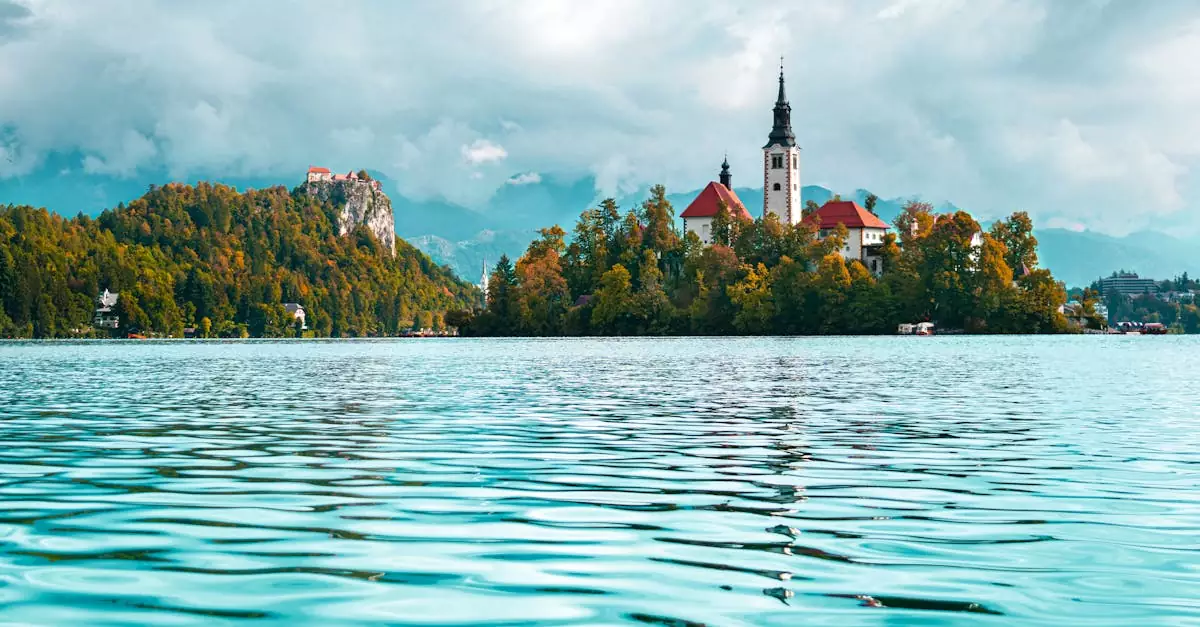
The European Alps provide a dramatic backdrop for nature enthusiasts. From jagged peaks that pierce the sky to emerald valleys dotted with wildflowers, this mountain range offers some of the continent’s most breathtaking scenery. Whether you prefer challenging climbs or serene lakeside strolls, the Alps deliver unforgettable outdoor experiences. Planning a trip to this region often involves considering altitude, weather variability, and the best ways to access its diverse landscapes.
Trekking the Dolomites’ Via Ferratas in Italy
For an adrenaline-fueled immersion in alpine beauty, the Dolomites’ via ferratas in northern Italy are unmatched. These “iron paths” are protected climbing routes, equipped with steel cables, rungs, and ladders, allowing hikers to safely traverse steep cliffs and exposed ridges. Popular areas like the Cortina d’Ampezzo region offer a range of routes, from beginner-friendly to expert challenges.
Safety is paramount when tackling via ferratas. It’s essential to have proper climbing gear, including a helmet, harness, and via ferrata lanyard system. Hiring a local mountain guide is highly recommended for first-timers or those attempting more demanding routes. The best time to visit is typically from June to September, when snow has melted from higher elevations, though early or late-season trips can offer fewer crowds.
Logistics for Via Ferrata Adventures:
- Gear Rental: Available in towns like Cortina d’Ampezzo.
- Guides: Book in advance, especially during peak season.
- Fitness: A good level of physical fitness and a head for heights are required.
- Season: June to September.
Kayaking on Switzerland’s Crystal-Clear Lake Brienz
Switzerland’s Bernese Oberland is home to Lake Brienz, a stunning turquoise lake renowned for its exceptional water clarity and dramatic mountain setting. Kayaking on its surface offers a unique perspective on the surrounding peaks, charming lakeside villages like Iseltwald, and cascading waterfalls such as the Giessbach Falls. The serene atmosphere, combined with the vibrant color of the water, makes this a truly magical experience.
Kayaks can be rented from various points along the lake, with options for single or double kayaks. For those new to paddling on larger bodies of water, guided tours are available, providing local insights and ensuring a safe outing. The summer months (May to September) offer the warmest weather and calmest conditions for paddling. Be prepared for cool mountain air, even on sunny days.
Lake Brienz Kayaking Tips:
- Rental Locations: Brienz, Giessbach, and Interlaken.
- Guided Tours: Offer historical context and safety.
- Water Temperature: Always cool, even in summer; wear appropriate clothing.
- Best Time: May to September for calmer waters and warmer temperatures.
Discovering the Wildflower Meadows of Austria’s Salzkammergut
Austria’s Salzkammergut region, a picturesque lake district east of Salzburg, bursts into color during late spring and early summer. The alpine meadows here showcase a spectacular array of wildflowers, creating a stunning spectacle against the backdrop of rolling hills and pristine lakes. Hiking through this landscape is a sensory delight, with vibrant hues of purple, yellow, and red carpeting the hillsides.
Popular areas for experiencing these meadows include trails around Hallstatt, Gosau, and the Dachstein massif. Timing for peak bloom is crucial; generally, late May through July offers the best chance to witness the full splendor. Many hiking routes are well-marked and range from gentle valley walks to more strenuous mountain ascents, allowing visitors to tailor their experience. The Salzkammergut’s charming villages provide excellent bases for accommodation, featuring a range of guesthouses and hotels.
Salzkammergut Wildflower Season:
- Peak Bloom: Late May to July.
- Key Areas: Hallstatt, Gosau, Dachstein region.
- Hiking: Trails for all fitness levels.
- Accommodation: Numerous villages with traditional inns.
When is the Best Time for Your European Nature Escape?
Choosing the right season for your European nature trip significantly impacts the experience, from the wildflowers you’ll see to the crowds you’ll encounter. Each time of year offers unique advantages for those seeking the best nature escapes in Europe.
Spring Blooms: Wildflowers and Mild Temperatures
Spring, generally from April to June, ushers in vibrant awakenings across much of the continent. Temperatures are mild, typically ranging from 10-20°C (50-68°F), making it pleasant for hiking and outdoor exploration without the intense summer heat. This season rewards wildflower enthusiasts. Think of Provence’s rolling hills covered in lavender, Switzerland’s alpine meadows bursting with color, or Ireland’s dramatic coastal paths carpeted with sea pinks.
However, spring can also bring unpredictable weather, with rain showers common in many regions. Some higher-altitude trails might still be snow-covered early in the season, especially in the Alps. For those planning a trip, checking local weather forecasts and trail conditions is crucial.
Spring Travel Considerations:
- Crowds: Generally fewer than in summer, especially early spring.
- Costs: Accommodation and flight prices can be more affordable before peak summer season.
- Activities: Ideal for walking, photography, and wildlife spotting as many animals emerge from winter hibernation.
Summer Adventures: Long Days and Peak Hiking Seasons
Summer, from July to August, offers the longest daylight hours and warmest weather, typically 20-30°C (68-86°F) or higher in southern regions. This is the prime time for active holidays, with most trails and attractions fully accessible. Mountain regions like the Dolomites in Italy or the Scottish Highlands are at their most accessible, offering breathtaking vistas and challenging treks. Coastal areas also shine, providing opportunities for swimming, sailing, and island exploration.
The main drawback of summer is the heat, which can be intense, especially in Mediterranean countries, making strenuous activity challenging during midday. It’s also the peak tourist season, meaning popular destinations can be crowded and prices for flights and accommodations are at their highest. Booking well in advance is highly recommended for summer travel.
Summer Travel Considerations:
- Crowds: Expect significant crowds at major natural attractions and popular hiking routes.
- Costs: Prices for travel and lodging peak during this season.
- Activities: Excellent for extensive hiking, water sports, camping, and enjoying long evenings outdoors.
Autumn Colors: Fiery Forests and Fewer Crowds
Autumn, from September to October, presents a spectacular display of natural beauty as foliage transforms into brilliant shades of red, orange, and gold. Temperatures cool to a comfortable range, often between 10-18°C (50-64°F), making it another excellent period for hiking and enjoying the scenery. Regions like Germany’s Black Forest, France’s Loire Valley, or Croatia’s Plitvice Lakes National Park are particularly stunning during this time.
The autumn months see a significant drop in tourist numbers, leading to a more peaceful experience and often lower prices. This season is perfect for photographers and those seeking a tranquil connection with nature. However, as the season progresses, daylight hours shorten, and weather can become more unpredictable, with a higher chance of rain and wind, particularly in northern Europe.
Autumn Travel Considerations:
- Crowds: Significantly fewer tourists than in summer, offering a more serene experience.
- Costs: Prices for flights and accommodation often decrease after the summer rush.
- Activities: Ideal for scenic drives, forest walks, photography, and harvest festivals.
| Season | Pros | Cons | Best For |
|---|---|---|---|
| Spring | Wildflowers, mild temperatures, fewer crowds | Unpredictable weather, some trails closed | Photography, gentle hikes, early season trips |
| Summer | Long days, warm weather, full accessibility | Heat, crowds, highest prices | Ambitious hiking, water sports, family trips |
| Autumn | Fall colors, pleasant temperatures, fewer crowds | Shorter days, potential for rain/wind | Scenic drives, photography, peaceful retreats |
When planning your European nature adventure, consider which seasonal offerings best align with your desired pace, budget, and tolerance for crowds. Each period provides a unique lens through which to appreciate the diverse natural landscapes of Europe.
Planning Your Journey: Getting Around Europe’s Natural Gems
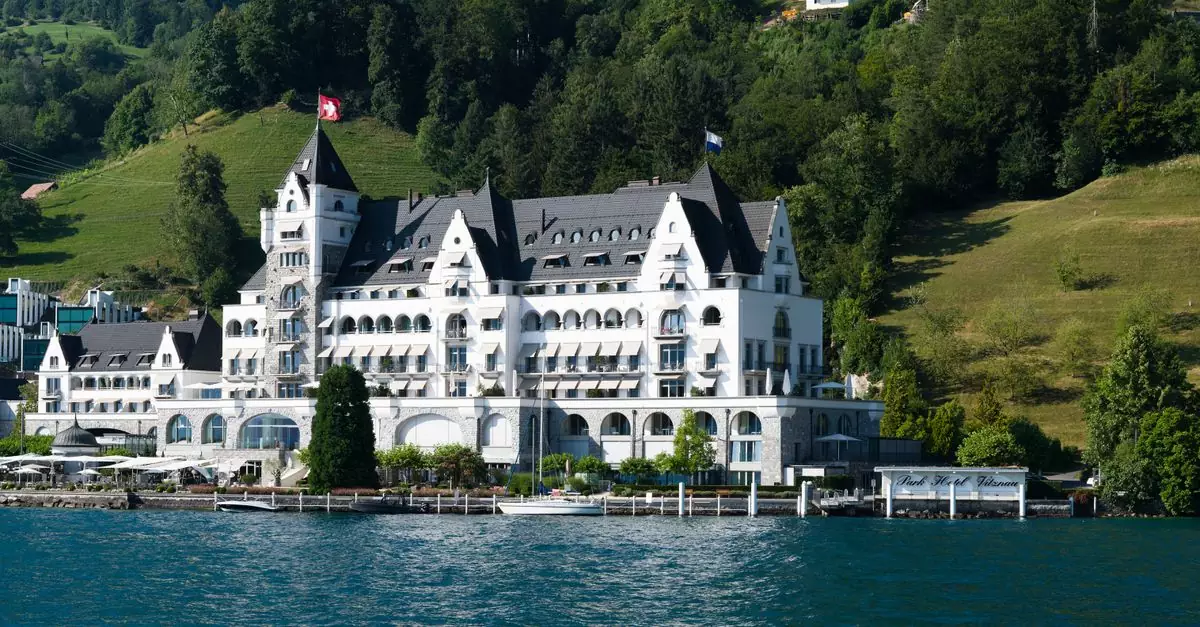
When planning a trip focused on Europe’s best nature escapes, efficient and thoughtful transportation is key. Many breathtaking natural landscapes are found away from major urban centers, requiring specific travel strategies to access them. Whether you prioritize sustainability, scenic views, or the freedom of the open road, Europe offers diverse options to connect you with its wilder side.
Eco-Friendly Transportation Options for Nature Lovers
For travelers committed to minimizing their environmental impact, Europe provides an increasing number of eco-friendly ways to reach its natural wonders. Many national parks and nature reserves are well-served by public transport networks, particularly in countries like Switzerland and Norway. Consider utilizing electric trains and buses that often extend routes to trailheads and visitor centers. Booking tickets in advance can sometimes secure better rates and ensure availability, especially during peak seasons.
Another sustainable option is cycling. Many European regions boast extensive networks of dedicated cycle paths, allowing for immersive travel through varied terrains. For longer distances or more challenging routes, e-bikes can make the journey more accessible. Combining cycling with train travel is also a popular and practical approach for exploring areas like the Austrian Alps or the French countryside.
Scenic Train Routes Through European Landscapes
Europe’s railway system is renowned for its efficiency and stunning scenery. Opting for a train journey can transform your commute into a significant part of the nature experience. For instance, the Bernina Express in Switzerland offers panoramic views as it winds through the Alps, connecting Chur to Tirano and passing UNESCO World Heritage sites. Similarly, Norway’s Bergen Railway provides spectacular vistas of mountains and fjords, making it an excellent way to approach western Norway’s natural beauty.
These scenic routes emphasize the journey as much as the destination. Many trains are designed with large windows or observation cars to maximize the visual experience. Planning your itinerary around these routes can simplify logistics while offering unparalleled views of forests, lakes, and mountain ranges. Booking first-class tickets on some of these longer routes can provide more comfortable seating and better photographic opportunities.
| Route Name | Country | Highlights | Best Season |
|---|---|---|---|
| Bernina Express | Switzerland | Alps, glaciers, viaducts | Year-round |
| Flåm Railway | Norway | Fjords, waterfalls, steep inclines | Spring to Autumn |
| West Highland Line | Scotland, UK | Glens, lochs, moors | Spring to Autumn |
| Cinque Terre Rail | Italy | Coastal villages, sea views | Spring to Autumn |
Renting a Car for Flexible Exploration of Remote Areas
While public transport is excellent in many parts of Europe, renting a car remains the most practical solution for accessing truly remote natural areas. This is particularly true for regions with limited public transport links, such as the Scottish Highlands, parts of the Balkans, or secluded national parks in Eastern Europe. A rental car grants you the freedom to stop at viewpoints, discover hidden trails, and adjust your schedule on the fly.
When renting a vehicle, consider the type of terrain you’ll encounter. A smaller, fuel-efficient car might suffice for paved roads, but if you plan to venture onto unpaved tracks, a vehicle with higher clearance or four-wheel drive could be beneficial. Always check the rental company’s policies regarding driving on unpaved roads and ensure you have adequate insurance. Familiarize yourself with local driving laws and road signage, which can vary significantly across different countries. Always book your rental car in advance, particularly during busy summer months, to secure better rates and availability.
Frequently Asked Questions About Europe’s Nature Escapes
What are the most budget-friendly nature destinations in Europe?
Several European regions offer stunning natural beauty without requiring a significant financial outlay. Eastern Europe, in particular, provides excellent value. Consider the Tatra Mountains in Poland and Slovakia, where hiking trails are plentiful and accommodation in mountain villages is generally affordable. The Balkan countries also present budget-friendly options; hiking in Montenegro’s Durmitor National Park or exploring Romania’s Carpathian Mountains can be done economically.
For coastal landscapes on a tighter budget, Portugal’s Azores islands offer dramatic volcanic scenery and hiking opportunities at a lower cost than many Western European island destinations.
Are these nature escapes suitable for families with young children?
Many of Europe’s natural areas cater well to families, though suitability depends on the specific location and the age of the children. National parks in countries like Germany (e.g., the Bavarian Forest) and Switzerland often feature well-maintained, easy walking paths, visitor centers with educational exhibits, and family-friendly activities.
When planning a family trip, look for destinations with:
- Gentle trails: Shorter, flatter routes are best for younger legs.
- Accessible attractions: Locations with easy access to amenities like restrooms and picnic areas.
- Educational opportunities: Nature centers or ranger programs can engage children.
For example, the Lake District in England offers boat trips and gentle lakeside walks, while places like Plitvice Lakes National Park in Croatia have boardwalks that make navigating the stunning waterfalls manageable with strollers in some sections. Always check specific trail conditions and accessibility information before you go.
What essential gear should I pack for an active nature holiday in Europe?
Packing the right gear is crucial for enjoying an active nature holiday in Europe. Weather can be unpredictable, even in summer, so layering is key.
Here’s a breakdown of essential items:
- Footwear: Sturdy, waterproof hiking boots are a must for most trails. Consider bringing comfortable walking shoes for rest days or easier paths.
- Clothing:
- Moisture-wicking base layers.
- Insulating mid-layers (fleece or down jacket).
- Waterproof and windproof outer shell (jacket and trousers).
- Quick-drying hiking trousers or shorts.
- Plenty of socks (wool or synthetic).
- Navigation: A detailed map of the area and a compass, even if you have a GPS device or smartphone app. Familiarize yourself with how to use a map and compass.
- Safety & First Aid: A well-stocked first-aid kit, including blister treatment, pain relievers, and any personal medications. A headlamp or flashlight is essential, even for day hikes.
- Other Essentials:
- Reusable water bottle or hydration pack.
- Sun protection: sunscreen, hat, and sunglasses.
- Insect repellent.
- Backpack (daypack for hikes, larger pack for longer trips).
- Snacks and high-energy food.
- Trekking poles (optional, but helpful for steep terrain).
Always check the specific weather forecast for your chosen destination in Europe and adjust your packing list accordingly.