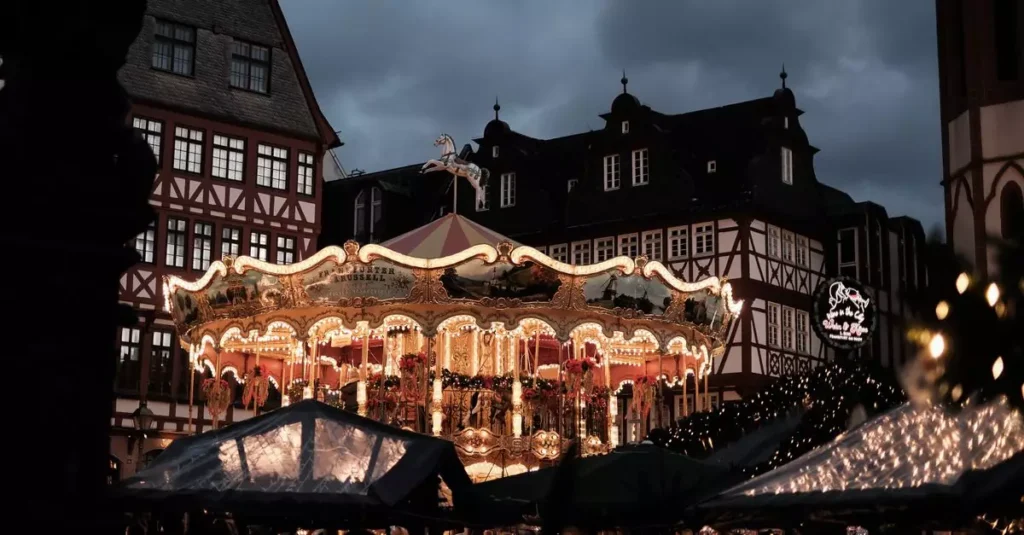
As temperatures drop and nights lengthen, many travelers yearn for a destination where the holiday spirit truly shines. Exploring the world’s most magical Christmas towns provides an exceptional way to embrace festive cheer, from the aroma of gingerbread and mulled wine to the sparkle of countless lights. This guide will lead you to some of the most enchanting locales, showcasing how each town offers its unique twist on holiday traditions. You’ll discover the history and ambiance of famous Christmas markets, find inspiration for distinctive gifts and local flavors, and receive practical advice for timing your visit and navigating these winter wonderlands. Get ready to be captivated by the charm and magic awaiting you in these unforgettable festive destinations.
Europe’s Most Enchanting Christmas Towns: A Winter Wonderland Tour
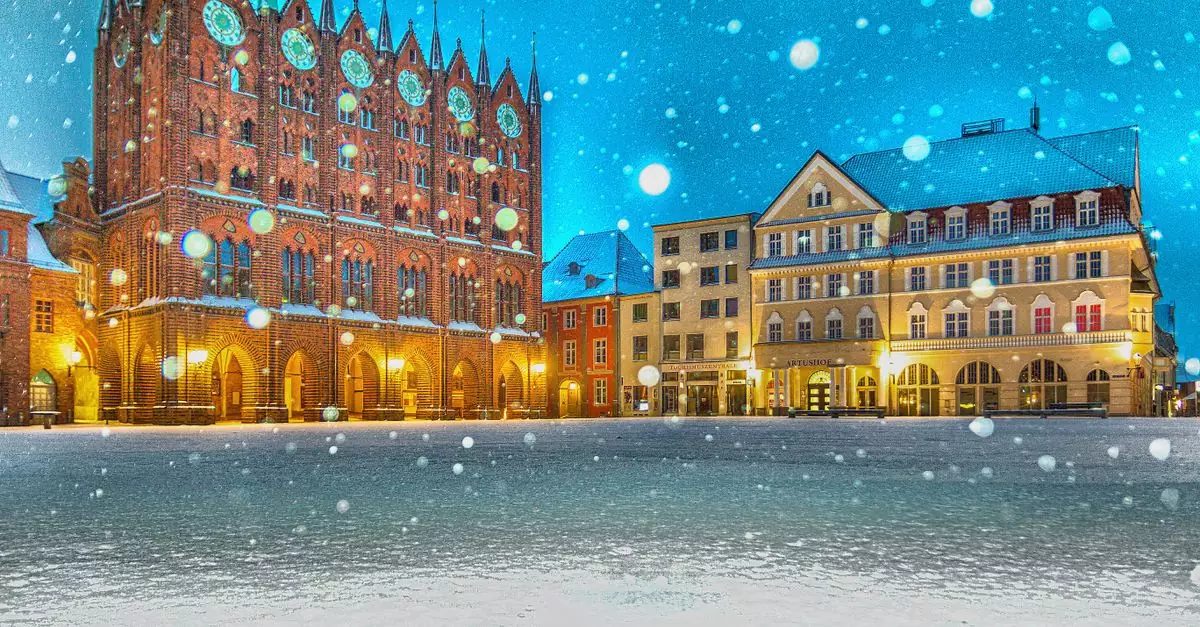
Europe transforms into a truly magical Christmas destination during the holiday season, with cities and towns adorning their spaces and setting up festive markets. For those seeking a quintessential holiday experience, exploring these charming locales offers a deep dive into local traditions and a warm atmosphere.
Christmas Markets of Strasbourg, France: The ‘Capital of Christmas’
Strasbourg proudly holds the title of “Capital of Christmas” (Capitale de Noël) for good reason. This Alsatian city features one of the oldest and largest Christmas markets in Europe, dating back to 1570. The historic city center, a UNESCO World Heritage site, becomes a breathtaking spectacle with thousands of lights and numerous themed markets scattered across its squares.
The main market, Christkindelsmärik, is located at Place de la Cathédrale, facing the magnificent Strasbourg Cathedral. Here, you’ll find traditional crafts, regional delicacies like bretzels and kougelhopf, and vin chaud (mulled wine) to keep you warm. Another notable market is held at Place du Château, showcasing Alsatian heritage. Smaller, specialized markets, such as the one at Place du Marché aux Poissons, focus on Christmas decorations.
Logistics for Strasbourg:
- Timing: Markets typically open from the last weekend of November until Christmas Eve, with some extending slightly into early January.
- Getting Around: Strasbourg is very walkable, especially in the historic Petite France quarter. Public transport options include trams and buses.
- Budget: Expect mid-range prices for food and souvenirs, with a variety of accommodation options ranging from budget hostels to charming boutique hotels.
Cologne, Germany: Cathedral Views and Festive Cheer
Cologne boasts a diverse array of Christmas markets, each with its distinct character. The most iconic is the market at the foot of the Cologne Cathedral, a UNESCO World Heritage site. This stunning setting provides a dramatic backdrop for stalls selling handmade crafts, ornaments, and seasonal treats.
Beyond the cathedral market, visitors can explore other themed experiences. The “Heimat der Heinzel” market at Alter Markt is known for its fairytale motifs and traditional crafts, while the “Weihnachtsmarkt am Neumarkt” offers a contemporary feel with a vibrant atmosphere. For a more intimate setting, the “Glockengasse” market, near the famous Eau de Cologne houses, provides a charming experience. Be sure to try Printen, a type of gingerbread, and Glühwein.
Cologne Christmas Market Highlights:
| Market Name | Location | Vibe |
|---|---|---|
| Kölner Dom | Cologne Cathedral | Grand, iconic |
| Heimat der Heinzel | Alter Markt | Fairytale, traditional |
| Weihnachtsmarkt am Neumarkt | Neumarkt | Lively, contemporary |
| Glockengasse | Near 4711 Eau de Cologne | Intimate, charming |
Vienna, Austria: Imperial Palaces and Artisanal Gifts
Vienna’s Christmas markets, or Christkindlmärkte, exude imperial elegance, many set against the backdrop of magnificent palaces. The Rathausplatz market, in front of the neo-Gothic City Hall, is the largest and most popular, featuring an ice-skating rink and a vast selection of stalls offering everything from handcrafted jewelry to traditional Austrian Christmas cookies like Vanillekipferl.
Other notable markets include the one at Schönbrunn Palace, which offers a romantic setting focused on traditional crafts and imperial flair, and the Spittelberg market, known for its arts and crafts, nestled in charming Biedermeier-era streets. The market at St. Stephen’s Cathedral provides a more spiritual and historic atmosphere. Vienna’s markets are excellent for finding unique, high-quality artisanal gifts and savoring classic Austrian holiday flavors.
Bruges, Belgium: Fairytale Canals and Chocolate Delights
Bruges, with its medieval architecture and picturesque canals, feels like a fairytale, especially during the Christmas season. The city’s main Christmas market is held on the Markt (Market Square) and Simon Stevinplein, providing a charming atmosphere alongside the iconic Belfry tower.
Visitors can indulge in Belgian waffles, chocolates, and jenever (Belgian gin) while browsing stalls filled with handmade gifts, Christmas decorations, and local produce. The atmosphere is particularly enchanting in the evenings when the historic buildings are illuminated. Bruges is highly walkable, making it easy to discover its festive spirit on foot.
Bruges Holiday Experience:
- Scenery: Medieval architecture, canals, cobblestone streets.
- Local Flavors: Rich chocolates, waffles, mulled wine, jenever.
- Atmosphere: Romantic, festive, intimate.
These European cities offer distinct yet equally magical Christmas experiences, providing travelers with unforgettable holiday memories.
Beyond Europe: Magical Christmas Towns in North America
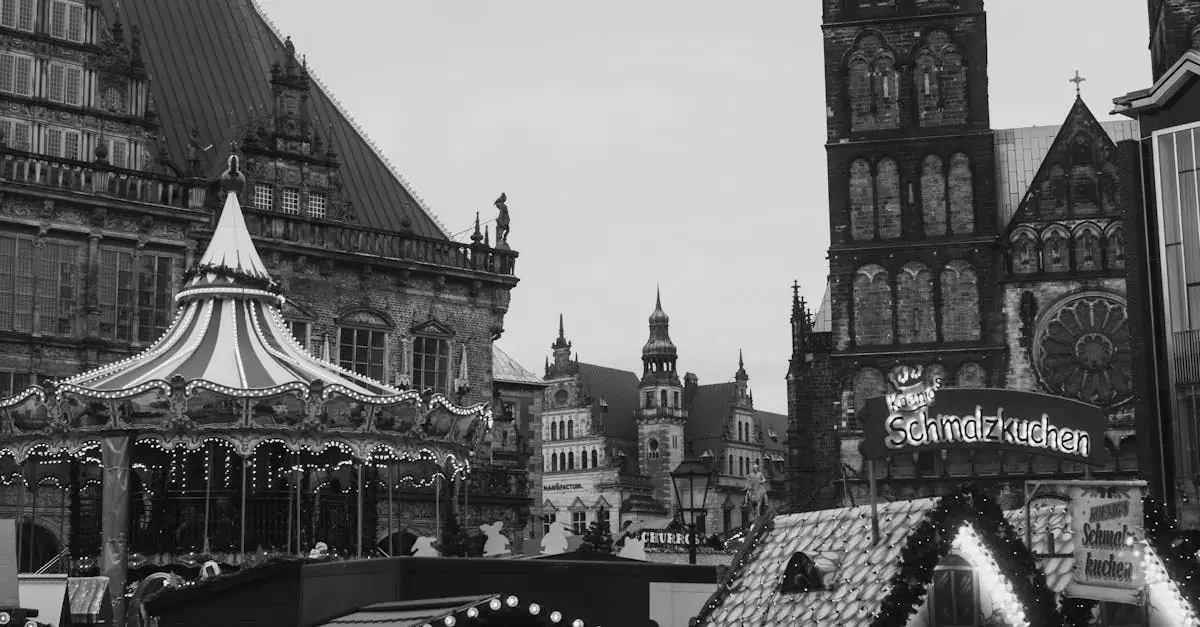
While Europe often takes the spotlight for its traditional Christmas markets, North America presents its own unique brand of holiday enchantment. These destinations blend festive cheer with distinct local character, providing memorable experiences for those seeking that magical Christmas town feel without crossing the Atlantic.
Quebec City, Canada: A European Christmas Vibe North of the Border
For an immersive European-style Christmas, Quebec City delivers. Its historic Old Town, a UNESCO World Heritage site, transforms into a winter wonderland, adorned with twinkling lights, festive decorations, and the scent of gingerbread and mulled wine filling the air. The German Christmas Market, held in the city’s heart, features artisan crafts, seasonal foods, and a lively atmosphere reminiscent of its European counterparts.
Strolling through the cobblestone streets of the Petit Champlain district feels like stepping into a postcard. The architecture, snow-dusted rooftops, and charming boutiques create an undeniably romantic setting. Consider visiting the Plains of Abraham for ice skating or exploring the Château Frontenac, which is especially striking when adorned for the holidays.
Traveler Tips for Quebec City:
- Best Time to Visit: Late November through December offers the most festive atmosphere, although snow often falls earlier.
- Getting Around: The historic core is highly walkable. Public transport and taxis are readily available for longer distances.
- Accommodation: Book accommodations well in advance, especially in Old Quebec, as hotels fill up quickly.
Leavenworth, Washington, USA: Bavarian Charm in the Cascades
Nestled in the Cascade Mountains, Leavenworth, Washington, transforms each holiday season. This former logging town embraced a Bavarian theme in the 1960s, and during Christmas, it fully commits. Thousands of lights illuminate the village, creating a scene straight out of a fairy tale.
From late November through December, Leavenworth hosts its “Christmas Lighting Festival” on weekends. The village center becomes a pedestrian paradise with carolers, live music, and visits from Santa Claus. Local shops offer unique gifts, and restaurants serve hearty Bavarian fare, including bratwurst and schnitzel. The surrounding mountain scenery adds a dramatic backdrop to the festivities.
Leavenworth vs. Quebec City:
| Feature | Leavenworth, WA, USA | Quebec City, Canada |
|---|---|---|
| Theme | Bavarian Village | Historic European |
| Atmosphere | Cozy, festive, mountain town | Romantic, historic, grand |
| Key Events | Lighting Festival | German Christmas Market |
| Scenery | Dramatic mountain views | St. Lawrence River, historic architecture |
| Budget | Moderate | Moderate to High |
Asheville, North Carolina, USA: Appalachian Holiday Spirit
Asheville, North Carolina, offers a different kind of holiday magic, infused with Appalachian charm and a vibrant arts scene. The Biltmore Estate, America’s largest private home, is a major draw, elaborately decorated each year with millions of lights and elaborate floral displays. Guided tours of the estate and its gardens provide a glimpse into Gilded Age holiday traditions.
Beyond Biltmore, downtown Asheville buzzes with holiday spirit. Local boutiques and galleries showcase handmade crafts, perfect for unique gift shopping. The city’s renowned culinary scene offers festive dining experiences, and live music venues often feature holiday-themed performances. The surrounding Blue Ridge Mountains provide opportunities for scenic drives or winter hikes, adding natural beauty to your holiday itinerary.
Asheville Holiday Highlights:
- Biltmore Estate: Extravagant decorations, candlelight tours, and festive concerts.
- Downtown Asheville: Independent shops, art galleries, and diverse dining options.
- Local Crafts: Discover unique Appalachian crafts and artisanal goods.
- Outdoor Scenery: Enjoy the beauty of the Blue Ridge Mountains.
When is the Best Time to Experience These Magical Christmas Towns?
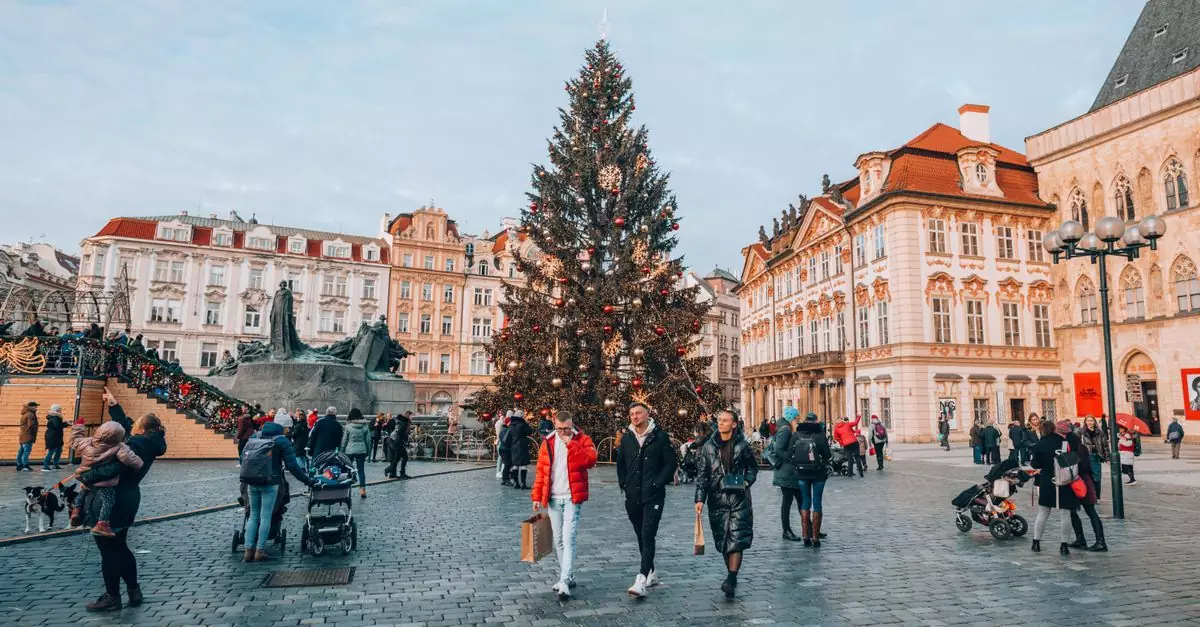
Timing your visit to the world’s magical Christmas towns can significantly shape your experience, from the intensity of the festive atmosphere to the likelihood of encountering snow. Each month offers a distinct flavor of holiday cheer, catering to different traveler preferences.
November: Early Market Openings and Fewer Crowds
Many European Christmas markets, renowned for their enchanting displays, begin their operations in mid-to-late November. This early opening provides a fantastic opportunity to experience the festive spirit before the peak holiday rush. You’ll often find that the initial weeks of November mean fewer crowds at popular markets, allowing for a more relaxed browsing experience and easier access to unique handcrafted gifts.
While the full winter wonderland ambiance may not yet be present in all locations, the crisp autumn air and the first twinkling lights create a charming prelude to the season. Some towns may even experience early snowfall, adding a touch of magic. Visiting during this period can also be more budget-friendly, with potentially lower airfare and accommodation rates before the Christmas week surge.
December: Peak Festivities and Snowy Ambiance
December is when the world’s magical Christmas towns truly come alive with unparalleled festive energy. Most Christmas markets are in full swing, offering a dazzling array of food, drinks, and artisan crafts. This month also boasts the highest chances of experiencing a picturesque snowy landscape, particularly in northern European destinations. Imagine strolling through a market dusted with snow, the scent of gingerbread and mulled wine filling the air – it’s the quintessential holiday dream.
However, this peak season also brings larger crowds, especially on weekends and during the week leading up to Christmas. Booking accommodations and popular activities well in advance is crucial. The atmosphere is undeniably electric, with carols, light displays, and special events often scheduled daily. For travelers seeking the most immersive and traditional Christmas experience, early to mid-December often strikes a good balance between festive intensity and manageable crowds.
Post-Christmas Sales and Lingering Decorations
For those who prefer to avoid the pre-Christmas frenzy, the period immediately following December 25th offers a different charm. Many Christmas markets extend their operating hours into the last week of the year, allowing visitors to enjoy the festive setup without the same level of crowds. This is also the prime time for post-Christmas sales, where you might find unique souvenirs or decorations at a discount.
While the most intense festive fervor may have subsided, the decorations often remain, and the spirit of the season lingers. Some towns may even host special “after-Christmas” events or concerts. This timing can be ideal for travelers seeking a more tranquil holiday atmosphere, perhaps combining the tail end of the Christmas season with New Year’s celebrations in cities like Vienna. The weather can still be cold, with a good possibility of snow in many regions, preserving the winter wonderland feel.
Here’s a general overview of what to expect by month:
| Month | Atmosphere | Crowds | Weather Possibilities | Notes |
|---|---|---|---|---|
| November | Festive but building, crisp air | Moderate | Cool, occasional frost | Markets begin opening, fewer tourists |
| December | Peak festivity, vibrant, enchanting | High | Cold, snow likely | Full market operations, peak holiday spirit |
| January | Lingering decorations, quieter | Low | Cold, snow possible | Post-Christmas sales, relaxed atmosphere |
Getting Around: Navigating Between Magical Christmas Destinations
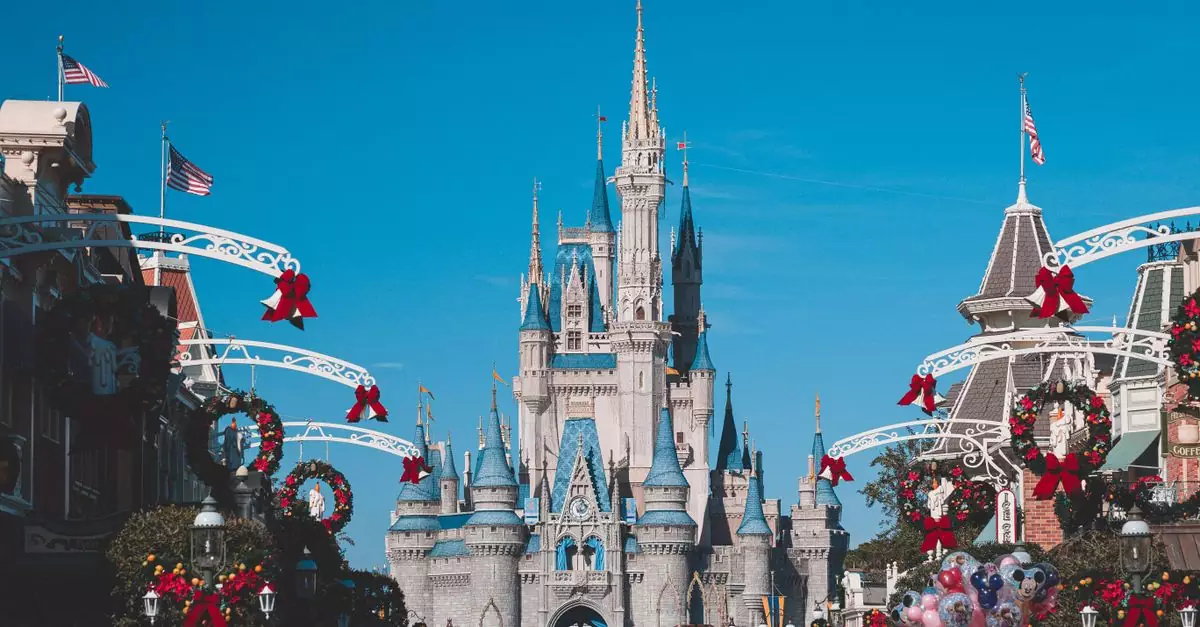
Planning a holiday tour of the world’s most magical Christmas towns requires careful consideration of how to travel between these festive locales. Whether you’re dreaming of European markets or North American winter wonderlands, efficient transportation is key to maximizing your seasonal cheer.
Train Travel Essentials for European Christmas Markets
Europe’s extensive rail network makes it an excellent choice for hopping between Christmas markets. High-speed trains connect major cities, while regional lines offer access to smaller, charming towns. Booking tickets in advance, especially for popular routes during the Advent season, is highly recommended to secure better prices and availability. Consider a rail pass if you plan on visiting multiple countries, as it offers flexibility and cost savings.
For example, traveling from the Strasbourg Christmas market to Colmar in France is a short, scenic train ride. Germany’s comprehensive rail system allows easy transit between cities like Nuremberg, Dresden, and Cologne, each boasting renowned festive celebrations. Always check departure and arrival times, as schedules can vary during the holiday period.
| Route Example | Approx. Travel Time | Typical Cost (Round Trip) | Notes |
|---|---|---|---|
| Paris to Strasbourg | 2 hours 20 minutes | €70 – €150 | High-speed TGV service available |
| Munich to Vienna | 4 hours | €80 – €160 | Scenic route, comfortable overnight options |
| Prague to Dresden | 2 hours 15 minutes | €30 – €60 | Direct EuroCity trains |
Driving Routes for North American Festive Towns
In North America, a road trip offers a unique way to experience Christmas towns, particularly in regions with dispersed attractions. Renting a car provides the freedom to explore at your own pace and visit smaller communities that might not be directly served by public transport. Pack an emergency kit, especially if traveling through areas prone to winter weather.
Consider a route through New England, visiting towns like Woodstock, Vermont, or Stockbridge, Massachusetts, for classic American holiday charm. Alternatively, explore the historic Christmas villages of Quebec, Canada, accessible via well-maintained highways. Be prepared for potential winter driving conditions and always check local weather forecasts before setting off.
Local Transportation Options in Charming Towns
Once you arrive in your chosen festive destination, understanding local transportation is crucial. Many of the most enchanting Christmas towns are compact and highly walkable, allowing you to immerse yourself fully in the atmosphere. Pedestrian zones are common in historic centers, making walking the most enjoyable way to see the sights, shops, and market stalls.
In larger cities with Christmas markets, public transport systems like buses, trams, and subways are efficient. Consider purchasing day passes or multi-trip tickets for convenience and cost savings. Taxis and ride-sharing services are generally available, though they may be pricier during peak holiday hours. In smaller villages, local buses might be infrequent, so planning your movements in advance is wise. Some towns offer special festive shuttle services during the Christmas season, connecting key attractions and parking areas.
Immerse Yourself: Local Flavors and Unique Traditions
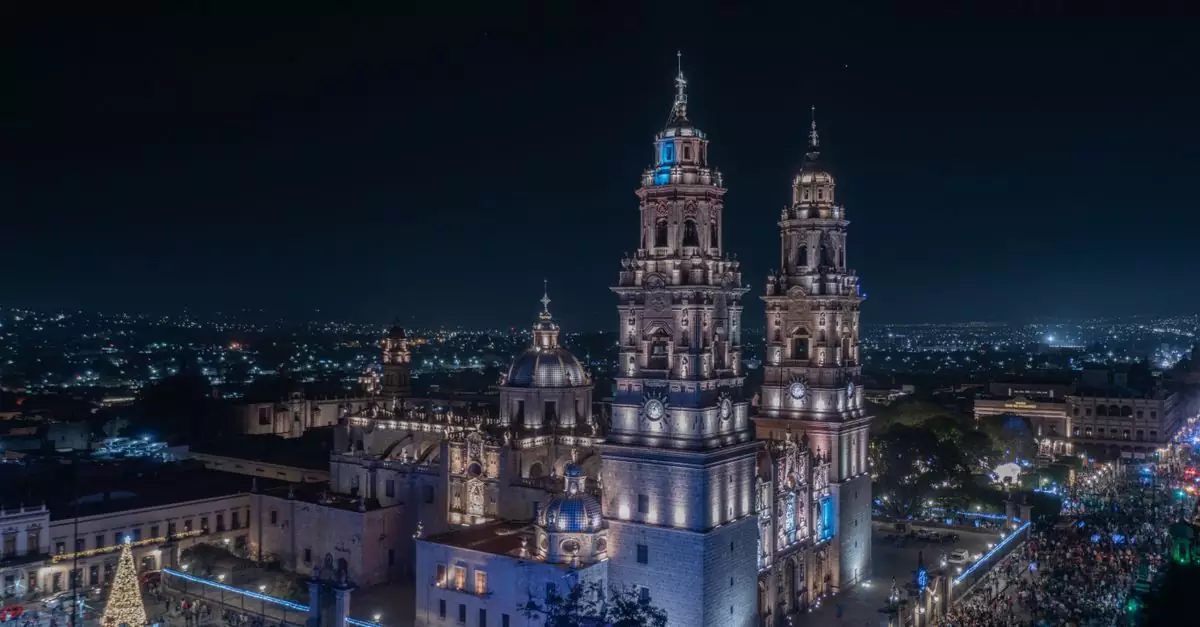
Beyond twinkling lights and festive decorations, the true magic of visiting the world’s most enchanting Christmas towns lies in experiencing their unique local flavors and traditions. Engaging with these elements offers a deeper connection to the destination and creates more memorable holiday moments. This section delves into the culinary delights, handcrafted treasures, and cultural performances that define the holiday season in these special places.
Must-Try Festive Foods and Drinks from Around the World
Each region showcases its own distinct holiday culinary landscape. In Germany, a country renowned for its Christmas markets, you’ll find an abundance of Lebkuchen (gingerbread cookies) and Glühwein (mulled wine). The latter is a warm, spiced wine synonymous with the festive season across Central Europe. In France, particularly Alsace, you might encounter Bredeles, small, intricately shaped Christmas cookies flavored with spices like cinnamon and anise.
For a taste of something richer, consider the Nordic countries. In Sweden, Pepparkakor (gingersnaps) are a staple, often enjoyed with Glögg, a potent mulled wine similar to Glühwein but typically fortified with spirits. In the United States, specific towns might offer regional specialties. For example, in areas with a strong German heritage, you might find Stollen, a rich fruit bread. Don’t forget to sample local cheeses, roasted chestnuts, and festive pastries unique to each locale.
Unique Crafts and Souvenirs to Find
Beyond edible treats, the artisanal crafts found in these magical Christmas towns offer lasting mementos. Traditional wooden toys, hand-painted ornaments, and intricately carved figures are common in many European markets, especially those with a long history of craftsmanship. In Germany, you’ll often see Krippenfiguren (nativity figures) and wooden smokers known as Räuchermännchen, which release fragrant smoke from incense cones.
Look for locally woven textiles, hand-blown glass ornaments, and regional pottery. These items not only make wonderful gifts but also support local artisans and preserve traditional skills. Many towns also have specialized shops selling handcrafted candles, soaps, and regional delicacies like jams or honey, providing authentic souvenirs that capture the spirit of the place.
Experiencing Local Holiday Performances and Events
The sounds of the season are as important as the sights and tastes. Many towns host live music, from traditional carols sung by local choirs to brass bands playing festive tunes in the town square. Look for opportunities to witness nativity plays, a cherished tradition in many Catholic regions of Europe. Ice skating rinks are often set up, providing a fun activity for all ages.
Some destinations offer unique cultural performances. In certain parts of France, you might encounter Marrons Glacés (candied chestnuts) being prepared or witness traditional folk dances. The Netherlands often features Sinterklaas parades, a distinct precursor to Christmas celebrations. Checking local event schedules upon arrival is key to discovering these special performances and immersive experiences that truly bring the holiday spirit to life.
Frequently Asked Questions About Visiting Magical Christmas Towns
What are the essential items to pack for a winter trip to these towns?
Packing for a trip to these festive destinations requires preparation for cold weather. Essential items include a warm, waterproof coat, insulated gloves or mittens, a cozy hat, and a scarf. Comfortable, waterproof boots with good traction are crucial for navigating potentially snowy or icy streets. Layering is key; pack thermal base layers, sweaters, and warm socks. Don’t forget a portable phone charger, as cold weather can drain batteries quickly, and a small first-aid kit for minor needs.
Are these destinations suitable for family travel?
Absolutely. Many of these magical Christmas towns are exceptionally family-friendly, offering activities that appeal to all ages. You’ll find charming Christmas markets with handcrafted toys, festive treats, and opportunities to meet Santa Claus. Many towns organize special events like ice skating rinks, carol singing, and carriage rides. The overall atmosphere is often very welcoming to families, with plenty of opportunities for creating lasting holiday memories. Consider destinations like Colmar, France or Rothenburg ob der Tauber, Germany for a particularly enchanting family experience.
What is the average budget for a week-long Christmas town tour?
The budget for a week-long tour of these festive towns can vary significantly based on your travel style and chosen destinations. For a mid-range traveler, a budget of €1,200 to €2,000 per person for a week is a reasonable estimate. This typically covers moderate accommodations, meals at local restaurants, public transportation between towns, and entry fees for attractions or special events.
Here’s a general breakdown:
| Category | Estimated Cost (per person, per week) | Notes |
|---|---|---|
| Flights/Travel | €300 – €600 | Varies greatly by origin and booking time. |
| Accommodation | €400 – €700 | Mid-range hotels or charming guesthouses. Hostels are cheaper. |
| Food & Drink | €300 – €500 | Mix of market treats, casual dining, and a few nicer meals. |
| Local Transport | €50 – €100 | Trains, buses, or car rental within regions of Europe. |
| Activities/Souvenirs | €150 – €300 | Market purchases, attractions, and festive experiences. |
Budget travelers could aim for closer to €800-€1,000 by utilizing hostels, self-catering some meals, and focusing on free activities. Luxury travelers might spend €3,000 or more for high-end hotels and fine dining. Planning your route and booking accommodations in advance, especially for popular destinations like Vienna or Prague, can help manage costs.