Embarking on one of the best Northern Europe road trips offers an unparalleled opportunity to witness some of the world’s most dramatic and diverse landscapes. From the majestic fjords of Norway and the geothermal wonders of Iceland to the serene archipelagos of Sweden and the historic Baltic capitals, this region beckons with adventure. This guide provides detailed itineraries and essential planning tips to help you craft your unforgettable journey. You’ll learn how to navigate iconic routes like the Iceland Ring Road and the Swedish Göta Canal, explore the unique charm of Tallinn, Riga, and Vilnius, and discover the best times to travel for an optimal experience. Get ready to plan an epic adventure through the captivating north.
Epic 7-Day Norway Fjords & Coastline Road Trip
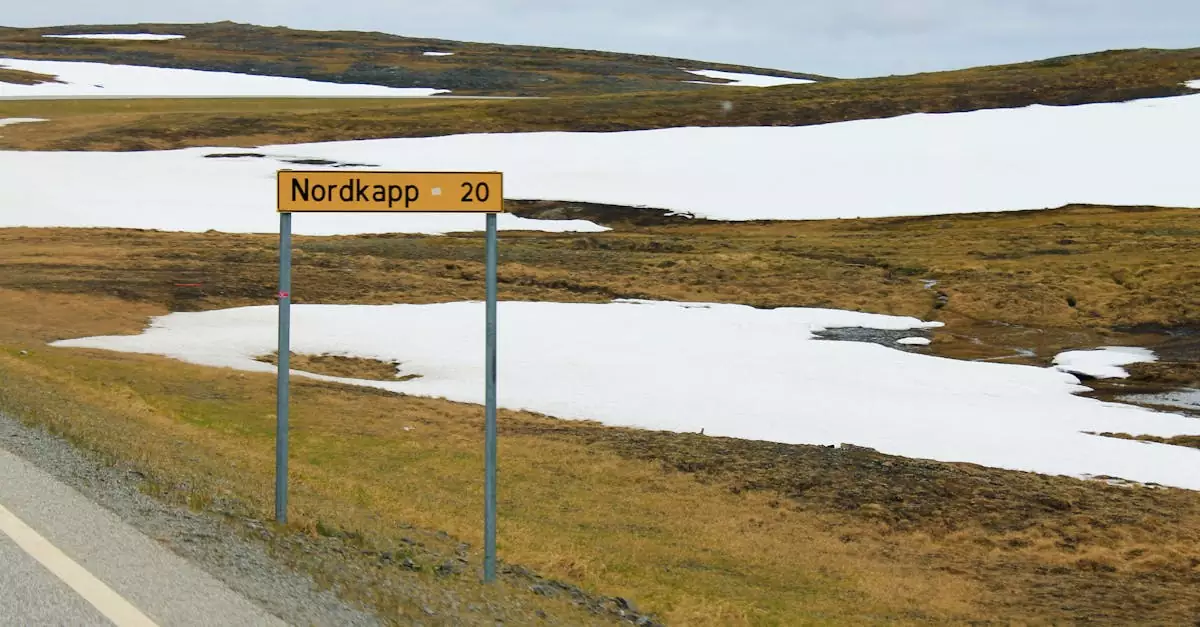
Experiencing Norway’s dramatic fjords and rugged coastline is a highlight of any Northern Europe road trip. This 7-day itinerary showcases stunning scenery, combining iconic drives with charming coastal towns. It’s ideal for those who appreciate breathtaking landscapes and well-maintained roads, though some sections require careful driving.
Driving the Atlantic Road (Atlanterhavsveien)
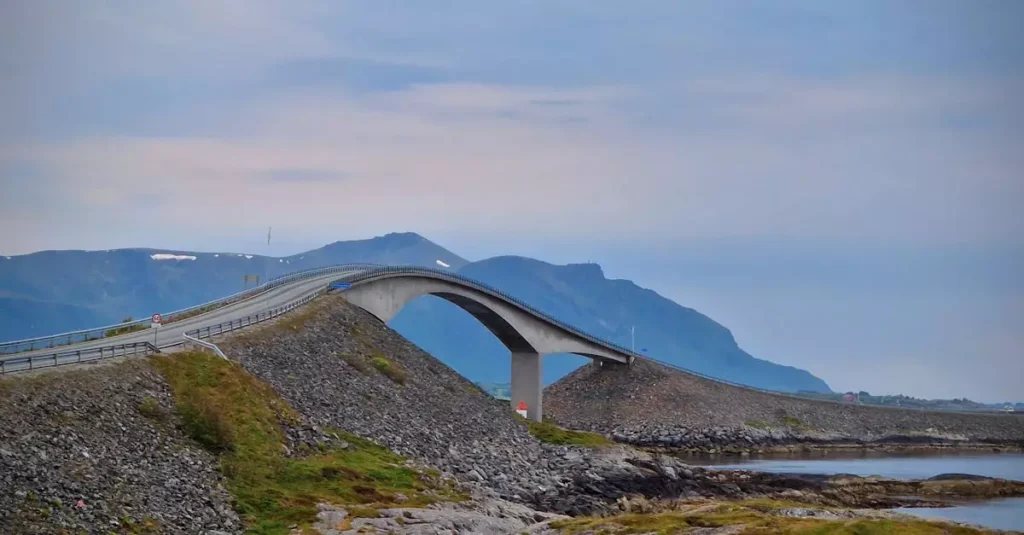
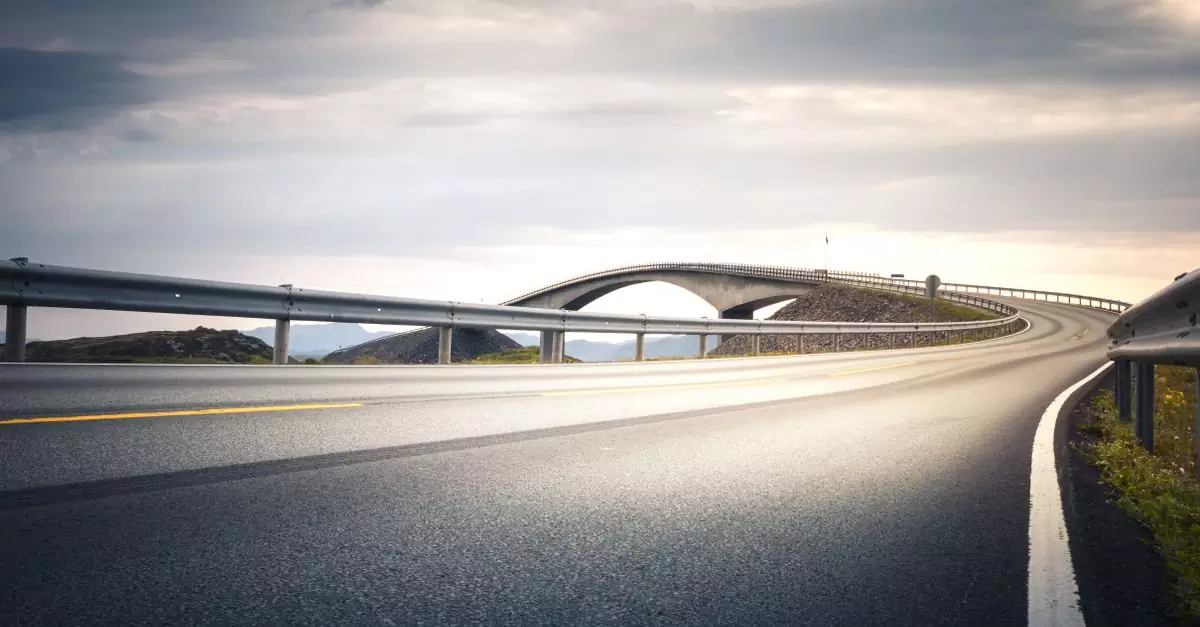
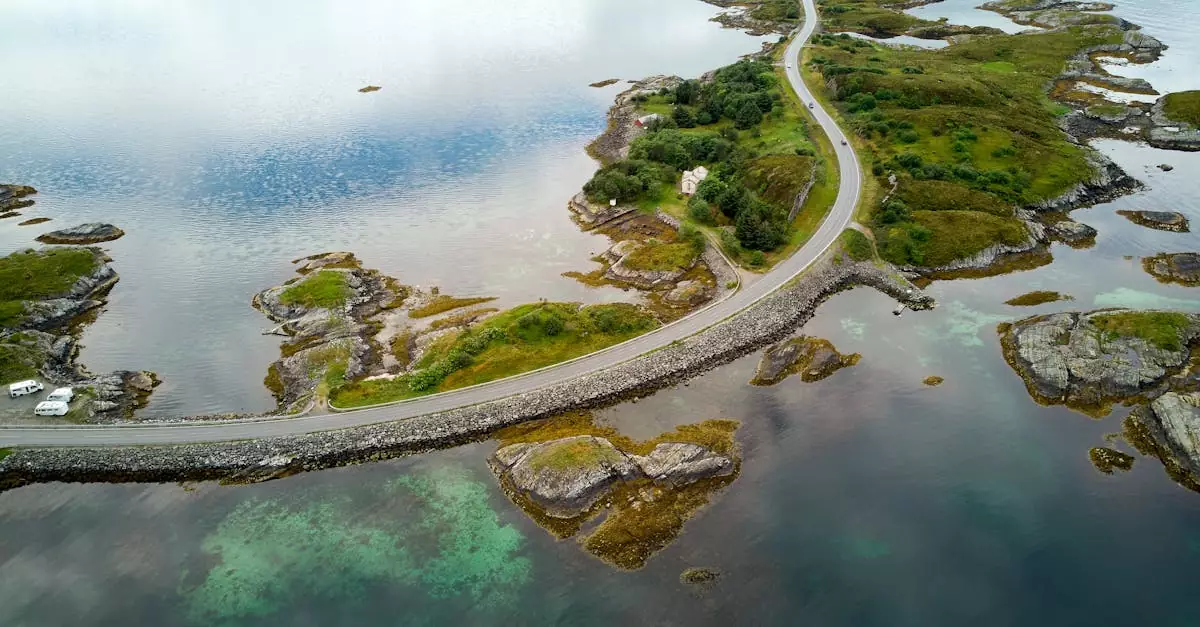
The Atlantic Road, or Atlanterhavsveien, is a true highlight of any road trip in this region. This 8.3-kilometer stretch of National Tourist Route winds across islands and skerries, linked by bridges and causeways. The road is an engineering marvel, seemingly floating above the sea at points, offering dramatic views of the Norwegian Sea.
Summer months, from June to August, are the best time to enjoy this route, as the weather is generally more stable and daylight hours are long. However, be prepared for changeable weather; a sudden squall can enhance the dramatic atmosphere. The road is free to drive and accessible year-round, though winter conditions can pose challenges. Allow at least two to three hours to fully appreciate the views and stop at designated viewpoints.
Exploring Geirangerfjord and Nærøyfjord
No exploration of Norway’s fjords is complete without visiting Geirangerfjord and Nærøyfjord, both UNESCO World Heritage sites. Geirangerfjord is famous for its cascading waterfalls like the Seven Sisters and the Suitor, providing a quintessential fjord experience. Nærøyfjord, one of the narrowest fjords in the world, offers a more intimate and dramatic setting, with steep cliffs rising directly from the water.
To fully experience these fjords, consider a combination of driving and ferry rides. The ferry routes provide unparalleled perspectives of the fjord walls and waterfalls. For instance, the ferry between Geiranger and Hellesylt is particularly popular. Driving between the two fjords involves navigating scenic mountain passes. Factor in at least two full days to absorb the beauty of both. Accommodation options range from charming guesthouses in villages like Geiranger to established hotels.
Discovering Bergen’s Hanseatic Wharf (Bryggen)
Concluding this road trip in Bergen offers a vibrant contrast to the wild fjords. The city’s historic Bryggen wharf, a UNESCO World Heritage site, features a colorful collection of wooden buildings that once housed the Hanseatic League’s trading offices. Wandering through its narrow alleyways feels like stepping back in time.
Bergen is easily accessible by car, though parking in the city center can be challenging and expensive. Many visitors choose to park on the outskirts and use public transport or walk. The city also serves as a major transport hub, with an international airport and ferry connections, making it a convenient endpoint for your journey. Consider spending at least one full day in Bergen to explore Bryggen, visit the fish market, and perhaps take the Fløibanen funicular for panoramic views of the city. This historic port city provides a perfect cultural counterpoint to the natural wonders encountered during your drive through Norway.
10-Day Iceland Ring Road Adventure: Glaciers to Geysers
Traveling the Iceland Ring Road is one of the most iconic road trips in Northern Europe. This 10-day itinerary circumnavigates the entire country, showcasing dramatic landscapes from volcanic fields and black sand beaches to powerful waterfalls and glacial lagoons. The route is well-maintained and accessible for most vehicles, though a 4×4 is recommended for any detours into the highlands. Planning your trip outside of peak summer (July-August) can result in fewer crowds and potentially lower accommodation prices, although weather can be unpredictable.
South Coast Wonders: Skógafoss and Jökulsárlón Glacier Lagoon
The southern stretch of the Ring Road is a highlight reel of Iceland’s natural beauty. Skógafoss, a majestic waterfall, allows visitors to walk right up to its thundering base or climb stairs for panoramic views. Further east, the Skaftafell Nature Reserve within Vatnajökull National Park offers hiking trails leading to Svartifoss waterfall, framed by basalt columns. The undisputed star is Jökulsárlón Glacier Lagoon, where icebergs calve from a glacier and drift serenely toward the ocean. Nearby Diamond Beach, dotted with ice chunks resembling jewels, provides stunning photographic opportunities. Accommodation options along the South Coast range from charming guesthouses in Vik to larger hotels in Höfn.
North Iceland’s Myvatn Lake and Dettifoss Waterfall
Heading north, the landscape shifts, offering a geothermal and volcanic experience around Lake Myvatn. This region features pseudocraters, lava formations at Dimmuborgir, and bubbling mud pools at Hverir. A visit to the Mývatn Nature Baths provides a relaxing soak with stunning views. The sheer power of Dettifoss, Europe’s most powerful waterfall, is awe-inspiring, with several viewpoints offering different perspectives of its immense force. This part of the Ring Road is also prime for spotting diverse birdlife during spring and summer.
Westfjords Detour: Remote Beauty and Puffins
For those with extra time and a spirit for adventure, a detour into the Westfjords is highly recommended. This remote peninsula features dramatic fjords, steep mountains, and charming fishing villages. The drive itself is spectacular, though roads can be winding and gravel in sections, making a 4×4 vehicle advisable. Dynjandi waterfall, a magnificent tiered cascade, is a must-see. During summer, Látrabjarg cliffs are a world-renowned spot for observing puffins nesting and diving. This region offers a more rugged and less-trafficked experience compared to the main Ring Road.
Scenic 14-Day Swedish Archipelago & Lakes Road Trip
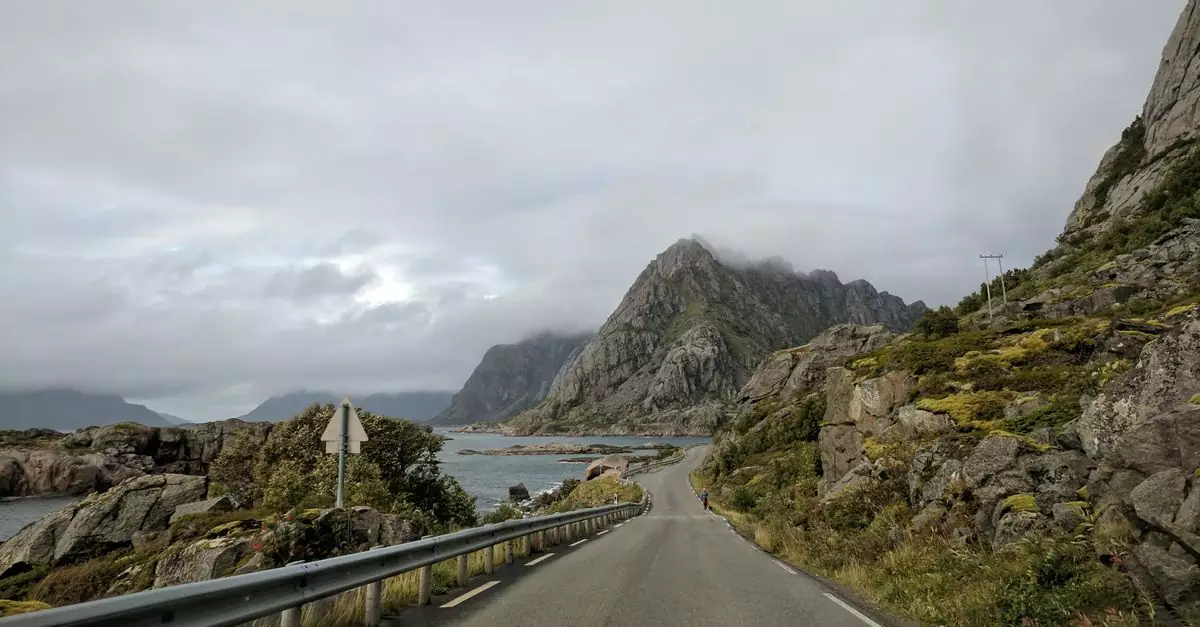
Embark on one of the best Northern Europe road trips with this 14-day itinerary focusing on Sweden’s stunning waterways and countryside. This journey blends vibrant city life, serene natural beauty, and charming rural landscapes, ideal for those seeking a relaxed yet engaging adventure. The route is best undertaken between late May and early September when the weather is most favorable for outdoor exploration.
Stockholm’s Island Hopping and Archipelago
Your Swedish road trip begins in Stockholm, a capital city built across 14 islands. Before hitting the open road, dedicate a few days to exploring its unique geography. Renting a car in Stockholm is straightforward, but be mindful of city parking challenges and consider using public transport within the city center.
The real magic lies in Stockholm’s archipelago, an expanse of over 30,000 islands, islets, and skerries. A day trip or an overnight stay on one of the closer islands, like Vaxholm or Grinda, offers a taste of archipelago life. You can drive to some points and take ferries for others, experiencing the transition from urban to coastal. Consider booking accommodations in advance, especially during peak summer months.
Driving Through Småland’s Red Cottages and Forests
Leaving Stockholm, head south towards the province of Småland. This region epitomizes Sweden, characterized by vast forests, sparkling lakes, and iconic red wooden cottages. The driving here is easy, with well-maintained roads winding through picturesque landscapes.
Småland is known for its glassblowing heritage. Towns like Kosta and Pukeberg offer opportunities to visit glass factories, watch artisans at work, and perhaps purchase a unique souvenir. The area is also dotted with charming small towns, such as Gränna, famous for its red and white striped candy (polkagrisar) and stunning views over Lake Vättern. Allow at least three to four days to soak in the tranquility of Småland, stopping at local farm shops for regional delicacies.
Exploring the Göta Canal and Lake Vättern
Continue your journey west toward the Göta Canal, Sweden’s historic waterway. This engineering marvel connects the country’s two largest lakes, Vänern and Vättern, offering a scenic route for exploration. While you won’t drive alongside the entire canal, you can follow sections of it by car, stopping at locks and charming canal towns like Söderköping or Mariestad.
Lake Vättern, Sweden’s second-largest lake, is a highlight. Its clear, deep waters and dramatic coastline impress. The western shore is particularly scenic, leading you toward the city of Jönköping. Consider a boat trip on the lake or simply enjoy the views from its shores. The drive around Lake Vättern concludes this Swedish adventure before you begin your return journey or head toward your next destination in Northern Europe.
Baltic Capitals Discovery: Estonia, Latvia, and Lithuania by Car
A road trip through the Baltic states offers a captivating blend of medieval history, vibrant culture, and stunning natural landscapes. This route connects three distinct yet historically linked nations: Estonia, Latvia, and Lithuania. Driving between these capitals is straightforward, with well-maintained roads and relatively short distances, making it one of the more accessible and budget-friendly Northern Europe road trips. The region is generally safe for travelers, and the ease of navigation by car allows for spontaneous detours to charming villages and scenic coastlines.
Tallinn’s Medieval Old Town to Lahemaa National Park
Your journey can begin in Tallinn, Estonia, a city renowned for its remarkably preserved medieval Old Town, a UNESCO World Heritage site. Spend a day or two wandering its cobblestone streets, admiring the ancient city walls, and visiting landmarks like Toompea Castle and the Alexander Nevsky Cathedral. From Tallinn, a short drive northeast leads to Lahemaa National Park, Estonia’s largest national park. This coastal gem offers diverse scenery, from rugged shorelines and dense forests to historic manor houses and picturesque fishing villages like Käsmu.
Logistics for Lahemaa:
- Driving Time: Approximately 1 hour from Tallinn.
- Activities: Hiking, birdwatching, exploring manor houses (e.g., Palmse, Sagadi), enjoying coastal walks.
- Accommodation: Options range from charming guesthouses in villages to campsites within or near the park.
Riga’s Art Nouveau District and Jurmala Beaches
Continuing south into Latvia, Riga presents a striking contrast with its expansive Art Nouveau district, another UNESCO site featuring over 700 buildings in this distinctive architectural style. Explore the elegant boulevards and admire the intricate facades. A short drive west of Riga takes you to Jurmala, Latvia’s premier seaside resort town. Its long sandy beaches, pine forests, and unique wooden architecture create a relaxing atmosphere, perfect for a day trip or an overnight stay. The drive from Tallinn to Riga takes approximately 4-5 hours, with the option to stop in the Estonian university town of Tartu if time permits.
Riga & Jurmala Highlights:
- Art Nouveau: Stroll along Alberta iela and Elizabetes iela.
- Jurmala: Relax on the beach, visit the Dzintari Concert Hall, or enjoy a spa treatment.
- Transportation: Rental cars are readily available in Riga. Parking in the city center can be metered.
Vilnius’s Baroque Charm and Trakai Island Castle
The final leg of this Baltic adventure leads to Vilnius, Lithuania. This capital city boasts one of the largest Baroque old towns in Eastern Europe, characterized by its numerous churches and winding streets. Don’t miss the Gediminas’ Tower for panoramic views and the vibrant Užupis district, an independent republic within the city. A must-do excursion from Vilnius is a visit to Trakai Island Castle, a magnificent medieval fortress situated on an island in Lake Galvė. The drive from Riga to Vilnius takes around 4 hours. This route provides a comprehensive introduction to the distinct historical narratives and cultural expressions of the Baltic region.
Vilnius & Trakai Essentials:
- Trakai Castle: Allow at least half a day for exploration. Boat rentals are available on the lake.
- Vilnius Old Town: Best explored on foot; consider a guided walking tour to understand its rich history.
- Budget: The Baltic states are generally more affordable than their Nordic neighbors, making this a cost-effective road trip option.
| Destination | Typical Car Rental Cost (per day) | Accommodation (Mid-range, per night) | Estimated Food Cost (per day) |
|---|---|---|---|
| Tallinn | €30 – €50 | €70 – €120 | €40 – €60 |
| Riga | €30 – €50 | €60 – €110 | €40 – €60 |
| Vilnius | €30 – €50 | €50 – €100 | €35 – €55 |
Note: Costs are approximate and can vary based on season, booking time, and specific choices.
What’s the Best Time to Embark on Northern Europe Road Trips?
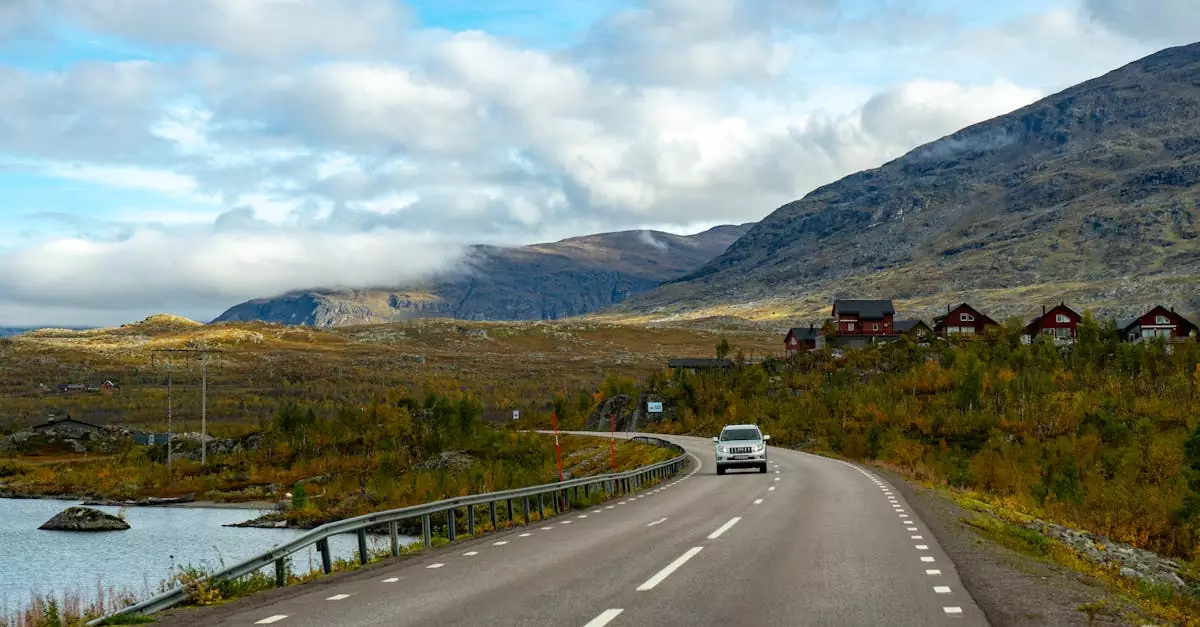
Choosing the right season significantly impacts your experience on the best Northern Europe road trips. Each period offers distinct advantages, from endless daylight to the magic of the Northern Lights, but also presents unique challenges for driving and exploration. Consider your priorities regarding weather, daylight hours, and specific natural phenomena when planning your journey.
Summer Driving: Midnight Sun and Long Daylight Hours
Summer, from June to August, is the most popular time for road trips across Northern Europe. The region experiences the midnight sun phenomenon in its northernmost reaches, meaning daylight can last for 24 hours. This extended daylight provides ample time for driving, sightseeing, and enjoying dramatic landscapes without the pressure of dwindling hours.
Temperatures are generally mild, making it ideal for exploring coastal routes, national parks, and charming towns. Road conditions are typically excellent, with routes usually clear of snow and ice. However, this peak season means higher prices for accommodations and car rentals, and popular attractions can be crowded. Booking in advance is essential.
Autumn Colors: A Photographer’s Dream
September and October transform Northern Europe’s landscapes into a breathtaking canvas of autumn colors. Forests in countries like Sweden, Norway, and Finland erupt in vibrant hues of red, orange, and gold, offering spectacular backdrops for photography and scenic drives. The air becomes crisp and cool, providing a comfortable driving environment.
While daylight hours begin to shorten, there are still sufficient hours for daytime exploration. The summer crowds thin out considerably, leading to potentially lower prices for travel and accommodation. However, be prepared for more variable weather, including increased rainfall and the possibility of early snow in higher elevations or further north. Road conditions remain generally good, but it’s wise to check forecasts regularly.
Winter Road Conditions and Northern Lights Viewing
Winter road trips in Northern Europe, from November to March, appeal to intrepid travelers seeking dramatic scenery and the ethereal beauty of the aurora borealis. Driving in winter requires significant preparation and caution. Snow and ice are common, and many rural or mountainous roads may be temporarily closed or require specialized tires.
Despite the challenges, winter offers a unique charm. Snow-covered landscapes create a serene and magical atmosphere. The primary draw for many is the chance to witness the Northern Lights. Destinations like northern Norway, Sweden, and Finland are prime locations for aurora viewing, with the long, dark nights providing ideal conditions.
Winter Driving Considerations:
- Vehicle Preparation: Ensure your rental car is equipped with winter tires. Consider a vehicle with four-wheel drive.
- Road Conditions: Always check local road authorities for real-time updates on closures and conditions.
- Daylight Hours: Plan your driving routes carefully, as daylight can be extremely limited, especially in December and January.
- Accommodation: Book accommodations with good heating and consider locations away from city lights for optimal aurora viewing.
A winter road trip demands flexibility and a willingness to adapt plans based on weather. It’s a rewarding experience for those who embrace the cold and darkness, offering unparalleled natural spectacles.
Frequently Asked Questions About Northern Europe Road Trips
What are the essential documents for driving in Northern Europe?
For most international visitors, a valid driver’s license from your home country suffices for driving in Northern Europe. However, if your license is not in a Latin alphabet, you will need an International Driving Permit (IDP). Always carry your passport and proof of vehicle insurance. Familiarize yourself with local traffic laws, as they can vary by country. For instance, some nations require headlights to be on at all times, even during daylight.
Are rental cars readily available and affordable?
Rental cars are widely available at major airports and in most cities across Northern Europe. Booking in advance, especially during peak summer months, is highly recommended to secure better rates and ensure availability. Prices can fluctuate significantly based on vehicle type, rental duration, and season. Smaller, fuel-efficient cars generally provide the most budget-friendly options. Consider whether you need a car with winter tires or all-wheel drive if traveling outside of summer.
What is the average daily budget for a Northern Europe road trip?
The average daily budget for a Northern Europe road trip can range from €100 to €250 per person, depending on your travel style and chosen destinations. This estimate typically includes accommodation, food, fuel, and some activities. Countries like Norway and Iceland tend to be more expensive than Sweden, Finland, or Denmark. Budget travelers can save by utilizing self-catering accommodations, picnicking, and focusing on free or low-cost attractions.
| Country | Estimated Daily Budget (EUR) | Notes |
|---|---|---|
| Norway | €150 – €250 | Higher costs for food and accommodation |
| Iceland | €160 – €260 | Similar to Norway, especially for tours |
| Sweden | €120 – €200 | More affordable outside major cities |
| Finland | €110 – €190 | Good value, especially in rural areas |
| Denmark | €130 – €220 | Can be pricier, particularly in Copenhagen |
Are there specific safety concerns for solo travelers on these routes?
Northern Europe is generally regarded as one of the safest regions in the world for solo travelers. Crime rates are low, and road conditions are typically well-maintained. However, it’s always wise to exercise standard precautions. Inform someone of your itinerary, be mindful of your surroundings in unfamiliar urban areas, and ensure your vehicle is secure. In remote natural areas, particularly in countries like Norway or Iceland, be aware of weather changes and inform locals of your hiking or driving plans. Roadside assistance services are reliable should you encounter any vehicle issues.