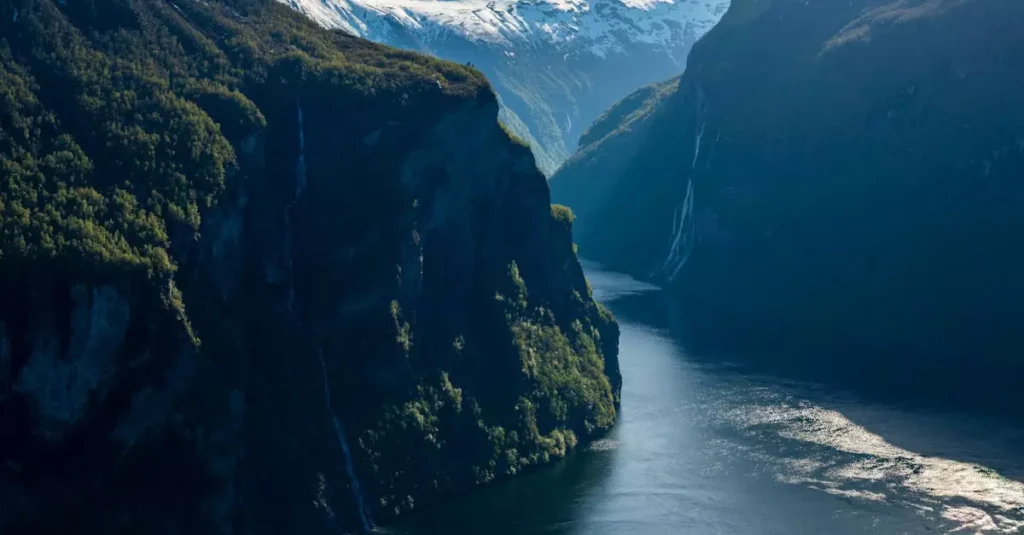
Norway’s dramatic coastline is defined by its magnificent fjords, shaped by ancient glaciers over millennia. These deep, narrow inlets, flanked by towering cliffs, showcase some of the most breathtaking scenery in the world. Understanding their geological origins and the unique ecosystems they support highlights why a visit to these natural wonders should be a priority for any traveler. Exploring the best Norway fjords offers an unforgettable encounter with powerful nature.
This guide will explore the geological marvels that formed these stunning landscapes, the unique ecosystems thriving within them, and the dramatic visual spectacles that await. We will then highlight five remarkable fjords, providing practical advice on the best times to visit, how to navigate between them, and tips for planning your own unforgettable adventure, whether you seek active exploration or serene photography.
Why Norway’s Fjords Are a Must-See Natural Wonder
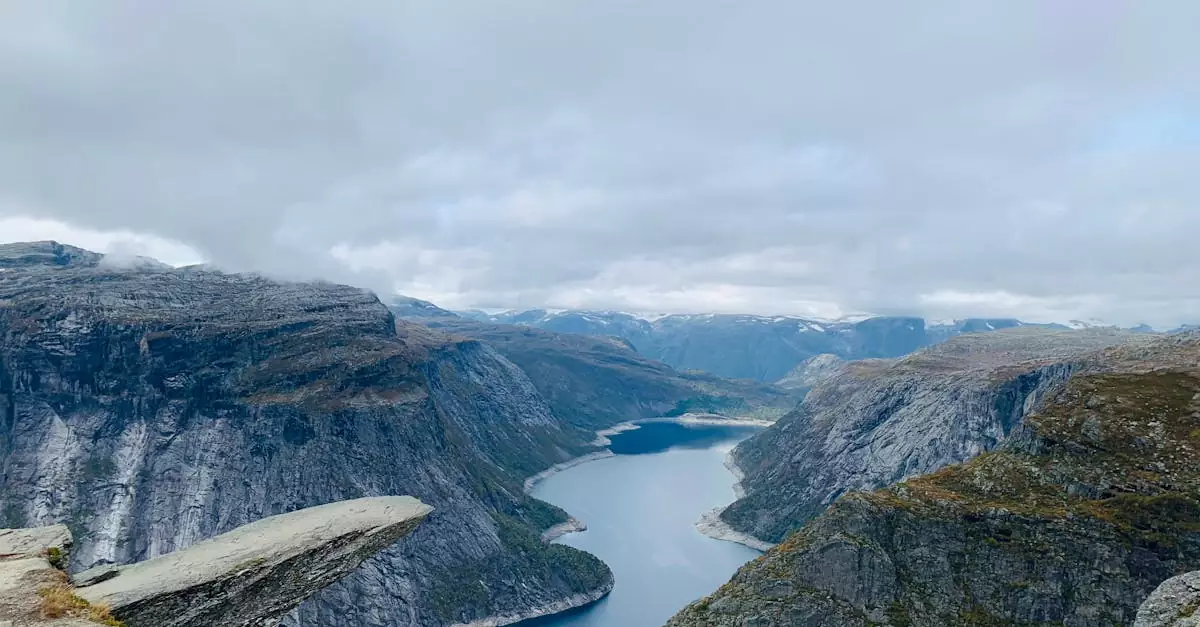
Norway’s coastline is shaped by its magnificent fjords, carved by ancient glaciers over millennia. These deep inlets, flanked by steep cliffs, provide breathtaking scenery. Understanding their geological origins and the unique life they support reveals why these natural wonders should be high on any traveler’s list. Exploring the best Norway fjords allows for an unforgettable encounter with raw, powerful nature.
Geological Marvels: Understanding Fjord Formation
The fjords of Norway are a testament to the immense power of ice. During the last Ice Age, massive glaciers advanced across the land, their weight and abrasive action carving deep U-shaped valleys into the bedrock. When the glaciers retreated, rising sea levels flooded these valleys, creating the dramatic fjords we see today. Many extend far inland, reaching depths of over 1,300 meters. This glacial sculpting results in the steep, often sheer cliffs that plunge directly into the water, a hallmark of the Norwegian coastline.
Unique Ecosystems Thriving in Norway’s Fjords
Despite their harsh appearance, Norway’s fjords host vibrant ecosystems. The deep, cold waters are rich in nutrients, supporting a diverse marine life ranging from small fish and crustaceans to larger species like seals and porpoises. In some fjords, you might even spot whales. The surrounding cliffs, though seemingly barren, support specialized plant life adapted to challenging conditions. Birdlife is abundant, with seabirds nesting on the cliff faces. The unique interplay of saltwater and freshwater, especially near river mouths, creates distinct habitats that contribute to the biodiversity of these regions.
The Dramatic Landscapes of the Norwegian Fjords
The visual spectacle of Norway’s fjords is unparalleled. Picture sailing on calm, deep blue waters with sheer cliffs rising thousands of feet on either side. Waterfalls cascade down the rock faces, sometimes appearing as silver threads from a distance, but revealing their power up close. The ever-changing light—from the soft glow of the midnight sun in summer to the dramatic shadows of winter—constantly transforms the scenery. Each fjord has its own character, from wide, majestic openings to narrow, winding passages that feel like secret waterways. The scale of these landscapes is humbling, offering a profound connection to the natural world. These fjords are renowned for a reason, showcasing a raw, untamed beauty that captivates every visitor.
Top 5 Best Norway Fjords for Unforgettable Scenery
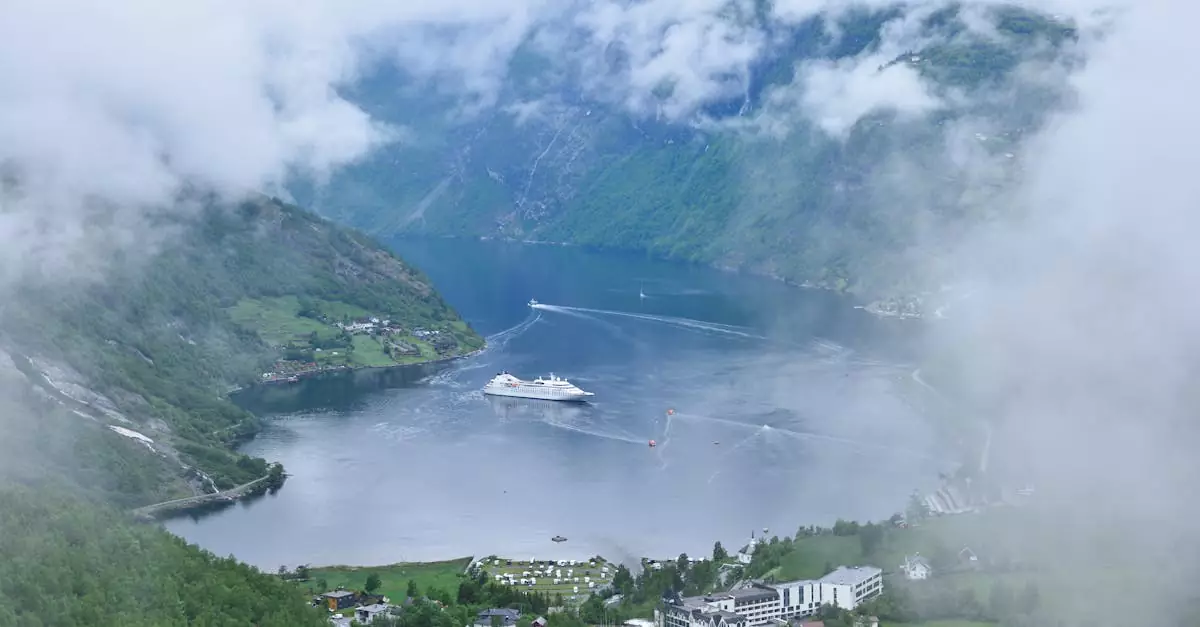
Norway’s dramatic coastline features some of the world’s most breathtaking fjords. These deep, narrow inlets, sculpted by ancient glaciers, offer unparalleled natural beauty. For travelers in 2026, experiencing these majestic waterways is a must. Here are five of the best Norway fjords to consider for your itinerary.
Geirangerfjord: UNESCO World Heritage Site’s Waterfalls and Peaks
Geirangerfjord is arguably Norway’s most famous fjord, known for its sheer cliffs and cascading waterfalls. The iconic “Seven Sisters” and “Suitor” waterfalls plunge hundreds of meters into the deep blue water, while the surrounding mountains provide a stunning backdrop and hiking opportunities for panoramic vistas.
- Getting there: Fly into Ålesund Airport (AES) and take a bus or rental car to the village of Geiranger. Ferry tours are a popular way to experience the fjord.
- Best time to visit: Late spring to early autumn (May-September) for pleasant weather and accessible hiking trails.
- Activities: Fjord cruises, kayaking, and hiking to viewpoints like Flydalsjuvet and Dalsnibba.
Nærøyfjord: The Narrowest and Most Dramatic Fjord
A UNESCO World Heritage site, Nærøyfjord is a branch of the larger Sognefjord, renowned for its dramatic, narrow passage. At its narrowest point, it measures only about 250 meters wide, with towering cliffs rising almost vertically from the water. The remote, wild landscape feels untouched by time.
- Access: Often visited as part of the “Norway in a Nutshell” tour, typically starting from Flåm.
- Unique feature: Its dramatic scale and the feeling of being enclosed by immense natural walls.
- Traveler tip: Consider a kayak tour for an intimate perspective of the fjord’s scale and tranquility.
Sognefjord: The King of Fjords and Its Branching Arms
As Norway’s longest and deepest fjord, Sognefjord is often called the “King of Fjords.” It stretches over 200 kilometers inland and boasts numerous stunning branches, including the Nærøyfjord and Aurlandsfjord. The region offers diverse landscapes, from fertile valleys to rugged mountains.
- Main hubs: Towns like Balestrand and Flåm serve as excellent bases for exploration.
- Diversification: The fjord’s many arms offer varied experiences, from the dramatic narrowness of Nærøyfjord to the wider, more serene stretches.
- Logistics: Regular ferry services connect various villages along the fjord, and the Bergen Railway provides access to Flåm.
Lysefjord: Home to Pulpit Rock and Kjeragbolten
Lysefjord is famous for its dramatic rock formations, notably Preikestolen (Pulpit Rock) and Kjeragbolten, a boulder wedged between two cliffs. The hike to Pulpit Rock is a popular but rewarding challenge, offering spectacular views over the fjord. Kjeragbolten attracts thrill-seekers looking for that iconic photo opportunity.
- Visitor considerations: Hiking to Pulpit Rock requires moderate fitness. The trail can be busy during peak season.
- Safety: Always check weather conditions before hiking. Proper footwear is essential.
- Fjord cruises: Offer a less strenuous way to admire the sheer cliffs and waterfalls from the water.
Hardangerfjord: Norway’s Orchard and Fruitful Shores
Hardangerfjord offers a different kind of beauty, characterized by its fertile fruit orchards and picturesque villages. In spring, the fjord is surrounded by blooming apple and cherry trees, creating a vibrant spectacle. The region is also known for its cultural heritage and delicious local produce.
- Seasonal highlight: The fruit blossom season (April-May) transforms the landscape into a pastel paradise.
- Local flavors: Sample local cider, fruit brandies, and fresh berries.
- Accommodation: Charming guesthouses and farm stays are abundant, providing a taste of local life.
When is the Best Time to Visit Norway’s Fjords?
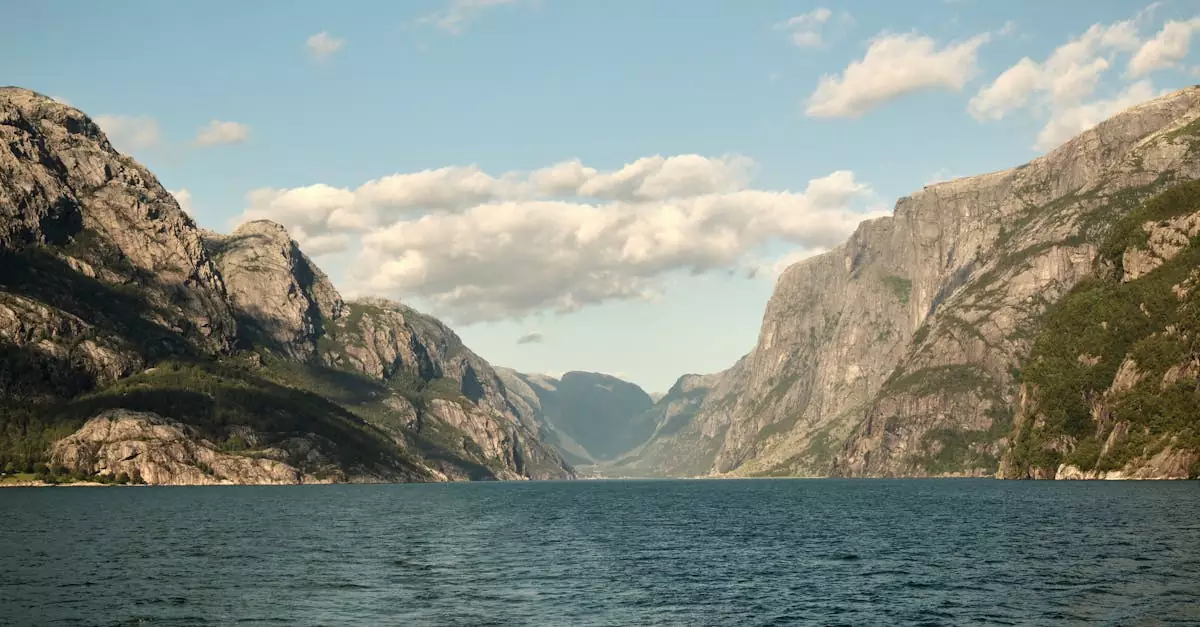
Choosing the right season significantly impacts your experience when visiting Norway’s majestic fjords. Each period offers distinct advantages, from vibrant summer activities to serene winter landscapes. Consider your priorities regarding weather, crowds, and specific activities to make the most of your trip.
Summer (June-August): Peak Season for Fjords and Hiking
Summer is the most popular time to experience the Norwegian fjords, thanks to long daylight hours and generally pleasant weather. This season offers a wide range of activities, including hiking, kayaking, and scenic boat tours. The fjords are at their most accessible, and the surrounding mountains are snow-free, making them ideal for trekking.
Expect warmer temperatures, typically ranging from 15°C to 25°C (59°F to 77°F) along the coast. However, Norwegian weather can be unpredictable, so packing layers is advisable. This is also the peak tourist season, meaning popular spots can be crowded and accommodation prices higher. Booking in advance is essential, especially for popular routes like the Norway in a Nutshell tour.
Spring (April-May): Blooming Orchards and Fewer Crowds
Spring brings a refreshing change to the Norwegian landscape. As the snow melts, waterfalls swell, and the lower valleys and fjord sides burst into bloom, particularly famous for their fruit orchards in regions like Hardangerfjord. While the weather can be cool and variable, with temperatures around 5°C to 15°C (41°F to 59°F), this season offers a beautiful transition.
The shoulder months of April and May are excellent for travelers seeking fewer crowds and potentially lower prices than in summer. Many hiking trails at higher altitudes may still be snow-covered, but lower-level walks and boat trips are readily available. It’s a picturesque time to witness the natural world reawakening.
Autumn (September-October): Golden Hues and Crisp Air
Autumn transforms the fjords into a spectacle of color. The deciduous trees lining the hillsides turn shades of red, orange, and yellow, creating a stunning contrast against the deep blue waters. The air becomes crisp and invigorating, perfect for photography and enjoying the quieter side of the fjords.
Temperatures in early autumn can still be mild, but they drop significantly by October, often ranging from 0°C to 10°C (32°F to 50°F). While the days grow shorter, the dramatic light enhances the scenery. Some hiking trails may close due to snow at higher elevations, but many activities remain accessible. This season is ideal for those who appreciate dramatic landscapes and a more tranquil atmosphere.
Winter (November-March): Snow-Covered Majesty and Northern Lights
Winter offers a completely different, yet equally captivating, perspective on the Norwegian fjords. Many remain ice-free, providing dramatic views of snow-dusted mountains and tranquil waters. This is the prime season for experiencing the magic of the Northern Lights, especially in the northern parts of the country.
Temperatures can be cold, frequently dropping below freezing, and daylight hours are short. Activities shift towards cozy indoor experiences, scenic drives, and opportunities for winter sports. While some tourist infrastructure may be limited, the serene, snow-covered landscapes provide a unique and peaceful travel experience. Visiting during this time requires careful planning for weather conditions and transportation, as some roads may be closed. The dramatic beauty of a frozen landscape is unparalleled, and for many, the chance to see the aurora borealis makes a winter visit worthwhile.
Navigating Between Norway’s Best Fjords: Transportation Options
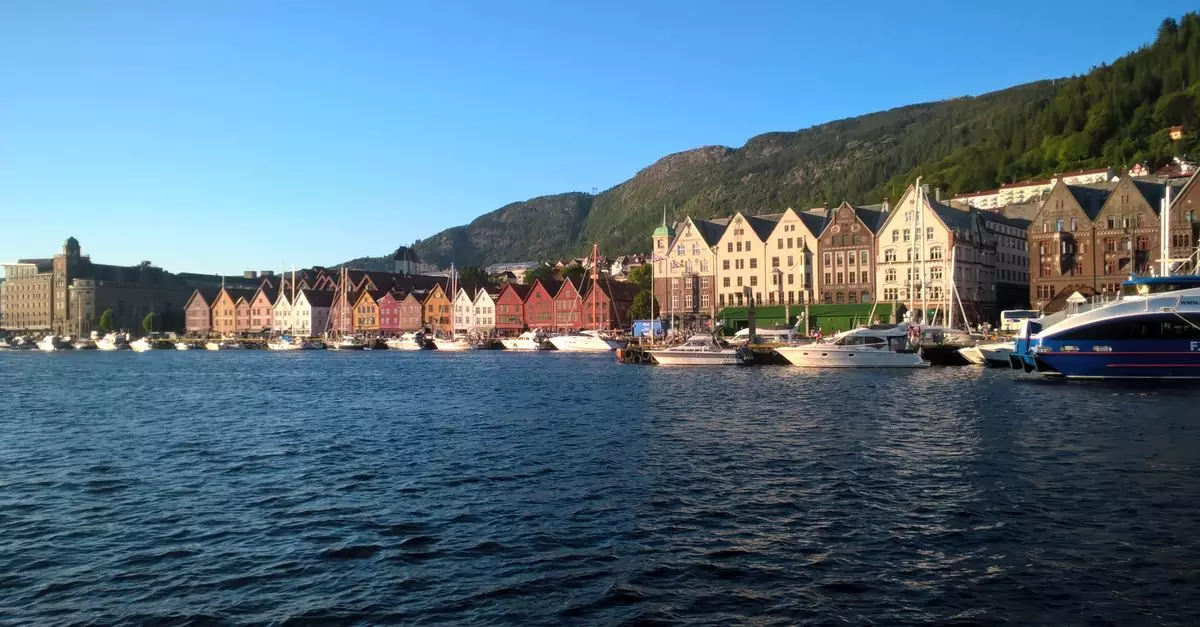
Reaching and moving between Norway’s majestic fjords involves a blend of scenic routes and efficient public transport. Travelers have several excellent options, each offering a unique perspective on the dramatic landscapes. Understanding these choices is key to crafting a seamless and enjoyable journey through this stunning region.
Fjord Cruises: Experiencing the Fjords from the Water
A fjord cruise remains one of the most immersive ways to appreciate the sheer scale and beauty of Norway’s coastal wonders. Large cruise ships offer extensive itineraries, docking at popular ports like Geiranger and Flåm. For a more intimate experience, smaller ferry services and dedicated sightseeing boats provide shorter excursions, often including live commentary that highlights geological formations and local history.
Many travelers opt for the Norwegian Coastal Voyage, operated by Hurtigruten, which travels the entire length of the coast, stopping at numerous fjord towns. This offers a fantastic way to see multiple fjords without the need for constant packing and unpacking. Booking in advance is highly recommended, especially during the peak summer months of June to August.
Scenic Road Trips: Driving the Norwegian National Tourist Routes
For those who prefer the freedom of independent travel, driving the Norwegian National Tourist Routes presents an unparalleled adventure. These routes are designed to showcase the country’s most breathtaking scenery, with well-maintained roads and frequent viewpoints. The Atlantic Road, a series of bridges connecting islands, and the Trollstigen (Troll’s Path) with its hairpin bends are iconic examples.
Renting a car in major cities like Oslo or Bergen provides access to these routes. Be aware that some mountain passes, like Trollstigen, are typically only open from late May or early June to October, depending on snow conditions. Always check road status before departure. Navigation is straightforward, but be prepared for winding roads and single-lane bridges, especially in more remote fjord areas.
Public Transport: Trains, Buses, and Ferries Connecting Fjords
Norway boasts an excellent public transportation network that efficiently links major towns and fjord regions. The Bergen Railway offers a scenic train journey, connecting Oslo to Bergen and passing through dramatic mountain landscapes. From Bergen, local ferries and buses can take you deeper into the fjords.
The Flåm Railway, a steep and spectacular train line, connects the village of Flåm on the Aurlandsfjord to the Myrdal station on the Bergen Railway. This is a must-do for many visitors. Local bus services are reliable for reaching smaller villages, and regional ferries are essential for crossing fjords where bridges are not available. Purchasing a Norway in a Nutshell® ticket can simplify planning for a popular route encompassing train, bus, and ferry segments.
Getting to the Fjords: Flights and Ferry Connections
Most international travelers will fly into one of Norway’s main airports, such as Oslo Gardermoen Airport (OSL) or Bergen Airport, Flesland (BGO). From these hubs, domestic flights can connect you to smaller regional airports closer to the fjords, like Ålesund or Stavanger.
Alternatively, long-distance ferries connect Norway to other European countries, though these are less common for accessing specific fjord regions and are generally a slower mode of travel. For instance, ferries operate from Denmark and Germany to cities like Bergen and Stavanger. Once in Norway, the extensive network of local ferries becomes crucial for navigating between islands and along the fjords themselves. Planning your arrival airport based on your desired fjord region will significantly streamline your onward journey.
Planning Your Fjord Adventure: Itineraries and Activities
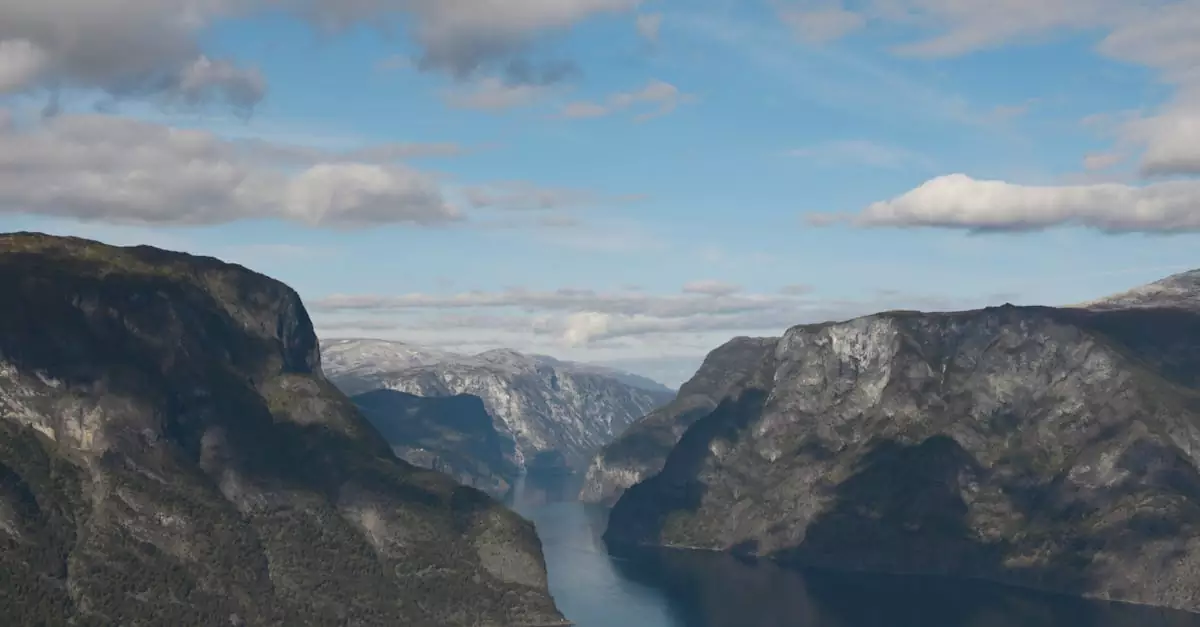
Norway’s dramatic fjords offer a wealth of experiences, from serene boat trips to challenging hikes. Planning your itinerary will help you maximize your visit, ensuring you see the sights that most appeal to you. Consider the time of year, your desired activity level, and the specific fjords you wish to visit.
A 7-Day Fjord Explorer Itinerary: Geiranger & Nærøyfjord Focus
This itinerary prioritizes two of Norway’s most iconic fjords, Geirangerfjord and Nærøyfjord, both UNESCO World Heritage sites. It balances scenic cruising with exploration opportunities.
Day 1-2: Arrival in Bergen & Coastal Cruise
Arrive in Bergen, a charming gateway to the fjords. Spend a day exploring the Bryggen wharf and enjoying the city’s atmosphere. Embark on an overnight express boat or a dedicated fjord cruise heading north towards the Sognefjord region.
Day 3: Nærøyfjord Immersion
Disembark near Gudvangen and take a ferry through the narrow Nærøyfjord, known for its dramatic cliffs and cascading waterfalls. Consider a kayaking tour for an intimate perspective. Continue to Flåm, a picturesque village at the end of the Aurlandsfjord.
Day 4: Flåm Railway & Aurlandsfjord
Ride the scenic Flåm Railway, one of the steepest train lines in the world, offering breathtaking mountain vistas. Enjoy a leisurely afternoon by the Aurlandsfjord, perhaps visiting the Stegastein viewpoint for panoramic views.
Day 5: Travel to Geiranger
Travel by bus and ferry, or a combination of public transport and car rental, towards Geirangerfjord. The journey itself offers stunning scenery. Settle into accommodation in or near Geiranger village.
Day 6: Geirangerfjord Exploration
Take a ferry cruise on Geirangerfjord to admire landmarks like the Seven Sisters and Suitor waterfalls. For a more active experience, hike to viewpoints like Ørnesvingen (Eagle’s Bend) or Dalsnibba for unparalleled vistas.
Day 7: Departure
Depending on your departure point, you can travel back to Ålesund or another major airport, or continue your journey through Norway.
Active Adventures: Hiking Trails and Kayaking in the Fjords
For travelers seeking an adrenaline rush and a closer connection with nature, the fjords provide ample opportunities for active pursuits. Hiking trails range from gentle strolls to strenuous mountain ascents, offering diverse perspectives of the fjord landscapes. Kayaking allows you to paddle silently along the water’s edge, getting up close to waterfalls and sheer cliffs.
Popular hiking areas include the trails around Geiranger, such as the ascent to Westerås Farm for stunning views of the fjord. The region around Trolltunga, while requiring a significant commitment, offers one of Norway’s most famous hiking experiences. For kayaking, the calmer waters of Aurlandsfjord and Nærøyfjord are excellent starting points, with guided tours available for all skill levels. Always check weather conditions and trail difficulty before setting out, and carry appropriate gear.
Wildlife Watching: Spotting Seals, Eagles, and Porpoises
The rich marine and avian life of Norway’s fjords presents exciting opportunities for wildlife enthusiasts. Keep an eye out for seals basking on rocks or porpoises playing in the boat’s wake during fjord cruises. The skies are often graced by majestic sea eagles, particularly in areas with abundant fish.
Birdwatching is rewarding, with various seabirds frequenting the cliffs and coastal areas. While sightings are never guaranteed, the best chances for spotting marine mammals are during calm weather, often in the early morning or late afternoon. Guided wildlife tours can enhance your chances and provide expert insights into the local ecosystem.
Photography Hotspots: Capturing the Best Fjord Views
Norway’s fjords are a photographer’s paradise, offering dramatic landscapes at every turn. For iconic shots of Geirangerfjord, the viewpoints at Ørnesvingen and Flydalsjuvet are essential stops. The serpentine road leading to these points also provides excellent photographic opportunities.
The Nærøyfjord, with its narrow passage and towering peaks, is best captured from the water during a ferry trip or kayak excursion. The village of Flåm and the surrounding Aurlandsfjord offer panoramic vistas, especially from the Stegastein viewpoint. For sunrise or sunset, consider locations with clear views of the water and surrounding mountains, such as the shores of the fjords or elevated viewpoints accessible by car or a short hike. Remember to pack extra batteries and memory cards to capture the sheer beauty.
Frequently Asked Questions About Visiting Norway’s Fjords
What is the best fjord to visit in Norway for the first time?
For first-time visitors, Geirangerfjord is often recommended. It’s a UNESCO World Heritage site known for its dramatic cliffs, cascading waterfalls like the Seven Sisters, and picturesque farms clinging to steep hillsides. Its accessibility from Ålesund makes it a convenient starting point. The Nærøyfjord, another UNESCO site and a branch of the Sognefjord, offers a more dramatic, narrow experience, best viewed from a boat.
How much does a trip to the Norwegian fjords cost?
A trip to the Norwegian fjords can vary significantly in cost. Budget travelers might spend around $150-$200 per day, focusing on hostels, self-catering, and public transport. Mid-range travelers can expect to spend $250-$400 per day for comfortable hotels, guided tours, and dining out. Luxury travel can easily exceed $500 per day. Costs are higher in the peak summer season (June-August).
Here’s a general budget breakdown per person, per day:
| Category | Budget | Mid-Range | Luxury |
|---|---|---|---|
| Accommodation | $50 – $80 | $100 – $200 | $250+ |
| Food | $40 – $60 | $80 – $120 | $150+ |
| Activities/Tours | $30 – $50 | $70 – $100 | $100+ |
| Transportation | $30 – $40 | $50 – $80 | $50 – $100+ |
Note: These are estimates and can fluctuate based on specific choices and season.
What should I pack for a Norway fjord trip?
Packing for Norway’s fjords requires preparation for variable weather. Layers are key.
- Waterproof and windproof outer shell: Essential for rain and wind, especially on boat tours.
- Warm mid-layers: Fleece jackets, wool sweaters.
- Base layers: Thermal underwear made of merino wool or synthetic materials.
- Comfortable, waterproof hiking boots: For exploring trails and villages.
- Hat, gloves, and scarf: Even in summer, evenings can be cool.
- Daypack: For carrying essentials during excursions.
- Sunscreen and sunglasses: The sun can be strong, especially reflecting off water and snow.
- Camera: To capture the stunning scenery.
Are Norway’s fjords safe for solo travelers?
Norway is consistently ranked as one of the safest countries in the world, making its fjords a very safe destination for solo travelers. Crime rates are extremely low. The primary considerations for solo travelers are logistical rather than safety-related.
- Transportation: While public transport is efficient, planning routes and booking tickets in advance, especially for ferries and popular bus routes, is advisable.
- Hiking: If venturing on trails, inform someone of your plans, check weather conditions, and carry appropriate gear. Many popular fjord trails are well-marked.
- Accommodation: Solo rooms in hostels or guesthouses are common and provide opportunities to meet other travelers. Hotels also offer a secure base.
Solo travelers will find it easy to navigate and enjoy the breathtaking landscapes without significant safety concerns.