Beyond Norway’s more famous fjords lies Nordfjord, a region that showcases a stunning blend of dramatic coastal landscapes, ancient glaciers, and charming seaside villages. If you’re in search of an authentic Norwegian experience away from the busiest tourist paths, this expansive fjord system is an enticing alternative. This Nordfjord Norway travel guide will help you uncover its unique appeal. You’ll learn the best times to visit for everything from vibrant waterfalls to serene autumn colors, explore efficient transportation options whether you prefer driving or public transit, and find inspiration for must-do activities like glacier hikes and breathtaking panoramic views. We’ll also discuss accommodation options, from cozy cabins to family-friendly hotels, ensuring your journey through this magnificent part of Norway is both memorable and seamless.
Discovering the Majestic Nordfjord Region
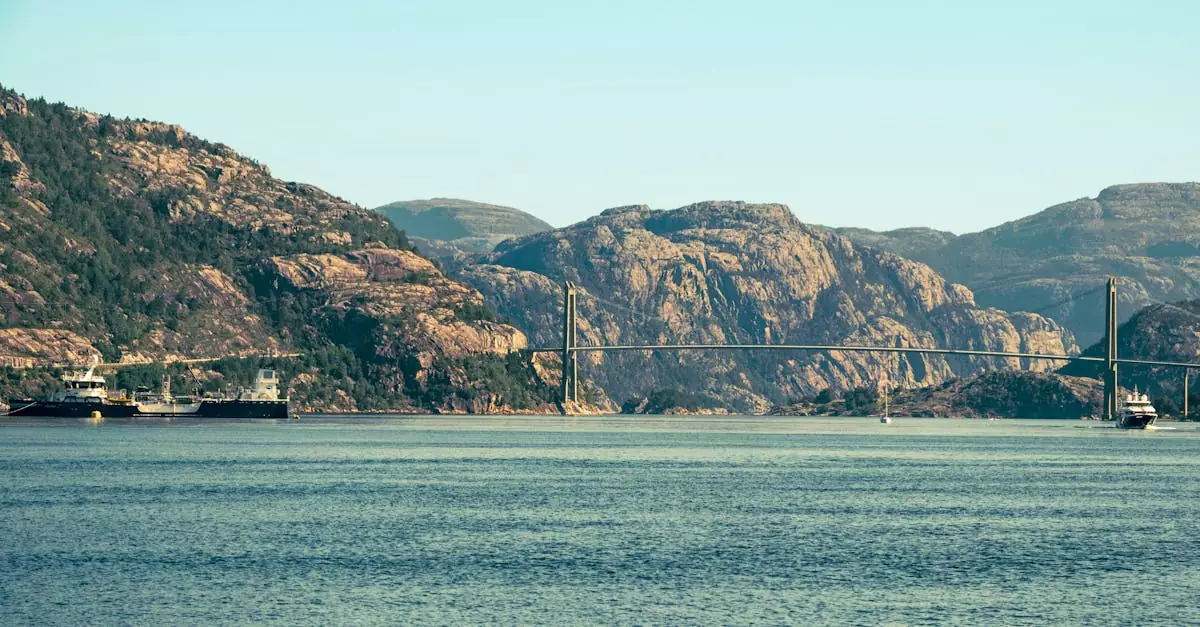
The Nordfjord region of Norway offers a dramatic coastal landscape that provides a compelling alternative to its more famous neighbors. While Geirangerfjord often takes center stage, Nordfjord features expansive fjords, towering glaciers, and charming seaside villages, creating a distinct Norwegian travel experience. This guide delves into what makes Nordfjord special and highlights key areas to visit.
Geirangerfjord vs. Nordfjord: What’s the Difference?
While both fjords are stunning, Geirangerfjord and Nordfjord offer different experiences. Geirangerfjord, a UNESCO World Heritage site, is celebrated for its sheer cliffs and iconic waterfalls like the Seven Sisters, often attracting larger crowds due to its fame.
In contrast, Nordfjord is Norway’s sixth-longest fjord, boasting a broader, more varied landscape. It features the impressive Jostedalsbreen glacier, accessible via the Briksdal and Kjenndalsbreen glacier arms, along with a rugged coastline. Visitors to Nordfjord often find it less crowded, allowing for a more intimate connection with the natural beauty.
| Feature | Geirangerfjord | Nordfjord |
|---|---|---|
| Fame | UNESCO World Heritage Site | Norway’s 6th longest fjord |
| Scenery | Steep cliffs, famous waterfalls | Broader fjord, glaciers, varied coast |
| Crowds | Generally higher | Often less crowded |
| Activities | Fjord cruises, hiking, viewpoints | Glacier hiking, coastal drives, villages |
| Key Access | Geiranger village | Nordfjordeid, Olden, Loen |
Exploring the Gateway Town of Nordfjordeid
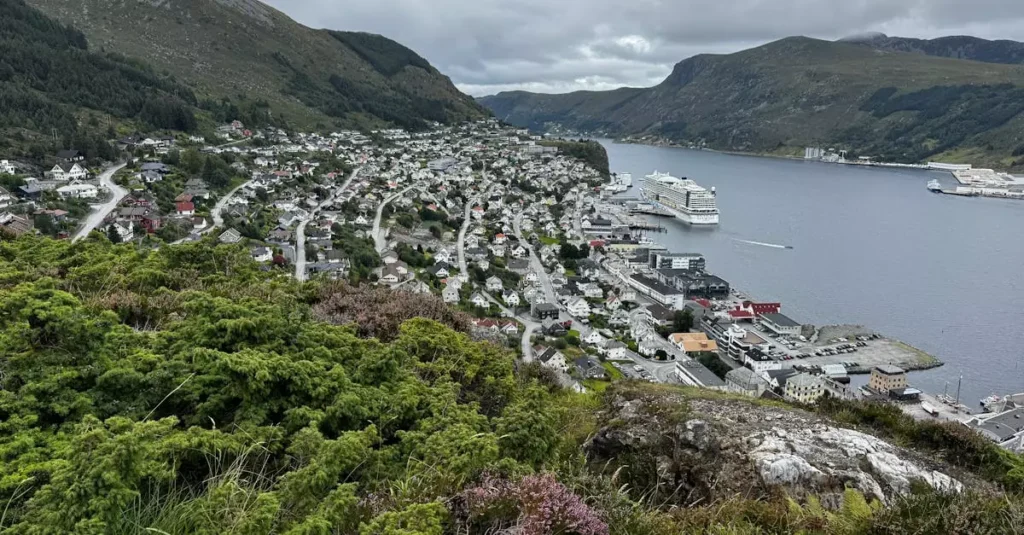
Nordfjordeid serves as a central hub for the Nordfjord region, providing a practical starting point for many travelers. This town is known for its picturesque setting at the end of the Eidsfjorden branch and a vibrant cultural scene. Here, you can easily arrange boat trips, hiking excursions, or simply enjoy the local atmosphere.
The town’s harbor frequently welcomes cruise ships, infusing the area with lively energy during the summer months. For those arriving independently, Nordfjordeid offers essential amenities, including accommodations and dining options. Its location makes it convenient for day trips to nearby attractions, including coastal areas and inland fjords.
The Enchanting Villages of Olden and Loen
Nestled deeper within the Nordfjord region, the villages of Olden and Loen embody quintessential Norwegian fjord charm. Olden is particularly famous as the gateway to the Briksdal glacier, an easily accessible arm of the vast Jostedalsbreen ice cap. A short hike or a ride on a “troll car” can take you to the glacier’s edge, creating a truly memorable experience.
Nearby, Loen is celebrated for its stunning natural beauty and adventurous offerings. The Loen Skylift provides breathtaking panoramic views of the fjord and surrounding mountains, ascending to a mountaintop restaurant and hiking area. The area also features the unique Kjenndalsbreen glacier and the serene Lake Lovatnet, known for its vibrant turquoise waters. These villages offer a peaceful retreat, allowing visitors to immerse themselves in the dramatic landscapes that define the Nordfjord experience.
Best Time to Visit Nordfjord for Unforgettable Experiences
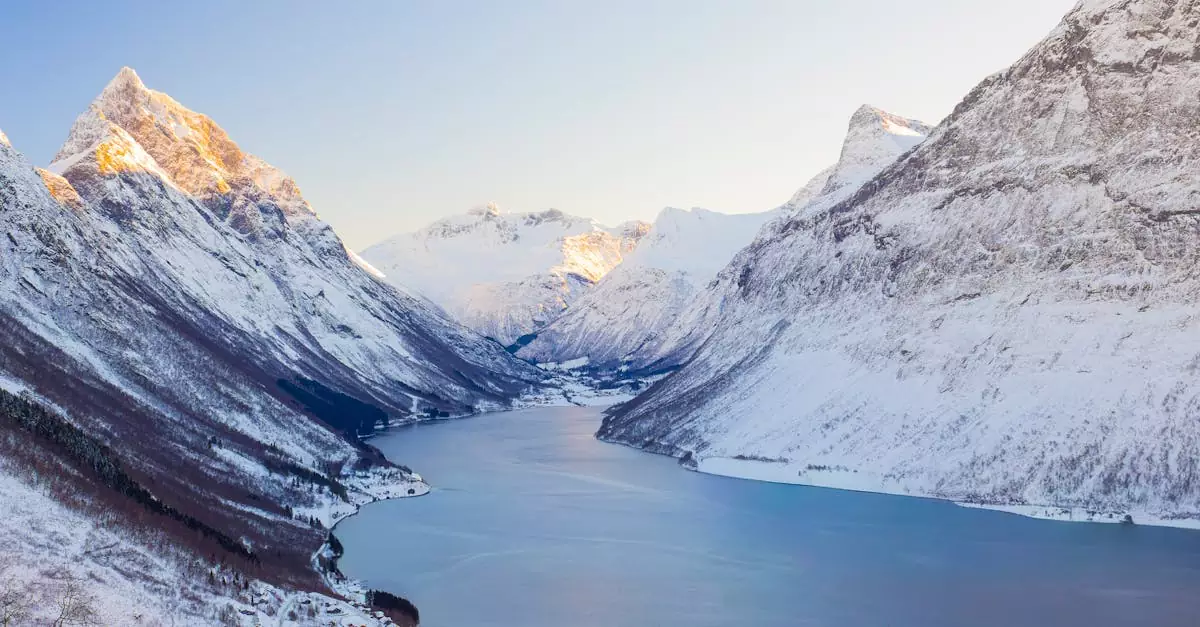
Choosing the right time to visit Nordfjord significantly shapes your experience, influencing everything from trail accessibility to the vibrancy of local life. Each season presents distinct advantages for travelers planning their Nordfjord adventure.
Summer (June-August): Peak Season for Hiking and Fjord Cruises
Summer is undoubtedly the most popular period for exploring Nordfjord, characterized by long daylight hours and generally pleasant weather. This is prime time for outdoor activities, with hiking trails, including those leading to viewpoints overlooking the fjords, typically clear of snow and easily accessible. Fjord cruises, a quintessential Nordfjord experience, operate at full capacity during these months, offering unparalleled views of the coastline and towering cliffs.
Expect average temperatures to range from 15°C to 20°C (59°F to 68°F), though coastal areas can be cooler while inland valleys may be warmer. Accommodations and attractions can become crowded, so booking in advance is advisable. This season is ideal for families and those who prefer warm weather for their adventures.
Spring (April-May): Witnessing Waterfalls and Blooming Landscapes
As winter recedes, spring brings a transformative beauty to Nordfjord. Snowmelt fuels powerful waterfalls, creating spectacular natural displays, particularly in areas like the Loen Valley. The landscape begins to bloom, with wildflowers appearing on the hillsides and the first hints of green on the mountains.
Temperatures are cooler, typically between 5°C and 12°C (41°F to 54°F), and some higher-altitude trails may still be snow-covered. However, lower-lying areas are perfect for scenic drives and shorter hikes. This shoulder season offers a tranquil experience with fewer tourists, making it ideal for photographers and nature enthusiasts seeking stunning scenery without the summer crowds.
Autumn (September-October): Golden Hues and Fewer Crowds
Autumn paints Nordfjord in a palette of rich reds, oranges, and golds. The crisp air is invigorating, and the changing foliage provides a stunning backdrop for exploration. This season is excellent for hiking, as the weather remains relatively stable and summer crowds have dissipated, creating a more serene atmosphere.
Daylight hours shorten, and temperatures drop, usually ranging from 5°C to 10°C (41°F to 50°F). Pack layers and be prepared for cooler evenings. The reduced number of visitors makes it easier to enjoy popular spots and potentially secure better accommodation rates. It’s a beautiful time for those who appreciate the quiet beauty of nature and the vibrant colors of fall.
Winter (November-March): Snowy Scenery and Arctic Adventures
Winter transforms Nordfjord into a serene, snow-covered wonderland, offering a completely different travel experience. This season is for those seeking a quieter, more introspective journey, with opportunities for winter sports and the chance to experience the stark beauty of the Norwegian coast under snow.
Temperatures can drop significantly, often below freezing, ranging from -5°C to 3°C (23°F to 37°F). Snowfall is common, particularly at higher elevations, making it ideal for skiing and snowshoeing. Some roads and attractions may have limited access or be closed entirely due to weather conditions. This is a magical time to witness the Northern Lights if conditions are favorable, though viewing is never guaranteed. Travelers should be prepared for winter driving conditions and check local weather reports frequently.
Navigating Your Nordfjord Adventure: Transportation Options
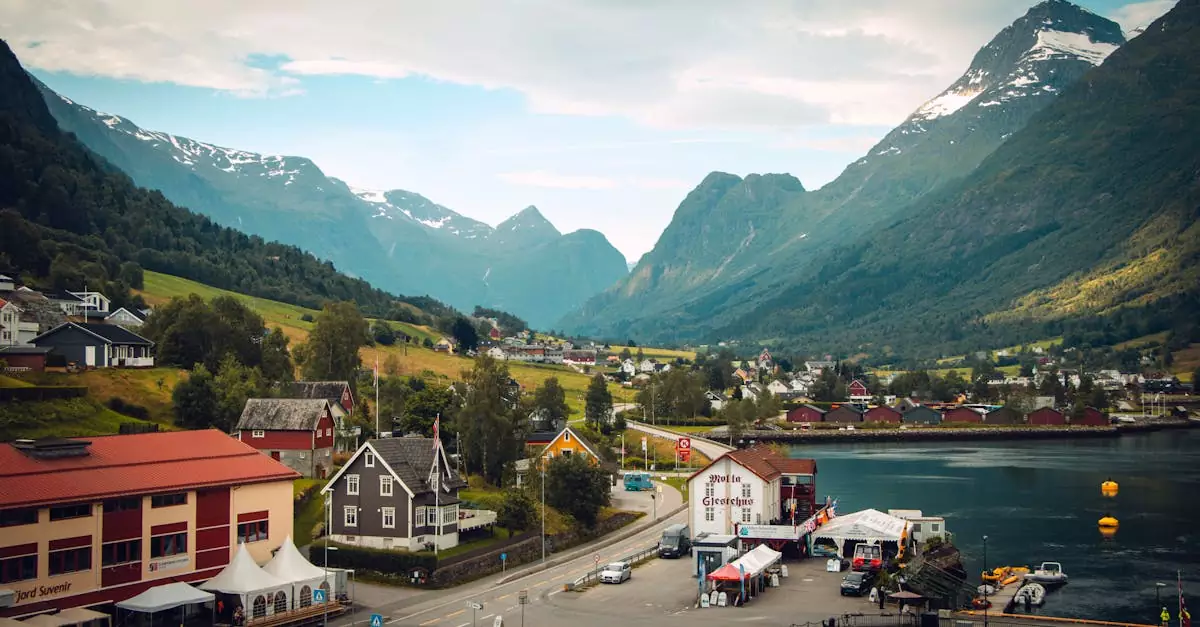
Planning your journey through the breathtaking Nordfjord region requires understanding the best ways to get around. Whether you’re arriving from abroad or already within Europe, a clear transportation strategy will enhance your experience of this stunning coastal and fjord landscape. This guide covers your options, from reaching the region to navigating its winding roads and charming villages.
Getting to Nordfjord: Flights, Ferries, and Road Access
The most common way to reach Nordfjord is by flying into a regional airport, followed by onward travel. Ålesund Airport (AES) and Bergen Airport (BGO) are the closest international gateways. From these airports, you can rent a car or utilize public transport to continue your journey. Driving is a popular option for those who enjoy scenic routes; the E39 highway connects major cities and offers access to the Nordfjord area. Ferry services are also integral to Norwegian travel, connecting islands and crossing fjords, often forming part of the scenic drive into the region.
Driving the Scenic Nordfjord Coastal Route
The Nordfjord region is renowned for its dramatic coastal drives, with the Norwegian Scenic Route Rv15 offering a particularly memorable experience. This route winds through diverse landscapes, from the open coast to deep fjords and mountain passes. Renting a car provides the ultimate flexibility to stop at viewpoints, explore small villages like Loen and Olden, and access hiking trailheads at your own pace. Be prepared for narrow roads, tunnels, and potentially challenging weather conditions, especially outside of the summer months. Familiarize yourself with Norwegian driving laws, including speed limits and the use of headlights.
Public Transport: Buses and Ferries Within the Region
While driving offers the most freedom, public transport is a viable option for reaching and moving within Nordfjord. A network of local buses connects the main towns and villages. Ferry services are crucial for crossing fjords, such as the Lote–Anda ferry, which is essential for connecting parts of the Rv15. Utilizing public transport can be more budget-friendly than renting a car, allowing you to relax and take in the scenery. However, schedules can be less frequent, particularly in rural areas, so it’s important to plan your connections carefully.
Renting a Car vs. Using Public Transit in Nordfjord
The choice between renting a car and relying on public transport in Nordfjord largely depends on your travel style, budget, and itinerary.
| Feature | Renting a Car | Public Transport (Bus & Ferry) |
|---|---|---|
| Flexibility | High; stop anywhere, explore off-the-beaten-path | Limited; bound by schedules and routes |
| Cost | Higher (rental fees, fuel, tolls, parking) | Lower (individual tickets, passes) |
| Convenience | High for accessing remote areas | Can be challenging with luggage, tight connections |
| Scenery Access | Excellent; roadside viewpoints | Good; scenic ferry crossings, bus windows |
| Time Efficiency | Generally faster for point-to-point travel | Can be slower due to transfers and waiting |
| Best For | Adventurous travelers, families, photographers | Budget-conscious travelers, solo travelers |
For those aiming to visit multiple remote viewpoints, hiking areas, and smaller hamlets, a rental car is highly recommended. It offers unparalleled freedom to craft your own Nordfjord experience. Conversely, if your focus is on the main fjord towns and you are comfortable adhering to a timetable, buses and ferries can provide a more economical and relaxed way to explore the region. Always check timetables in advance, especially for ferries, as they can be seasonal or weather-dependent.
Must-Do Activities & Attractions in the Nordfjord Area
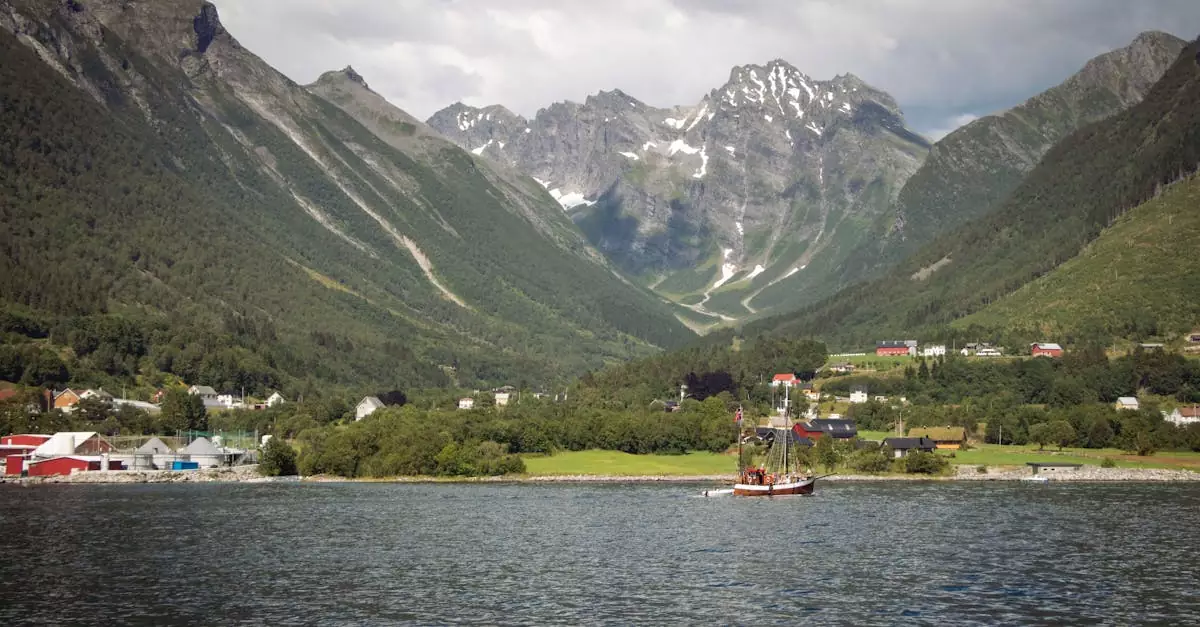
This Nordfjord Norway travel guide highlights experiences that capture the region’s dramatic landscapes and rich heritage. From accessible glacier views to exhilarating heights and serene waterways, there’s a wealth of adventure awaiting.
Hiking to the Briksdal Glacier (Brikksdalbreen)
A highlight of any visit to Nordfjord is a trip to Briksdal Glacier, an arm of the Jostedalsbreen glacier. The hike to the glacier’s tongue is relatively accessible, making it a popular choice for families and those seeking a moderate outdoor experience. The trail winds through a picturesque valley, offering increasingly dramatic views as you approach the glacial ice.
The walk from the parking area to the glacier’s edge takes approximately 45-60 minutes one way. For those with limited mobility or seeking a quicker ascent, electric “Troll Cars” are available for hire, providing a unique way to reach the glacier. Remember to wear sturdy footwear, as the path can be uneven and wet. Check local tourism resources for current trail conditions and advisories, especially during spring melt.
Experiencing the Loen Skylift and Via Ferrata
For breathtaking panoramic views and a dose of adrenaline, the Loen Skylift is a must. This aerial tramway ascends Mount Hoven from Loen, offering unparalleled vistas of the fjord, surrounding mountains, and the village below. The ride itself is a swift and scenic journey, culminating at an altitude of 1011 meters.
At the summit, you’ll find walking trails and the starting point for the Loen Via Ferrata. This guided climbing route allows adventurers of varying skill levels to traverse the steep mountainside, equipped with steel cables and ladders. It’s a thrilling way to experience the rugged Norwegian landscape up close. Booking the Via Ferrata in advance is highly recommended, especially during peak season.
Cruising the Serene Nordfjord Waters
Exploring Nordfjord from its watery perspective offers a distinct and tranquil experience. Several operators provide boat tours that navigate the length of the fjord, offering intimate views of steep mountainsides plunging into deep blue waters. These cruises often pass by charming villages and cascading waterfalls, with opportunities to spot local wildlife.
Consider a shorter ferry trip between villages like Anda and Lote for a taste of fjord travel, or opt for a longer guided excursion. Many tours depart from towns such as Sandane or Nordfjordeid. The calm waters of the fjord in summer create an idyllic setting for a leisurely cruise, allowing you to appreciate the sheer scale of the landscape.
Visiting the Sagastad Knowledge Centre in Nordfjordeid
To delve into the region’s rich Viking history, a visit to the Sagastad Knowledge Centre in Nordfjordeid is essential. This modern museum is home to the Myklebust Viking ship, a remarkably well-preserved burial ship discovered locally. The centre offers an immersive experience, bringing the Viking era to life through interactive exhibits and detailed historical context.
The reconstruction of the Myklebust ship is a significant draw, showcasing the craftsmanship and seafaring prowess of the Vikings. Allow at least a couple of hours to fully appreciate the displays and learn about the archaeological findings. The centre provides valuable insight into the lives of early inhabitants of this striking European region.
Where to Stay: Accommodation Options in Nordfjord
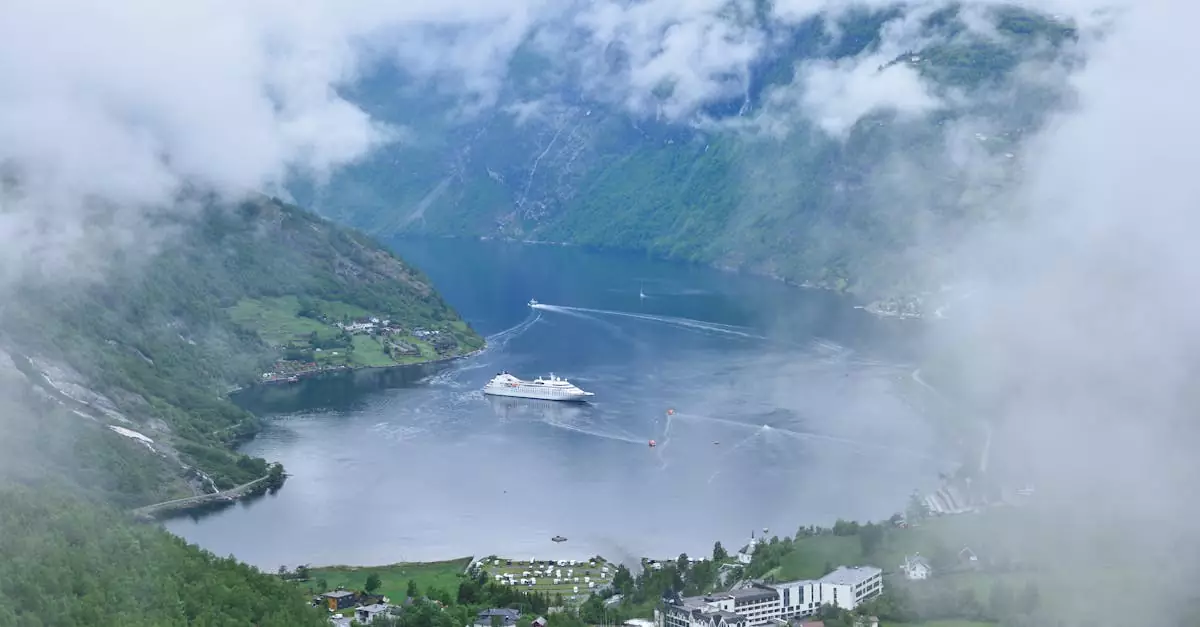
When planning your Nordfjord Norway travel guide, choosing the right accommodation is key to experiencing the region’s charm. Options range from rustic cabins to modern hotels, catering to various budgets and travel styles. Many visitors opt for locations near the famous fjords and glaciers, offering convenient access to outdoor activities.
Cozy Cabins and Rorbuer Rentals
For an authentic Norwegian experience, consider renting a cabin or a traditional rorbu (fisherman’s cabin). These often come with kitchens, allowing for self-catering and a more intimate feel. Many are situated directly on the water or amidst picturesque rural landscapes, providing stunning views. Booking in advance is recommended, especially during the peak summer months, as these popular rentals fill up quickly.
Family-Friendly Hotels in Olden and Loen
The villages of Olden and Loen are popular bases for families, offering a good selection of hotels with amenities suitable for all ages. These hotels often feature restaurants, play areas, and easy access to local attractions like the Loen Skylift and the Olden Old Church. Staying in these areas provides a comfortable and convenient hub for day trips around the fjord.
Unique Stays Near Briksdal Glacier
For those seeking proximity to the majestic Briksdal Glacier, accommodation options are more limited but offer unique experiences. You might find charming guesthouses or small hotels in the surrounding valleys. These locations provide a tranquil escape and direct access to hiking trails leading to the glacier’s tongue. Expect a more rustic and nature-focused stay here.
Budget-Friendly Guesthouses and Hostels
Travelers on a tighter budget will find several guesthouses and hostels scattered throughout the Nordfjord region. These offer basic but comfortable lodging, often with shared kitchen facilities and common areas that foster a social atmosphere. Towns like Stryn and Måløy tend to have more affordable options, serving as practical starting points for regional exploration. Booking a bed in a hostel is a great way to meet other travelers and save money.
Frequently Asked Questions About Traveling to Nordfjord
What is the best way to get around Nordfjord?
Navigating Nordfjord effectively often requires a combination of transport methods. Renting a car offers the most flexibility, allowing you to stop at scenic viewpoints and explore smaller villages at your own pace. The roads are generally well-maintained, though some can be narrow and winding, especially in mountainous areas. For those who prefer not to drive, the public bus network connects many of the larger towns and villages. Ferries are also essential for crossing fjords and reaching islands, forming a scenic part of the journey. Consider purchasing a Norway in a Nutshell type of package if you prefer pre-arranged transport and tours, though this might limit spontaneous exploration.
What are the essential things to pack for a Nordfjord trip?
Packing for Nordfjord means preparing for variable weather, even in summer. Layers are key. Bring waterproof and windproof outerwear, including a good jacket and trousers, as rain can occur at any time. Comfortable, sturdy walking shoes or hiking boots are essential for exploring trails and villages. Pack warm mid-layers like fleece or wool sweaters, and don’t forget thermal base layers. Evenings can be cool, so a hat and gloves are advisable. Sunscreen and sunglasses are also important, as the sun can be strong when it appears.
Is Nordfjord suitable for family travel?
Yes, Nordfjord offers a range of activities that are well-suited for families. Children can enjoy boat trips on the fjords, often spotting seals or seabirds. Many hiking trails are accessible for families, with some leading to waterfalls or offering gentle slopes. The Briksdal Glacier, for example, has a relatively easy path to view the ice. Farms in the region sometimes offer opportunities to see local animals. The sense of adventure and the natural beauty of the landscape can captivate younger travelers.
What local foods should I try in the Nordfjord region?
The culinary scene in Nordfjord is influenced by its coastal and agricultural surroundings. Look for fresh seafood, especially salmon and cod, often prepared simply to highlight their quality. Lamb is also a staple; try “pinnekjøtt” (cured and steamed lamb ribs) if you visit during the Christmas season, though it might be available in some restaurants year-round. Local cheeses, particularly brown cheese (brunost), are a must-try, often enjoyed with waffles or bread. For a sweet treat, look for cloudberries (multer), a prized Nordic berry, often served with cream or in desserts.