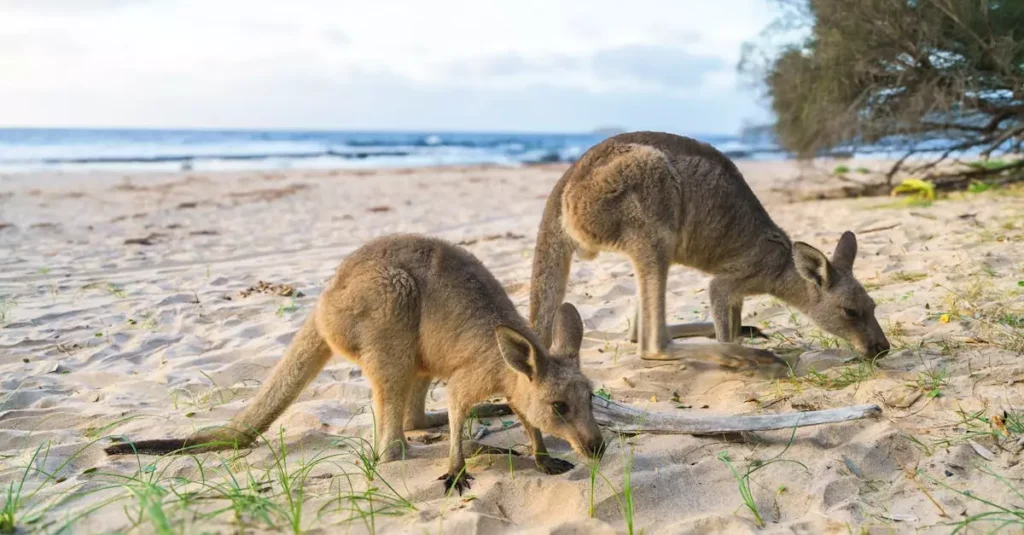
Spotting kangaroos hopping through their natural Australian habitat is an unforgettable experience. These iconic marsupials can be found across the continent, providing a unique glimpse into the wild. To enhance your chances of a memorable encounter, it’s essential to know the best places for sightings and understand their behavior.
This guide will highlight top national parks and coastal areas known for frequent kangaroo sightings, from the dramatic landscapes of the Grampians to the pristine beaches of Cape Le Grand. You’ll learn the optimal times for viewing, receive essential tips for responsible observation, and discover where to spot other fascinating Australian wildlife. Prepare to experience the magic of Australia’s most famous residents.
Where Can I See Kangaroos in Their Natural Habitat?
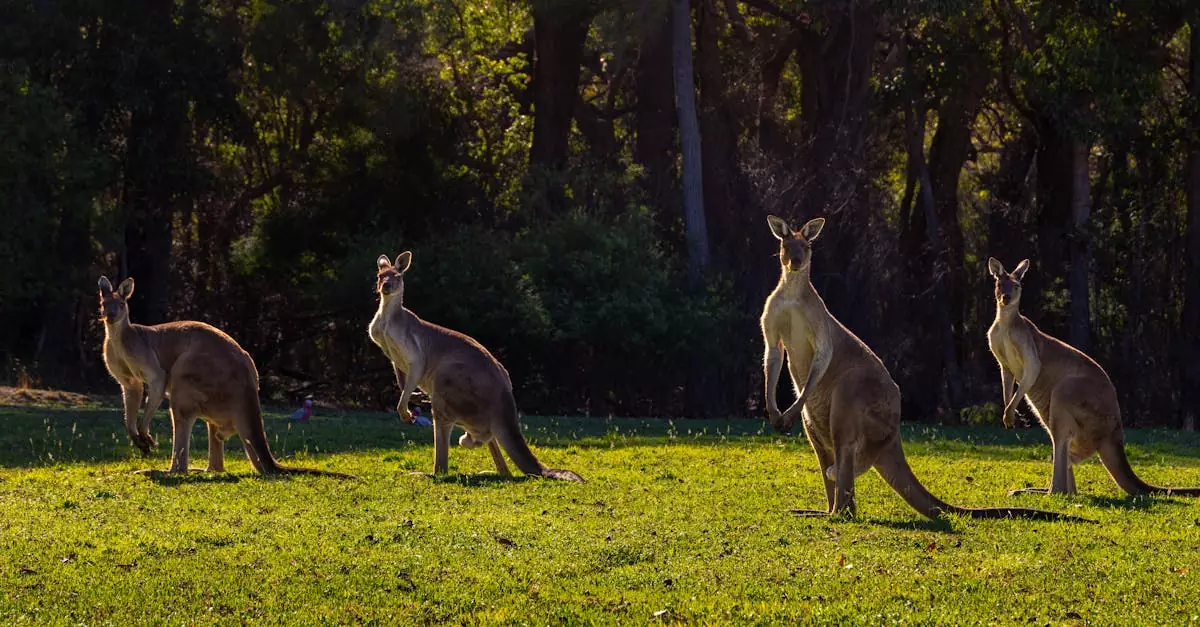
Spotting kangaroos in the wild is a quintessential Australian experience. These marsupials inhabit diverse environments, from arid outback landscapes to lush coastal forests. Knowing where and when to look can significantly increase your chances of encountering them.
Encountering Kangaroos in the Australian Bush
The Australian bush, which includes eucalyptus forests, grasslands, and scrublands, serves as the natural home for many kangaroo species. Early morning and late afternoon are prime times for sightings, as kangaroos are most active during these cooler periods, often grazing in open clearings. Always maintain a safe distance; these are wild animals, and approaching too closely can cause stress and defensive behavior.
Consider joining a guided tour when venturing into the bush. Local guides offer invaluable knowledge about kangaroo habits and the best viewing locations, often leading you to less-visited spots. They also provide crucial safety information and insights into the local ecosystem. Remember to wear sturdy hiking boots and carry water, especially if you plan to walk.
Top National Parks for Wild Kangaroo Sightings
Several national parks across Australia provide excellent opportunities to see kangaroos in their natural environments. These protected areas are managed to preserve wildlife, making them ideal for observation.
- Grampians National Park, Victoria: Located in western Victoria, the Grampians are famous for their dramatic mountain scenery and abundant wildlife, including large mobs of Eastern Grey Kangaroos. Halls Gap serves as a popular base, with kangaroos often seen grazing on the oval and surrounding parklands.
- Kangaroo Island, South Australia: As its name implies, this island off the coast of South Australia is a wildlife haven. Encounter several species, including the unique Kangaroo Island Kangaroo, a subspecies of the Western Grey Kangaroo. The island’s diverse landscapes, ranging from coastal heaths to woodlands, support a healthy kangaroo population.
- Namadgi National Park, Australian Capital Territory: Just a short drive from Canberra, Namadgi offers a rugged bushland experience. Eastern Grey Kangaroos are common here, particularly in the lower-lying grasslands and along the park’s access roads.
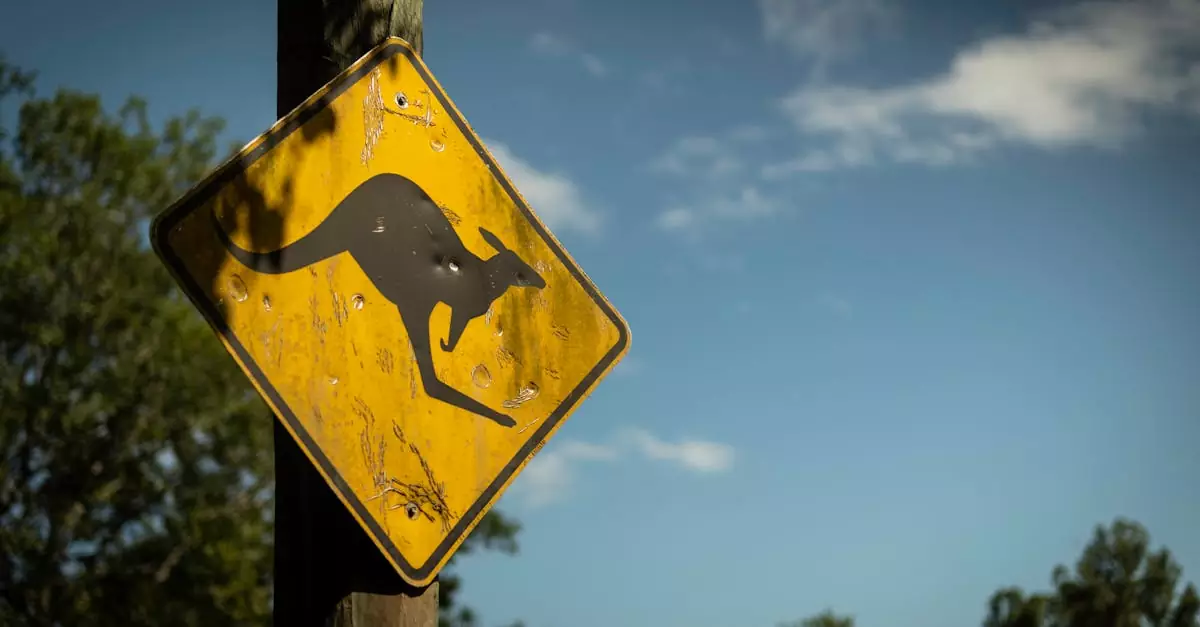
When visiting national parks, familiarize yourself with the regulations. Drive cautiously, especially at dawn and dusk, as kangaroos can unexpectedly dart onto roads. Binoculars can enhance your viewing experience without disturbing the animals.
Coastal Areas with Frequent Kangaroo Activity
Though often associated with inland landscapes, kangaroos also inhabit coastal regions, particularly where woodlands and grasslands meet the sea.
- Batemans Bay, New South Wales: In South Coast areas around Batemans Bay, kangaroos frequently graze in parks and even suburban fringes. The Eurobodalla National Park offers good opportunities for sightings in a coastal setting.
- Fremantle, Western Australia: In the Perth metropolitan area, places like South Beach and surrounding coastal reserves can host Western Grey Kangaroos, especially in the early morning. Rottnest Island, known for its quokkas, also has a small population of Western Grey Kangaroos in its more rugged interior.
Coastal areas can attract many tourists, so plan your visit during weekdays or outside peak holiday seasons for a more tranquil experience. Check local tourism websites for specific viewing hotspots and any wildlife advisories.
Best Time of Day for Kangaroo Spotting
Dawn and Dusk: Peak Kangaroo Activity Hours
The most rewarding times to see kangaroos are during the cooler parts of the day: dawn and dusk. These crepuscular animals are most active when the sun is low, as they avoid midday heat. During these periods, you’ll often find them grazing in open areas, foraging for food, and socializing. Early mornings offer fewer crowds, while late afternoons provide beautiful golden light for photography.
Factors Influencing Kangaroo Behavior
While dawn and dusk are optimal viewing times, several factors can influence kangaroo activity. Weather plays a significant role; on cooler, overcast days, kangaroos may be more active throughout the day. Following rain, especially in drier regions of Australia, they may emerge to feed on fresh growth. Human presence also affects their behavior; areas with less traffic and noise generally offer better viewing opportunities.
Avoiding Midday Heat for Better Viewing
During the hottest parts of the day, particularly in summer, kangaroos often seek shade. They may rest under trees or in dense bushland, making them harder to spot. If you are traveling during midday, your chances of seeing them in open fields are significantly reduced. Opting for shaded walking trails or visiting water sources where they might gather can yield sightings, but it’s generally less reliable than early morning or late afternoon. Plan your outdoor activities around these cooler viewing windows to maximize your chances of encountering these iconic marsupials.
Top 5 Locations for Guaranteed Kangaroo Sightings
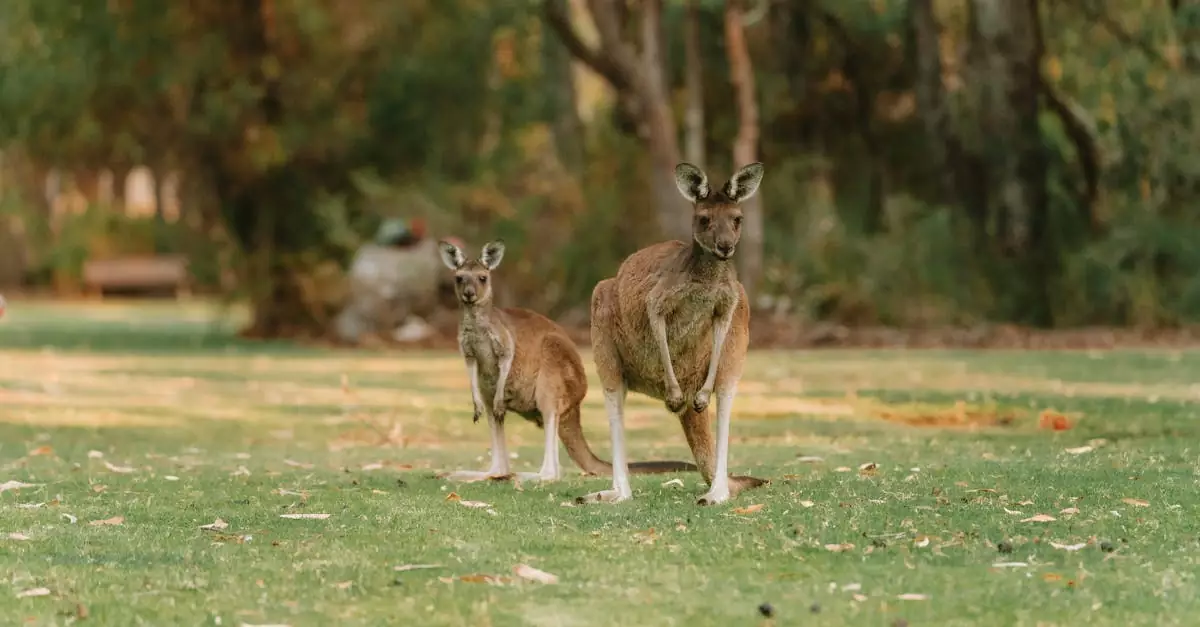
Australia is synonymous with kangaroos, and encountering these iconic marsupials in their natural habitat is a highlight for many visitors. While kangaroos are widespread, certain locations offer a higher probability of sightings and unique viewing experiences. From coastal plains to national parks, these five destinations are among the best places to see kangaroos.
Kangaroo Island: A Wildlife Haven
Kangaroo Island, located off the coast of South Australia, is a sanctuary for native Australian wildlife, with abundant kangaroo populations. The island’s protected status and diverse landscapes provide an ideal environment for various kangaroo species, including the iconic Western Grey Kangaroo and the smaller Tammar Wallaby. Visitors often spot them grazing in paddocks, along roadsides, and within the island’s national parks.
Getting to Kangaroo Island typically involves a ferry from Cape Jervis or a short flight from Adelaide. A car is essential for independent exploration. Accommodations range from self-contained cottages to campgrounds, catering to various budgets. Early morning and late afternoon are prime viewing times, as kangaroos are most active during these cooler parts of the day. Always maintain a safe distance and never feed the wildlife.
Grampians National Park: Majestic Mountain Kangaroos
Grampians National Park in Victoria offers a dramatic backdrop for kangaroo viewing. Here, kangaroos, primarily Eastern Greys and Wallaroos, are frequently seen against the rugged sandstone mountains and sweeping valleys. The park’s open grasslands and woodlands are prime feeding grounds, making sightings common along scenic drives and walking trails.
Access to the Grampians is via car from Melbourne, approximately a 3-hour drive. The park features several townships with accommodation options, from hotels and motels to caravan parks. For the best chances of seeing kangaroos, visit areas like the Wonderland car park or the plains around Halls Gap, especially at dawn and dusk. Hiking trails also offer opportunities for quiet observation, but always remain aware of your surroundings and stick to marked paths.
Bundeena and the Royal National Park: Sydney’s Roo Spot
For those visiting Sydney, the Royal National Park, just south of the city, offers a surprisingly accessible and rewarding place to see kangaroos. The coastal village of Bundeena, bordering the park, is known for its resident kangaroo population. Eastern Grey Kangaroos are often seen grazing on lawns, in local parks, and along the park’s many walking tracks, including the famous Bondi to Coogee Coastal Walk’s southern extension.
Reaching Bundeena is straightforward via train from Sydney to Cronulla, followed by a short ferry ride across the Port Hacking River. Driving also provides direct access. The park has picnic areas and walking trails, with kangaroos most visible in the early mornings and late afternoons. Remember that this is a semi-urban environment; maintain a respectful distance and avoid disturbing the animals.
Magnetic Island: Tropical Kangaroo Encounters
Magnetic Island, off the coast of Queensland near Townsville, offers a unique tropical setting for spotting Rock Wallabies. While not technically kangaroos, these agile marsupials are closely related and delightful to see. They adeptly navigate the island’s rocky outcrops and granite boulders.
The island is a short ferry ride from Townsville. Many visitors choose to stay in Nelly Bay, which offers accommodations ranging from resorts to backpacker hostels. The best place to find Rock Wallabies is around the Forts Walk, a popular hiking track that provides stunning views and frequent sightings of these creatures sunning themselves on the rocks. Early morning or late afternoon walks are recommended.
Cape Le Grand National Park: Beachside Roos
Western Australia’s Cape Le Grand National Park is renowned for its pristine white-sand beaches and turquoise waters, but it also offers a fantastic spot to see kangaroos lounging near the shore. Eastern Grey Kangaroos and sometimes Euros can be seen grazing in grassy areas adjacent to popular beaches like Lucky Bay and Thistle Cove. The sight of kangaroos on the beach is an iconic Australian experience.
The park is a scenic drive from the town of Esperance, about 45 minutes away. Day-use areas and campgrounds are available within the park for those wishing to stay longer. The kangaroos are often quite habituated to visitors, but it’s crucial to maintain a safe distance and refrain from feeding them. Sunrise and sunset are particularly magical times for photography here.
To help compare these destinations, consider the following:
| Destination | Primary Kangaroo Type | Landscape | Best Viewing Time | Accessibility from Major City |
|---|---|---|---|---|
| Kangaroo Island | Western Grey Kangaroo, Tammar | Diverse (coastal, bush) | Dawn & Dusk | Adelaide (ferry/flight) |
| Grampians National Park | Eastern Grey Kangaroo, Wallaroo | Mountains, valleys, plains | Dawn & Dusk | Melbourne (3-hour drive) |
| Royal National Park | Eastern Grey Kangaroo | Coastal bushland | Dawn & Dusk | Sydney (short drive/train) |
| Magnetic Island | Rock Wallaby | Tropical, rocky outcrops | Dawn & Dusk | Townsville (short ferry) |
| Cape Le Grand National Park | Eastern Grey Kangaroo, Euro | Coastal, beaches, bush | Dawn & Dusk | Esperance (45-min drive) |
Responsible Kangaroo Viewing: Dos and Don’ts
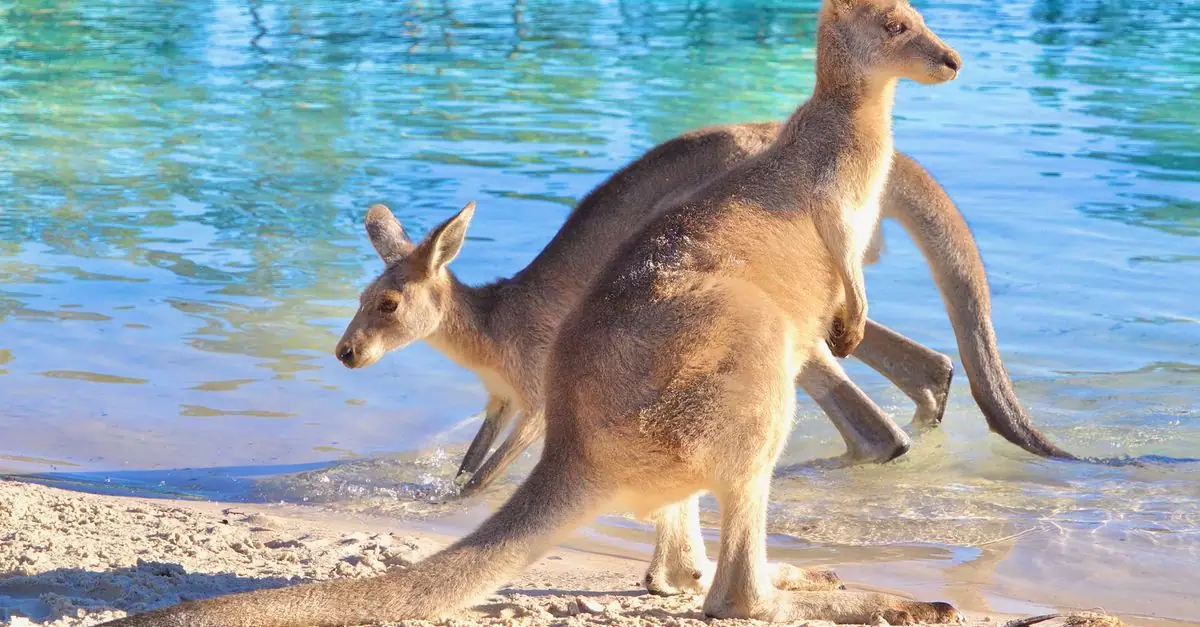
Encountering kangaroos in their natural habitat is a highlight of any trip to Australia. To ensure these encounters are positive for both you and the wildlife, it’s crucial to observe them responsibly. This means understanding their behavior and respecting their space.
Maintaining a Safe Distance from Kangaroos
Kangaroos are wild animals and can be unpredictable, especially when feeling threatened or cornered. Always maintain a minimum distance of 10-15 meters (30-50 feet) from any kangaroo you see. Never approach a joey, as the mother will likely be protective and may become aggressive. Observing from a distance allows you to appreciate their natural behaviors without causing stress.
If a kangaroo appears agitated, with ears flattened or thumping its tail, it’s a clear sign to back away slowly. This is particularly important in areas where kangaroos are accustomed to humans, such as campgrounds or picnic spots. Remember, they are not pets and should be treated with caution.
What Not to Feed Kangaroos
Feeding kangaroos is a common mistake travelers make, and it can have serious consequences. Human food is not part of a kangaroo’s natural diet and can cause severe digestive problems, leading to illness or even death. Foods like bread, chips, and sweets are particularly harmful.
Feeding also habituates kangaroos to humans, increasing the likelihood of them approaching vehicles and raising the risk of traffic accidents. It can disrupt their natural foraging behaviors and social structures. Stick to observing them consume their natural vegetation.
Minimizing Disturbance to Wildlife
Your presence should have minimal impact on the kangaroos and their environment. This means keeping noise levels down and avoiding sudden movements that could startle them. If you are in a vehicle, stay inside and observe through the windows.
When walking, stick to established paths. Avoid walking directly toward a mob of kangaroos; instead, move parallel to them or give them a wide berth. If you encounter a kangaroo on a path, pause and wait for it to move, or carefully detour around it.
Photography Etiquette for Wildlife Shots
Capturing great photos of kangaroos is a goal for many visitors. However, it’s essential to do so ethically. Never use flash photography, as it can startle or disorient animals, especially at dawn or dusk when they are most active.
Avoid using telephoto lenses to get close-up shots if it means encroaching on their space. Instead, find a good vantage point and use your zoom lens to capture the image. If a kangaroo reacts negatively to your presence or your camera, cease your attempts and move away. Respect their boundaries for the sake of their well-being and your own safety.
Beyond Kangaroos: Other Australian Wildlife to Spot
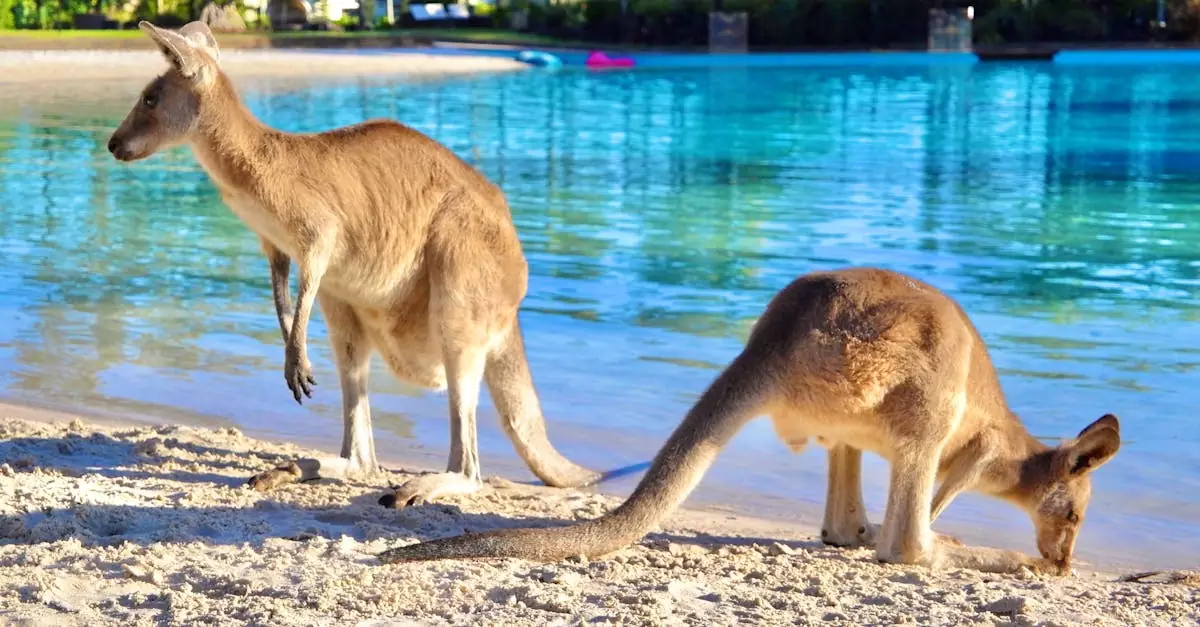
While seeing kangaroos in their natural habitat is a highlight for many visitors to Australia, the continent’s unique fauna extends far beyond these iconic marsupials. Planning your wildlife encounters can enrich your Australian adventure, offering glimpses of other fascinating creatures that call this land home. From sleepy eucalyptus dwellers to burrowing ground dwellers, Australia’s biodiversity is remarkable.
Koalas: Sleepy Marsupials in Eucalyptus Trees
Koalas, often mistaken for bears, are arboreal marsupials native to Australia. These gentle creatures spend most of their lives in eucalyptus trees, feeding on their leaves and conserving energy through long periods of sleep, sometimes up to 20 hours a day. Spotting a koala requires patience and a keen eye, as their greyish-brown fur provides excellent camouflage against tree bark.
The best opportunities to see koalas are in areas with abundant eucalyptus forests. Several wildlife sanctuaries and national parks across the country offer guided tours or dedicated viewing areas where koalas are regularly sighted. For instance, the Great Ocean Road in Victoria is a popular route where koalas can sometimes be seen in the wild, particularly around the Kennett River Koala Walk. In Queensland, the Lone Pine Koala Sanctuary near Brisbane provides a more guaranteed, though managed, viewing experience.
When looking for koalas in the wild, remember to maintain a respectful distance and avoid disturbing them. Their diet is highly specialized, and they are sensitive to changes in their environment. Early morning or late afternoon are often the most active times for koalas, though their general lethargy means they can be seen resting at any time of day.
Wombats and Wallabies: Other Marsupial Friends
Australia is home to a diverse array of marsupials, and beyond kangaroos, wombats and wallabies are particularly rewarding to encounter. Wombats, robust and burrowing animals, are often most active at dawn and dusk. Their strong claws and powerful bodies are adapted for digging extensive burrow systems. Finding a wombat often involves looking for their characteristic cube-shaped droppings, which mark their territory, or observing their tracks near their burrows.
Tasmania is a prime location for spotting wombats, with areas like Cradle Mountain-Lake St Clair National Park offering excellent viewing opportunities. On the mainland, national parks in Victoria and New South Wales also host resident wombat populations.
Wallabies, smaller relatives of kangaroos, are also widespread across Australia. They are often seen grazing in grasslands and woodlands. While many species exist, the agile wallaby is a common sight in many national parks. Their smaller size and quicker movements can make them harder to spot than kangaroos, but they are often found in similar habitats, particularly in rocky outcrops or dense bushland.
Birdwatching Opportunities in Kangaroo Habitats
The diverse landscapes that kangaroos inhabit often teem with birdlife, making Australia a fantastic destination for birdwatchers. Many national parks and nature reserves where kangaroos are commonly found also provide excellent habitats for various avian species. From colorful parrots and cockatoos to majestic raptors and waterbirds, the skies and trees are alive with activity.
Eucalyptus forests are particularly rich in bird species, including various honeyeaters, kookaburras, and rosellas. Coastal areas and wetlands, often adjacent to kangaroo grazing lands, attract diverse waterbirds, waders, and seabirds. Even arid inland regions support unique bird species adapted to harsh conditions.
When visiting areas known for kangaroos, keep an eye and ear out for birds. Binoculars can significantly enhance your birdwatching experience. Many park visitor centers provide information on local bird species and the best locations for sightings. The presence of certain bird species can also indicate proximity to water sources or specific plant life, which can indirectly help in locating wildlife.
Frequently Asked Questions About Seeing Kangaroos
Are kangaroos dangerous to humans?
While kangaroos are wild animals and should be treated with respect, they are generally not aggressive towards humans. Encounters can become dangerous if a kangaroo feels threatened, is cornered, or is protecting its young. They possess powerful legs capable of delivering strong kicks and sharp claws. It’s crucial to maintain a safe distance and avoid direct interaction to ensure both your safety and the animal’s well-being.
What is the best season to see kangaroos?
The best time to see kangaroos is often during the cooler months, from autumn through spring (April to October). During these seasons, kangaroos are typically more active during the day, especially in the early morning and late afternoon. Summer can see them seeking shade during the hottest parts of the day, making them less visible. This advice applies broadly across Australia, though specific regional variations in weather patterns might influence local activity.
Can I touch a kangaroo?
It is strongly advised not to touch kangaroos. They are wild animals, and human contact can cause them stress and potentially lead to defensive behavior. Touching can also transfer diseases between humans and wildlife. Observing from a distance is the safest and most respectful way to appreciate these iconic marsupials.
How close can I get to kangaroos?
Maintain a minimum distance of at least 10-20 meters (30-60 feet) from kangaroos. If a kangaroo appears agitated, shows signs of stress (like flicking its ears or thumping its foot), or moves away, you are too close. Always allow them to approach you if they choose, but do not pursue them. Respecting their space is paramount for a positive and safe wildlife viewing experience.