Italy’s allure lies not just in its art and history, but also in the breathtaking views that greet you at every turn. From ancient ruins bathed in golden light to colorful villages clinging to dramatic coastlines, the country offers a visual feast like no other. If you’re dreaming of a trip filled with unforgettable panoramas, you’ve come to the right place.
This guide will help you discover the best scenic cities in Italy, revealing why certain places capture the imagination and offer unparalleled photographic opportunities. We’ll explore the unique charm of Venice’s waterways, Florence’s Renaissance splendor, Rome’s timeless grandeur, and the dramatic beauty of the Cinque Terre. Prepare to be inspired as we uncover the destinations that truly define scenic beauty in Italy, providing insights into what makes each location special and how to best experience their captivating vistas.
Unveiling Italy’s Top Scenic Cities
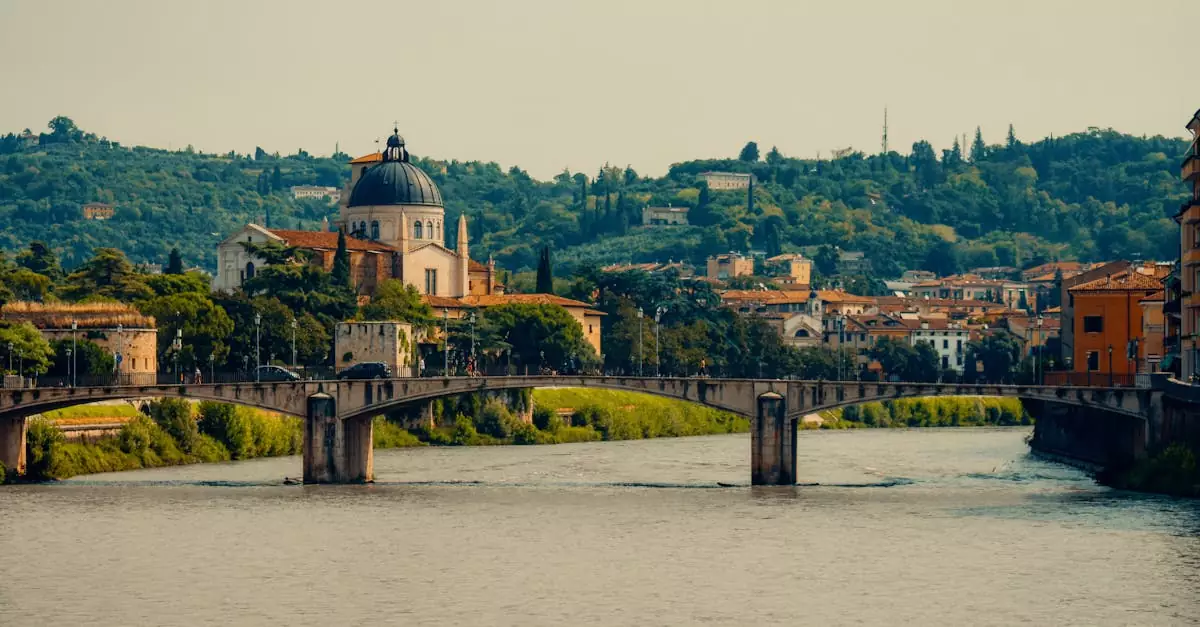
Why Italy Reigns Supreme for Visually Stunning Urban Environments
Italy’s reputation for captivating cityscapes is well-earned, stemming from a rich tapestry of history, art, and geography. Unlike many destinations where modern development overshadows the past, Italian cities often present a harmonious blend of ancient architecture and vibrant street life. This visual richness attracts millions of travelers annually, all eager to immerse themselves in the country’s aesthetic appeal.
The enduring charm lies in the preservation of historic centers. From cobblestone streets winding through medieval towns to grand piazzas designed centuries ago, the urban fabric tells a story. This commitment to heritage ensures that even everyday scenes possess extraordinary quality, making it easy to find breathtaking views around every corner.
Defining ‘Scenic’ in the Italian Context: Beyond the Colosseum
When discussing the best scenic cities in Italy, “scenic” extends far beyond iconic landmarks. While Rome’s Colosseum or Florence’s Duomo are undeniable highlights, true scenic beauty often emerges from the interplay of natural landscapes and human artistry. This includes coastal towns perched on dramatic cliffs, cities built on islands crisscrossed by canals, and hilltop villages overlooking rolling vineyards.
It’s about the way sunlight catches ancient stone, the vibrant colors of laundry drying against terracotta walls, and the panoramic vistas from a hidden trattoria. The sensory experience—the aroma of espresso mingling with blooming jasmine and the murmur of conversation in a historic piazza—contributes to the overall visual and emotional impact of these urban environments.
The Enduring Allure of Italian City Views for Travelers
The allure of Italy’s scenic cities is not merely aesthetic; it’s deeply experiential. Travelers are drawn to the feeling of stepping back in time, walking through living museums where history is actively inhabited. This immersive quality significantly contributes to the country’s consistent popularity as a travel destination.
For many, the “best scenic cities in Italy” represent an opportunity to connect with a particular lifestyle and a profound sense of beauty. Whether it’s enjoying a gelato while gazing at the Venetian lagoon or sipping wine on a terrace in Tuscany, these moments are what travelers seek and remember long after their trip concludes. The visual splendor is inextricably linked to the cultural and emotional resonance of the Italian journey.
Venice: A City Built on Water and Wonder
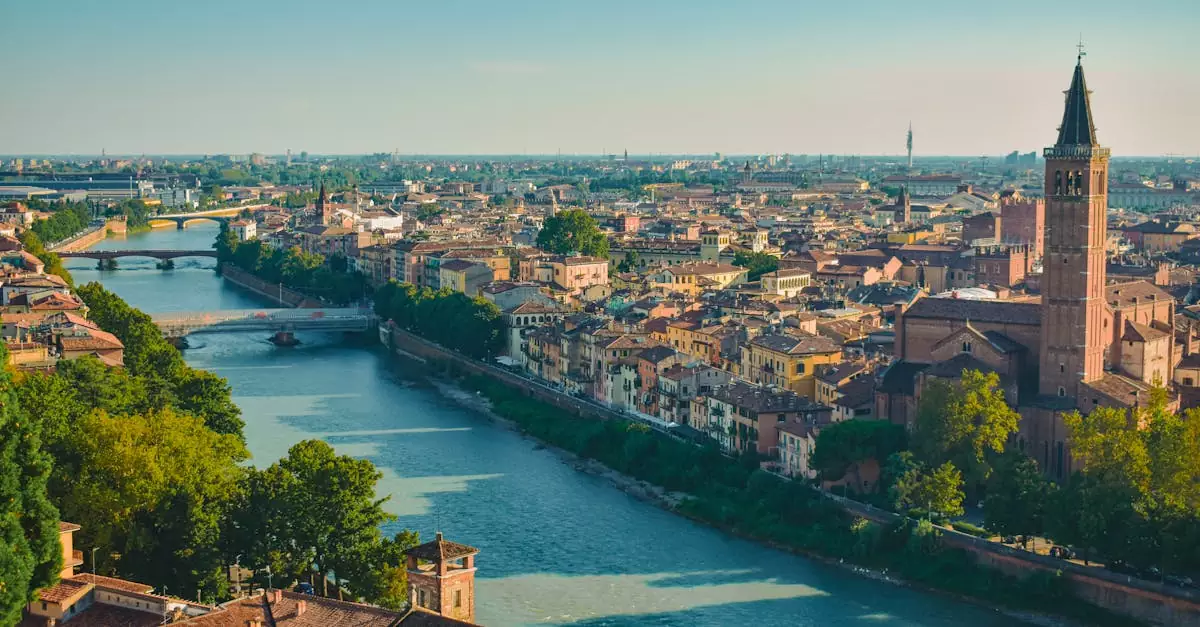
Venice stands out as one of the best scenic cities in Italy, a unique masterpiece of urban planning and artistic heritage. Its very existence is a testament to human ingenuity, with a cityscape shaped by canals and connected by over 400 bridges. The absence of cars transforms daily life into a pedestrian and waterborne experience, offering a tranquil escape from the modern world.
Navigating the Grand Canal: Gondola vs. Vaporetto
The Grand Canal serves as Venice’s main thoroughfare, providing breathtaking views of the city’s palazzi and historic architecture. For an iconic yet pricier experience, a gondola ride offers an intimate and romantic journey through quieter side canals as well as along the Grand Canal itself. Skilled gondoliers often share historical anecdotes, adding depth to the experience.
For a more budget-friendly and practical way to navigate the waterways, the vaporetto (water bus) is essential. These public transport boats operate on set routes, with Line 1 and Line 2 being particularly scenic as they traverse the Grand Canal. Purchasing a day or multi-day pass can be cost-effective if you plan on frequent water travel.
| Transport Option | Average Cost (per person) | Experience | Best For |
|---|---|---|---|
| Gondola | €80-€120 (30-40 min) | Romantic, intimate, traditional | Couples, special occasions |
| Vaporetto | €7.50 (single ticket), Day Pass from €20 | Efficient, practical, scenic views | All travelers, daily commuting |
Exploring Hidden Calli and Charming Bridges
Beyond the Grand Canal, Venice’s charm lies in its labyrinthine network of narrow alleyways, known as calli, and its countless small bridges. Wandering aimlessly is one of the most rewarding ways to discover the city’s hidden corners. You’ll stumble upon quiet campi (squares), artisan workshops, and local trattorias far from the main tourist throngs.
Pay attention to the details: ornate door knockers, faded frescoes on building facades, and the subtle sounds of daily Venetian life echoing through the stone passages. Each bridge offers a slightly different vista, providing new angles on the city’s unique architecture. Don’t hesitate to get a little lost; it’s part of the Venetian adventure.
Best Photography Spots: Rialto Bridge at Sunrise, St. Mark’s Square at Dusk
Capturing Venice’s beauty requires an understanding of its light and iconic landmarks. The Rialto Bridge is undoubtedly one of the most photographed spots. For the best light and fewer crowds, aim for sunrise. The golden hues illuminating the Grand Canal and the surrounding buildings create a magical scene.
St. Mark’s Square (Piazza San Marco) is another must-visit, especially at dusk. As day-trippers depart, the square adopts a more serene atmosphere. The Basilica di San Marco and the Doge’s Palace are beautifully illuminated, with fading light offering a softer, more dramatic photographic opportunity. Consider the Campanile di San Marco for panoramic views, particularly as the city lights begin to twinkle.
Romantic Evening Strolls Through Dorsoduro
For a truly romantic Venetian experience, an evening stroll through the Dorsoduro district is highly recommended. This sestiere (district) is known for its artistic heritage, housing galleries like the Gallerie dell’Accademia and the Peggy Guggenheim Collection. It maintains a more relaxed, local feel compared to the bustling San Marco area.
As twilight descends, the canals reflect the warm glow of streetlights, and the sounds of conversation drift from intimate bacari (wine bars). Dorsoduro offers a more authentic glimpse into Venetian life, with quiet bridges and picturesque squares providing the perfect backdrop for a leisurely walk hand-in-hand. The area’s artistic soul adds an extra layer of charm to its captivating scenery.
Florence: Renaissance Artistry Meets Tuscan Hills
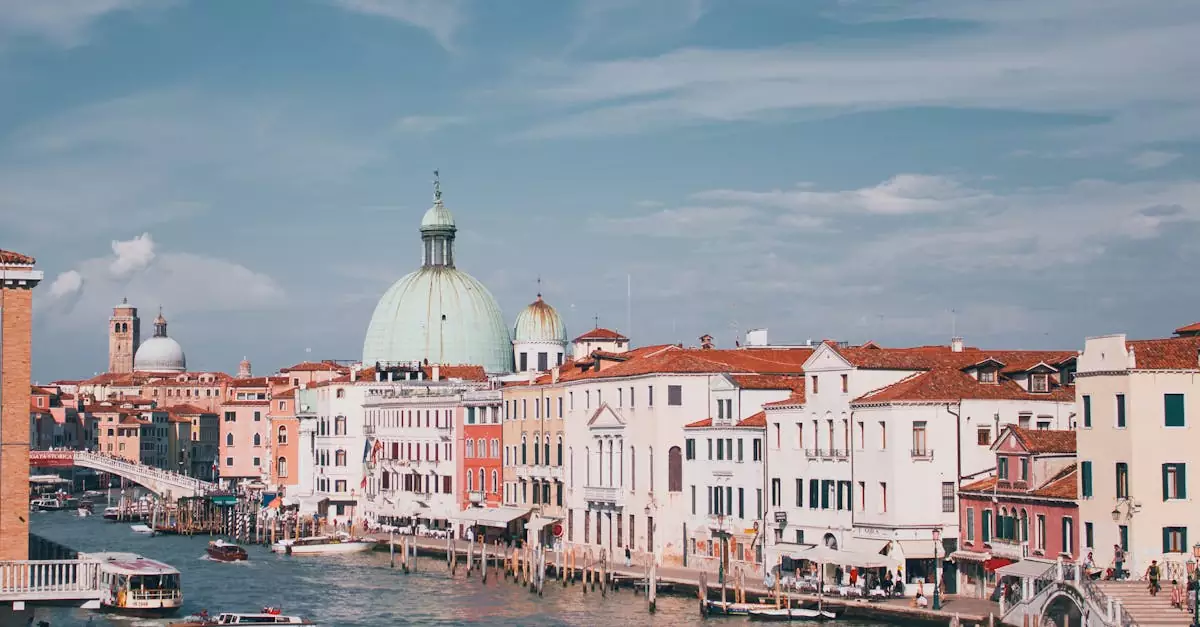
Florence, a city synonymous with the Renaissance, offers a visual feast that extends beyond its world-class museums and galleries. The Arno River, the rolling Tuscan hills, and the iconic Duomo create an unparalleled backdrop, making it one of the best scenic cities in Italy. Navigating Florence is a pleasure, with its compact historical center best explored on foot, allowing for spontaneous discoveries around every corner.
Piazzale Michelangelo: The Quintessential Panoramic Vista
For the most iconic views of Florence, a visit to Piazzale Michelangelo is essential. Perched on a hill south of the Arno, this piazza provides a sweeping panorama of the city’s terracotta rooftops, the Arno River, and the majestic Duomo. Arriving at sunrise or sunset offers a particularly magical experience, with golden light casting a warm glow over the historic architecture. While the piazza can get crowded, the sheer beauty of the vista makes it a must-see. Consider taking a taxi or a local bus (like the number 12 or 13) to reach the top, especially if you prefer to avoid a steep uphill walk.
Walking the Ponte Vecchio: A Jeweler’s Paradise
The Ponte Vecchio, Florence’s oldest bridge, is a unique architectural marvel lined with shops that have historically sold meat and fish, but are now predominantly occupied by jewelers. Walking across this medieval structure, with the Arno River flowing beneath and glittering displays of gold and precious stones on either side, offers a distinct Florentine experience. The views from the bridge, looking down the river towards the city, are picturesque. It’s a lively spot, often filled with musicians and street artists, enhancing its vibrant atmosphere. Be mindful of your belongings in this busy area, as with any popular tourist attraction.
Oltrarno District: Artisan Workshops and Local Charm
Across the Arno River from the main tourist hub lies the Oltrarno district, a neighborhood that retains a more authentic Florentine feel. Renowned for its artisan workshops, this area is where traditional crafts like leatherworking, ceramics, and jewelry are made by hand. Wandering through its narrow streets, you’ll encounter charming trattorias and less crowded piazzas, making it a wonderful place to find unique souvenirs and experience a quieter side of Florentine life. For a taste of local life, seek out a small osteria for an authentic Tuscan meal.
Day Trips to Siena and San Gimignano for Hilltop Panoramas
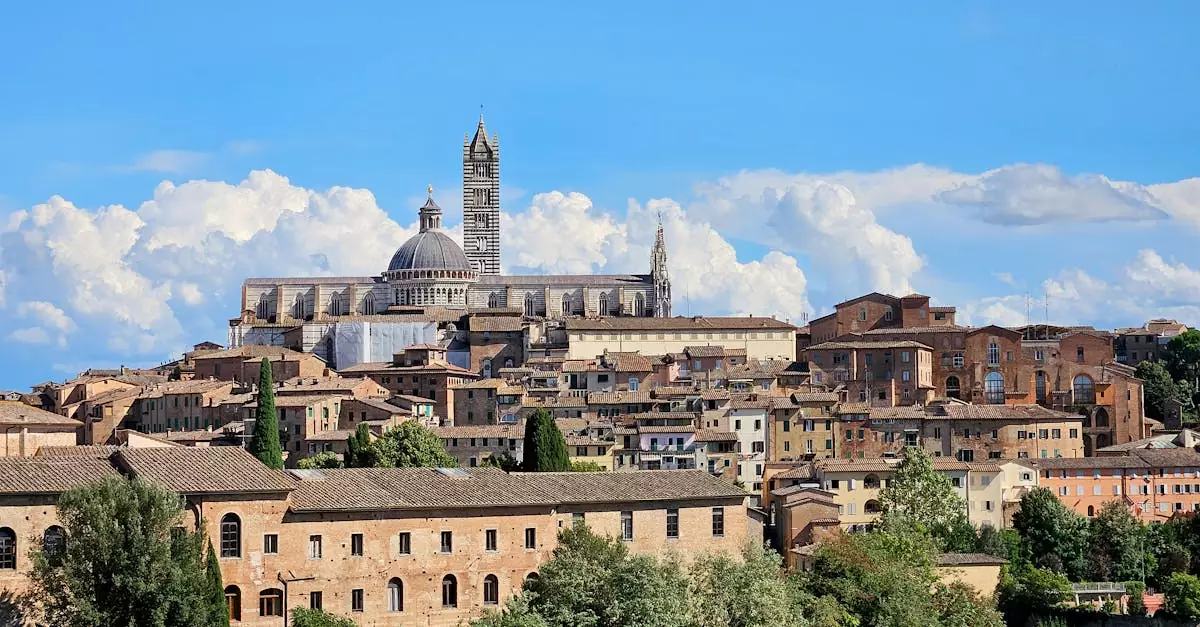
While Florence itself is breathtaking, venturing into the surrounding Tuscan countryside reveals even more stunning vistas. A day trip to Siena offers a chance to experience a medieval city with a magnificent central piazza, the Piazza del Campo, and impressive Gothic architecture. The rolling hills surrounding Siena provide a beautiful natural setting. Further afield, the medieval hilltop town of San Gimignano, famous for its well-preserved tower houses, offers dramatic views over the Tuscan landscape. These excursions are easily managed via bus or car rental, allowing you to witness more of the region’s scenic beauty and understand why Tuscany is celebrated globally.
Rome: Ancient Grandeur and Vibrant Street Scenes
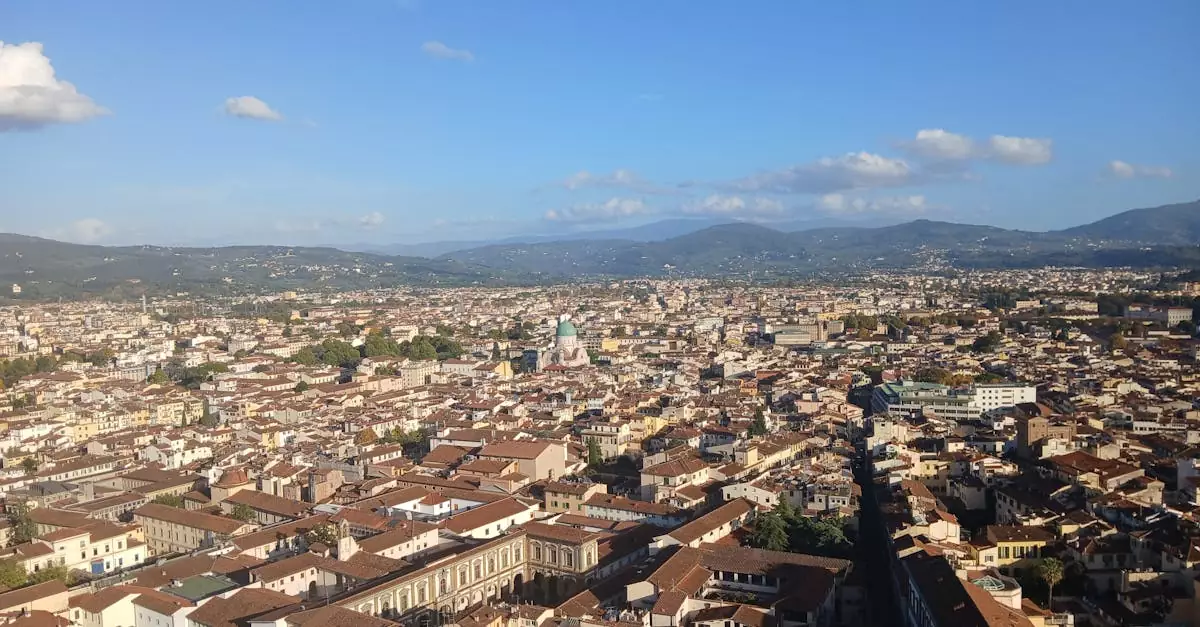
Rome, a city where history breathes from every cobblestone, offers a visual feast for any traveler. Its renowned vistas are not just about grand monuments but also about the intimate charm found in its winding streets and sun-drenched piazzas. The best scenic cities in Italy often blend historical weight with everyday life, and Rome excels at this. Planning a visit here requires understanding how to best capture these views, both photographically and experientially.
The Iconic View from Gianicolo Hill
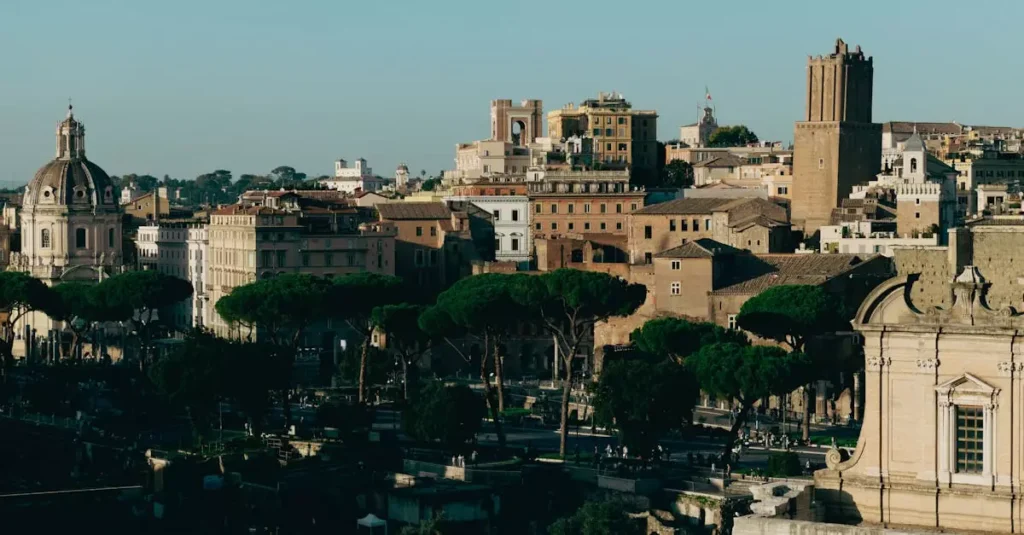
For an unparalleled panoramic perspective of Rome, head to Gianicolo Hill (Janiculum Hill). From this vantage point, the city unfolds beneath you—a sea of terracotta rooftops dotted with ancient domes and church spires. The view is particularly magical at sunrise and sunset when the light casts a warm, golden glow over the Eternal City. It’s a popular spot for locals and tourists alike, offering a moment of reflection above the bustling metropolis. Arrive early to secure a good position, especially if you plan to capture photographs. The walk up is pleasant, or you can take a taxi or bus.
Trastevere’s Enchanting Alleys and Piazza Santa Maria
The Trastevere neighborhood offers a different kind of scenic beauty, characterized by its bohemian atmosphere and picturesque charm. Wandering through its narrow, ivy-clad lanes feels like stepping back in time. Laundry hangs from balconies, artisans’ workshops line the streets, and the air buzzes with lively conversation from trattorias. The heart of Trastevere is Piazza Santa Maria, home to the stunning Basilica di Santa Maria in Trastevere, with its glittering mosaics. This piazza is a vibrant hub, perfect for people-watching from an outdoor café with gelato in hand.
Capturing the Pantheon’s Architectural Majesty
The Pantheon stands as a testament to Roman engineering and architectural genius. While its exterior is impressive, the true marvel is the interior, particularly the oculus—a circular opening at the apex of the dome that allows natural light to stream in. Standing beneath it, especially when a beam of sunlight pierces the vast space, is an unforgettable experience. The sheer scale and perfect symmetry are breathtaking. Photographers will find endless opportunities to capture its grandeur, from the intricate marble floor to the colossal Corinthian columns. Visiting during off-peak hours can provide a more serene encounter with this ancient wonder.
Best Times to Visit Rome’s Scenic Landmarks to Avoid Crowds
Experiencing Rome’s most scenic spots without the overwhelming crowds significantly enhances the visit. For iconic landmarks like the Colosseum, Roman Forum, and Vatican City, early morning or late afternoon are your best bets. The Gianicolo Hill view is best enjoyed at dawn or dusk for the light, but arriving slightly before sunrise ensures fewer people. Trastevere’s charm is more palpable during the day and early evening when the neighborhood is alive, but for quieter exploration of its alleys, aim for mid-morning.
Here’s a quick guide to timing for popular scenic spots:
| Landmark | Best Morning Time | Best Afternoon/Evening Time | Notes |
|---|---|---|---|
| Gianicolo Hill | Sunrise | Sunset | Light is best; can be crowded. |
| Trastevere | 10:00 AM – 12:00 PM | 5:00 PM onwards | Daytime for exploration, evening for atmosphere. |
| Pantheon | 9:00 AM – 10:00 AM | 4:00 PM – 5:00 PM | Shorter queues, better light inside. |
| Colosseum/Forum | 8:30 AM – 9:30 AM | 3:00 PM – 4:00 PM | Book tickets in advance. |
| Vatican Museums/Sistine Chapel | 8:00 AM – 9:00 AM | 3:00 PM – 4:00 PM | Consider guided tours for efficiency. |
The shoulder seasons, April to May and September to October, generally offer pleasant weather and fewer tourists than the peak summer months of June through August. Traveling in winter (November to March) can mean even smaller crowds, though the weather is cooler and daylight hours are shorter.
Cinque Terre: Coastal Villages Clinging to Cliffs
When considering Italy’s most scenic cities, the Cinque Terre region on the Ligurian coast deserves a prominent spot. This string of five ancient fishing villages—Monterosso al Mare, Vernazza, Corniglia, Manarola, and Riomaggiore—are dramatically perched on steep cliffs overlooking the Mediterranean Sea. Their vibrant, pastel-colored houses seem to tumble down towards the water, creating an unforgettable panorama. The region is a UNESCO World Heritage site, celebrated for its unique landscape shaped by centuries of human cultivation and its striking architectural harmony with nature.
Hiking the Blue Trail: Monterosso to Vernazza Views
The Sentiero Azzurro, or Blue Trail, is the most famous hiking path connecting the Cinque Terre villages. The segment between Monterosso al Mare and Vernazza offers some of the most iconic vistas. This moderate hike, typically taking around 1.5 to 2 hours, winds through terraced vineyards and olive groves, revealing breathtaking glimpses of the coastline. You’ll see Vernazza’s picturesque harbor emerge as you descend, a view that photographers and walkers alike will want to capture. Be prepared for uneven terrain and some steep sections.
Exploring Riomaggiore’s Colorful Harbor
Riomaggiore, the easternmost village, is characterized by its steep, narrow main street that leads down to a charming, rocky harbor. The colorful buildings stacked on top of each other create a vibrant scene, especially when reflected in the clear blue water. Wander through the narrow caruggi (alleyways), discover hidden trattorias serving fresh seafood, and soak in the lively atmosphere of this quintessential Italian Riviera village. The harbor itself is a hub of activity, with local fishing boats bobbing alongside small pleasure craft.
Photography Tips for Capturing the Ligurian Coastline
To truly capture the magic of the Cinque Terre, consider these photography tips. Golden hour, both at sunrise and sunset, casts a warm, magical light over the villages and the sea, enhancing the colors of the buildings and the dramatic landscape. For panoramic shots, hike to higher vantage points overlooking Vernazza or Manarola. When photographing Riomaggiore, focus on the stacked houses and the bustling harbor. Don’t forget to capture the details: the laundry hanging from windows, the fishing nets, and the winding staircases that define village life.
Getting Between the Cinque Terre Villages: Train vs. Boat
Navigating between the five villages is straightforward, with two primary methods: the regional train and the ferry. The Cinque Terre Express train runs frequently, connecting all five villages with short journey times. This is often the quickest and most convenient option, especially during peak season.
Alternatively, ferries offer a different perspective, allowing you to admire the villages from the water. Boat services typically run from late March to early November, weather permitting. While slower, the sea views of the villages clinging to the cliffs are spectacular.
Here’s a quick comparison:
| Transport Method | Pros | Cons | Best For |
|---|---|---|---|
| Train | Frequent, fast, year-round | Can be crowded, limited sea views | Efficient travel, all-weather option |
| Ferry | Stunning coastal views, scenic experience | Seasonal, weather-dependent, slower | Photography, leisurely sightseeing |
When planning your visit, consider purchasing a Cinque Terre Card, which often includes unlimited train travel on the local line and access to hiking paths. Accommodation within the villages is limited and books up far in advance; many visitors choose to stay in nearby La Spezia or Levanto for more options.
Frequently Asked Questions About Italy’s Scenic Cities
What are the best scenic cities in Italy for couples?
For romantic vistas, consider Venice, with its iconic canals and historic architecture, or Florence, renowned for its Renaissance art and panoramic views from Piazzale Michelangelo. Positano on the Amalfi Coast offers dramatic cliffside beauty and charming seaside ambiance. These cities provide a backdrop of unparalleled beauty for couples seeking memorable experiences.
Which Italian cities offer the most dramatic natural scenery?
Cities situated near dramatic natural landscapes include Siena in Tuscany, surrounded by rolling hills and vineyards, and Genoa, with its rugged coastline and the nearby Cinque Terre villages. Palermo in Sicily offers a vibrant urban experience against the backdrop of Mount Etna and stunning coastal views. These locations combine urban charm with impressive natural surroundings.
How can I travel between these scenic Italian cities affordably?
Traveling between Italy’s picturesque cities is most affordably done by train. The national rail service, Trenitalia, offers extensive routes connecting major and smaller towns. Booking tickets in advance, especially for high-speed routes, can secure significant savings. For shorter distances or more remote areas, regional buses are also a cost-effective option.
Here’s a general overview of transportation costs:
| Route Example | Train Type | Approximate Cost (EUR) | Travel Time |
|---|---|---|---|
| Rome to Florence | High-Speed | €30-€60 | 1.5 hours |
| Florence to Venice | High-Speed | €40-€80 | 2 hours |
| Naples to Positano | Regional Train + Bus | €10-€20 | 2-3 hours |
Consider purchasing a rail pass if you plan extensive travel across multiple regions.
When is the ideal time of year to visit Italy’s most picturesque urban destinations?
The shoulder seasons, spring (April to June) and fall (September to October), are generally considered the best times to visit Italy’s scenic cities. During these months, the weather is pleasant, with fewer crowds than the peak summer season. This allows for a more relaxed experience when enjoying attractions and navigating city streets.
- Spring: Wildflowers bloom, temperatures are mild, and outdoor dining is a delight.
- Summer (July-August): Hottest months, highest crowds, and peak prices.
- Fall: Harvest season in wine regions, beautiful autumn colors, and comfortable temperatures.
- Winter (November-March): Coldest months, fewer tourists, lower prices, but some attractions may have reduced hours.
Visiting during these periods enhances the enjoyment of the stunning urban landscapes and surrounding natural beauty.