
The United Kingdom is a treasure trove of history, with countless sites that offer a tangible connection to the past. From the ancient stones of prehistoric monuments to the grand halls of royal palaces and enduring structures of industrial innovation, exploring these landmarks provides a unique journey through time. If you’re planning a trip and seeking inspiration, discovering the best UK heritage sites is a fantastic way to understand the nation’s rich and varied story.
This guide will help you navigate some of the most significant and captivating historical locations across England, Scotland, and Wales. You’ll learn about iconic landmarks that have shaped British history, uncover hidden gems that offer a more intimate glimpse into bygone eras, and find practical advice on planning your own unforgettable heritage adventure. Prepare to step back in time and immerse yourself in centuries of history.
Unearthing the UK’s Best Heritage Sites: A Grand Tour

The United Kingdom boasts a rich tapestry of historical sites, each whispering tales of ancient civilizations, royal dramas, and pivotal moments in history. Planning a journey through these landmarks offers a unique opportunity to connect with the past and grasp the evolution of this island nation. From prehistoric stone circles to imposing medieval fortresses, these best UK heritage sites provide a tangible link to bygone eras.
Stonehenge: Prehistoric Marvels on Salisbury Plain
Standing sentinel on Salisbury Plain, Stonehenge is an enigmatic Neolithic monument that continues to baffle archaeologists and captivate visitors. This UNESCO World Heritage site, comprising a ring of massive standing stones, dates back over 4,500 years. Its purpose remains debated, with theories ranging from a burial ground to an astronomical observatory.
Visiting Stonehenge requires advance booking, especially during peak season. The site is managed by English Heritage, and information on tickets and access is readily available on their website. Transportation options include car hire from major cities like London or Salisbury, or joining an organized tour. The visitor centre provides excellent context with exhibits and a reconstructed Neolithic village.
Roman Baths of Bath: Stepping Back into Ancient Britannia
In the charming city of Bath, the remarkably preserved Roman Baths offer a glimpse into daily life during Roman Britain. Built around natural hot springs, this ancient spa complex was a hub of social and recreational activity for centuries. The Great Bath, with its steaming green water, is a stunning centerpiece, surrounded by the remains of temples, changing rooms, and saunas.
Centrally located, the site is easily accessible on foot from most accommodations. A visit typically takes 2-3 hours, allowing ample time to absorb the history and admire the intricate Roman engineering. The adjacent Pump Room offers a Georgian-era dining experience, a delightful contrast to the ancient ruins.
Hadrian’s Wall: A Northern Frontier of the Roman Empire
Stretching 73 miles across the rugged landscape of northern England, Hadrian’s Wall represents a remarkable feat of Roman military engineering. Commissioned by Emperor Hadrian in 122 AD, it marked the northernmost boundary of the Roman Empire for nearly 300 years. Today, sections of the wall, along with forts and milecastles, remain remarkably intact.
Exploring Hadrian’s Wall is best done by car, allowing flexibility to stop at various points of interest, such as Housesteads Roman Fort or Vindolanda. Several sections are accessible for walking, with well-maintained paths offering breathtaking views. The Hadrian’s Wall Path provides a long-distance hiking challenge for the more adventurous. Consider visiting during late spring or early autumn for milder weather and fewer crowds.
Tower of London: Centuries of Royal History and Intrigue
The Tower of London, a historic castle on the north bank of the River Thames, is famous for its roles as a royal palace, prison, and treasury. Founded by William the Conqueror in 1066, its imposing White Tower has witnessed pivotal events in British history, from royal executions to the safeguarding of the Crown Jewels.
A visit to the Tower of London offers a deep dive into centuries of British monarchy and national narrative. Allow at least 3-4 hours to fully appreciate the Yeoman Warder tours (Beefeater tours), the Crown Jewels exhibition, and the various towers and ramparts. The Tower is easily reached via the London Underground, with Tower Hill station providing direct access. It’s a key destination for anyone interested in the UK’s royal heritage.
Exploring Medieval Castles: Fortresses of the Past

The United Kingdom is home to an incredible collection of medieval castles, each with a unique story etched into its stone walls. These formidable structures connect to centuries of history, from royal power struggles to defensive might. Visiting these sites is a journey back in time, revealing the architectural ingenuity and strategic importance of these ancient strongholds.
Warwick Castle: A Knight’s Tale of Power and Pageantry
Warwick Castle exemplifies a medieval fortress, offering a vivid glimpse into the lives of its former inhabitants. Originally built by William the Conqueror in 1068, it has witnessed centuries of conflict and royal intrigue. Today, visitors can immerse themselves in a living history experience, with costumed interpreters, jousting tournaments, and immersive shows. The castle’s ramparts provide commanding views of the surrounding countryside, and its State Apartments showcase opulent interiors from later periods.
Allow a full day to fully appreciate Warwick Castle, especially if attending the various live performances. The castle is easily accessible by train, with a short walk from Warwick station. Consider purchasing tickets online in advance, particularly during peak season, to secure your entry and potentially save money.
Edinburgh Castle: Scotland’s Iconic Royal Stronghold
Perched dramatically atop an extinct volcanic rock, Edinburgh Castle is an unmissable landmark in Scotland’s capital. This historic fortress has served as a royal residence, military garrison, and prison, playing a pivotal role in Scottish history. Its crown jewels, the Honours of Scotland, are a major draw, alongside the Great Hall and the National War Museum of Scotland housed within its walls. The castle esplanade is also famous for hosting the annual Royal Edinburgh Military Tattoo.
Getting to Edinburgh Castle is straightforward, with numerous bus routes serving the Royal Mile. Be prepared for a steep climb to the entrance, and wear comfortable shoes. The castle can be very busy, so arriving early in the morning is recommended. Booking tickets in advance online is highly advisable to avoid long queues.
Conwy Castle: The Mighty Welsh Fortress
Conwy Castle in North Wales is a UNESCO World Heritage site and one of the most impressive medieval fortifications in Britain. Commissioned by King Edward I and built between 1283 and 1287, it was designed to assert English dominance over Wales. Its imposing curtain walls, eight massive towers, and dramatic setting on a rocky outcrop make it a breathtaking sight. Walking along the battlements offers spectacular views of the town, the River Conwy, and the surrounding Snowdonia National Park.
Conwy Castle is accessible by train, with the station located a short walk from the castle entrance. Consider combining your visit with a walk along the town walls, which are remarkably well-preserved. The site can be exposed to the elements, so checking the weather forecast and dressing appropriately is essential.
Dover Castle: The ‘Key to England’ and its Wartime Tunnels
Dover Castle, often referred to as the “Key to England,” holds immense historical significance due to its strategic location overlooking the English Channel. This vast complex has been occupied since Roman times, but its medieval and wartime structures are particularly compelling. Visitors can explore the King’s Great Hall, the medieval apartments, and, most famously, the extensive network of underground tunnels that served as a hospital and command center during World War II.
The castle is easily reached by car or public transport from Dover town center. Allow at least half a day to explore the castle and its tunnels. The underground tours are particularly popular and can be atmospheric; booking these in advance is recommended. Be aware that some areas within the tunnels can be damp and uneven.
Industrial Revolution Landmarks: Shaping Modern Britain
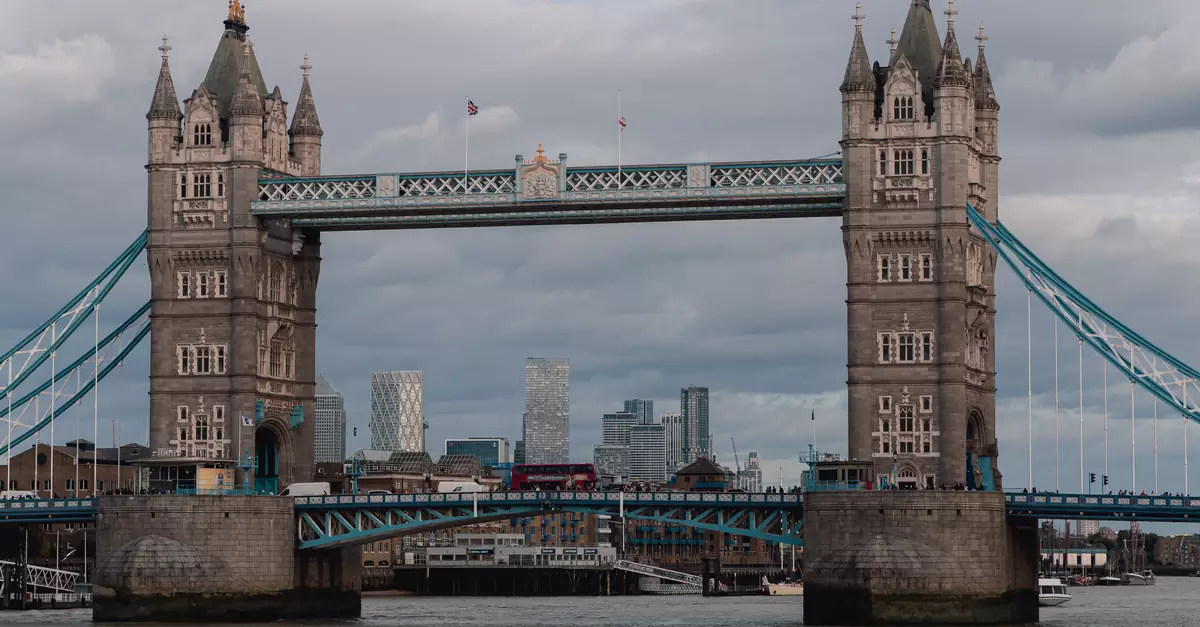
The Industrial Revolution, a period of profound technological and societal change, left an indelible mark on Britain. Visiting its key sites offers a tangible connection to the innovations that powered the modern world. These locations aren’t just historical markers; they provide immersive experiences that reveal the ingenuity, ambition, and human cost of this transformative era.
Ironbridge Gorge: Birthplace of the Industrial Revolution
Recognized as a UNESCO World Heritage site, Ironbridge Gorge in Shropshire is widely considered the cradle of the Industrial Revolution. This valley is home to a cluster of 10 museums, each telling a different story of innovation. The iconic Iron Bridge, the world’s first major cast-iron bridge, stands as a testament to the engineering prowess of the time.
Beyond the bridge, you can explore the Blists Hill Victorian Town, a living history museum where costumed interpreters bring the past to life. Here, visitors can witness demonstrations of traditional crafts, sample Victorian food, and experience daily life in a 19th-century industrial community. The Coalport China Museum showcases exquisite ceramics, while the Jackfield Tile Museum displays intricate decorative tiles.
Planning Your Visit:
- Getting There: Ironbridge Gorge is accessible by car via the M54 motorway. The nearest train stations are Telford and Wolverhampton, with bus connections available.
- Time Needed: Allocate at least one full day to explore the main attractions, though multiple days are recommended to fully appreciate the breadth of the museums.
- Budget: Entry to individual museums varies, but a Passport Ticket offers access to all 10 sites and is the most economical option for avid history enthusiasts.
Saltaire Village: A Victorian Model Industrial Community
Located in West Yorkshire, Saltaire is a remarkably preserved 19th-century industrial village. It was built by Sir Titus Salt, a visionary textile magnate, to house his workers and provide them with superior living conditions. The village exemplifies Victorian paternalism, featuring well-built terraced houses, a church, schools, and recreational facilities, all designed with a strong emphasis on health and community.
The centerpiece of Saltaire is Salts Mill, a vast former textile mill that has been ingeniously repurposed. Today, it houses galleries, independent shops, restaurants, and workspaces. The David Hockney 1853 Gallery, located within the mill, is a significant draw, displaying a large collection of the artist’s work. Walking through the village, you can still feel the ordered, community-focused atmosphere that Salt intended.
Logistics and Insights:
- Transportation: Saltaire is easily reached by train from Leeds or Bradford. The village is highly walkable once you arrive.
- Accommodation: While Saltaire itself has limited overnight options, nearby Bradford and Leeds offer a wide range of hotels and guesthouses.
- Best Time to Visit: Spring and summer offer pleasant weather for exploring the village and its surroundings. The annual Saltaire Festival in September is a vibrant celebration of arts and culture.
North of England’s Mining Heritage: Echoes of the Coal Era
The industrial might of Britain was fueled by coal, and the North of England holds a deep and often poignant mining heritage. Sites like the Beamish Museum in County Durham offer an unparalleled glimpse into the lives of coal miners and their families. This open-air museum recreates an entire town and village from the early 20th century, including a pit village and a colliery.
Further north, the National Coal Mining Museum for England in Wakefield, West Yorkshire, allows visitors to descend into a former coal mine. Experienced ex-miners guide tours, sharing firsthand accounts of the challenges and camaraderie of underground work. These sites are crucial for understanding the social and economic impact of mining, a sector that shaped communities for generations.
Understanding the Experience:
- Emotional Resonance: Visiting these sites can be an emotional experience, highlighting the bravery and hardship of mining communities.
- Educational Value: They provide vital context for understanding Britain’s industrial past and the foundations of its modern economy.
- Accessibility: Many mining heritage sites are well-equipped for visitors, though some underground tours may have physical limitations. Always check accessibility information in advance.
What Are the Most Underrated UK Heritage Gems?
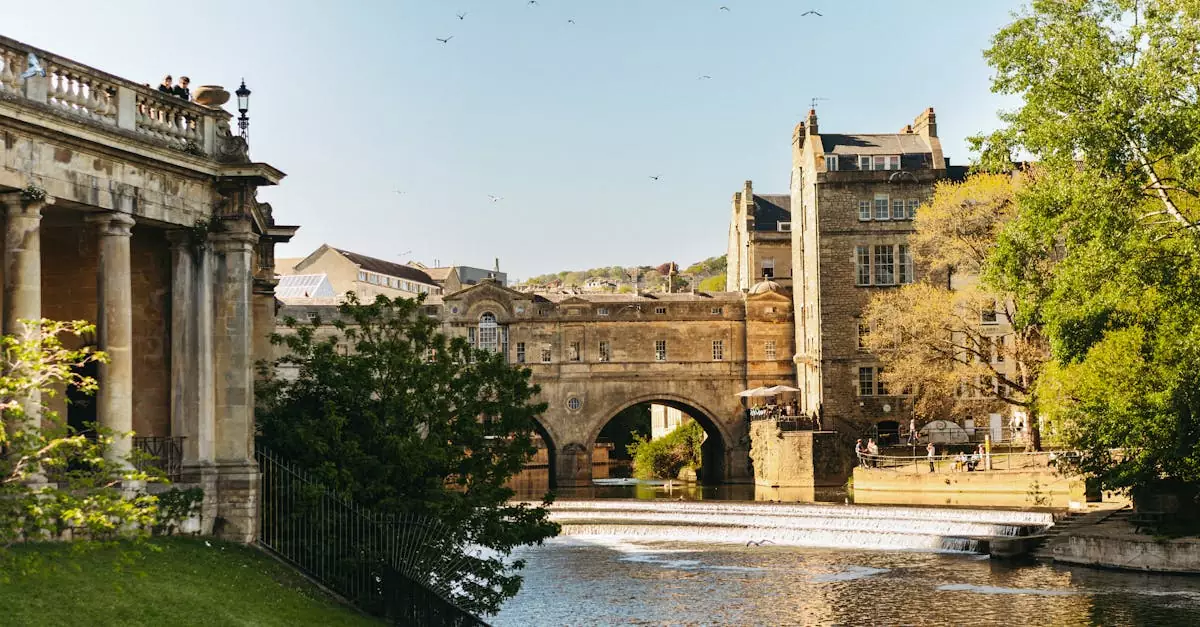
While many visitors flock to well-known landmarks, the UK is home to a wealth of lesser-known heritage sites that offer profound historical insights and stunning scenery. These locations often provide a more intimate and reflective experience, allowing travelers to connect with the past without the crowds. Discovering these hidden treasures can elevate a trip, revealing the depth and diversity of British history.
Fountains Abbey and Studley Royal Water Garden: Yorkshire’s Tranquil Ruins
Fountains Abbey in North Yorkshire presents a captivating blend of medieval monastic ruins and elegant Georgian water gardens. Founded in 1132, the Cistercian abbey’s skeletal remains stand as a testament to centuries of religious life and architectural ambition. Wandering through the vast nave and cloister areas, it’s easy to imagine the daily routines of the monks who once inhabited this expansive site.
Adjacent to the abbey, the Studley Royal Water Garden, a UNESCO World Heritage site, offers a striking contrast. Designed in the 18th century, its formal canals, ornamental lakes, and classical follies showcase a different era of landscape artistry. The interplay between the romantic ruins and the meticulously planned gardens creates a unique and breathtaking panorama. Visiting Fountains Abbey is best enjoyed on a clear day, allowing the light to play across the stone and water features. Allow at least three to four hours to fully appreciate both the abbey and the gardens.
Skara Brae: Neolithic Village in the Orkney Islands
Journeying to the Orkney Islands in Scotland reveals Skara Brae, one of Europe’s most remarkable Neolithic settlements. This remarkably preserved village dates back over 5,000 years, predating both Stonehenge and the Great Pyramids of Giza. The stone houses, complete with beds, dressers, and hearths, offer an unparalleled glimpse into the daily lives of prehistoric people.
The site’s location on the windswept coast of Mainland Orkney adds to its dramatic atmosphere. Imagine the lives of these ancient communities as you peer into their well-preserved dwellings. The nearby Skaill House provides further context with its museum and artifacts unearthed from the site. Access to Orkney typically involves flights from mainland Scotland or a ferry crossing, making it a more adventurous addition to a UK itinerary. Consider visiting during the spring or summer months for milder weather and longer daylight hours, though be prepared for changeable conditions.
Blenheim Palace: Birthplace of Winston Churchill and Baroque Grandeur
Blenheim Palace in Oxfordshire stands as a monumental example of English Baroque architecture and a significant historical landmark. This magnificent stately home, a designated UNESCO World Heritage site, is not only a masterpiece of design but also the birthplace of Sir Winston Churchill. The sheer scale of the palace, with its opulent state rooms, vast library, and impressive collection of art and furnishings, is awe-inspiring.
The palace grounds, designed by Capability Brown, are equally impressive, featuring rolling parkland, formal gardens, and a serene lake. Exploring the palace offers a deep dive into the history of the Spencer-Churchill family and the political landscape of Britain. A visit here can easily fill a full day, with opportunities to tour the house, wander the gardens, and learn about Churchill’s early life. Blenheim Palace is conveniently located and accessible by car or public transport from London, making it a feasible day trip or a highlight of a Cotswolds tour.
Planning Your Heritage Site Itinerary: Best Time to Visit and Travel
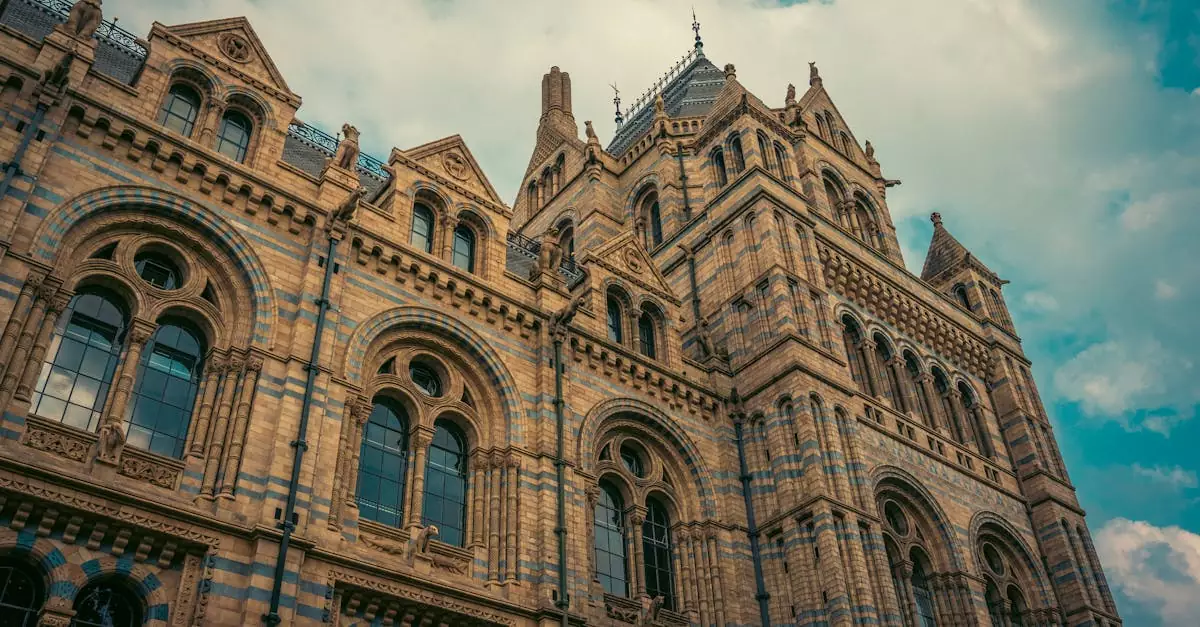
Embarking on a journey through the UK’s rich history requires thoughtful planning. Understanding the best times to visit, how to get around, where to stay, and how much to budget will ensure a seamless and memorable experience exploring these incredible heritage sites.
Optimal Seasons for Exploring UK Heritage Sites
The United Kingdom offers distinct experiences throughout the year, with each season presenting unique advantages for visiting its historic treasures.
Spring (April-May): This is a fantastic time to see the UK’s heritage sites. Wildflowers bloom across ancient landscapes, and the weather is generally mild, though rain is always a possibility. Crowds are typically smaller than in peak summer, making for a more intimate experience at popular locations.
Summer (June-August): Summer offers the warmest weather and longest daylight hours, ideal for maximizing your sightseeing time. This is the busiest season, however, so expect larger crowds and higher prices for accommodation and transport. Many outdoor heritage events and festivals also take place during these months.
Autumn (September-October): Many consider autumn the most beautiful season for a heritage tour. The landscapes are ablaze with color, and the summer crowds have dispersed. The weather can be crisp and cool, perfect for walking around historic castles and ruins.
Winter (November-March): While colder and with shorter days, visiting heritage sites in winter can offer a unique, atmospheric perspective. Some sites may have reduced opening hours or be closed, so always check in advance. You’ll encounter the fewest crowds, and the festive lights around Christmas can add a special charm to historic towns.
Navigating Between Historic Locations: Train vs. Car
Deciding how to travel between the best UK heritage sites significantly impacts your trip’s flexibility and cost. Both trains and cars have their merits.
Train Travel: The UK boasts an extensive rail network connecting major cities and many towns close to heritage attractions. This is often the most relaxing way to travel, allowing you to enjoy the scenery without the stress of driving. Booking tickets in advance can secure significant savings. Many historic city centers are also highly walkable once you arrive by train.
Car Rental: Renting a car provides the ultimate flexibility, especially if you plan to visit more remote or rural heritage sites not easily accessible by public transport. It allows you to set your own pace and make spontaneous stops. However, be prepared for narrow country lanes, potential traffic, and parking costs at popular attractions. Driving on the left is also a key consideration for visitors from abroad.
| Transportation Method | Pros | Cons | Best For |
|---|---|---|---|
| Train | Relaxing, scenic, avoids parking hassles | Less flexible for remote sites, can be costly | City-based heritage sites, solo travelers, those avoiding driving |
| Car Rental | Maximum flexibility, access to remote areas | Driving stress, parking costs, narrow roads | Rural heritage sites, families, groups, flexible itineraries |
Accommodation Options Near Key Heritage Attractions
Choosing the right place to stay can enhance your heritage experience. Options range from charming historic inns to modern hotels.
Boutique Hotels and Guesthouses: Often found in historic towns or near major attractions, these offer character and personalized service. They provide a comfortable base and a chance to immerse yourself in the local atmosphere.
Chain Hotels: For reliable comfort and amenities, well-known hotel chains are available in most cities and larger towns. They offer a consistent standard and are often conveniently located near transport links.
Self-Catering Cottages and Apartments: Ideal for families or longer stays, these provide more space and the flexibility to prepare your own meals. Many are situated in picturesque rural settings, offering a peaceful retreat after a day of sightseeing.
Hostels: A budget-friendly option, hostels are prevalent in larger cities and tourist hubs, offering dormitory-style or private rooms. They are excellent for solo travelers looking to meet others.
When booking, consider proximity to your desired heritage sites and public transport connections. Booking accommodation well in advance is particularly crucial during peak season to secure the best options and rates.
Budgeting for Your Heritage UK Adventure
The cost of visiting the UK’s heritage sites can vary significantly based on your travel style, chosen destinations, and time of year.
Attraction Entry Fees: Many historic castles, abbeys, and stately homes charge admission. Consider purchasing a membership with organizations like the National Trust or English Heritage if you plan to visit multiple properties within their care, as this can offer substantial savings.
Transportation Costs: Train tickets booked in advance can be economical, but last-minute or peak-time fares can be high. Car rental, fuel, and parking add up, especially for longer distances.
Accommodation: Prices fluctuate greatly by location and season. Expect to pay more in popular tourist hotspots like London or the Cotswolds during summer. Budget accommodations like hostels or budget hotel chains can significantly reduce expenses.
Food and Drink: Eating at pubs and cafes generally offers better value than fine dining. Self-catering some meals can also help manage your budget.
A rough daily budget might range from £70-£100 per person for budget travelers (staying in hostels, self-catering some meals, using public transport) to £150-£250+ per person for mid-range to luxury travelers (staying in hotels, dining out, renting a car). Always factor in a buffer for unexpected expenses.
Frequently Asked Questions About Visiting UK Heritage Sites
Are UK heritage sites suitable for family visits?
Absolutely. Many of the UK’s best heritage sites are designed with families in mind. Sites like Hadrian’s Wall offer interactive exhibits and ranger-led activities that engage younger visitors. Castles often have dress-up areas, and Roman forts provide a glimpse into ancient life that can spark children’s imaginations. Always check the specific site’s website for family-friendly facilities and events.
What are the best photography spots at these historic locations?
Photography opportunities abound at UK heritage sites. For dramatic landscapes, consider the rugged coastlines of Cornwall, home to sites like Tintagel Castle. For architectural grandeur, Bath’s Roman Baths offer unique perspectives, especially in the early morning light. Stone circles like Stonehenge present iconic photographic moments, though access restrictions may apply. For a more intimate feel, many abbeys and cathedrals provide stunning interior shots, but always be mindful of photography policies.
Can I explore multiple heritage sites in a single day trip?
It’s often possible to visit several heritage sites in a single day, especially if they are geographically close. For instance, in Bath, you can easily combine the Roman Baths with the Georgian architecture of the Royal Crescent. Similarly, the area around York offers the Minster, the Shambles, and nearby Roman ruins within a short distance. However, factor in travel time between locations and allow ample time to appreciate each site. Some larger sites, like the prehistoric settlements of Orkney, require dedicated days.
What should I pack for a trip focused on UK heritage sites?
Packing for a heritage site visit requires preparation for varied weather. Comfortable walking shoes are essential, as you’ll likely be covering a lot of ground, often on uneven surfaces. Layers are key; a waterproof jacket is a must, even in summer, as British weather can be unpredictable. Don’t forget sun protection, including sunscreen and a hat, for sunny days. A portable charger for your devices is useful for navigation and photography. If visiting more remote locations, consider bringing snacks and water, as facilities can be sparse.