
Beyond the iconic cities, Canada boasts a treasure trove of charming small towns, each revealing a unique aspect of the country’s diverse character and natural beauty. If you’re seeking an escape that combines authentic local culture with stunning landscapes, exploring the best small towns in Canada might be just what you need.
This guide will lead you off the beaten path to discover destinations where you can stroll through historic streets, savor regional flavors, and experience the heart of Canadian hospitality. We’ll traverse the rugged coastlines of the East, the majestic mountains of the West, and the serene countryside of Central Canada, uncovering hidden gems that promise an unforgettable travel experience. Prepare to be enchanted by the slower pace of life and the genuine warmth of these remarkable communities.
Why Choose Canada’s Best Small Towns for Your Next Vacation?
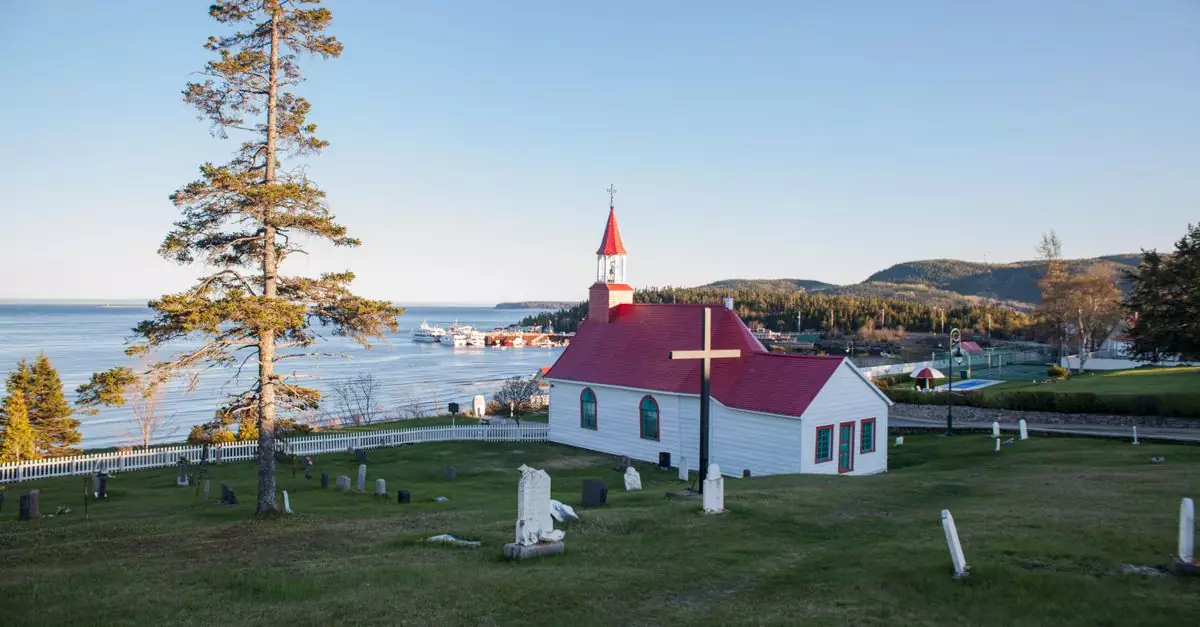
Opting for Canada’s best small towns offers a refreshing alternative to bustling city breaks. These destinations provide a chance to connect with the country’s essence, away from the tourist crowds. Here, you’ll find a more intimate and authentic Canadian experience, characterized by genuine hospitality and a slower rhythm.
Experiencing Authentic Canadian Culture Beyond the Cities
Canada’s charm extends well beyond its metropolitan hubs. In its smaller communities, you can immerse yourself in local traditions, from farmers’ markets filled with regional produce to community festivals celebrating unique heritage. Many towns boast rich histories, evident in their architecture and the stories shared by residents. Engaging with these elements provides a deeper understanding of Canadian identity and values, often more elusive in larger urban centers.
Here, you can sample regional specialties, whether it’s freshly caught seafood on the coast or hearty stews inland. You might discover a local storytelling event or a community jam session. This direct interaction with local culture is a significant draw for travelers seeking genuine connections.
The Appeal of Quaint Streets and Local Artisans
Wandering through the streets of Canada’s small towns is an experience in itself. Imagine historic main streets lined with independent boutiques, art galleries, and craft shops. These are places where local artisans showcase their talents, offering unique, handcrafted souvenirs that tell a story. Unlike mass-produced goods, these items reflect the region and the maker.
You’ll find everything from intricate pottery and hand-knitted woolens to landscape paintings and artisanal food products. Meeting the creators and learning about their craft enriches your purchases and enhances your overall travel experience. This focus on local craftsmanship fosters a sense of place and appreciation for the skills within the community.
Finding Peace and Natural Beauty in Undiscovered Canada
Many of Canada’s best small towns are nestled amidst breathtaking natural landscapes. Whether it’s the rugged coastlines of the Maritimes, the majestic mountains of the Rockies, or the tranquil lakes of the Canadian Shield, these locations offer unparalleled access to the great outdoors. Visitors can enjoy activities like hiking, kayaking, fishing, or simply soaking in the scenic views without the commercialization often found in more popular tourist areas.
The tranquility of these settings is a major advantage. Imagine waking up to birdsong instead of traffic or enjoying a quiet evening under a canopy of stars. This peaceful environment is a welcome respite for those looking to de-stress and recharge. Planning your visit during the shoulder seasons, such as late spring or early fall, can enhance this sense of solitude and offer vibrant displays of nature, like autumn foliage or spring wildflowers. For those traveling from afar, understanding the vastness of North America and its diverse climates is key to packing appropriately for your small-town adventure.
Top Small Towns in Western Canada for Nature Lovers
Western Canada boasts rugged, wild beauty that attracts visitors seeking adventure and tranquility. Beyond the major cities, a collection of charming small towns offers direct access to stunning landscapes, unique local culture, and memorable experiences. These destinations are perfect for travelers eager to immerse themselves in the great outdoors without sacrificing comfort.
Exploring Banff’s Charming Neighbour: Canmore, Alberta
Just a short drive east of Banff National Park, Canmore, Alberta, provides a local and less crowded perspective on the Canadian Rockies. This vibrant mountain town sits at the gateway to Kananaskis Country, a vast provincial park system known for its pristine wilderness, challenging hikes, and abundant wildlife. Unlike its famous neighbor, Canmore has a distinct community feel, with a thriving arts scene, independent shops, and diverse culinary offerings.
Outdoor enthusiasts will find endless opportunities. Popular activities include hiking trails like Grassi Lakes or Ha Ling Peak for panoramic views, mountain biking on dedicated circuits, and exploring the dramatic Three Sisters peaks that dominate the skyline. In winter, the area transforms into a snowy wonderland, offering cross-country skiing, snowshoeing, and even ice climbing. Canmore also serves as an excellent base for day trips into Banff, providing easier access to iconic spots like Lake Louise and Moraine Lake, especially during peak seasons when parking can be challenging.
Getting to Canmore: Canmore is easily accessible via a scenic drive from Calgary International Airport (YYC), approximately 1.5 hours away. Rental cars are highly recommended for exploring the surrounding areas.
Accommodation: Options range from luxury hotels and cozy bed and breakfasts to well-equipped vacation rentals and campgrounds.
Whistler, British Columbia: More Than Just Skiing
Globally recognized as a premier ski destination, Whistler, British Columbia, offers a compelling year-round appeal that extends far beyond its slopes. Nestled in the Coast Mountains, this purpose-built resort town seamlessly blends world-class amenities with unparalleled access to alpine scenery. The pedestrian-friendly village core buzzes with activity, featuring a wide array of restaurants, shops, and cultural attractions.
Summer in Whistler is equally spectacular. The landscape transforms into a hiker’s and biker’s paradise, with extensive trail networks accessible via the Peak 2 Peak Gondola and other lifts. Popular activities include zip-lining, white-water rafting, and kayaking on pristine lakes. The Whistler Olympic Plaza often hosts events and festivals, adding to the lively atmosphere. The sheer scale of the mountains and the vibrant village make it a dynamic destination for active travelers.
Transportation within Whistler: The resort is designed for walkability, with a free bus system connecting different areas of the village and trailheads.
Seasonal Highlights:
- Winter: World-class skiing and snowboarding, snowshoeing, tubing, ice skating.
- Summer: Hiking, mountain biking, gondola rides, lake activities, festivals.
Dawson City, Yukon: Gold Rush History and Midnight Sun
Step back in time in Dawson City, Yukon, the heart of the Klondike Gold Rush. This historic town, located at the confluence of the Yukon and Klondike Rivers, preserves the rugged spirit of the late 19th century with its boardwalks, wooden buildings, and palpable sense of history. It’s an ideal destination for those fascinated by the stories of prospectors and adventurers.
During summer, Dawson City experiences the phenomenon of the Midnight Sun, with daylight lasting nearly 24 hours. This extended daylight allows ample time to explore National Historic Sites like the Palace Grand Theatre and the SS Keno. A visit to the iconic Diamond Tooth Gerties Gambling Hall offers a taste of the town’s colorful past. For a truly unique experience, consider a scenic flight over the vast wilderness or a boat tour on the Yukon River. The remote location and distinct culture provide an authentic glimpse into Canada’s frontier history.
Getting to Dawson City: Access is typically via a flight to Whitehorse, Yukon’s capital, followed by a scenic drive (approximately 530 km or 330 miles) along the Klondike Highway. This journey itself is an adventure, showcasing the vast northern landscape.
Traveler Tip: Pack layers for variable weather, even in summer. The Yukon’s climate can change quickly.
Quaint Coastal Villages and Maritime Delights in Eastern Canada
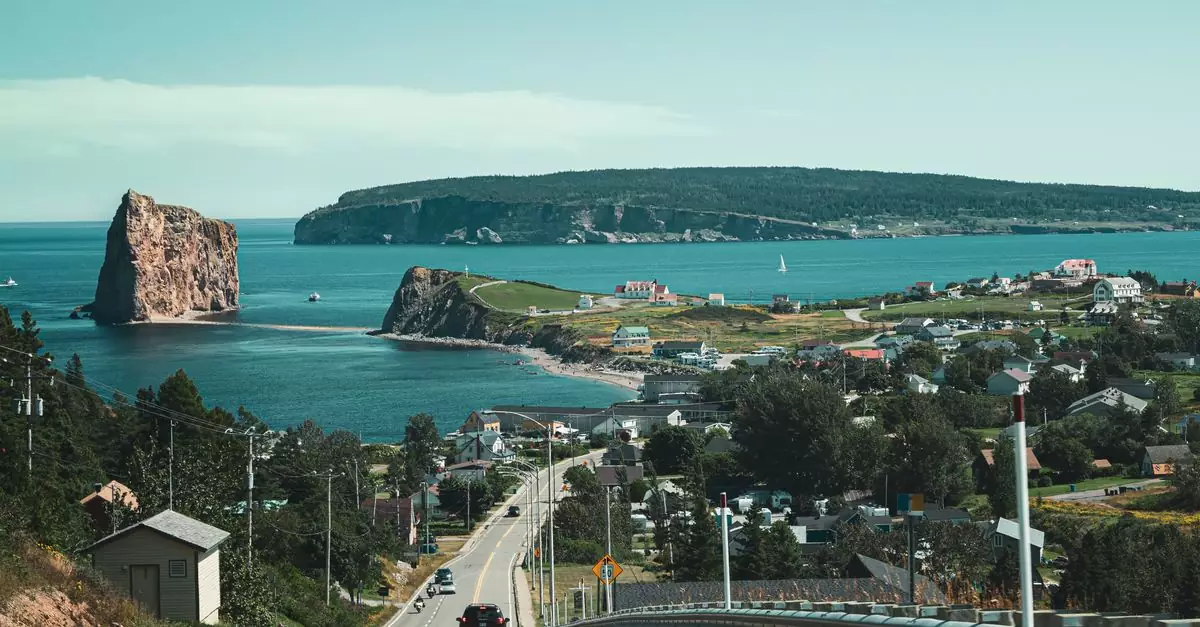
Eastern Canada’s Atlantic provinces offer distinct charm, where rugged coastlines meet welcoming communities. These maritime destinations provide a slower pace of life, steeped in history and natural beauty, making them ideal for a relaxing escape.
Lunenburg, Nova Scotia: UNESCO World Heritage Charm
Lunenburg, Nova Scotia, stands out as a living museum. This UNESCO World Heritage site boasts a remarkably preserved colonial settlement, characterized by colorful wooden buildings and steep hillside streets. The town’s heritage is deeply tied to the sea, particularly its proud tradition of Grand Banks fishing schooners, famously represented by the Bluenose II.
Visitors can immerse themselves in this maritime legacy by visiting the Fisheries Museum of the Atlantic, located right on the waterfront. Walking through the town reveals architectural gems and offers glimpses into its seafaring past. The harbor is a constant hub of activity, with fishing boats and pleasure craft creating a picturesque scene.
Getting There: Lunenburg is approximately a 1.5-hour drive from Halifax Stanfield International Airport (YHZ). Renting a car is the most convenient way to reach and explore the area.
Best Time to Visit: Summer (June to August) offers the warmest weather and a vibrant atmosphere, with festivals and outdoor activities. Fall (September to October) brings beautiful foliage and fewer crowds.
Where to Stay: Options range from historic inns in the town center to charming bed and breakfasts overlooking the harbor.
St. Andrews, New Brunswick: Seaside Elegance and Wildlife
St. Andrews, New Brunswick, exudes refined seaside elegance. This charming town, situated on Fundy Bay, is known for its well-preserved Loyalist architecture, manicured gardens, and a sophisticated yet relaxed atmosphere. It’s a destination that appeals to those seeking natural beauty combined with historic grandeur.
A major draw is the St. Andrews Biological Station, Canada’s oldest marine research facility, which offers insights into the rich marine life of the Bay of Fundy. Whale watching tours depart regularly from the town, providing opportunities to see humpbacks, minkes, and fin whales. The town itself is a pleasure to wander, with boutique shops, art galleries, and excellent dining options.
Logistics: St. Andrews is about a 2.5-hour drive from Halifax and approximately 45 minutes from the US border crossing at Calais, Maine.
Traveler Tip: Consider visiting during the summer months for the best weather and the highest chance of spotting marine wildlife. The town is also popular for golfers, with the renowned Algonquin Resort offering a championship course.
Fogo Island, Newfoundland and Labrador: Unique Island Culture
Fogo Island, off the northeast coast of Newfoundland and Labrador, offers an experience unlike any other in Canada. This remote island community has a rich history of salt cod fishing and a resilient culture shaped by its isolation and the power of the North Atlantic. The landscape is dramatic, with rolling bogs, rocky shores, and stark beauty.
The island gained international recognition through the Fogo Process, a groundbreaking community development initiative in the 1960s, and more recently, through the striking contemporary architecture of the Fogo Island Inn. The Inn, a beacon of sustainable tourism, also serves as a cultural hub, showcasing local art and crafts. Visitors can engage with the island’s heritage by visiting traditional fishing stages, learning about its unique geology, and meeting the warm, welcoming locals.
Getting to Fogo Island: Access involves a drive to Farewell, Newfoundland, followed by a ferry crossing to Stag Harbour on Fogo Island. This journey is part of the adventure, requiring planning for ferry schedules.
Cultural Immersion: Engage with local artists, visit Brimstone Head, one of the four corners of the Earth according to the Flat Earth International Association, and listen to the stories of island life. The island’s remoteness adds to its unique appeal, offering a true escape from the everyday.
Hidden Gems and Artistic Hubs in Central Canada

Central Canada presents a rich tapestry of experiences in its charming small towns, blending cultural attractions with natural beauty. These destinations provide a more intimate Canadian travel experience, often overlooked by those focused on larger cities.
Stratford, Ontario: Theatre, Gardens, and Culinary Experiences
Stratford, Ontario, is renowned for its world-class performing arts scene, particularly its Shakespearean festival. The Stratford Festival draws international audiences to its three theaters, offering a sophisticated cultural outing. Beyond the stage, the town features meticulously maintained gardens, with the Shakespearean Gardens being a highlight.
Culinary enthusiasts will find much to savor in Stratford. The town boasts a vibrant farmers’ market and numerous independent restaurants and bakeries that emphasize local, seasonal ingredients. A weekend visit allows ample time to catch a play, wander through the gardens, and enjoy local food offerings.
When planning a visit, consider booking theater tickets well in advance, especially during peak season from May to October. Accommodation options range from charming bed and breakfasts to boutique hotels, many within walking distance of the theaters and downtown area.
Elora, Ontario: Gorge Views and Artistic Flair
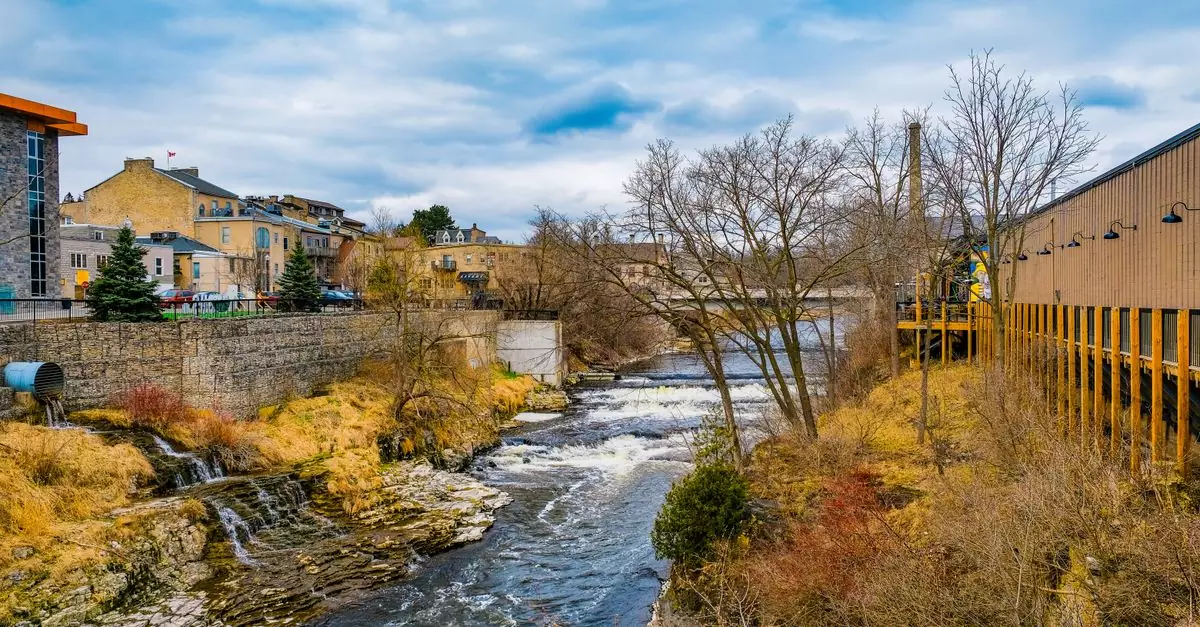
Elora, Ontario, captivates visitors with its dramatic natural landscape and thriving arts community. The Elora Gorge Conservation Area is a must-see, featuring towering limestone cliffs and the Grand River. Hiking trails offer stunning viewpoints, and in warmer months, tubing or kayaking down the river provides an adventurous perspective.
The town itself serves as a hub for artisans and craftspeople. Browse through independent galleries and shops showcasing local pottery, paintings, and handmade jewelry. The historic downtown area, with its stone architecture, adds to Elora’s unique character.
Getting to Elora is straightforward, typically involving a drive from larger centers like Toronto. The town is compact and easily walkable, making it pleasant to explore on foot. Many visitors opt for a day trip, but an overnight stay allows for a more relaxed immersion in the town’s atmosphere.
Magog, Quebec: Lakeside Beauty and Vineyards
Magog, situated on the shores of Lake Memphremagog in Quebec’s Eastern Townships, offers a picturesque escape. The lake is central to Magog’s appeal, providing opportunities for swimming, boating, and scenic walks along the waterfront. Nearby Mont-Orford National Park offers hiking and skiing, depending on the season.
This region is also gaining recognition for its burgeoning wine industry. Several vineyards surround Magog, offering wine tastings and tours. Exploring these wineries is a delightful way to experience the local terroir and enjoy the rolling countryside.
Magog is easily accessible by car, and its proximity to the US border makes it a convenient destination for American travelers. The town has a relaxed, European-influenced charm, with a good selection of restaurants and accommodations, from lakeside resorts to cozy inns. Consider visiting during the summer for lake activities or in the fall for vibrant foliage and harvest festivals.
Planning Your Itinerary: Best Time to Visit Canada’s Small Towns
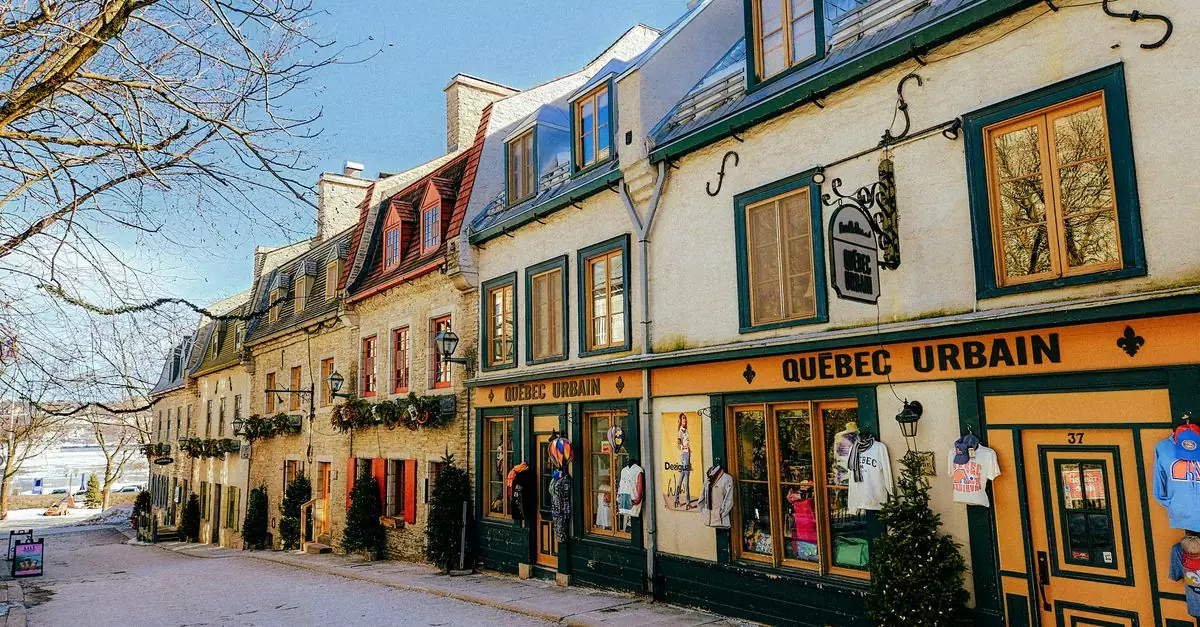
Choosing the right season for your visit can significantly enhance your experience in Canada’s charming small towns. Each time of year offers unique opportunities, from vibrant summer festivals to serene winter landscapes. Consider what kind of atmosphere and activities you’re seeking when planning your escape.
Summer Adventures: Warm Weather and Outdoor Activities
Summer, typically from June to August, is peak season for many of Canada’s small towns. The warm weather makes it ideal for outdoor pursuits like hiking, kayaking, and cycling. Coastal communities buzz with activity, while mountain towns provide access to scenic trails. Many towns host local festivals and farmers’ markets during these months, offering lively cultural experiences.
Packing light, breathable clothing is recommended. Be prepared for occasional rain showers, especially in Western Canada. Accommodation can be in higher demand and pricier during summer, so booking in advance is advisable.
Fall Foliage Tours: Vibrant Colors in Small Town Canada
September and October transform the Canadian landscape into a breathtaking display of autumn colors. Small towns become particularly picturesque as leaves turn shades of red, orange, and gold. This season is perfect for scenic drives, leisurely walks through forests, and enjoying harvest-themed events. Towns in Quebec, Ontario, and the Maritimes are renowned for their spectacular fall foliage.
Temperatures begin to cool, so layers are essential. Expect crisp mornings and pleasant afternoons, but be ready for frost as the season progresses. This shoulder season often sees fewer crowds than summer, offering a more relaxed pace and potentially better rates on accommodations.
Winter Wonderland Escapes: Cozy Retreats and Snowy Activities
From December to February, many small towns embrace the winter season with a magical charm. Snowfall creates a picturesque setting, ideal for cozying up by a fireplace or enjoying winter sports. Towns near ski resorts offer skiing, snowboarding, and snowshoeing, while others focus on ice skating, sleigh rides, and festive holiday markets.
Warm clothing, including insulated jackets, hats, gloves, and waterproof boots, is crucial. Road conditions can be challenging, so check local weather and travel advisories before departing. Winter can be an excellent time to find deals on accommodations, especially outside major holiday periods.
Spring Blooms: A Gentle Reawakening in Rural Canada
April and May mark the transition from winter to spring, a time of renewal in Canada’s small towns. While some areas may still experience late snowfalls, many regions begin to bloom. This season offers a quieter, more authentic experience as the landscape awakens. It’s an ideal time for nature walks, bird watching, and enjoying the first signs of warmer weather before the summer rush.
Packing for variable weather is key, as spring can bring a mix of sunshine, rain, and cool temperatures. This is often the most budget-friendly time to visit, with lower accommodation prices and fewer tourists. However, some seasonal attractions might not yet be open.
Frequently Asked Questions About Visiting Canada’s Small Towns
What are the best small towns in Canada for a romantic getaway?
For couples seeking a romantic escape among the best small towns in Canada, consider Niagara-on-the-Lake, Ontario, known for its wineries, charming B&Bs, and historic theater. Alternatively, Quebec City’s Old Town, a UNESCO World Heritage site, offers cobblestone streets and European ambiance. For coastal romance, Lunenburg, Nova Scotia, with its colorful waterfront and maritime heritage, is an excellent choice. These destinations provide intimate settings and opportunities for leisurely strolls and fine dining.
How do I get around to these best small towns in Canada?
Reaching these charming Canadian towns often involves a combination of transportation methods. Major cities like Toronto, Vancouver, or Montreal serve as primary entry points, accessible by flights to Canada. From these hubs, renting a car offers the most flexibility for exploring the best small towns in Canada, especially those in rural areas. Driving allows you to set your own pace and easily access scenic routes.
For towns closer to major centers, public transportation options like VIA Rail Canada trains can be a comfortable and scenic alternative. Bus services also connect many smaller communities, though schedules may be less frequent. Within the towns themselves, many are highly walkable, allowing you to immerse yourself in their atmosphere on foot.
Here’s a general overview of common travel methods:
| Destination Type | Primary Access | Local Transportation | Notes |
|---|---|---|---|
| Wine Regions (e.g., ON) | Car rental, Train to nearby | Car rental, Walking, Tours | Wineries often require driving or tours. |
| Historic Cities (e.g., QC) | Train, Bus, Car rental | Walking, Public transit | Old towns are best explored on foot. |
| Coastal Towns (e.g., NS) | Car rental, Ferry (seasonal) | Walking, Car rental | Car recommended for regional exploration. |
| Mountain Towns (e.g., BC) | Car rental, Flight to airport | Car rental, Shuttle | Essential for accessing surrounding nature. |
What local foods should I try in these charming Canadian towns?
Each region of Canada boasts unique culinary delights. In Nova Scotia’s coastal towns like Lunenburg, you must try fresh Atlantic lobster, scallops, and haddock. Quebecois specialties are a must in towns throughout the province; seek out poutine (fries with cheese curds and gravy), tourtière (meat pie), and maple taffy. Ontario’s wine regions offer farm-to-table experiences featuring local produce and artisanal cheeses. For a taste of the West, look for bison burgers or local game in towns near the Rocky Mountains. Don’t forget to sample Canadian butter tarts, a sweet pastry found across the country.