Dreaming of a winter escape filled with twinkling lights, cozy cafes, and the magic of falling snow? Europe boasts a diverse array of enchanting destinations that truly come alive during the colder months. From vibrant cities adorned for the holidays to serene mountain villages blanketed in white, there’s a perfect snowy setting for every traveler. Discovering the best snowy destinations in Europe means finding places where festive charm meets breathtaking natural beauty. This guide will help you navigate your options, whether you’re seeking the lively atmosphere of Christmas markets, the thrill of alpine sports, or the quiet solitude of a winter wonderland. Prepare to explore picturesque towns, indulge in hearty local cuisine, and experience the unique enchantment that only a European winter can provide.
Top Snowy European Cities for Winter Magic
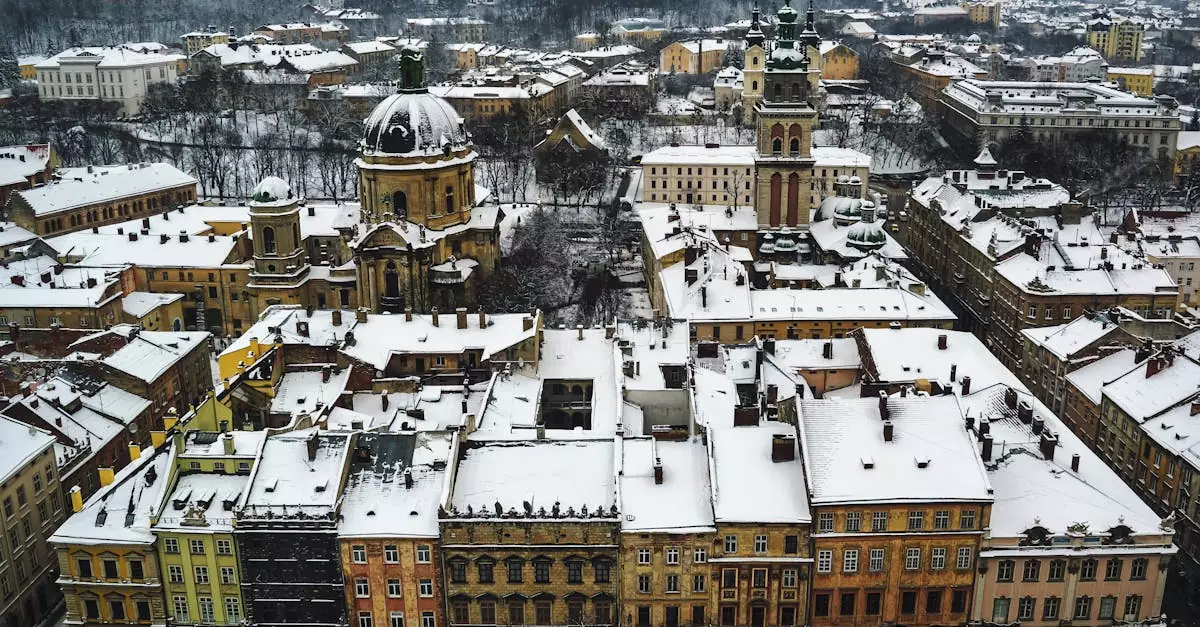
When planning a winter escape to Europe, the allure of snow-dusted cities and festive atmospheres draws many travelers. These destinations offer not only picturesque landscapes but also unique cultural experiences that flourish during the colder months. Considering the best snowy destinations in Europe often involves balancing accessibility with authentic winter charm.
Experience the Christmas Markets of Strasbourg, France
Known as the “Capital of Christmas,” Strasbourg transforms into a winter wonderland each year. Its historic Petite France quarter, with its half-timbered houses, becomes even more enchanting under a blanket of snow. The city hosts several distinct Christmas markets, each with its own theme and specialties, spread across its squares.
- Timing: Markets typically run from late November through Christmas Eve. Snowfall is common, though not guaranteed, especially earlier in the season.
- Logistics: Strasbourg is easily accessible by high-speed train from Paris and other major French cities. The city center is highly walkable, and public transport is efficient.
- Budget: Strasbourg can be moderately expensive, particularly for accommodations during the peak Christmas market season. Dining options range from affordable Alsatian bakeries to upscale restaurants.
Discover the Fairytale Charm of Prague, Czech Republic
Prague’s Gothic architecture, including its iconic castle and Charles Bridge, takes on a magical quality when dusted with snow. The Old Town Square and Wenceslas Square host vibrant Christmas markets, filled with traditional crafts, mulled wine, and delicious Trdelník. The city’s compact center makes it easy to navigate on foot, even in winter conditions.
- Atmosphere: Prague offers a quintessential fairytale experience, amplified by winter’s quiet beauty and festive decorations.
- Transportation: Prague Václav Havel Airport serves international flights. Within the city, the metro, trams, and buses provide excellent coverage. Walking is highly recommended for sightseeing.
- Considerations: While generally affordable compared to Western European capitals, Prague can see price increases during the holiday season. Be prepared for cold temperatures and potential icy conditions on cobblestone streets.
Embrace the Alpine Beauty of Innsbruck, Austria
Nestled in the heart of the Alps, Innsbruck offers a unique blend of imperial history and breathtaking mountain scenery. Snowfall is highly probable here, providing a stunning backdrop for the city’s charming Old Town and its famous Golden Roof. Beyond the city, world-class ski resorts are just a short trip away, making it a dual-purpose destination for culture and winter sports enthusiasts.
| Aspect | Innsbruck Details |
|---|---|
| Scenery | Dramatic Alpine vistas, historic architecture |
| Activities | Christmas markets, imperial sights, skiing, snowboarding |
| Accessibility | Well-connected by train, short transfer to resorts |
| Seasonality | Peak winter sports season from December to March |
Innsbruck’s Christkindlmarkt, set against the snow-capped mountains, is particularly atmospheric. The Nordkettenbahnen cable car offers panoramic views and access to hiking and skiing trails directly from the city center.
Explore the Historic Streets of Tallinn, Estonia
Tallinn’s medieval Old Town, a UNESCO World Heritage site, is exceptionally charming in winter. When snow falls, the cobblestone streets and ancient city walls evoke a sense of stepping back in time. The city’s Christmas market, often held in the Town Hall Square, is one of Europe’s most atmospheric, known for its cozy ambiance and traditional Estonian crafts.
- Winter Appeal: Tallinn offers a more serene and less crowded winter experience compared to some Western European cities.
- Culture: Visitors can enjoy hearty Estonian cuisine, visit historical sites like Toompea Castle, and experience the unique blend of medieval and modern influences.
- Logistics: Tallinn Airport (TLL) is well-connected. The Old Town is compact and best explored on foot, though warm, waterproof footwear is essential. Temperatures can be quite cold, with consistent snow cover often occurring from January onwards.
Secluded Snowy Retreats for Peace and Quiet
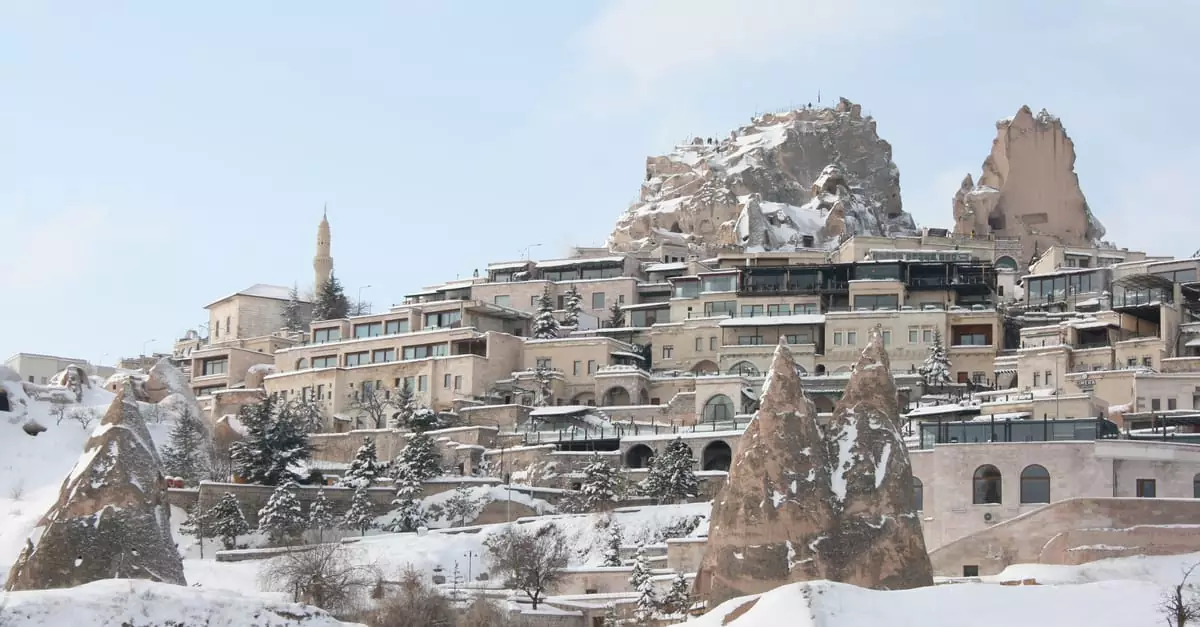
For travelers seeking a tranquil winter escape away from bustling crowds, Europe offers several enchanting destinations where serenity reigns. These locations provide a chance to reconnect with nature and enjoy the quiet beauty of a snow-covered landscape.
Find Serenity in the Swiss Alps: Zermatt for Matterhorn Views
Zermatt, Switzerland, is a car-free village nestled at the foot of the iconic Matterhorn. Its charming streets, lined with traditional wooden chalets, create a picturesque setting that feels frozen in time. The absence of cars contributes significantly to the peaceful atmosphere, with only electric taxis and horse-drawn carriages navigating the lanes.
Getting to Zermatt involves a scenic train journey from Täsch, the nearest point accessible by car. This separation from the outside world enhances its secluded feel. Visitors can enjoy world-class skiing and snowboarding, with over 360 kilometers of pistes, or opt for quieter pursuits like snowshoeing and winter hiking. The Gornergrat Bahn, a cogwheel railway, offers breathtaking panoramic views of the surrounding peaks, including the Matterhorn itself, without the need for strenuous activity.
Logistics for Zermatt:
- Best Time to Visit: December to April for optimal snow conditions and winter sports.
- Getting There: Train from Täsch (parking available in Täsch) or directly from major Swiss cities like Zurich or Geneva.
- Accommodation: Range from luxury hotels with Matterhorn views to cozy, family-run guesthouses. Booking in advance is recommended, especially during peak season.
- Budget: Zermatt is considered a premium destination, so expect higher prices for accommodation, dining, and lift passes.
Embrace Nature in Lapland, Finland: Aurora Borealis Hunting
Lapland, the northernmost region of Finland, offers a truly magical winter experience characterized by vast, snow-laden forests and the ethereal glow of the Northern Lights. Towns like Rovaniemi, Levi, and Saariselkä provide access to this Arctic wonderland, but it’s the remote lodges and cabins that offer the ultimate secluded retreat. Here, the silence is broken only by the crunch of snow underfoot or the whisper of the wind.
Activities in Lapland are deeply connected to the natural environment. Husky sledding through silent forests, reindeer sleigh rides, and ice fishing offer unique ways to experience the wilderness. The highlight for many is the chance to witness the Aurora Borealis dancing across the night sky. Staying in a glass igloo or a remote cabin far from light pollution maximizes your chances of seeing this spectacular natural phenomenon.
Lapland Winter Experiences:
- Aurora Viewing: Best from late August to April, with peak visibility during the darkest months (November-February).
- Activities: Husky safaris, reindeer sleigh rides, snowmobiling, cross-country skiing, ice fishing, and visiting Santa Claus Village (Rovaniemi).
- Accommodation: Options include hotels, log cabins, and unique glass igloos designed for aurora viewing.
- Traveler Tip: Pack extremely warm clothing, including thermal layers, waterproof outer gear, hats, gloves, and insulated boots.
Discover the Dolomites’ Winter Wonderland: Cortina d’Ampezzo, Italy
Cortina d’Ampezzo, often called the “Queen of the Dolomites,” is a sophisticated yet serene mountain resort town in northeastern Italy. Surrounded by dramatic, jagged peaks that are particularly stunning when dusted with snow, Cortina offers a blend of breathtaking scenery and Italian flair. While it can attract visitors, its vast ski areas and numerous quiet corners ensure a sense of peace.
The area boasts extensive cross-country ski trails and opportunities for winter hiking and snowshoeing through pristine landscapes. The Tofane and Cristallo mountain groups provide a magnificent backdrop for any activity. For those seeking tranquility, exploring the smaller hamlets surrounding Cortina or enjoying a quiet afternoon by a fireplace in a cozy rifugio (mountain hut) offers a perfect escape. The town itself maintains an elegant charm, with boutiques and excellent restaurants that provide a refined après-ski experience.
Cortina d’Ampezzo at a Glance:
- Scenery: Dramatic limestone peaks of the Dolomites, a UNESCO World Heritage site.
- Activities: Downhill and cross-country skiing, snowboarding, snowshoeing, ice skating, and scenic drives.
- Atmosphere: Elegant and chic, with a strong connection to Italian culture and cuisine.
- Getting Around: While cars are useful for accessing surrounding areas, the town center is walkable, and ski buses connect major points.
When is the Best Time to Visit Europe’s Snowy Destinations?
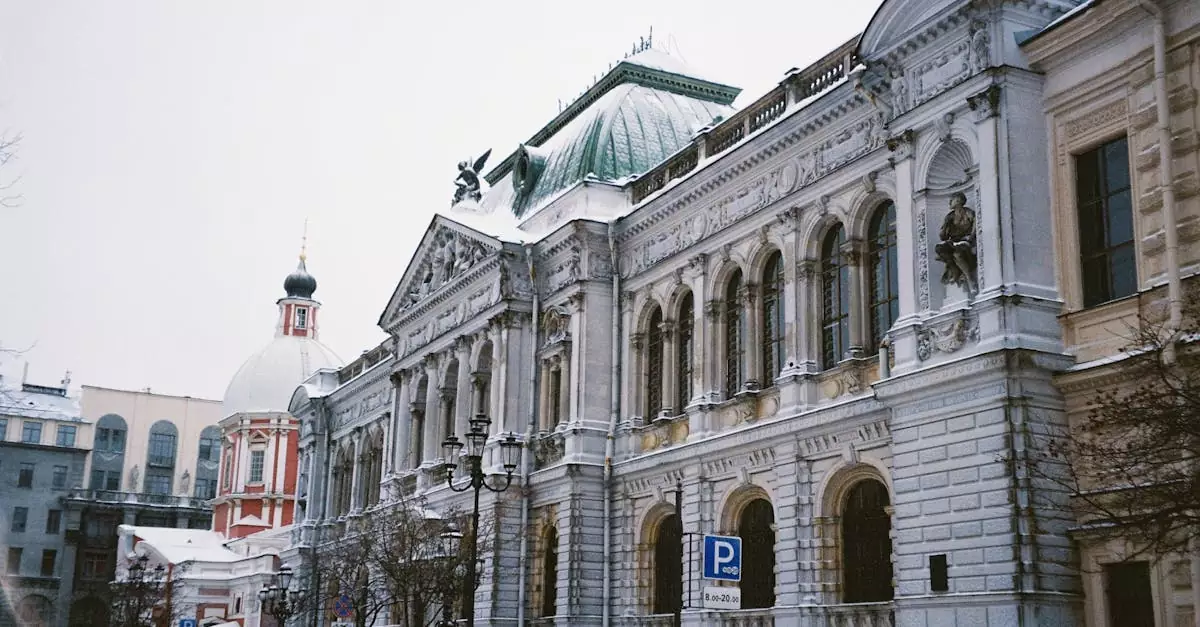
Deciding when to visit Europe’s best snowy destinations hinges on your priorities, whether it’s the festive atmosphere, prime skiing conditions, or a quieter experience. Each part of winter offers a distinct charm and set of activities.
Ideal Months for Christmas Markets and Festive Cheer (December)
December is synonymous with the enchanting Christmas markets that transform European cities into winter wonderlands. Cities like Vienna in Austria, Strasbourg in France, and Cologne in Germany come alive with twinkling lights, the scent of gingerbread and mulled wine, and the sounds of carols. While snow is often present, particularly in mountainous regions, it’s not always guaranteed in lower-lying cities, but the festive spirit more than makes up for it. This month is also popular for early-season skiing in the Alps, though conditions can be variable.
Peak Snowfall for Skiing and Winter Sports (January-February)
For those seeking reliable snow cover and the best conditions for skiing, snowboarding, and other winter sports, January and February are prime months. The Alps, encompassing countries like Switzerland, France, Austria, and Italy, typically boast excellent snow depths and sunny, crisp days. Resorts in Scandinavia, such as those in Norway and Sweden, also offer fantastic opportunities for cross-country skiing, snowshoeing, and even chasing the Northern Lights. This period represents peak season for ski holidays, meaning higher prices and more crowds at popular resorts.
Shoulder Season Charm and Fewer Crowds (November & March)
The shoulder months of November and March offer a compelling alternative for travelers looking to experience snowy landscapes with fewer tourists and potentially lower prices. In November, the first snowfalls often begin in higher altitudes, creating a picturesque setting for early winter exploration without the full winter crowds. March brings milder temperatures and longer daylight hours, which can be ideal for enjoying winter activities while still benefiting from good snow conditions in many ski resorts. This is a great time for those who prefer a more relaxed pace and want to make the most of their travel budget.
Here’s a quick comparison of what to expect during these winter months:
| Month | Primary Appeal | Snowfall Likelihood | Crowd Levels | Price Range |
|---|---|---|---|---|
| November | Early snow, fewer crowds, lower prices | Moderate (higher altitudes) | Low | $$ |
| December | Christmas markets, festive atmosphere | Variable | High | $$$ |
| January | Peak skiing, reliable snow | High | High | $$$ |
| February | Excellent skiing, winter sports | High | High | $$$ |
| March | Milder weather, longer days, good snow | Moderate to High | Moderate | $$ |
Getting Around Europe’s Winter Landscapes: Transportation Tips
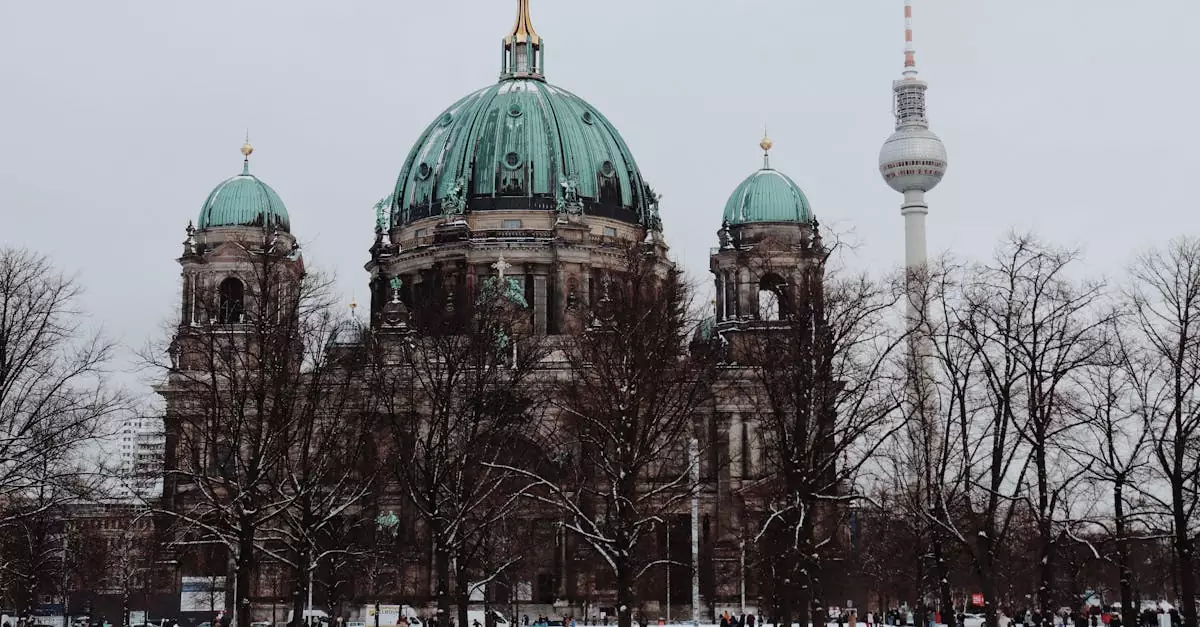
Navigating Europe’s winter destinations requires a thoughtful approach to transportation. While the allure of snow-covered landscapes is strong, understanding how to move between cities and within them is crucial for a smooth trip. This section offers practical advice on getting around, whether you prefer the efficiency of public transport or the freedom of a rental car.
Navigating Cities by Public Transport: Trains and Trams
Most European cities, especially those popular for winter tourism, boast excellent public transportation networks. Trains and trams are often the most efficient way to navigate urban areas during snowy months. They are typically well-maintained, with frequent services that can bypass traffic congestion caused by snow.
Consider purchasing multi-day passes or city cards if you plan on using public transport extensively. These often provide unlimited travel on buses, trams, and metro lines, and can include discounts on local attractions. For instance, in cities like Prague or Vienna, a well-connected tram system makes it easy to reach historical sites dusted with snow. Look for local tourism office websites for the most up-to-date information on passes and routes.
Scenic Train Journeys Through Snowy Alps
For a truly unforgettable winter experience, consider a scenic train journey through the Alps. Traveling by rail offers breathtaking panoramic views of snow-capped mountains and charming alpine villages, often inaccessible by road. Many of these routes are specifically designed for tourism, providing comfortable carriages and ample opportunities for photography.
The Glacier Express in Switzerland, for instance, traverses the country from Zermatt to St. Moritz, offering a full-day immersion in alpine splendor. Similarly, routes in Austria, like the Arlberg Railway, provide stunning vistas. Booking train tickets in advance is highly recommended, especially during peak winter season, to secure your preferred seats and potentially better fares. Check national rail operators like SBB in Switzerland or ÖBB in Austria for schedules and booking.
Driving in Winter Conditions: Rental Cars and Road Safety
Renting a car offers flexibility, allowing you to venture off the beaten path to discover more remote snowy destinations. However, driving in winter conditions across Europe requires preparation and caution. Always opt for a vehicle equipped with winter tires, which are legally mandated in many countries during colder months. Many rental agencies offer them as standard or as an optional extra.
Familiarize yourself with local driving laws, including speed limits, parking regulations, and the requirement for snow chains in mountainous regions. Roadside assistance is a valuable addition to your rental agreement. Check weather forecasts and road conditions daily before setting out, and be prepared for potential delays or route changes due to snowfall. Driving in snowy conditions is best undertaken during daylight hours, and always ensure your headlights are on.
Must-Try Local Foods in Snowy European Regions
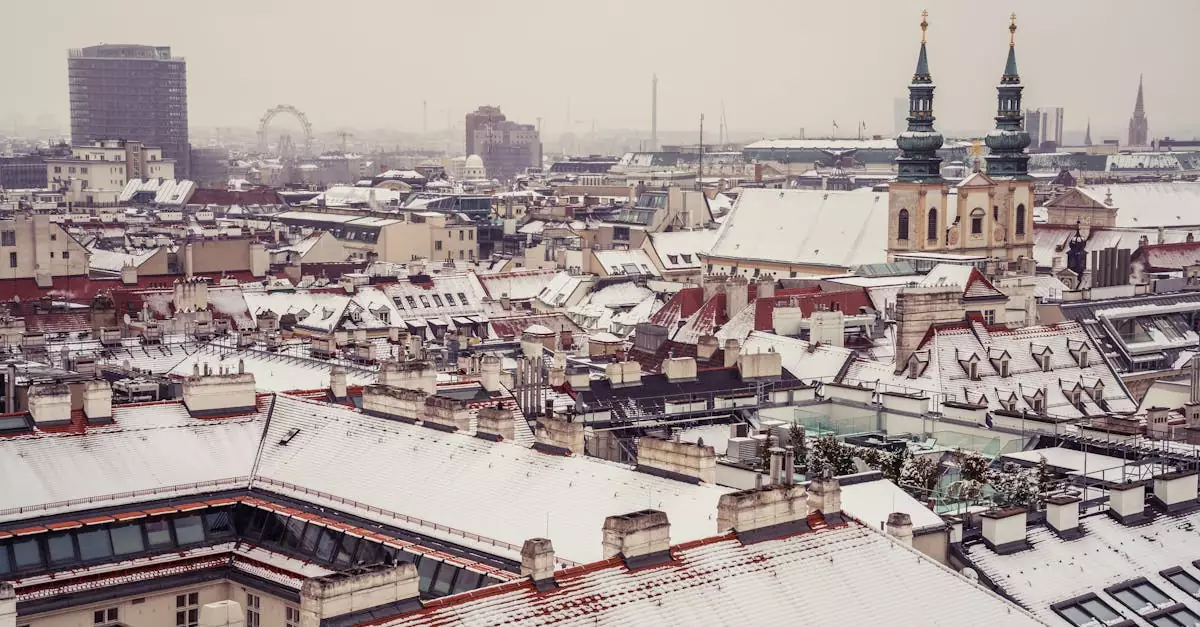
Embracing the winter chill in Europe offers a unique culinary journey, with each region boasting its own comforting and delicious specialties. From mountainous terrains to frosty northern landscapes, the food is designed to warm you from the inside out. Exploring these local flavors is an integral part of experiencing the magic of the best snowy destinations Europe has to offer.
Hearty Stews and Fondue in the Alps
The Alpine regions, spanning countries like Switzerland, France, Austria, and Italy, are synonymous with rich, warming dishes perfect for après-ski. Fondue, a communal pot of melted cheese, often Gruyère and Emmental, served with cubes of bread, is a quintessential experience. Raclette, where a wheel of cheese is melted and scraped onto potatoes, pickles, and onions, offers a similarly satisfying, albeit slightly different, cheesy indulgence.
Beyond cheese, hearty stews are a staple. Consider trying a Swiss Älplermagronen, a dish of pasta, potatoes, cream, and apples, or a French Cassoulet, a slow-cooked casserole of white beans, duck confit, pork, and sausage. These dishes are not just meals; they are a cultural immersion, often enjoyed in cozy, wood-paneled restaurants after a day on the slopes.
Traditional Christmas Treats and Glühwein
As winter deepens, especially around the festive Christmas market season, Europe transforms into a wonderland of sweet and spiced delights. Germany and Austria are particularly famous for their Weihnachtsmarkt offerings. Look for Lebkuchen (gingerbread), Stollen (a fruit bread with marzipan), and various festive cookies.
No winter market experience is complete without Glühwein (mulled wine). This warm, spiced beverage, often made with red wine, cinnamon, cloves, and citrus, is served in charming mugs that you can often keep as a souvenir. Similar drinks, like Vin Chaud in France or Vin Brulé in Italy, offer regional variations on this warming classic. These treats are best enjoyed while strolling through illuminated market stalls, soaking in the festive atmosphere.
Reindeer and Arctic Delicacies in Lapland
Venture further north to Finnish Lapland or Swedish Lapland, and the culinary landscape shifts to reflect its Arctic environment. Reindeer meat is a prominent ingredient, prepared in various ways. Try Sautéed Reindeer (poronkäristys in Finnish), thinly sliced reindeer meat pan-fried with onions and served with mashed potatoes and lingonberry jam, for an authentic taste of the region.
Other Arctic specialties include smoked salmon, cloudberries (a tart, golden berry found in boggy areas), and various fish dishes. For the adventurous, sample some local Sámi delicacies, which often highlight the sustainable use of local resources. These unique flavors offer a distinct contrast to the richer, cheese-based dishes found further south, providing another facet of Europe’s diverse snowy culinary scene.
Frequently Asked Questions About Snowy European Trips
Planning a winter escape to the best snowy destinations in Europe involves a few practical considerations. This section addresses common traveler questions to help you prepare for a seamless and enjoyable trip.
What should I pack for a European winter trip?
Packing effectively is key to staying comfortable in cold European climates. Essential items include a warm, waterproof, and windproof outer layer, such as a quality ski jacket or parka. Layering is crucial, so pack thermal base layers, warm sweaters or fleeces, and comfortable trousers. Don’t forget waterproof and insulated boots with good grip for icy conditions, warm socks (wool is excellent), gloves or mittens, and a hat that covers your ears. Scarves or neck gaiters offer extra protection against the wind.
Consider bringing:
- Base Layers: Merino wool or synthetic thermals.
- Mid-Layers: Fleece jackets or wool sweaters.
- Outerwear: Waterproof and insulated jacket and trousers.
- Footwear: Waterproof, insulated boots with non-slip soles.
- Accessories: Warm hat, gloves, scarf, and sunglasses (for snow glare).
It’s also wise to pack a small backpack for day trips, a portable phone charger, and any personal medications.
Are these destinations suitable for families with children?
Many snowy European destinations are wonderfully suited for families. Resorts in the Alps, such as those in Austria, Switzerland, and France, often offer dedicated children’s ski areas, ski schools with English-speaking instructors, and a range of non-ski activities like ice skating, sledding, and winter-themed events. Locations in Scandinavia, like Finnish Lapland, provide magical experiences such as meeting Santa Claus, reindeer sleigh rides, and husky safaris, which are particularly captivating for younger travelers.
When choosing a family-friendly destination, look for:
- Resorts with good ski schools: Programs designed for various age groups and skill levels.
- Family-oriented accommodations: Hotels or chalets with amenities like playrooms or family suites.
- Variety of activities: Beyond skiing, ensure there are engaging options for all ages.
- Accessibility: Easy transport links and manageable distances between activities.
Many European cities also offer charming winter experiences with fewer crowds than in summer, making them a good option for families seeking a cultural trip with a touch of snow.
What’s the average budget for a week in a snowy European destination?
The budget for a week-long winter trip to Europe can vary significantly depending on the destination, accommodation style, and activities chosen. For a mid-range experience in a popular Alpine ski resort, expect to spend approximately €1,000 to €1,800 per person for a week, excluding flights. This typically covers accommodation, a ski pass, equipment rental, and moderate food expenses.
Destinations like the French Alps or Swiss resorts tend to be on the higher end of the price spectrum. More budget-conscious options can be found in Eastern European countries, such as Poland or the Czech Republic, where a similar week might cost between €600 and €1,000 per person.
Here’s a general breakdown for a 7-day trip per person:
| Category | Budget Estimate (Mid-Range) | Higher-End Estimate | Budget-Friendly Estimate |
|---|---|---|---|
| Accommodation | €400 – €700 | €700 – €1,200+ | €250 – €450 |
| Ski Pass/Lift | €200 – €350 | €300 – €500 | €150 – €250 |
| Equipment Rental | €100 – €150 | €150 – €200 | €80 – €120 |
| Food & Drink | €250 – €400 | €400 – €700+ | €150 – €250 |
| Total (Excl. Flights) | €950 – €1,600 | €1,550 – €2,600+ | €630 – €1,070 |
These figures are estimates and can be influenced by booking in advance, opting for self-catering accommodation, and being mindful of dining choices. Cities that experience snowfall but are not primary ski resorts, such as Prague or Vienna, can offer a more affordable winter break with costs closer to €500-€900 per person for a week, focusing on cultural activities and city exploration.