Winter transforms Europe into a breathtaking spectacle of snow-dusted landscapes and cozy charm, and experiencing it by train offers a unique and comfortable perspective. If you dream of watching snow-covered mountains glide past your window or exploring festive villages without the hassle of driving, discovering the best winter train journeys is your next step. This guide highlights some of the continent’s most enchanting rail routes, showcasing their appeal for a seasonal adventure. You’ll learn about the stunning scenery each journey offers, practical tips for planning your trip, and what to expect regarding weather and onboard comfort. Prepare to be inspired for your own unforgettable winter escape by rail.
Why Choose a Train for Your European Winter Adventure?
Traveling through Europe in winter by train offers a unique blend of stunning scenery, exceptional comfort, and a commitment to sustainable travel. While other modes of transport have their merits, rail travel shines when the continent is blanketed in snow and festive lights begin to twinkle.
The Magic of Snowy Landscapes from Your Window
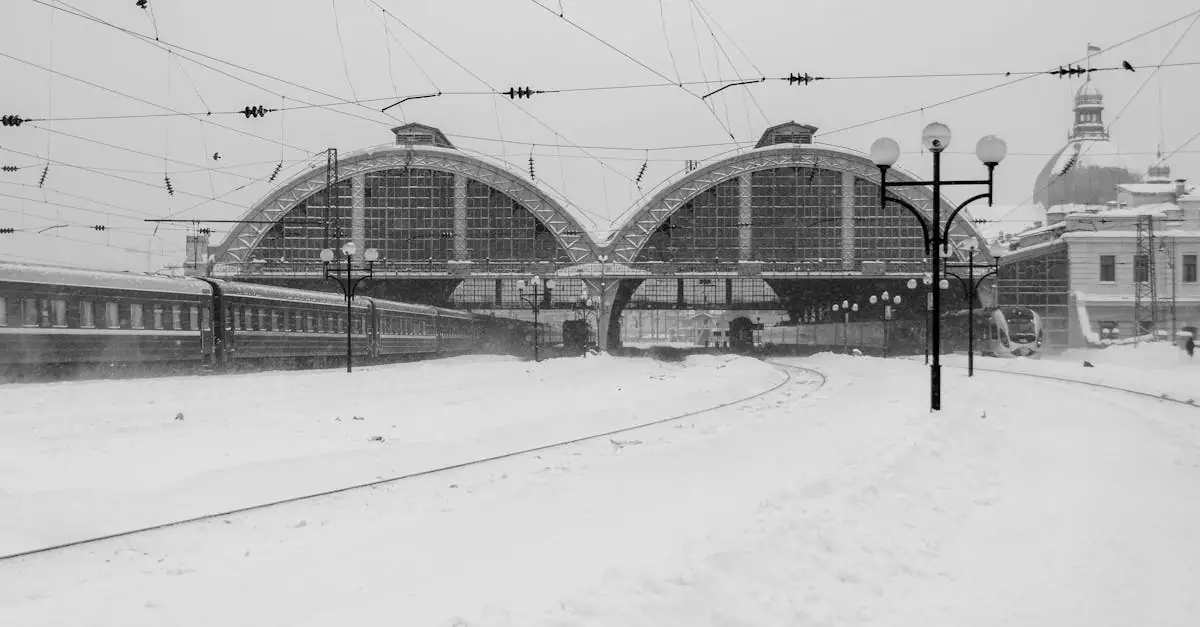
There’s a special charm in watching snow-covered landscapes glide past your train window. Unlike the hurried pace of air travel or limited views from a car, a train journey allows you to immerse yourself in the scenery at a relaxed pace. Witness quaint villages blanketed in white, vast forests transformed into winter wonderlands, and majestic mountain ranges in their full, snow-capped glory. This constant visual spectacle makes the journey itself an integral part of the travel experience, offering moments of quiet contemplation and awe. The panoramic views from a train carriage are often unobstructed and far more expansive than what you might see from a plane or car, making each mile a potential postcard moment.
Comfort and Convenience Compared to Other Travel Modes
When considering the best winter train journeys, comfort and convenience are essential. European train systems are generally straightforward to navigate, featuring well-connected routes and clear signage in multiple languages. You can avoid the stress of airport security, the hassle of car rentals, and the challenges of winter driving conditions. Trains provide spacious seating, the freedom to move around, and onboard amenities like dining cars and quiet compartments. This allows travelers to relax, read, work, or simply enjoy the journey without the typical fatigue associated with travel. For those seeking seamless transitions between cities and a stress-free way to cover significant distances, rail travel in Europe stands out.
Sustainable Travel: A Greener Way to See Europe
Opting for a train journey is an environmentally conscious choice. Rail travel generates significantly lower carbon emissions per passenger mile compared to flying or driving. As more travelers become aware of their environmental impact, choosing trains aligns with a desire for responsible tourism. This greener approach enhances your experience by fostering a deeper connection with the landscapes you traverse. By selecting rail, you contribute to reducing your trip’s carbon footprint while still enjoying the convenience and scenic beauty that Europe offers. This makes the best winter train journeys not only memorable but also ethically sound.
Top 5 Best Winter Train Journeys in Europe
Winter transforms Europe’s landscapes into a wonderland, and few experiences rival the magic of witnessing this beauty from the comfort of a train. These journeys offer a unique perspective on snow-dusted peaks, frozen fjords, and charming alpine villages, making them some of the best winter train journeys for unforgettable scenery.
The Bernina Express: Switzerland to Italy’s Snowy Peaks
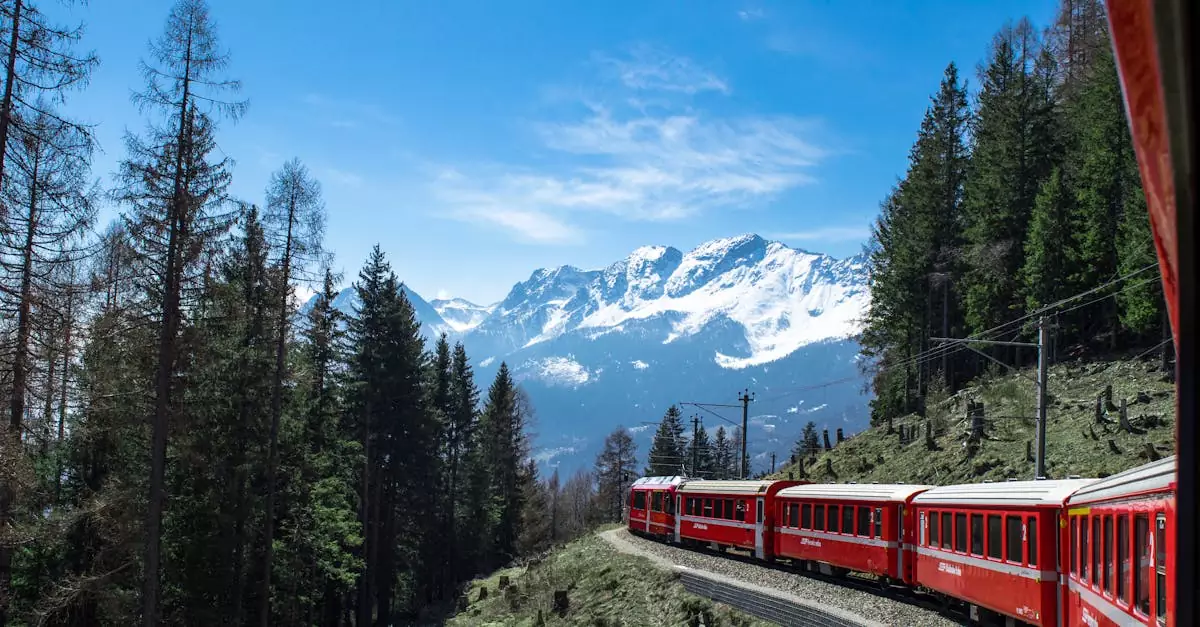
The Bernina Express is a UNESCO World Heritage route that traverses the Swiss Alps, connecting Chur in Switzerland with Tirano in Italy. This panoramic train journey is renowned for its engineering marvels, including viaducts and tunnels, allowing it to ascend to impressive heights. In winter, the views are particularly spectacular, with snow-covered mountains and frozen lakes dominating the scenery.
The journey takes approximately four hours, with panoramic carriages offering unobstructed views of dramatic landscapes. Travelers can expect to see glaciers, alpine forests, and picturesque villages blanketed in snow. The route crosses the Bernina Pass, reaching an elevation of 2,253 meters, before descending into the milder climate of the Italian Valtellina valley. Booking tickets in advance is highly recommended, especially during peak winter months.
The Flåm Railway: Norway’s Dramatic Fjordland in Winter
Often cited as one of the most beautiful train rides in the world, the Flåm Railway (Flåmsbana) is a steep and scenic journey in Norway. This 20-kilometer line descends from the mountain station of Myrdal on the Bergen Line down to the village of Flåm, located at the end of the Aurlandsfjord. In winter, the already dramatic scenery is amplified by a thick layer of snow, transforming the fjords and mountains into a breathtaking spectacle.
The train passes through tunnels and over bridges, offering glimpses of frozen waterfalls and steep valley sides. The journey takes about an hour and provides a unique perspective on Norway’s rugged winter beauty. While the surrounding fjords may be partially frozen, the train operates year-round, providing a reliable way to experience this stunning region. Travelers should dress warmly, as temperatures at Myrdal can be very cold.
The Glacier Express: A Slow-Motion Scenic Route Through the Alps
Known as the “slowest express train in the world,” the Glacier Express connects the popular Swiss mountain resorts of Zermatt and St. Moritz. This iconic route is a testament to Swiss engineering, winding through the heart of the Alps over 291 bridges and through 91 tunnels. Winter transforms the already magnificent scenery into a pristine, white landscape, making it one of the most captivating winter train journeys.
The full journey takes around eight hours, allowing ample time to absorb the panoramic views of snow-capped peaks, including the Matterhorn, and charming alpine villages. The panoramic carriages are designed for maximum viewing pleasure, ensuring you don’t miss any of the stunning vistas. Dining services are available onboard, offering a chance to enjoy local Swiss cuisine while surrounded by unparalleled winter scenery.
The West Highland Line: Scotland’s Remote Beauty
The West Highland Line in Scotland offers a journey through some of the country’s most remote and dramatic landscapes. Stretching from Glasgow to Mallaig, this route is particularly striking in winter when the moors, mountains, and lochs are often covered in snow. The journey includes the famous Glenfinnan Viaduct, a sight familiar to fans of the Harry Potter films.
The full journey to Mallaig takes about five and a half hours and provides views of rugged coastlines, vast wilderness, and historic sites. The contrast between the deep blues of the sea and lochs and the stark white of snow-covered hills creates a unique and powerful visual experience. Travelers should be prepared for potentially challenging weather conditions, as winter in the Scottish Highlands can be severe.
The Semmering Railway: Austria’s Historic Alpine Pass
The Semmering Railway, a UNESCO World Heritage site, is a historic marvel of railway engineering in Austria. Built between 1848 and 1854, this route climbs over the Semmering Pass, connecting the southern and northern parts of Austria. Its innovative design, featuring 14 tunnels and 16 viaducts, allows it to conquer the challenging mountain terrain.
In winter, the Semmering Railway offers a picturesque journey through snow-laden forests and past frozen streams. The train glides through charming villages and offers sweeping views of the surrounding Alpine landscape. The journey is relatively short, making it an accessible option for experiencing Austrian winter beauty by train. It’s a fantastic way to appreciate both historical engineering and natural winter splendor.
Planning Your Ultimate Winter Train Itinerary
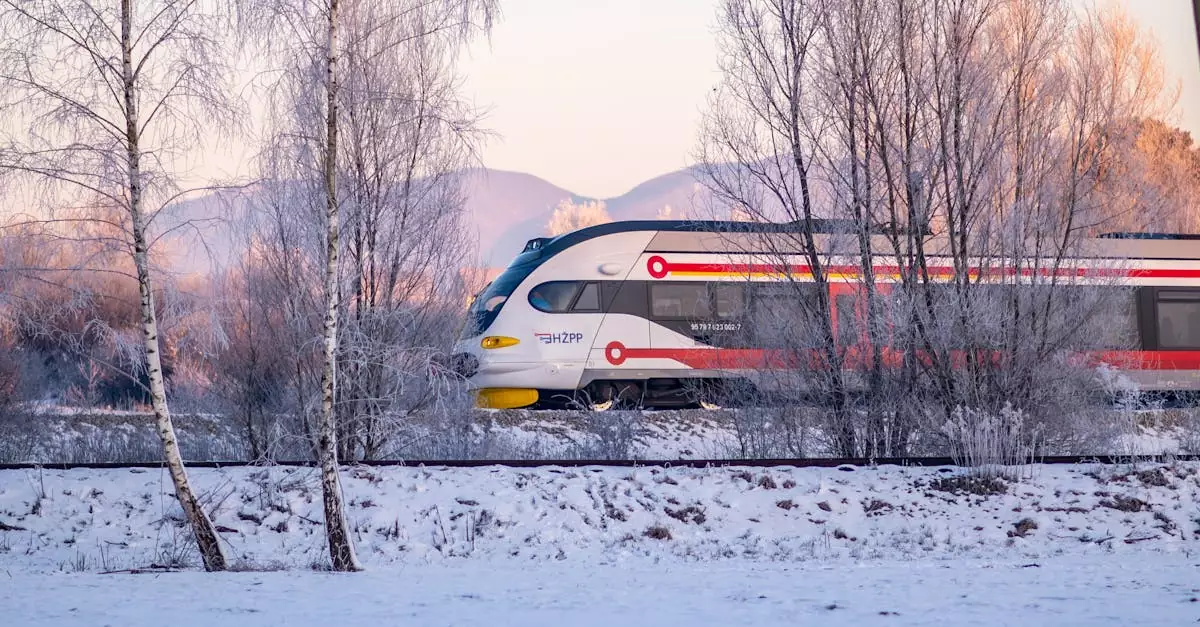
Embarking on one of the best winter train journeys in Europe requires thoughtful planning to maximize the stunning scenery and unique experiences the season offers. From selecting the right route to understanding onboard amenities, a well-prepared itinerary ensures a seamless and memorable adventure across the continent.
Choosing the Right Route for Your Interests
Europe’s winter train network presents diverse landscapes, from snow-dusted mountains to festive cityscapes. Consider the scenery you wish to witness. For dramatic alpine vistas and the chance to see snow-covered peaks, routes through Switzerland or Austria are excellent choices. If charming, historical cities adorned with holiday decorations appeal more, then journeys connecting cities like Prague, Vienna, and Budapest might be more suitable. Think about the pace you prefer; some routes are designed for leisurely travel, allowing ample time to soak in the views, while others are efficient connections between major hubs.
Booking Train Tickets: When and How to Secure the Best Deals
Securing train tickets in advance is crucial, especially for popular winter routes. Booking three to six months ahead can often yield significant savings. Many European rail operators offer discounted fares for early bookings, which can disappear quickly. Websites like Rail Europe or individual national rail carriers (e.g., SBB for Switzerland, ÖBB for Austria) are good starting points. Consider rail passes if you plan on extensive travel across multiple countries, as they can offer flexibility and cost-effectiveness. Be aware that some high-speed or scenic routes may require seat reservations in addition to the ticket or pass.
Navigating Train Stations and Onboard Amenities
European train stations are generally well-equipped and easy to navigate. Major hubs often feature clear signage in multiple languages, information desks, and amenities like cafes and shops. Arrive at least 30 minutes before departure to allow time for finding your platform, especially in larger cities. Onboard, amenities vary by train and class of service. Many long-distance trains offer dining cars or bistros, Wi-Fi (though it can be spotty in remote areas), and comfortable seating. Sleeper trains provide private compartments for overnight travel, a practical way to cover long distances while resting. Familiarize yourself with the specific services offered on your chosen route to manage expectations.
Connecting Your Train Journey with Local Experiences
The most rewarding winter train journeys extend beyond the train itself. Plan to incorporate local experiences at your stops. This could mean visiting Christmas markets in Germany, enjoying fondue in a Swiss mountain village, or exploring the thermal baths in Budapest. Research local festivals or seasonal events happening during your travel dates. Many towns and cities accessible by train offer excellent walkability, making it easy to immerse yourself in the local culture upon arrival. Consider booking accommodations close to train stations for convenience, especially if you have an early departure or late arrival. This blend of scenic travel and authentic local encounters transforms a simple trip into an unforgettable winter adventure.
What to Expect: Winter Train Travel Weather and Packing
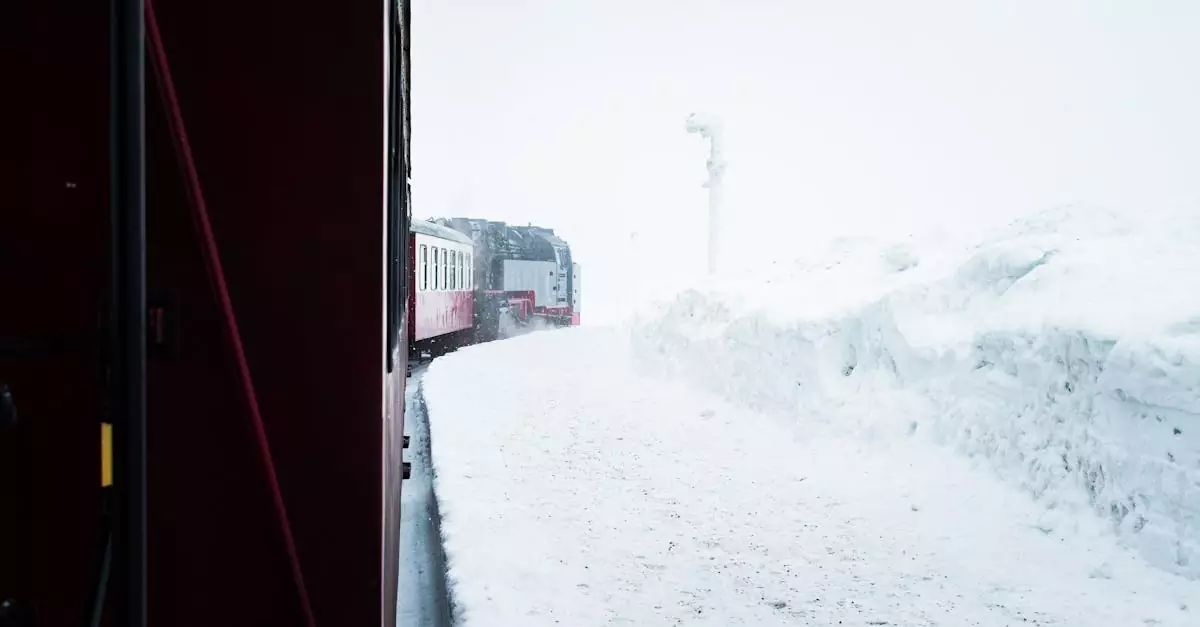
Embarking on one of the best winter train journeys in Europe offers a unique perspective on the continent’s diverse landscapes. While the allure of snow-dusted villages and crisp air is strong, it’s essential to prepare for varying weather conditions. Understanding what to expect regarding temperature, precipitation, and daylight hours will significantly enhance your comfort and enjoyment.
Typical European Winter Weather Conditions on Popular Routes
Winter across Europe can vary considerably, depending on the region you’re traversing. Northern routes, such as those through Scandinavia or the Baltics, often experience prolonged periods of snow, ice, and sub-zero temperatures, with short daylight hours. Expect dramatic frozen vistas but also the potential for travel disruptions due to severe weather.
Central European routes, like those connecting cities in Germany, Austria, or Switzerland, typically see a mix of cold, damp weather, with snow more likely in mountainous areas and less frequent in flatter regions. Temperatures can hover around freezing, and rain is common, sometimes turning to sleet or snow. Daylight is limited, usually from around 8 AM to 4 PM.
Southern European train journeys, even in winter, can be milder. While you might encounter cooler temperatures and occasional rain, especially in coastal or higher-altitude areas, you’re less likely to face heavy snowfall or prolonged freezes. Cities like Rome or Lisbon can still offer pleasant, crisp days, though sunshine is never guaranteed.
| Region | Typical Temperature (°C) | Precipitation Type | Daylight Hours (approx.) |
|---|---|---|---|
| Northern Europe | -10°C to 0°C | Snow, Ice | 6-8 hours |
| Central Europe | -5°C to 5°C | Snow, Rain, Sleet | 8-9 hours |
| Southern Europe | 5°C to 15°C | Rain, occasional | 9-10 hours |
Essential Packing List for Cozy Train Travel
Packing smart is key to a comfortable winter train adventure. Layering is your best strategy, allowing you to adjust to changing temperatures within the train and at various destinations. Start with a moisture-wicking base layer, add an insulating middle layer like fleece or down, and finish with a waterproof and windproof outer shell.
Don’t forget warm accessories: a snug hat that covers your ears, insulated gloves or mittens, and a thick scarf are crucial. Comfortable, waterproof footwear is non-negotiable, especially if you plan on disembarking for short stops or exploring towns. Consider bringing a pair of indoor shoes or slippers for your train compartment or hotel.
Other essentials include:
- Reusable water bottle: Stay hydrated, as heated train carriages can be dry.
- Portable charger: Keep your devices powered for navigation and entertainment.
- Book or e-reader: For quiet moments as the scenery glides by.
- Small backpack: For day trips and carrying essentials.
- Travel-sized toiletries: Including lip balm and moisturizer to combat dry air.
Staying Warm and Comfortable During Your Journey
Trains are generally well-heated, but individual comfort levels vary. Wearing layers allows you to easily shed or add clothing as needed. A lightweight travel blanket can be a welcome addition for extra warmth on longer journeys or if you find the carriage a bit cool.
For your feet, consider bringing warm, thick socks made of wool or synthetic materials. Keeping your extremities warm is vital for overall comfort. If you’re prone to cold hands, consider bringing hand warmers.
When planning your trip, check the specific weather forecasts for your chosen routes and destinations a few days before departure. This will help you fine-tune your packing list. For instance, a journey through the Swiss Alps will require more robust winter gear than a coastal route in Portugal. Being prepared ensures you can fully appreciate the stunning winter scenery without being hampered by the cold.
Beyond the Rails: Exploring Destinations on Your Winter Train Trip
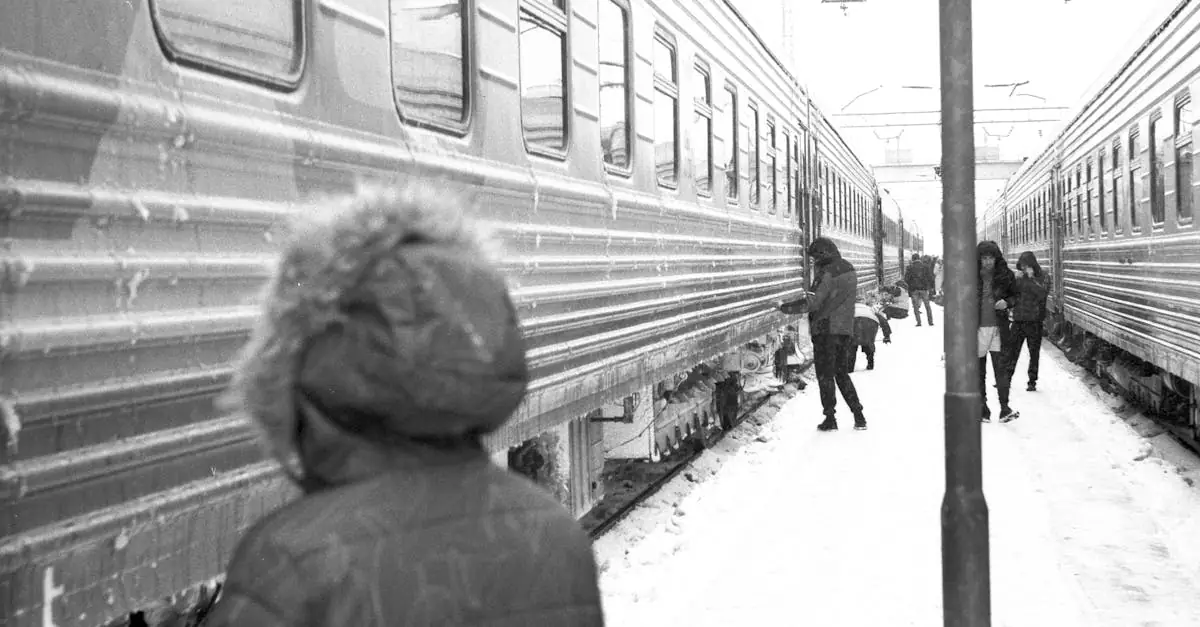
Embarking on one of the best winter train journeys in Europe offers more than just scenic views from the window. It’s an opportunity to immerse yourself in local culture, discover charming towns, and capture breathtaking landscapes. Planning your stops and excursions can significantly enhance the overall experience, turning a simple train ride into a comprehensive adventure.
Discovering Charming Alpine Villages
Many of Europe’s most picturesque winter train routes pass through or near quaint alpine villages. These settlements often retain a timeless charm, especially when dusted with snow. Consider detaining for a few hours or even a night to wander through cobblestone streets, admire traditional architecture, and enjoy the peaceful atmosphere. Many journeys through Switzerland offer opportunities to alight at smaller stations and take local buses or short train connections to villages like Wengen or Mürren, which are car-free and provide stunning mountain vistas.
When planning these village visits, factor in the reduced daylight hours of winter. Aim to arrive in the village with enough time to explore before dusk. Local tourist information offices, often found near train stations, can provide maps and suggest walking routes.
Experiencing Local Winter Festivals and Markets
Winter in Europe is synonymous with festive celebrations. If your train itinerary aligns with local events, you can add a vibrant cultural layer to your trip. Many towns and cities host Christmas markets throughout December, offering unique crafts, seasonal treats, and a lively atmosphere. Beyond Christmas, Epiphany (January 6th) is celebrated with various traditions, and some regions have unique winter carnivals.
Researching the event calendar for your planned route is key. A train journey through Austria might coincide with a traditional Krampus run or a charming Christkindlmarkt in Salzburg. Similarly, a trip through the Alsace region of France can lead you to some of the most enchanting Christmas markets in Europe, easily accessible from Strasbourg or Colmar.
Hidden Gems Accessible by Short Day Trips from Train Stops
The beauty of train travel lies in its flexibility. Many major train routes connect to smaller, less-visited destinations via regional lines or bus services. These “hidden gems” can offer a more authentic and less crowded experience. For example, if you’re traveling on the Glacier Express in Switzerland, consider a detour to the Aletsch Arena for exceptional winter hiking and panoramic views, accessible by cable car from Brig.
When selecting day trip destinations, check the frequency of connecting transport. Winter schedules can sometimes be reduced, so ensure you can reach your chosen spot and return to your main train line without issue. A quick search for local transport operators or a call to the destination’s tourist office can provide crucial logistical details.
Best Photography Spots Along These Scenic Routes
Winter train journeys offer unparalleled photographic opportunities. The interplay of snow, dramatic landscapes, and charming villages creates a magical visual tapestry. Identifying key viewpoints in advance can help you maximize your shots.
On routes like the Bergen Railway in Norway, keep an eye out for opportunities to photograph snow-covered forests and frozen lakes. The dramatic fjords, even in winter, provide stunning backdrops. For those on a journey through the Scottish Highlands, the stark beauty of snow-capped mountains and windswept moors is a photographer’s dream.
Key Photography Considerations for Winter Train Travel:
- Golden Hour: Winter days are short, making sunrise and sunset light even more precious. Plan your train movements or stops to capture these times.
- Weather Preparedness: Invest in a waterproof camera bag and consider lens cloths to manage condensation and snow.
- Tripod: For low-light conditions or capturing long exposures of snowy landscapes, a compact travel tripod is invaluable.
- Elevation: Many of the most dramatic views are from higher elevations. Consider short hikes or cable car rides from train stations where possible.
By combining your train journey with thoughtful exploration of local villages, festivals, and accessible day trips, you can transform a scenic ride into a deeply engaging winter travel experience.
Frequently Asked Questions About Europe’s Best Winter Train Journeys
Are train services reliable during heavy snowfall?
European train operators generally maintain high reliability even during winter weather. Major routes are prioritized for snow clearing, and many trains are equipped for cold conditions. However, extreme weather events can cause delays or cancellations, particularly in mountainous regions. It’s always wise to check the specific operator’s website or a reliable travel app for real-time updates before and during your journey. For example, Swiss Federal Railways often provides detailed service information.
What are the best train classes for scenic views?
For the best scenic views on winter train journeys, consider first-class seating if available. First-class compartments often offer larger windows, more spacious seating arrangements, and fewer passengers, allowing for unobstructed panoramas. Some scenic routes also feature dedicated panoramic carriages with floor-to-ceiling windows, designed specifically for maximizing landscape appreciation. These are often found on tourist-focused lines.
Can I bring luggage on European trains?
Yes, you can bring luggage on European trains. Most trains have designated luggage racks above seats or in dedicated areas at the ends of carriages. While there are generally no strict weight limits for standard luggage, you should be able to comfortably carry your bags yourself. For larger or multiple pieces of luggage, consider utilizing luggage services offered by some rail companies or checking the specific policies of your chosen operator. Planning your packing to be manageable is key for a smooth travel experience.
What are some budget-friendly winter train travel tips?
Traveling by train in winter can be economical with a few smart strategies. Booking tickets in advance, especially for long-distance or high-speed routes, often secures lower fares. Consider overnight sleeper trains, which combine transportation and accommodation costs. Utilizing regional trains instead of high-speed services can also save money, though journeys will be longer. Look into rail passes if you plan on extensive travel across multiple countries, as they can offer significant savings compared to individual tickets. Always compare prices from different operators and booking platforms.