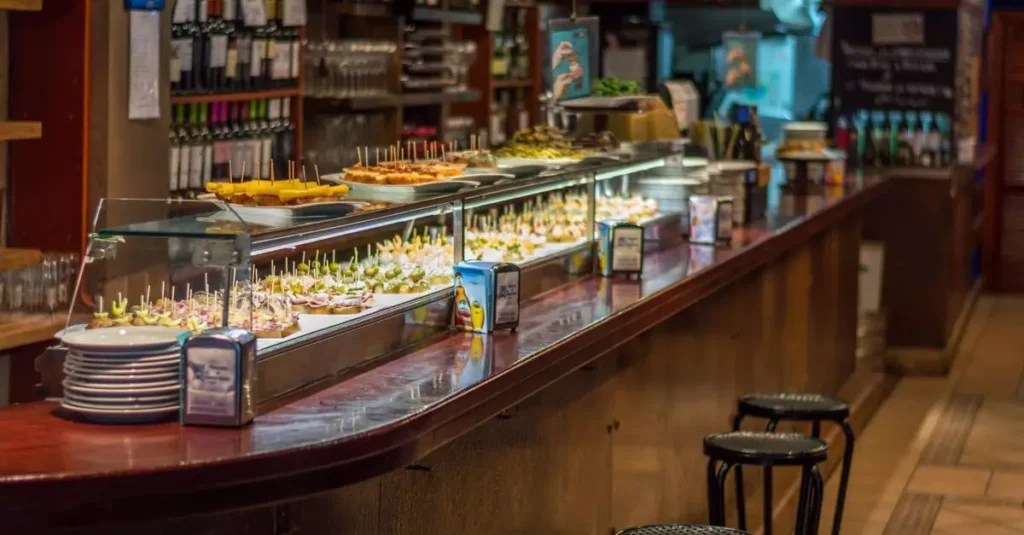
Embark on a delicious exploration of Seville’s culinary heart, where every corner offers a new taste sensation. This guide unveils the best tapas bars Seville has to offer, taking you on an unforgettable journey through the vibrant neighborhoods of Triana and Santa Cruz. You’ll discover beloved local haunts and the essential dishes that define Andalusian cuisine.
We’ll navigate lively streets, from Triana’s authentic charm to the historic labyrinth of Santa Cruz, revealing hidden gems and iconic establishments. Learn about must-try tapas, from melt-in-your-mouth jamón ibérico to sizzling gambas al ajillo, and gain insights into local customs that make the “tapeo” experience so special. Prepare to tantalize your taste buds and immerse yourself in the convivial atmosphere that makes Seville a world-class tapas destination.
Discovering Triana’s Authentic Tapas Scene
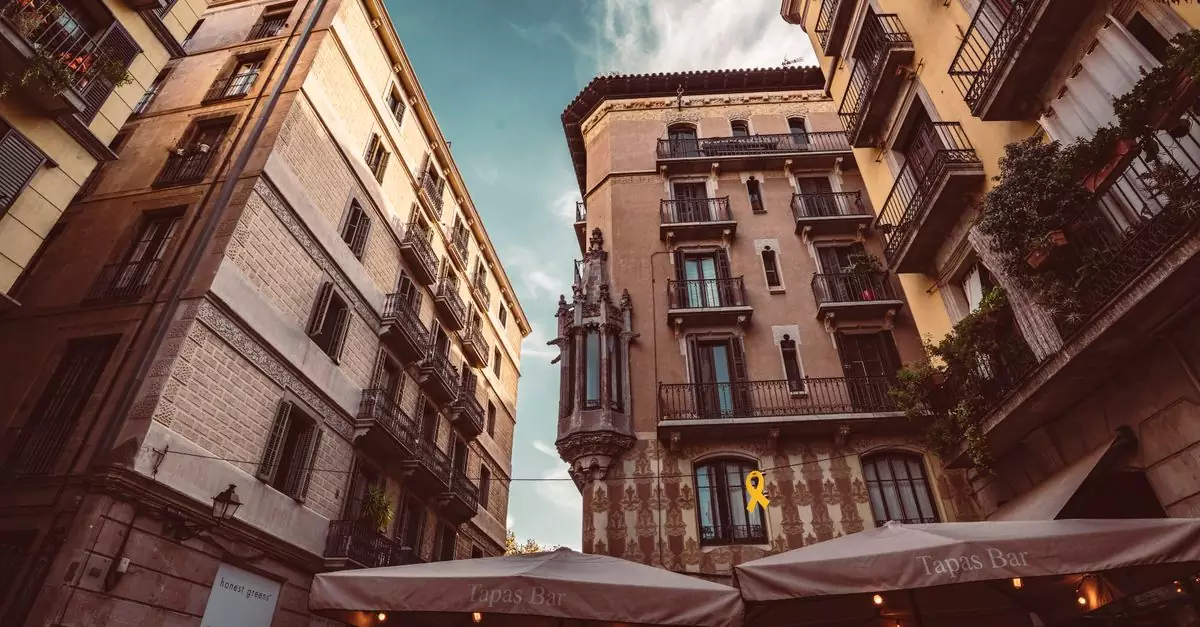
Triana, a historic barrio across the Guadalquivir River, offers a distinctly local tapas experience, away from the crowded tourist paths. Known for its ceramic workshops and flamenco heritage, this area provides a genuine taste of Sevillian life. Wandering its streets, especially Calle Betis with its riverside views or the lively Plaza del Altozano, reveals a vibrant culinary landscape. Many establishments here have served generations of Sevillians, preserving traditional recipes and a welcoming atmosphere.
Bodega Santa Cruz’s Historic Charm for Classic Tapas
Bodega Santa Cruz, despite its proximity to the Cathedral, retains a strong sense of history and serves some of the best tapas in Seville for those seeking classic Andalusian fare. Established in 1958, this bustling spot is a maze of small rooms filled with locals and knowledgeable visitors. The walls are adorned with traditional tiles, and the air buzzes with conversation. Expect staples done exceptionally well, such as espinacas con garbanzos (spinach with chickpeas) and solomillo al whisky (pork tenderloin in whisky sauce).
The bar itself can be crowded, so be prepared to stand or squeeze into a small table. Ordering is part of the experience; you’ll likely speak directly with the servers who can offer recommendations. It’s a place where you can sample a variety of dishes without breaking the bank, making it a fantastic starting point for a tapas crawl.
Taberna Álvaro: Fresh Seafood and Local Favorites
For those prioritizing fresh seafood and an authentic atmosphere, Taberna Álvaro is a standout choice in Triana. This popular spot, often packed, is celebrated for its high-quality ingredients, particularly grilled fish and gambas al ajillo (garlic shrimp). The menu features a rotating selection of seasonal catches, ensuring a taste of what’s freshest.
Beyond seafood, Álvaro excels at traditional Sevillian tapas. Try their montadito de pringá, a small sandwich filled with slow-cooked meats, or their creamy and flavorful croquetas. The service can be brisk due to the constant flow of patrons, but the staff are generally efficient and friendly. Arriving earlier in the evening, around 8 PM, can help secure a table or a good spot at the bar.
Casa Morales: A Century of Andalusian Flavors
Casa Morales, founded in 1911, stands as a testament to Seville’s enduring culinary traditions and is a must-visit among the best tapas bars in Seville for its rich history. This iconic establishment in the Triana neighborhood offers a journey through a century of Andalusian flavors. Its interior is a charming time capsule, featuring antique wine barrels, traditional tiles, and a wonderfully atmospheric setting.
The menu at Casa Morales focuses on classic Sevillian dishes prepared with care. Signature offerings include carrillada (pork cheek stew) and presa ibérica (Iberian pork shoulder), both slow-cooked to tender perfection. Their selection of montaditos (small sandwiches) and cheeses is also noteworthy. Enjoying a glass of local manzanilla or fino sherry alongside your tapas here is an essential part of the experience. It’s a place that rewards a slower pace, allowing you to soak in the ambiance and savor the authentic tastes.
Exploring the Tapas Treasures of the Santa Cruz Quarter

The Santa Cruz Quarter, Seville’s historic Jewish quarter, is a labyrinth of narrow, winding streets, whitewashed buildings, and hidden plazas. It’s also a prime hunting ground for authentic tapas experiences. Wandering through its atmospheric alleys, you’ll stumble upon countless bars, each with its own unique charm and culinary offerings. Navigating this area is best done on foot, allowing you to soak in the ambiance and spontaneously discover your next favorite bite.
Bar Las Teresas: Iconic Ham and Traditional Atmosphere
Stepping into Bar Las Teresas feels like stepping back in time. This beloved establishment, with its antique wooden bar and walls adorned with ceramic tiles, exudes classic Sevillano charm. It’s renowned for its exceptional jamón ibérico, expertly carved to order. Savoring a plate of this melt-in-your-mouth cured ham, perhaps with a glass of local sherry, is an essential Santa Cruz experience. The bar’s intimate setting makes it popular, so be prepared for a lively atmosphere, especially during peak hours.
El Rinconcillo: Seville’s Oldest Bar and Its Signature Dishes
For a taste of history, El Rinconcillo is an absolute must-visit. Founded in 1670, it holds the title of Seville’s oldest bar, and its venerable ambiance is palpable. The original tiled walls and wooden beams transport you to a bygone era. While the history is captivating, the food is equally impressive. Don’t miss their espinacas con garbanzos (spinach with chickpeas), a flavorful and comforting dish, or their solomillo al whisky (pork tenderloin in whisky sauce). It’s a place where tradition and taste converge, offering a genuine glimpse into Seville’s culinary heritage.
Taberna del Arenal: Modern Twists on Andalusian Staples
While Santa Cruz is steeped in tradition, Taberna del Arenal offers a refreshing contemporary take on Andalusian cuisine. Located near the bullring, this popular spot blends classic flavors with innovative presentation. Their menu features reimagined tapas, showcasing fresh, seasonal ingredients. Expect creative dishes like tuna tartare with avocado or slow-cooked oxtail with a hint of chocolate. It’s a great choice for those seeking a modern dining experience without straying too far from the region’s culinary roots. The vibrant atmosphere and well-executed dishes make it a standout among the best tapas bars Seville has to offer.
Beyond the Tourist Trail: Hidden Gem Tapas Spots in Seville

While the bustling tapas bars of Santa Cruz and Triana are undeniably charming, venturing slightly off the beaten path reveals even more authentic culinary treasures. For travelers seeking genuine Sevillano flavors and a more local atmosphere, these hidden gems offer exceptional experiences without the overwhelming crowds. Discovering these spots requires a bit more effort, but the reward is a deeper connection to Seville’s vibrant food culture.
La Azotea: Innovative Tapas and Rooftop Views
La Azotea has earned a reputation for its creative take on traditional tapas, blending classic ingredients with modern culinary techniques. You’ll find inventive dishes that often feature fresh seafood and seasonal produce, presented with artistic flair. Many of their locations offer charming rooftop terraces, providing a pleasant ambiance for enjoying a meal or a drink while taking in city views.
The menu at La Azotea changes frequently to reflect the freshest available ingredients, encouraging repeat visits to sample new creations. Expect dishes like tuna tataki with avocado or slow-cooked Iberian pork cheeks. It’s advisable to arrive early or consider making a reservation, especially for their locations with popular rooftop seating, as they tend to fill up quickly with both locals and in-the-know visitors.
Eslava: Creative Pintxos and a Lively Vibe
Located in the San Lorenzo neighborhood, Eslava is a must-visit for anyone interested in contemporary Spanish gastronomy. While often described as a tapas bar, its offerings lean heavily into pintxos – small, artfully prepared bites often served on bread. The atmosphere here is always buzzing, reflecting its popularity among Sevillanos looking for a lively evening out.
The “huevo sobre bizcocho de boletus” (egg on porcini mushroom cake) is a legendary dish that consistently draws crowds, showcasing their playful approach to flavor. Other highlights include their creative croquetas and expertly prepared seafood. Eslava operates on a first-come, first-served basis, and the queues can be substantial during peak hours. Visiting during off-peak times, like mid-afternoon or late evening, can offer a more relaxed experience.
Arondo: A Local Favorite for Authentic Flavors
For an unpretentious and deeply traditional tapas experience, Arondo stands out. Situated in a less tourist-heavy area, this bar is a genuine local haunt where you can savor classic Sevillano dishes prepared with time-honored recipes. The focus here is on simple, high-quality ingredients and robust flavors enjoyed for generations.
The interior of Arondo is often simple, emphasizing the food and the convivial atmosphere. Regulars gather around the bar, enjoying familiar favorites like espinacas con garbanzos (spinach with chickpeas), solomillo al whisky (pork tenderloin in whisky sauce), or freshly grilled seafood. It’s the kind of place where you can easily spend an hour or two hopping from one delicious bite to the next, soaking in the authentic local scene. Expect delicious, honest food rather than fancy presentations.
What Are the Must-Try Tapas Dishes in Seville?

To truly experience Seville’s vibrant culinary scene, you must dive into its diverse tapas offerings. These small plates are more than just appetizers; they are a way of life, a social ritual, and a delicious introduction to Andalusian flavors. Understanding the signature dishes will elevate your tapas crawl through neighborhoods like Triana and Santa Cruz.
Jamón Ibérico: The Crown Jewel of Spanish Cured Meats
No tapas tour in Seville is complete without sampling Jamón Ibérico, the world-renowned cured ham from free-range Iberian pigs. This delicacy boasts a rich, nutty flavor and a melt-in-your-mouth texture, especially when it’s the prized Jamón Ibérico de Bellota, aged after the pigs have feasted on acorns. Look for thinly sliced pieces served simply on a plate, allowing its exquisite taste to shine. It pairs wonderfully with a dry sherry or a crisp local beer.
Gambas al Ajillo: Sizzling Garlic Shrimp
A perennial favorite, Gambas al Ajillo offers a burst of flavor and aroma. Plump shrimp are quickly sautéed in olive oil with generous amounts of garlic and a hint of chili for a gentle warmth. The dish is typically served sizzling hot in a small clay dish, and the fragrant, garlicky oil is perfect for sopping up with crusty bread. This is a classic example of how simple, high-quality ingredients create an unforgettable dish.
Espinacas con Garbanzos: Spinach and Chickpeas
A hearty and flavorful vegetarian option, Espinacas con Garbanzos is a staple in Sevillian tapas bars. This dish combines tender spinach with soft chickpeas, slow-cooked with aromatic spices like cumin and paprika, often with a touch of garlic and onion. It’s a comforting and deeply satisfying tapa, showcasing the Andalusian knack for transforming humble ingredients into something special. It offers a wonderful contrast to the seafood and meat options.
Salmorejo: A Creamy Andalusian Gazpacho
While gazpacho is famous throughout Spain, Seville has its own distinct version: Salmorejo. This thicker, creamier cold soup is made from blended tomatoes, bread, garlic, olive oil, and vinegar. It’s typically garnished with finely chopped hard-boiled egg and slivers of Jamón Ibérico, adding texture and savory depth. Salmorejo is incredibly refreshing, especially during Seville’s warmer months, making it a must-try tapa when available.
Navigating Seville’s Tapas Culture: Etiquette and Tips
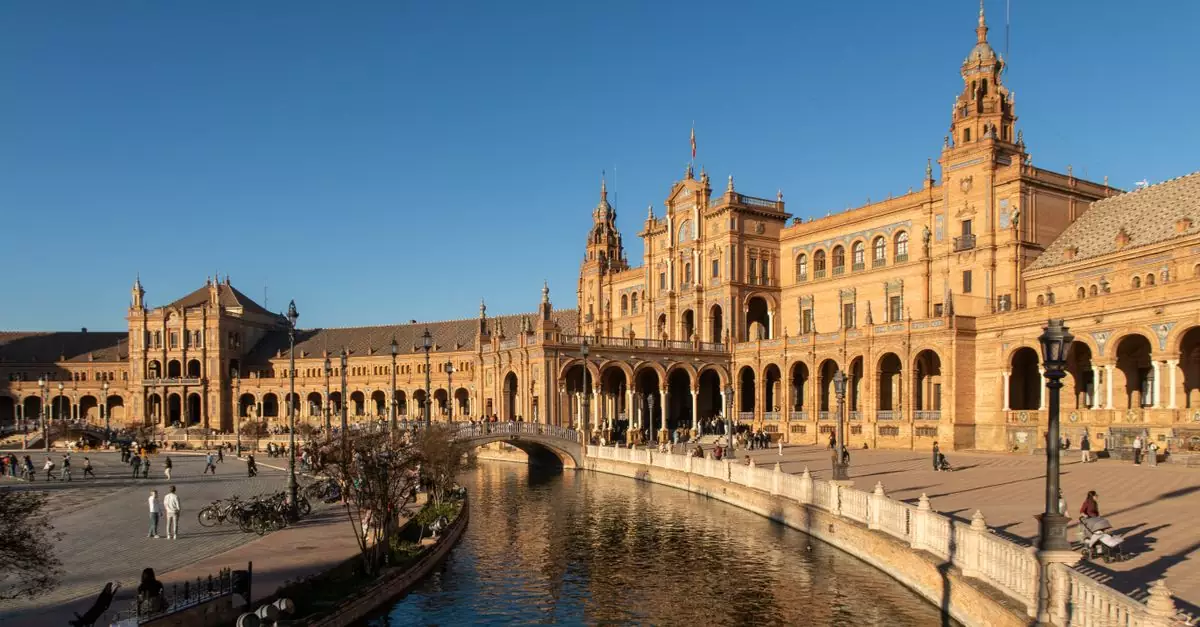
Seville’s culinary scene is deeply intertwined with its vibrant tapas culture. To truly savor this experience, understanding local customs and practicalities is key. This section guides you through the nuances of enjoying tapas like a Sevillano.
Understanding the ‘Tapeo’ Experience
The “tapeo” is more than just eating; it’s a social ritual. It involves moving from one bar to another, enjoying a drink and a small plate at each. This hopping is a fundamental part of experiencing the best tapas bars in Seville. Don’t expect to linger for hours at one spot. Instead, embrace the movement and the variety of flavors each establishment offers.
Bars can get crowded, especially during peak hours. Locals often stand at the bar, enjoying their tapas and conversation. While tables are available, they are sometimes reserved for full meals or may incur a service charge. Being comfortable with a bit of jostling and standing is part of the authentic tapeo.
Ordering Like a Local: Common Phrases and Practices
Mastering a few Spanish phrases can enhance your tapas journey. When ordering, it’s common to simply point at what you want or ask for the bar’s specialty. “Una caña, por favor” (a small beer) or “Una copa de vino tinto/blanco” (a glass of red/white wine) are essential drink orders. For food, try “Una tapa de…” followed by the dish name.
Many bars offer a small tapa for free with your drink. This tradition in Seville is becoming less common in more tourist-centric areas. If a tapa isn’t included, you’ll order them separately. Don’t hesitate to ask for recommendations; bartenders are usually happy to guide you.
Here are a few useful phrases:
- ¿Qué me recomienda? (What do you recommend?)
- Una tapa de jamón. (A tapa of ham.)
- Otra ronda, por favor. (Another round, please.)
- La cuenta, por favor. (The bill, please.)
Best Times to Experience Seville’s Tapas Bars
The prime time for tapas in Seville is generally in the early evening, from around 7:30 PM to 9:30 PM. This is when locals finish work and begin their evening social rounds. Arriving earlier, around 7:00 PM, can help you secure a spot before the crowds truly descend.
Lunchtime tapas are also popular, typically between 1:30 PM and 3:30 PM. However, the evening tapeo is considered the more quintessential experience for exploring the best tapas bars in Seville. Many bars remain open late, offering a chance for a post-dinner snack or a final drink.
Budgeting for a Tapas Crawl in Seville
Tapas offer a fantastic way to sample a wide variety of dishes without committing to a large meal. Prices vary, but you can expect to pay between €2.50 and €5 for most tapas. Drinks are also reasonably priced, with a small beer or glass of wine costing around €1.50 to €3.
For a satisfying tapas crawl, budget around €20-€30 per person for an evening. This typically includes 3-4 tapas and 2-3 drinks per person. If you stick to bars offering free tapas with drinks, your budget can be even more economical.
Consider these approximate costs per person for a typical evening:
| Item | Estimated Cost (EUR) | Notes |
|---|---|---|
| Tapas | €10 – €20 | 3-4 tapas at €2.50 – €5 each |
| Drinks | €5 – €10 | 2-3 drinks at €1.50 – €3 each |
| Total | €15 – €30 | Can be lower with free tapas |
This budget allows for a good taste of Seville’s culinary offerings. Remember that some higher-end establishments or those in prime tourist locations might charge slightly more.
Frequently Asked Questions About Seville’s Best Tapas Bars
Are tapas bars in Seville expensive?
Tapas culture in Seville is generally very affordable, making it a fantastic destination for budget-conscious travelers. You can typically expect to pay between €2 and €4 for most tapas. Drinks, like a small beer (caña) or a glass of wine, usually cost around €1.50 to €3. Many find they can enjoy a substantial and delicious meal by ordering several tapas, often for under €15 per person.
What is the best neighborhood for tapas in Seville?
While excellent tapas can be found throughout Seville, the historic neighborhoods of Triana and Santa Cruz consistently rank among the top areas for a traditional tapas crawl. Triana, across the Guadalquivir River, offers a more local and authentic feel with vibrant bars lining Calle Betis and its surrounding streets. Santa Cruz, the former Jewish quarter, is a maze of charming alleys filled with atmospheric, albeit sometimes more tourist-oriented, establishments. For a truly local experience, venture slightly outside these core areas to neighborhoods like La Macarena.
Can you make a full meal out of tapas?
Absolutely. Ordering a selection of tapas is a common and highly recommended way to dine in Seville. It allows you to sample a wide variety of flavors and dishes in one sitting. A typical approach is to order two to three tapas per person, along with a drink, for a lighter meal. For a more substantial dinner, aim for four to five tapas. This flexible dining style is one of the main appeals of Seville’s culinary scene.
What are some vegetarian tapas options in Seville?
While Seville is known for its meat and seafood dishes, there are increasingly good vegetarian tapas options available. Look for classics like espinacas con garbanzos (spinach with chickpeas), patatas bravas (fried potatoes with spicy sauce, often vegetarian), pimientos de padrón (fried green peppers), tortilla española (Spanish omelet, though sometimes made with chorizo), and various mushroom or cheese-based tapas. Many places also offer ensaladilla rusa (potato salad), which is typically vegetarian. Don’t hesitate to ask your server about vegetarian preparations.