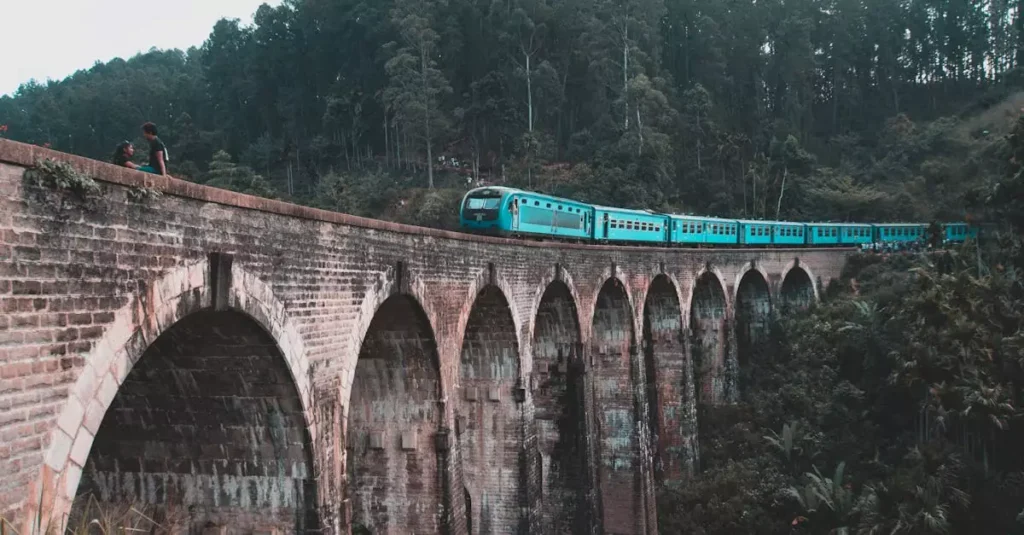
Europe’s extensive rail network offers remarkable opportunities for unforgettable train journeys. From the dramatic peaks of the Alps to the rolling hills of the countryside, traveling by train provides a unique blend of efficiency, scenic beauty, and cultural immersion. If you’re dreaming of iconic routes and hidden gems, this guide is your essential companion for planning the best train bucket list adventures. Discover celebrated journeys like the Glacier Express and the Venice Simplon-Orient-Express, alongside lesser-known but equally captivating lines through Portugal’s Douro Valley and Germany’s Harz Mountains. We’ll cover practical tips for maximizing your experience, including packing essentials, dining car etiquette, and capturing stunning photographs from your window. Get ready to explore Europe in a comfortable and rewarding way.
Why Europe is the Ultimate Train Travel Destination
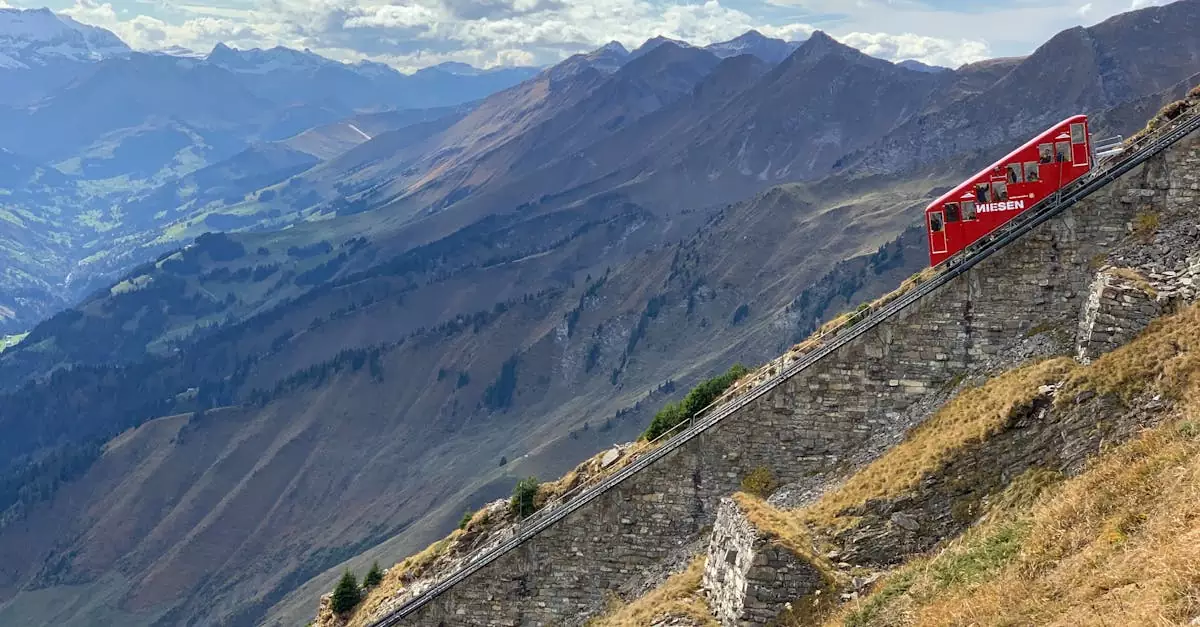
Europe’s rail network is unmatched in its ability to connect bustling city centers with remote alpine villages, making it a top choice for both adventure seekers and casual travelers. Planning a trip across Europe by rail offers a unique blend of efficiency, scenic beauty, and cultural immersion, solidifying its status as a premier destination for bucket list adventures.
The Romance of the Rails: Experiencing Scenic European Routes
The allure of train travel in Europe lies in its capacity to transform transit into an experience. Imagine watching vineyards roll by from a panoramic carriage or tracing dramatic coastlines from your window. Routes like the Glacier Express in Switzerland offer breathtaking views of snow-capped peaks and charming valleys, while the West Highland Line in Scotland winds through rugged landscapes steeped in myth. These journeys are about more than just reaching your destination; they immerse you in the passing scenery and the timeless romance of rail travel.
Consider the sheer variety of landscapes accessible by train. You can journey from the sun-drenched beaches of the Mediterranean to the dramatic fjords of Norway, all without the hassle of airport security or rental car logistics. The train becomes your moving hotel room, offering comfort and constant visual stimulation, making it easy to appreciate the continent’s diverse geography, from the rolling hills of Tuscany to the rugged highlands of Scotland.
Effortless Exploration: Connecting Cities and Landscapes by Train
One of the significant advantages of European train travel is its ability to seamlessly connect major cities and smaller towns. High-speed rail lines, such as the TGV in France and the ICE in Germany, drastically reduce travel times between urban hubs. This efficiency allows travelers to pack more destinations into a single trip, experiencing a wider array of cultures and sights. For instance, you could depart Paris in the morning and arrive in Amsterdam by lunchtime, ready to explore.
Beyond high-speed networks, regional and local trains provide access to even more remote and picturesque locations. This extensive coverage means that even off-the-beaten-path destinations are often reachable by rail, offering a genuine sense of discovery. Navigating these connections is typically straightforward, with well-signed stations and readily available timetables. Many travelers find that purchasing a rail pass, like the Eurail Pass, offers flexibility and cost savings for extensive travel across multiple countries.
Sustainable Adventures: Eco-Friendly Travel Across the Continent
Choosing train travel in Europe is also a conscious decision for those seeking more sustainable options. Trains produce significantly lower carbon emissions per passenger mile compared to cars or airplanes. As environmental awareness grows, more travelers are opting for the eco-friendly benefits of rail, making it a responsible choice for exploring the continent. This commitment to sustainability aligns with Europe’s broader efforts to promote greener tourism practices.
By opting for the train, you reduce your carbon footprint while enjoying a more relaxed and scenic journey. This approach fosters a deeper connection with the environment, enhancing your appreciation for the natural beauty of Europe. It’s a mindful way to experience the world, knowing that your adventure contributes positively to preserving the destinations you visit for future generations.
Iconic European Train Routes for Your Bucket List
Embarking on a train journey across Europe provides a unique perspective on its diverse landscapes and cultures. These celebrated routes not only serve as transportation but also offer immersive experiences, making them essential additions to any traveler’s bucket list. From snow-capped Alps to the rolling Scottish Highlands, these train adventures promise unforgettable memories.
The Glacier Express: Switzerland’s ‘Slowest Express Train’
Often dubbed the “slowest express train in the world,” the Glacier Express is a marvel of Swiss engineering and scenic tourism. This panoramic train connects the mountain resorts of Zermatt and St. Moritz, traversing 291 bridges and passing through 91 tunnels. The journey is a visual feast, showcasing the dramatic Matterhorn, the Rhine Gorge (often called the “Swiss Grand Canyon”), and picturesque alpine villages.
Travelers can choose different classes of service, with panoramic windows providing unobstructed views. Booking seats in advance is highly recommended, especially during peak summer and winter seasons. While the journey takes around eight hours, it’s designed for enjoyment, not speed. Consider bringing snacks and drinks, though onboard dining options are available.
The Venice Simplon-Orient-Express: A Journey Through Luxury and History
For a taste of old-world glamour, the Venice Simplon-Orient-Express offers an unparalleled luxury train experience. This iconic train, with its beautifully restored 1920s and 1930s carriages, evokes the golden age of travel. The most popular route connects London and Venice, with other itineraries extending to cities like Paris, Rome, and Budapest.
The experience transcends mere transportation; it’s about the journey itself. Expect exquisite multi-course meals served in elegant dining cars, live piano music, and plush private cabins. The onboard atmosphere exudes refined sophistication, transporting passengers back in time. This high-end adventure comes with prices that reflect the exclusive nature of the service, so advance booking is essential, often months ahead of time.
The Bernina Express: Alpine Vistas from Tirano to St. Moritz
The Bernina Express is another Swiss marvel, renowned for its breathtaking route that climbs over the Bernina Pass. This train journey begins in Tirano, Italy, and winds through the Swiss Alps to St. Moritz, a chic alpine resort town. The route is a UNESCO World Heritage site, recognized for its remarkable integration of railway engineering with the natural landscape.
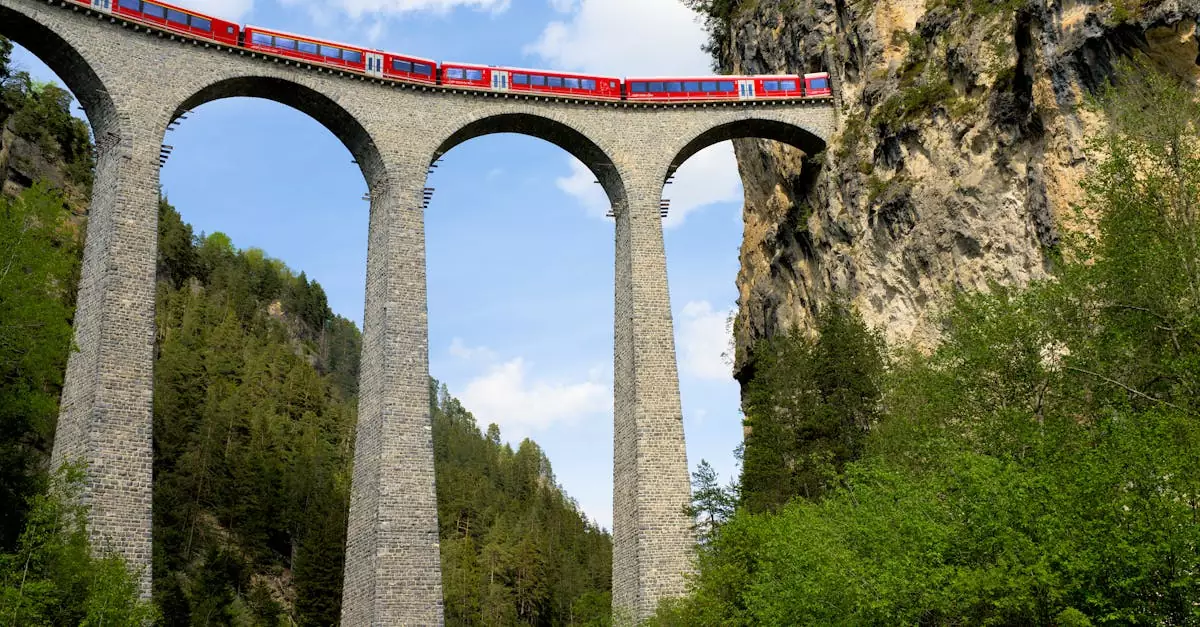
Key highlights include crossing the iconic Landwasser Viaduct and ascending to the Bernina Pass at over 2,200 meters. The panoramic carriages provide stunning views of glaciers, alpine lakes, and dramatic mountain scenery. The Bernina Express operates year-round, offering different yet equally spectacular vistas depending on the season. From lush green valleys in summer to snow-covered landscapes in winter, the views are consistently awe-inspiring.
The West Highland Line: Scotland’s Dramatic Landscapes
Stretching from Glasgow to Mallaig on Scotland’s west coast, the West Highland Line is frequently cited as one of the world’s most scenic rail journeys. This route plunges into the heart of the Scottish Highlands, passing through rugged mountains, tranquil lochs, and remote glens. The journey offers a profound sense of wilderness and isolation.
The most famous stretch runs between Fort William and Mallaig, featuring the Glenfinnan Viaduct, an iconic curved railway bridge showcased in the Harry Potter films. Travelers can experience this section via the regular ScotRail service or opt for the Jacobite Steam Train during summer months for a more nostalgic experience. The weather in Scotland can be unpredictable, so packing layers is advisable. The end of the line at Mallaig provides a charming fishing village atmosphere and ferry connections to the Isle of Skye.
Planning Your European Train Bucket List Adventure
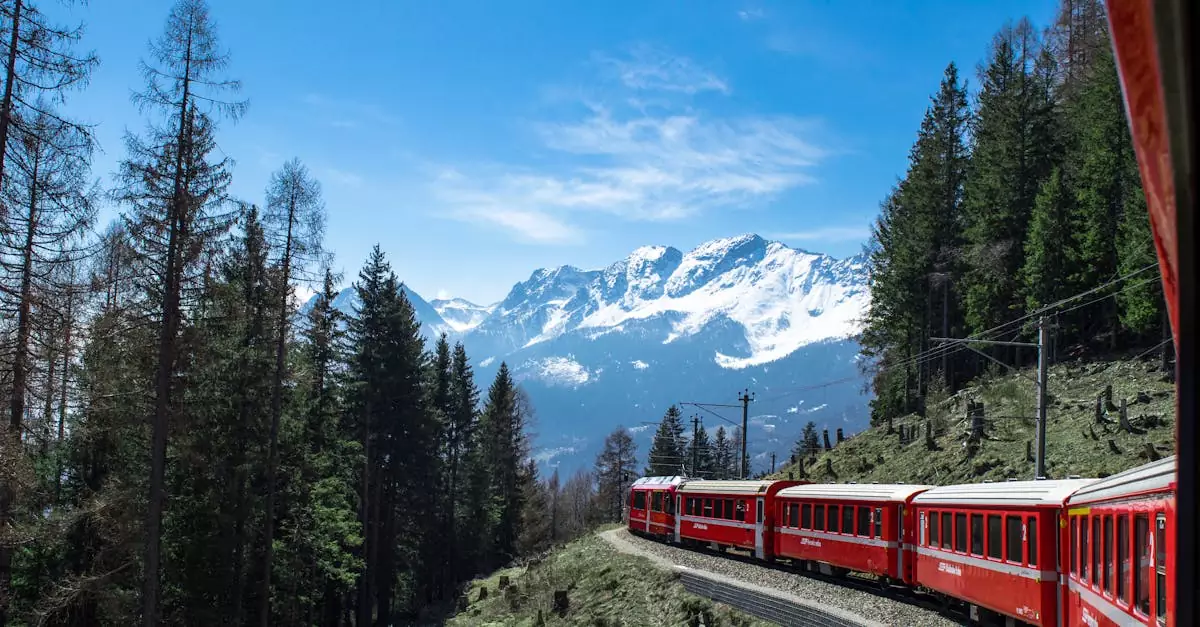
Embarking on a European train journey offers unparalleled scenic beauty and cultural immersion. To make your trip seamless and memorable, thoughtful planning is essential. Consider these key aspects to ensure your adventure aligns with your expectations and budget.
Choosing the Best Time of Year for Your Train Journey
The season you choose significantly impacts your experience. Spring (April to June) and autumn (September to October) generally offer pleasant weather, fewer crowds, and vibrant landscapes. Wildflowers bloom in spring, while autumn brings colorful foliage and harvest festivals. Summer (July to August) is peak tourist season, with warm weather and long daylight hours, but also higher prices and more crowded trains. Winter (November to March) offers a quieter, more budget-friendly experience, with charming Christmas markets and snow-dusted scenery, though some routes may be affected by weather.
Here’s a brief seasonal overview:
| Season | Pros | Cons | Best For |
|---|---|---|---|
| Spring | Mild weather, blooming nature, fewer crowds | Variable weather, potential rain | Sightseeing, hiking, photography |
| Summer | Warmest weather, long days, lively atmosphere | Peak crowds, highest prices, heat | Beach destinations, outdoor festivals |
| Autumn | Beautiful foliage, harvest festivals, moderate crowds | Shorter days, cooler weather, rain possible | Wine regions, city breaks, cultural tours |
| Winter | Fewest crowds, lowest prices, festive markets | Cold weather, short days, potential snow disruptions | Skiing, Christmas markets, cozy city stays |
Understanding Rail Passes: Eurail vs. Individual Tickets
Deciding between a rail pass and booking individual tickets is a crucial budgeting decision. A Eurail Pass can offer excellent value if you plan to take multiple long-distance journeys across several countries. It provides flexibility and convenience, allowing spontaneous travel without the need to purchase new tickets each time. However, for shorter trips or focused itineraries within one or two countries, buying point-to-point tickets might be more economical. Always compare the cost of a pass against the sum of individual tickets for your planned route. Remember that some high-speed trains and overnight services require seat reservations, which incur an additional fee even with a pass.
Consider these factors when choosing:
- Number of countries visited: More countries generally favor a pass.
- Travel frequency: Frequent travel between cities supports a pass.
- Flexibility needs: A pass allows for more spontaneous changes.
- Budget: Calculate individual ticket costs to compare with pass prices.
Booking Accommodations Near European Train Stations
Staying close to train stations simplifies logistics, especially when arriving late or departing early. Many European cities have central train hubs well-connected to public transport and within walking distance of hotels and hostels. Booking accommodation a short walk or a quick taxi ride from the station can save considerable time and hassle, particularly with luggage. Look for hotels that offer amenities catering to travelers, such as luggage storage and 24-hour reception. Websites specializing in European travel often list hotels with clear information on their distance from major train terminals.
When searching for lodging, prioritize these:
- Walking distance: Aim for under 15 minutes on foot from the station.
- Public transport links: Ensure easy access to trams, buses, or metros.
- Reviews: Check traveler feedback regarding convenience and noise levels.
- Amenities: Consider Wi-Fi, breakfast options, and luggage facilities.
Beyond the Classics: Hidden Gem Train Adventures
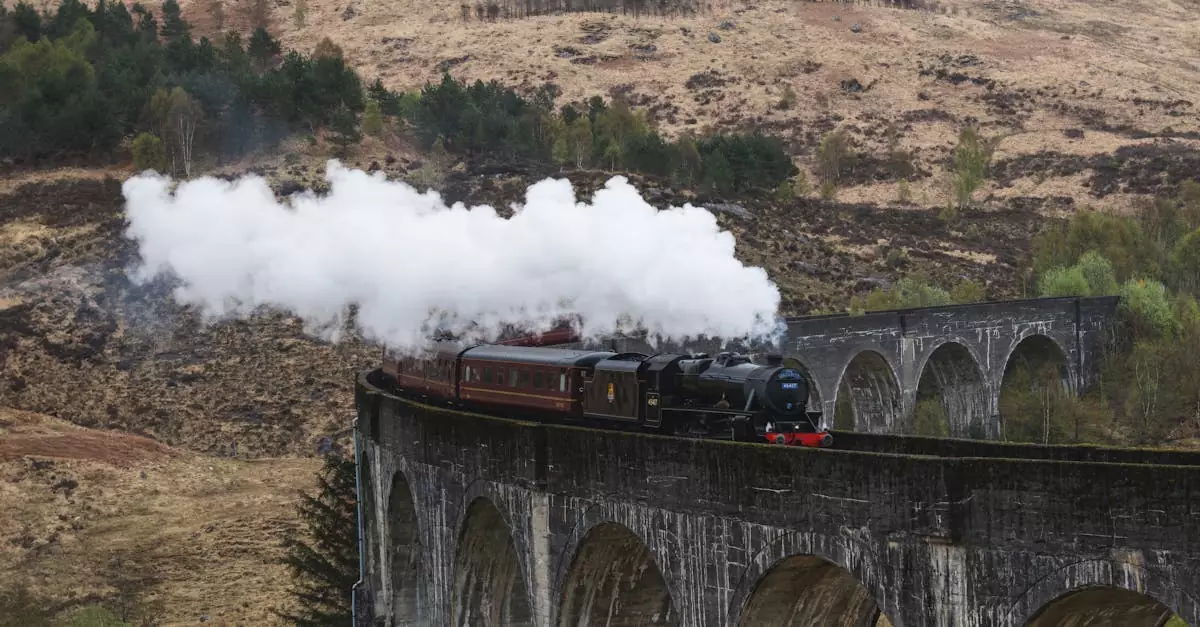
While iconic routes often capture the imagination, Europe’s rail network offers a wealth of lesser-known yet equally spectacular journeys. These hidden gems provide unique perspectives on regional culture, landscapes, and history, often with fewer crowds. For those seeking the best train bucket list adventures off the beaten path, these routes promise unforgettable experiences.
The Douro Valley Line: Portugal’s Wine Region by Rail
The Linha do Douro, or Douro Valley Line, snakes through one of Portugal’s most scenic and historic wine regions. This journey is a feast for the senses, with vineyards clinging to steep hillsides that plunge towards the Douro River. Traveling by train offers a relaxed way to absorb the landscape, passing through charming villages and alongside terraced slopes.
Departing from Porto’s São Bento station, the train follows the river upstream towards Pocinho. The journey takes approximately three to four hours one way, making it ideal for a day trip or a leisurely multi-day exploration. Consider breaking up the journey in towns like Pinhão, known for its stunning azulejo tile work and proximity to many Quintas (wine estates).
Traveler Tips for the Douro Valley Line:
- Best Time to Visit: Spring (April-May) for blooming landscapes and autumn (September-October) for harvest season and vibrant foliage.
- Getting There: Trains depart regularly from Porto’s São Bento station.
- Accommodation: Stay in Porto or opt for charming guesthouses and wine hotels in towns like Pinhão or Peso da Régua.
- Activities: Wine tasting at local Quintas, boat trips on the Douro River, and exploring historic towns.
The Flåm Railway: Norway’s Steep and Stunning Mountain Line
Norway’s Flåm Railway (Flåmsbana) is renowned as one of the steepest standard-gauge railway lines in the world. This engineering marvel climbs over 867 meters (2,844 feet) in just 20 kilometers (12 miles), offering breathtaking views of dramatic fjords, cascading waterfalls, and snow-capped mountains. It’s a truly immersive journey into the heart of Norwegian alpine scenery.
The train travels between the village of Flåm, situated at the inner end of the Aurlandsfjord, and the mountain station of Myrdal, which is a stop on the Bergen Line. The journey takes about one hour and includes a stop at the Kjosfossen waterfall, where passengers can disembark for photos. While brief, the Flåm Railway packs an incredible visual punch.
Logistics for the Flåm Railway:
- Duration: Approximately 1 hour each way.
- Frequency: Trains run frequently during peak season, but booking in advance is recommended.
- Connections: Myrdal station connects with the main Bergen Line, allowing for seamless travel to and from Oslo or Bergen.
- Scenery Highlights: The steepest gradients, the Kjosfossen waterfall, and panoramic views of the Aurlandsfjord.
The Harz Narrow Gauge Railways: Exploring Germany’s Historic Forests
Germany’s Harz Mountains are crisscrossed by an extensive network of narrow-gauge steam railways, collectively known as the Harzer Schmalspurbahnen (HSB). This system offers a nostalgic journey through picturesque forests, charming medieval towns, and up to the Brocken, the highest peak in the Harz. It’s a delightful way to experience the region’s natural beauty and rich industrial heritage.
The most famous route is the ascent to the Brocken, a journey that evokes a sense of stepping back in time. Other lines connect popular towns like Wernigerode, Quedlinburg, and Nordhausen, providing excellent access for hikers and history enthusiasts. The steam engines puffing through the dense pine forests create a truly atmospheric experience.
Harz Railway Travel Considerations:
- Network: The HSB operates several distinct lines, with the Brockenbahn being the most popular.
- Tickets: Purchase tickets directly at stations or online. Consider multi-day passes if you plan extensive travel.
- Brocken Summit: Weather on the Brocken can change rapidly; be prepared for cooler temperatures and fog, even in summer.
- Towns to Visit: Wernigerode with its fairy-tale castle and Quedlinburg, a UNESCO World Heritage site.
These less-traveled routes offer a different kind of adventure, proving that some of the best train bucket list adventures lie just beyond the most famous itineraries. They provide a more intimate connection with the landscapes and cultures of Europe, making for truly memorable rail travel.
Maximizing Your Train Travel Experience
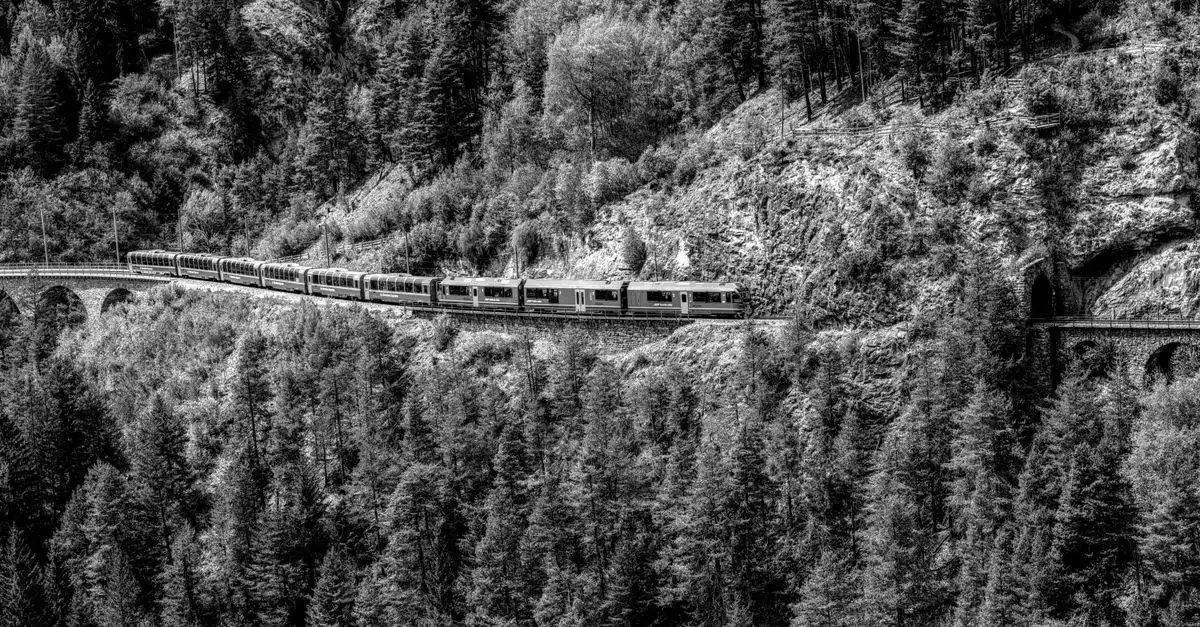
Embarking on one of Europe’s best train bucket list adventures is more than just getting from point A to point B; it’s an experience in itself. To make the most of these journeys, thoughtful preparation and a willingness to embrace the onboard lifestyle are key. From what you pack to how you dine, small details can significantly enhance your comfort and enjoyment on long-distance European rail travel.
Packing Essentials for Comfortable Long-Distance Train Travel
Comfort on a long train journey hinges on smart packing. Opt for layers of breathable fabrics like cotton or merino wool, as temperatures can fluctuate between carriages and throughout the day. A comfortable neck pillow, a lightweight blanket, and cozy socks can transform a standard seat into a more restful space. Don’t forget a good book or downloaded podcasts to pass the time.
When packing, consider the limited space in train compartments. A well-organized backpack or soft-sided suitcase is generally easier to manage than a rigid, bulky one. Essential toiletries, a reusable water bottle, and any necessary medications should be easily accessible in your daypack. For overnight journeys, a small travel-sized amenity kit with earplugs and an eye mask can be invaluable for ensuring a good night’s sleep.
Savoring Local Flavors: Dining Car Experiences and Station Snacks
The dining car on a European train can be a highlight, offering a chance to taste regional specialties without leaving your seat. Many routes feature menus showcasing local ingredients and culinary traditions, providing a delicious way to connect with the culture of the countries you’re passing through. Enjoying a leisurely meal while watching the scenery glide by is a quintessential part of the train travel experience.
Beyond the dining car, train stations across Europe are culinary hubs. Arriving a little early allows time to explore the station’s offerings. You might find bakeries selling fresh pastries, delis with regional cheeses and cured meats, or market stalls offering local fruits. These station snacks are perfect for stocking up for your journey, providing a more budget-friendly and often more authentic taste of local food than onboard options. Remember to check if your train has a dining car when booking, as not all services offer this amenity.
Capturing Memories: Photography Tips for Train Journeys
Photographing from a moving train presents unique challenges and opportunities. The key is to anticipate the best shots and adjust your settings quickly. For landscape photography, a polarizing filter can help reduce glare and enhance the colors of the scenery. When capturing the interior of the train or fellow passengers, be mindful of their privacy and always ask permission before taking close-up shots.
To achieve sharp images from a moving train, a faster shutter speed is crucial to combat motion blur. If your camera has a dedicated “panning” mode or image stabilization, utilize it. Experiment with different angles from your window; sometimes looking up at passing bridges or down at tracks can yield interesting perspectives. For capturing the spirit of the journey, focus on details like vintage signage at stations, the intricate patterns of the train interiors, or the expressions of passengers as they gaze out at the passing world. Investing in a lightweight tripod can also be beneficial for low-light conditions or capturing longer exposures at stations.
Frequently Asked Questions About European Train Travel
What is the most scenic train route in Europe?
Defining the “most” scenic route is subjective, as Europe offers diverse landscapes from alpine peaks to coastal vistas. However, the Bernina Express in Switzerland and Italy is consistently ranked among the top contenders. This route traverses the Swiss Alps, offering breathtaking views of glaciers, dramatic valleys, and picturesque villages. Another highly regarded journey is the Flåm Railway in Norway, a steep descent with stunning fjord scenery. For coastal beauty, consider the Cinque Terre trains in Italy, connecting five colorful villages perched above the Ligurian Sea.
How much does a European train pass typically cost?
The cost of a European train pass, like the popular Eurail Pass, varies significantly based on the duration of travel, the number of countries you plan to visit, and the type of pass (e.g., continuous vs. flexi). A typical 15-day consecutive pass might range from €300 to €600 for a standard adult fare. Flexi passes, allowing a certain number of travel days within a longer period, can offer more value for less frequent travel. It’s crucial to compare pass prices against individual ticket costs for your planned itinerary, as sometimes booking point-to-point tickets can be more economical.
| Pass Type | Duration | Estimated Cost (EUR) | Best For |
|---|---|---|---|
| Eurail Global | 15 Days | €300 – €600 | Extensive travel across multiple countries |
| Eurail Global | 1 Month | €500 – €900 | Long-term exploration |
| Eurail Select | 4 Countries | €200 – €400 | Focused regional exploration |
| Point-to-Point | Varies | Varies | Specific routes, shorter trips, early booking |
Are sleeper trains a good option for budget travelers?
Sleeper trains can be an excellent option for budget travelers, especially for long-distance journeys. They combine accommodation and transportation into one cost, saving you a night in a hotel. While private compartments can be expensive, shared couchette compartments offer a more affordable way to travel overnight. These typically include bunk beds and shared bathroom facilities. Booking in advance is essential to secure the best prices and availability for these popular services. Always factor in potential reservation fees, which are often separate from the ticket or pass cost.
What are common tourist mistakes to avoid on European trains?
A common pitfall is not validating your train ticket before boarding, especially in countries where this is required. Always check local regulations, as unvalidated tickets can result in hefty fines. Another mistake is assuming all trains have free Wi-Fi or power outlets; while increasingly common, it’s wise to have a portable charger. Travelers also sometimes underestimate the need for reservations, particularly on high-speed or international routes, which can lead to being denied boarding or paying higher last-minute fares. Finally, pack light. Navigating crowded platforms and storing luggage on trains is much easier with less baggage. For more general advice on navigating Europe, understanding local customs can prevent unintentional faux pas.