Europe’s extensive rail network provides a unique way to experience the continent’s stunning diversity, transforming travel into an unforgettable adventure. For those eager to soak in breathtaking landscapes from the comfort of a train carriage, certain routes stand out, blending efficient travel with awe-inspiring vistas. This guide explores the best train journeys in Europe, highlighting what makes each route special and offering practical tips for planning your own scenic rail adventure. You’ll discover iconic journeys through the Swiss Alps, along rugged coastlines, and across wild highlands, learning about their unique beauty, optimal travel times, and essential planning advice. Prepare to be inspired by the magic of European rail travel.
Top 5 Best Train Journeys in Europe for Breathtaking Scenery
Europe’s extensive rail network provides exceptional access to some of the continent’s most dramatic landscapes. For travelers seeking stunning views from a train, several routes stand out. These journeys combine efficient travel with unforgettable panoramas, making them essential for any European itinerary. Planning a trip around these scenic rail lines offers a unique perspective on the continent’s beauty.
The Glacier Express: Switzerland’s Iconic Alpine Adventure
Dubbed the “slowest express train in the world,” the Glacier Express connects Zermatt and St. Moritz in Switzerland, traversing the heart of the Alps. This iconic route is a visual feast, passing over 291 bridges and through 91 tunnels. Travelers can expect to see legendary peaks like the Matterhorn, deep gorges, and charming Swiss villages. The panoramic windows provide uninterrupted views, making the journey itself a destination.
Booking tickets in advance is highly recommended, especially during peak summer months and the ski season. Seat reservations are mandatory. While the journey can be completed in a day, consider breaking it up to fully appreciate the Swiss landscape.
The Bernina Express: From Glaciers to Mediterranean Palms
Another Swiss gem, the Bernina Express, offers a remarkable contrast in scenery. It travels from Chur (or St. Moritz) in Switzerland to Tirano, Italy. This UNESCO World Heritage route is an engineering marvel, climbing over the Bernina Pass at 2,253 meters before descending into the milder Italian climate. The route showcases glaciers, alpine lakes, and rugged mountains, eventually giving way to palm trees and vineyards in Italy.
The journey is particularly stunning in autumn when the foliage turns vibrant colors. The Bernina Express operates year-round, each season offering its own charm. It’s a fantastic way to travel between Switzerland and Italy, providing a more relaxed alternative to flying or driving.
The West Highland Line: Scotland’s Wild and Remote Beauty
Venture to Scotland for the West Highland Line, celebrated for its wild, untamed beauty. The train journey from Glasgow to Mallaig is consistently ranked among the world’s most scenic rail routes. It winds through the Scottish Highlands, passing Loch Lomond, the Rannoch Moor, and the Glenfinnan Viaduct, famously featured in the Harry Potter films. The dramatic landscapes of glens, mountains, and lochs are on full display.
The best time to experience this route is during the spring and summer months for longer daylight hours and better chances of clear skies. However, the moody, atmospheric landscapes of autumn and winter also hold unique appeal. For a nostalgic experience, consider taking the Jacobite steam train over a portion of this line.
The Flåm Railway: Norway’s Steepest Descent
The Flåm Railway (Flåmsbana) is a spectacular branch line in Norway, renowned for being one of the steepest standard-gauge railway lines in the world. It connects the mountain village of Myrdal on the Bergen Line to Flåm, situated deep within a fjord. The train descends 866 meters over just 20 kilometers, passing through dramatic valleys, alongside roaring waterfalls, and offering glimpses of traditional Norwegian farms.
This relatively short but intensely scenic journey is often part of a larger trip to the Norwegian fjords. It’s a popular attraction, so booking tickets in advance is advisable, especially during the summer tourist season. The surrounding area also offers opportunities for hiking and fjord cruises.
The Cinque Terre Express: Coastal Charm of the Italian Riviera
For a taste of Mediterranean splendor, the Cinque Terre Express in Italy is an excellent choice. This short but frequent train service connects the five picturesque villages of Cinque Terre: Monterosso, Vernazza, Corniglia, Manarola, and Riomaggiore. The line hugs the Ligurian coastline, providing breathtaking views of the turquoise sea, colorful cliffside villages, and terraced vineyards.
The train is the primary mode of transport between the villages, as cars are largely restricted. It’s an efficient way to hop between towns, allowing ample time for hiking the coastal paths or enjoying local cuisine. Summer can be crowded, so consider visiting in the shoulder seasons of spring or early autumn for a more relaxed experience.
Planning Your European Train Adventure: What Travelers Need to Know
Embarking on a European train journey offers a unique perspective on the continent’s diverse landscapes and cultures. To make the most of your trip, understanding a few key planning aspects will ensure a smoother and more enjoyable experience. From booking tickets to navigating stations, a little preparation goes a long way in discovering the best train journeys in Europe.
Booking Train Tickets: Best Platforms and Advance Purchase Tips
Securing train tickets in advance is crucial, especially for popular routes and during peak travel seasons like summer or holidays. Many national rail operators offer their own websites, which can sometimes provide the best fares. However, for a consolidated view across different countries, third-party booking platforms are invaluable. Websites like Trainline, Omio, and Rail Europe allow you to compare prices and schedules from various operators in one place.
Booking several months ahead—ideally three to six months—can unlock significant savings. Look out for early bird discounts and promotional fares. If your travel dates are flexible, checking different days of the week or times of day can reveal cheaper options. For spontaneous trips or shorter distances, booking a few weeks in advance may suffice, but always check prices early to gauge demand.
Understanding Rail Passes vs. Point-to-Point Tickets
The choice between a rail pass and individual point-to-point tickets depends heavily on your itinerary and travel style. A Eurail Pass or Interrail Pass can offer excellent value if you plan multiple long-distance journeys across several countries within a set period. These passes provide flexibility, allowing you to hop on and off trains more spontaneously.
However, if your travel plans focus on specific routes or you’re traveling during peak times when advance fares are low, buying point-to-point tickets might be more economical. It’s wise to price out your intended journey both ways using individual tickets and compare that cost against a pass. Remember that some high-speed or special scenic trains may require a reservation fee even with a pass.
Navigating European Train Stations: Tips for a Smooth Experience
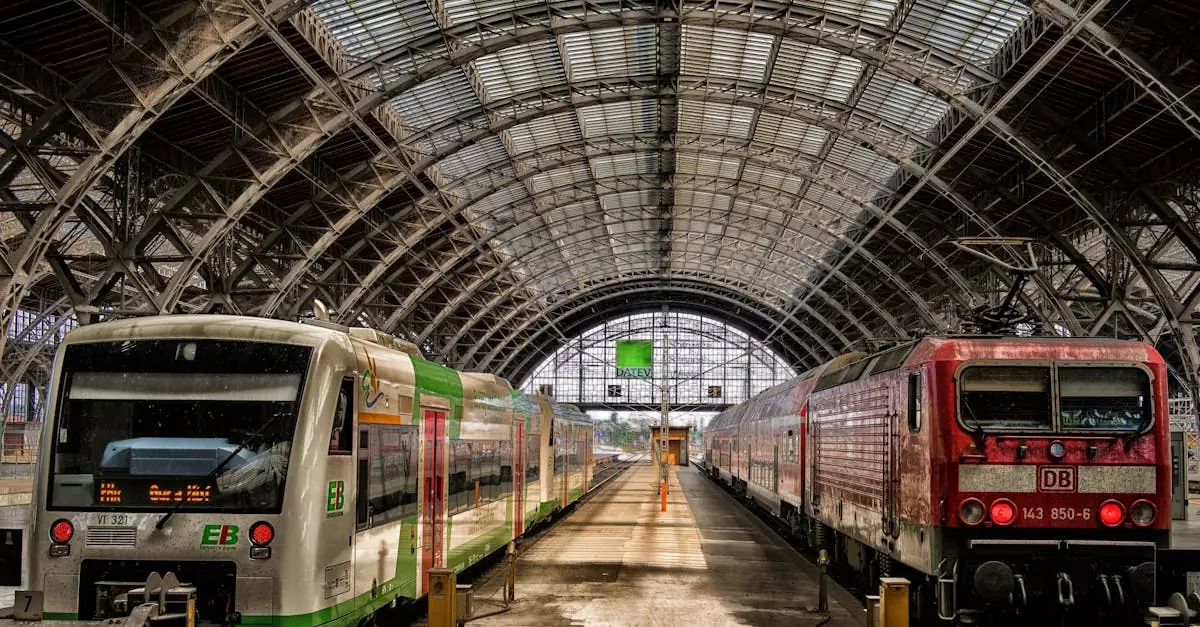
European train stations vary greatly in size, from bustling central hubs to quiet regional stops. Most major stations are well-signposted, with clear signage in English and local languages. Arriving at least 30-45 minutes before your departure is recommended, especially at larger stations, to allow time for finding your platform, checking departure boards, and navigating crowds.
Look for the departure boards (often called “Abfahrt” or “Départ”) to confirm your train’s platform number. Platforms are usually numbered sequentially. If you are unsure, information desks or station staff can provide assistance. Many stations offer amenities like cafes, shops, and luggage storage facilities, which can be useful if you have a layover or arrive early.
Choosing Your Seat: Window vs. Aisle and Scenic Views
When booking your tickets, you’ll often have the option to choose between a window and an aisle seat. For appreciating the best train journeys in Europe, a window seat is almost always the preferred choice. This allows you to fully immerse yourself in the passing scenery, from rolling vineyards and dramatic coastlines to charming villages and majestic mountains.
Consider the direction of travel when selecting your seat. Some booking systems or onboard staff may advise on which side offers the best views for a particular route. If you are traveling with others and want to converse easily, an aisle seat can be more convenient. However, for the quintessential scenic train experience, securing that window view is paramount to capturing the essence of your European rail adventure.
Best Times to Embark on Europe’s Most Scenic Train Routes
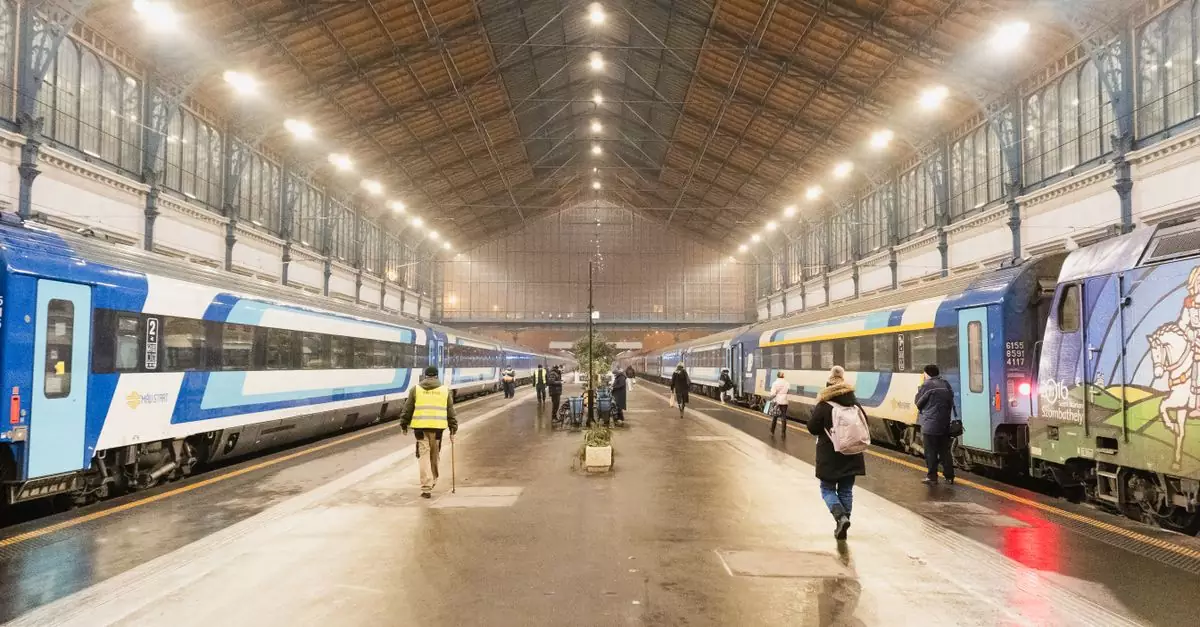
Choosing the right season can dramatically enhance your experience on Europe’s most scenic train journeys. Each period offers unique advantages, from blooming landscapes to cozy winter atmospheres. Consider these seasonal insights to plan your perfect trip.
Spring Blooms and Mild Temperatures: April to June
Spring is a delightful time for many European train routes, particularly those traversing the continent’s temperate regions. From April through June, landscapes burst into life. Wildflowers carpet meadows in the Alps, while coastal routes offer pleasant breezes and clear views. This period avoids peak summer heat and the largest crowds, making for a more relaxed journey. Many of the best train journeys in Europe are particularly stunning during these months.
Consider a journey through the Swiss Alps or along the Amalfi Coast in Italy. The weather is typically mild, ideal for enjoying panoramic views from the train window or for short excursions at stops. Daylight hours increase, providing ample time for sightseeing.
| Region | Typical Weather (April-June) | Scenery Highlights | Crowd Levels |
|---|---|---|---|
| Swiss Alps | Cool to Mild (5-20°C) | Blooming meadows, snow-capped peaks | Moderate |
| Italian Coast | Mild to Warm (15-25°C) | Coastal vistas, citrus groves | Moderate |
| French Riviera | Mild to Warm (15-23°C) | Mediterranean Sea, charming towns | Moderate |
Golden Autumn Hues: September and October
September and October showcase spectacular autumn colors across much of Europe, transforming scenic train routes into vibrant canvases. The air is crisp, and summer heat has subsided, creating comfortable travel conditions. This season is especially rewarding for routes through wine regions or forested mountain areas. The fewer crowds compared to summer contribute to a more tranquil experience.
Journeys through Bavaria in Germany, the Loire Valley in France, or the Scottish Highlands are particularly breathtaking in autumn. The rich reds, oranges, and yellows of changing leaves provide a stunning backdrop. This is also a prime time for photography enthusiasts seeking dramatic landscapes.
Winter Wonderland: Snow-Covered Landscapes and Festive Markets
For a truly magical experience, consider a winter train journey. From late November through February, many routes offer enchanting views of snow-covered landscapes. This season is perfect for cozying up with a book as you watch frosted forests and frozen lakes glide by. It’s also the prime time to experience Europe’s famous Christmas markets, often accessible by train.
The Bernina Express in Switzerland or the Flåm Railway in Norway can be particularly spectacular in winter, showcasing dramatic, snow-laden scenery. While some mountain passes might be affected by weather, most major scenic routes remain operational. Pack warm clothing and embrace the unique charm of a winter rail adventure.
Summer Crowds and Long Daylight Hours: July and August
July and August represent the peak tourist season in Europe, featuring longer daylight hours and generally warm to hot weather across the continent. This is an excellent time for train journeys in northern Europe, where temperatures remain pleasant, and extended daylight allows for maximum sightseeing. Coastal routes and journeys through Scandinavia are particularly appealing.
However, be prepared for larger crowds and potentially higher prices for accommodations and tickets. Booking well in advance is crucial for popular routes like the Glacier Express or the West Highland Line. The advantage of summer is the abundance of activities and vibrant atmosphere in towns and cities along the way.
Crafting the Perfect Train Journey Itinerary: From Days to Weeks
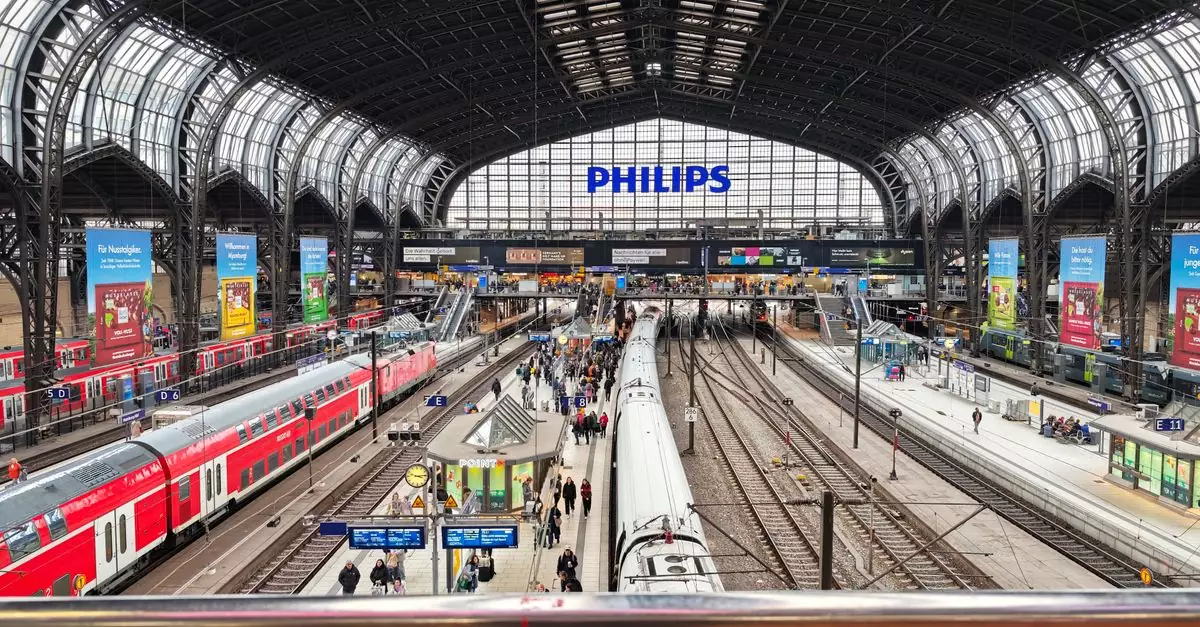
Planning a European train adventure involves more than just booking tickets; it’s about designing an experience tailored to your time and interests. Whether you have a long weekend or several weeks, Europe’s extensive rail network allows for diverse and memorable itineraries. Consider these sample routes to inspire your journey, keeping in mind that these are starting points for customization.
A 3-Day Swiss Alps Train Exploration
For a short but impactful scenic rail experience, focus on Switzerland’s iconic alpine routes. This condensed itinerary prioritizes breathtaking mountain vistas and charming villages.
Day 1: Lucerne to Interlaken
Begin in Lucerne, a picturesque city on Lake Lucerne. Take the GoldenPass Line (partially) towards Interlaken. This leg offers rolling hills giving way to increasingly dramatic mountain scenery. Arrive in Interlaken, a hub nestled between two stunning lakes and surrounded by the Bernese Alps.
Day 2: Jungfrau Region Excursion
From Interlaken, embark on a day trip into the Jungfrau region. Consider the cogwheel train to Jungfraujoch – Top of Europe, or a scenic journey to Grindelwald or Wengen for hiking and unparalleled views of the Eiger, Mönch, and Jungfrau peaks.
Day 3: Interlaken to Zermatt
Travel by train from Interlaken to Zermatt, the car-free village at the foot of the Matterhorn. This journey involves changes, but anticipation builds as you approach one of Europe’s most recognizable mountains. Spend your afternoon exploring Zermatt and enjoying views of the iconic peak.
This brief itinerary is ideal for travelers seeking maximum scenery in a limited timeframe. It requires efficient time use and pre-booking accommodations, especially during peak season.
A 7-Day Italian Riviera and Swiss Alps Combo
Combine the coastal charm of Italy with the majestic peaks of Switzerland for a diverse 7-day rail holiday. This route offers a fantastic contrast in landscapes and cultures.
Days 1-3: Italian Riviera (e.g., Cinque Terre)
Start in a city like Genoa or Pisa, then take local trains to explore the five villages of Cinque Terre. Spend your days hiking between villages, enjoying the Ligurian Sea, and savoring local pesto and seafood. Accommodation ranges from charming guesthouses to boutique hotels.
Day 4: Ventimiglia to Milan
Travel by train along the Italian Riviera towards Ventimiglia, then connect to a high-speed train to Milan. This allows for a comfortable transition and a chance to see more of the Italian countryside. Spend the evening in Milan.
Day 5: Milan to Zermatt (Switzerland)
Take a scenic train from Milan to Brig, Switzerland, then connect to the train heading towards Zermatt. This leg transitions from Italian plains to Swiss valleys. Arrive in Zermatt for your first glimpse of the Matterhorn.
Day 6: Zermatt and Gornergrat Railway
Dedicate this day to Zermatt. A highlight is the Gornergrat Railway, a cogwheel train offering spectacular panoramic views of the Matterhorn and surrounding glaciers. Enjoy hiking or soaking in the alpine atmosphere.
Day 7: Zermatt to Zurich for Departure
Enjoy a final Swiss mountain breakfast before taking the train from Zermatt to Zurich, a major international transport hub. This journey offers classic Swiss scenery as you head towards the airport.
This itinerary balances coastal beauty with alpine grandeur, offering a rich experience for those with a week to spare.
A 10-Day Scenic Rail Tour of Norway and Scotland
For a longer adventure focusing on dramatic coastlines, fjords, and rugged landscapes, this 10-day tour connects two of Europe’s most stunning northern countries by rail and ferry.
Days 1-3: Norway’s Fjords (e.g., Bergen)
Fly into Bergen, a gateway to Norway’s fjords. Explore the city and take scenic day trips, such as the Bergen Railway to Myrdal, connecting to the Flåm Railway for a descent into a fjord. Consider a fjord cruise from Bergen.
Day 4: Bergen to Oslo
Take the Bergen Railway, one of Europe’s highest and most scenic routes, across the Hardangervidda plateau to Oslo. This full day offers spectacular Norwegian scenery.
Day 5: Oslo to Copenhagen (via Ferry/Train)
Travel from Oslo to Copenhagen. While this often involves a ferry crossing and train segments, it’s a logical progression toward Scotland. Alternatively, fly to Edinburgh to save time.
Days 6-8: Scotland’s Highlands (e.g., Inverness & Skye)
Arrive in Edinburgh or Glasgow and take a train north to Inverness, the capital of the Highlands. From Inverness, explore Loch Ness or venture to the Isle of Skye (requiring bus connections). Consider the scenic Kyle Line to Kyle of Lochalsh for dramatic coastal views.
Day 9: West Highland Line (Glasgow to Mallaig)
Travel south to Glasgow and then embark on the West Highland Line, often cited as one of the most beautiful train journeys in the world. This route takes you through stunning glens and across the Glenfinnan Viaduct.
Day 10: Departure from Glasgow or Edinburgh
Enjoy a final Scottish breakfast before heading to Glasgow or Edinburgh for your departure.
This itinerary requires careful planning for connections, especially the ferry and bus segments outside the main train lines. Booking accommodations in advance is crucial.
Customizing Your Itinerary Based on Interests
The beauty of European train travel lies in its flexibility. You can adapt these suggestions to fit your specific passions.
- For History Buffs: Weave in routes connecting historical cities like Vienna, Prague, and Budapest, or explore ancient Roman routes in Italy.
- For Nature Enthusiasts: Prioritize routes through national parks like the Swiss National Park or the Norwegian mountain ranges. Consider the Bernina Express for its UNESCO World Heritage status.
- For Foodies: Design a route that connects renowned culinary regions. Travel through France’s wine country, Italy’s Emilia-Romagna, or Spain’s Basque Country, using trains to hop between local markets and restaurants.
- For Art and Culture Lovers: Connect major capitals like Paris, Berlin, and Amsterdam, utilizing their efficient intercity rail networks. Explore smaller towns with significant artistic heritage along the way.
When customizing, consider the balance between travel time and time spent at destinations. Europe’s rail passes, such as the Eurail Pass, can offer flexibility and cost savings for multi-country journeys, though individual point-to-point tickets might be cheaper for specific short routes. Always check the specific train types and reservation requirements for each leg of your journey, as some scenic routes operate with limited schedules or require mandatory seat reservations.
Experiencing Local Flavors Along the Tracks: Culinary Delights
The best train journeys in Europe offer more than stunning scenery; they provide a delicious immersion into regional gastronomy. Many routes embrace their culinary heritage, offering passengers a chance to savor local specialties directly from their seats.
Alpine Cheeses and Chocolates on Swiss Trains
Traveling through Switzerland by train is a feast for both the eyes and the palate. Many long-distance Swiss trains, like those on the Glacier Express or Bernina Express routes, feature dining cars serving regional products. Expect to find platters of rich, artisanal Swiss cheeses, often sourced from mountain dairies passed en route. Alongside these savory delights, indulge in world-famous Swiss chocolate. Dining on board allows you to pair these treats with local wines or coffee while watching dramatic alpine landscapes unfold outside your window.
Fresh Seafood and Pesto in the Cinque Terre
While the Cinque Terre’s main transport is the regional train connecting its five villages, the culinary experience is intrinsically linked to the tracks. The local train line is the most practical way to hop between Monterosso, Vernazza, Corniglia, Manarola, and Riomaggiore. Once you disembark, you’re surrounded by opportunities to taste Liguria’s famous cuisine. Freshly caught seafood, grilled or served in pasta dishes, is a staple. Don’t miss the chance to try authentic pesto Genovese, a vibrant green sauce made with basil, pine nuts, garlic, Parmesan, and olive oil, often served with trofie pasta. Enjoying these flavors at a harborside trattoria after a short train ride is a quintessential experience.
Smoked Salmon and Traditional Norwegian Fare
Norway’s scenic rail lines, particularly those connecting Oslo to Bergen or Trondheim, offer a taste of Nordic flavors. Onboard dining often includes selections of fresh Norwegian salmon, prepared in various ways, from smoked to cured. You might also find traditional dishes like raspeballer (potato dumplings) or hearty stews, depending on the season and specific service. The emphasis is on fresh, local ingredients, reflecting the country’s connection to its natural resources. Enjoying these robust flavors while traversing fjords and mountains provides a truly authentic Norwegian travel experience.
Hearty Scottish Pub Food and Local Ales
While not always served directly on the train, the journey itself often leads you to destinations renowned for their culinary traditions. For instance, a train trip through the Scottish Highlands will inevitably bring you close to cozy pubs offering classic fare. Imagine stepping off a train in a charming Highland town and finding a welcoming pub serving steak and ale pie, Cullen skink (a creamy smoked haddock soup), or haggis. Pairing these hearty dishes with a pint of local Scottish ale or a dram of single malt whisky is an essential part of the adventure. The accessibility of these culinary experiences via train makes exploring Scotland’s food scene remarkably straightforward.
Frequently Asked Questions About Europe’s Best Train Journeys
Are overnight sleeper trains a good option for long journeys?
Overnight sleeper trains can be an excellent choice for covering long distances across Europe. They allow you to travel while you sleep, saving valuable daytime hours for sightseeing. Modern sleeper services often offer comfortable private compartments, from basic couchettes to more luxurious private rooms with en-suite facilities. This option can also be cost-effective when factoring in a night’s accommodation.
When considering sleeper trains, book in advance, especially for popular routes or during peak season. Services vary by country and operator, so research specific options like the ÖBB Nightjet or Trenitalia’s Intercity Notte for routes and amenities.
What is the average cost of a scenic train ticket in Europe?
The cost of scenic train tickets in Europe varies significantly based on the route, class of travel, booking time, and specific train operator. A standard second-class ticket for a popular high-speed route booked in advance might cost between €50-€100. However, more exclusive scenic journeys, like the Glacier Express in Switzerland, can start from €100-€150 for a basic seat, with panoramic carriages and additional services increasing the cost.
For budget-conscious travelers, booking tickets several months ahead is crucial. Prices for many national rail networks, such as those in France or Germany, can increase substantially closer to the travel date. Seat reservations are often mandatory on high-speed and international trains, adding a small fee.
| Service Type | Estimated Price Range (EUR) | Notes |
|---|---|---|
| Standard Intercity | €30 – €80 | Booked in advance, national routes |
| High-Speed (e.g., TGV) | €50 – €150 | Varies by distance and booking time |
| Scenic/Panoramic | €100 – €250+ | Special routes, often requires reservations |
| Sleeper Train (Couchette) | €70 – €150 | Includes berth, varies by comfort level |
| Sleeper Train (Private Room) | €150 – €400+ | Higher comfort, often includes meals |
Can I bring luggage on European trains?
Yes, you can generally bring luggage on European trains, and most services have generous luggage allowances. There are typically no strict weight limits for standard passenger trains, but you are expected to handle your own bags. Luggage racks are available above seats and at the ends of carriages. For larger items, dedicated luggage storage areas are often found near the doors.
It’s advisable to label your luggage with your name and contact information. While theft is uncommon, keeping valuables with you is always a good practice. For very large or specialized equipment, check with the specific train operator in advance, as some may have restrictions or require special arrangements.
Are there specific train routes best suited for families with children?
Several scenic train routes in Europe are particularly well-suited for families. The Bernina Express in Switzerland and Italy offers stunning views and a smooth ride that can keep children engaged. The journey from Interlaken to Zermatt in Switzerland also provides breathtaking alpine scenery without overly long stretches of travel between major points of interest.
Many train operators offer family discounts or special family carriages. On longer journeys, consider packing snacks, drinks, and entertainment for children. Booking seats together in advance is also recommended. Routes with frequent stops or shorter segments can be easier for managing younger children.