
The romance of overnight train travel is experiencing a significant resurgence across Europe, with new sleeper trains connecting cities and offering a more sustainable and relaxed way to travel. If you’re seeking an adventure that combines comfort with efficiency—skipping busy airports and waking up in a new destination—these revitalized overnight services are ideal. This guide will explore the latest routes, what to expect onboard, budgeting tips, and how to plan your perfect itinerary. Discover how these new sleeper trains are transforming travel, allowing you to maximize your time and enjoy the journey itself.
Discover the Resurgence of New Sleeper Trains in Europe
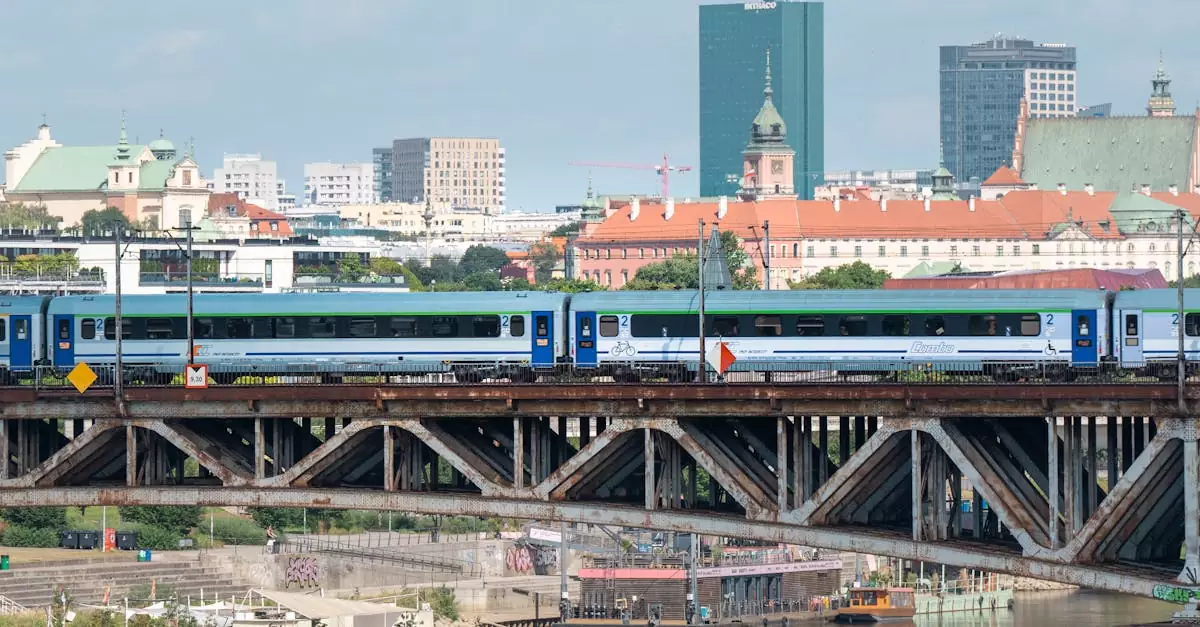
Once a fading memory, the romance of overnight train travel is enjoying a vibrant revival across Europe. New routes and modernized services are making sleeper trains a compelling option for travelers seeking adventure, comfort, and sustainability. This resurgence reflects a growing desire for immersive and unhurried journeys.
Why Overnight Trains Are Making a Comeback Across Europe
Several factors contribute to the renewed popularity of overnight rail travel. A key driver is the increasing focus on sustainable tourism. As travelers become more conscious of their environmental impact, the eco-friendliness of trains—especially compared to flying—becomes a significant draw. Additionally, the pandemic highlighted the appeal of more controlled and less crowded travel experiences, which sleeper trains naturally provide. Operators are investing in new rolling stock, improving amenities, and expanding networks to connect major cities and scenic regions. This includes routes that were previously underserved or discontinued, offering fresh opportunities for overnight adventures.
The Environmental Benefits of Choosing Sleeper Trains
Opting for a sleeper train over a short-haul flight significantly reduces your carbon footprint. Trains are a far more energy-efficient mode of transport per passenger mile. For instance, a typical overnight train journey can emit a fraction of the greenhouse gases compared to flying the same distance, making rail travel a responsible choice for eco-conscious travelers. Many new services are also powered by renewable energy sources, enhancing their green credentials.
Comparing Sleeper Trains to Budget Airlines and High-Speed Rail
When planning European travel, choosing between sleeper trains, budget airlines, and high-speed rail involves distinct trade-offs.
| Feature | Sleeper Trains | Budget Airlines | High-Speed Rail |
|---|---|---|---|
| Travel Time | Overnight (saves hotel cost, maximizes day) | Fastest for long distances, but includes airport time | Efficient for medium distances, city-center to city-center |
| Convenience | Arrive refreshed, city-center to city-center | Requires airport transfers, security checks | City-center to city-center, frequent departures |
| Cost | Varies, can be comparable to flights + hotel | Often cheapest base fare, but add-ons increase cost | Generally more expensive than budget flights |
| Experience | Relaxing, scenic, unique overnight journey | Functional, often cramped, minimal scenery | Smooth, fast, comfortable |
| Environment | Most sustainable option | Highest carbon emissions per passenger | Significantly lower emissions than flying |
Sleeper trains offer a unique proposition: they turn travel time into usable time, often saving the cost of a night’s accommodation. While budget airlines may seem cheaper upfront, hidden costs such as baggage fees and airport transfers can accumulate. High-speed rail is excellent for covering ground quickly between major cities during the day but lacks the overnight convenience of sleeper services. For travelers prioritizing a relaxed, scenic, and eco-friendly journey, new sleeper trains present an increasingly attractive option.
Top New Sleeper Train Routes to Book for 2026
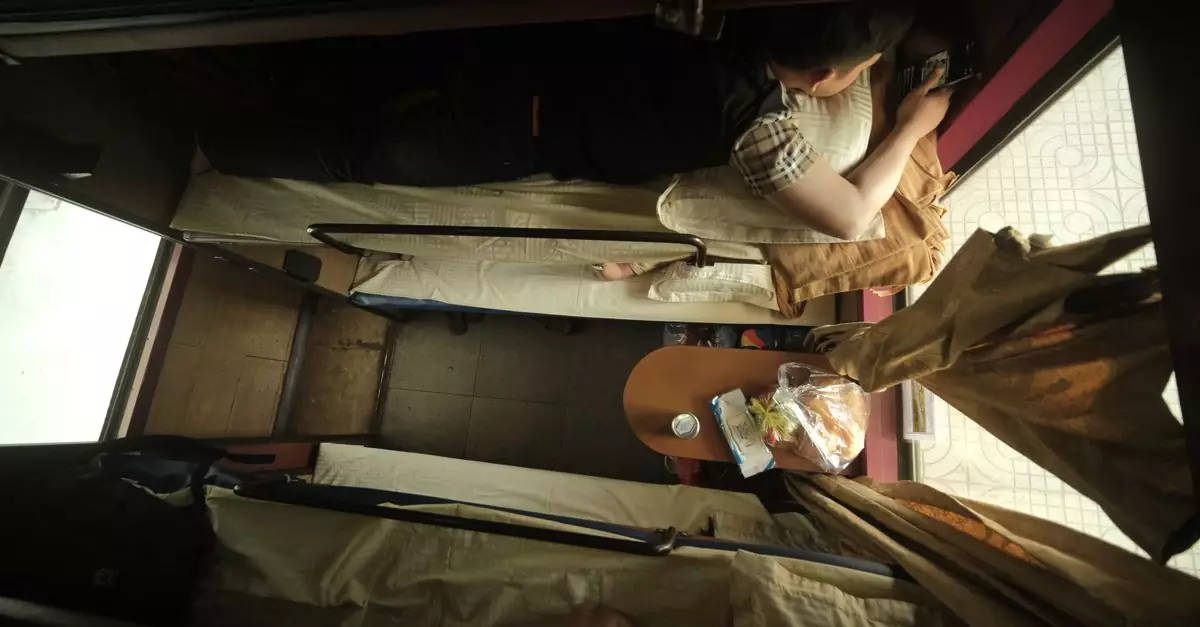
The resurgence of overnight rail travel across Europe offers travelers exciting new ways to journey between cities. These sleeper trains prioritize comfort, convenience, and sustainability, allowing you to wake up refreshed in a new destination. Planning a trip in 2026 means you can take advantage of these expanding networks.
The Nightjet: Vienna to Rome Overnight
Connecting two iconic capitals, the Nightjet service between Vienna and Rome is a popular choice for those seeking a direct and comfortable overnight passage. This route allows you to bypass busy airports and arrive directly in the heart of each city. Travelers can choose from various seating and sleeping options, including couchette compartments and private sleeper cabins, to suit different budgets.
Booking in advance is highly recommended, especially during peak seasons like summer or major holidays. The journey typically takes around 11-13 hours, making efficient use of your travel time. You’ll depart from Vienna’s Hauptbahnhof and arrive at Roma Termini, perfectly positioned for further exploration of the Eternal City.
Midnight Trains: Paris to Barcelona Scenic Journey
The upcoming “Midnight Trains” network aims to revive overnight rail travel with a focus on modern comfort and scenic routes. While specific launch dates for all routes are still being finalized, the anticipated Paris to Barcelona service is generating significant buzz. This route promises a stylish and relaxed way to travel between France and Spain, providing an alternative to budget airlines.
Expect amenities designed for a premium experience, potentially including private cabins with en-suite facilities and onboard dining. The journey is expected to take around 10-12 hours, allowing you to enjoy the changing landscapes as you sleep. This service is particularly appealing for travelers looking to reduce their carbon footprint while enjoying a touch of luxury on their European adventure.
European Sleeper: Amsterdam to Prague Adventure
The European Sleeper company is steadily expanding its network, with the Amsterdam to Prague route being a key offering for 2026. This service connects two vibrant European cities known for their rich history, culture, and distinct atmospheres. It’s an excellent option for those wanting to experience the charm of the Netherlands and the Czech Republic without the hassle of multiple transfers.
Travelers can opt for seating, couchettes, or private sleeper compartments. The journey takes approximately 13-15 hours, providing ample time to settle in and enjoy the overnight transit. Departures from Amsterdam Centraal and arrivals at Prague’s main station (Praha hlavní nádraží) place you conveniently for onward travel or immediate city exploration.
ÖBB Nightjet: Zurich to Berlin Comfort
For a seamless connection between Switzerland and Germany, the ÖBB Nightjet service from Zurich to Berlin offers a comfortable and efficient overnight option. This route is ideal for business travelers or tourists looking to maximize their time in both cities. The ÖBB Nightjet is known for its reliable service and well-maintained carriages.
Accommodations range from basic seats to private sleeper compartments with beds, offering flexibility for different needs and budgets. The journey duration is around 11-12 hours. Arriving at Berlin Hauptbahnhof, you’ll find yourself in the center of a city buzzing with history, art, and nightlife, ready to begin your exploration.
| Route | Operator | Approx. Duration | Key Cities Served | Accommodation Options |
|---|---|---|---|---|
| Vienna to Rome | Nightjet | 11-13 hours | Vienna, Rome | Seats, Couchettes, Sleepers |
| Paris to Barcelona (Planned) | Midnight Trains | 10-12 hours | Paris, Barcelona | Premium Cabins (Expected) |
| Amsterdam to Prague | European Sleeper | 13-15 hours | Amsterdam, Prague | Seats, Couchettes, Sleepers |
| Zurich to Berlin | ÖBB Nightjet | 11-12 hours | Zurich, Berlin | Seats, Couchettes, Sleepers |
What to Expect on Your European Sleeper Train Journey
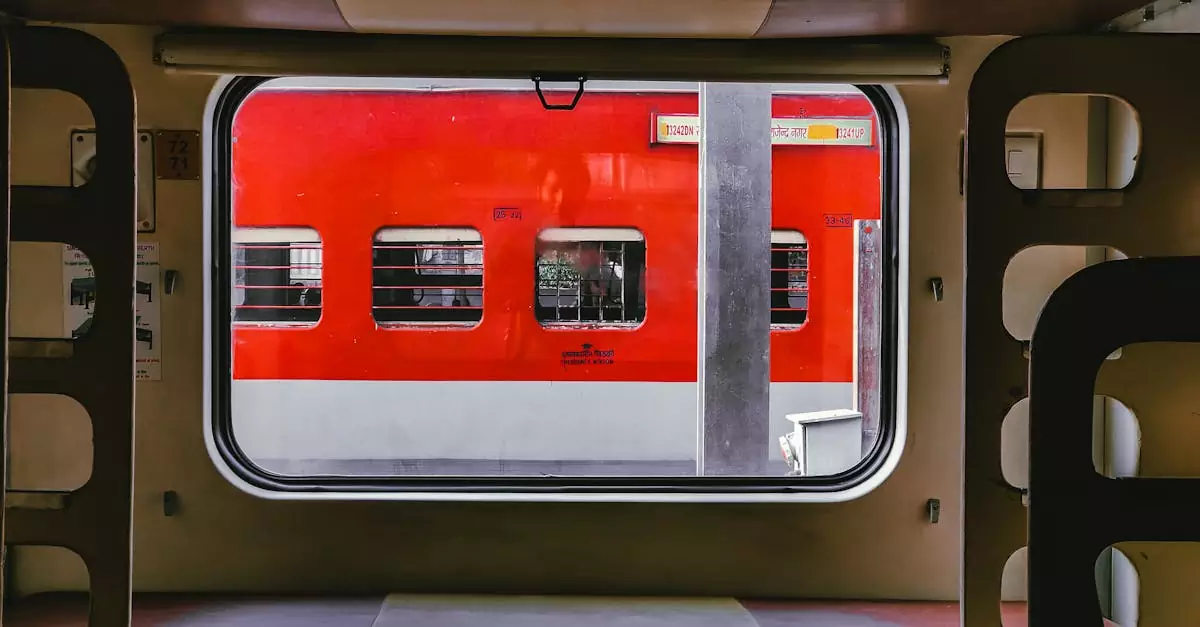
The resurgence of overnight rail travel across Europe offers a compelling alternative to budget flights and long car journeys. These new sleeper trains blend comfort, convenience, and a touch of romance, allowing you to wake up refreshed in a new city. Understanding the different service levels and onboard offerings is key to planning a smooth and enjoyable trip.
Cabin Options: From Couchettes to Private Bedrooms
Sleeper train accommodations typically fall into a few main categories, catering to various budgets and travel styles.
- Couchettes: Shared compartments, usually with four to six bunks, offer a basic but social sleeping experience, often favored by solo travelers or those on a tighter budget. Bedding, including a pillow and blanket, is usually provided.
- Sleeper Cabins (Shared or Private): More private than couchettes, these cabins typically accommodate two to four people and often feature comfortable seating that converts into beds at night. Some options may include a small washbasin.
- Deluxe/Private Bedrooms: For maximum privacy and comfort, opt for a private cabin. These can range from a two-berth compartment with an en-suite toilet and shower to luxurious suites with dedicated seating areas. While these are the most expensive options, they offer a true hotel-like experience on rails.
When booking, pay close attention to the cabin configuration, especially if traveling with a partner or family, to ensure it meets your needs for privacy and space.
Onboard Amenities: Dining, Wi-Fi, and Power Outlets
Modern sleeper trains come equipped with amenities designed to enhance your journey.
Most services feature a dining car or bar/lounge where you can purchase meals, snacks, and drinks. The quality and price of food can vary significantly by operator and route, so it’s wise to check in advance. Some premium services may offer in-cabin dining.
Wi-Fi availability is becoming more common, though its reliability can be inconsistent, especially in rural areas. It’s advisable not to rely on it for critical work. Power outlets or USB ports are typically available in most cabins, allowing you to keep devices charged throughout the night. It’s always a good idea to pack a portable power bank as a backup.
Navigating Sleeper Train Ticketing and Seat Reservations
Booking tickets for new sleeper trains in Europe is becoming increasingly streamlined, though some variations exist between operators. It’s generally recommended to book as far in advance as possible, especially for popular routes or during peak travel seasons, as cabins can sell out quickly.
Tickets typically include the cost of your seat or berth. For sleeper cabins, a reservation is mandatory and usually included in the ticket price. Some operators may offer different fare types, such as flexible or non-refundable options, impacting the price.
When purchasing, you’ll select your desired cabin type and often be asked to provide passenger details. Many operators now offer online booking platforms or mobile apps. For complex multi-city journeys or if using a rail pass, you may need to make separate reservations for the sleeper berths. Researching the specific booking process for your chosen route is essential. For example, the new European Sleeper service between Brussels and Berlin requires a specific berth reservation in addition to your ticket.
Planning Your Sleeper Train Itinerary: Maximizing Your Trip
Choosing to travel by Europe’s new sleeper trains offers a unique approach to covering distances, transforming travel time into an opportunity for rest and scenic viewing. Effectively planning your itinerary ensures you maximize daylight hours for exploration and arrive at your destinations refreshed. This method is particularly beneficial for covering longer distances between major European cities.
Connecting Major Cities with Overnight Routes
The resurgence of night trains makes it easier than ever to connect prominent European hubs without sacrificing precious vacation days. Routes like the Paris to Berlin sleeper train or the Vienna to Rome service allow you to depart in the evening and wake up in a new country. These services are often operated by companies like ÖBB’s Nightjet, which is expanding its network. Booking in advance is crucial, especially for private compartments, as demand for these convenient overnight journeys is high.
Integrating Sleeper Trains into a Multi-City European Itinerary
Incorporating sleeper trains into a broader European journey can streamline your travel and reduce the need for multiple flights or daytime train rides. Consider using overnight routes to bridge significant gaps in your itinerary, such as traveling from Amsterdam to Prague or from Zurich to Budapest. This allows you to spend your days exploring one city and then travel overnight to the next, saving on accommodation costs and maximizing your time on the ground.
A sample itinerary might look like this:
| Day | Activity | Overnight Travel |
|---|---|---|
| 1 | Arrive in Berlin, explore city sights | Sleeper train from Berlin to Vienna |
| 2 | Arrive in Vienna, explore Schönbrunn | Sleeper train from Vienna to Rome |
| 3 | Arrive in Rome, explore the Colosseum | Stay in Rome |
| 4 | Explore Vatican City | Sleeper train from Rome to Paris |
| 5 | Arrive in Paris, explore Montmartre | Stay in Paris |
This structure illustrates how overnight travel can efficiently connect major destinations. When planning, always check specific departure and arrival times, as these can vary. Websites like Omio or individual train operator sites are excellent resources for comparing schedules and booking tickets.
Maximizing Daylight Hours with Overnight Travel
The primary advantage of new sleeper trains in Europe is reclaiming daylight hours. Instead of spending a full day on a train or at an airport, you can enjoy a full day of sightseeing in your departure city. Then, board your comfortable sleeper carriage, relax, and wake up ready to explore your new destination. This method is particularly effective for journeys exceeding 6-8 hours by daytime travel.
When packing for an overnight train, consider bringing a small overnight bag with essentials like toiletries, a change of clothes, and entertainment for the journey. Most modern sleeper trains offer amenities like power outlets and Wi-Fi, but it’s always wise to have a portable charger. Understanding the different accommodation options, from couchettes to private sleeper cabins, will help you choose the best fit for your budget and comfort needs. Opting for a sleeper train is an efficient and enjoyable way to experience Europe on a larger scale.
Budgeting for Sleeper Trains: Costs and Savings
Planning your overnight rail journey in Europe involves understanding ticket prices and how to secure the best value. The appeal of new sleeper trains lies not just in their comfort and convenience but also in their potential to save you money compared to traditional travel methods.
Average Cost of Sleeper Train Tickets in Europe
The cost of sleeper train tickets can vary significantly based on several factors, including the route, class of service, and how far in advance you book. A standard couchette (a shared sleeping compartment with four to six beds) can range from €50 to €150 for a popular overnight route. For more privacy and comfort, a private sleeper cabin with one to three beds typically costs between €100 and €300 or more. Routes connecting major capital cities or those traversing scenic landscapes often command higher prices. For instance, a journey from Paris to Berlin might be pricier than a shorter route within a single country.
Tips for Finding Affordable Sleeper Train Deals
Securing budget-friendly sleeper train tickets requires a strategic approach. Booking several months in advance is often the key to unlocking lower fares, as many operators release their cheapest tickets early. Keep an eye out for special promotions or discounts offered by rail companies, particularly during off-peak seasons. Consider traveling mid-week rather than on weekends, as demand and prices can be lower. Some operators also offer discounts for youth, seniors, or rail pass holders. Flexible travel dates can help you find cheaper options.
Calculating the True Cost: Sleeper Train vs. Flight + Hotel
When budgeting for your European adventure, comparing the total cost of taking a sleeper train against flying and staying in a hotel is crucial. A flight ticket, especially when factoring in baggage fees and airport transfers, can add up. You also need to account for the cost of an overnight hotel stay.
A sleeper train consolidates these two expenses into one ticket. For example, a €150 sleeper ticket from Vienna to Rome not only provides transportation but also eliminates the need for a €100 hotel room. This can lead to substantial savings, particularly for solo travelers or couples. Moreover, the time saved by traveling overnight means you can maximize your daytime hours for sightseeing upon arrival.
Here’s a simplified comparison of typical costs for an overnight journey between two major European cities:
| Travel Option | Estimated Cost (per person) | Time Saved | Convenience Factor |
|---|---|---|---|
| Sleeper Train | €80 – €250 | Overnight | High |
| Flight + Hotel | €150 – €350 | Daytime | Medium |
| Standard Train + Hotel | €100 – €200 | Daytime | Medium |
This table highlights that while the initial ticket price for a sleeper train might seem high, it often represents better value when considering the combined costs of transportation and accommodation. The added benefit of arriving at your destination refreshed and ready to explore makes new sleeper trains an attractive option for many travelers across Europe.
Frequently Asked Questions About New Sleeper Trains in Europe
Are sleeper trains safe for solo travelers in Europe?
Sleeper trains across Europe generally maintain a good safety record. Most modern services feature secure compartments with lockable doors and often have onboard staff or attendants present throughout the journey. It’s advisable to book a single-occupancy compartment if available for maximum privacy and security, or to be aware of your surroundings and keep valuables secured, as you would in any form of travel.
What is the best time of year to book sleeper train tickets?
Booking sleeper train tickets in advance is recommended, especially for popular routes and during peak travel seasons like summer holidays or major European festivals. Aim to book at least two to three months ahead for the best availability and pricing. Off-season travel, such as spring or autumn, can offer more flexibility and potentially lower fares for overnight journeys.
Can I bring luggage on European sleeper trains?
Yes, you can bring luggage on European sleeper trains. There are typically overhead racks within compartments for smaller bags and larger luggage storage areas at the ends of carriages or in dedicated spaces. While there isn’t usually a strict weight limit like on airlines, be mindful of the size and quantity of your luggage, ensuring it can be stowed safely and doesn’t obstruct aisles.
What amenities are typically included in a sleeper train ticket?
Amenities vary by train operator and ticket class, but most sleeper train tickets include a bed in a shared or private compartment. Basic amenities often consist of a clean linen set, a small reading light, and sometimes a complimentary bottle of water. Higher-class tickets may offer en-suite bathrooms, more spacious compartments, and access to lounge cars or complimentary breakfast. Some new sleeper services are also introducing more modern conveniences like power outlets and Wi-Fi.