Europe’s iconic cities attract millions, but for a truly immersive experience, the continent’s underrated villages offer a captivating alternative. These hidden gems provide an opportunity to escape the crowds, connect with local culture, and discover picturesque landscapes often overlooked by the typical tourist trail.
This guide will take you off the beaten path to explore some of Europe’s most charming lesser-known villages. You’ll learn about their unique histories, discover what makes them special, and find practical tips for visiting. Whether you’re drawn to medieval architecture, serene lakeside beauty, or fairytale charm, these destinations promise a more intimate and memorable journey. Prepare to uncover the quiet corners of Europe that hold the continent’s richest stories and breathtaking scenery.
Why Seek Out Europe’s Best Underrated Villages?
Many travelers dream of experiencing the iconic sights of Europe, from the Eiffel Tower to the Colosseum. Yet, the continent holds a wealth of charm in its lesser-known corners. Discovering these hidden gems offers a different, often more profound travel experience.
Escaping the Tourist Crowds: The Appeal of Off-the-Beaten-Path Destinations
Over-tourism has become a significant challenge in many of Europe’s most famous cities and attractions. Popular destinations can feel crowded, rushed, and lose their authentic character. Opting for smaller, less-visited villages allows travelers to escape these throngs. You can wander through cobblestone streets at your own pace, enjoy quiet moments in local cafes, and connect with the destination without the constant pressure of crowds. This approach often leads to a more relaxed and personal journey.
Authentic Cultural Immersion in Lesser-Known European Settings
Venturing beyond well-trodden tourist trails reveals a more genuine slice of local life. In these villages, traditions remain strong, and daily routines continue much as they have for generations. Engaging with locals, sampling regional cuisine not found in tourist menus, and observing everyday customs provides a deeper cultural understanding. It’s an opportunity to see how people truly live, work, and celebrate in different parts of Europe, offering insights that larger cities, geared toward international visitors, may not readily reveal.
Finding Unique Photography Spots Beyond the Usual Landmarks
While Europe’s grand monuments are undeniably photogenic, they are also photographed countless times. Underrated villages offer a treasure trove of unique visual opportunities. Imagine charming, flower-draped balconies, ancient stone archways leading to hidden courtyards, or panoramic views of rolling hills dotted with vineyards. These locations provide a chance to capture distinctive images that tell a more personal story of your travels. The absence of overwhelming crowds means you can compose your shots without obstruction, capturing the essence of the place with clarity and originality.
Top Underrated Villages in Southern Europe You Need to Visit
Southern Europe boasts a wealth of history and charm, often found not in its bustling cities, but in smaller, lesser-known villages. These destinations offer a more authentic travel experience, allowing visitors to connect with local culture and enjoy breathtaking scenery without the crowds. For travelers seeking the best underrated villages in Europe, this region presents some truly exceptional finds.
Albarracín, Spain: A Medieval Dreamscape in Aragon
Perched on a rocky outcrop in the Aragon region of Spain, Albarracín feels frozen in time. Its fortified walls, narrow winding streets, and distinctive reddish-pink houses testify to its medieval past. Walking through Albarracín is like stepping onto a historical film set, with every corner revealing a picturesque view.
The village is renowned for its well-preserved architecture, including the Alcázar (castle) and the Cathedral del Salvador. The surrounding Sierra de Albarracín offers opportunities for hiking and enjoying the rugged natural landscape.
Getting There: Albarracín is most easily accessed by car, about a 2-hour drive from Zaragoza or a 3-hour drive from Valencia. Public transport options are limited, often requiring a bus to nearby Teruel followed by a taxi.
When to Visit: Spring (April-May) and autumn (September-October) offer pleasant weather for exploring the village and surrounding nature, with fewer visitors than in the peak summer months.
Monsaraz, Portugal: Whitewashed Charm Overlooking the Alqueva Dam
Overlooking the vast Alqueva Dam, Europe’s largest artificial lake, Monsaraz is a stunning fortified village in the Alentejo region of Portugal. Its whitewashed houses, cobblestone streets, and medieval castle create an idyllic atmosphere. The panoramic views of the shimmering lake and surrounding olive groves are spectacular.
This locale is perfect for a relaxed getaway, offering wine tasting, local crafts, and a glimpse into traditional Portuguese rural life. The castle walls provide an excellent vantage point, especially at sunset.
Traveler Tip: Consider staying overnight to experience Monsaraz after the day-trippers have left. The tranquility and starry skies are unforgettable.
Accommodation: Options range from charming guesthouses within the village walls to larger hotels and rural tourism properties just outside.
Civita di Bagnoregio, Italy: The Dying City’s Enduring Beauty
Known as “La Città che Muore” (The Dying City), Civita di Bagnoregio is a dramatic hilltop village accessible only by a long pedestrian bridge. Its precarious position on a volcanic tuff plateau, constantly eroding, gives it a unique and poignant beauty. The remaining inhabitants cherish their isolated home, preserving its ancient character.
Reaching Civita involves a walk across the bridge, offering increasingly impressive views of the village clinging to the cliff. Once inside, you’ll find a quiet, atmospheric place with a handful of restaurants and artisan shops.
Logistics: Visitors park in the town of Bagnoregio and walk across the bridge. There is a small entrance fee to access the pedestrian bridge and the village itself.
Best Time to Visit: Visiting during the shoulder seasons (spring and fall) provides a more peaceful experience. Summer can be hot, and the bridge walk can be challenging in direct sun.
| Village | Country | Region | Primary Access | Notable Feature |
|---|---|---|---|---|
| Albarracín | Spain | Aragon | Car | Medieval Architecture |
| Monsaraz | Portugal | Alentejo | Car | Alqueva Dam Views |
| Civita di Bagnoregio | Italy | Lazio | Pedestrian Bridge | Erosion-Prone Plateau |
Charming Underrated Villages in Western Europe for a Peaceful Getaway
Western Europe, often associated with bustling capitals and well-trodden tourist paths, also harbors quiet corners that offer a more intimate travel experience. These underrated villages provide a glimpse into local life, stunning architecture, and a slower pace, making them ideal destinations for those seeking authenticity away from the crowds. Discovering these hidden gems can transform a European trip into something truly special.
Eguisheim, France: Alsace’s Fairytale Village with a Unique Circular Layout
Nestled in the heart of the Alsace wine route, Eguisheim stands out with its distinctive concentric street plan. Built around a medieval castle, the village features houses arranged in circles radiating outward. Walking through its cobblestone lanes feels like stepping into a storybook, with half-timbered houses painted in vibrant colors, adorned with flower boxes. This layout makes it incredibly walkable, offering picturesque views at every turn.
Eguisheim is designated a “Village Préféré des Français” (Village Preferred by the French), a testament to its undeniable charm. It’s particularly enchanting during the Christmas market season when the village glows with festive decorations. For wine enthusiasts, the surrounding vineyards offer opportunities for tasting local Alsace wines, such as Riesling and Gewürztraminer. Getting to Eguisheim typically involves flying into Basel or Strasbourg and then taking a train or renting a car. The drive through the Alsace countryside adds to the overall experience.
- Getting There: Fly into Basel Mulhouse Freiburg Airport (BSL) or Strasbourg Airport (SXB).
- Transportation: Renting a car is recommended for exploring the Alsace wine route. Local buses connect to nearby towns like Colmar.
- Best Time to Visit: Spring for blooming flowers or December for festive Christmas markets.
- Accommodation: Charming guesthouses (chambres d’hôtes) within the village offer an authentic stay.
Giethoorn, Netherlands: Exploring the ‘Venice of the North’ by Boat
Giethoorn, often dubbed the “Venice of the North,” is a village where canals replace roads. Life here revolves around the water, with most transportation occurring via boat. The village is characterized by picturesque thatched-roof farmhouses, wooden bridges, and tranquil waterways. Visitors can rent electric “whisper boats,” canoes, or traditional punters to glide through the canals, enjoying the serene atmosphere and lush greenery.
The absence of cars within the old village center contributes to its peaceful ambiance. The main activities include boat tours, visiting local museums depicting historical life in Giethoorn, and soaking in the unique environment. While it can attract day-trippers, especially in peak season, staying overnight allows for a more relaxed experience. Giethoorn is accessible by train from Amsterdam to Steenwijk, followed by a bus ride. Planning your visit outside of the summer months can help avoid larger crowds.
| Feature | Giethoorn, Netherlands |
|---|---|
| Primary Transport | Boat (electric, canoe, punter) |
| Atmosphere | Tranquil, watery, picturesque |
| Key Activity | Boating through canals, visiting museums |
| Accessibility | Train to Steenwijk + bus, or car to parking outside village |
| Budget | Moderate (boat rentals, guesthouses) |
Durbuy, Belgium: The ‘Smallest City in the World’ with Medieval Allure
Claiming the title of the “smallest city in the world,” Durbuy in the Ardennes region of Belgium exudes medieval charm. Its narrow cobblestone streets, ancient castle ruins, and stone houses transport visitors back in time. The town is nestled in a picturesque valley, surrounded by forests and the Ourthe River, offering opportunities for outdoor activities like hiking and kayaking. Despite its small size, Durbuy boasts a lively atmosphere, particularly in its numerous cafes and restaurants.
Durbuy’s historical center is compact and easily explored on foot. A visit to the Château de Durbuy offers panoramic views of the town and surrounding landscape. The town also features a unique attraction: the Caves of Han-sur-Lesse, located a short drive away, one of the most impressive cave systems in Europe. Traveling to Durbuy is best done by car, as public transport options are limited. It’s a wonderful destination for those interested in history, nature, and a taste of authentic Belgian Ardennes life.
- Getting There: Driving is the most convenient option. Nearest major train stations are in Marloie or Bomal.
- Activities: Castle visit, exploring the old town, hiking, visiting nearby caves.
- Local Delights: Try local Ardennes ham and regional beers.
- Accommodation: Boutique hotels and cozy B&Bs are available within the town.
Hidden European Village Treasures in Central and Eastern Europe
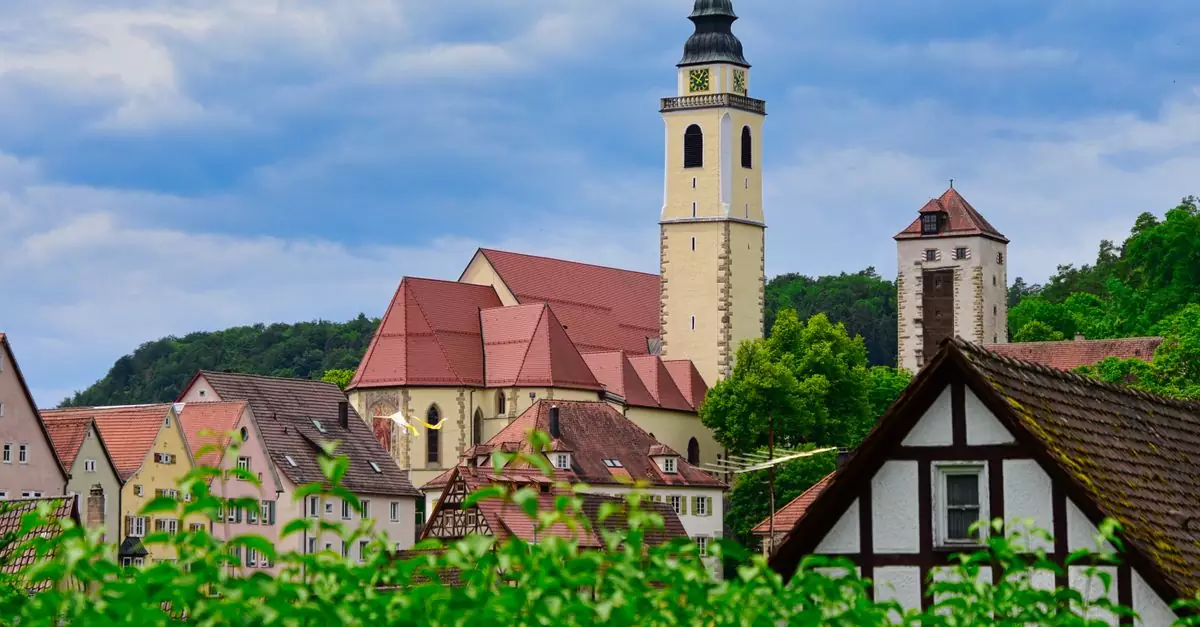
Central and Eastern Europe offer a wealth of charming, often overlooked villages that provide an authentic glimpse into regional history and culture. These destinations boast stunning architecture and breathtaking natural landscapes without the overwhelming crowds found in more popular Western European locales. Planning a trip to these areas can offer significant value and a more intimate travel experience.
Český Krumlov, Czech Republic: A Bohemian Renaissance Gem
Nestled in South Bohemia, Český Krumlov is a remarkably preserved medieval town dominated by its expansive castle complex. The Vltava River winds through the town, creating a picturesque setting that feels like stepping back in time. Its UNESCO World Heritage status is well-deserved, thanks to its well-maintained Gothic, Renaissance, and Baroque architecture.
Getting to Český Krumlov typically involves a bus or train journey from Prague, taking around 2.5 to 3 hours. While it’s a popular day trip, staying overnight allows for a more relaxed appreciation of its winding cobblestone streets and intimate atmosphere, especially after day-trippers depart. Accommodations range from cozy guesthouses within the old town to modern hotels just outside the historical center. Budget travelers will find affordable options, particularly outside peak summer months.
Hallstatt, Austria: Alpine Beauty Beyond the Postcards
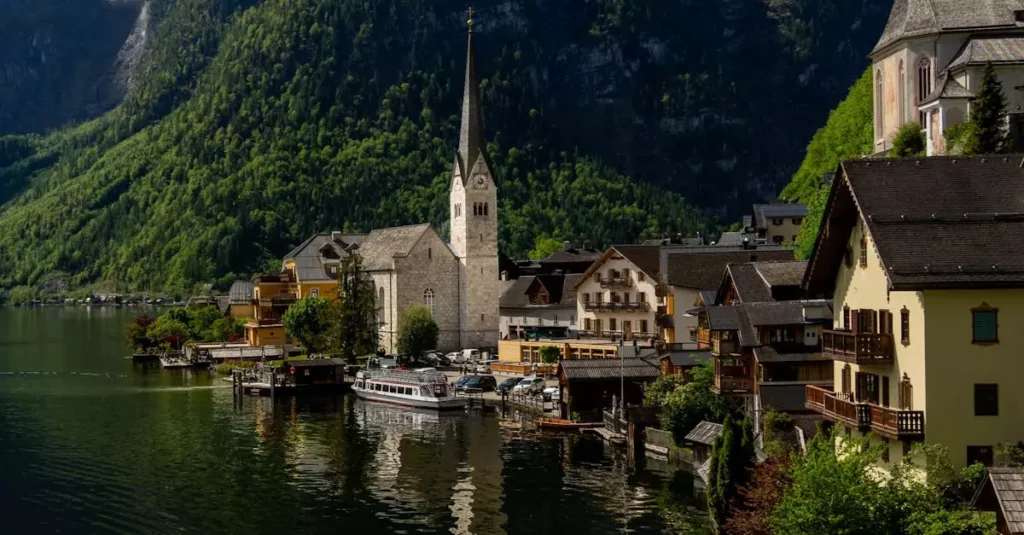
Often featured in travel imagery, Hallstatt is a serene lakeside village in the Salzkammergut region of Austria. Its iconic view, with colorful houses clinging to the mountainside overlooking a tranquil lake, is captivating. Beyond the postcard-perfect scenes, Hallstatt offers opportunities for hiking, exploring ancient salt mines, and enjoying the crisp alpine air.
Access to Hallstatt is part of its charm; you can arrive by train and then take a short ferry ride across the lake, or drive and park outside the village center. Due to its popularity, visiting outside of July and August can lead to a more peaceful experience. Accommodation options are limited and tend to be pricier, reflecting its stunning location. Consider nearby villages like Obertraun for more budget-friendly stays and easy access to Hallstatt via a short train or bus ride.
Sighisoara, Romania: A UNESCO Citadel Frozen in Time
Sighisoara, located in the heart of Transylvania, is one of the last inhabited medieval citadels in Europe. This UNESCO World Heritage site is a labyrinth of narrow streets, colorful houses, and historic towers, most famously the Clock Tower, which offers panoramic views. It’s also the birthplace of Vlad the Impaler, adding a layer of historical intrigue.
Reaching Sighisoara is best done by train from major Romanian cities like Bucharest or Brasov. The journey itself offers scenic views of the Transylvanian countryside. Accommodation within the citadel walls provides an immersive experience, with many historic buildings converted into charming guesthouses. While Romania generally offers excellent value for money, prices within the citadel can be slightly higher. Exploring the surrounding region, including other fortified churches, enriches your itinerary.
Planning Your Trip to Europe’s Underrated Villages
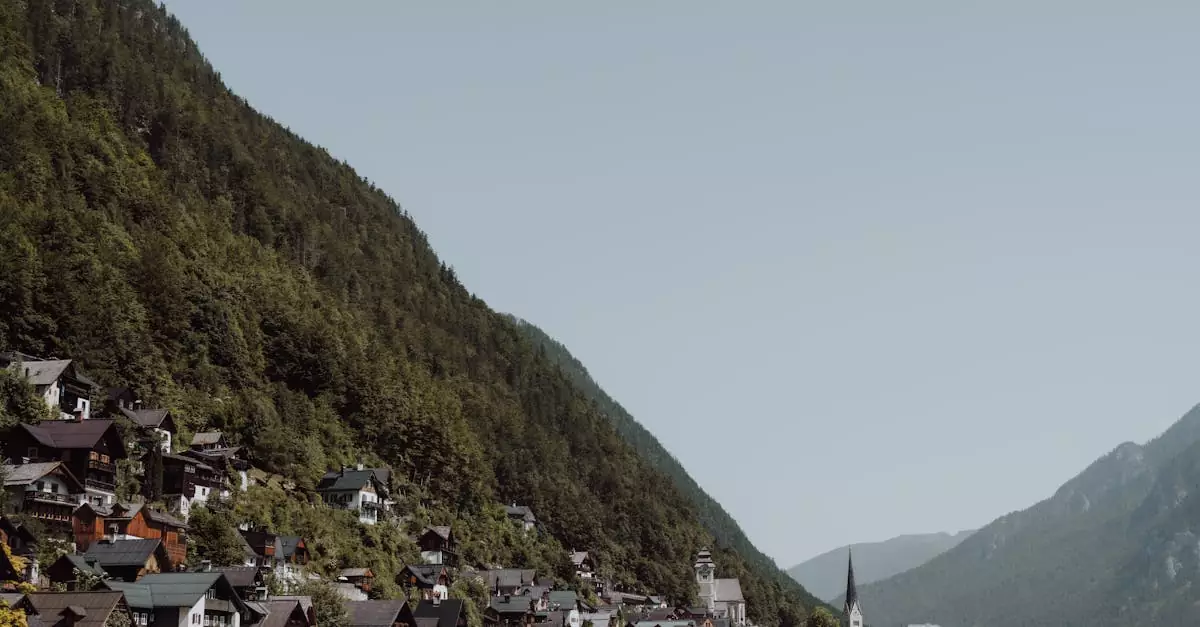
Venturing off the beaten path to discover Europe’s best underrated villages offers a chance for genuine cultural immersion and a slower pace of travel. Planning is key to maximizing these experiences, ensuring you align your visit with favorable conditions and have practical logistics in place.
Best Time to Visit Underrated European Villages for Ideal Weather
The ideal time to visit these charming European hamlets often depends on your tolerance for crowds and preferred weather. Shoulder seasons—spring (April to June) and autumn (September to October)—are generally excellent choices. During these months, you’ll often find pleasant temperatures for walking and sightseeing without the peak summer heat or the throngs of tourists that descend on more popular destinations. Wildflowers bloom in spring, while autumn brings vibrant foliage and harvest festivals in many rural areas.
Summer (July to August) offers the warmest weather, perfect for outdoor activities and enjoying long daylight hours. However, expect higher prices and more visitors, even in less-known spots. Winter (November to March) can be magical, with snow-dusted landscapes and cozy village inns, but many attractions may have reduced hours, and travel can be more challenging due to weather.
| Season | Months | Pros | Cons |
|---|---|---|---|
| Spring | April – June | Mild weather, blooming nature, fewer crowds | Variable weather, some attractions reopening |
| Summer | July – August | Warmest weather, long days, all attractions open | Peak crowds, higher prices |
| Autumn | September – October | Pleasant temperatures, fall colors, harvest events | Shorter days, some attractions closing |
| Winter | November – March | Cozy atmosphere, snow (in some regions), low prices | Cold weather, limited daylight, closures |
Getting Around: Transportation Options for Village Hopping
Navigating between and within Europe’s underrated villages requires forethought, as public transport might be less frequent than in major cities. Renting a car is often the most flexible option, granting you the freedom to stop at scenic viewpoints and explore remote hamlets at your own pace. This is particularly true for regions like the French countryside or the Scottish Highlands.
If you prefer not to drive, a combination of trains and local buses can work. Major train lines connect larger towns, from which you can often catch regional buses or taxis to reach smaller villages. It’s wise to research bus schedules in advance, as they can be infrequent, especially on weekends or during off-peak seasons. Some smaller villages might even be accessible via ferries, adding a unique element to your journey, especially in areas like the Greek islands or Norwegian fjords.
Consider these transport tips:
- Car Rental: Offers maximum flexibility, especially for rural exploration. Book in advance for better rates.
- Trains: Efficient for connecting larger towns. Websites like Rail Europe can help plan routes.
- Buses: Essential for reaching smaller villages from train stations. Schedules vary greatly by region.
- Ferries: A scenic option for island or coastal villages.
Budget-Friendly Stays: Accommodation Tips in Rural Europe
Finding affordable and authentic accommodation is a highlight of visiting Europe’s less-traveled villages. While luxury hotels are rare, you’ll discover charming bed and breakfasts, family-run guesthouses (pensions or Gasthöfe), and self-catering apartments that offer a more local experience. Booking directly with accommodations can sometimes yield better rates and a more personal connection.
Look for agriturismo options in Italy or France, where you can stay on a working farm and enjoy meals made with local produce. Camping is also a viable and budget-friendly option in many rural European areas during warmer months. For those seeking a truly immersive experience, consider house-sitting or home exchanges, which can significantly reduce accommodation costs while allowing you to live like a local for a period. Always check reviews and consider the village’s proximity to amenities and transport links when booking.
Frequently Asked Questions About Visiting Underrated European Villages
What are the biggest tourist mistakes to avoid in small European villages?
A common pitfall is arriving without a plan, especially outside peak season. Many small villages have limited public transport, and shops or restaurants may have reduced hours or close for extended periods. Over-reliance on credit cards can also be an issue; always carry some local currency, as smaller establishments might be cash-only. Finally, be mindful of noise levels, particularly in residential areas, to respect the local community’s peace.
Are these villages suitable for solo travelers or families?
Yes, many of these underrated European villages offer a safe and welcoming environment for both solo adventurers and families. Solo travelers often appreciate the slower pace and the opportunity for genuine interaction with locals. For families, these villages can provide a more authentic and less overwhelming experience than large cities, with plenty of open space and opportunities for children to engage with nature and different cultures.
Consider villages with accessible walking paths and proximity to natural attractions if traveling with young children. For solo travelers, looking for villages with a few well-regarded guesthouses can ensure a comfortable stay and potential for meeting fellow travelers.
What local foods should I try when exploring these hidden gems?
Sampling local cuisine is a highlight of visiting these charming locations. In mountainous regions, expect hearty stews, cured meats, and artisanal cheeses. Coastal villages often boast incredibly fresh seafood, prepared simply to highlight the natural flavors. Many villages are renowned for specific baked goods, from rustic breads to delicate pastries.
Look for dishes that utilize seasonal, local ingredients. Don’t hesitate to ask locals for recommendations; they often take pride in sharing their culinary heritage. Trying regional wines or spirits can also provide a deeper connection to the area’s traditions.