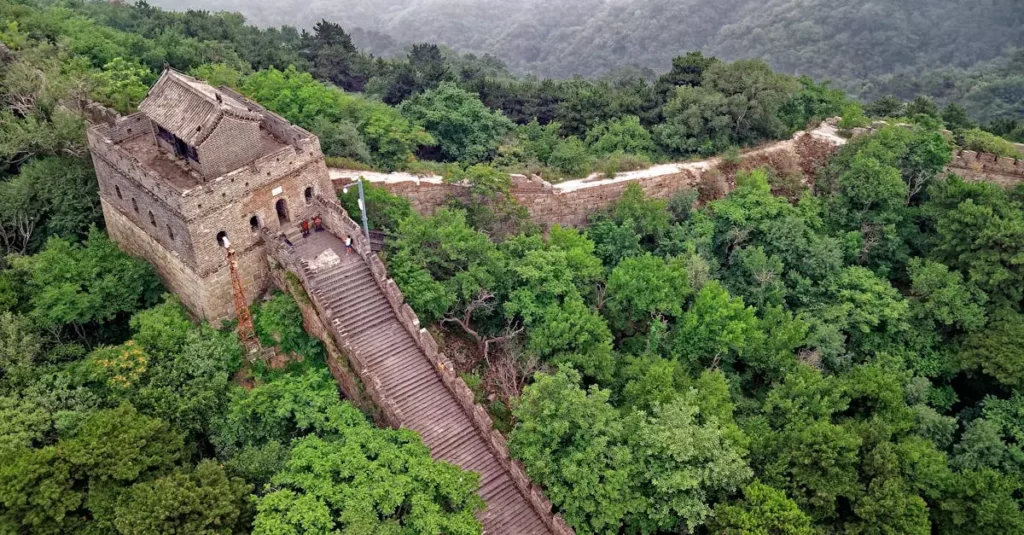
China is home to an incredible array of UNESCO World Heritage Sites, each providing a unique glimpse into its rich history, diverse cultures, and stunning landscapes. From the grandeur of imperial palaces to the breathtaking beauty of sacred mountains and ancient cities, these sites are testaments to human achievement and the enduring power of nature. Planning a trip to discover the best UNESCO sites China has to offer can seem daunting, but this guide will help you navigate these extraordinary destinations. You’ll learn about significant historical and natural wonders, gain insights into their cultural importance, and find practical tips for planning your unforgettable journey through China’s rich heritage.
Unveiling China’s Top UNESCO World Heritage Sites
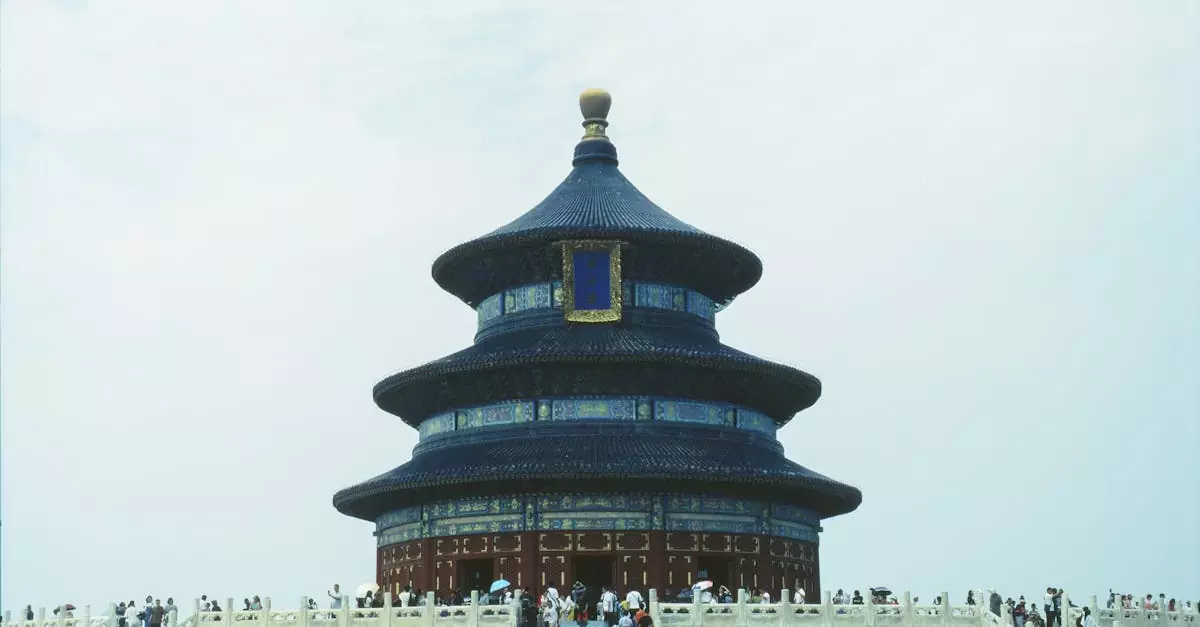
China boasts an extraordinary collection of UNESCO World Heritage Sites, each a testament to its rich history, diverse culture, and breathtaking natural beauty. These locations offer profound insights into ancient civilizations, imperial grandeur, and the enduring connection between humanity and nature. Planning a journey to these significant places requires an understanding of their unique appeal and logistical considerations.
Imperial Palaces: The Forbidden City & Shenyang Imperial Palace
The Forbidden City in Beijing stands as a quintessential symbol of imperial China, serving as the royal palace for the Ming and Qing dynasties for nearly 500 years. This vast complex, a masterpiece of traditional Chinese architecture, covers over 720,000 square meters and features approximately 9,000 rooms. Visitors can spend an entire day wandering through its courtyards, halls, and private quarters, absorbing its history and opulence.
A less-visited but equally significant site is the Shenyang Imperial Palace, the early residence of the Qing dynasty before they conquered Beijing. It showcases a fascinating blend of Manchu, Han, and Mongolian architectural styles, providing a different perspective on imperial life. While smaller than its Beijing counterpart, its historical importance is immense, offering a more intimate glimpse into the dynasty’s origins.
Logistics for Imperial Palaces:
- Timing: Visit early in the morning to avoid the largest crowds, especially during peak seasons. Allow at least half a day for the Forbidden City.
- Transportation: Both palaces are accessible via public transport. Beijing’s subway system provides easy access to the Forbidden City, while Shenyang’s bus routes connect to its imperial palace.
- Tickets: Booking tickets online in advance is highly recommended, particularly for the Forbidden City, as daily visitor numbers are capped.
Ancient City Walls: Xi’an and Pingyao
China’s ancient city walls are remarkable feats of engineering and historical preservation. The Xi’an City Wall is one of the oldest and best-preserved ancient city walls in the country, dating back to the Ming Dynasty. It encircles the heart of Xi’an, offering a 13.7-kilometer circuit that can be walked, cycled, or traversed by electric cart. Cycling atop the wall provides panoramic views of the city, contrasting ancient ramparts with modern urban life.
Pingyao Ancient City offers a remarkably intact glimpse into a walled city from the Ming and Qing dynasties. Its well-preserved streets, traditional courtyard homes, and bustling shops transport visitors back in time. Unlike Xi’an, Pingyao’s charm lies in its complete preservation as a living town, not just a monumental structure.
Comparing Xi’an and Pingyao Walls:
| Feature | Xi’an City Wall | Pingyao Ancient City Wall |
|---|---|---|
| Scale | Massive, extensive circuit (13.7 km) | Integral part of a smaller, preserved town |
| Experience | Cycling, panoramic city views, historical walk | Immersive historical town, traditional life |
| Focus | The wall itself and its strategic importance | The wall as a protective element of a town |
| Best For | Active exploration, city vistas | Experiencing a complete historical town |
Sacred Mountains: Mount Tai, Mount Huangshan, and Mount Emei
China’s sacred mountains are renowned not only for their dramatic landscapes but also for their cultural and spiritual significance. Mount Tai, in Shandong Province, is one of the Five Great Mountains of China and has served as a site of imperial pilgrimage for millennia. The ascent, whether by cable car or the challenging climb up thousands of steps, culminates in breathtaking sunrises and panoramic views.
Mount Huangshan, or Yellow Mountain, in Anhui Province, is famous for its dramatic granite peaks, pine trees clinging to sheer cliffs, and seas of clouds. Its ethereal beauty has inspired countless Chinese artists and poets. The mountain offers a network of well-maintained trails and cable cars, making its stunning vistas accessible to various fitness levels.
Mount Emei, in Sichuan Province, is one of the Four Sacred Buddhist Mountains of China. It features a rich tapestry of natural beauty, ancient temples, and Buddhist monasteries scattered across its slopes. Reaching the summit, crowned by the Golden Summit temple, offers spectacular views and a profound sense of spiritual tranquility. Asia offers many such natural wonders, but these Chinese mountains hold a unique place in cultural history.
Mountain Exploration Tips:
- Weather: Mountain weather can change rapidly. Pack layers, rain gear, and check forecasts before ascending.
- Footwear: Sturdy, comfortable hiking shoes are essential for navigating steep paths and uneven terrain.
- Accommodation: Options range from basic guesthouses at the base to hotels on the mountains themselves, offering convenient access to sunrise and sunset views. Book well in advance, especially for popular sites like Mount Huangshan.
Exploring Natural Wonders: UNESCO Sites for Nature Lovers
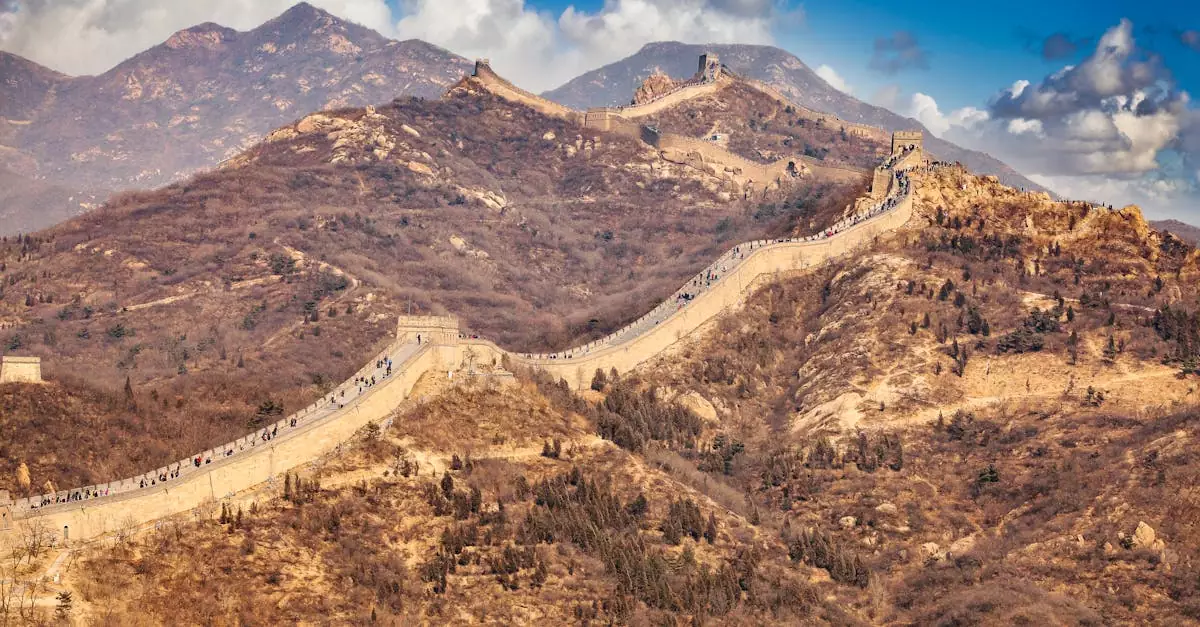
China’s vast landscapes offer breathtaking natural beauty, with several UNESCO World Heritage sites showcasing its geological and ecological marvels. These locations are ideal for travelers seeking to immerse themselves in the country’s stunning environments, from dramatic karst formations to unique wildlife habitats.
Karst Landscapes of South China: Guilin and Yangshuo
The Karst Landscapes of South China, primarily around Guilin and Yangshuo, exemplify natural artistry. These regions are famous for their towering limestone pillars, caves, and underground rivers, sculpted over millions of years. The Li River, winding between Guilin and Yangshuo, offers iconic vistas often depicted in traditional Chinese paintings.
Travelers typically experience these landscapes through leisurely cruises on the Li River or by cycling through the rural countryside. Yangshuo provides a more intimate perspective, with opportunities to explore smaller villages and rice paddies. The best time to visit is spring (April-May) or autumn (September-October) for pleasant weather and clear skies, though the scenery is impressive year-round. Independent travel is feasible, with guesthouses and local eateries offering affordable options. For a deeper understanding of this unique geology, consider visiting the nearby Guilin Cave Scenic Area.
Giant Panda Sanctuaries of Sichuan
The Giant Panda Sanctuaries in Sichuan province are vital for the survival of this iconic species. This UNESCO site protects a significant portion of the world’s wild giant panda population, along with other endangered animals like the red panda and snow leopard. The sanctuaries comprise seven nature reserves and nine scenic parks, featuring diverse habitats ranging from temperate forests to alpine meadows.
Visiting these sanctuaries offers a chance to observe pandas in their natural environment, although sightings can be challenging. The Wolong National Nature Reserve is one of the most well-known areas, with research centers and visitor facilities. Early morning is often the best time for wildlife viewing. Chengdu, the capital of Sichuan, serves as the primary gateway, with various transportation options to the reserves. Accommodations range from basic guesthouses within the reserves to more comfortable hotels in nearby towns like Dujiangyan.
The Three Parallel Rivers of Yunnan Protected Areas
The Three Parallel Rivers of Yunnan Protected Area is a testament to biodiversity, where the Jinsha (Yangtze), Lancang (Mekong), and Nujiang (Salween) rivers flow through deep gorges, largely separated by towering mountain ranges. This dramatic landscape creates a unique ecological mosaic, supporting an astonishing array of flora and fauna. It’s one of the most biologically diverse temperate regions on Earth.
The area is vast and diverse, attracting trekkers and nature enthusiasts. Popular activities include hiking in areas like Tiger Leaping Gorge, one of the world’s deepest river canyons. The best time to visit is during the dry season, from November to April, when trails are more accessible, and the weather is stable. Independent travel requires careful planning due to the rugged terrain and limited infrastructure in some parts. Local guesthouses offer basic but authentic accommodation. For those interested in the broader geographical context of the region, understanding its location within Asia is helpful.
Journey Through Ancient Civilizations: Archaeological UNESCO Treasures
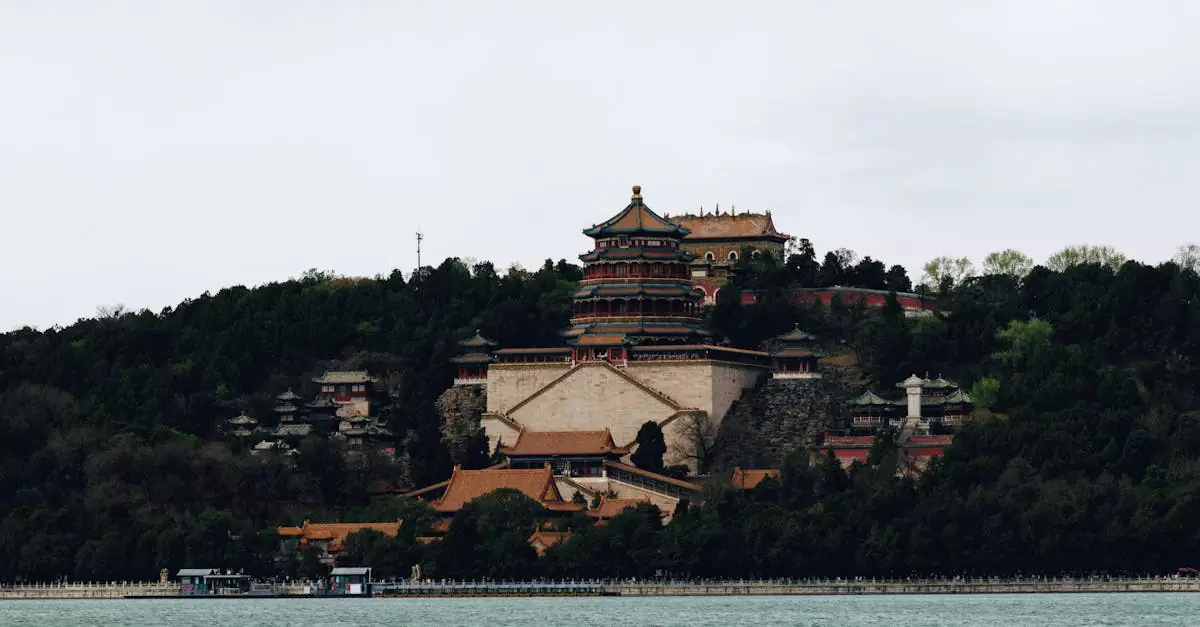
China boasts an extraordinary collection of UNESCO World Heritage Sites that offer profound glimpses into its ancient past. These archaeological marvels are not merely historical relics; they testify to the ingenuity, artistry, and power of past dynasties. Visiting these sites provides an unparalleled opportunity to connect with the foundations of Chinese civilization.
Terracotta Army of the First Qin Emperor
The Terracotta Army, located near Xi’an, is one of China’s most iconic archaeological discoveries. Discovered in 1974 by local farmers, this vast underground necropolis was created to accompany the First Qin Emperor, Qin Shi Huang, into the afterlife. It features thousands of life-sized terracotta soldiers, chariots, and horses, each with unique facial features and expressions, meticulously arranged in battle formation.
Constructed over two millennia ago, the sheer scale and detail of the Terracotta Army are breathtaking. The primary purpose was to protect the emperor in his next life. The site is divided into three main pits, with Pit 1 being the largest and most extensively excavated, housing the majority of the warrior figures. Pit 2 contains cavalry and infantry units, while Pit 3 appears to be the command post.
Logistics for Visiting:
- Location: Lintong District, Xi’an, Shaanxi Province.
- Transportation: Xi’an is a major city with an international airport. From Xi’an city center, local buses (e.g., Bus 306) or taxis can take you to the site, a journey of about an hour.
- Timing: Allocate at least half a day to explore the museum complex. The best times to visit are spring (April-May) and autumn (September-October) to avoid extreme summer heat and winter cold.
- Accommodations: Xi’an offers a wide range of hotels, from budget hostels to luxury establishments.
Mogao Caves: Buddhist Art in Dunhuang
The Mogao Caves, also known as the Thousand Buddha Grottoes, are an extraordinary repository of Buddhist art and architecture, situated in the Gobi Desert near Dunhuang, Gansu Province. This complex comprises over 700 caves, dating from the 4th to the 14th century, filled with an immense collection of murals, sculptures, and manuscripts. These artworks provide invaluable insights into the religious, cultural, and social life of ancient China, as well as its connections along the Silk Road.
The caves showcase a remarkable evolution of Buddhist art, influenced by Indian, Greek, and Chinese styles. The vibrant murals depict scenes from Buddhist scriptures, historical events, and daily life, while the sculptures range from colossal figures to delicate Bodhisattvas. The sheer volume of preserved art makes the Mogao Caves one of the most significant Buddhist sites globally.
Traveler Tips:
- Getting there: Dunhuang has an airport and is accessible by train. From Dunhuang city, local tourist buses or taxis can reach the caves.
- Booking: Due to preservation efforts, visitor numbers are limited, and tickets often need to be booked in advance, especially during peak season. Tours are frequently guided to protect the fragile artworks.
- Best time to visit: Spring and autumn offer pleasant weather. Summer can be very hot, and winter extremely cold.
- Preservation: Visitors are advised to follow all guidelines to help preserve the delicate art within the caves. Photography is often restricted.
Imperial Tombs of the Ming and Qing Dynasties
This UNESCO World Heritage Site encompasses a collection of mausoleums and burial sites of emperors and imperial family members from the Ming (1368–1644) and Qing (1644–1912) dynasties. The most prominent among these are the Ming Tombs near Beijing and the Eastern and Western Qing Tombs. These sites are significant for their architectural grandeur, elaborate layouts, and the profound cultural significance of imperial burial practices.
The architecture of these tombs reflects a harmonious blend of natural landscapes and human design, adhering to principles of Feng Shui. They feature impressive structures like spirit paths lined with stone statues, ceremonial halls, and underground palaces. The Ming Tombs, for instance, are a sprawling complex designed to house thirteen Ming emperors. The site showcases the power, wealth, and cosmological beliefs of China’s last imperial dynasties.
Key Sites and Considerations:
- Ming Tombs (Dingling, Changling, Zhaoling): Easily accessible as a day trip from Beijing, with well-developed tourist facilities.
- Eastern Qing Tombs: Located in Hebei Province, this is the largest imperial tomb complex of the Qing Dynasty, featuring the tomb of Emperor Qianlong.
- Western Qing Tombs: Also in Hebei, this site includes the tomb of Empress Dowager Cixi and Emperor Guangxu.
- Transportation: These sites are generally accessible by tour bus from major cities like Beijing or by private car. Public transport options can be more limited for some of the more remote Qing tombs.
- Budget: Entrance fees vary by tomb, and transportation costs will be significant. Consider guided tours for convenience.
Planning Your UNESCO China Adventure: Best Times and Travel Tips
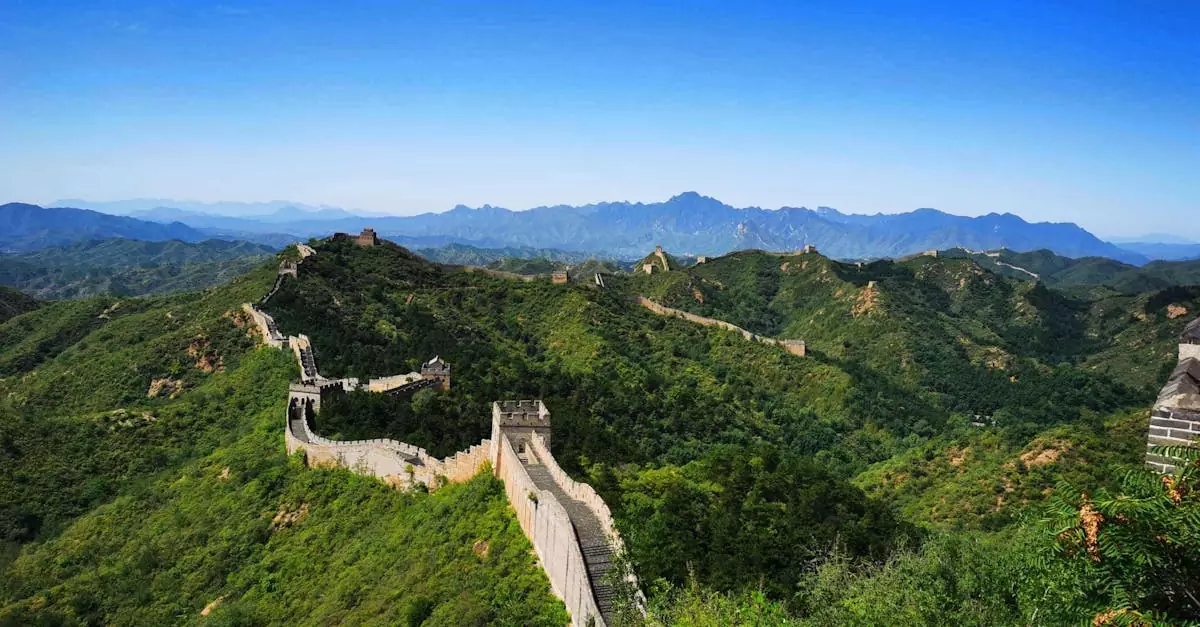
Embarking on a journey to China’s remarkable UNESCO World Heritage Sites requires thoughtful planning to maximize your experience. From ancient cities to natural wonders, these locations offer a profound glimpse into the country’s rich tapestry of history and culture. Considering the best time to visit and understanding local logistics are crucial for a smooth and rewarding trip.
Optimal Seasons for Visiting China’s UNESCO Sites
China’s vast geography means weather can vary significantly across its heritage sites. Generally, spring (April to May) and autumn (September to October) offer the most pleasant conditions for travel. During these shoulder seasons, temperatures are mild, rainfall is moderate, and crowds are typically smaller than during peak summer months or national holidays.
- Spring (April-May): Ideal for visiting the Terracotta Army near Xi’an, the gardens of Suzhou, and the pandas in Chengdu. Wildflowers bloom, and the weather is comfortable for outdoor exploration.
- Autumn (September-October): Perfect for exploring the Huangshan Mountains (Yellow Mountains) with their stunning fall foliage or wandering through the historic streets of Pingyao. The air is crisp, and skies are often clear.
Summer (June to August) can be hot and humid, especially in southern China, and is also the peak tourist season, leading to larger crowds at popular attractions. Winter (November to March) brings cold temperatures and snow to many northern sites, such as the Great Wall sections near Beijing, which can be a magical experience with fewer visitors but requires careful preparation for the cold.
Navigating Transportation Between Heritage Locations
China’s extensive high-speed rail network is an excellent way to travel between major cities that host UNESCO sites. For instance, a bullet train can swiftly connect Beijing to Xi’an, allowing you to easily visit the Forbidden City and the Terracotta Army within a single trip. Domestic flights are also readily available for longer distances, such as flying to the karst landscapes of Guilin.
Within cities, public transportation is generally efficient and affordable. Subways are common in larger metropolises like Beijing and Shanghai, while buses serve most areas. Taxis and ride-sharing apps are also widely used, though it’s advisable to have your destination written in Chinese characters for easier communication.
| Travel Mode | Pros | Cons | Best For |
|---|---|---|---|
| High-Speed Rail | Fast, comfortable, punctual, scenic views | Can be expensive for last-minute bookings | Inter-city travel between major hubs (e.g., Beijing to Xi’an) |
| Domestic Flights | Fastest for long distances | Airport security, potential delays, cost | Reaching distant regions like Yunnan or Sichuan |
| Local Buses/Subway | Economical, extensive coverage | Can be crowded, language barriers, slow | Intra-city travel, reaching sites within a city |
| Taxis/Ride-Sharing | Convenient, door-to-door service | Traffic, potential communication issues | Shorter distances, late-night travel, direct access to specific sites |
When planning your itinerary, factor in travel time between sites, as well as the time needed to explore each location thoroughly. Booking train tickets and flights in advance, especially during peak travel periods, is highly recommended.
Essential Packing List for Diverse Climates
Given the varied climates across China’s UNESCO sites, packing strategically is key. Layering is your best approach.
- Clothing: Pack lightweight, breathable clothing for warmer days, along with a waterproof and windproof jacket for unpredictable weather or higher altitudes. Include warmer layers like sweaters or fleece for cooler evenings or winter travel. Comfortable walking shoes are essential, as you’ll be doing a lot of walking at sites like the Great Wall or the ancient city of Lijiang.
- Accessories: A universal travel adapter, a portable power bank for your electronics, and a reusable water bottle are essential. Sunscreen, a hat, and sunglasses are important, even on cloudy days. For those visiting rural areas or trekking, insect repellent might be useful.
- Documents & Health: Ensure you have your passport, visa (if required), and any necessary travel insurance documents readily accessible. A basic first-aid kit with personal medications is advisable. Consider bringing hand sanitizer and face masks, especially for crowded public transport or indoor attractions.
Understanding the local culture and customs is also part of preparation. Many of China’s UNESCO sites are significant historical or religious landmarks, so dressing respectfully, particularly when visiting temples or monasteries, is advised. Learning a few basic Mandarin phrases can greatly enhance your interactions with locals. For those planning to venture further into Asia, researching regional customs is beneficial.
Immersive Cultural Experiences at China’s UNESCO Gems
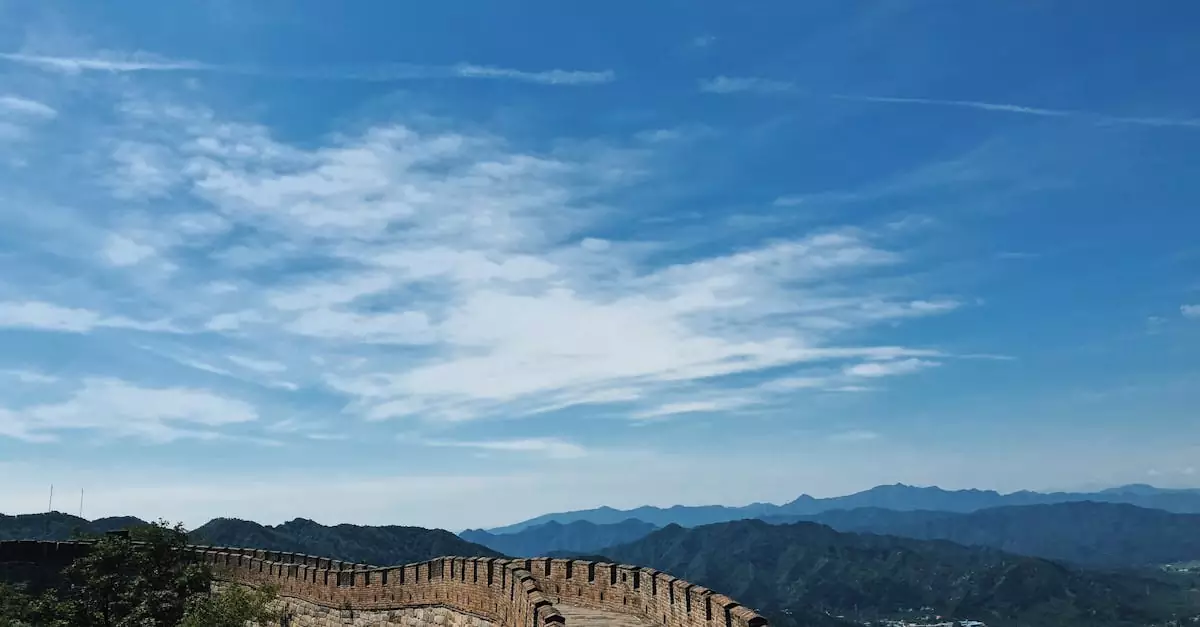
China’s UNESCO World Heritage Sites offer more than just historical marvels; they are gateways to vibrant local cultures. Engaging with these living traditions enhances any visit, providing deeper connections to the country’s rich past and present. From sampling regional delicacies to finding unique places to stay, these experiences transform a sightseeing trip into a truly immersive journey.
Local Flavors: Must-Try Dishes Near Heritage Sites
Culinary exploration is an essential part of discovering China’s heritage. Each region boasts distinct flavors and specialties best enjoyed near the UNESCO sites themselves. Near the Terracotta Army in Xi’an, you can savor authentic Shaanxi cuisine, including Roujiamo (Chinese hamburger) and Biang Biang noodles. These dishes are often prepared using time-honored methods, reflecting the same historical continuity found in the surrounding monuments.
Venturing south to the historic villages of Anhui province, such as Xidi and Hongcun, presents an opportunity to taste local Anhui specialties. Try stewed pigeon with mushrooms or the local smoked tofu, dishes that highlight the region’s agricultural bounty and culinary heritage. Near the ancient city of Pingyao, a well-preserved walled city, be sure to try its renowned vinegar and local noodle dishes. These gastronomic experiences are not just meals; they are windows into the daily lives and traditions of the communities that have preserved these incredible sites for centuries.
Finding Authentic Accommodation Options
Beyond standard hotels, many UNESCO sites are surrounded by charming guesthouses and boutique inns that offer a more authentic lodging experience. Staying in such accommodations allows travelers to connect with local hospitality and often provides insights into traditional architecture and lifestyle. In areas like Lijiang Old Town, a UNESCO site famous for its well-preserved ethnic minority architecture, you can find many traditional courtyards converted into guesthouses. These often feature intricate woodwork and open courtyards, providing a serene retreat after a day of sightseeing.
For those visiting the ancient city of Pingyao, consider staying in a traditional courtyard inn within the city walls. These restored residences offer a unique glimpse into the life of a wealthy merchant from the Ming and Qing dynasties, often featuring beautifully decorated rooms and traditional courtyards for relaxation. Similarly, near the Mogao Caves in Dunhuang, while options are more limited, some local guesthouses in the town offer a more personal touch than larger hotels, often run by families who can share local knowledge.
Photography Hotspots for Unforgettable Memories
China’s UNESCO sites are incredibly photogenic, offering countless opportunities for stunning photographs. Capturing the essence of these places requires knowing where to find the best vantage points and understanding the optimal times for light and fewer crowds. The Forbidden City in Beijing, for instance, provides iconic shots from Tiananmen Square looking towards the Meridian Gate, or from Jingshan Park for a panoramic overview of the entire complex. Early morning or late afternoon light offers softer shadows and richer colors, making these times particularly rewarding for photographers.
When visiting the karst landscapes of Guilin and Yangshuo, the Li River provides unparalleled photographic subjects. A boat trip along the river, especially near sunrise or sunset, reveals mist-shrouded peaks and traditional cormorant fishermen. For a different perspective, consider the viewpoints overlooking the rice terraces of Longji, particularly during the planting or harvest seasons when the landscape is most vibrant. The ancient villages of Xidi and Hongcun in Anhui offer charming scenes of traditional architecture, white-washed walls, and reflective ponds, especially photogenic on clear days. Remember to be respectful of local residents and private property when seeking the perfect shot.
Frequently Asked Questions About China’s UNESCO Sites
Are there any lesser-known UNESCO sites in China worth visiting?
Beyond the iconic Great Wall and Terracotta Army, China boasts many UNESCO World Heritage Sites that offer a more intimate glimpse into its rich history. Consider the Mount Qingcheng and Dujiangyan Irrigation System in Sichuan province. Mount Qingcheng is a birthplace of Taoism, offering serene temples and lush hiking trails. The Dujiangyan system, an engineering marvel from the 3rd century BCE, still functions today, demonstrating ancient ingenuity. Another gem is the Kaiping Diaolou and Villages, unique fortified multi-story towers built by overseas Chinese in the late 19th and early 20th centuries, showcasing a fascinating blend of Chinese and Western architectural styles. These sites often attract fewer crowds, allowing for a more peaceful experience.
What is the most efficient route to see multiple UNESCO sites in China?
An efficient route often involves focusing on specific regions due to China’s vast size. A popular and logistically sound approach is to start in Beijing, visiting the Forbidden City and the Temple of Heaven. From Beijing, you can travel by high-speed rail to Xi’an to see the Mausoleum of the First Qin Emperor (Terracotta Army).
Next, consider heading south to the Yangtze River Delta. Shanghai offers easy access to Suzhou with its classical gardens and Water Town of Xitang. Further south, you can reach Hangzhou.
For natural landscapes, a trip to Sichuan province allows for visiting Mount Qingcheng and Dujiangyan, and then flying to Jiuzhaigou Valley (though check its operational status after natural events). Alternatively, a western route could include Mount Emei Scenic Area, including Leshan Giant Buddha, also in Sichuan.
What are common tourist mistakes to avoid at these historical locations?
A frequent mistake is underestimating the time and travel involved. China is enormous, and visiting multiple sites requires careful planning. Don’t try to cram too many locations into a short period; allow at least 2-3 days per major site or region.
Another common pitfall is not booking accommodations and high-speed train tickets in advance, especially during peak travel seasons like national holidays. This can lead to sold-out options and significant delays. Always check the official websites for opening hours and any temporary closures, as these can change without much notice.
Finally, be prepared for crowds, particularly at the most famous sites. Visiting early in the morning or later in the afternoon can sometimes offer a less crowded experience. Respect local customs and rules within these historical and cultural areas; many are active religious sites or require quiet observation.
