Africa is a continent of unparalleled natural beauty, and its waterfalls are among its most spectacular sights. From the thunderous roar of Mosi-oa-Tunya to the serene cascades hidden within lush landscapes, these aquatic wonders promise unforgettable experiences for every traveler. This guide explores the best waterfalls in Africa, showcasing destinations across the continent that guarantee awe-inspiring views and unique adventures in 2026.
You’ll find detailed insights into iconic locations like Victoria Falls, including the best times to visit, how to get there, and the diverse activities available on both the Zimbabwean and Zambian sides. We’ll also journey to lesser-known gems, revealing the dramatic beauty of Maletsunyane Falls in Lesotho, the raw power of Augrabies Falls in South Africa, and the captivating cascades of West and East Africa. Prepare to be inspired as we unveil essential information needed to plan your ultimate African waterfall expedition.
Majestic Falls of Southern Africa: Victoria Falls & Beyond
Southern Africa boasts some of the continent’s most dramatic and awe-inspiring waterfalls. This region offers a diverse range of experiences, from the immense power of a world-renowned natural wonder to the serene beauty of secluded cascades. Planning a trip to these aquatic marvels requires understanding their unique characteristics, accessibility, and the best times to visit.
Experiencing the Smoke That Thunders: Victoria Falls, Zimbabwe/Zambia
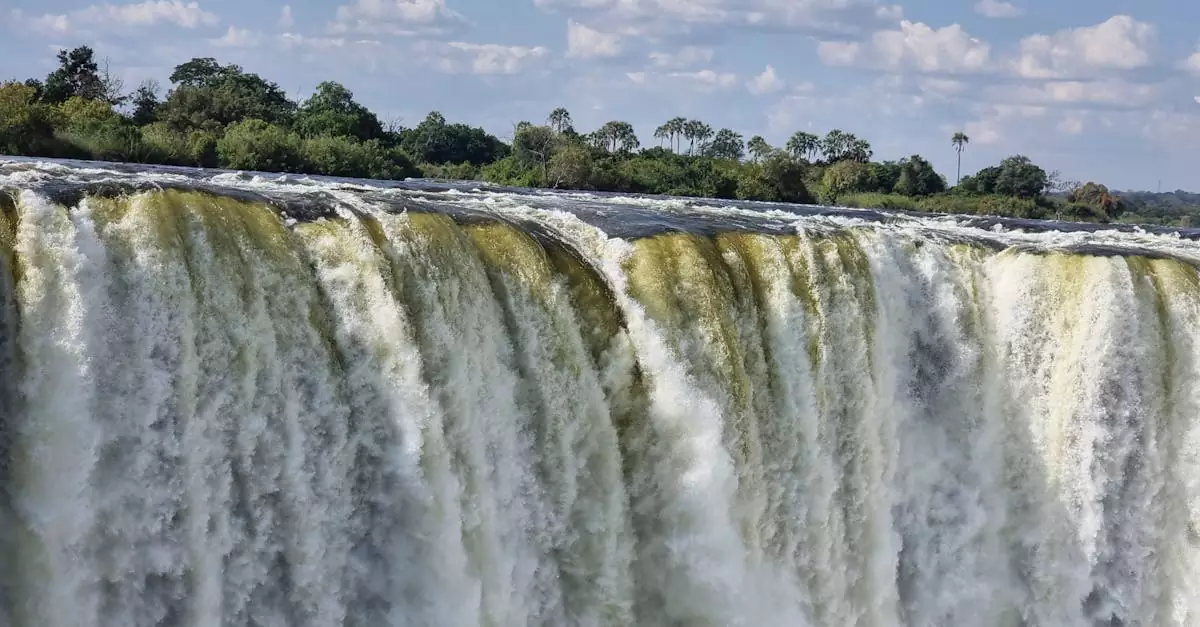
Victoria Falls, known locally as “Mosi-oa-Tunya” (The Smoke That Thunders), is an undisputed icon among Africa’s waterfalls. Straddling the border of Zimbabwe and Zambia, this colossal curtain of water plunges into a narrow gorge, creating a mist visible for miles. The sheer volume of water, especially during peak flood season (typically March to May), is staggering.
Getting to Victoria Falls is straightforward, with airports in both Victoria Falls, Zimbabwe, and Livingstone, Zambia. Accommodation ranges from luxury lodges overlooking the Zambezi River to budget-friendly guesthouses in nearby towns. Activities abound, including guided tours of the falls, sunset cruises on the Zambezi, and for the adventurous, bungee jumping or white-water rafting. Visiting both sides of the falls offers distinct perspectives; the Zimbabwean side provides panoramic views of the main cascade, while the Zambian side allows for closer proximity and access to Livingstone Island, where you can peer over the edge into the Devil’s Pool (seasonal and requires a guide).
Traveler Tip: While the falls are impressive year-round, consider the season for your experience. The wet season (November to April) brings lush vegetation and full-flowing water but can obscure views with mist. The dry season (May to October) offers clearer views and lower water levels, revealing more of the rock face and allowing for activities like swimming in the Devil’s Pool.
Beyond Victoria: Exploring the Maletsunyane Falls, Lesotho
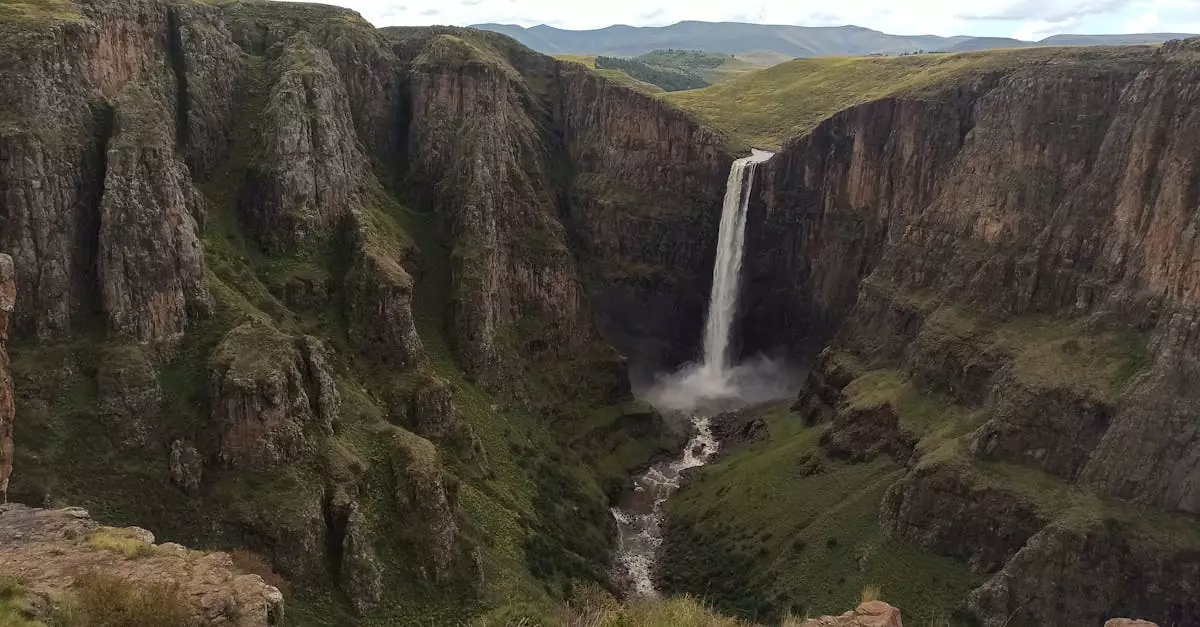
For a less crowded but equally dramatic waterfall experience, head to Lesotho, the “Kingdom in the Sky.” Maletsunyane Falls, located near Semonkong, is the highest single-drop waterfall in Southern Africa, plunging an impressive 186 meters. The journey to Semonkong itself is part of the adventure, often requiring a 4×4 vehicle due to the mountainous terrain.
Semonkong Lodge serves as the primary accommodation and activity hub, offering guided pony treks and 4×4 excursions to the falls. The landscape surrounding Maletsunyane is rugged and beautiful, characterized by rolling hills and traditional Basotho villages. Visiting Maletsunyane provides a chance to connect with the raw, untamed beauty of Lesotho and experience its rich cultural heritage.
Logistics: Reaching Semonkong typically involves driving from Maseru, Lesotho’s capital. The road can be challenging, so hiring a 4×4 with a local driver is highly recommended. The best time to visit is during the warmer months (October to April) when the landscape is green, though the falls are impressive year-round.
The Untamed Beauty of Augrabies Falls National Park, South Africa
Augrabies Falls National Park, situated in the Northern Cape province of South Africa, showcases the power of the Orange River. The main waterfall, a dramatic 56-meter cascade, thunders through a series of gorges. The name “Augrabies” comes from the Khoi word meaning “place of great noise.”
The park offers various viewpoints and walking trails, allowing visitors to appreciate the falls from different angles. Accommodation within the park includes chalets and campsites, providing an immersive natural experience. Beyond the main falls, the park features unique geological formations and diverse desert flora and fauna, including the iconic quiver trees.
Budget Comparison:
| Feature | Victoria Falls (Zimbabwe/Zambia) | Maletsunyane Falls (Lesotho) | Augrabies Falls (South Africa) |
| :—————- | :——————————- | :————————— | :—————————– |
| Accommodation | $$-$$$ to $$$$$ | $$-$$$ | $$-$$$ |
| Activities | $$-$$$$ | $$-$$$ | $-$$$ |
| Transportation| $$-$$$ (flights, transfers) | $$$ (4×4 hire) | $$-$$$ (car rental) |
Note: Prices are indicative and can vary significantly based on season and specific choices.
Augrabies Falls is best visited during the cooler months of May to September to avoid the extreme heat of the Northern Cape summer. It’s a destination for those seeking natural beauty without the extensive tourist infrastructure found at Victoria Falls. Exploring this region offers a glimpse into the rugged, arid landscapes that define much of South Africa’s interior.
West African Wonders: Cascades of Nigeria and Ghana
Africa is home to a diverse array of natural spectacles, and its western regions offer captivating waterfalls. These cascades provide a refreshing escape from the tropical heat and a glimpse into the continent’s vibrant beauty. Travelers seeking these aquatic marvels will find a mix of accessible and secluded spots, each with its unique charm. Planning a visit involves considering the best times to go, local transportation, and the overall experience each location offers.
Exploring the Picturesque Gurara Falls, Nigeria
Located in the Gurara Local Government Area of Niger State, Gurara Falls is one of Nigeria’s most impressive waterfalls. The falls are particularly spectacular during the rainy season, from April to October, when water cascades powerfully over a cliff face approximately 30 meters high. The surrounding landscape transforms into a lush green paradise, making it an ideal destination for nature lovers and photographers.
Getting to Gurara Falls typically involves a drive from Abuja, Nigeria’s capital. The journey takes around 1.5 to 2 hours, depending on road conditions and traffic. While private cars offer the most flexibility, hiring a taxi or arranging a tour from Abuja are viable options. It’s advisable to travel during daylight hours for safety and better navigation.
For visitors, basic amenities are available near the falls, including food stalls offering local Nigerian cuisine. The site is generally safe for day trips, but visitors should exercise caution, especially near the water’s edge. The best time to visit is after a good rainfall, when the water flow is at its peak, though this can also mean slippery conditions.
Day Trip to the Serene Kintampo Waterfalls, Ghana
Kintampo Falls, situated in the Bono East Region of Ghana, is a series of cascades formed by the Pumpum River. The main fall is an impressive 70-meter drop, while a smaller, picturesque fall is also present. These falls are renowned for their natural beauty and are a popular destination for both locals and tourists.
The journey to Kintampo is best undertaken from major cities like Accra or Kumasi. From Kumasi, it’s approximately a 3-4 hour drive north. Travelers can utilize public buses, which are budget-friendly, or opt for shared taxis (tro-tros) for a quicker, though potentially less comfortable, ride. Hiring a private car is also an option for those seeking more convenience.
The falls are accessible year-round, but the flow is strongest during the rainy season (May to September). The surrounding parkland is well-maintained, with steps and viewing platforms allowing visitors to get close to the water. Changing facilities are available for those who wish to swim in designated safe areas. Local guides can be hired to provide insights into the area’s history and natural environment.
Discovering the Hidden Olumirin Waterfalls, Erin-Ijesha, Nigeria
Often referred to as Erin-Ijesha Waterfalls, Olumirin Waterfalls is located in Osun State, southwestern Nigeria. This natural wonder comprises seven distinct cascades, each tumbling down a steep rocky escarpment. The highest fall reaches approximately 180 meters, creating a breathtaking spectacle of water and mist.
Reaching Olumirin Falls usually involves traveling to the town of Erin-Ijesha, accessible from cities like Ibadan or Osogbo. The drive can take between 2 to 4 hours. Visitors often arrange transportation through local car hire services or join organized tours. The terrain can be challenging, so sturdy footwear is recommended, especially if you plan to hike to the higher cascades.
The best time to visit is during the dry season (November to March) when the trails are safer and easier to navigate. However, the falls are still impressive during the wet season, albeit with increased caution required. The site offers opportunities for hiking and picnicking, and the local community is generally welcoming to visitors. It’s a less commercialized destination, offering a more authentic natural experience.
Comparing these West African gems, Kintampo Falls in Ghana offers a more developed tourist infrastructure with clear pathways and facilities. Gurara Falls in Nigeria is a powerful spectacle, especially after rain, but requires more independent travel planning. Olumirin Falls presents a more adventurous experience with its multi-tiered cascades, appealing to those who enjoy hiking and a less-developed natural setting. Each offers a distinct encounter with the region’s stunning waterfalls.
East African Giants: Waterfalls in Tanzania and Uganda
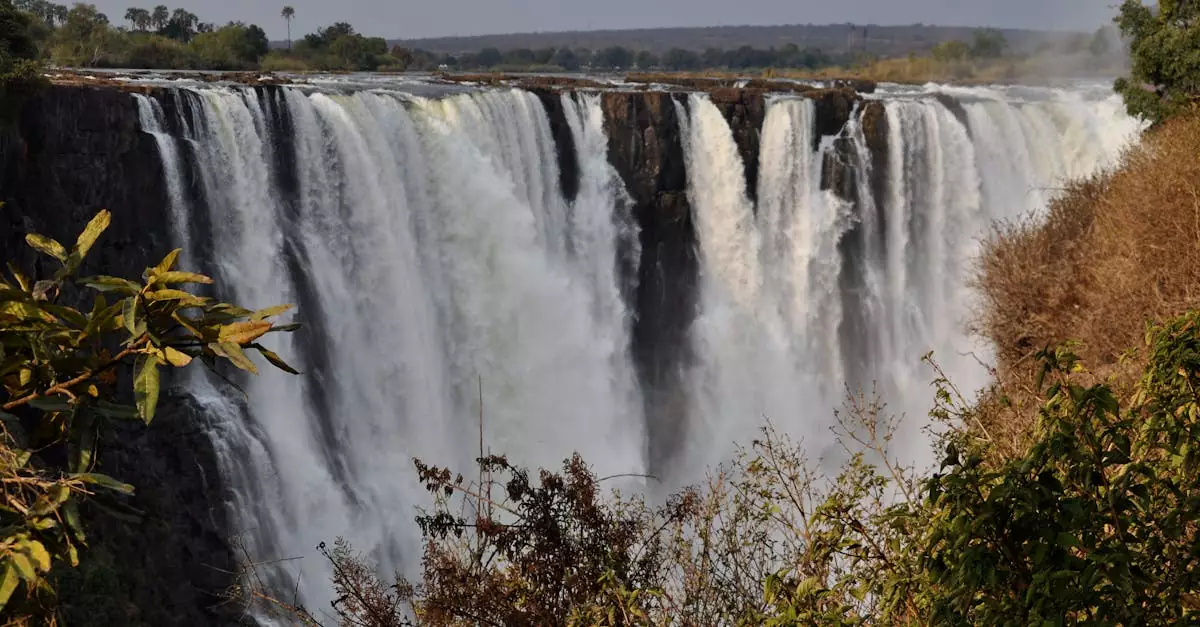
Africa boasts a wealth of natural wonders, and its waterfalls are no exception. This section focuses on some of the most impressive cascades in East Africa, offering a blend of raw power and serene beauty for travelers in 2026.
The Power of Kalambo Falls: A Border Gem Between Tanzania and Zambia
Kalambo Falls stands as one of Africa’s most dramatic single-drop waterfalls, straddling the border between Tanzania and Zambia. With a sheer plunge of over 221 meters (725 feet), the water cascades down a steep cliff face into a deep gorge, creating a breathtaking spectacle. The surrounding area is rich in biodiversity, offering opportunities for birdwatching, with various species attracted to the mist and lush vegetation.
Reaching Kalambo Falls requires some planning. The closest major town in Tanzania is Sumbawanga, from which you can arrange local transport, often a 4×4 vehicle, to reach the falls. The journey can be rugged, especially during the rainy season, making it advisable to travel between June and October for drier conditions. Accommodation options near the falls are limited, with basic guesthouses in nearby villages or camping being the most feasible choices for those seeking an immersive experience.
Finding Tranquility at Sipi Falls, Uganda’s Coffee Region
Uganda’s Eastern Region is home to Sipi Falls, a series of three distinct waterfalls set against the backdrop of Mount Elgon. Unlike the single, monolithic drop of Kalambo, Sipi offers a more varied and accessible experience. The main falls tumble over a rock face into a serene pool, while the other two cascades are found further up the river. The landscape is characterized by lush coffee plantations and rolling hills, providing a picturesque setting.
Travelers can easily reach Sipi Falls from Kampala, Uganda’s capital, via bus or private vehicle. The journey takes approximately 4-5 hours. The town of Kapchorwa serves as the gateway to the falls and offers a range of guesthouses and lodges, many of which are built with the surrounding coffee farms in mind, providing a unique cultural and scenic stay. Activities include guided hikes to the different falls, abseiling for the adventurous, and coffee tours to learn about the region’s famous export. The best time to visit is during the dry seasons, from January to March and June to September, to ensure easier access and clearer views.
Trekking to the Base of the Oloiden Waterfalls, Kenya
While Kenya is more renowned for its safaris, it also hides beautiful water features. The Oloiden Waterfalls, located near Lake Naivasha, offer a refreshing contrast to the dry savannahs. These falls are less about sheer height and more about the picturesque setting within a rocky gorge, often surrounded by vibrant green foliage. The area is known for its diverse birdlife, making it a pleasant spot for nature lovers.
Accessing Oloiden Waterfalls typically involves traveling to Naivasha, a popular tourist town accessible by road from Nairobi (about a 2-hour drive). From Naivasha, local taxis or hired vehicles can take you to the falls. The terrain around the falls can be uneven, so sturdy footwear is recommended. Accommodation is plentiful in Naivasha, ranging from budget-friendly hostels to luxury lodges with views of the lake. Visiting during or just after the rainy season (April-May or November-December) will ensure the falls are at their most impressive, though the paths might be more challenging. For those interested in exploring more of Kenya’s natural beauty, consider visiting nearby Hell’s Gate National Park.
Central African Spectacles: Congo’s Natural Marvels
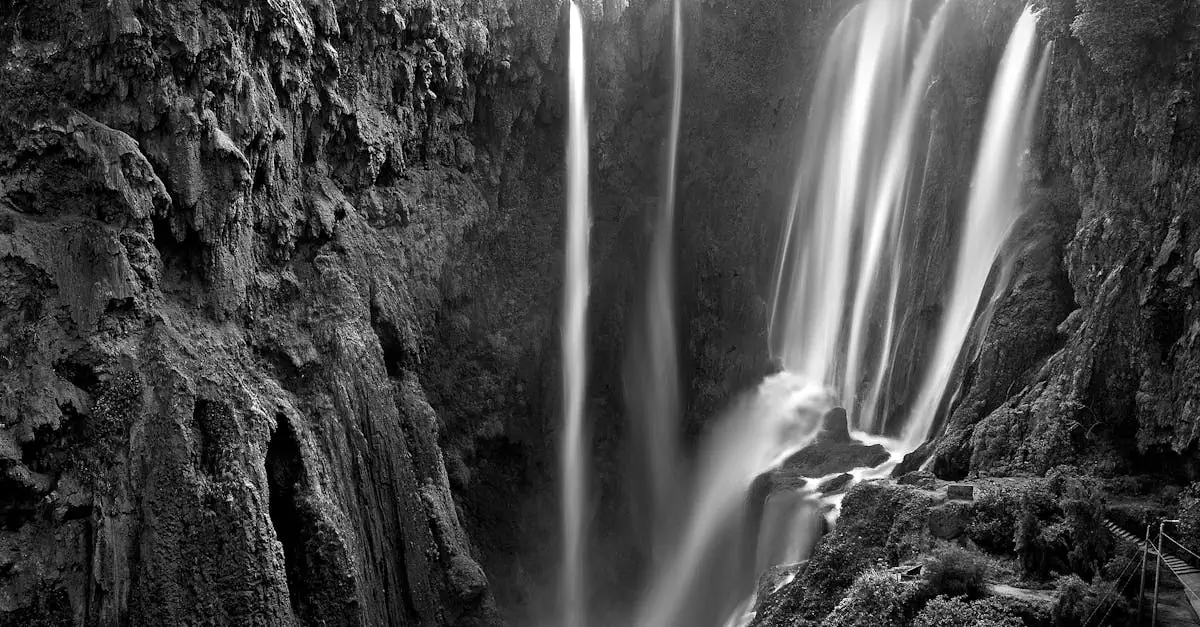
Central Africa holds some of the continent’s most powerful and awe-inspiring aquatic displays, often overlooked by mainstream tourism. The Democratic Republic of Congo, in particular, is home to immense river systems and dramatic cascades that offer a raw, authentic encounter with nature’s force. Planning a trip here requires careful consideration of logistics and safety, but the rewards are unparalleled for adventurous travelers seeking the best waterfalls in Africa away from crowds.
Witnessing the Immense Congo River Falls
While not a single, distinct waterfall in the traditional sense, the “Congo River Falls” refers to the series of rapids and cascades that punctuate the mighty Congo River. These sections, particularly around the Malebo Pool and the Livingstone Falls, are breathtaking in their scale and the sheer volume of water they move. The Livingstone Falls, stretching over 100 miles, drop more than 900 feet, creating a thunderous spectacle of churning water and mist.
Visiting these areas is best done via organized tours departing from larger cities like Kinshasa or Brazzaville. Transportation typically involves a combination of boat travel and overland journeys, often on rough terrain. Due to the remote nature and potential safety concerns in certain regions, it’s crucial to travel with experienced local guides and adhere strictly to their advice. The best time to visit is during the dry season, generally from June to September, when water levels are slightly lower, making some areas more accessible and boat travel safer. Budget for such an expedition can vary significantly based on the duration and level of comfort, but expect it to be a mid-to-high range investment due to the specialized logistics involved.
Exploring the Lumina Falls near Kinshasa
A more accessible, yet still impressive, natural wonder near Kinshasa is Lumina Falls. These falls, set within a lush, tropical environment, offer a refreshing escape from the urban bustle. Lumina Falls is a series of tiered cascades that create beautiful pools and a serene atmosphere, making it a popular spot for local excursions and day trips.
Getting to Lumina Falls from Kinshasa is relatively straightforward. Hiring a taxi or arranging transport through your accommodation is the most common method, taking approximately 1.5 to 2 hours depending on traffic. The roads can be challenging, so a sturdy vehicle is recommended. While not as grand as the major river cataracts, Lumina Falls provides a beautiful natural setting for swimming, picnicking, and enjoying the vibrant flora and fauna. The surrounding area is rich with birdlife, adding to the sensory experience.
It’s advisable to visit Lumina Falls during the dry season (June-September) for the most pleasant weather, though the falls are active year-round. Pack essentials like insect repellent, sunscreen, water, and snacks. While the area is generally safe for day visitors, it’s always wise to remain aware of your surroundings and avoid venturing too far off marked paths, especially if you are unfamiliar with the terrain. For those looking to experience a taste of Congo’s natural beauty without embarking on extensive expeditions, Lumina Falls offers a delightful and manageable option. Travelers interested in exploring more of the Democratic Republic of Congo’s attractions might consider resources provided by the African Tourism Board for further planning.
Planning Your African Waterfall Adventure: Essential Traveler Tips
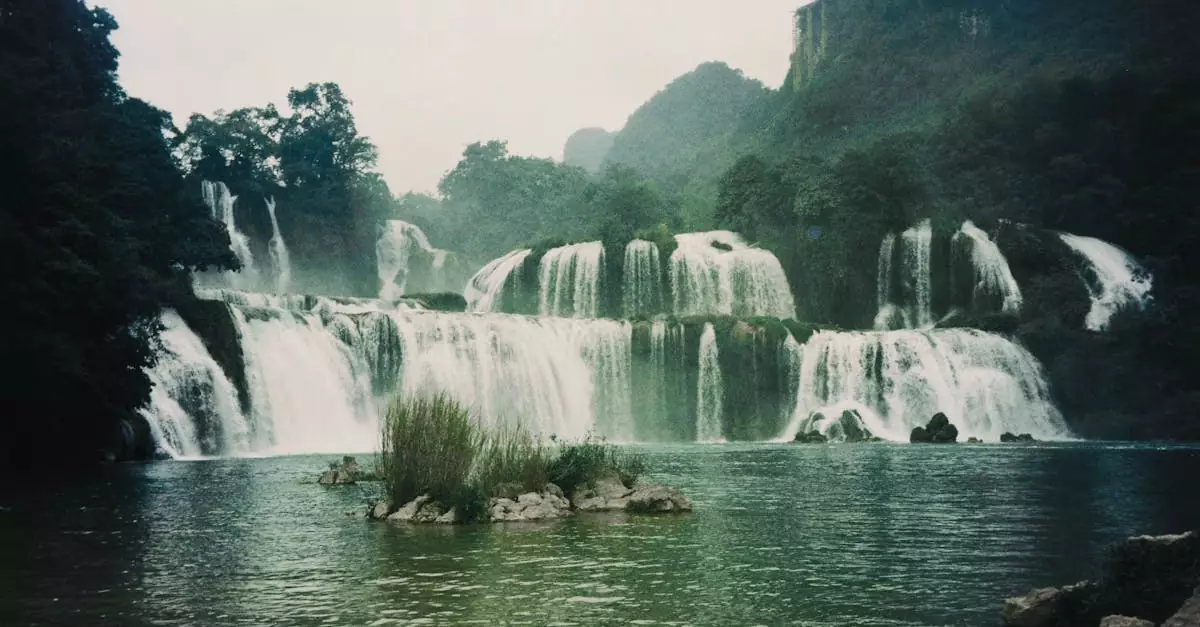
Embarking on a journey to witness Africa’s most stunning cascades requires thoughtful preparation. From understanding the best times to visit to packing appropriately, these practical tips will help you maximize your experience and ensure a smooth adventure. Focusing on responsible travel also ensures these natural wonders remain for future generations.
Best Time to Visit Africa’s Waterfalls: Seasonal Highlights
The optimal time to visit Africa’s waterfalls often depends on the specific region and its rainfall patterns. Generally, the wet season, from November to April across much of the continent, brings the most powerful and impressive water flow. However, this can also mean increased humidity, potential road closures in remote areas, and more challenging access.
For many popular destinations like Victoria Falls, peak flow occurs between February and May, following the summer rains. Conversely, the dry season, from May to October, offers clearer skies, easier access, and often more affordable travel, though the waterfalls may appear less dramatic. Travelers seeking a balance of good flow and accessible conditions might consider the shoulder months.
Here’s a general seasonal overview:
| Region/Waterfall | Peak Flow Season | Best Access Season | Notes |
| :——————– | :————— | :—————– | :————————————– |
| Victoria Falls | Feb-May | May-Oct | High flow can create significant mist. |
| Tugela Falls | Nov-Mar | Apr-Oct | Best viewed after summer rains. |
| Kalambo Falls | Jan-Apr | May-Oct | Accessible year-round but best flow after rains. |
| Oloiden Waterfall | Apr-May, Oct-Nov | Year-round | Smaller falls, flow varies with local rain. |
Consider your priorities: dramatic volume versus ease of travel and clearer viewing opportunities. Researching the specific climate of your chosen waterfall destination is crucial for planning.
Navigating Transportation to Remote Waterfalls
Reaching Africa’s most spectacular waterfalls can be an adventure in itself, often involving multiple modes of transport. Many are located in national parks or remote areas, necessitating careful logistical planning.
For well-established sites like Victoria Falls, reaching them is relatively straightforward. You can fly into nearby airports like Victoria Falls Airport (VFA) in Zimbabwe or Harry Mwanga Nkumbula International Airport (LVI) in Zambia. From there, taxis and shuttle services are readily available to hotels and the falls themselves.
However, for less accessible gems, expect a more complex journey. This might involve:
- Domestic Flights: Short flights to smaller regional airports can save significant travel time.
- 4×4 Vehicles: Essential for navigating unpaved roads, particularly during or after the rainy season. Many tours include these vehicles.
- Boats and Ferries: For waterfalls accessible only by water, such as some on the Congo River, boat transport is necessary.
- Walking and Hiking: Often, the final approach to a waterfall involves a hike, sometimes guided, through natural terrain.
Renting a car can offer flexibility, but ensure it’s a robust 4×4 if venturing off main roads. Alternatively, booking guided tours simplifies logistics considerably, as operators manage transportation and often local permits. It’s advisable to book transport in advance, especially during peak tourist seasons.
Essential Packing List for Waterfall Excursions
Packing smart is key to enjoying your waterfall adventures comfortably and safely. The environment around waterfalls can be humid, wet, and sometimes challenging underfoot.
- Quick-Dry Clothing: Lightweight, moisture-wicking fabrics are ideal. Pack layers to adapt to changing temperatures.
- Waterproof Outerwear: A good quality rain jacket is indispensable, especially for areas with heavy mist like Victoria Falls.
- Waterproof Footwear: Sturdy, waterproof hiking boots with good grip are essential for slippery trails. Consider bringing waterproof sandals or water shoes for wet crossings.
- Insect Repellent: Essential in many tropical and subtropical regions to protect against mosquitoes and other biting insects.
- Sun Protection: A wide-brimmed hat, sunglasses, and high-SPF sunscreen are vital, even on cloudy days.
- Waterproof Bag or Dry Sack: To protect electronics, cameras, and valuables from spray and rain.
- Reusable Water Bottle: Staying hydrated is crucial, and carrying your own bottle reduces plastic waste.
- First-Aid Kit: Include essentials like bandages, antiseptic wipes, pain relievers, and any personal medications.
- Camera and Extra Batteries/Power Bank: You’ll want to capture the breathtaking scenery.
Consider the specific climate and terrain of your chosen destination when finalizing your packing list.
Responsible Tourism: Protecting Africa’s Natural Heritage
Visiting Africa’s natural wonders comes with a responsibility to protect them. Practicing responsible tourism ensures that these breathtaking waterfalls and their surrounding ecosystems are preserved for future generations.
When visiting any of the best waterfalls in Africa, adhere to park rules and regulations. This includes staying on marked trails to prevent erosion and protect sensitive vegetation. Avoid littering; carry out everything you carry in, and dispose of waste properly.
Support local communities by purchasing authentic crafts and services from local vendors and guides. This direct economic benefit encourages conservation efforts. When choosing tour operators, look for those with a clear commitment to sustainability and ethical practices.
Be mindful of wildlife. Maintain a safe distance, never feed animals, and avoid disturbing their natural habitats. Respect local customs and traditions when interacting with communities. Educate yourself about the cultural significance of the sites you visit. By traveling mindfully, you contribute positively to the preservation of Africa’s magnificent natural heritage. For more information on sustainable tourism in Africa, resources like the African Tourism Board can be invaluable.
Frequently Asked Questions About Africa’s Best Waterfalls
Are African waterfalls safe to visit?
Safety at African waterfalls depends on the specific location and your preparedness. Many popular sites, like Victoria Falls and the Blue Nile Falls, have established safety measures, including guardrails and trained guides. However, remote or less-visited falls may require more caution. Always heed local advice, stay on marked paths, and avoid risky behavior, especially near fast-flowing water or slippery surfaces. Researching the specific conditions and any potential wildlife encounters for your chosen destination is crucial for a safe experience.
What are the most accessible waterfalls in Africa?
Several of Africa’s most stunning waterfalls are remarkably accessible, making them great choices for travelers with limited time or mobility concerns.
- Victoria Falls (Zambia/Zimbabwe): This natural wonder is easily reached via international airports in Livingstone (Zambia) or Victoria Falls (Zimbabwe). Well-maintained paths and viewing platforms offer excellent vantage points.
- Blue Nile Falls (Ethiopia): Located relatively close to Bahir Dar, these falls can be reached by a short drive and a moderate walk. Boat tours on Lake Tana also offer a different perspective.
- Tugela Falls (South Africa): While reaching the summit requires a strenuous hike, the lower sections and viewpoints are accessible via Drakensberg National Park, with varying trail difficulties.
For those seeking easier access, focusing on destinations with developed infrastructure and readily available transport options will be key.
Which waterfalls offer unique activities like bungee jumping or boat tours?
For adrenaline seekers and those who enjoy water-based adventures, certain African waterfalls stand out.
- Victoria Falls is famously known for its adventure activities. The Devil’s Pool, a natural pool on the edge of the falls (seasonal, typically September to December), offers a thrilling swim. Bungee jumping and gorge swinging off the Victoria Falls Bridge are also popular. Numerous boat tours operate on the Zambezi River above the falls, providing opportunities for sunset cruises and wildlife viewing.
- Oloiden Waterfall (Kenya), near Lake Bogoria, can be part of a safari itinerary, offering a refreshing natural shower and opportunities for birdwatching. While not offering extreme sports, it provides a unique natural experience.
When planning, always book adventure activities with reputable operators to ensure your safety.
Can I visit multiple waterfalls on a single trip to Africa?
Yes, it’s absolutely possible to visit multiple waterfalls on a single trip to Africa, though it requires careful planning due to the continent’s vast distances. Grouping waterfalls by region is the most efficient approach.
Consider these regional combinations:
- Southern Africa: Combine Victoria Falls (Zambia/Zimbabwe) with nearby waterfalls in South Africa like Tugela Falls or smaller falls in Kruger National Park. This route offers diverse landscapes and wildlife viewing opportunities.
- East Africa: While less concentrated, you could potentially combine the Blue Nile Falls (Ethiopia) with other natural attractions in the region, though inter-country travel might involve flights.
A trip focused solely on waterfalls might require dedicated time and internal flights. For instance, traveling from Victoria Falls to Ethiopia would necessitate significant travel arrangements. Consulting resources like the African Tourism Board can help in piecing together a multi-destination itinerary.