Embarking on an African safari is a dream for many, and selecting the right accommodation can transform this adventure from memorable to extraordinary. The best safari lodges in Africa provide not only a place to rest but also a gateway to unique wildlife encounters, exceptional comfort, and a deep connection with nature. These carefully chosen lodges offer exclusive access to prime wildlife viewing areas, often within private concessions or bordering renowned national parks, ensuring intimate experiences away from the crowds.
In this guide, you’ll find a curated selection of premier safari lodges across various landscapes, from the expansive plains of Kenya’s Maasai Mara and the lush Okavango Delta in Botswana to the iconic Kruger National Park in South Africa. We’ll explore what makes each lodge special, detailing their prime locations, signature experiences, and the level of luxury and service you can expect. Prepare to discover accommodations that blend seamlessly with their surroundings while offering sophisticated amenities and expert guiding, setting the stage for the adventure of a lifetime.
Why Choose a Luxury Safari Lodge in Africa?
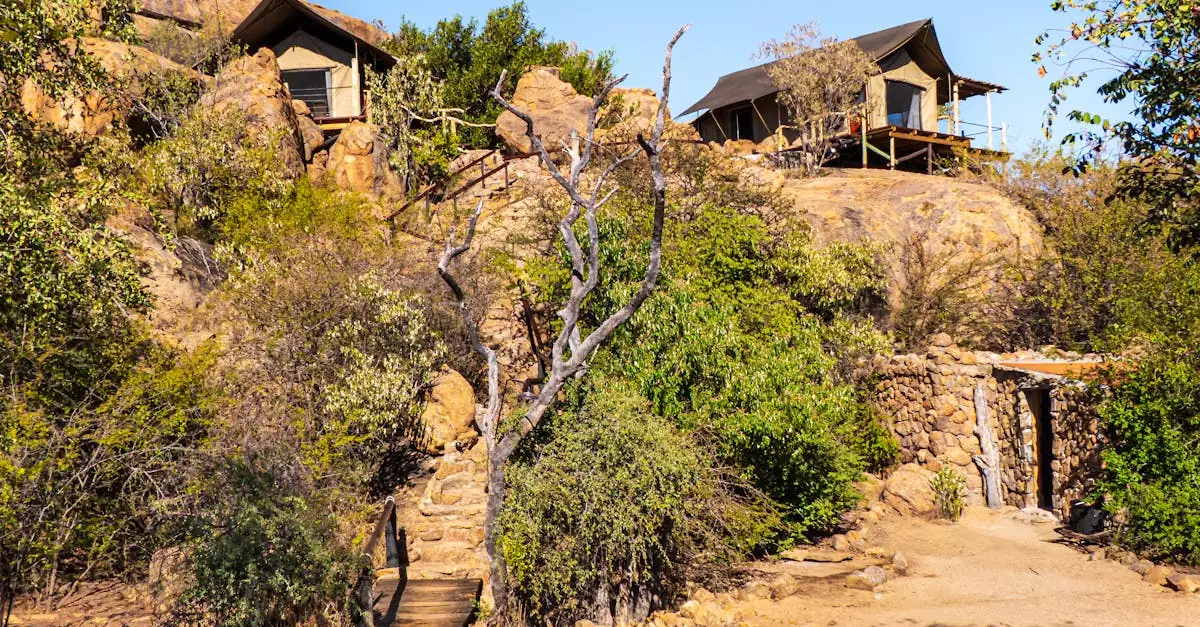
Opting for a luxury safari lodge elevates a typical African wildlife trip into an immersive and rewarding experience. These exclusive accommodations provide curated access to some of the continent’s most stunning landscapes and diverse wildlife. For travelers seeking an unforgettable adventure, a carefully selected lodge is central to the journey.
Experiencing Exclusive Wildlife Viewing Opportunities
Luxury safari lodges are often located within private concessions or prime areas bordering national parks. This proximity allows guests to witness incredible animal sightings with fewer crowds. Imagine a leopard lounging on a nearby branch or a herd of elephants crossing your path—these moments are more likely when you’re not confined to busier public routes. Many lodges offer private game drives with expert guides who understand animal behavior and the best times and places to find them. This personalized approach significantly increases your chances of encountering rare species and witnessing dramatic natural events, such as the Great Migration.
Unparalleled Comfort and Service in the Wilderness
The notion of “roughing it” does not apply to the best safari lodges in Africa. These establishments excel at merging the thrill of the wild with sophisticated comfort. Expect spacious, elegantly appointed suites or tents featuring private plunge pools, expansive decks with stunning views, and en-suite bathrooms with hot running water. The service is typically impeccable, with dedicated staff anticipating your needs. From gourmet meals prepared with fresh, local ingredients to personalized attention from your guide, every detail enhances your stay. After a day of exhilarating game drives, returning to such a tranquil and luxurious environment is a welcome respite.
Supporting Conservation Efforts Through Eco-Lodges
Many top safari lodges are deeply committed to conservation and community development. Choosing an eco-lodge means your travel directly contributes to protecting wildlife habitats and supporting local communities. These lodges often operate with a low environmental impact, employing sustainable practices in energy, water usage, and waste management. They frequently partner with local organizations for anti-poaching initiatives, habitat restoration, and educational programs. By staying at such a lodge, you actively participate in preserving Africa’s natural heritage for future generations, adding profound meaning to your wildlife adventure.
Top-Rated Safari Lodges in Kenya’s Maasai Mara
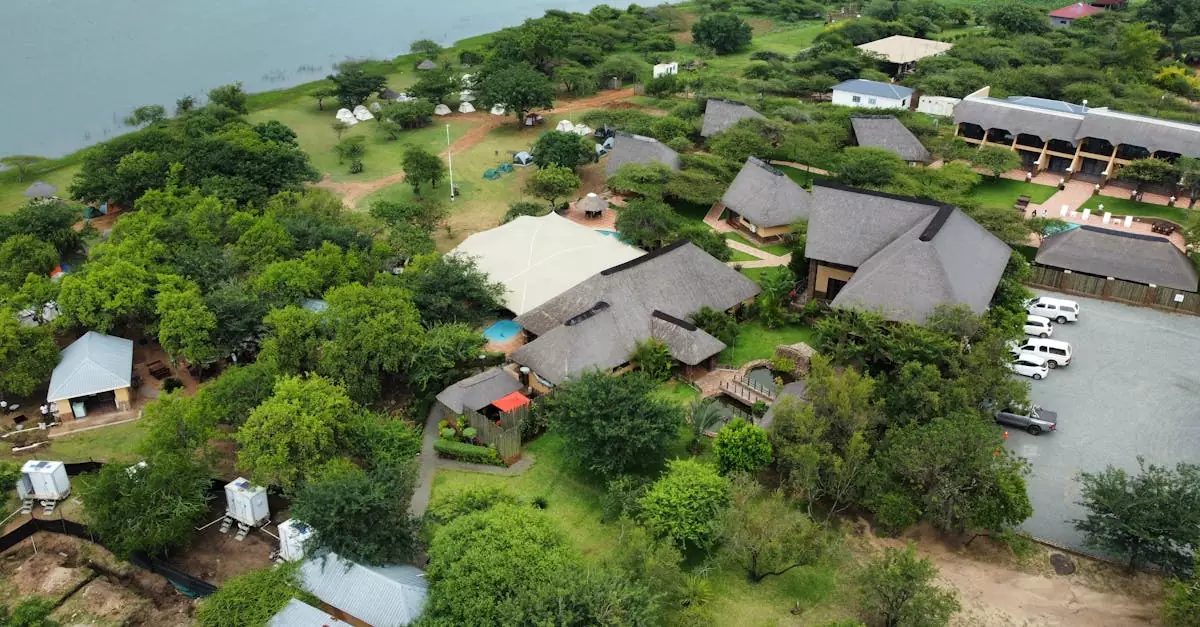
Kenya’s Maasai Mara National Reserve is a premier destination for witnessing Africa’s abundant wildlife. The sheer density of animals, particularly during the Great Migration, makes it an unparalleled safari location. For travelers seeking an exceptional experience, the quality of accommodation significantly enhances the adventure. Here, we highlight three remarkable safari lodges that offer distinct yet equally memorable stays in this iconic landscape.
Angama Mara: For Breathtaking Escarpment Views
Perched high on the Oloololo Escarpment, Angama Mara offers panoramic vistas that are simply unmatched. The lodge’s location provides a unique perspective over the vast plains of the Maasai Mara, a view made famous by the opening scene of Out of Africa. Each of the 30 tented suites features floor-to-ceiling glass fronts, ensuring that the dramatic scenery serves as a constant backdrop, whether you’re relaxing in your room or enjoying a meal.
This lodge is particularly suited for photographers and birdwatchers, given its elevated position and diverse habitats visible from the lodge. Game drives depart from the lodge’s doorstep, providing direct access to prime wildlife viewing areas. The knowledgeable guides often tailor drives to specific interests, whether tracking predators or observing the daily movements of resident herbivores. The lodge also offers walking safaris and hot air balloon expeditions for a truly immersive experience.
Logistics and Timing: Angama Mara is accessible via a private airstrip, with daily scheduled flights from Nairobi. The lodge operates year-round, but the dry season (June to October) offers the most concentrated wildlife viewing, coinciding with the Great Migration. The shoulder months of May and November can provide excellent value and fewer crowds.
andBeyond Bateleur Camp: Classic Luxury and Great Migration Access
andBeyond Bateleur Camp embodies classic safari elegance, set in a private concession bordering the Maasai Mara National Reserve. This intimate camp features just nine luxurious tented suites, each with its own private plunge pool and antique furnishings that evoke a bygone era of safari romance. The camp’s strategic location offers excellent game viewing opportunities year-round and direct access to the heart of the Great Migration when it passes through the Mara River ecosystem.
The experience at Bateleur Camp emphasizes personalized service and authentic encounters with the wilderness. Expect expertly guided game drives, bush walks, and even night drives, revealing a different side of the Mara’s nocturnal inhabitants. The camp’s commitment to conservation is evident, with guests often participating in or learning about ongoing wildlife research and community initiatives supported by andBeyond. Dining is a highlight, with meals served in various stunning locations, from elegant dining rooms to intimate bush dinners under the stars.
Traveler Insights: For those prioritizing a luxurious yet authentic safari experience with excellent chances of witnessing the Great Migration, Bateleur Camp is a strong contender. Its private concession status allows for off-road driving and night game drives, which are restricted within the main reserve.
Richard’s Forest Camp: Intimate Bush Experience
Richard’s Forest Camp offers a more rustic and immersive bush experience, located in a private forest area near the Mara River. This camp is designed for travelers who appreciate a laid-back atmosphere and close proximity to nature. It comprises only six traditionally styled tents, ensuring an exclusive and intimate feel. The camp’s woodland setting provides excellent opportunities for birdwatching and observing smaller forest-dwelling mammals, in addition to plains game.
The focus here is on the unfiltered bush experience. Activities include guided game drives, walking safaris with Maasai guides, and opportunities to learn about local culture. The camp’s management is known for its hands-on approach, often sharing personal stories and insights into the local ecosystem. Meals are communal, fostering a friendly atmosphere among guests and staff. This lodge is ideal for those seeking an authentic connection with the wild, away from the more formal settings of larger, more opulent lodges.
Budget Considerations: Compared to some high-end lodges, Richard’s Forest Camp offers a more accessible entry point for experiencing the Maasai Mara while delivering exceptional wildlife viewing and a genuine sense of adventure. The all-inclusive rates typically cover accommodation, meals, standard drinks, and scheduled activities.
Discovering Botswana’s Premier Okavango Delta Lodges
Botswana’s Okavango Delta is a UNESCO World Heritage site and a jewel of African wilderness, offering unparalleled wildlife viewing opportunities. This vast inland delta, fed by the Okavango River, transforms the arid Kalahari Desert into a lush, vibrant ecosystem teeming with life. For travelers seeking an immersive wildlife experience, the best safari lodges in Africa are often found within this unique landscape. Here, a blend of water-based and land-based safaris provides diverse encounters with iconic African animals.
The Okavango Delta is particularly renowned for its high concentration of predators, including lions, leopards, and cheetahs, as well as large herds of elephants and buffalo. The intricate network of channels and floodplains creates a dynamic environment that shifts with the seasons, influencing animal movements and the types of activities available. Planning a safari here involves considering the water levels, which dictate whether mokoro (traditional dugout canoe) excursions are possible or if game drives will be the primary focus.
Sanctuary Chief’s Camp: Ultimate Seclusion and Big Cat Sightings
Sanctuary Chief’s Camp, located on Chief’s Island in the Moremi Game Reserve, offers an exclusive and luxurious safari experience. This area is celebrated for its exceptional predator sightings, especially lions and leopards. The camp’s prime location within the delta means that wildlife is often visible directly from your suite or the main lodge area.
The camp provides a range of activities designed to maximize wildlife encounters, including game drives in open 4×4 vehicles, guided bush walks, and mokoro excursions when water levels permit. The experienced guides possess deep knowledge of the delta’s ecology and animal behavior, greatly enhancing the safari experience. Accommodation at Chief’s Camp is in spacious, elegantly appointed suites, many featuring private plunge pools and expansive decks overlooking the plains. The camp’s remote setting ensures a sense of profound tranquility and seclusion, making it a top choice for those seeking an intimate wildlife adventure.
Jao Camp: Unique Water-Based Safaris and Design
Jao Camp stands out for its innovative design and focus on water-based activities within the Okavango Delta. Situated on a large island, the camp offers a unique perspective on the delta’s aquatic life and the animals that depend on it. The architecture of Jao Camp is a significant draw, with its thatched-roof suites and communal areas artfully integrated into the surrounding landscape, often featuring natural materials and striking artistic touches.
Activities at Jao Camp emphasize mokoro excursions, allowing guests to glide silently through the shallow channels, observing diverse birdlife, aquatic creatures, and animals coming to drink. When water levels are lower, game drives and walking safaris are available, offering opportunities to track larger mammals. The camp also boasts a stunning star deck, a swimming pool, and a spa, providing luxurious amenities that complement the wilderness setting. Jao Camp is an excellent option for travelers who appreciate design and are eager to experience the delta’s watery world up close.
Mombo Camp: Renowned for Abundant Wildlife
Mombo Camp, often referred to as the “Place of Abundance,” is legendary for its consistently spectacular wildlife viewing. Located on the southwestern tip of Chief’s Island, this area attracts large concentrations of plains game and predators. Mombo Camp is celebrated for its high success rates in spotting lions, leopards, and wild dogs, along with significant herds of elephants and buffalo.
The camp offers both day and night game drives, providing comprehensive opportunities to witness the delta’s diverse fauna. Experienced guides lead these drives, expertly navigating the terrain to find animals. Walking safaris are also available, offering a more intimate and thrilling way to experience the bush. Mombo Camp’s accommodations are lavish, featuring expansive tented suites that include private decks and plunge pools, all designed for comfort and prime wildlife viewing. Its reputation for exceptional game sightings makes it a premier destination for serious wildlife enthusiasts looking for an unforgettable safari.
When planning your Okavango Delta safari, consider the seasonal variations. The peak wildlife viewing season generally aligns with the dry months, from May to October, when animals congregate around permanent water sources. However, the flood season, from June to September, offers a different, equally captivating experience with the delta at its most lush and water-based activities at their best. Transportation to these remote lodges typically involves light aircraft from Maun International Airport (MUB) or Kasane International Airport (BBK), with lodge staff meeting guests at the nearest airstrip.
South Africa’s Kruger National Park: Best Safari Lodges
Kruger National Park, a vast expanse in northeastern South Africa, offers some of the most sought-after wildlife viewing experiences on the continent. Its sheer size and diverse habitats support an incredible array of animals, including the iconic Big Five. For travelers seeking luxury and exceptional service alongside their game drives, several lodges stand out. These properties often lie within private concessions bordering the national park, providing exclusive access and tailored safari experiences.
Singita Lebombo Lodge: Modern Architecture Meets Wild
Singita Lebombo Lodge redefines the safari aesthetic with its striking, contemporary design. Perched on a cliff overlooking the N’wanetsi River, the lodge’s glass-fronted suites offer panoramic views of the wilderness, bringing the outside in. This proximity to nature immerses guests in the landscape. Expect sophisticated interiors, private plunge pools, and an elevated dining experience that complements the dramatic setting.
The lodge’s location within the Singita private concession in the eastern part of Kruger ensures excellent game viewing, with leopards, lions, and elephants frequently sighted. Guided walks and game drives are led by expert trackers and guides who share deep knowledge of the ecosystem. Singita is renowned for its commitment to conservation, and staying here directly supports these efforts.
Sabi Sabi Earth Lodge: Holistic Wellness and Big Five
Sabi Sabi Earth Lodge in the Sabi Sands Game Reserve, adjacent to Kruger, is celebrated for its integration with the natural environment and focus on holistic well-being. The lodge’s architecture mimics the earth, with thatched roofs, natural materials, and earthy tones blending seamlessly into the bushveld. Its design emphasizes a connection to the land, creating a serene atmosphere.
This lodge offers a unique blend of luxury and wellness, featuring a highly-regarded spa, yoga sessions, and healthy cuisine. Of course, the primary draw remains the abundant wildlife. Sabi Sands is famous for its high density of leopards, and Sabi Sabi provides unparalleled opportunities to witness these elusive cats. The lodge’s location also guarantees encounters with lions, rhinos, buffalo, and elephants, along with a wealth of other species. Experienced rangers and trackers ensure thrilling daily game drives.
Royal Malewane: Exclusive Use Villas and Exceptional Guiding
For those seeking ultimate privacy and personalized service, Royal Malewane offers an ultra-luxury safari experience. Situated in the Thornybush Game Reserve, it provides access to a rich wildlife area. The lodge is particularly known for its opulent, colonial-style suites and exclusive-use villas, making it ideal for families or groups wanting a private retreat.
What sets Royal Malewane apart is its exceptional guiding team. The lodge employs some of the most experienced rangers and trackers in Africa, many of whom have decades of bush experience. Their in-depth knowledge and passion for the wilderness translate into incredibly insightful and rewarding game drives. Guests can expect intimate encounters with wildlife, often in unique and less-trafficked areas. The emphasis here is on bespoke experiences, from private dining in the bush to customized game drive schedules.
What to Consider When Booking Your African Safari Lodge
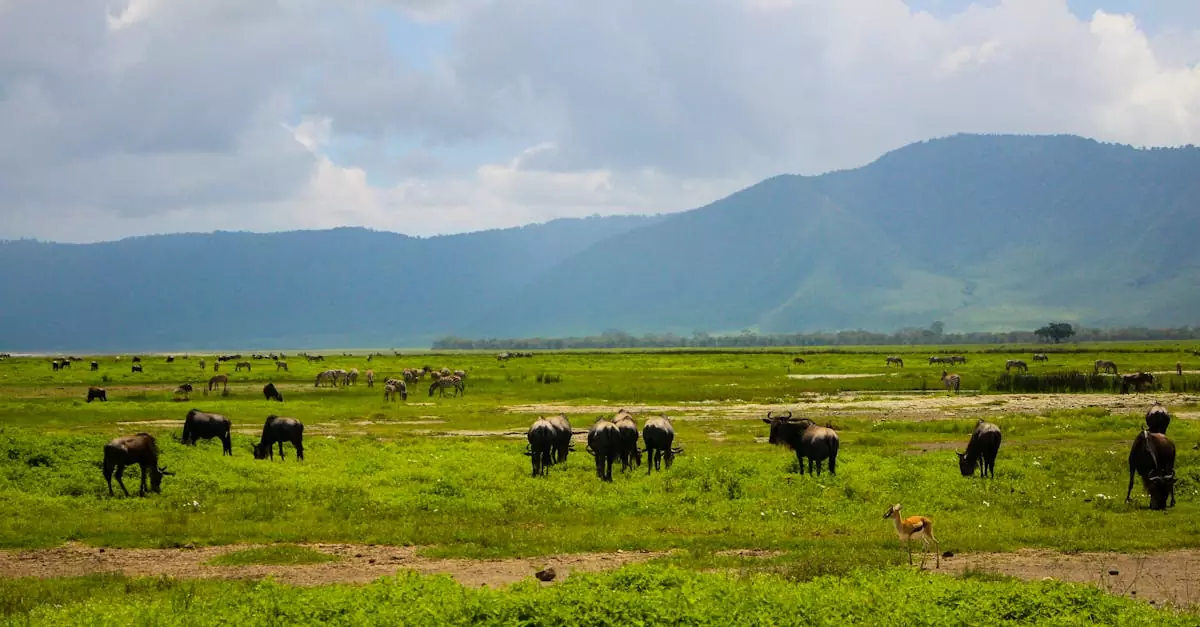
Choosing the right safari lodge in Africa is a pivotal step in planning an unforgettable wildlife adventure. The continent offers a vast array of experiences, from the iconic plains of the Serengeti to the Okavango Delta’s waterways. To ensure your trip aligns with your expectations, consider several key factors before making a booking. These elements will significantly influence your overall experience, impacting everything from the animals you see to the comfort of your stay.
Best Time of Year for Wildlife Viewing by Region
The optimal time for a safari often depends on the specific region and its unique ecosystems. For classic game viewing, particularly in East Africa (Kenya and Tanzania), the dry seasons from June to October and again from December to February are generally best. During these months, wildlife congregates around permanent water sources, making sightings more predictable. The Great Migration, a spectacular natural phenomenon, typically traverses the Maasai Mara in Kenya from July to October and the Serengeti in Tanzania from December to March.
Southern Africa, including Botswana, South Africa, and Zimbabwe, also experiences distinct dry and wet seasons. The dry season, from May to October, is ideal for spotting animals as vegetation thins out and waterholes become crucial gathering points. However, the shoulder months of April and November can offer fewer crowds and beautiful scenery. For birdwatching enthusiasts, the wet season (November to March) brings migratory birds and lush landscapes, though game viewing can be more challenging due to denser bush.
Transportation Options to Remote Lodges
Reaching many premier safari lodges involves a combination of flights and ground transfers. International travelers typically fly into major hubs like Nairobi (Kenya), Kilimanjaro (Tanzania), Johannesburg (South Africa), or Maun (Botswana). From these cities, smaller bush planes are often the most efficient way to access remote airstrips near lodges. These light aircraft flights offer breathtaking aerial views of the landscape and wildlife below.
- Scheduled Bush Flights: Operated by various local airlines, these flights connect major airports to smaller airstrips. Booking these in advance is essential, especially during peak season.
- Charter Flights: For ultimate flexibility and privacy, chartering a private aircraft is an option, though significantly more expensive.
- Road Transfers: Some lodges, particularly those closer to major cities or within national parks like Kruger in South Africa, can be reached by private vehicle or shared shuttle. These transfers can be longer but offer a chance to see more of the local scenery.
When booking, clarify with your lodge or tour operator how you will reach them and what is included in the transfer costs.
Budgeting for All-Inclusive Safari Packages
Safari lodges range widely in price, reflecting their location, luxury level, and the experiences offered. All-inclusive packages are common and typically cover accommodation, meals, drinks, and most safari activities like game drives. Understanding what’s included is crucial for accurate budgeting.
A mid-range all-inclusive lodge might cost $500-$1000 per person per night, while ultra-luxury properties can exceed $2000 per person per night. These prices often exclude park entrance fees, which can add a significant amount to your total cost, especially in popular national parks. Conservation levies, gratuities for guides and staff, and personal expenses like souvenirs are also additional considerations.
When comparing prices, look closely at:
- Inclusions: Are drinks premium or house brands? Are all activities included, or are some optional extras?
- Park Fees: Are these bundled or charged separately?
- Time of Year: Peak season rates are considerably higher than low season.
Many lodges offer packages that combine multiple properties, allowing for a diverse safari experience across different ecosystems.
Choosing Between Game Drives, Walking Safaris, and Mokoro Excursions
The type of activities offered by a lodge significantly shapes your wildlife viewing experience. Most lodges provide daily game drives in open-sided 4×4 vehicles, led by experienced guides. These are excellent for covering large areas and spotting a wide range of animals, including the “Big Five” (lion, leopard, elephant, rhino, and buffalo).
Walking safaris offer a more intimate connection with the bush. Accompanied by an armed ranger, these excursions allow you to focus on smaller details, learn about tracking, identify plants, and experience the wilderness on foot. They are usually offered in specific conservancies or areas where it’s safe to disembark from vehicles.
Mokoro excursions, unique to water-rich environments like the Okavango Delta in Botswana, involve gliding silently in a traditional dugout canoe (mokoro) poled by a guide. This offers unparalleled opportunities for birdwatching and observing aquatic life, as well as a serene perspective on the landscape.
| Activity Type | Best For | Typical Inclusion |
| :—————- | :—————————————— | :—————- |
| Game Drives | Covering distances, Big Five sightings | Standard |
| Walking Safaris | Intimate bush experience, tracking, flora | Often optional |
| Mokoro Excursions | Birding, water-based viewing, tranquility | Location-specific |
Consider which style of exploration best suits your interests and physical abilities when selecting your safari lodge.
Frequently Asked Questions About Africa Safari Lodges
Are safari lodges safe for families with children?
Yes, most reputable safari lodges prioritize safety, especially for families. Lodges often provide child-friendly activities and experienced guides trained to manage younger guests. They implement strict rules regarding children’s movements, especially around wildlife. Many lodges offer fenced areas or family suites for added security. Always confirm specific safety protocols with your chosen lodge when booking.
What should I pack for a luxury safari lodge stay?
Packing for a luxury safari lodge is about comfort and practicality. Neutral-colored clothing (khaki, olive green, beige) is recommended to avoid startling wildlife. Pack light layers, as mornings and evenings can be cool, even in warmer climates. Essential items include long-sleeved shirts and trousers for sun and insect protection, a wide-brimmed hat, sunglasses, and comfortable walking shoes. Don’t forget swimwear for lodge pools, a good camera with extra batteries and memory cards, and any personal medications. Binoculars significantly enhance wildlife viewing.
For a quick overview, consider this packing list:
| Category | Essentials | Optional |
| :————– | :——————————————– | :————————— |
| Clothing | Neutral-colored shirts, trousers, shorts | Dressier evening wear |
| Outerwear | Fleece jacket, light rain jacket | Warm scarf |
| Footwear | Comfortable walking shoes, sandals | Hiking boots (if planned) |
| Accessories | Sun hat, sunglasses, insect repellent, sunscreen | Binoculars, camera gear |
| Documents & Money | Passport, visa, travel insurance, cash, cards | Wildlife identification guide |
Can I find affordable yet excellent safari lodges?
Absolutely. While some of the best safari lodges in Africa command high prices, many excellent options offer great value. Look for lodges in less-hyped reserves or those operating during the shoulder seasons. Smaller, owner-run lodges often provide a more intimate and authentic experience at a lower price point. Researching lodges that focus on community involvement or conservation efforts can also lead to more budget-friendly choices. Traveling during the off-peak season can significantly reduce costs without compromising the quality of wildlife viewing or the lodge experience.
What is the typical duration of a safari lodge itinerary?
A typical safari lodge itinerary often ranges from three to five nights. This duration allows sufficient time for game drives, relaxation, and experiencing the lodge’s amenities without feeling rushed. Many travelers combine stays at different lodges or parks, requiring longer overall trips. For instance, a common itinerary might involve three nights in one reserve and then moving to another for an additional three nights to experience different ecosystems and wildlife. Some guests opt for longer stays, up to a week, to fully immerse themselves in the environment and increase their chances of seeing rare animals.