South America’s incredible biodiversity makes it a top destination for travelers seeking meaningful wildlife conservation trips. From the vast Amazon rainforest to the unique ecosystems of the Galapagos Islands, this continent offers unparalleled opportunities to witness nature’s wonders while actively contributing to their preservation. You’ll learn how to select ethical tour operators and lodges committed to sustainability, understand the best times to visit for optimal wildlife sightings, and discover practical tips for minimizing your environmental impact. This guide will equip you with the knowledge to plan an unforgettable eco-adventure that benefits both you and the precious wildlife you’ve come to see.
Why Choose South America for Wildlife Conservation Trips?
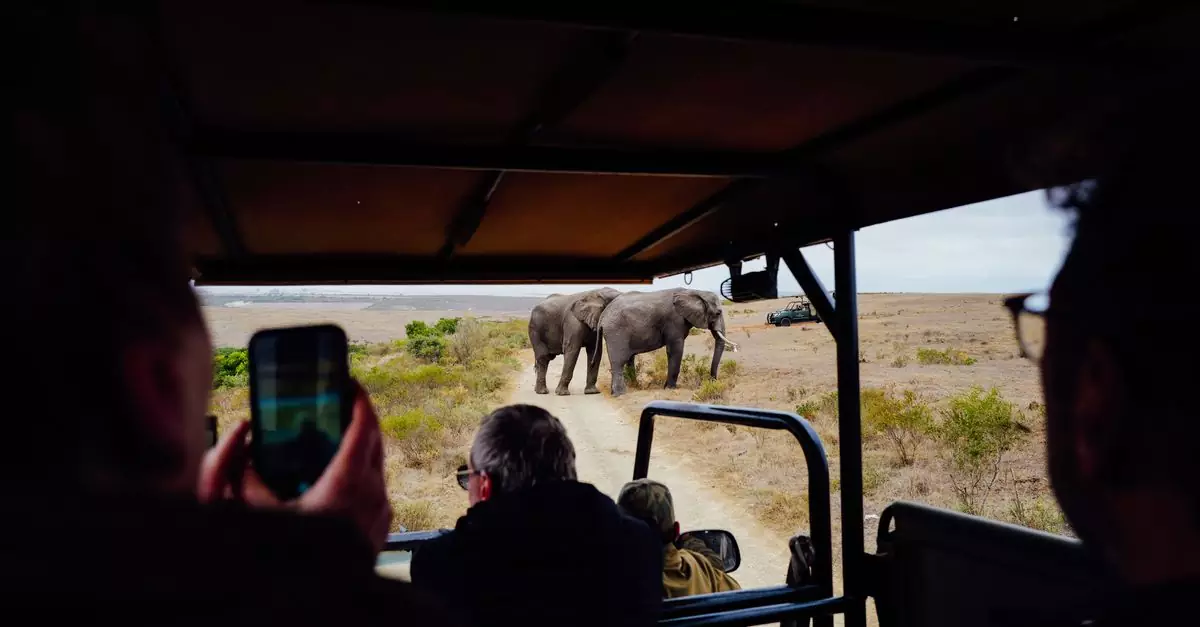
South America stands out as a premier destination for wildlife conservation. Its remarkable biodiversity means that every journey offers a chance to encounter species found nowhere else on Earth, often in their natural, protected habitats. Travelers can engage with vital conservation initiatives, directly contributing to the preservation of these fragile ecosystems.
Biodiversity Hotspots: Exploring the Amazon Rainforest
The Amazon Rainforest, spanning nine countries, is the planet’s largest tropical rainforest and a critical global ecosystem. This vast expanse houses an estimated 10% of the world’s known species. For wildlife enthusiasts, the Amazon provides an unparalleled opportunity to witness creatures like jaguars, macaws, river dolphins, and countless primate species.
Conservation efforts here focus on combating deforestation, protecting indigenous territories, and supporting sustainable ecotourism models. Travelers can stay in eco-lodges that employ local guides, many of whom possess generations of knowledge about the forest and its inhabitants. These lodges often partner with research organizations, offering visitors a glimpse into ongoing conservation work, from tracking wildlife to reforestation projects. A visit to the Amazon is a profound experience, underscoring the urgent need for global conservation.
The Andes Mountains: Unique Andean Wildlife Encounters
Stretching along the western edge of the continent, the Andes Mountains present a dramatically different yet equally biodiverse landscape. This formidable mountain range is home to unique species adapted to high altitudes and varied climates. Key conservation focuses include protecting the Andean condor, spectacled bear, and various vicuña and guanaco populations.
Travelers can find conservation-focused lodges and guided treks in areas like the Sacred Valley in Peru or El Cocuy National Natural Park in Colombia. These regions feature established trails that minimize impact on sensitive environments. Engaging with local communities involved in conservation, such as those working to protect traditional grazing lands or restore habitats, adds a rich cultural dimension to the wildlife experience. The dramatic scenery of the Andes complements the thrill of spotting its elusive wildlife.
Patagonia’s Pristine Ecosystems and Conservation Efforts
Patagonia, shared by Argentina and Chile, is renowned for its rugged beauty, from windswept plains to glacial fjords. This region serves as a vital sanctuary for marine life and iconic terrestrial animals. Conservation initiatives here often focus on protecting guanacos, pumas, Andean condors, and marine mammals like whales and penguins.
National parks such as Torres del Paine in Chile and Los Glaciares in Argentina are at the forefront of conservation. Many tour operators offer responsible wildlife viewing excursions, emphasizing minimal disturbance to animals and their habitats. Visitors can learn about the challenges of managing large protected areas, including climate change and sustainable tourism. The stark, powerful landscapes of Patagonia provide a dramatic backdrop for understanding the critical work being done to preserve its wild inhabitants.
Top South American Destinations for Responsible Wildlife Tourism
South America offers an unparalleled diversity of ecosystems, making it a prime continent for travelers seeking immersive wildlife experiences that also contribute to conservation efforts. These destinations focus not only on seeing animals but also on understanding the delicate balance of nature and supporting initiatives that protect these precious environments. Planning a trip centered on responsible tourism here means choosing operators and locations committed to minimizing impact and maximizing benefits to local communities and wildlife.
Galapagos Islands: A Living Laboratory for Conservation
The Galapagos Islands, an archipelago off the coast of Ecuador, are renowned for their unique endemic species that inspired Charles Darwin’s theory of evolution. This UNESCO World Heritage site operates under strict regulations to protect its fragile ecosystems. Visitors can expect to see giant tortoises, marine iguanas, blue-footed boobies, and playful sea lions up close, often with a remarkable lack of fear towards humans.
Conservation is paramount here, with visitor numbers managed and specific zones requiring licensed naturalist guides. This ensures that encounters are educational and that the environment remains undisturbed. The best way to experience the islands is through a live-aboard cruise, allowing access to more remote islands and offering a deeper immersion into the archipelago’s natural wonders.
- Best Time to Visit: Year-round, though the warm season (December to May) offers calmer seas and better snorkeling, while the cool/dry season (June to November) brings more marine activity.
- Getting There: Flights depart from mainland Ecuador (Quito or Guayaquil) to Baltra (GPS) or San Cristobal (SCY) airports.
- Accommodation: Primarily live-aboard cruises, with limited land-based hotels on Santa Cruz, San Cristobal, and Isabela islands.
- Conservation Focus: Strict visitor site management, endemic species protection, and marine reserve regulations.
The Pantanal, Brazil: The World’s Largest Tropical Wetland
The Pantanal, spanning Brazil, Bolivia, and Paraguay, is the planet’s largest tropical wetland and one of the most biodiverse inland areas. This vast floodplain teems with wildlife, offering exceptional opportunities to spot jaguars, capybaras, caimans, giant otters, and an astonishing array of birdlife, including hyacinth macaws and jabiru storks. Its open landscape makes wildlife viewing more accessible than in dense rainforests.
Responsible tourism in the Pantanal often involves staying at eco-lodges that collaborate with local communities and employ guides who understand the delicate ecosystem. Activities typically include jeep safaris, boat trips, and horseback riding, all designed to minimize disturbance. Supporting lodges that actively engage in conservation projects or employ local guides directly benefits the region’s preservation.
- Best Time to Visit: The dry season (May to September) is ideal, as wildlife congregates around shrinking water sources, making them easier to spot.
- Getting There: Fly into Cuiabá (CGB) or Campo Grande (CGR) in Brazil and arrange lodge transfers.
- Accommodation: Numerous eco-lodges and fazendas (ranches) offering varying levels of comfort and immersion.
- Conservation Focus: Jaguar conservation initiatives, sustainable land management practices, and community-based tourism.
Manu National Park, Peru: Immersive Amazonian Wildlife Experiences
Manu National Park in southeastern Peru is a UNESCO World Heritage site protecting an immense swathe of the Amazon rainforest, from the Andes foothills to the lowland Amazon basin. It is one of the most biodiverse places on Earth, home to an estimated 15,000 species of plants, 1,000 bird species, and 13 primate species. Visitors can encounter macaws, giant river otters, monkeys, and potentially even elusive felines like jaguars.
Access to Manu is carefully controlled to preserve its pristine state. Most trips involve multi-day expeditions by river, staying in rustic lodges or campsites. Choosing tour operators committed to low-impact travel and supporting indigenous communities is crucial for responsible tourism here. The sheer scale and remoteness of Manu offer a profound connection with untamed nature.
- Best Time to Visit: The dry season (May to October) is generally preferred for easier travel and more visible wildlife.
- Getting There: Typically involves flying to Cusco (CUZ), followed by a long overland and river journey.
- Accommodation: Basic jungle lodges and campsites, often managed by tour operators.
- Conservation Focus: Strict park regulations, protection of indigenous territories, and biodiversity research.
Madidi National Park, Bolivia: Untamed Biodiversity
Madidi National Park in Bolivia is considered one of the most biodiverse protected areas in the Amazon. It spans an incredible altitudinal range, from Andean glaciers to tropical rainforests, resulting in a vast array of habitats and species. This park is a haven for jaguars, spectacled bears, river dolphins, and over 1,000 species of birds, including the harpy eagle.
Madidi is a pioneer in community-based ecotourism, with several indigenous communities managing lodges and guiding tours. This model ensures that tourism revenue directly supports local conservation efforts and provides sustainable livelihoods. Visitors can expect authentic cultural interactions alongside incredible wildlife viewing opportunities, making it a truly impactful option for wildlife conservation trips.
- Best Time to Visit: The dry season (May to October) offers more predictable weather and easier trekking.
- Getting There: Fly to Rurrenabaque (RBQ) from La Paz (LPB), then take a boat or smaller plane to park entrances.
- Accommodation: Community-run eco-lodges offering simple, authentic accommodations.
- Conservation Focus: Community-based ecotourism, indigenous land rights, and biodiversity monitoring.
These destinations offer distinct yet equally rewarding opportunities for travelers dedicated to experiencing wildlife responsibly. Each location emphasizes the importance of conservation, providing visitors with a chance to contribute positively to the protection of South America’s incredible natural heritage.
Planning Your Best Wildlife Conservation Trip: Key Considerations
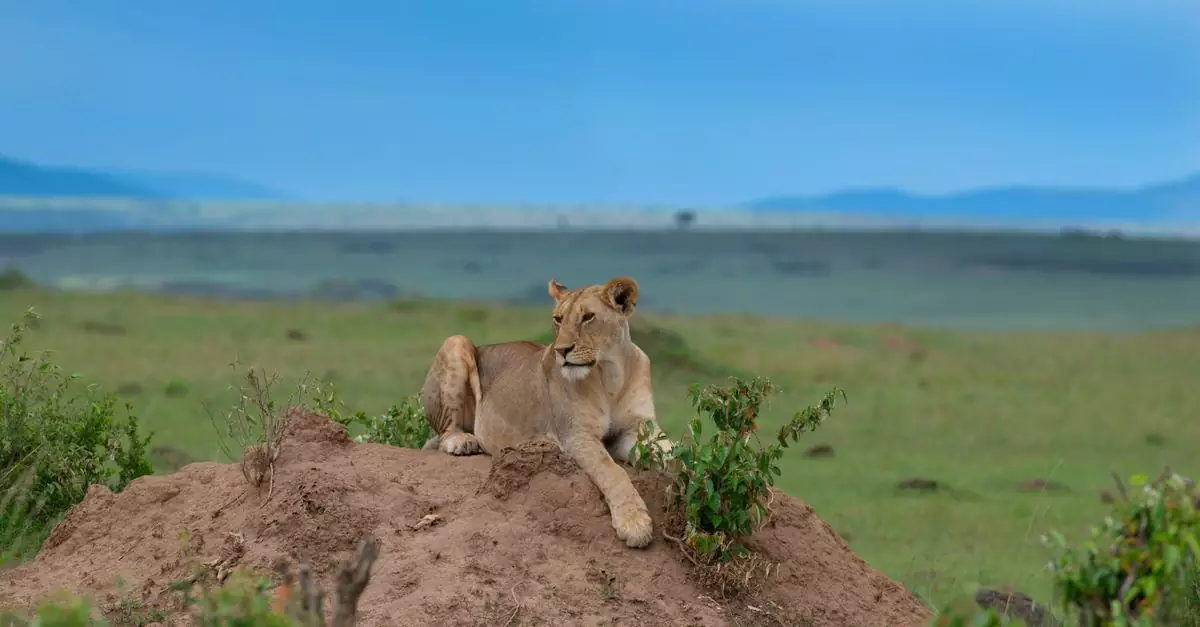
Embarking on a journey focused on wildlife conservation in South America offers unparalleled opportunities to witness incredible biodiversity. However, responsible travel is paramount to ensure these ecosystems thrive. Careful planning, from selecting ethical partners to understanding local nuances, is essential for a rewarding and impactful experience.
Choosing Ethical Tour Operators and Lodges
The success of your conservation-focused trip hinges on partnering with organizations that genuinely prioritize animal welfare and community benefit. Look for operators with clear sustainability policies, certifications from reputable eco-tourism bodies, and transparent reporting on their conservation efforts. These may include partnerships with local research projects, anti-poaching initiatives, or reforestation programs.
When evaluating lodges, consider their waste management practices, energy sources, and how they engage with local communities. Do they employ local guides and staff? Do they source food from nearby producers? Asking direct questions about their conservation contributions can reveal much. Researching reviews that specifically mention ethical practices and community involvement will also provide valuable insights.
Best Time to Visit for Wildlife Sightings
South America’s vastness means that prime wildlife viewing seasons vary significantly by region and species. For instance, the Amazon basin generally experiences its dry season from June to November, concentrating wildlife around shrinking water sources and making it easier to spot animals. However, this can also mean higher visitor numbers.
Conversely, visiting during the wet season in some Amazonian areas can offer unique opportunities to see aquatic life and experience the rainforest at its most vibrant, albeit with more challenging travel conditions. For marine life, seasons are dictated by breeding and migration patterns. For example, whale watching in Patagonia is best between August and October, while the Galápagos Islands offer excellent marine encounters year-round with distinct peaks for specific species.
Here’s a general overview for popular wildlife destinations:
| Destination | Best Viewing Season (General) | Key Wildlife Highlights |
|---|---|---|
| Amazon Rainforest | June – November (Dry Season) | Jaguars, monkeys, diverse birdlife, river dolphins |
| Galápagos Islands | Year-round, peaks vary | Giant tortoises, marine iguanas, blue-footed boobies, sea lions |
| Pantanal | May – September (Dry Season) | Jaguars, capybaras, giant otters, hyacinth macaws |
| Patagonia | August – October (Whales) | Whales, penguins, sea lions, condors |
Consulting with your chosen tour operator about the specific timing for your desired wildlife encounters is always recommended.
Sustainable Travel Practices for Minimal Impact
Minimizing your environmental footprint is crucial when engaging in wildlife conservation trips. This begins with responsible packing: choose reusable water bottles and bags, and opt for biodegradable toiletries. When out in nature, always stay on designated trails to avoid disturbing habitats and wildlife.
Respecting wildlife is paramount. Maintain a safe distance, never feed animals, and avoid using flash photography, which can stress or disorient them. Supporting local economies by purchasing authentic crafts and dining at local establishments also contributes to the well-being of communities, which is intrinsically linked to conservation efforts.
Finally, be mindful of your water and energy consumption at accommodations. Small actions, multiplied by many travelers, can have a significant positive impact on fragile ecosystems across South America.
Unforgettable Wildlife Experiences: What to Expect
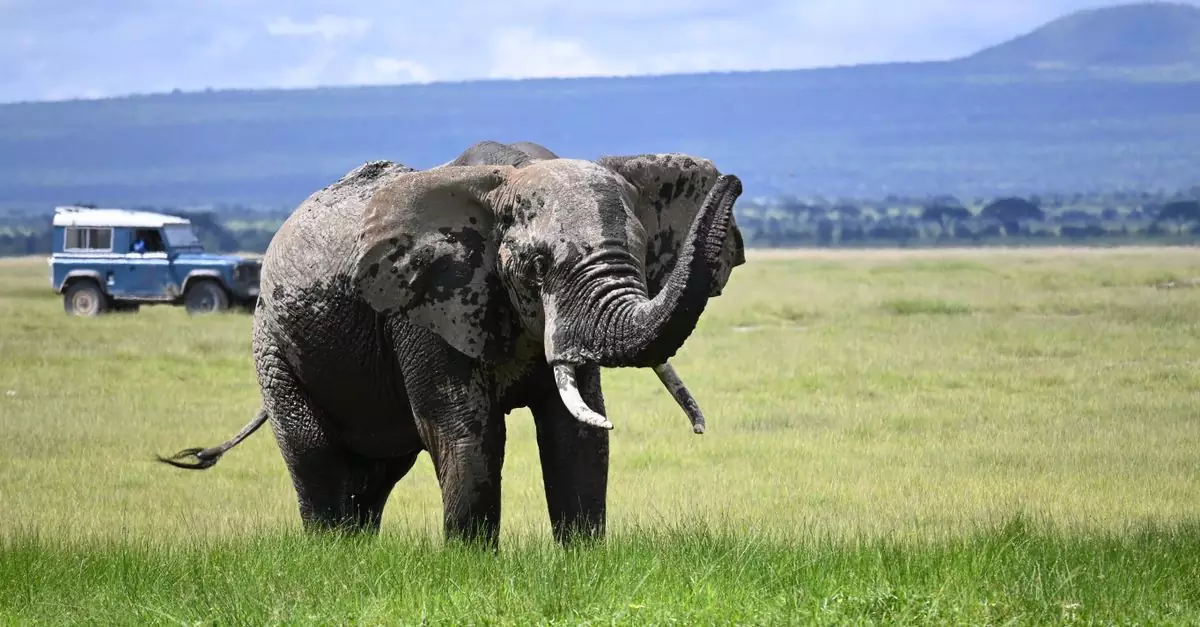
South America offers a staggering diversity of wildlife and landscapes, making it a premier destination for eco-conscious travelers seeking meaningful encounters with nature. These journeys go beyond simple sightseeing, often involving conservation efforts and education. Expect to witness unique species in their natural habitats, from the vibrant avian life of cloud forests to the majestic marine creatures of the Galápagos Islands. Many trips emphasize sustainable tourism, supporting local communities and vital conservation projects.
Birdwatching in the Cloud Forests of Ecuador
Ecuador’s cloud forests, particularly around Mindo and Bellavista Cloud Forest Lodge, are a birdwatcher’s paradise. These high-altitude, misty forests teem with an astonishing array of bird species, many of which are endemic to the region. Keep an eye out for the Andean Cock-of-the-rock, quetzals, toucans, and hundreds of hummingbird varieties. Early morning is prime for sightings, as the forest awakens with sound and activity.
- Best Time to Visit: While birding is possible year-round, the drier months from June to December often offer clearer skies and more predictable weather.
- Getting There: Flights arrive at Quito’s Mariscal Sucre International Airport (UIO). From Quito, private transfers or local buses can take you to Mindo (approximately 2 hours).
- Accommodation: Options range from rustic eco-lodges focused on birding to comfortable guesthouses in Mindo town.
- Logistics: Guided tours are highly recommended to spot elusive species and learn about the ecosystem. Bring binoculars, a good field guide, and waterproof gear.
Jaguars and Capybaras in the Pantanal
The Pantanal, spanning Brazil, Bolivia, and Paraguay, is the world’s largest tropical wetland and an exceptional place to observe large mammals. This vast floodplain is renowned for its high density of jaguars, making it one of the best places on the continent for tracking these elusive big cats. Beyond jaguars, you’ll encounter capybaras, giant otters, caimans, anacondas, and a spectacular variety of water birds, including hyacinth macaws and jabiru storks. Boat safaris and guided hikes are the primary ways to explore this biodiverse region.
- Best Time to Visit: The dry season (May to September) is generally considered the best, as water levels recede, concentrating wildlife around remaining water sources and making them easier to spot.
- Getting There: Fly into Cuiabá (CGB) or Campo Grande (CGR) in Brazil, then arrange transfers to lodges or embark on organized tours.
- Budget Considerations: Pantanal trips can be on the higher end due to the remoteness and specialized nature of safaris. All-inclusive lodge packages are common.
- Wildlife Focus: Jaguar sightings are a major draw, but the sheer abundance of other wildlife is equally impressive.
Marine Life Encounters in the Galápagos
The Galápagos Islands, a UNESCO World Heritage site, offer unparalleled marine wildlife encounters. This volcanic archipelago, isolated for millennia, is home to species found nowhere else on Earth. Snorkel or dive alongside playful sea lions, marine iguanas, sea turtles, and penguins. On land, observe giant tortoises, blue-footed boobies, and Darwin’s finches. The islands’ unique geology and evolutionary history make it a living laboratory. Choosing a cruise or land-based itinerary will shape your experience.
- Getting There: Flights depart from mainland Ecuador (Quito or Guayaquil) to Baltra (GPS) or San Cristóbal (SCY) airports in the Galápagos.
- Trip Styles: Live-aboard cruises offer access to more remote islands and diverse dive sites, while land-based tours allow for deeper exploration of specific islands.
- Conservation Fee: Be aware of the mandatory Galápagos National Park entrance fee and transit control card, typically paid in cash upon arrival.
- Marine Diversity: The nutrient-rich waters attract a spectacular array of marine life, including sharks, rays, and numerous fish species.
Trekking to See Andean Condors
The Andean condor, one of the world’s largest flying birds, is a majestic sight. Several locations in South America offer excellent opportunities to witness these magnificent creatures. The Colca Canyon in Peru is perhaps the most famous, with its well-established viewpoints like Cruz del Condor, where condors can be seen soaring on thermal updrafts. Other areas in the Andes, such as El Cocuy National Natural Park in Colombia or parts of Patagonia, also provide chances to spot them, often during challenging and rewarding treks.
- Best Time to Visit: Generally, the drier seasons in each region offer better visibility. In Peru’s Colca Canyon, this is typically April to October.
- Physical Demands: Trekking to see condors often involves high altitudes and varying degrees of physical exertion, depending on the specific location and chosen route.
- Logistics: Guided tours are essential for navigating national parks and understanding condor behavior. Pack layers, sturdy hiking boots, and sun protection.
- Conservation Status: The Andean condor is a vulnerable species, and responsible tourism practices are crucial to its protection. Supporting local guides and respecting wildlife viewing distances is paramount.
Budgeting and Accommodation for Eco-Conscious Travelers
Planning a wildlife conservation trip in South America involves careful consideration of your budget and accommodation choices. Sustainable travel doesn’t always mean expensive, but it does require thoughtful planning to ensure your impact is positive. Understanding the cost breakdown and opting for eco-friendly lodging are key steps for any responsible traveler.
Cost Breakdown for South American Wildlife Trips
The overall cost for a wildlife conservation trip in South America can vary significantly based on the destination, duration, and specific activities. Major expenses typically include flights to and from South America, internal transportation, accommodation, park entrance fees, guided tours, and any volunteer program contributions. For example, a week-long jaguar tracking expedition in the Pantanal might cost upwards of $2,500 per person, excluding international flights, while a shorter birdwatching tour in the cloud forests of Ecuador could range from $1,000 to $1,800 for a similar period.
When budgeting, factor in the season, as peak tourist times can drive up prices for both flights and lodging. Consider the exchange rate for your home currency against the local South American currency, as this can significantly impact your spending power. Always set aside a buffer for unexpected expenses, such as spontaneous local market purchases or additional transport needs.
Eco-Lodges and Sustainable Stays
Choosing eco-lodges and sustainable accommodations is crucial for minimizing your environmental footprint and supporting local communities. These establishments often prioritize renewable energy, waste reduction, water conservation, and the use of local, organic materials. Many eco-lodges are situated in prime wildlife viewing areas, offering direct access to nature while employing local guides and staff.
For instance, the Tambopata Research Center in Peru’s Amazon rainforest is renowned for its commitment to conservation and research, providing a unique lodging experience deep within the jungle. In Ecuador, Mashpi Lodge offers a luxurious yet eco-conscious stay amidst a private cloud forest reserve, featuring innovative architecture that blends seamlessly with the environment. When booking, look for certifications from organizations like Rainforest Alliance or Green Globe, or inquire directly about their sustainability practices.
Here’s a general comparison of accommodation types:
| Accommodation Type | Typical Price Range (USD per night) | Sustainability Focus | Location Advantages |
|---|---|---|---|
| Luxury Eco-Lodge | $400 – $1000+ | High (often research-focused) | Remote, pristine nature |
| Mid-Range Eco-Lodge | $150 – $350 | Moderate to High | Accessible nature, local integration |
| Basic Eco-Hostel | $40 – $80 | Basic to Moderate | Community-focused, budget-friendly |
| Homestay | $30 – $70 | High (cultural immersion) | Local villages, authentic experience |
Budget-Friendly Conservation Volunteer Opportunities
For travelers seeking an immersive experience and looking to contribute directly to conservation efforts, volunteer programs offer an excellent alternative to traditional tourism. Many organizations in South America host volunteers for tasks ranging from wildlife monitoring and habitat restoration to community education. These programs often provide accommodation and meals in exchange for your labor, significantly reducing overall trip costs.
For example, programs focused on sea turtle conservation on the coast of Ecuador or primate research in the Peruvian Amazon might charge a weekly fee of $300-$600, which covers your stay, food, and program materials. These opportunities provide invaluable hands-on experience and a deeper understanding of the challenges facing wildlife. Researching reputable organizations and understanding the scope of their work is essential to ensure a meaningful and ethical volunteer experience. Always look for programs that clearly outline their conservation goals and how volunteer contributions directly support them.
Frequently Asked Questions About Wildlife Conservation Travel in South America
What are the best wildlife conservation trips for families?
For families, consider destinations that offer a mix of accessible wildlife viewing and educational opportunities. The Galapagos Islands in Ecuador are renowned for their unique, fearless wildlife, with many species easily observed from boats or short walks. Another excellent option is the Pantanal in Brazil, the world’s largest tropical wetland, offering boat safaris and opportunities to see capybaras, caimans, and a vast array of birdlife. Look for eco-lodges that provide guided tours suitable for younger travelers, focusing on interactive learning about conservation challenges and successes.
How do I ensure my trip supports local conservation efforts?
Choosing responsible tour operators and accommodations is key. Research companies that actively contribute to local conservation projects, employ local guides, and adhere to strict ethical wildlife viewing guidelines. Opt for eco-lodges that minimize their environmental impact through sustainable practices like waste management, renewable energy, and water conservation. Supporting community-based tourism initiatives also directly benefits local populations, giving them a vested interest in protecting their natural resources. Always prioritize operators that clearly state their conservation mission and demonstrate tangible results. You can often find more information on these initiatives through organizations like the Rainforest Alliance or by consulting resources like National Geographic’s travel section.
What vaccinations or health precautions are needed for these regions?
Health requirements vary by country and specific region within South America. For many Amazonian areas and parts of the Pantanal, Yellow Fever vaccination is recommended or required. Malaria prophylaxis may also be advised for certain low-lying tropical areas. It’s crucial to consult your doctor or a travel clinic at least 4-6 weeks before your trip to discuss necessary vaccinations and preventative measures, such as insect repellent with DEET. Ensure your routine immunizations are up-to-date. For general health, focus on staying hydrated, protecting yourself from the sun, and being cautious with food and water consumption.
What should I pack for a wildlife conservation trip in South America?
Packing for a wildlife trip requires versatility. Lightweight, breathable clothing in neutral colors is essential for blending in and staying comfortable. Include long-sleeved shirts and trousers to protect against sun and insects. A good waterproof and windproof jacket is vital, especially in rainforest or higher altitude regions. Comfortable, broken-in hiking boots are a must, along with sandals or water shoes for boat excursions. Binoculars are indispensable for wildlife viewing. Don’t forget a reusable water bottle, a basic first-aid kit, sunscreen, a hat, and a reliable camera. Consider a dry bag for electronics if you’ll be near water.