
Embark on a culinary adventure through Europe’s most captivating coastal destinations, where the ocean’s bounty is celebrated with passion and tradition. From the sun-drenched shores of the Mediterranean to the crisp waters of the North Atlantic, this journey explores the best seafood cities in Europe. You’ll discover vibrant markets brimming with the day’s catch, dive into the cultural significance of marine cuisine, and uncover the secrets behind exquisitely prepared seafood dishes.
We’ll guide you through bustling harbors and charming seaside towns, highlighting the unique flavors and culinary artistry that make each city a must-visit for any food lover. Prepare to explore the freshest oysters, the most succulent grilled fish, and the heartiest seafood stews, understanding what elevates these locations to the pinnacle of gastronomic excellence. Get ready to taste the sea like never before.
Lisbon: Portugal’s Atlantic Gem for Oyster Aficionados
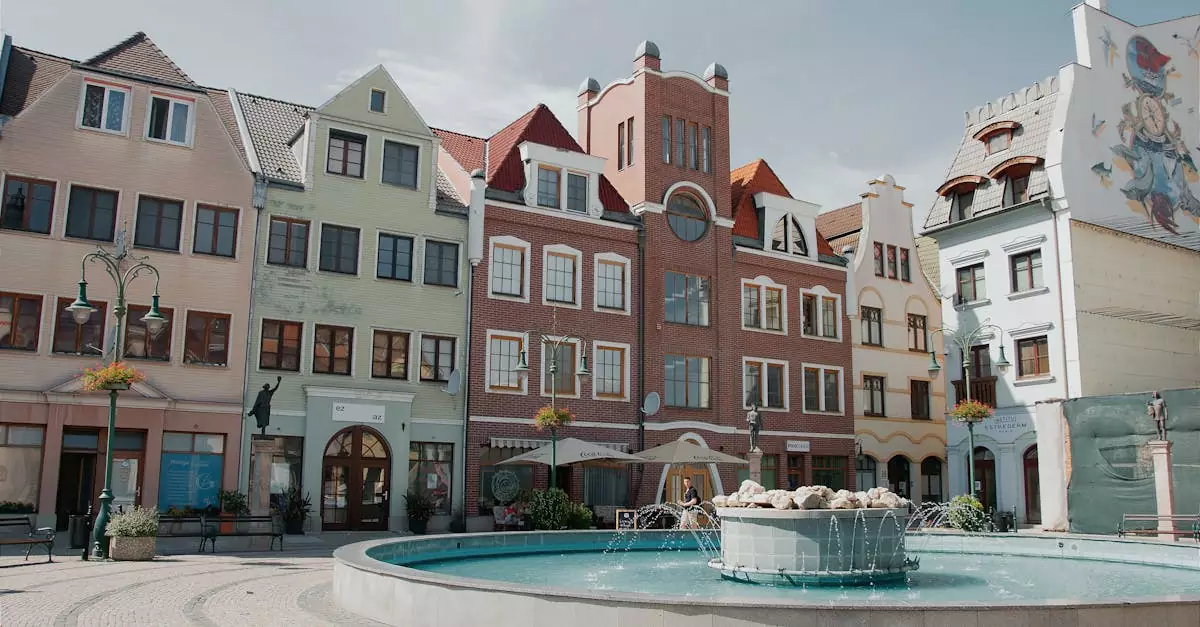
Lisbon, where historic trams rattle up cobbled hills and the scent of grilled sardines fills the air, stands as a beacon for seafood lovers. Portugal’s capital, perched on the Atlantic coast, offers an unparalleled culinary experience, drawing from the ocean’s bounty with centuries of tradition. For those seeking the best seafood cities in Europe, Lisbon presents a compelling case, especially for its vibrant oyster culture and expertly prepared traditional dishes.
Exploring Lisbon’s Mercado da Ribeira for Fresh Catches
No culinary exploration of Lisbon is complete without a visit to the Mercado da Ribeira, now famously known as Time Out Market. This bustling market hall is a sensory delight, with vendors showcasing the freshest catches of the day. From glistening sardines and plump mussels to octopuses and a dazzling array of fish, the market is a testament to Portugal’s rich maritime heritage.
Beyond browsing, the market offers opportunities to sample seafood prepared on-site. Many stalls feature small eateries where you can enjoy perfectly grilled sea bass or a steaming bowl of clams, often accompanied by local wine. It’s an authentic taste of Lisbon’s daily life and a fantastic starting point for understanding the city’s relationship with its seafood. Arrive early to experience the market at its most vibrant, especially on weekend mornings.
Must-Try Seafood Dishes in Lisbon: Bacalhau and Beyond
While Lisbon’s seafood scene is diverse, certain dishes are absolute must-tries. The undisputed king is bacalhau, salted cod, which boasts 365 different preparations—one for each day of the year. Don’t leave without trying Bacalhau à Brás, a comforting mix of shredded cod, fried potatoes, onions, and eggs, or Bacalhau com Natas, baked cod with cream and potatoes.
Seek out Arroz de Marisco, a flavorful seafood rice stew brimming with shrimp, mussels, clams, and sometimes crab, all cooked in a rich tomato and herb broth. Grilled sardines, particularly during the summer festival season in June, are a simple yet profound pleasure, best enjoyed fresh off the grill with a slice of crusty bread. For oyster enthusiasts, Lisbon’s proximity to the Sado Estuary means access to some of the freshest, sweetest oysters you’ll find anywhere in Europe.
Best Neighborhoods in Lisbon for Authentic Seafood Dining
Lisbon’s diverse neighborhoods offer distinct seafood experiences. The historic district of Alfama, with its narrow, winding streets, is home to traditional tascas where you can find rustic, home-style seafood dishes. Look for places that display fresh fish on ice outside, a sign of quality and freshness.
For a more contemporary dining scene, the Chiado and Bairro Alto areas offer a range of restaurants from upscale establishments to lively bistros serving innovative seafood creations. However, for an authentic experience, venture to coastal neighborhoods like Cascais or the fishing village of Sesimbra, easily accessible from Lisbon for a day trip. These areas are renowned for their incredibly fresh fish, often cooked simply to highlight natural flavors. Consider a visit to the Doca de Santo Amaro area for waterfront dining with views of the Tagus River, providing a pleasant ambiance for enjoying a seafood meal.
Bergen, Norway: Gateway to the Fjord’s Bounty
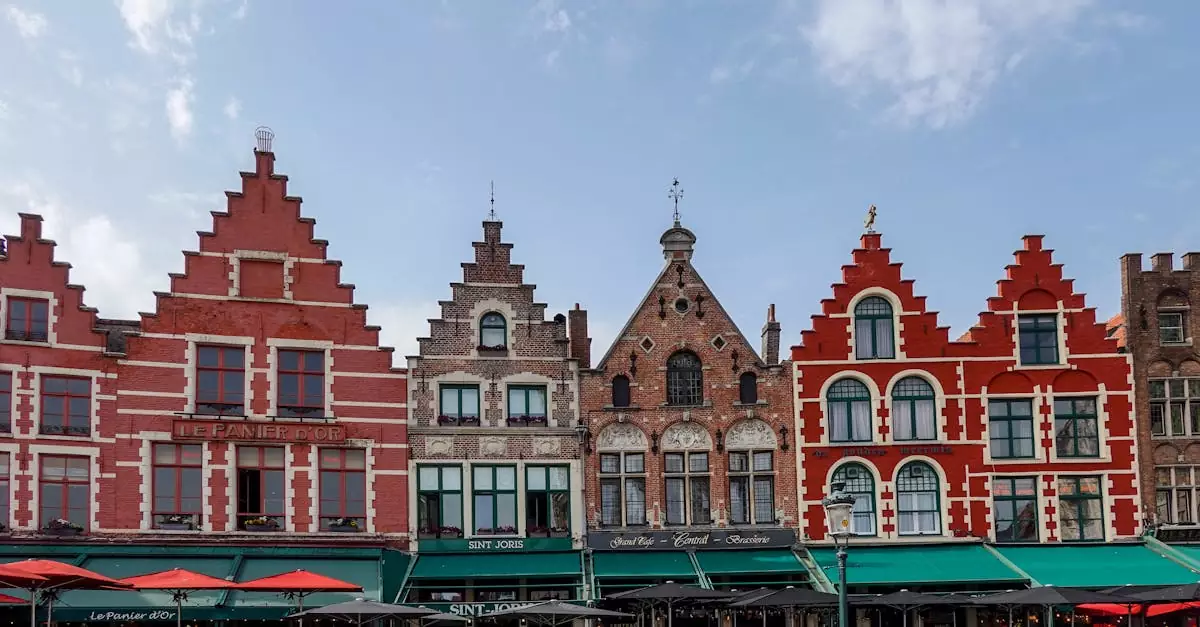
Bergen, Norway, is a city where the ocean’s embrace is palpable, earning its spot among Europe’s best seafood cities. Nestled between seven mountains and a network of dramatic fjords, this historic port city offers a direct connection to the cold, clean waters that yield some of the world’s finest marine produce. Its maritime heritage is not just a backdrop; it’s a living, breathing part of the city’s identity, deeply intertwined with its culinary scene. For travelers seeking an authentic taste of the sea, Bergen delivers an unparalleled experience, from bustling markets to cozy restaurants serving time-honored recipes.
Experiencing the Bergen Fish Market (Fisketorget)
The heart of Bergen’s seafood culture beats strongly at Fisketorget, the city’s renowned fish market. This isn’t just a place to buy fresh fish; it’s a vibrant sensory experience. Stalls overflow with displays of salmon, cod, haddock, shrimp, mussels, and a variety of shellfish, often caught just hours before. Local vendors are eager to share their knowledge, offering samples and cooking tips. Beyond raw ingredients, many stalls feature prepared dishes, allowing you to enjoy freshly grilled fish, hearty fish soup, or platters of smoked salmon and shrimp right there, often with views of the harbor.
Visiting Fisketorget is essential to any culinary journey in Bergen. The market operates year-round, though it’s most lively during the summer months when tourist numbers peak and the weather is more conducive to outdoor dining. Even in winter, the indoor halls provide a warm refuge and a chance to sample Norway’s oceanic treasures. Be prepared for a bustling atmosphere, especially during peak hours, and consider arriving earlier in the day for the widest selection. While prices can be higher, the quality and freshness are undeniable.
Sampling Traditional Norwegian Seafood Stews and Smoked Fish
Bergen’s culinary traditions are deeply rooted in its relationship with the sea, evident in its classic seafood dishes. Lutefisk, a dish made from dried whitefish treated with lye, is a polarizing but historically significant delicacy, typically enjoyed around Christmas. More universally loved is fiskesuppe (fish soup), a creamy, comforting concoction often brimming with cod, salmon, shrimp, and vegetables. Each restaurant and home may have its variation, but the common thread is a rich, flavorful broth that speaks of the ocean.
Smoked salmon, or røykelaks, is another cornerstone of Norwegian seafood. Bergen offers exceptional quality, often cold-smoked to preserve its delicate texture and flavor. It’s commonly served as an appetizer, often with dill, lemon, and rye bread, or incorporated into more elaborate dishes. For a truly authentic experience, seek out restaurants that highlight local purveyors and traditional preparation methods. These dishes are best enjoyed with a crisp Norwegian aquavit or a local craft beer, complementing the rich flavors of the seafood.
Day Trips from Bergen for Coastal Seafood Experiences
While Bergen itself is a seafood paradise, venturing into the surrounding coastal areas offers even more opportunities to savor the region’s bounty. The picturesque fishing villages dotting the fjords and coastline are home to local eateries that often serve the freshest catch of the day, sometimes directly from the boats docked nearby. A popular excursion is a boat trip through the fjords, many of which include stops at charming villages where you can enjoy a meal with breathtaking scenery.
For instance, a trip to the island of Askøy, just a short ferry ride from Bergen, can lead you to seaside restaurants offering panoramic views and locally sourced seafood. Similarly, exploring the islands to the west, such as Sotra, can reveal hidden gems serving traditional Norwegian fish cakes (fiskekaker) and pan-fried fish. These excursions provide not only a culinary adventure but also a deeper appreciation for the maritime landscape that shapes Bergen’s identity. Planning such a trip requires checking ferry schedules and restaurant opening times, as many smaller establishments have seasonal hours.
San Sebastián, Spain: Basque Country’s Culinary Capital
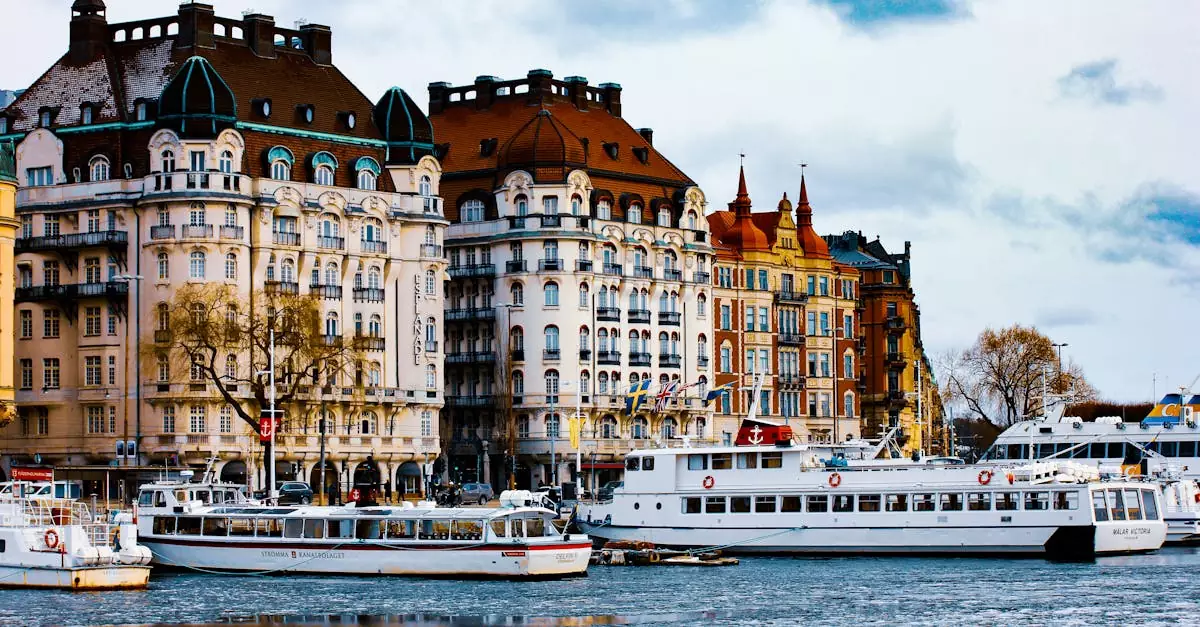
San Sebastián, nestled on the northern coast of Spain, is a true gem for seafood aficionados. This elegant city in the Basque Country is renowned for its exceptional culinary scene, where fresh, high-quality ingredients take center stage. Its prime location on the Cantabrian Sea ensures that the daily catch is not only abundant but also of unparalleled freshness, making it one of Europe’s best seafood cities. The city’s commitment to gastronomy extends from humble pintxos bars to Michelin-starred restaurants, all celebrating the bounty of the ocean.
A Guide to San Sebastián’s Pintxos Bars and Their Seafood Delights
San Sebastián’s pintxos culture is legendary, offering a delightful way to sample a wide array of local flavors. These small, artfully prepared bites are more than just appetizers; they are an experience. Many bars specialize in seafood pintxos, showcasing everything from succulent grilled prawns (gambas a la plancha) to delicate hake (merluza) prepared in various traditional styles. A must-try is the gilda, a classic skewer often featuring anchovy, olive, and chili, a piquant prelude to other seafood offerings.
When exploring the pintxos scene, aim to visit several establishments to truly appreciate the city’s diversity. Popular areas for pintxos hopping include the Old Town and the Gros neighborhood. Don’t hesitate to ask locals for their recommendations, as each bar often has a signature dish. The casual atmosphere encourages mingling and a relaxed approach to dining, making it an accessible way to enjoy world-class seafood.
La Concha Beachfront Dining: Where to Find the Freshest Fish
Overlooking the iconic crescent of La Concha Bay, the promenade offers a more refined dining experience with stunning sea views. Several restaurants pride themselves on serving the freshest fish and shellfish, often grilled simply to highlight their natural flavors. Grilled turbot (rodaballo) and sea bream (dorada) are common highlights, prepared with local olive oil and a touch of lemon.
Dining with a view of the bay adds an extra layer of enjoyment to the meal. The gentle sea breeze and the sight of waves crashing on the shore create a serene ambiance. While these establishments can be more upscale, the quality of the seafood and the picturesque setting justify the experience. Reservations are often recommended, especially during peak tourist seasons.
Exploring the Old Town (Parte Vieja) for Hidden Seafood Treasures
The labyrinthine streets of San Sebastián’s Old Town, known as Parte Vieja, hide numerous culinary gems, many of which excel in seafood preparations. Beyond the bustling pintxos bars, you’ll find traditional restaurants serving hearty seafood stews and platters piled high with the day’s catch. Look for dishes like Marmitako, a rich tuna stew traditionally made by fishermen, or Arroz a la Marinera, a flavorful seafood rice.
Wandering through Parte Vieja is an adventure in itself, with narrow cobblestone lanes leading to unexpected culinary discoveries. Many of these smaller eateries offer a more authentic and intimate dining experience. Prices in the Old Town can vary, but you can find excellent value by seeking out places popular with locals. A good strategy is to look for busy restaurants with menus written in Basque and Spanish, often a sign of genuine local favorites.
Why Are These the Best Seafood Cities in Europe?

Choosing the best seafood cities in Europe involves looking beyond just proximity to the ocean. It’s a blend of geography, culinary tradition, and a commitment to responsible sourcing that elevates a destination’s seafood offerings. These cities consistently deliver exceptional marine flavors, from the freshest catches of the day to expertly prepared dishes that highlight the bounty of the sea.
The Impact of Coastal Geography on European Seafood Quality
Europe’s extensive coastline, with its diverse marine environments, directly influences the quality and variety of seafood available. Cities situated along nutrient-rich waters, like the Atlantic coast or the Mediterranean, benefit from thriving ecosystems that support abundant fish and shellfish populations. For instance, the cold, deep waters of the North Atlantic yield robust species like cod and haddock, while the warmer, mineral-rich Mediterranean Sea is home to delicate sea bream, anchovies, and various mollusks. The proximity of these cities to fishing grounds ensures that seafood reaches markets and restaurants with minimal travel time, preserving its freshness and flavor. This geographical advantage is essential for any city aiming to be recognized among the best seafood destinations.
Cultural Significance of Seafood in Mediterranean and Nordic Cuisines
Seafood is more than just a foodstuff in many European cultures; it’s a cornerstone of culinary identity. In Mediterranean regions, from Spain to Greece, seafood forms the heart of daily meals and celebratory feasts. Dishes like paella brimming with mussels and prawns or grilled whole fish drizzled with olive oil and lemon reflect a long-standing tradition of utilizing local marine resources. Conversely, Nordic countries, including Norway and Denmark, have a deep-rooted connection to their cold-water fisheries. Smoked salmon, pickled herring, and rakfisk (fermented fish) are not mere dishes but cultural touchstones, often tied to seasonal traditions and historical preservation methods. Understanding this cultural integration provides insight into why seafood is prepared and celebrated with such passion in these European locales.
Sustainable Fishing Practices Shaping Europe’s Seafood Scene
The future of Europe’s best seafood cities is increasingly tied to their commitment to sustainable fishing. As global demand for seafood rises, responsible practices are crucial for maintaining healthy marine populations and ensuring long-term availability. Cities that champion sustainable sourcing often work closely with local fishermen who adhere to strict quotas and fishing methods that minimize environmental impact. This focus on sustainability benefits the ecosystem and translates to higher quality seafood, as it often prioritizes smaller, artisanal catches over mass-produced species. Travelers seeking authentic culinary experiences will find that destinations with strong sustainable fishing initiatives offer a more ethical and often superior gastronomic journey.
Exploring Other European Seafood Havens
Beyond well-trodden paths, Europe offers a rich tapestry of coastal cities where the bounty of the sea takes center stage. These destinations provide unique culinary experiences, from traditional preparations to innovative modern dishes, catering to every seafood enthusiast.
Marseille, France: Bouillabaisse and Mediterranean Flavors
Marseille, France’s vibrant port city, is synonymous with its iconic dish, bouillabaisse. This hearty fish stew, traditionally made with at least three different types of local fish, is a testament to the city’s deep connection with the Mediterranean Sea. Visiting the Vieux Port (Old Port) is essential for experiencing the freshest catches. Here, local fishermen sell their daily hauls, and numerous restaurants serve authentic bouillabaisse.
Consider visiting between May and October for the best weather and vibrant market atmosphere. The city is well-connected by high-speed rail, making it an accessible addition to any southern European travel itinerary. While Marseille can be explored on foot, particularly the port area, public transport options like buses and the metro are efficient for reaching further-flung neighborhoods. Be aware of your surroundings, especially in crowded tourist areas, as with any major city.
Naples, Italy: Coastal Cuisine and Freshly Caught Delicacies
Naples, the birthplace of pizza, also boasts an exceptional seafood scene, deeply rooted in its position on the Bay of Naples. The cuisine here emphasizes simplicity, allowing the natural flavors of freshly caught seafood to shine. Dishes like spaghetti alle vongole (spaghetti with clams) and grilled pesce spada (swordfish) are local favorites. The bustling waterfront areas and local markets offer a glimpse into the daily life of Neapolitan fishermen and the freshest ingredients available.
To truly appreciate Naples’ seafood, plan your visit during spring or fall to avoid the summer heat and crowds. The city is easily reached by train, with direct connections from major Italian cities. Navigating Naples can be an adventure; while the historic center is walkable, utilizing the metro and buses is recommended for covering more ground. Safety is a consideration, particularly in certain districts, so staying aware of your surroundings and sticking to well-lit areas at night is advisable.
Copenhagen, Denmark: New Nordic Seafood Innovations
Copenhagen has emerged as a global culinary capital, with its New Nordic cuisine placing a significant emphasis on sustainable, high-quality seafood. While traditional Danish dishes like fiskefrikadeller (fish cakes) remain popular, the city’s Michelin-starred restaurants are pushing boundaries with innovative preparations of herring, cod, and shellfish. The Torvehallerne food market is a must-visit for sampling a wide array of Nordic delicacies, including smoked fish and fresh oysters.
The best time to visit Copenhagen for a culinary tour is generally during the shoulder seasons of spring (April-May) and fall (September-October), when the weather is pleasant and the city is less crowded. Copenhagen is highly accessible, with a well-developed public transportation system, including efficient trains and buses. It’s also renowned for its cycling culture, making it easy to get around on two wheels. The city is generally safe, but standard precautions apply.
| City | Signature Dish(es) | Best Time to Visit | Transportation Focus | Budget Range (per day, per person) |
|---|---|---|---|---|
| Marseille, France | Bouillabaisse | May – Oct | Rail, Local Transit | €100 – €200 |
| Naples, Italy | Spaghetti alle Vongole, Grilled Fish | Apr – May, Sep – Oct | Rail, Metro, Bus | €80 – €180 |
| Copenhagen, DK | New Nordic Seafood, Fish Cakes | Apr – May, Sep – Oct | Rail, Cycling, Bus | €150 – €250 |
Frequently Asked Questions About Europe’s Best Seafood Cities
What is the best time of year to visit Europe’s seafood cities?
The best time to visit Europe’s coastal culinary destinations often aligns with peak seafood seasons, which can vary by region. Generally, spring and early autumn offer pleasant weather for dining al fresco and fewer crowds than the summer months. For instance, the Mediterranean coasts often see the freshest catches from April to June and again in September and October. Northern European cities, like those in Scandinavia or along the Atlantic coast, might have the most sought-after shellfish during the colder months, from autumn through winter.
Consider these general seasonal highlights:
| Region | Best Months for Seafood | Notes |
|---|---|---|
| Mediterranean | April-June, Sept-Oct | Mackerel, anchovies, sardines, sea bream |
| Atlantic (North) | Oct-March | Oysters, mussels, scallops, cod, herring |
| Baltic | May-August | Herring, sprat, Baltic cod |
Checking local fishing calendars for specific destinations can provide more precise timing for the freshest and most abundant catches.
How can I find authentic, non-touristy seafood restaurants?
Discovering genuine, local seafood experiences requires insider knowledge. Look for restaurants frequented by locals rather than those with menus in multiple languages and aggressive touts outside. Often, the most authentic establishments are smaller, family-run tavernas or bistros located away from main tourist thoroughfares.
Seek recommendations from your hotel concierge or local residents, but be specific about wanting an “authentic” or “local” experience. Online reviews can be helpful, but pay attention to comments about the atmosphere, clientele, and authenticity of the dishes. Don’t shy away from markets where you can sample fresh seafood prepared simply on-site. These often provide a true taste of local culinary traditions and offer a more budget-friendly option.
What are some essential seafood dishes to try in each city?
While exploring Europe’s best seafood cities, certain regional specialties are must-tries. In Lisbon, Portugal, don’t miss the Bacalhau à Brás (shredded cod with potatoes and eggs) or grilled sardines. If you’re in San Sebastián, Spain, Gilda pintxos (an olive, anchovy, and pepper skewer) and grilled whole fish like Rodaballo (turbot) are essential.
In Marseille, France, the iconic Bouillabaisse, a rich fish stew, is a signature dish. For a taste of Italy, try Fritto Misto (mixed fried seafood) along the Ligurian coast or Spaghetti alle Vongole (spaghetti with clams) in Naples. In Bergen, Norway, sample fresh cod, salmon, or king crab, often prepared simply to highlight their natural flavors. These dishes represent the diverse and delicious seafood heritage across the continent.