England’s hillsides are adorned with a series of impressive, colossal figures etched into the chalk, most notably the iconic white horses. These ancient and contemporary landmarks offer a fascinating glimpse into British history and local folklore, attracting visitors from around the world. To truly appreciate these giant chalk outlines, one must explore their intriguing origins, cultural significance, and the best viewing locations.
This guide delves into the history of these monumental carvings, from the prehistoric Uffington White Horse to more recent creations. You’ll discover the legends and local pride that inspired their formation, along with essential tips for visiting each site. Get ready to uncover a captivating aspect of the English landscape that bridges the past and present.
What Are England’s Famous Chalk Figures?
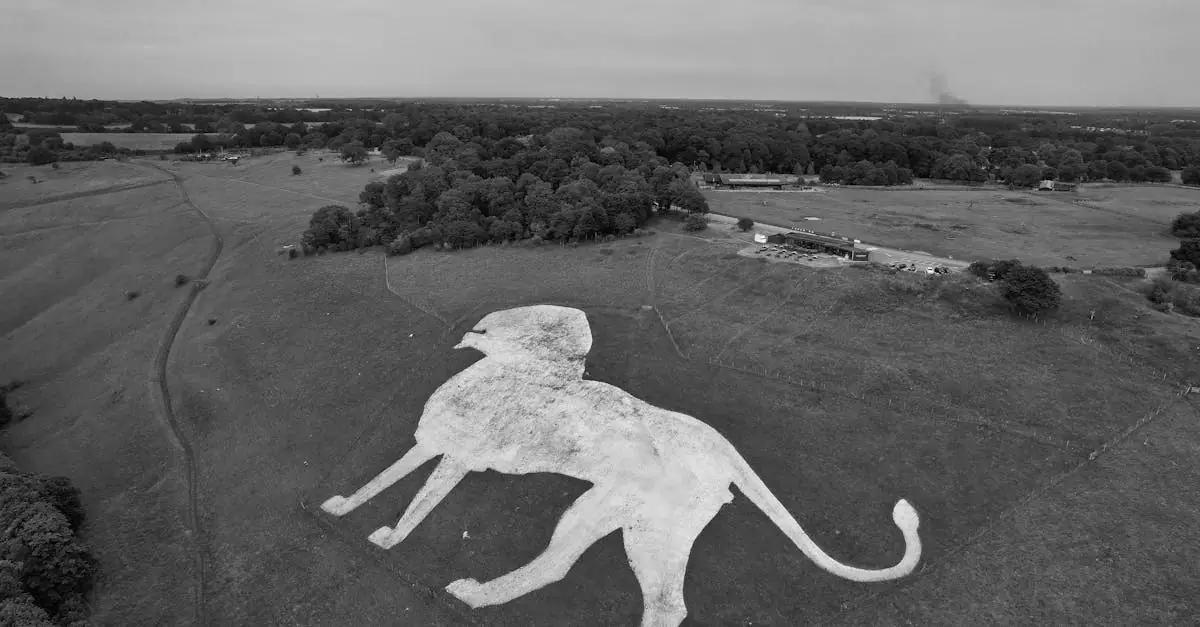
England features a remarkable array of colossal figures carved into chalk hillsides, with the white horses being the most recognized. These ancient and modern landmarks provide insight into British history and local folklore, drawing visitors worldwide. Understanding these giant chalk outlines involves exploring their past, appreciating their artistic and cultural significance, and knowing where to experience them best.
Understanding the History of the White Horse Figures
The tradition of creating large figures on hillsides in England is ancient, with the Uffington White Horse in Oxfordshire likely being the earliest example, dating back to the Bronze Age, possibly as early as 800 BCE. While its exact purpose is debated—ranging from a tribal symbol to a religious marker—its survival for over two millennia is remarkable.
Numerous other white horse figures emerged in later centuries, particularly during the 18th and 19th centuries. These often served as local landmarks, celebrations of royal jubilees, or expressions of local pride. While some figures are centuries old, others are more recent, reflecting an ongoing tradition. Unlike the Uffington horse, which is carved to reveal the underlying chalk, many later figures are created by removing the turf to expose the white soil beneath.
The Significance of Giant Animal Carvings on Hillsides
The creation of these giant animal carvings, especially the white horses, holds considerable cultural significance. Historically, they served as prominent visual markers in the landscape, visible for miles. For local communities, these figures became symbols of identity and heritage, passed down through generations.
The horse is particularly resonant in British culture, symbolizing power, speed, and rural life. Some figures commemorate specific events, such as royal victories or local heroes. The scale and visibility of these carvings suggest a desire to make a bold statement, leaving a lasting impression on the land and its people. Their presence transforms ordinary hillsides into monumental art, connecting viewers to a rich history of human interaction with the landscape.
Where to Find the Most Iconic English Chalk Outlines
England boasts numerous chalk figures, each with its own unique history and charm. Planning a visit requires knowing their locations and understanding what makes each one special.
- Uffington White Horse (Oxfordshire): The oldest and most famous, this prehistoric horse features a sleek, abstract design. It’s best viewed from the Ridgeway path or the National Trust’s Dragon Hill. The surrounding landscape is historically significant, with the nearby legend of the Dragon of Wantage adding to its allure.
- Westbury White Horse (Wiltshire): This is one of the most recent figures, dating from the late 18th century. It has been altered over time, giving it a distinct character compared to the Uffington horse. Located near Westbury, it offers commanding views of the countryside.
- Savage’s Horse (Wiltshire): Also known as the Cherhill White Horse, this figure was created in 1780 by Dr. William Thomas to commemorate the Marquis of Granby. It’s a more robust depiction than the Uffington version, situated on Cherhill Down, near Calne.
- Kilburn White Horse (North Yorkshire): The largest of the white horse figures in England, created in 1857. This modern interpretation is designed to be seen from the village of Kilburn and its surroundings, providing a different geographical and cultural context compared to the southern figures.
Visiting these sites often involves walking or hiking, so comfortable footwear is essential. Many are managed by organizations like the National Trust or English Heritage, which provide visitor information and maintain the sites. The best time to view them is often on a clear, sunny day when the white chalk stands out against the green hills. Travel between these locations can be done by car, though public transport options may be limited in some rural areas.
Exploring the Westbury White Horse: Wiltshire’s Ancient Giant
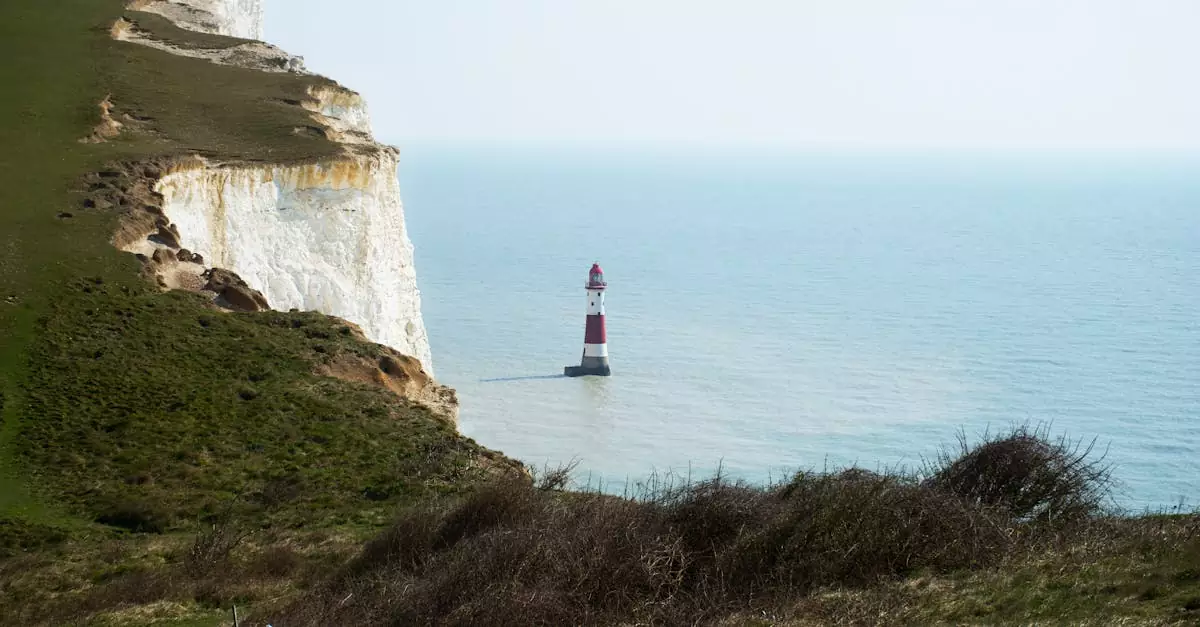
The Westbury White Horse, a magnificent chalk figure carved into the hillside near Westbury, Wiltshire, stands as one of England’s oldest and most iconic hillside images. Dating back to at least the late 18th century, this colossal artwork offers insight into local history and serves as a rewarding destination for walkers and history enthusiasts. Unlike some of its counterparts, the Westbury White Horse has undergone several restorations, most recently in 2022, ensuring its prominent outline remains visible against the lush landscape. Visiting this ancient giant is an accessible adventure, offering stunning views and a connection to centuries of tradition.
Getting to the Westbury White Horse: Directions and Parking
Reaching the Westbury White Horse is straightforward, with several access points for visitors. The most common approach is via the A350 road, turning off towards Westbury and following signs for the white horse. Ample parking is available at the National Trust car park located at the summit, just above the figure. A short walk from the car park leads directly to the viewing areas.
For those arriving by public transport, the nearest train station is Westbury, which has regular services. From the station, a taxi or pre-arranged ride is the most practical option to reach the hillside, as local bus routes do not directly serve the monument. Allow approximately 15-20 minutes for the taxi journey from Westbury station.
- By Car: Follow the A350 towards Westbury, then look for signs to the White Horse. The National Trust car park is well-signposted from the main road.
- By Train: Alight at Westbury station. Taxis are usually available outside the station.
- Parking: Free parking is available at the National Trust car park.
Best Viewpoints for Photographing the Westbury White Horse
To capture the full scale and detail of the Westbury White Horse, strategic viewpoints are essential. The most immediate and striking perspective is from the National Trust car park and the adjacent grassy slopes. Here, you can look down upon the entire figure, appreciating its dimensions against the rolling Wiltshire countryside.
For a different angle, consider walking along the public footpaths that traverse Salisbury Plain. Following the Ridgeway path, which runs close to the horse, offers elevated views from the opposite side of the valley, allowing for wider landscape shots that incorporate the chalk figure and its surroundings. Early morning or late afternoon light often provides the most dramatic illumination, casting shadows that accentuate the horse’s form.
Nearby Attractions: Exploring Bratton Camp and the Salisbury Plain
The Westbury White Horse is situated within a landscape rich in history and natural beauty. Adjacent to the horse is Bratton Camp, an impressive Iron Age hillfort. Exploring the ramparts and ditches of Bratton Camp offers a deeper understanding of the area’s ancient past, predating the chalk figure by millennia. The earthworks are remarkably well-preserved and highlight the strategic importance of this elevated position.
The surrounding Salisbury Plain is a vast expanse renowned for its chalk downs, walking trails, and military training areas. Visitors can extend their outing by walking sections of the Ridgeway National Trail, which passes directly by the horse. This area is also home to numerous archaeological sites, including prehistoric burial mounds and ancient trackways, making it a compelling destination for those interested in the archaeology of southern England. The expansive, undeveloped nature of the Salisbury Plain provides a sense of wildness and tranquility, contrasting with the more populated regions of the country.
The Uffington White Horse: Oxfordshire’s Prehistoric Masterpiece
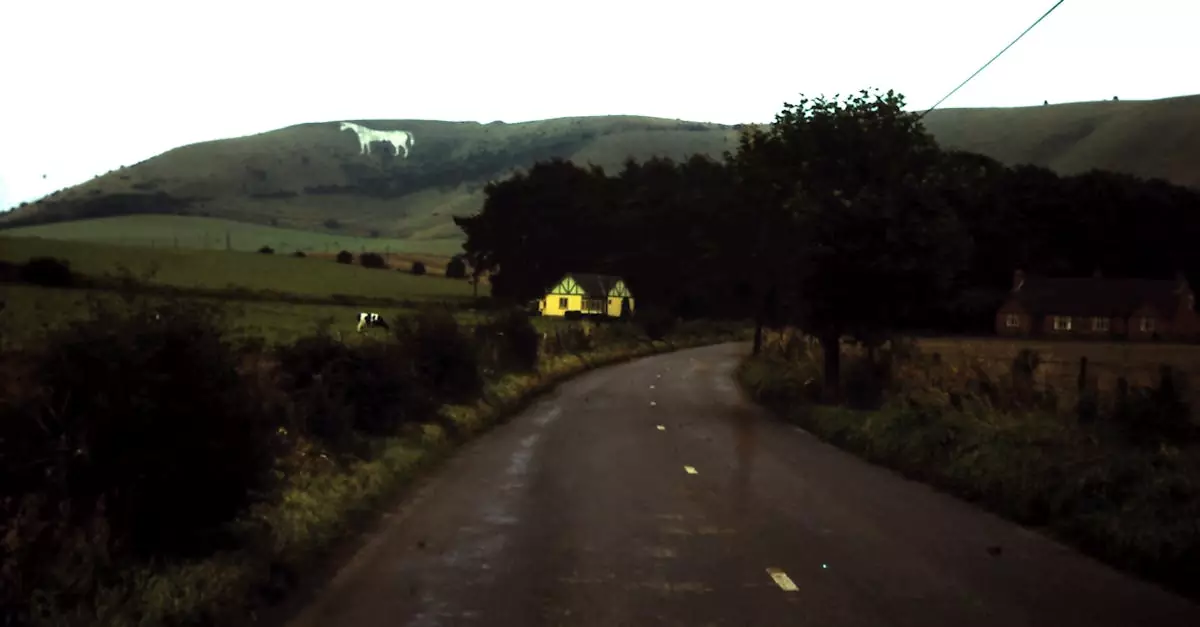
The Uffington White Horse, etched into the chalky hillside of Berkshire Downs, is England’s oldest and most enigmatic chalk figure. Dating back over 3,000 years to the Bronze Age, its sinuous, stylized form is a testament to ancient artistry and landscape modification. Unlike more recent figures, Uffington’s horse possesses a raw, almost abstract energy, its outline a stark contrast against the vibrant green turf. Its precise purpose remains a mystery, fueling speculation about its role in ancient rituals or territorial marking.
Visiting the Uffington White Horse: Access and Walking Trails
Reaching the Uffington White Horse is straightforward, primarily managed by the National Trust. The nearest village is Uffington, from which well-signposted footpaths lead visitors uphill. Ample parking is available at the National Trust’s Uffington Castle car park, located on the ridge above the horse. From here, a short walk brings you to the iconic figure.
Several walking trails offer different perspectives. A direct path descends to the horse itself, allowing you to walk alongside and even touch the ancient turf. For panoramic views, continue along the ridge, where the horse’s full profile is best appreciated. The terrain is undulating chalk grassland, so sturdy footwear is recommended, especially after rain when paths can become slippery.
Visitor Information:
- Parking: Uffington Castle Car Park (National Trust)
- Access: Well-signed footpaths from the car park.
- Terrain: Chalk grassland, some inclines.
- Best Time to Visit: Spring and summer offer the most vibrant greenery, while autumn provides dramatic skies. Winter can be muddy but offers a stark, atmospheric experience.
- Facilities: Limited facilities at the car park; nearest amenities are in Uffington village.
The Legend of St. George and the Dragon at Uffington
While the Uffington White Horse predates the legend of St. George by millennia, local folklore has long associated the figure with the patron saint of England. One popular tale suggests the horse represents the dragon slain by St. George, with the nearby Dragon Hill supposedly being the site of the beast’s demise. This theory is supported by the fact that no grass grows on the summit of Dragon Hill, a phenomenon attributed to the dragon’s poisoned blood.
This mythological overlay adds a layer of intrigue to the prehistoric monument. It’s easy to imagine ancient peoples creating the horse as a symbol of power or victory, later reinterpreted through the lens of Christian legend. The sheer scale and deliberate placement of the figure on the prominent hillside further enhance its mythical aura.
Combining a Visit with the Ridgeway National Trail
The Uffington White Horse is a significant landmark along the Ridgeway National Trail, Britain’s oldest road. This ancient trackway runs along the chalk escarpment, offering breathtaking views across Oxfordshire and Wiltshire. Integrating a visit to the horse with a walk on the Ridgeway is highly recommended for a more immersive experience of the landscape.
Hikers can access the Ridgeway directly from the Uffington Castle car park. You can choose to walk a short section, perhaps heading east towards Letcombe Regis, or embark on a longer journey. The trail is generally well-maintained, though it can be exposed to the elements. Planning your route in advance is advisable, especially if undertaking a multi-day trek. This combination provides a fantastic opportunity to appreciate both ancient artistry and the enduring natural beauty of the English countryside.
Other Notable Chalk Figures Across England
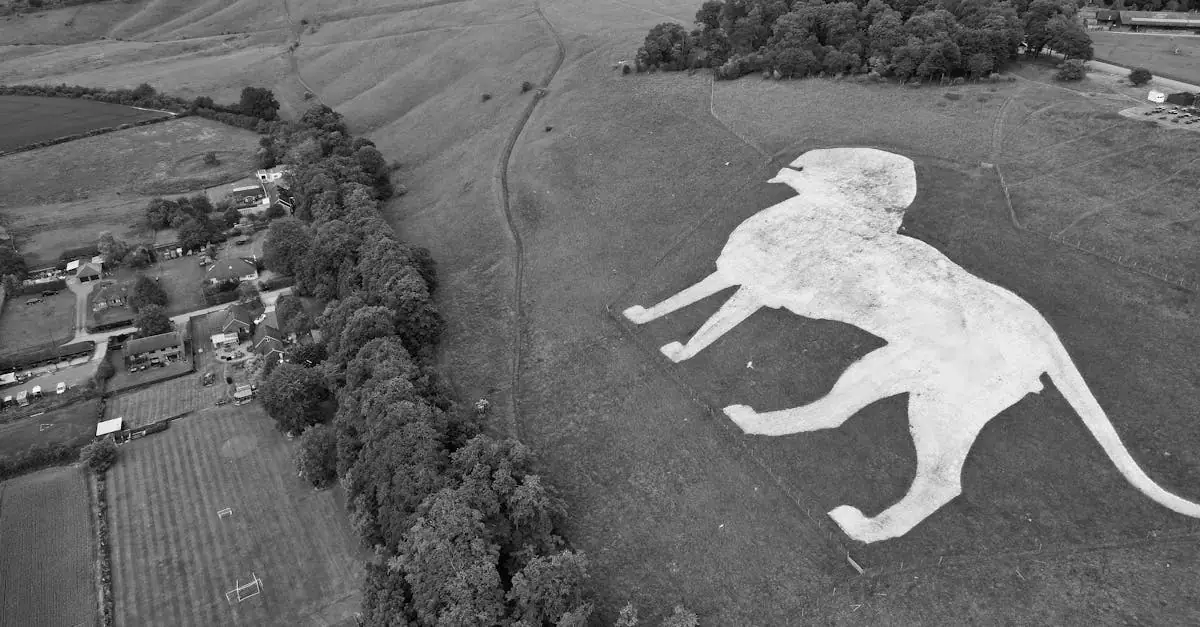
While the Uffington White Horse may be the most famous, England is home to several other impressive chalk figures etched into its rolling hills. These ancient and sometimes modern creations offer unique historical and scenic experiences, often with fewer crowds than their Berkshire counterpart. Understanding their individual characteristics can help travelers plan visits to these distinctive landmarks.
The Cherhill White Horse: A Georgian Perspective
Located near Marlborough in Wiltshire, the Cherhill White Horse is the second-oldest surviving white horse figure in Britain, dating back to 1785. It was created by Dr. William Canning, a local physician, to commemorate Admiral Lord Howe’s victory at the Battle of the Glorious First of June. Unlike many other white horses, the Cherhill figure is on a gentler slope, making it visible from a distance while also allowing for closer inspection from certain vantage points.
Getting to the Cherhill White Horse involves a drive through picturesque Wiltshire countryside. Parking is available at the top of the hill, and a short walk is required to reach the viewing areas. The figure measures 130 feet long, and its Georgian origins give it distinct historical significance. For those interested in the history of British equestrian figures and naval history, Cherhill offers a compelling visit.
The Litlington White Horse: Sussex’s Lesser-Known Giant
The Litlington White Horse, situated in the South Downs National Park in East Sussex, is a more recent addition to England’s chalk figure landscape, created in 1983. This horse is often overlooked compared to its more famous counterparts, offering a more tranquil experience for visitors. It stands proudly on a hillside overlooking the Cuckmere Valley, providing stunning panoramic views of the surrounding countryside.
Access to the Litlington White Horse is straightforward, with parking available in the nearby village of Litlington. From there, a pleasant walk leads you up to the horse. The figure is approximately 100 feet long and is best viewed from the footpath that runs above it. The surrounding area is ideal for walking and enjoying the natural beauty of Sussex, making it a rewarding stop for hikers and nature enthusiasts.
The Wilmington Long Man: A Mysterious Humanoid Figure
While not a horse, the Wilmington Long Man in East Sussex is an equally fascinating and ancient chalk figure. This colossal depiction of a naked man, holding a staff in each hand, is one of the largest and oldest hill figures in Britain, with its origins believed to be medieval, though its exact age is debated. The figure measures 226 feet in height and is carved into the chalk downs near Wilmington.
The Wilmington Long Man is steeped in mystery, with theories about its purpose ranging from ancient pagan worship to a medieval religious symbol. Reaching the figure involves a walk from the village of Wilmington, where parking is available. The path is well-maintained and offers increasingly impressive views as you ascend. Standing before this immense humanoid form provides a unique perspective on the historical and cultural practices of past inhabitants of this region of Europe.
Comparing these figures reveals distinct characteristics in their age, origin, and the surrounding landscape.
| Chalk Figure | Location | Approximate Age | Height (approx.) | Notable Features |
|---|---|---|---|---|
| Cherhill White Horse | Wiltshire | 1785 | 130 feet | Georgian; commemorates naval victory |
| Litlington White Horse | East Sussex | 1983 | 100 feet | Modern; tranquil setting, valley views |
| Wilmington Long Man | East Sussex | Medieval (debated) | 226 feet | Humanoid; ancient, mysterious origins, staves |
Each of these figures offers a different window into England’s past and its relationship with the landscape. Whether you are drawn to the history of Georgian Britain, the tranquility of the South Downs, or the enigma of ancient symbols, these chalk outlines provide memorable and visually striking destinations.
Planning Your Trip to See England’s Chalk Giants
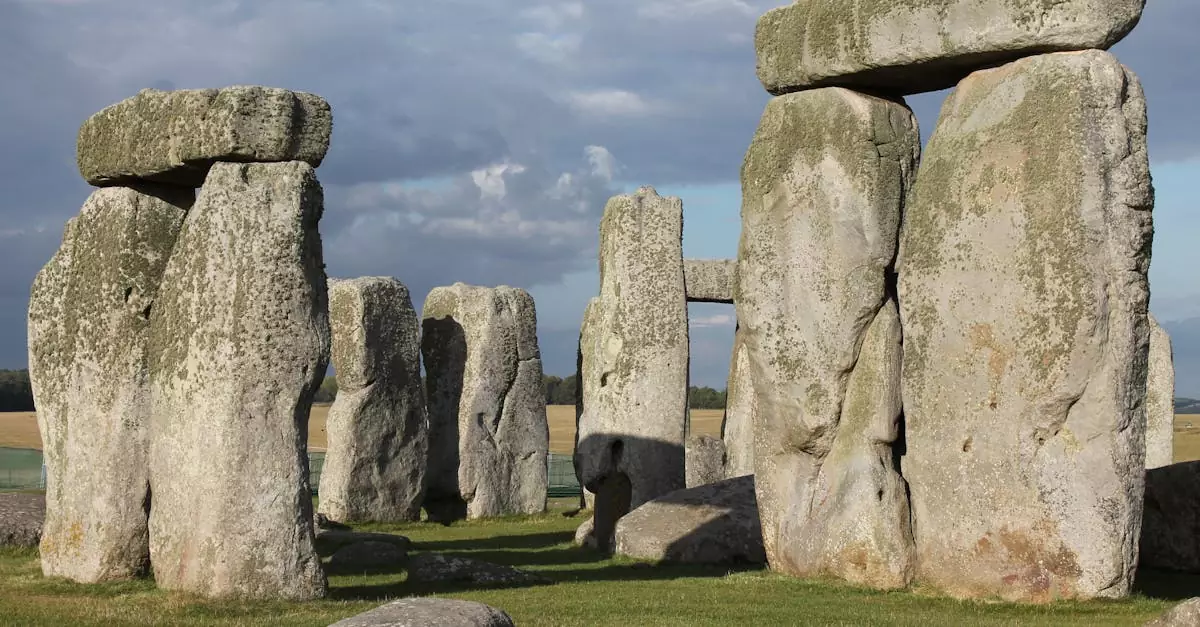
The iconic white horse figures etched into the rolling English hills offer a unique glimpse into history and landscape. Planning a visit to these ancient hillside carvings requires some local knowledge to maximize your journey. Consider these practical tips to ensure a smooth and enjoyable experience.
Best Time of Year to Visit the Chalk Outlines
The ideal time to visit England’s chalk figures largely depends on the weather and desired visibility. Spring and early summer, from April to June, often provide the best conditions. The grass is usually vibrant green, creating a stark contrast with the white chalk, and longer daylight hours mean more time for exploration.
Autumn, from September to October, can also be beautiful, with changing foliage adding color to the landscape. However, be prepared for more unpredictable weather, including rain and shorter days. Winter visits are possible, but snow can obscure the figures, and colder temperatures and limited daylight can make exploration challenging.
Here’s a general overview of seasonal considerations:
| Season | Pros | Cons |
|---|---|---|
| Spring | Vibrant green hills, good visibility, longer days | Potential for rain |
| Summer | Warmest weather, longest daylight hours | Can be crowded, grass may be dry |
| Autumn | Beautiful foliage, fewer crowds | Unpredictable weather, shorter days |
| Winter | Minimal crowds, unique stark beauty | Obscured figures, cold, very short days |
Getting Around: Car Hire vs. Public Transport Options
Exploring the scattered locations of England’s giant chalk outlines is most convenient with your own transport. Many of these figures are situated in rural areas, and public transport links can be infrequent or non-existent directly to the viewing points.
Hiring a car offers the greatest flexibility, allowing you to visit multiple sites at your own pace and stop at scenic viewpoints along the way. Roads in these regions are generally well-maintained, though they can be narrow and winding in places.
If driving is not an option, research local bus routes and train services in advance. Some figures might be accessible via a combination of train to a nearby town and then a local bus or taxi. Be aware that this approach will require more meticulous planning and may limit the number of sites you can visit in a single trip.
What to Pack for a Day Exploring the English Countryside
A day spent admiring these historical chalk carvings involves walking and being outdoors, so comfortable and practical gear is essential. Sturdy walking shoes or hiking boots are highly recommended, as the terrain can be uneven, especially if you plan to walk up to the figures or along the ridgeways.
Given England’s famously changeable weather, layering is key. Pack a waterproof and windproof jacket, even in summer. A light fleece or jumper will provide warmth, and comfortable trousers or walking leggings are ideal. Don’t forget sun protection, including a hat and sunscreen, as the sun can be strong even on cooler days. A reusable water bottle and some snacks are also advisable, as amenities can be scarce in the more remote locations.
Respecting the Landscape: Visitor Etiquette
These ancient hillside figures are significant historical and cultural landmarks, and it’s crucial to treat them with respect. Visitors should stay on marked paths to avoid trampling the surrounding vegetation and disturbing the chalk outlines. The figures are maintained through volunteer efforts and careful land management, and walking on the chalk can cause erosion and damage.
Avoid littering; take all your rubbish with you. Dogs are welcome in many areas but should be kept on a lead, especially during lambing season and to prevent them from disturbing wildlife or damaging the figures. Understanding and adhering to local guidelines will help preserve these remarkable sites for future generations to appreciate.
Frequently Asked Questions About England’s Chalk Outlines
How are the chalk figures maintained?
The iconic white horse figures are not static artworks; they require ongoing upkeep to remain visible and sharp. Local communities and dedicated groups are responsible for their preservation, which typically involves periodic “scouring” or “re-turfing.” This process carefully removes or trims back the grass within the outline, exposing the fresh chalk or soil beneath. This maintenance prevents the figures from being overgrown by vegetation and ensures they stand out against the green hillsides.
Are there guided tours available for the chalk outlines?
While dedicated guided tours specifically for each chalk figure are uncommon, you can often find local walking or heritage tours that include stops at or viewpoints for these landmarks. Many historical societies or local tourism boards in the regions where the figures are located may offer information on such tours. For instance, exploring the Marlborough Downs for the Saddleback Horse might lead you to local walking groups. It’s advisable to check with the nearest tourist information center for current offerings.
What is the best way to photograph the chalk figures?
Capturing the scale and detail of England’s giant chalk outlines is best achieved from a distance. Look for elevated viewpoints, often found on nearby hills or designated viewpoints. Early morning or late afternoon light can provide dramatic shadows that emphasize the contours of the figures. Consider using a wide-angle lens to fit the entire figure into your frame, but also experiment with telephoto lenses to focus on specific details or textures. Patience is key; weather conditions can significantly impact visibility.
Can you walk on the chalk figures themselves?
Generally, it is discouraged and often prohibited to walk directly on the chalk figures. These are historical landmarks and sensitive landscapes, and foot traffic can cause erosion and damage the outlines. Staying on designated footpaths around the figures is essential for their preservation. Responsible tourism ensures these ancient artworks can be enjoyed by future generations.