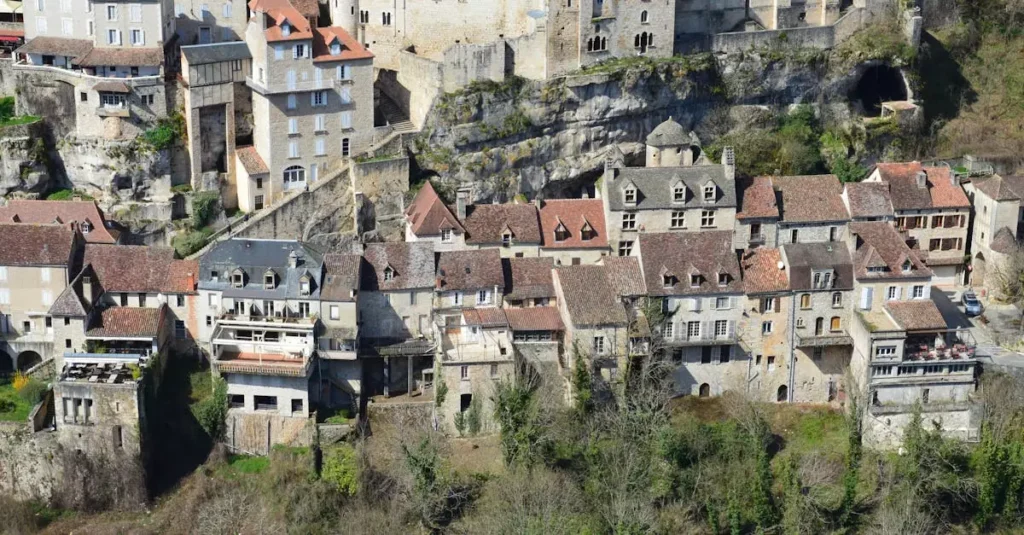
France’s iconic cities and famous landmarks attract millions, but for travelers seeking a more intimate experience, the country’s true magic often lies in its lesser-known corners. Venturing beyond well-trodden paths reveals a France that moves at a gentler pace, offering authentic encounters and breathtaking scenery often missed by the mainstream tourist circuit.
This article invites you to discover seven captivating hidden towns in France that promise a unique glimpse into regional culture, history, and natural beauty. You’ll explore charming villages nestled in the Loire Valley, picturesque hamlets painted with ochre in Provence, and delightful seaside retreats in the north. We’ll highlight what makes each location special, from medieval fortresses and artistic legacies to vibrant local markets and stunning landscapes, providing inspiration for your next off-the-beaten-path adventure.
Why Seek Out Hidden Towns in France?
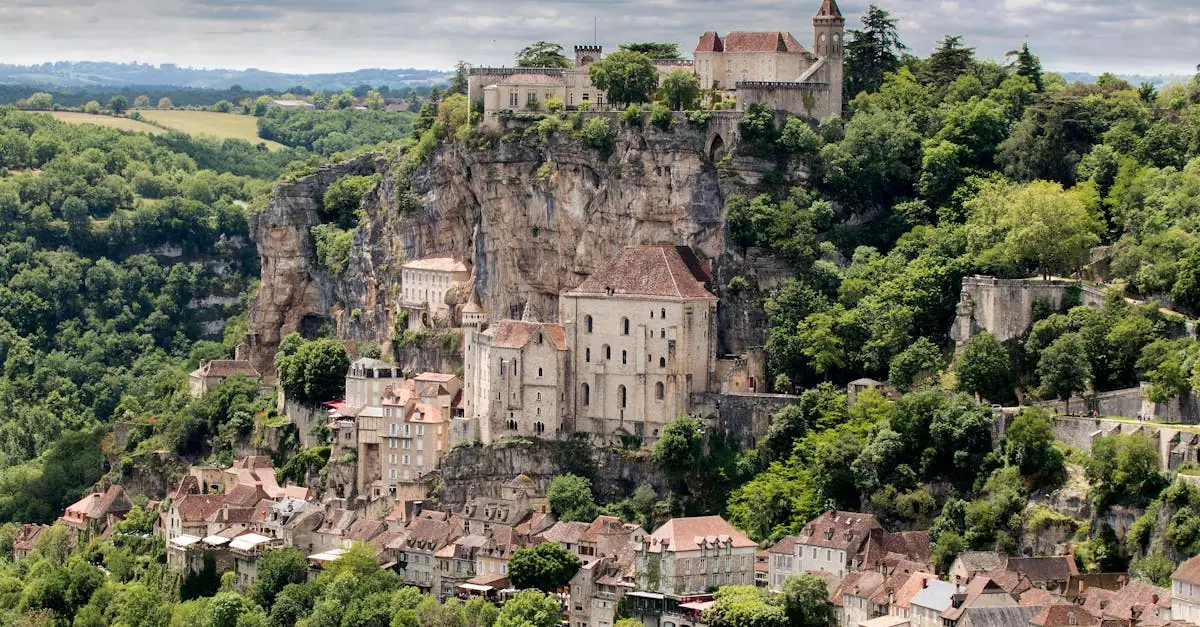
France, synonymous with iconic landmarks and bustling cities, holds a quieter charm in its lesser-known villages. While Paris, Nice, and Lyon draw millions annually, a different kind of French experience awaits those willing to venture off the main tourist routes. Discovering these hidden gems offers a unique opportunity to connect with the authentic spirit of France, away from the selfie sticks and souvenir shops.
Escaping the Crowds: The Allure of Off-the-Beaten-Path France
The primary draw of seeking out France’s hidden towns is the promise of tranquility. Imagine strolling through cobblestone streets without the jostle of large tour groups, enjoying a leisurely coffee at a local café where the barista remembers your name after just one visit, or finding yourself the sole visitor in a centuries-old church. This unhurried pace fosters genuine interactions with locals and a deeper appreciation for your surroundings. It’s about experiencing France as the French do, in a setting that feels both timeless and personal. For travelers looking to avoid the peak season crush at major attractions across Europe, these smaller destinations offer a welcome respite.
Authentic French Experiences Beyond Paris and Nice
Exploring beyond the well-publicized destinations of Paris and Nice reveals a France rich in regional diversity and genuine cultural encounters. Smaller towns often serve as custodians of traditions passed down through generations. You might stumble upon a vibrant local market selling fresh produce, witness a traditional craft being practiced, or be invited to a village festival. These are the moments that transform a trip into a memorable journey. Instead of merely seeing France, you get to feel it. The culinary scene, too, offers a localized perspective; think regional specialties prepared with local ingredients rather than generalized tourist menus.
Uncovering Unique Architecture and Local History
Each hidden town in France boasts its own architectural narrative and historical significance. Away from the grand monuments, you’ll find charming vernacular architecture that reflects the local landscape and building materials. Consider the stone houses of Burgundy, the half-timbered buildings of Alsace, or the bastide villages of the Dordogne. These towns often preserve their medieval layouts, providing a tangible connection to the past. Exploring these places means uncovering stories etched in stone, from ancient Roman remnants to medieval fortifications and the quiet elegance of post-Revolutionary town squares. Many villages have a rich past that is less documented but deeply felt by residents, offering a more intimate historical perspective than crowded national museums.
Must-Visit Hidden Towns in the Loire Valley
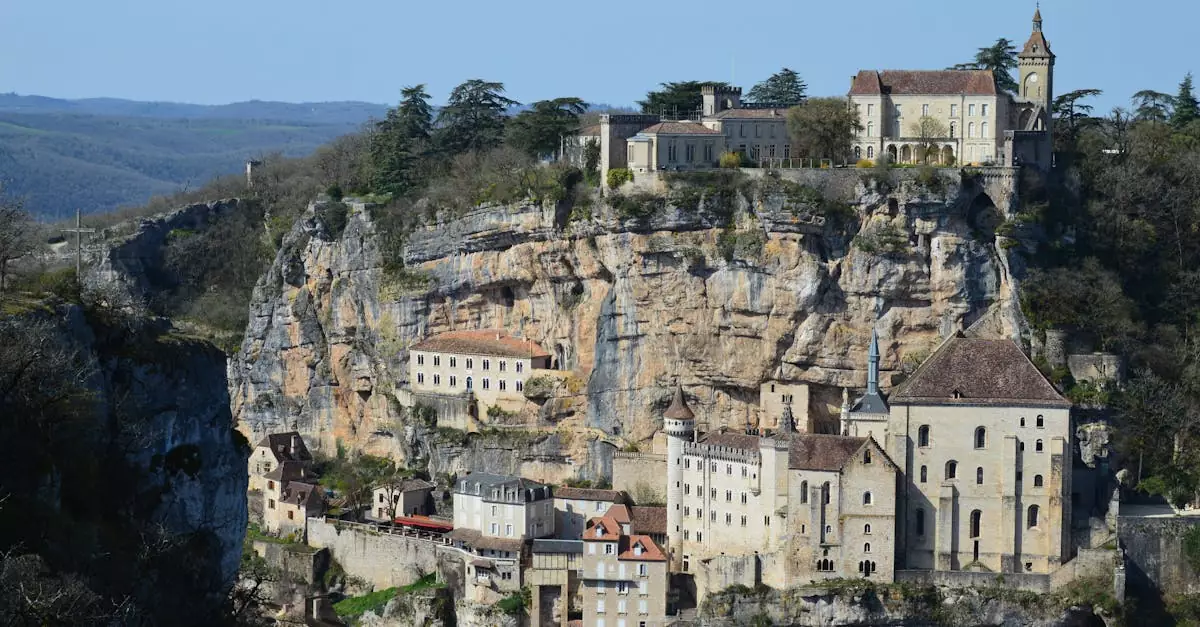
The Loire Valley, renowned for its grand châteaux and verdant landscapes, holds many secrets beyond its famous landmarks. For travelers seeking a more intimate French experience, several charming towns offer a glimpse into authentic regional life, away from the main tourist trails. These lesser-known destinations provide rich history, local flavors, and a slower pace that defines the true essence of this beautiful part of Europe.
Chinon: A Medieval Fortress and Wine Lover’s Dream
Chinon captivates visitors with its imposing medieval fortress, perched dramatically above the Vienne River. This historic town served as a crucial stronghold during the Hundred Years’ War, offering a tangible connection to centuries past. Wandering through its cobblestone streets reveals ancient architecture, independent boutiques, and inviting cafés.
Beyond its historical significance, Chinon is celebrated for its robust red wines made from Cabernet Franc. Local vineyards offer tastings, allowing travelers to savor the terroir. The town itself provides a welcoming base for exploring the surrounding vineyards and enjoying authentic regional cuisine.
Getting to Chinon:
- By Train: Direct trains run from Tours and Saumur.
- By Car: Easily accessible via the A85 motorway, with parking available near the town center and the château.
Loches: Royal History and a Picturesque Riverfront
Loches stands as a testament to French royal history, dominated by its magnificent feudal castle and royal lodge. This well-preserved town offers a journey back in time, with ramparts, towers, and a dungeon that whisper tales of kings and queens. The Château de Loches is a highlight, showcasing centuries of architectural evolution and royal intrigue.
The town’s charm extends to its lively market square and picturesque setting along the Indre River. Strolling along the riverbanks or crossing the stone bridges provides delightful views of the château and the surrounding countryside. Loches offers a compact yet rich historical experience compared to some of its larger neighbors.
Local Insight: Don’t miss the chance to walk the castle ramparts at sunset for breathtaking panoramic views.
Candes-Saint-Martin: Where the Loire Meets the Vienne
Candes-Saint-Martin, officially designated as one of “The Most Beautiful Villages of France,” is a picturesque gem situated at the confluence of the Loire and Vienne rivers. Its honey-colored stone houses, steep narrow streets, and stunning Collegiate Church of Saint-Martin create an idyllic scene. The village exudes a tranquil, almost timeless atmosphere.
This charming locale is ideal for photographers and those seeking a peaceful retreat. The views from the village’s higher points, overlooking the river valleys, are particularly memorable. It offers a more intimate perspective on the Loire Valley, focusing on artisanal crafts and serene natural beauty.
Visitor Tip: Wear comfortable shoes, as the village’s charm is best appreciated on foot, navigating its steep inclines.
| Town | Key Attraction | Vibe | Best for |
|---|---|---|---|
| Chinon | Medieval Fortress, Vineyards | Historic, Lively | Wine enthusiasts, history buffs |
| Loches | Royal Castle, Riverfront | Regal, Picturesque | Royal history lovers, scenic walks |
| Candes-Saint-Martin | Confluence Views, Stone Houses | Tranquil, Artistic | Photographers, those seeking quiet beauty |
Unveiling Provence’s Lesser-Known Gems
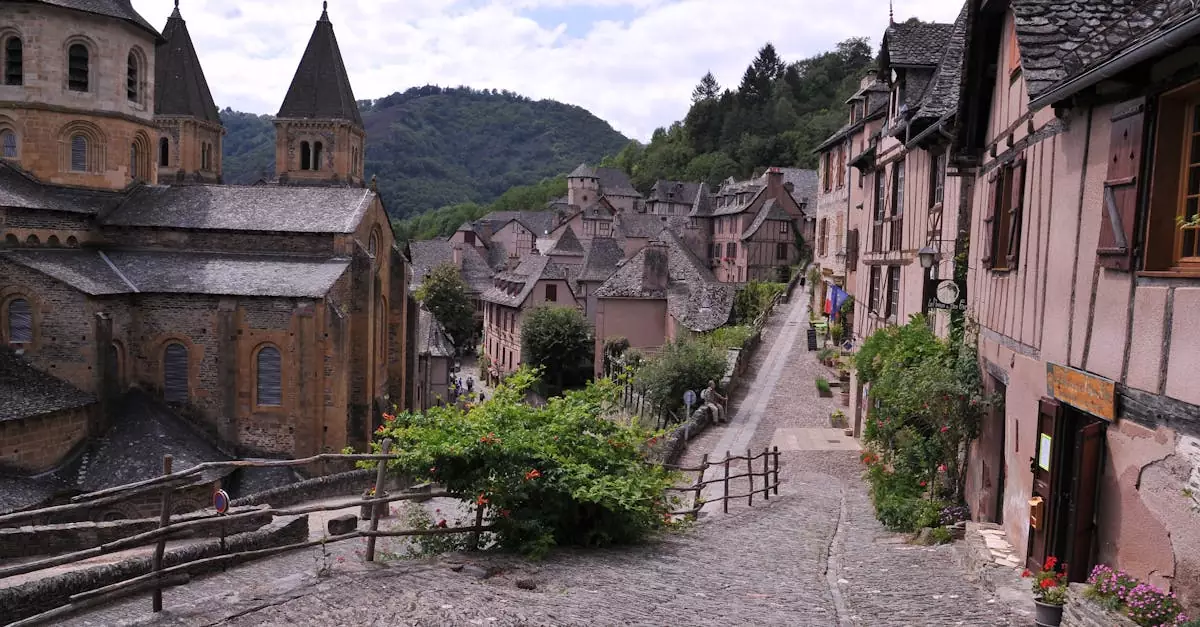
Provence, synonymous with lavender fields and sun-drenched landscapes, has its well-trodden paths. Yet, beyond the popular hubs lie villages that retain an authentic charm, offering a glimpse into a slower pace of life. These hidden towns in France, particularly within Provence, provide a more intimate experience of the region’s beauty and culture.
Gordes: The Cliffside Village You’ve Dreamed Of
Perched dramatically on a rocky outcrop, Gordes is often cited as one of France’s most beautiful villages. While it attracts visitors, it retains an enchanting atmosphere, especially in the early mornings and late afternoons when the crowds thin. Its honey-colored stone buildings cascade down the hillside, creating a breathtaking panorama. Wandering its narrow, winding streets reveals artisanal boutiques, art galleries, and charming cafés.
Traveler Tips for Gordes:
- Best Time to Visit: Spring (April-May) and Autumn (September-October) offer pleasant weather and fewer tourists.
- Getting There: Gordes is best accessed by car, with the nearest train station in Avignon, about a 45-minute drive away.
- Accommodation: Options range from boutique hotels within the village to charming guesthouses in the surrounding countryside. Booking in advance is highly recommended, especially during peak season.
Roussillon: A Town Painted in Ochre Hues
Roussillon is a visual spectacle, renowned for its vibrant ochre cliffs and buildings that glow in shades of red, yellow, and orange. This natural pigment has shaped the village’s identity, from its architecture to its artistic heritage. A walk along the “Sentier des Ocres” (Ochre Trail) just outside the village offers a unique geological experience and stunning photographic opportunities. The village itself is a delight to explore, with its shaded squares and local craft shops.
Logistics in Roussillon:
- Parking: Parking can be challenging during peak times. Arrive early or be prepared to walk from designated lots.
- Activities: Beyond the Ochre Trail, consider visiting the local ochre quarry museum or simply enjoying the picturesque streets.
- Budget: Roussillon is moderately priced. Eating at local bakeries for picnic supplies can help manage costs.
Lourmarin: Artistic Charm and Local Markets
Nestled in the Luberon valley, Lourmarin exudes a sophisticated yet relaxed ambiance. It’s a favorite among artists and writers, evident in its numerous galleries and the literary history associated with the village, notably Albert Camus. The village is crowned by a Renaissance château, which hosts exhibitions and cultural events. On Friday mornings, the main square comes alive with a vibrant market, offering local produce, cheeses, crafts, and textiles.
Experiencing Lourmarin:
- Market Day: The Friday market is a must-visit for an authentic local experience. Arrive early for the best selection.
- Atmosphere: Lourmarin is particularly appealing for those who appreciate art, literature, and a lively yet unpretentious ambiance.
- Comparison: Compared to the dramatic cliffside setting of Gordes, Lourmarin offers a more tranquil valley experience, though both are undeniably beautiful hidden towns in France.
Exploring Northern France’s Secret Villages
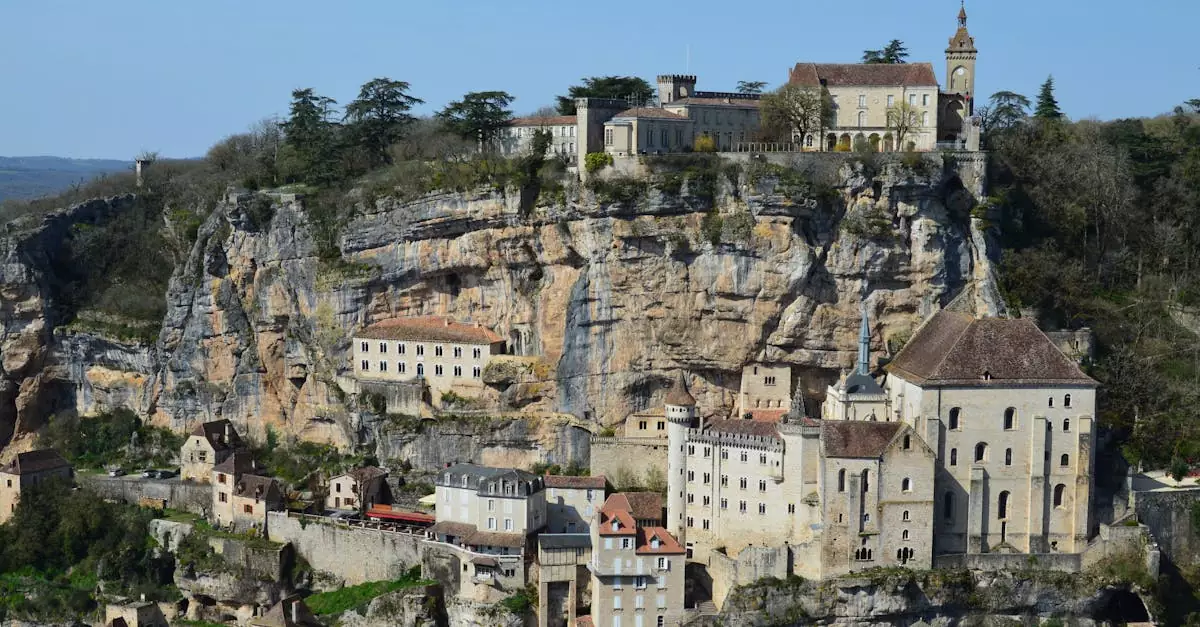
Northern France offers a quieter side to the country’s charm, with villages that retain their historical character and natural beauty. These destinations provide a welcome escape from crowded tourist paths, allowing for a more authentic French experience. Travelers seeking picturesque landscapes and a slower pace will find these lesser-known spots particularly rewarding.
Apremont-sur-Allier: France’s Most Beautiful Village
Often cited as one of “France’s Most Beautiful Villages,” Apremont-sur-Allier in the Cher department lives up to its reputation. This small commune along the Allier River is a vision of floral displays and perfectly preserved architecture. Its stone buildings, often adorned with vibrant flowers, create a postcard-perfect scene.
The village’s charm extends to its medieval castle, Château d’Apremont, and its surrounding park. A stroll through the grounds reveals a romantic landscape designed in the English style, offering a peaceful counterpoint to the village’s structured beauty. Visiting Apremont-sur-Allier is best done in spring or summer when the gardens are in full bloom.
Getting to Apremont-sur-Allier typically involves driving, as it’s not directly served by major train lines. Bourges, a larger city, is about a 30-minute drive away and offers more extensive accommodation options. For those arriving by train, consider a rental car from Bourges to fully appreciate the surrounding countryside.
Veules-les-Roses: Coastal Charm and Thatched Roofs
Veules-les-Roses, located on the Normandy coast, is a delightful seaside village that feels like stepping back in time. Its claim to fame includes being the smallest river in France, the Veules, which flows through the heart of the village before meeting the English Channel. The village is characterized by its charming thatched-roof cottages, half-timbered houses, and lush gardens.
The coastal path offers scenic walks with views of the sea and the distinctive white cliffs. During the summer, the village is known for its wild roses, which lend it its name and add fragrant beauty to the streets. The beach, though small, is a pleasant spot to relax and enjoy the maritime atmosphere.
This hidden gem is accessible by car, with Rouen being a couple of hours away. The nearest train station is in Saint-Valery-en-Caux, requiring a taxi or bus connection to reach Veules-les-Roses. Visiting outside of peak summer months can offer a more tranquil experience of this coastal retreat.
Saint-Valery-sur-Somme: Medieval Port and Bay Views
Nestled on the southern bank of the Somme Bay, Saint-Valery-sur-Somme is a historic port town with a rich past. Its medieval ramparts, cobbled streets, and charming harbor evoke a sense of history, making it a captivating destination for those interested in France’s heritage. The town played a significant role during World War I and has retained much of its old-world character.
The views over the Somme Bay are spectacular, especially at high tide. Visitors can enjoy boat trips on the bay, offering a unique perspective of the surrounding salt marshes and birdlife. The town itself is a pleasure to wander through, with its artisan shops and traditional restaurants serving local seafood.
Saint-Valery-sur-Somme is reachable by train, with direct connections from Paris available, making it a convenient option for those without a car. Accommodation ranges from quaint guesthouses within the old town to hotels overlooking the bay. Its strategic location also makes it a good base for exploring other parts of the Picardy region.
Planning Your Journey to France’s Hidden Towns
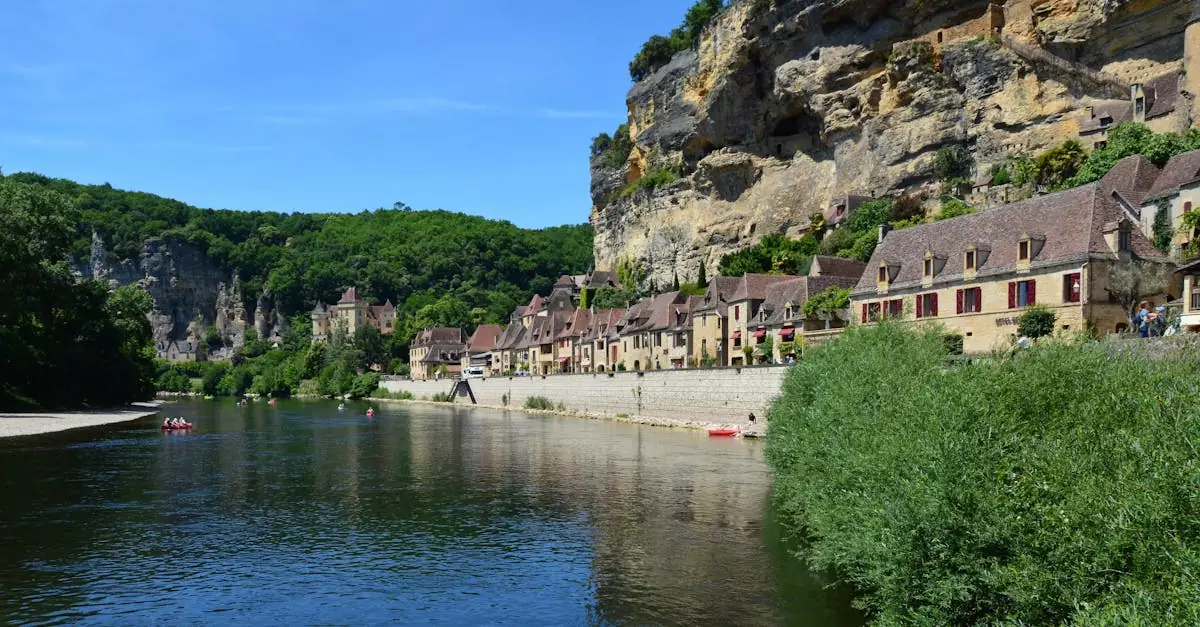
Discovering France’s lesser-known villages requires thoughtful planning, especially if you aim for an authentic experience away from the usual tourist trails. This section offers practical advice on timing your visit, navigating between these charming locations, and managing your budget for a truly memorable trip.
Best Time to Visit for Mild Weather and Fewer Tourists
The shoulder seasons offer an ideal time for visiting France’s hidden towns, providing pleasant weather without the peak summer crowds. Spring, from April to June, brings blooming landscapes and comfortable temperatures, perfect for leisurely strolls through cobblestone streets. Autumn, from September to October, offers crisp air, beautiful foliage, and harvest festivals in many regions.
While summer (July and August) is warm and vibrant, many smaller towns can become quite busy, and accommodation prices rise. Winter (November to March) offers a quieter, more intimate experience, with fewer visitors and the potential for festive holiday markets. However, some attractions may have reduced hours, and the weather can be chilly and damp across much of Europe.
Navigating Between Towns: Car Rentals vs. Public Transport
Getting to and between France’s hidden towns often requires a flexible approach to transportation. For true freedom and the ability to reach remote villages, renting a car is highly recommended. It allows you to set your own pace and easily hop between different hamlets, uncovering unexpected gems along the way. Picking up a car at a major airport or train station is usually the most convenient option.
Public transport, while extensive in France, can be less reliable for reaching very small, off-the-beaten-path locations. Trains connect larger towns and cities efficiently, and buses serve many smaller communities. However, schedules might be infrequent, and transfers can be time-consuming, especially when trying to visit several remote villages.
| Transportation Option | Pros | Cons | Best For |
|---|---|---|---|
| Rental Car | Flexibility, access to remote areas | Parking in small villages, potential language barrier | Independent travelers, exploring multiple towns |
| Trains & Buses | Cost-effective, environmentally friendly | Limited reach, infrequent schedules, requires planning | Traveling between larger towns, budget-conscious |
| Taxis/Ride Shares | Door-to-door convenience | Expensive for long distances, availability varies | Short transfers, specific needs |
Budgeting for an Authentic French Village Experience
An authentic experience in France’s hidden towns can be surprisingly affordable compared to major tourist hubs. Focus on local markets for picnic supplies, enjoy regional eateries rather than dining at fine restaurants every night, and opt for charming guesthouses or self-catering accommodations to significantly reduce costs.
Accommodation prices vary widely by region and season. Expect to pay more in popular areas like Provence or the French Riviera during peak season. Rural guesthouses (chambres d’hôtes) often offer excellent value, including breakfast and a personal touch from local hosts. Booking in advance is advisable, particularly for the most sought-after hidden towns.
A daily budget might range from €70-€150 per person, depending on your travel style. This typically covers accommodation, food, local transport, and modest activities. Dining at local boulangeries for breakfast pastries, picking up cheese and bread for a simple lunch, and enjoying a hearty regional meal at a village bistro can offer a delicious and economical way to savor French cuisine.
Frequently Asked Questions About Exploring Hidden Towns in France
What are the best hidden towns in France for couples?
For romantic getaways, consider towns like Colmar in Alsace, with its charming canals and colorful half-timbered houses, or Eguisheim, also in Alsace, often cited as one of France’s most beautiful villages. The Loire Valley offers picturesque spots like Chinon, known for its medieval castle and wine production, providing a blend of history and vineyard strolls. These locations offer a quieter pace and scenic beauty conducive to shared experiences.
Are these towns accessible for solo travelers?
Yes, most of these hidden towns in France are quite accessible for solo travelers. Many are walkable once you arrive, and public transportation networks within France, particularly trains, are efficient for reaching regional hubs. Smaller towns might require a car for maximum flexibility, but local buses can often connect them to larger nearby cities. Safety is generally high in rural France, making solo exploration comfortable.
For instance, reaching a town in Provence might involve flying into Marseille and then taking a regional train or bus. Researching local transit options in advance is key.
What local foods should I try in these regions?
Each region boasts unique culinary delights. In Alsace, look for Tarte Flambée (a thin-crust pizza-like dish), Choucroute Garnie (sauerkraut with various meats), and local white wines like Riesling and Gewürztraminer.
In the Loire Valley, Rillettes (slow-cooked, shredded pork or goose) and Crottin de Chavignol (a small goat cheese) are regional specialties, often paired with the area’s distinct wines.
For Provence, sample Tapenade (olive paste), Bouillabaisse (fish stew, though more common on the coast), and Calissons d’Aix (a marzipan-like confection). Visiting local markets is an excellent way to discover seasonal produce and artisanal products.
What common tourist mistakes should be avoided in rural France?
A common mistake is underestimating the need for a car in more remote areas. While major cities and some well-connected towns have good public transport, exploring truly hidden towns in France often requires personal vehicle access for flexibility.
Another pitfall is assuming all shops and restaurants maintain typical business hours. Many smaller establishments, especially in rural villages, close for a long lunch break (often from 12:30 PM to 2:30 PM) and may also be closed on Sundays or Mondays. Planning your meals and shopping around these local schedules is crucial. Finally, while French is the language, attempting even a few basic phrases will be greatly appreciated by locals in these less-touristed areas.